


Más información sobre el libro
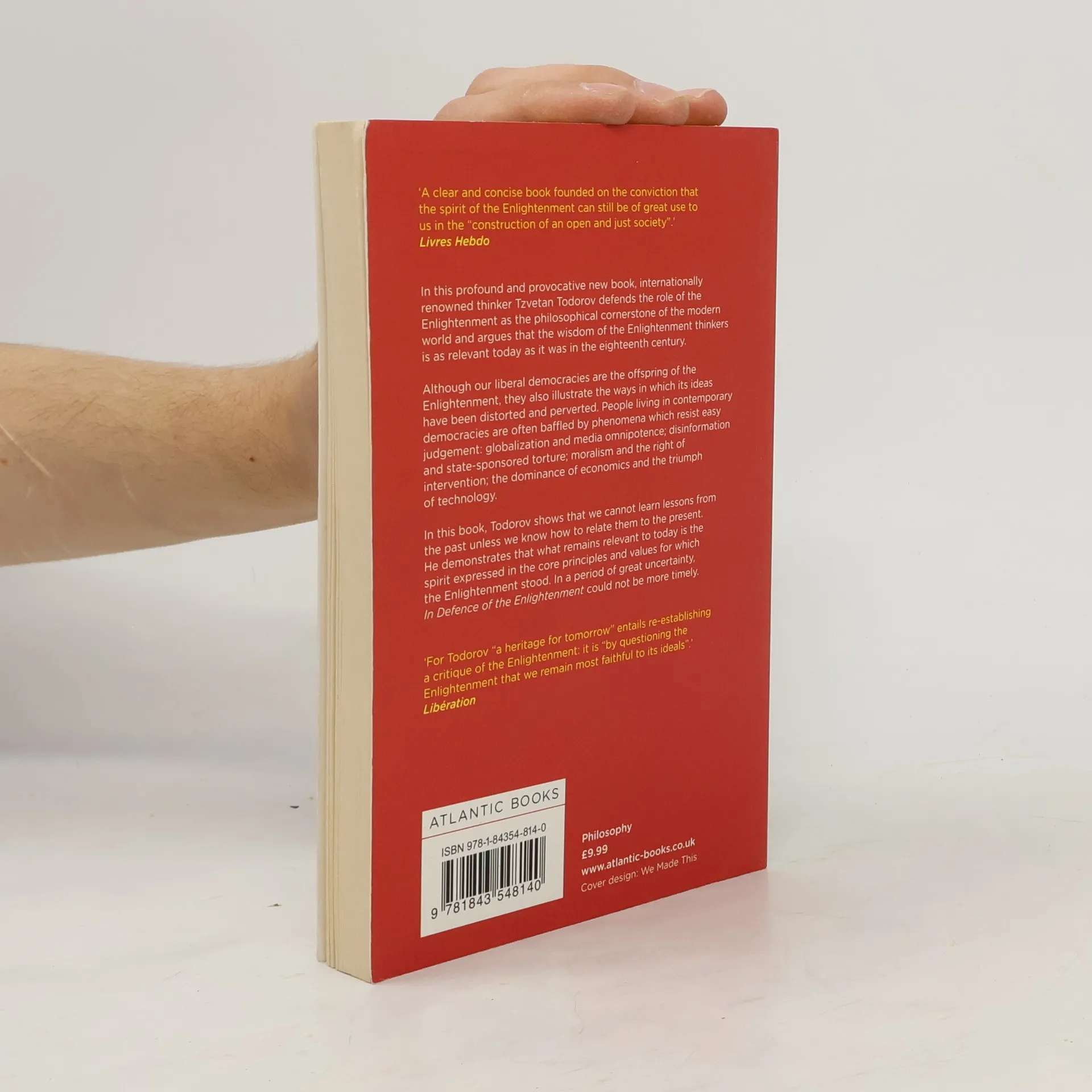
This brilliant and concise book from internationally renowned historian Tzvetan Todorov establishes the Enlightenment as the philosophical cornerstone of the modern world and argues that the wisdom of those times is just as relevant today. Although our liberal democracies are the offspring of the Enlightenment, they also illustrate the ways in which its ideas can be distorted and perverted. People living in these democracies today are often baffled by a host of phenomena which they don't know how to judge: globalisation and media omnipotence, state-sponsored torture and lies, moralism and the right of intervention, the domination of economics and the triumph of technology. Is it possible to distinguish between the Enlightenment' legitimate and illegitimate heirs? We cannot learn lessons from the past unless we know how to relate them to the present. In this brilliant and concise book, internationally renowned historian TT shows that what remains relevant to us today of the 18th-century debates is their spirit, as expressed in a number of crucial principles and values. 'It is by criticizing the Enlightenment that we remain faithful to it.'

Compra de libros
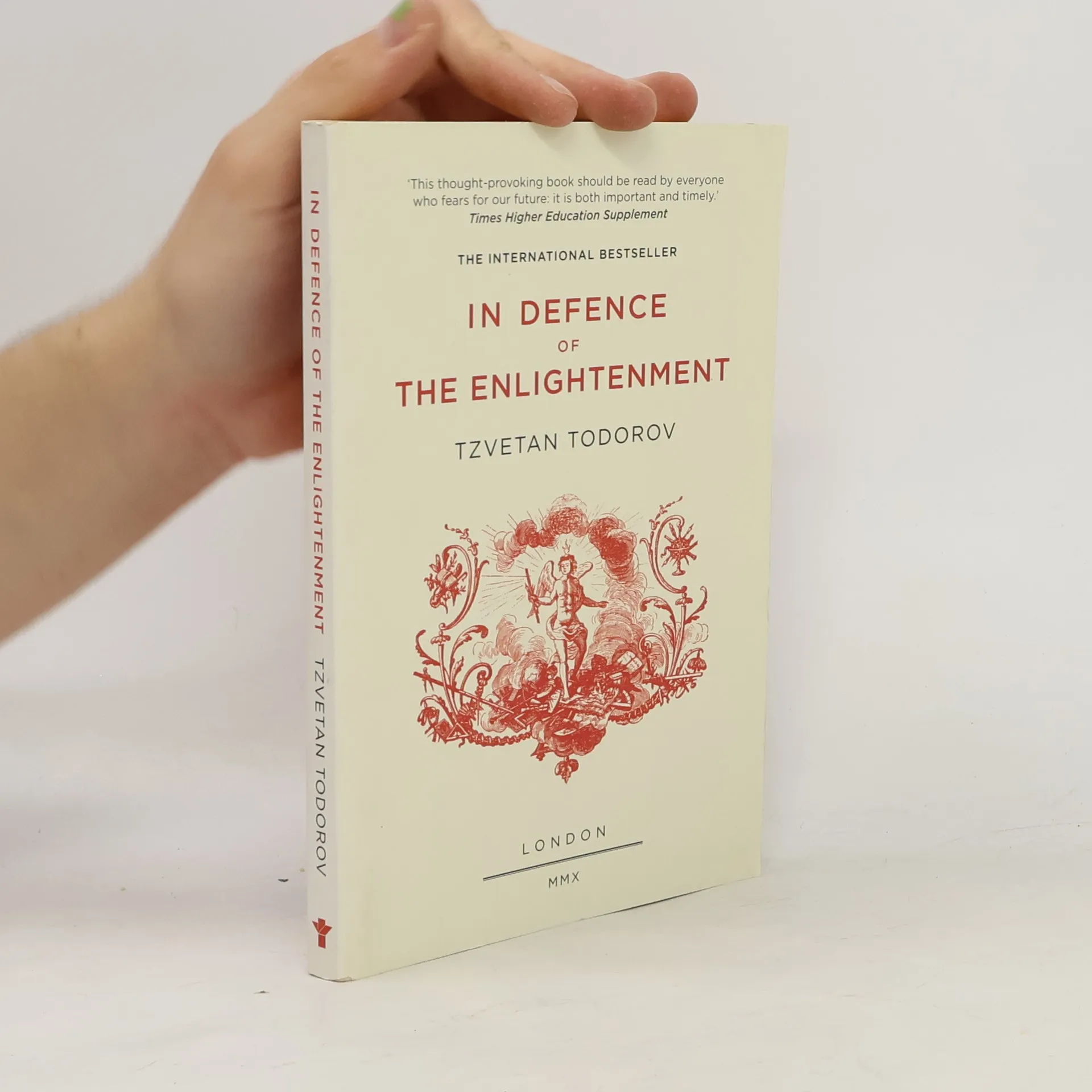
In Defence of the Enlightenment, Tzvetan Todorov
- Idioma

- Publicado en
- 2010
- Encuadernación
- (Tapa blanda)
Métodos de pago
Nos falta tu reseña aquí
- Título
- In Defence of the Enlightenment
- Idioma
- Inglés
- Autores
- Tzvetan Todorov
- Editorial
- Atlantic Books
- Publicado en
- 2010
- Formato
- Tapa blanda
- Páginas
- 144
- ISBN10
- 1843548143
- ISBN13
- 9781843548140
- Serie
- Categorías
- Etiquetas
- Tema histórico, Temática filosófica, Política, Bulgaria
- Calificación
- 3,55 de 5
- Descripción
- This brilliant and concise book from internationally renowned historian Tzvetan Todorov establishes the Enlightenment as the philosophical cornerstone of the modern world and argues that the wisdom of those times is just as relevant today. Although our liberal democracies are the offspring of the Enlightenment, they also illustrate the ways in which its ideas can be distorted and perverted. People living in these democracies today are often baffled by a host of phenomena which they don't know how to judge: globalisation and media omnipotence, state-sponsored torture and lies, moralism and the right of intervention, the domination of economics and the triumph of technology. Is it possible to distinguish between the Enlightenment' legitimate and illegitimate heirs? We cannot learn lessons from the past unless we know how to relate them to the present. In this brilliant and concise book, internationally renowned historian TT shows that what remains relevant to us today of the 18th-century debates is their spirit, as expressed in a number of crucial principles and values. 'It is by criticizing the Enlightenment that we remain faithful to it.'