

Más información sobre el libro
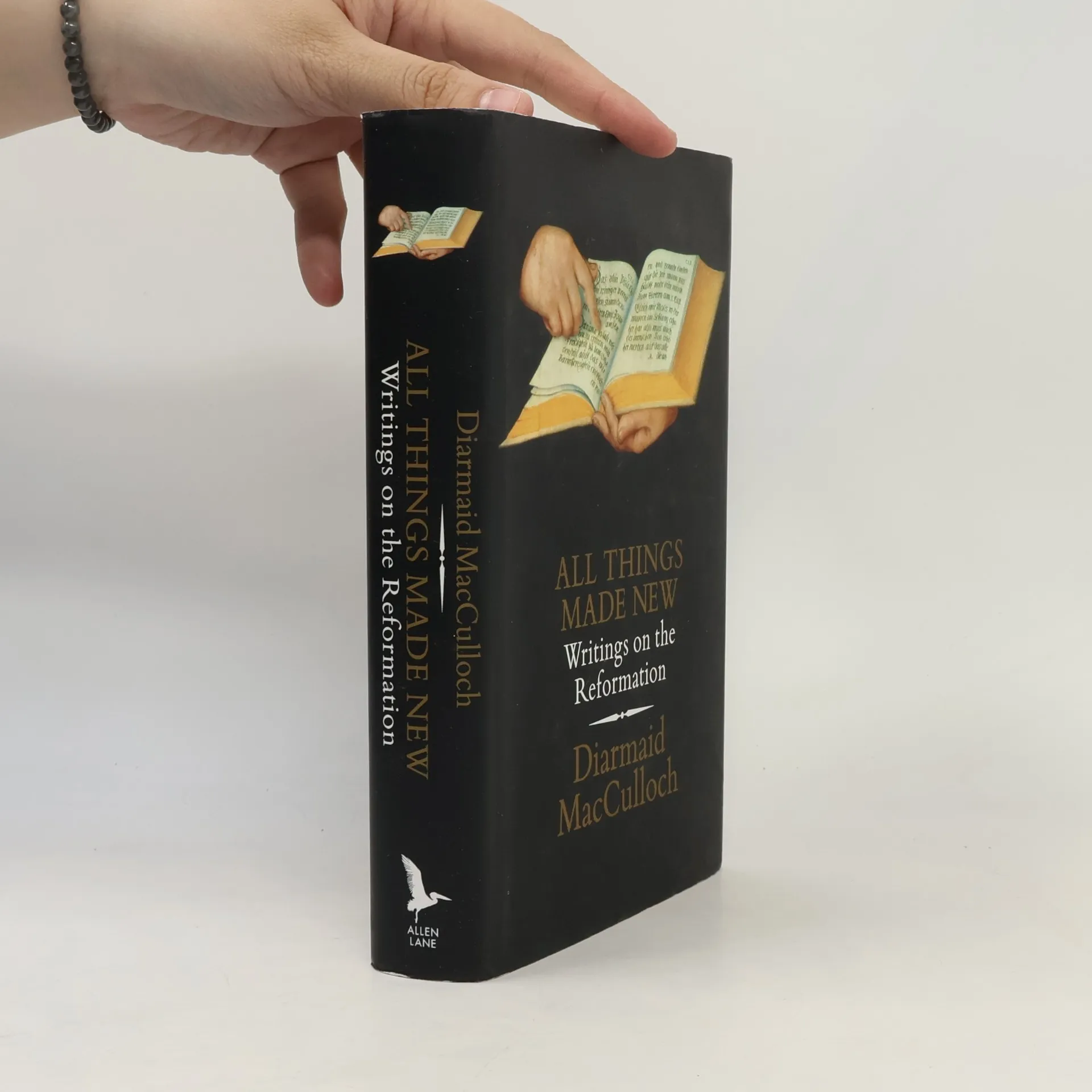
The defining feature of Western Europe during the Middle Ages was its cultural and religious unity, centered around the Pope in Rome and the use of Latin for worship and scholarship. The Reformation disrupted this unity, with effects that resonate today. In this exploration, Diarmaid MacCulloch examines the Reformation's widespread impact across Europe, the Catholic Counter-Reformation, and the unique evolution of religion in England. He argues that the Reformation, while sparking a social revolution, was fundamentally rooted in a significant idea about death, salvation, and the afterlife. This notion—that salvation rests solely in God's hands—dismantled the Catholic Church's monopoly in Europe and altered the future of the West. With a blend of passion, humor, and insight, the work delves into the original conflicts of the Reformation and addresses enduring prejudices that shape contemporary views of religious divides. MacCulloch, a leading scholar of Christianity, also investigates how historians have narrated the Reformation's story, the evolution of these interpretations, and how the contested legacy of this pivotal event continues to influence the modern world.
Compra de libros
All Things Made New, Diarmaid MacCulloch
- Idioma

- Publicado en
- 2016
Métodos de pago
Nadie lo ha calificado todavía.
- Título
- All Things Made New
- Idioma
- Inglés
- Autores
- Diarmaid MacCulloch
- Editorial
- Penguin UK
- Publicado en
- 2016
- Páginas
- 400
- ISBN10
- 0241254000
- ISBN13
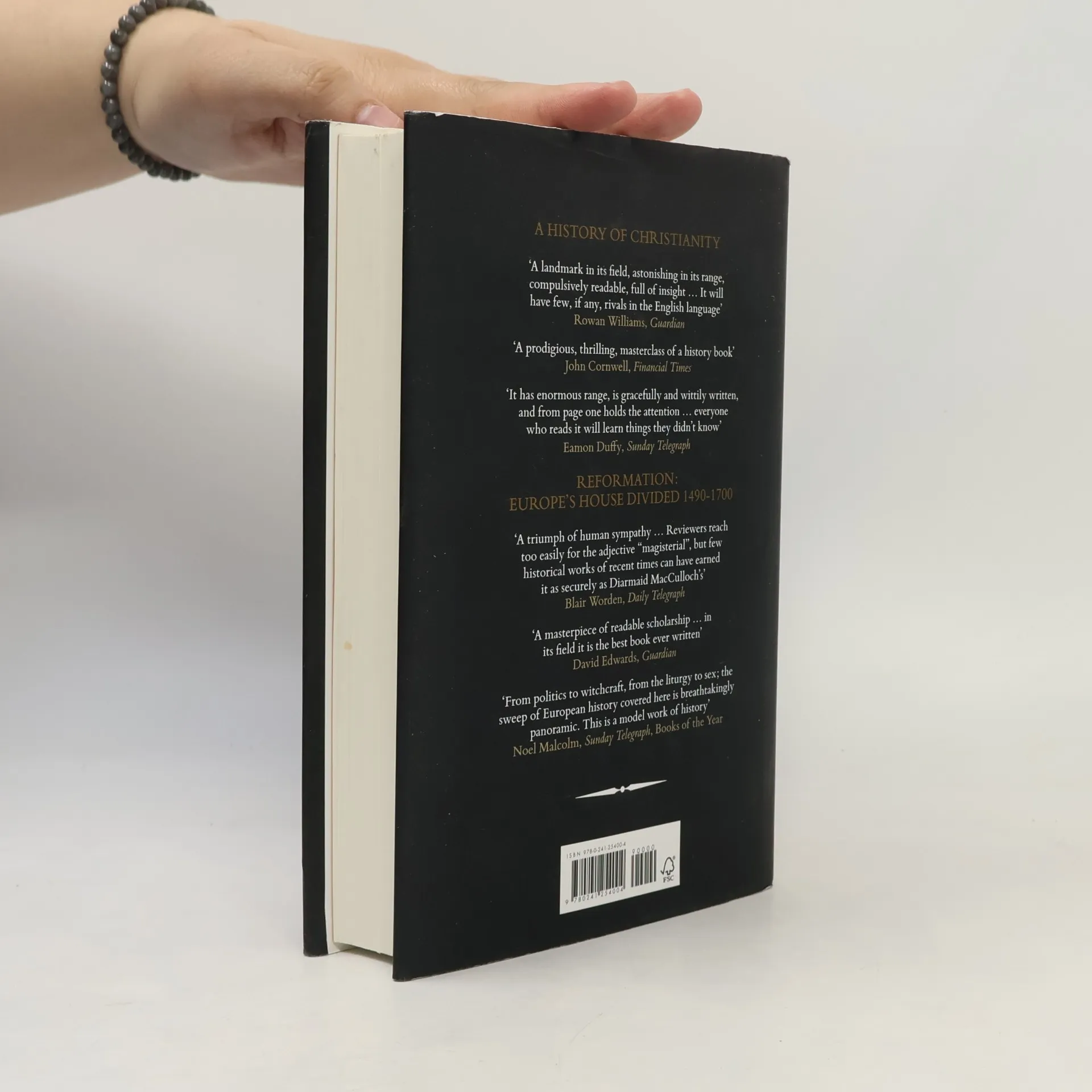
- 9780241254004
- Serie
- Etiquetas
- Tema histórico, Temas religiosos, Cristianismo, Teología, Europa, Historia de Europa, Historia de la iglesia, Historia de las Religiones, Reforma
- Descripción
- The defining feature of Western Europe during the Middle Ages was its cultural and religious unity, centered around the Pope in Rome and the use of Latin for worship and scholarship. The Reformation disrupted this unity, with effects that resonate today. In this exploration, Diarmaid MacCulloch examines the Reformation's widespread impact across Europe, the Catholic Counter-Reformation, and the unique evolution of religion in England. He argues that the Reformation, while sparking a social revolution, was fundamentally rooted in a significant idea about death, salvation, and the afterlife. This notion—that salvation rests solely in God's hands—dismantled the Catholic Church's monopoly in Europe and altered the future of the West. With a blend of passion, humor, and insight, the work delves into the original conflicts of the Reformation and addresses enduring prejudices that shape contemporary views of religious divides. MacCulloch, a leading scholar of Christianity, also investigates how historians have narrated the Reformation's story, the evolution of these interpretations, and how the contested legacy of this pivotal event continues to influence the modern world.