

Budapest 1900
A Historical Portrait of a City and Its Culture - Kétnyelvű kiadás / Bilingual Edition
Autores
Valoración del libro
Más información sobre el libro
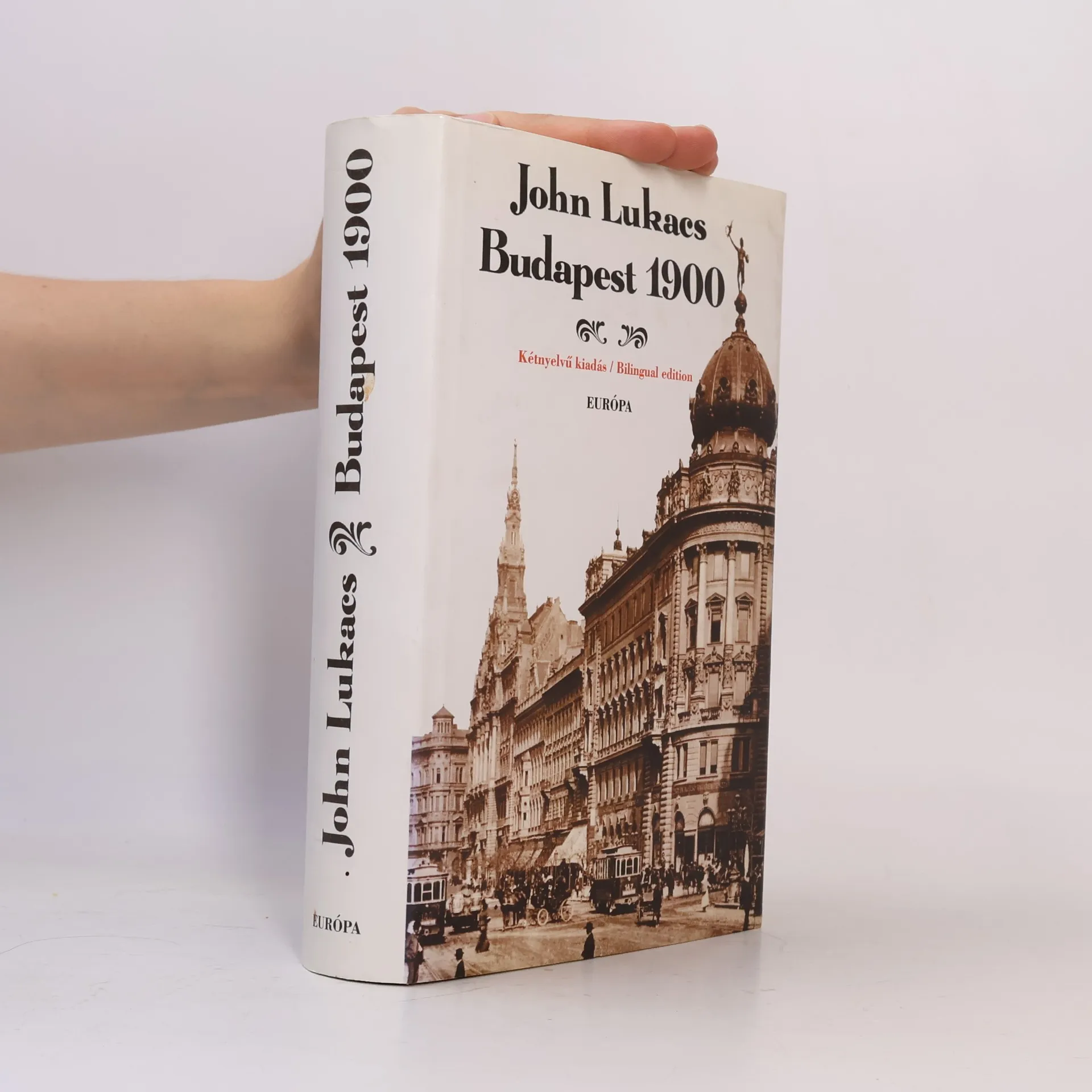
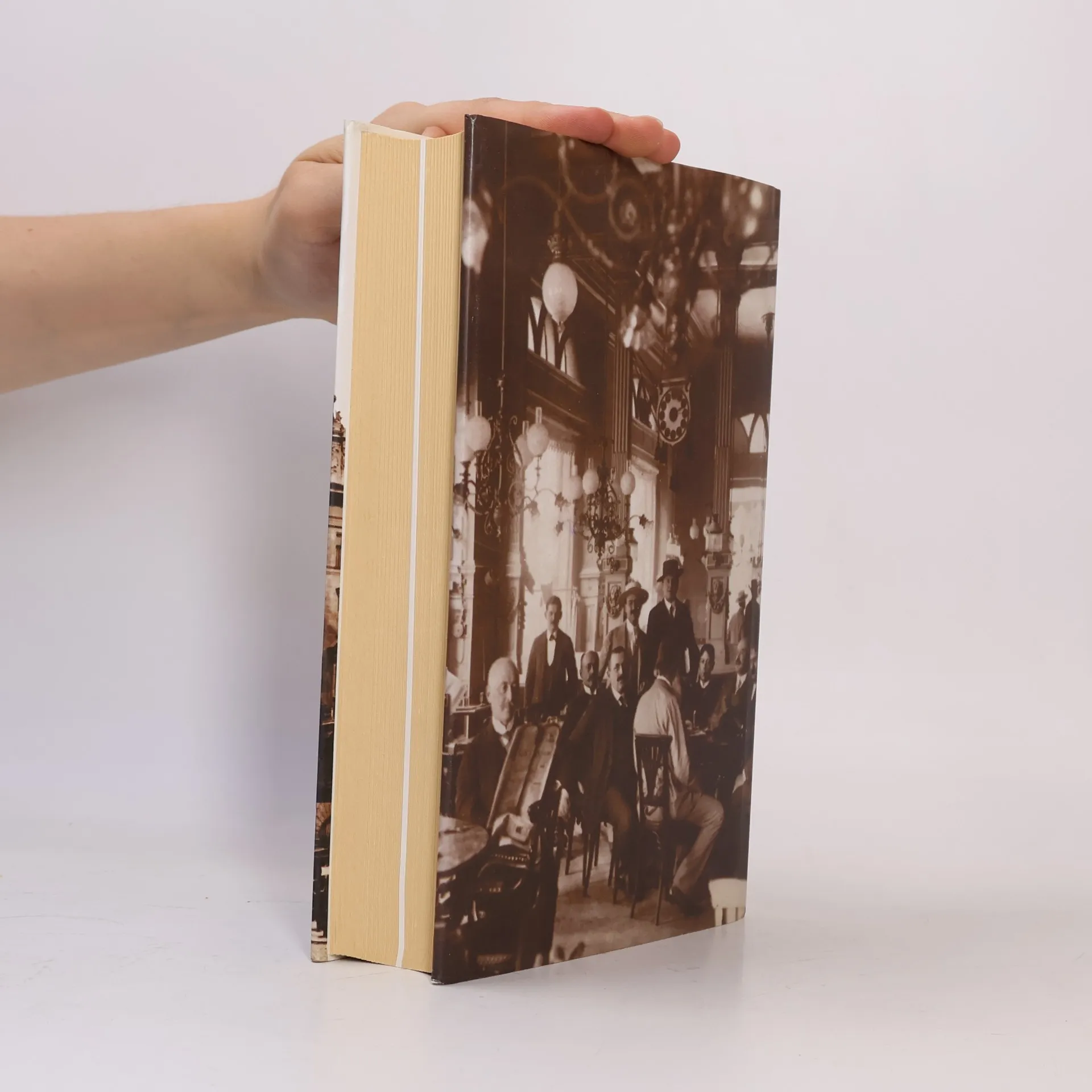
John Lukács, distinquished historian and native of Budapest, offers in Budapest 1900 a rich and eloquent portrait of one of the great European cities at the height of its powers. Budapest, like Paris or Vienna, experienced a remarkable exfoliation [sic] at the end of nineteenth century. In terms of population growth, material expansion, and cultural exuberance, it was among the foremost metropolitan centres of the world, the cradle of such talents as Bartok, Kodaly, Krúdy, Ady, Molnár, Koestler, Szilard and von Neumann, among others. John Lukacs provides a cultural and historical portrait of the city - its sights, sounds, and inhabitants; the artistic and material culture; its class dynamics; the essential role played by its Jewish population - and a historical perspective that describes the ascendance of the city and its decline into the maelstrom of the twentieth century. Intimate and engaging, Budapest 1900 captures the glory of a city at the turn of the century, poised at the moment of its greatest achievements, yet already facing the demands of a new age.



Compra de libros
Budapest 1900, John Lukacs
- Idioma

- Publicado en
- 2004
- Encuadernación
- (Tapa dura)
Métodos de pago
Nos falta tu reseña aquí
- Título
- Budapest 1900
- Subtítulo
- A Historical Portrait of a City and Its Culture - Kétnyelvű kiadás / Bilingual Edition
- Idioma
- Inglés
- Autores
- John Lukacs
- Editorial
- Európa
- Publicado en
- 2004
- Formato
- Tapa dura
- Páginas
- 231
- ISBN10
- 9630775077
- ISBN13
- 9789630775076
- Serie
- Etiquetas
- Tema histórico, Viajes, Historia de Europa, Ciudades, Hungría, Literatura húngara
- Calificación
- 3,8 de 5
- Descripción
- John Lukács, distinquished historian and native of Budapest, offers in Budapest 1900 a rich and eloquent portrait of one of the great European cities at the height of its powers. Budapest, like Paris or Vienna, experienced a remarkable exfoliation [sic] at the end of nineteenth century. In terms of population growth, material expansion, and cultural exuberance, it was among the foremost metropolitan centres of the world, the cradle of such talents as Bartok, Kodaly, Krúdy, Ady, Molnár, Koestler, Szilard and von Neumann, among others. John Lukacs provides a cultural and historical portrait of the city - its sights, sounds, and inhabitants; the artistic and material culture; its class dynamics; the essential role played by its Jewish population - and a historical perspective that describes the ascendance of the city and its decline into the maelstrom of the twentieth century. Intimate and engaging, Budapest 1900 captures the glory of a city at the turn of the century, poised at the moment of its greatest achievements, yet already facing the demands of a new age.