

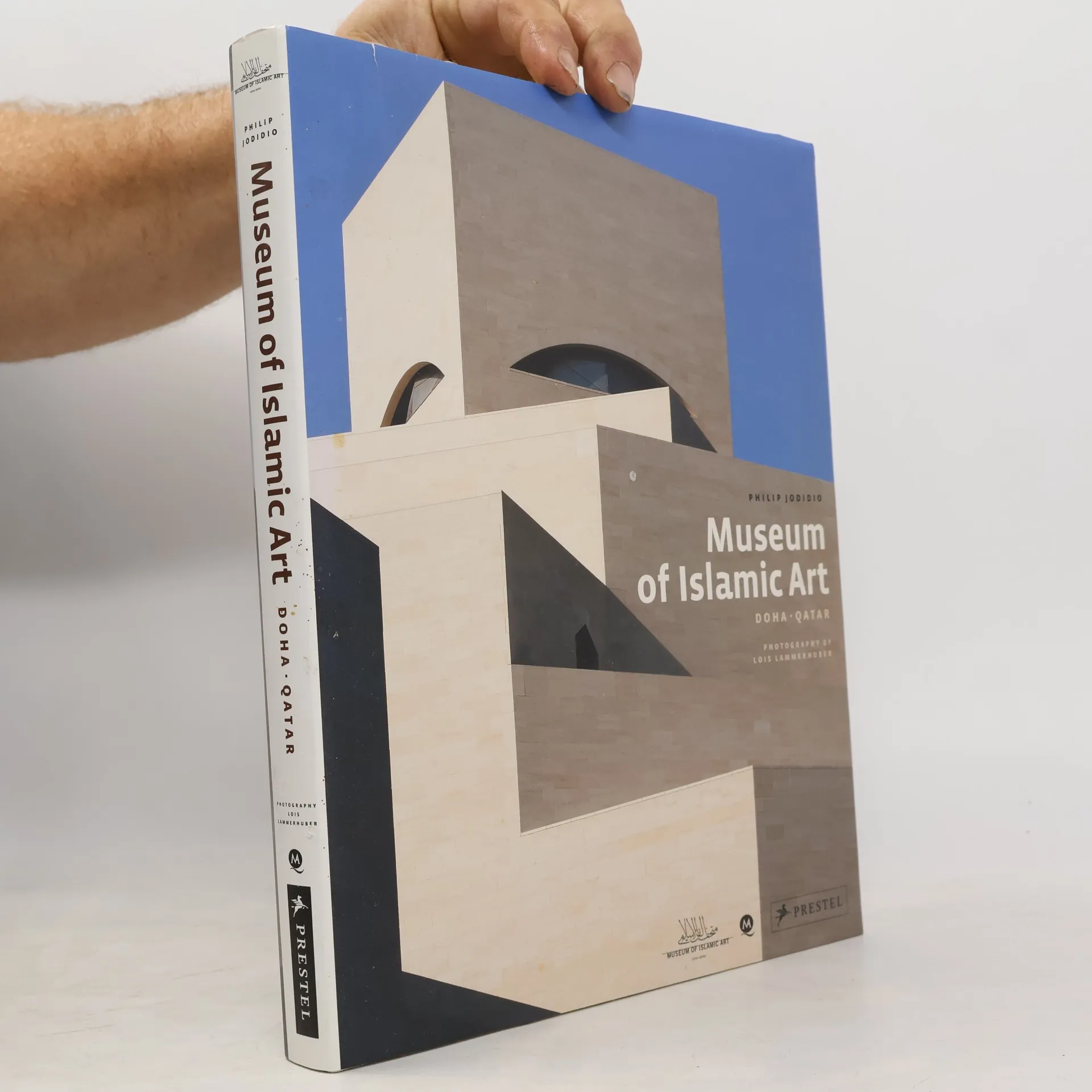
Museum of Islamic Art
Doha, Qatar
Más información sobre el libro
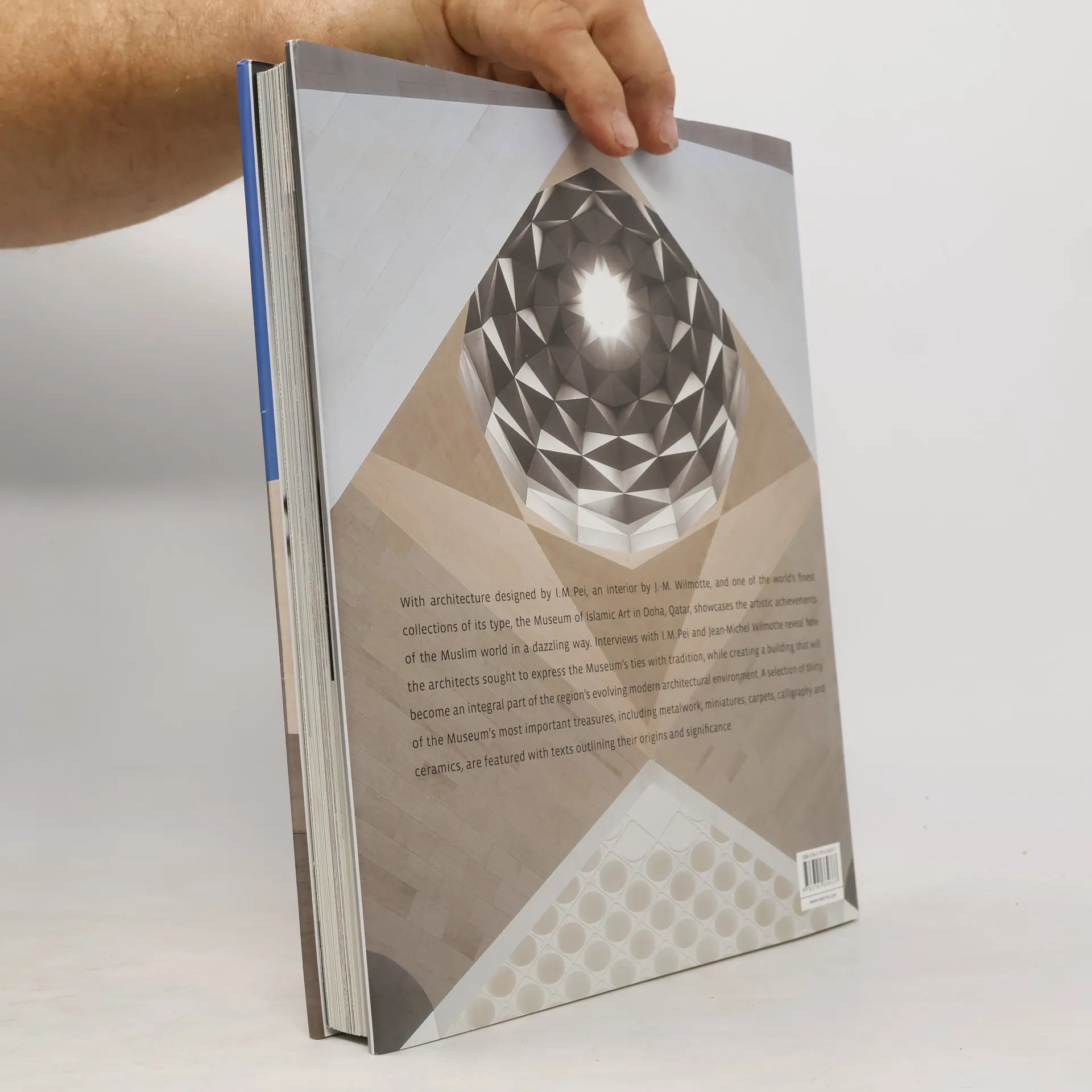
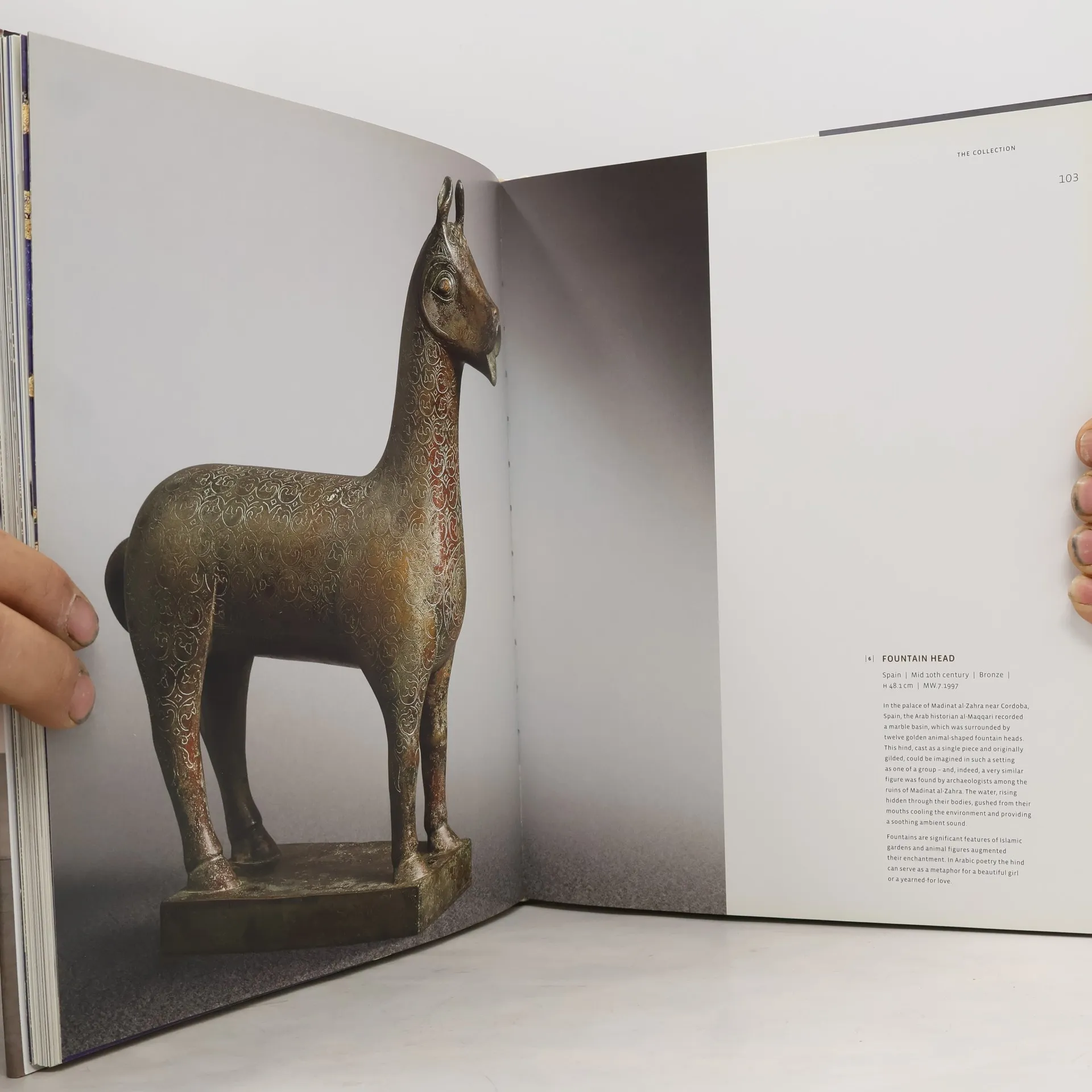
This is the first book to present the architecture and treasures of the world's premier museum of Islamic art. With architecture designed by I. M. Pei, an interior by J.-M. Wilmotte, and one of the world's finest collections, the Museum of Islamic Art in Doha, Qatar, showcases the artistic achievements of the Muslim world in a dazzling way. Interviews with I.M. Pei and Jean-Michel Wilmotte reveal how the architects sought to express the museum's ties with tradition while allowing the building to become an integral part of the region's modern architectural environment. A selection of thirty-five of the museum's most important treasures, including metalwork, miniatures, carpets, calligraphy and ceramics, are featured with texts outlining their origins and significance.
Publicación

Compra de libros
Museum of Islamic Art, Philip Jodidio, Lois Lammerhuber
- Idioma

- Publicado en
- 2008
- Encuadernación
- (Tapa blanda)
Métodos de pago
Nadie lo ha calificado todavía.
- Título
- Museum of Islamic Art
- Subtítulo
- Doha, Qatar
- Idioma
- Inglés
- Autores
- Philip Jodidio, Lois Lammerhuber
- Editorial
- Prestel
- Publicado en
- 2008
- Formato
- Tapa blanda
- Páginas
- 228
- ISBN10
- 3791339338
- ISBN13
- 9783791339337
- Serie
- Categorías
- Etiquetas
- Descripción
- This is the first book to present the architecture and treasures of the world's premier museum of Islamic art. With architecture designed by I. M. Pei, an interior by J.-M. Wilmotte, and one of the world's finest collections, the Museum of Islamic Art in Doha, Qatar, showcases the artistic achievements of the Muslim world in a dazzling way. Interviews with I.M. Pei and Jean-Michel Wilmotte reveal how the architects sought to express the museum's ties with tradition while allowing the building to become an integral part of the region's modern architectural environment. A selection of thirty-five of the museum's most important treasures, including metalwork, miniatures, carpets, calligraphy and ceramics, are featured with texts outlining their origins and significance.