

Parámetros
- 95 páginas
- 4 horas de lectura
Más información sobre el libro
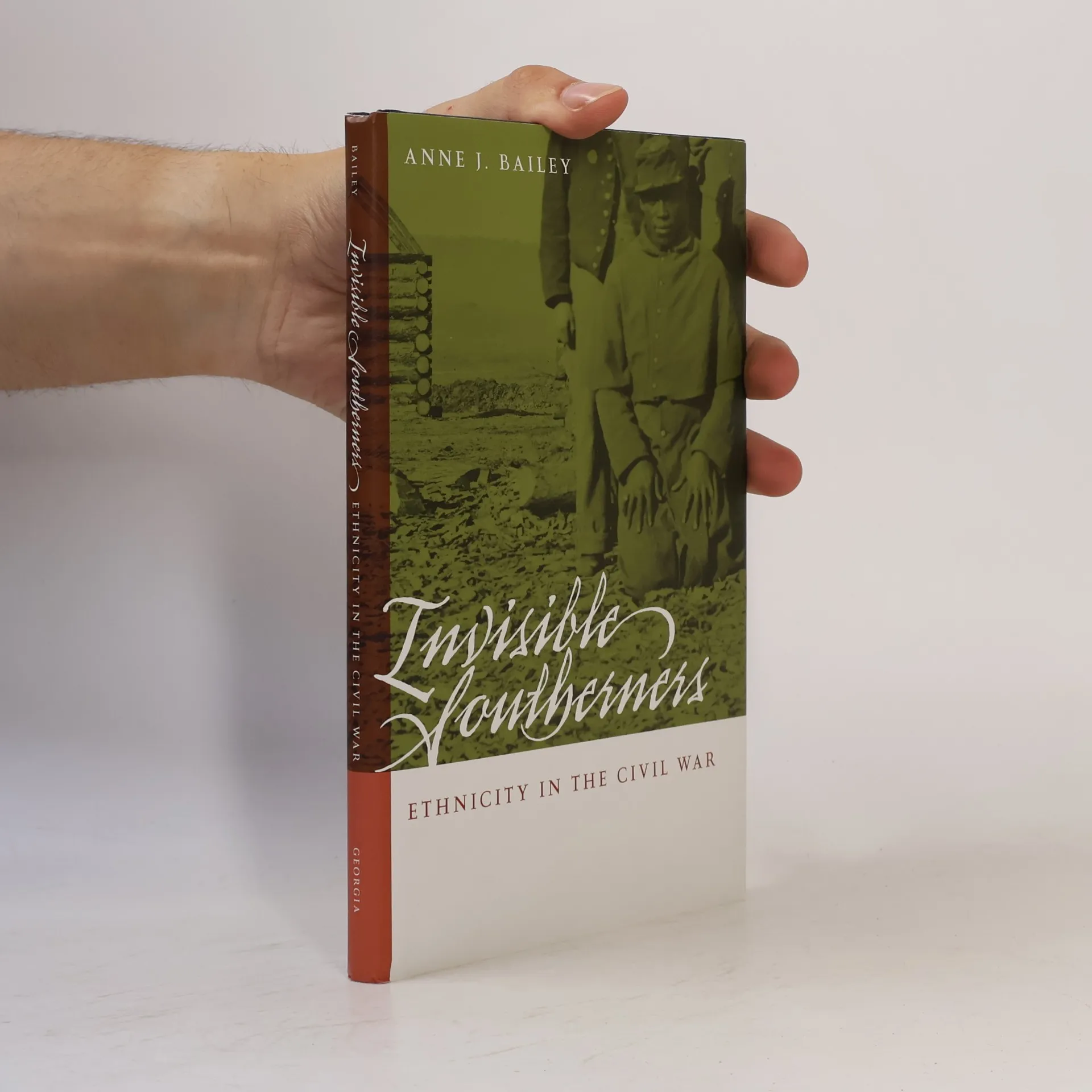
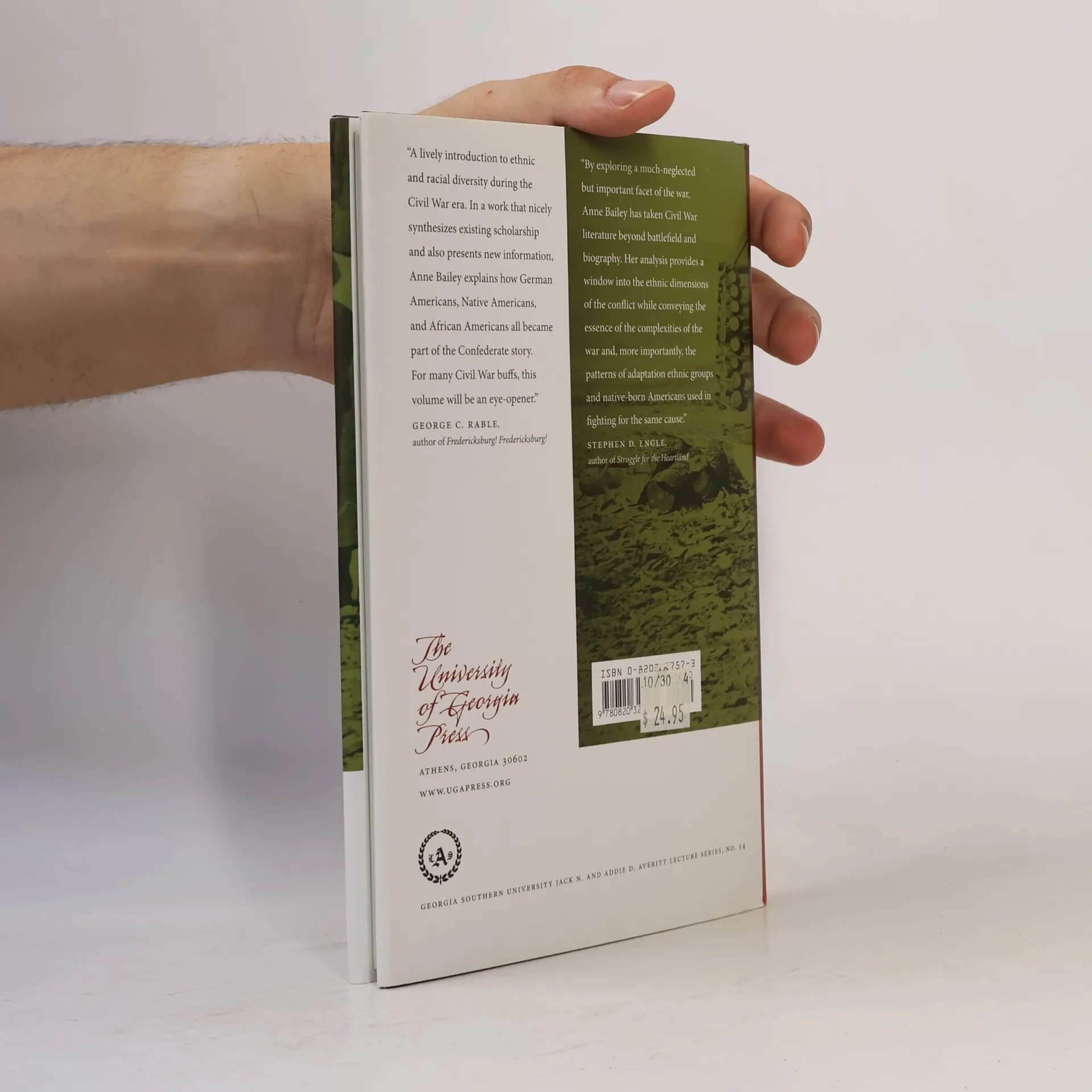
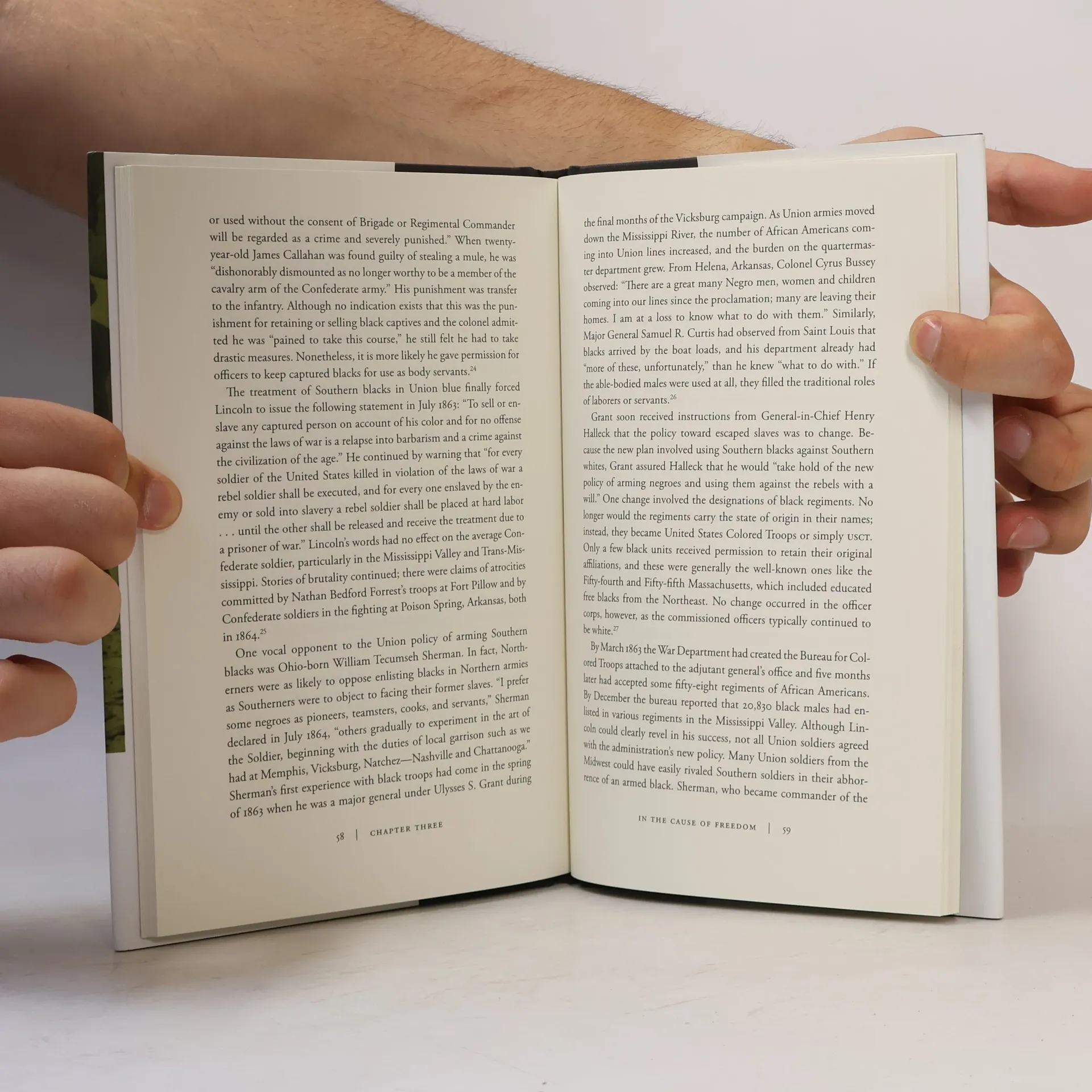
Most Southerners who fought in the Civil War were native born, white, and Confederate. However, thousands with other ethnic backgrounds also took a stand--and not always for the South. Invisible Southerners recounts the wartime experiences of the region's German Americans, Native Americans, and African Americans. As Anne J. Bailey looks at how such outsiders responded to demands on their loyalties, she recaptures the atmosphere of suspicion and prosecession, proslavery sentiment in which they strove to understand, and be understood by, their neighbors.Divisions within groups complicated circumstances even after members had cast their lot with the Union or Confederacy. Europe's slavery-free legacy swayed many German Americans against the South. Even so, one pro-Union German soldier could still look askance at another, because he was perhaps from a different province in the Old Country or of a different religious sect. Creeks and Cherokees faced wartime questions made thornier by tribal rifts based on wealth, racial mixture, and bitter memories of their forced transport to the Indian Territory decades earlier. The decision was easiest for former slaves, says Bailey, but the consequences more dire. They joined the Union Army in search of freedom and a new life--often to be persecuted by Yankee soldiers and, if captured, punished severely by Rebels.
Compra de libros
Invisible Southerners, Anne J. Bailey
- Idioma

- Publicado en
- 2006
- Encuadernación
- (Tapa dura)
Métodos de pago
Nadie lo ha calificado todavía.
- Título
- Invisible Southerners
- Subtítulo
- Ethnicity in the Civil War
- Idioma
- Inglés
- Autores
- Anne J. Bailey
- Editorial
- University of Georgia Press
- Publicado en
- 2006
- Formato
- Tapa dura
- Páginas
- 95
- ISBN10
- 0820327573
- ISBN13
- 9780820327570
- Serie
- Etiquetas
- Descripción
- Most Southerners who fought in the Civil War were native born, white, and Confederate. However, thousands with other ethnic backgrounds also took a stand--and not always for the South. Invisible Southerners recounts the wartime experiences of the region's German Americans, Native Americans, and African Americans. As Anne J. Bailey looks at how such outsiders responded to demands on their loyalties, she recaptures the atmosphere of suspicion and prosecession, proslavery sentiment in which they strove to understand, and be understood by, their neighbors.Divisions within groups complicated circumstances even after members had cast their lot with the Union or Confederacy. Europe's slavery-free legacy swayed many German Americans against the South. Even so, one pro-Union German soldier could still look askance at another, because he was perhaps from a different province in the Old Country or of a different religious sect. Creeks and Cherokees faced wartime questions made thornier by tribal rifts based on wealth, racial mixture, and bitter memories of their forced transport to the Indian Territory decades earlier. The decision was easiest for former slaves, says Bailey, but the consequences more dire. They joined the Union Army in search of freedom and a new life--often to be persecuted by Yankee soldiers and, if captured, punished severely by Rebels.