

Parámetros
- 286 páginas
- 11 horas de lectura
Más información sobre el libro
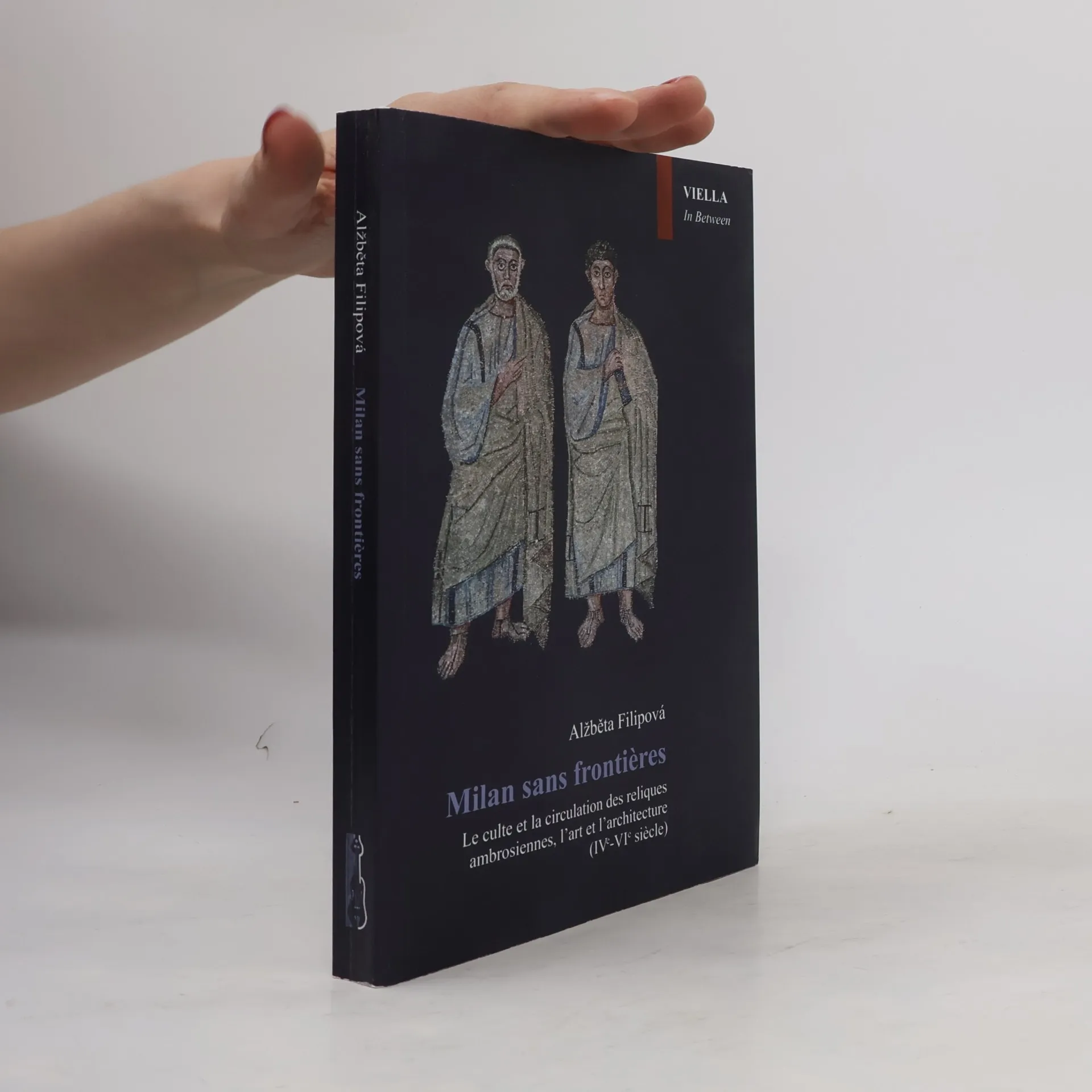
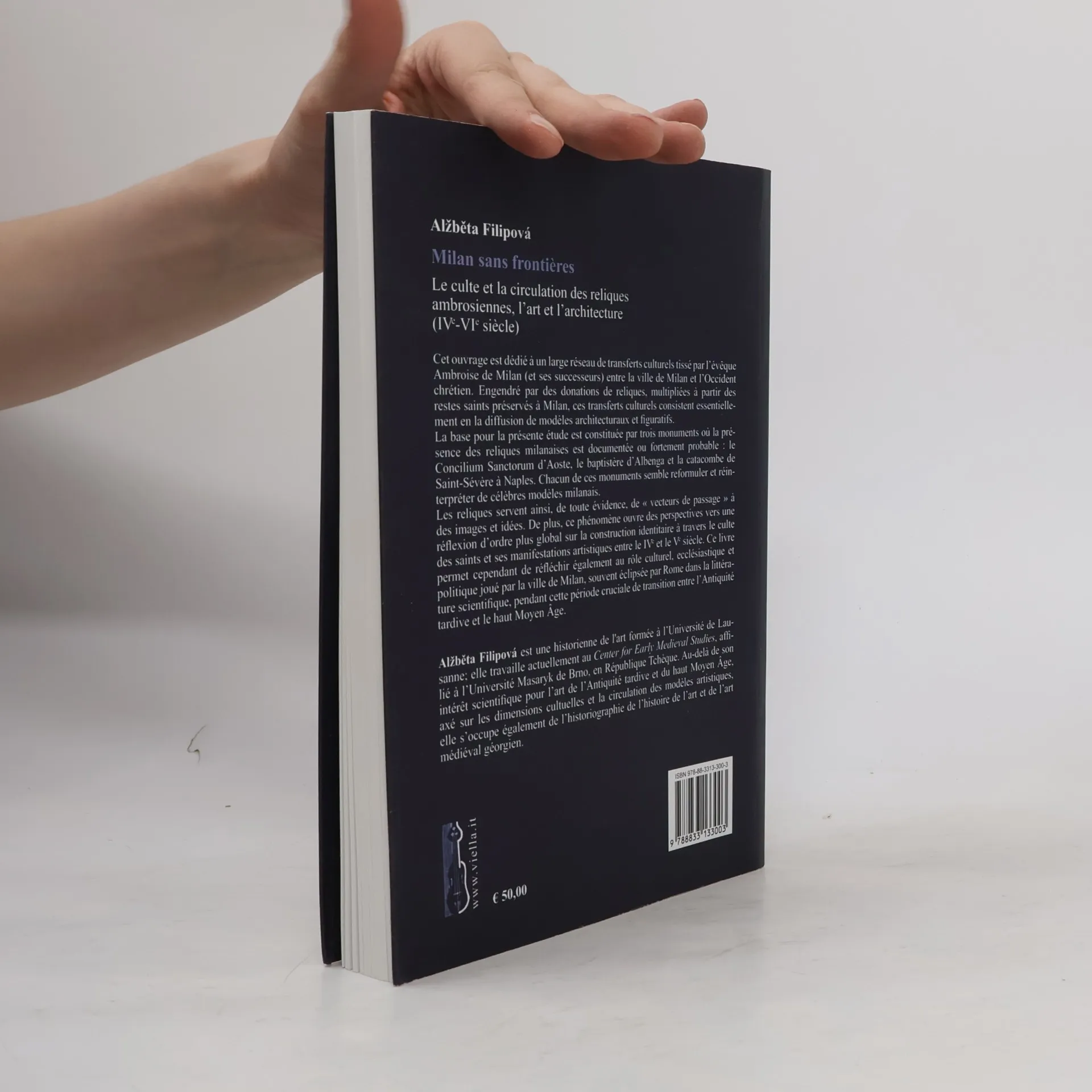
This book explores the extensive cultural transfers initiated by Bishop Ambrose of Milan and his successors between Milan and the Christian West. These transfers, stemming from relic donations of holy remains preserved in Milan, primarily involve the dissemination of architectural and figurative models. The study focuses on three monuments where the presence of Milanese relics is documented or likely: the Concilium Sanctorum of Aosta, the Baptistery of Albenga, and the Catacomb of St. Severus in Naples. Each monument appears to reinterpret notable Milanese models, with relics acting as "vectors of passage" for images and ideas. This phenomenon invites a broader reflection on identity construction through the cult of saints and its artistic expressions during the 4th and 5th centuries. Additionally, the book prompts consideration of Milan's cultural, ecclesiastical, and political significance, often overlooked in scholarly literature, during this pivotal transition from late Antiquity to the early Middle Ages.
Compra de libros
In Between. Images, Words and Objects - 1: Milan sans frontières, Alžbeta Filipová
- Idioma
- Publicado en
- 2019
- Encuadernación
- (Tapa blanda),
- Estado del libro
- Bueno
- Precio
- 32,99 €
Métodos de pago
Nadie lo ha calificado todavía.
- Título
- In Between. Images, Words and Objects - 1: Milan sans frontières
- Subtítulo
- Le culte et la circulation des reliques ambrosiennes, l'art et l'architecture (IVe-VIe siècle)
- Autores
- Alžbeta Filipová
- Editorial
- Viella - Liberia Editrice
- Publicado en
- 2019
- Formato
- Tapa blanda
- Páginas
- 286
- ISBN10
- 8833133001
- ISBN13
- 9788833133003
- Serie
- Categorías
- Etiquetas
- Tema histórico, Arte, Arquitectura, Medieval, Historia del arte, Milán
- Descripción
- This book explores the extensive cultural transfers initiated by Bishop Ambrose of Milan and his successors between Milan and the Christian West. These transfers, stemming from relic donations of holy remains preserved in Milan, primarily involve the dissemination of architectural and figurative models. The study focuses on three monuments where the presence of Milanese relics is documented or likely: the Concilium Sanctorum of Aosta, the Baptistery of Albenga, and the Catacomb of St. Severus in Naples. Each monument appears to reinterpret notable Milanese models, with relics acting as "vectors of passage" for images and ideas. This phenomenon invites a broader reflection on identity construction through the cult of saints and its artistic expressions during the 4th and 5th centuries. Additionally, the book prompts consideration of Milan's cultural, ecclesiastical, and political significance, often overlooked in scholarly literature, during this pivotal transition from late Antiquity to the early Middle Ages.