




Más información sobre el libro
Geared towards pediatricians, this book orients readers to essential psychiatric knowledge for daily practice. Dr. Shirley draws on his observations of 1,000 children at the Stanford University Pediatric-Psychiatric Unit, using case histories to illustrate physical, mental, and emotional disturbances. He emphasizes the dynamic relationships between physician and parent, and physician and child, while highlighting the individuality of each case. Despite the unique nature of behavior problems, common factors in childhood development emerge. Dr. Shirley outlines accepted norms of physical and mental growth and assesses the role of psychometric procedures, such as intelligence and performance tests, in understanding a child's capabilities. He identifies universal challenges like grade placement, discipline, and sleep, offering specific guidance for pediatricians in addressing these issues. A key point is the importance of alleviating parental anxiety to foster a cooperative home environment. With his dual expertise in pediatrics and psychiatry, Dr. Shirley provides authoritative insights into child psychiatry. Both parents and physicians can benefit from his practical interpretation of psychological concepts related to preventing and treating children's behavior problems.
Compra de libros
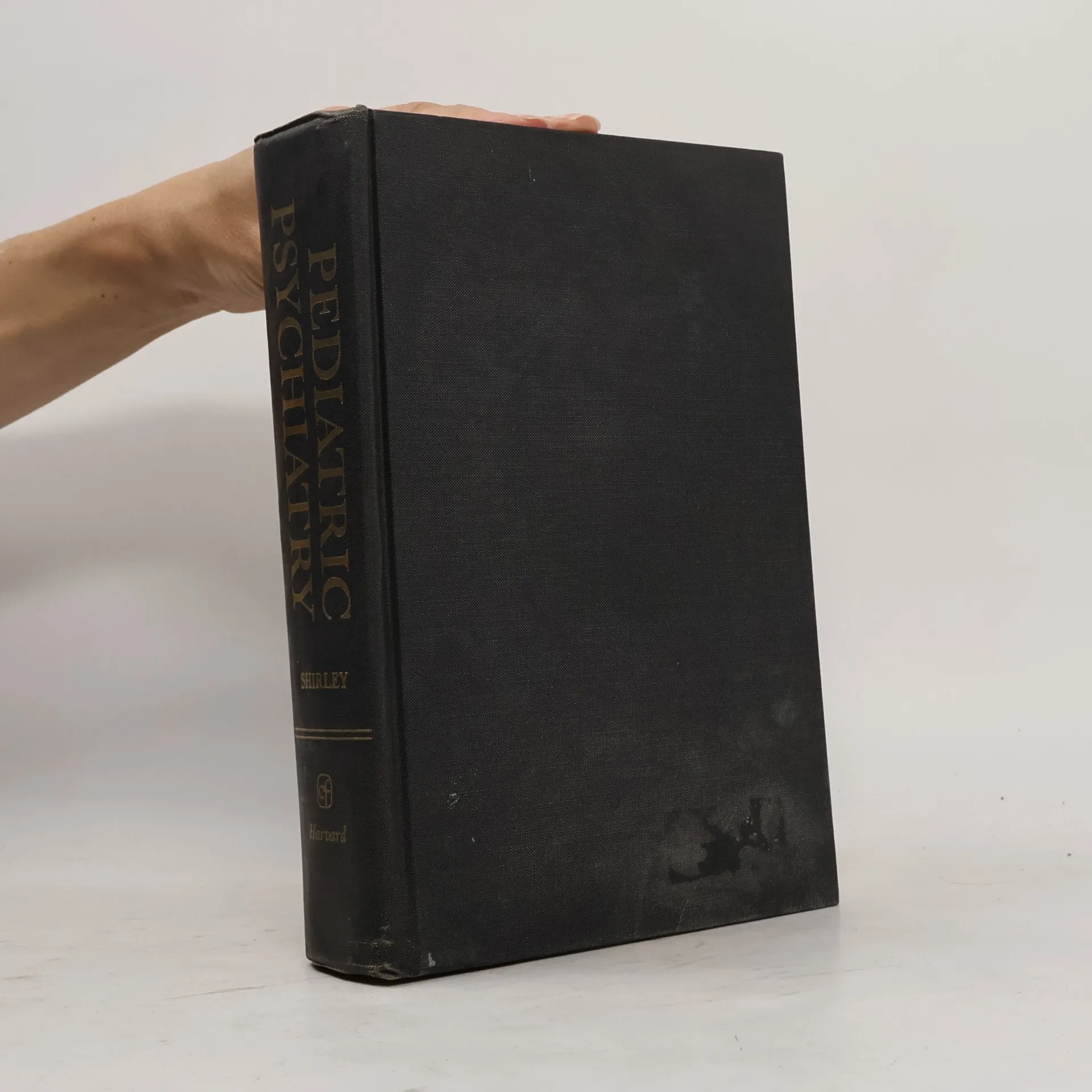
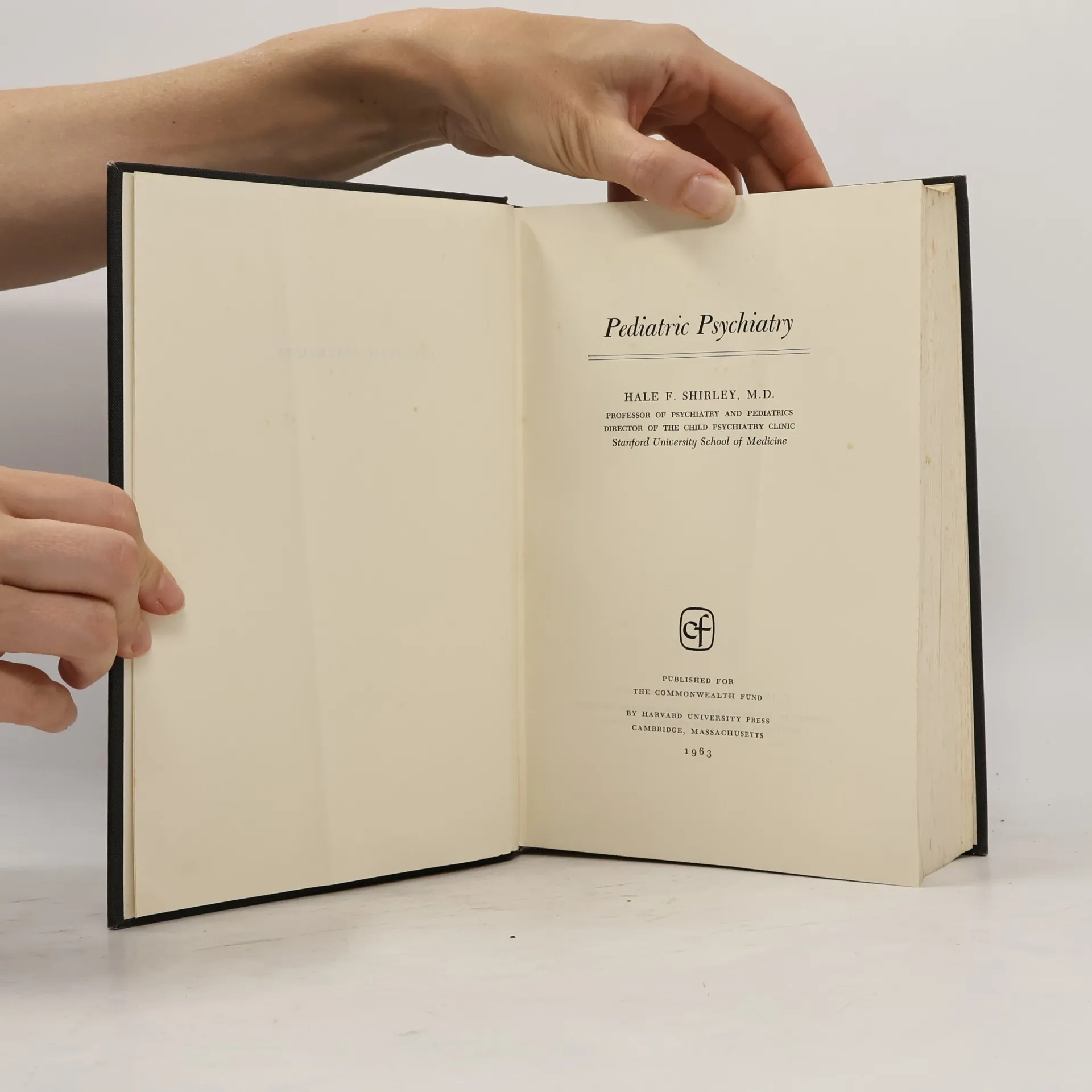
Pediatric Psychiatry, Hale F. Shirley
- Idioma

- Publicado en
- 1963
- Encuadernación
- (Tapa dura),
- Estado del libro
- Dañado
- Precio
- 4,03 €
Métodos de pago
Nadie lo ha calificado todavía.
- Título
- Pediatric Psychiatry
- Idioma
- Inglés
- Autores
- Hale F. Shirley
- Editorial
- Harvard University Press
- Publicado en
- 1963
- Formato
- Tapa dura
- Serie
- Etiquetas
- Descripción
- Geared towards pediatricians, this book orients readers to essential psychiatric knowledge for daily practice. Dr. Shirley draws on his observations of 1,000 children at the Stanford University Pediatric-Psychiatric Unit, using case histories to illustrate physical, mental, and emotional disturbances. He emphasizes the dynamic relationships between physician and parent, and physician and child, while highlighting the individuality of each case. Despite the unique nature of behavior problems, common factors in childhood development emerge. Dr. Shirley outlines accepted norms of physical and mental growth and assesses the role of psychometric procedures, such as intelligence and performance tests, in understanding a child's capabilities. He identifies universal challenges like grade placement, discipline, and sleep, offering specific guidance for pediatricians in addressing these issues. A key point is the importance of alleviating parental anxiety to foster a cooperative home environment. With his dual expertise in pediatrics and psychiatry, Dr. Shirley provides authoritative insights into child psychiatry. Both parents and physicians can benefit from his practical interpretation of psychological concepts related to preventing and treating children's behavior problems.