

Parámetros
- 240 páginas
- 9 horas de lectura
Más información sobre el libro
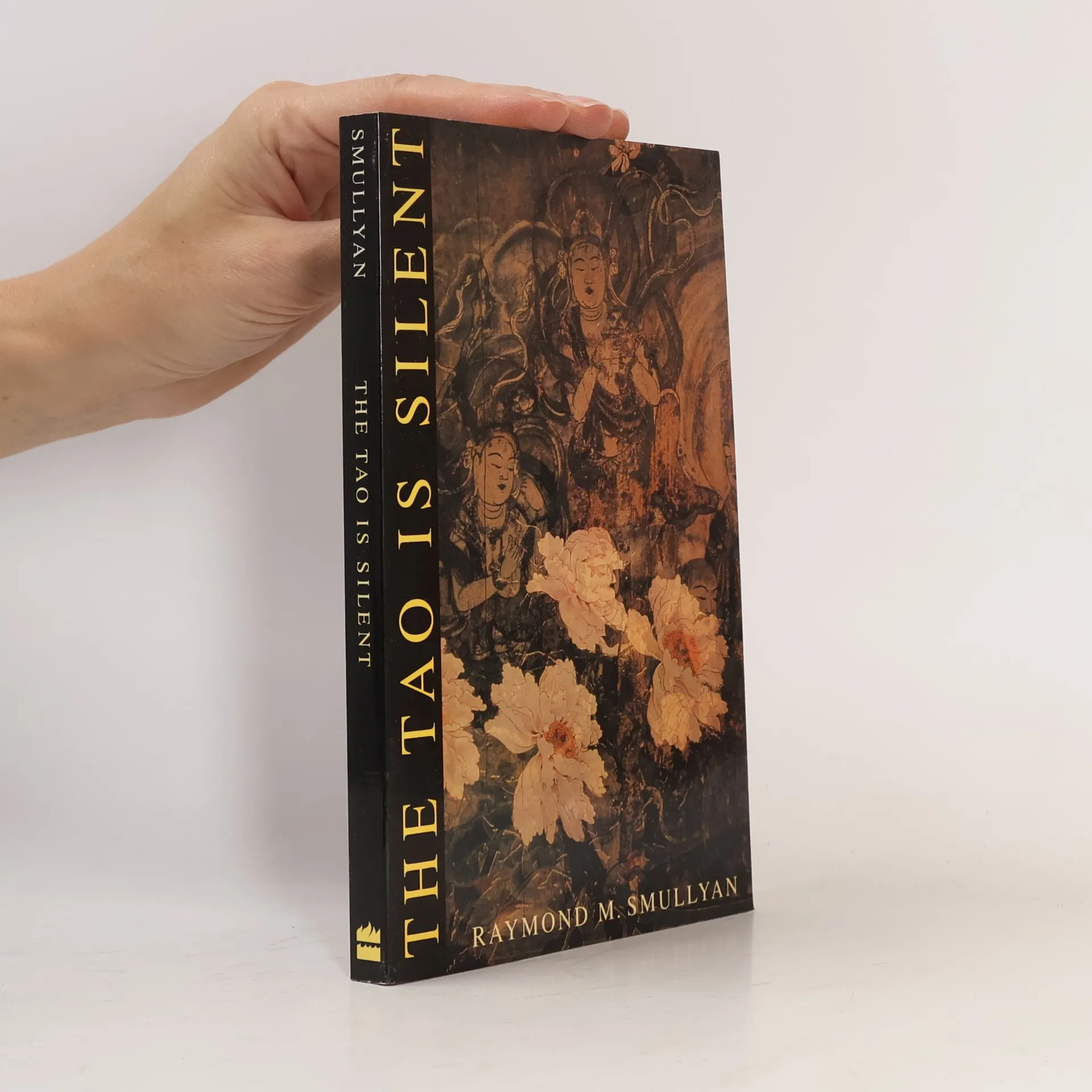
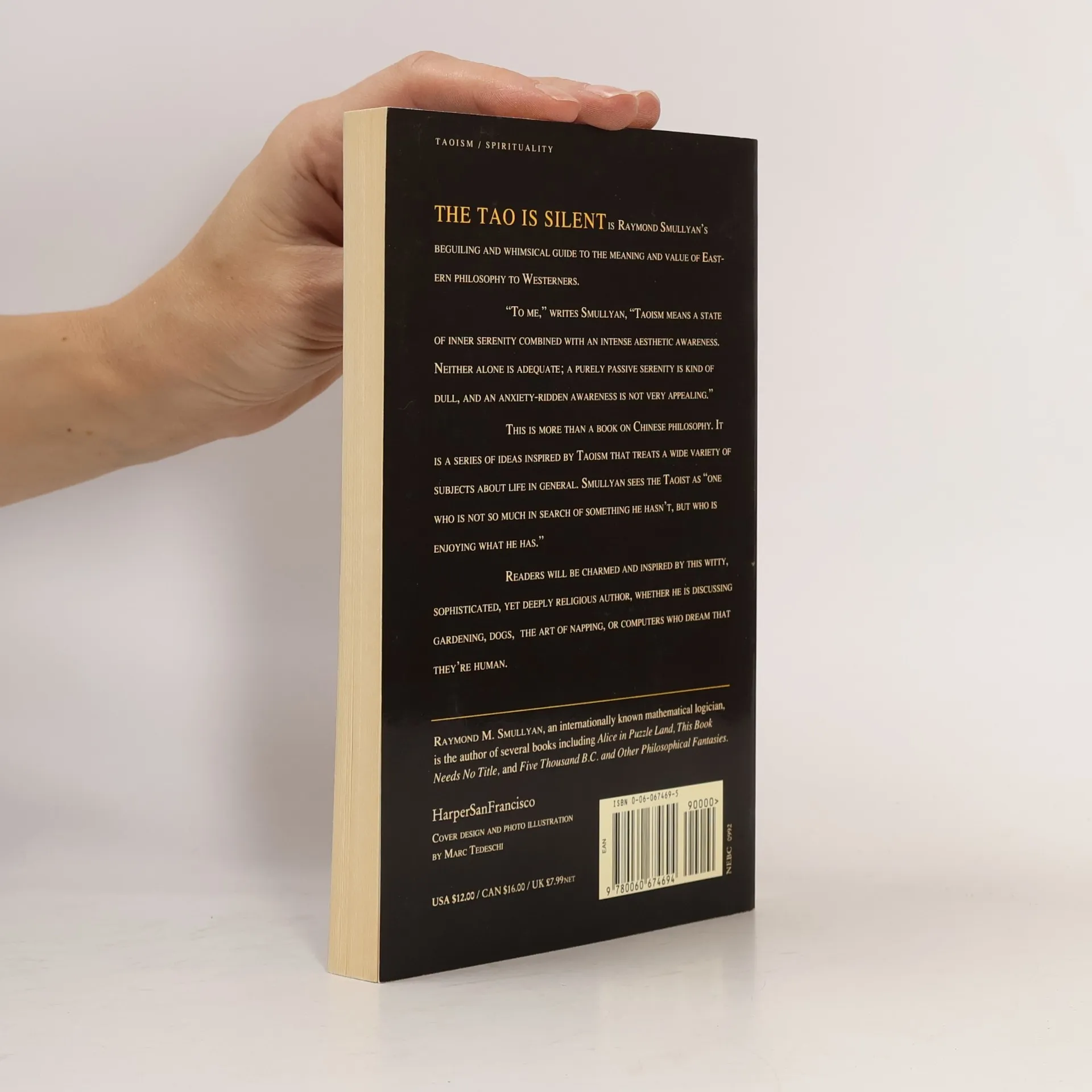
The Tao Is Silent Is Raymond Smullyan's beguiling and whimsical guide to the meaning and value of eastern philosophy to westerners."To me," writes Smullyan, "Taoism means a state of inner serenity combined with an intense aesthetic awareness. Neither alone is adequate; a purely passive serenity is kind of dull, and an anxiety-ridden awareness is not very appealing."This is more than a book on Chinese philosophy. It is a series of ideas inspired by Taoism that treats a wide variety of subjects about life in general. Smullyan sees the Taoist as "one who is not so much in search of something he hasn't, but who is enjoying what he has."Readers will be charmed and inspired by this witty, sophisticated, yet deeply religious author, whether he is discussing gardening, dogs, the art of napping, or computers who dream that they're human.
Compra de libros
The Tao Is Silent, Raymond M. Smullyan
- Idioma

- Publicado en
- 1992
- Encuadernación
- (Tapa blanda),
- Estado del libro
- Bueno
- Precio
- 8,99 €
Métodos de pago
Nadie lo ha calificado todavía.
- Título
- The Tao Is Silent
- Idioma
- Inglés
- Autores
- Raymond M. Smullyan
- Editorial
- Harper Collins Publ. USA
- Publicado en
- 1992
- Formato
- Tapa blanda
- Páginas
- 240
- ISBN10
- 0060674695
- ISBN13
- 9780060674694
- Serie
- Categorías
- Etiquetas
- Tema histórico, Temas religiosos, Temática filosófica, Arte, Espiritualidad y Religión, Ciencia, Teología, Antigüedad, Historia del arte, Asia, China, Inspiración, Creatividad, Ética, Mente y Cuerpo, Historia de la Ciencia, Zen, Ciencias humanas, Filosofía oriental, Chino, Historia de las ciencias naturales, Historia de China, Tao, Filosofía china, Arte Asiático, China Antigua
- Descripción
- The Tao Is Silent Is Raymond Smullyan's beguiling and whimsical guide to the meaning and value of eastern philosophy to westerners."To me," writes Smullyan, "Taoism means a state of inner serenity combined with an intense aesthetic awareness. Neither alone is adequate; a purely passive serenity is kind of dull, and an anxiety-ridden awareness is not very appealing."This is more than a book on Chinese philosophy. It is a series of ideas inspired by Taoism that treats a wide variety of subjects about life in general. Smullyan sees the Taoist as "one who is not so much in search of something he hasn't, but who is enjoying what he has."Readers will be charmed and inspired by this witty, sophisticated, yet deeply religious author, whether he is discussing gardening, dogs, the art of napping, or computers who dream that they're human.