

Más información sobre el libro
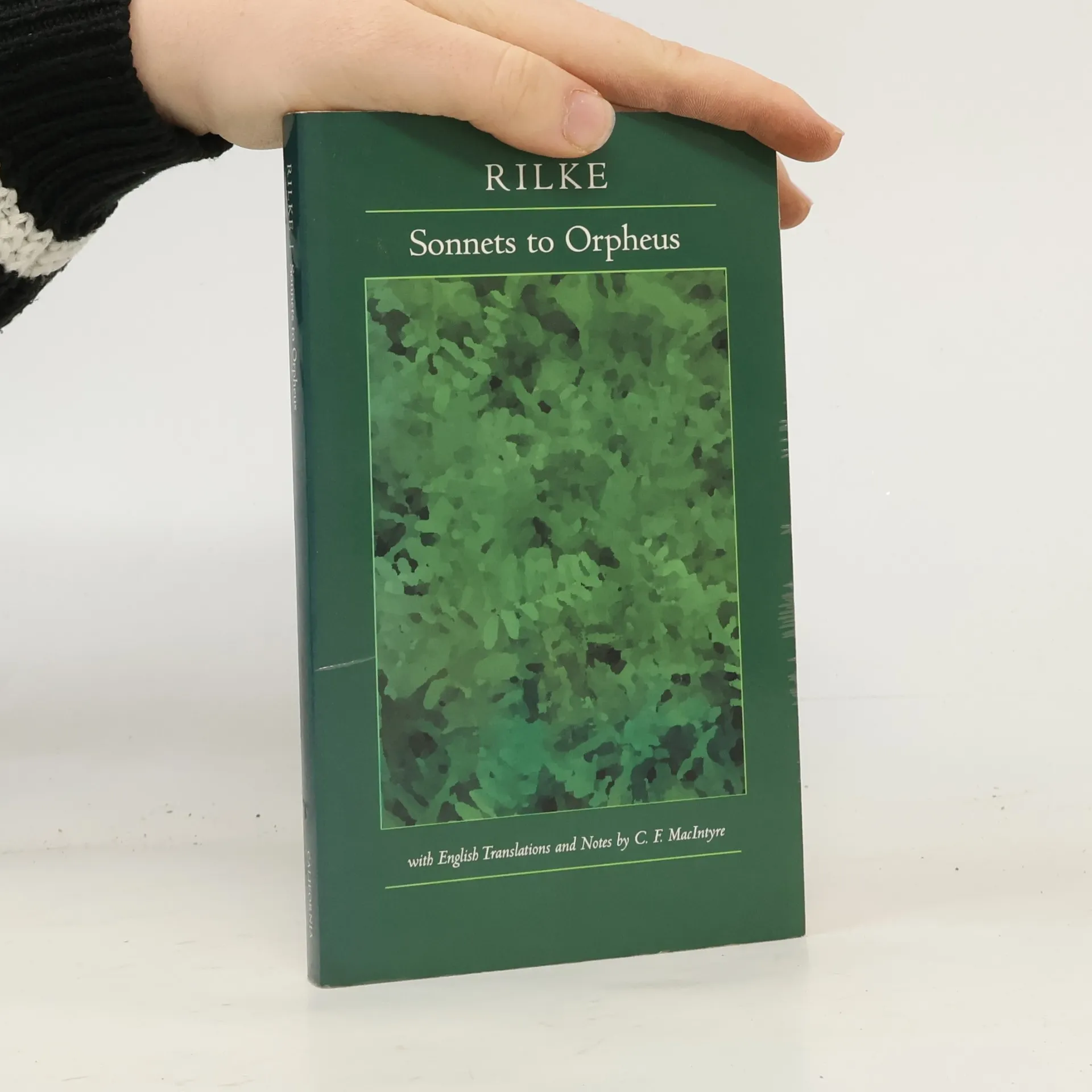
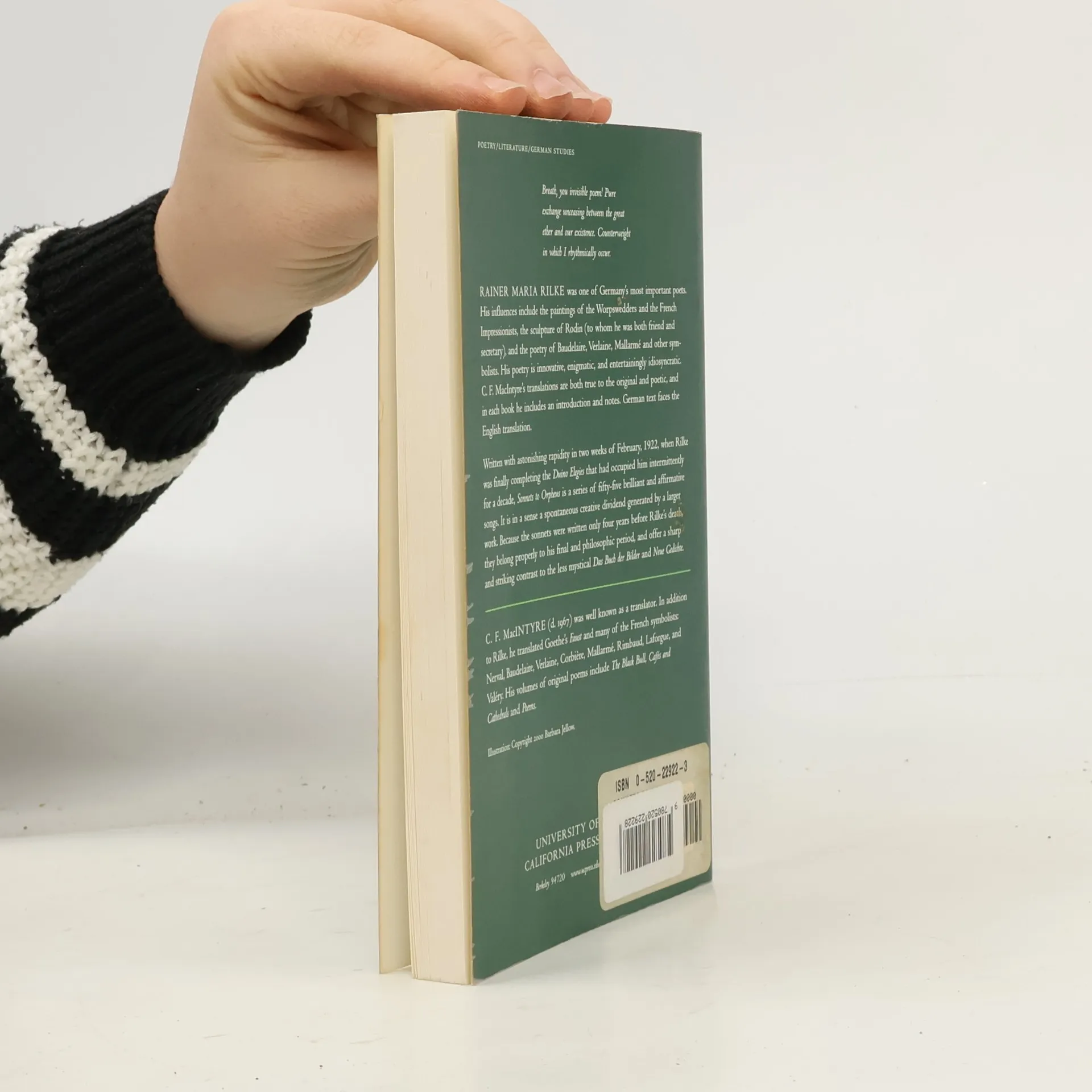
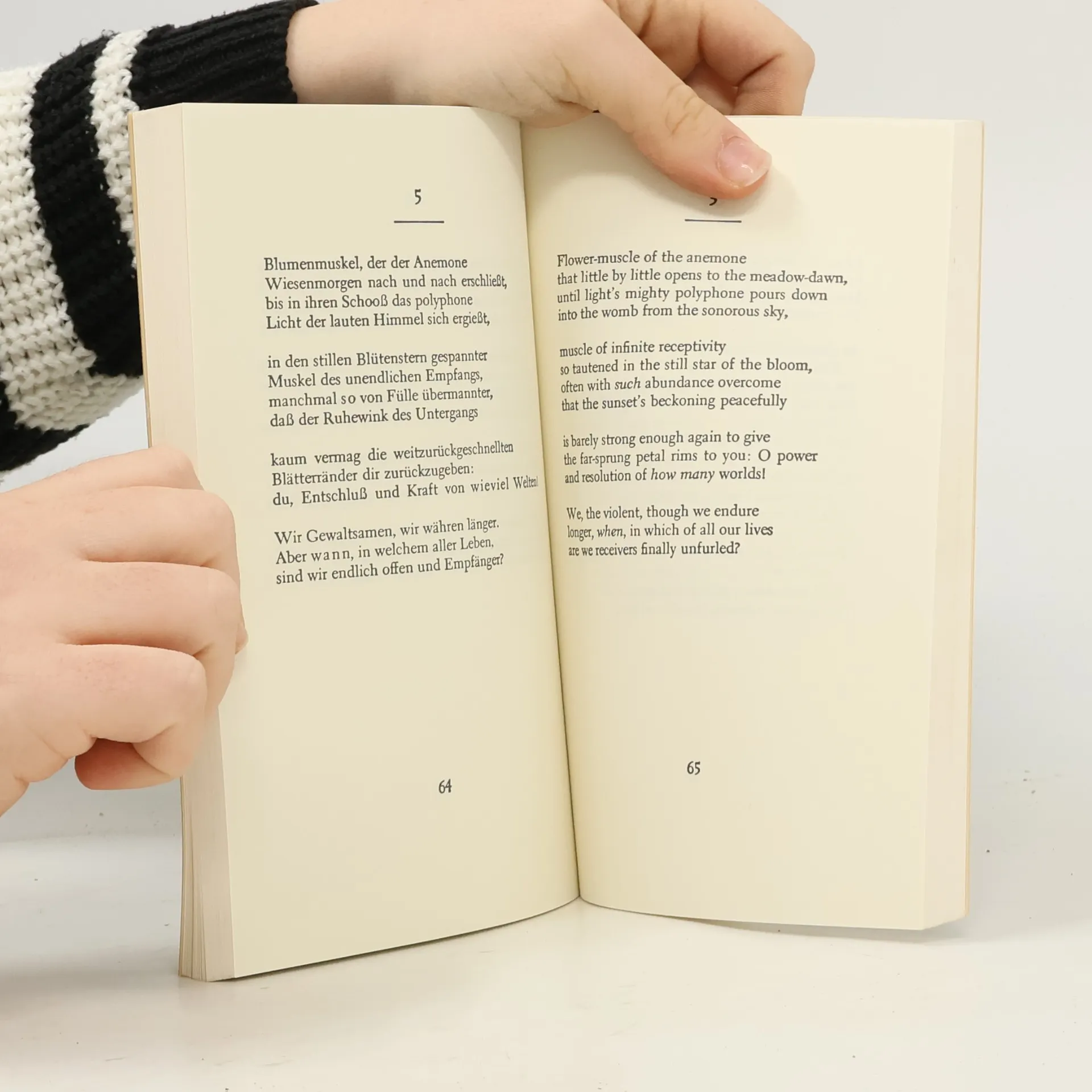
Written with astonishing rapidity in two weeks of February 1922, when Rilke was finally completing the <i>Duino Elegies </i>that had occupied him intermittently for a decade, <i>Sonnets to Orpheus </i>is a series of fifty-five brilliant and affirmative songs. It is in a sense a spontaneous creative dividend generated by a larger work. Because the sonnets were written only four years before Rilke's death, they belong properly to his final and philosophic period, and offer a sharp and striking contrast to the less mystical <i>Das Buch der Bilder </i>and <i>Neue Gedichte</i>. Rainer Maria Rilke was one of Germany's most important poets. His influences include the paintings of the Worpswedders and the French Impressionists, the sculpture of Rodin (to whom he was both friend and secretary), and the poetry of Baudelaire, Verlaine, Mallarmé, and other symbolists. His poetry is innovative, enigmatic, and entertainingly idiosyncratic. C.F. MacIntyre's translations are both true to the original and poetic in their own right, and in each book he includes an introduction and notes. German text faces the English translation.
Compra de libros
Sonnets to Orpheus, Rainer Maria Rilke, C. F. MacIntyre
- Idioma
- Publicado en
- 2001
- Encuadernación
- (Tapa blanda),
- Estado del libro
- Bueno
- Precio
- 10,49 €
Métodos de pago
Nadie lo ha calificado todavía.
- Título
- Sonnets to Orpheus
- Subtítulo
- With English Translations and Notes by C. F. MacIntyre
- Autores
- Rainer Maria Rilke, C. F. MacIntyre
- Editorial
- University of California Press
- Publicado en
- 2001
- Formato
- Tapa blanda
- Páginas
- 142
- ISBN10
- 0520229223
- ISBN13
- 9780520229228
- Serie
- Etiquetas
- Literatura alemana, EE.UU., Alemania, Siglo XX, Crítica literaria, Europa Occidental, Soledad, Poesía Alemana, Tragedia, Canciones, Trastornos de ansiedad, Optimismo, Inframundo
- Descripción
- Written with astonishing rapidity in two weeks of February 1922, when Rilke was finally completing the <i>Duino Elegies </i>that had occupied him intermittently for a decade, <i>Sonnets to Orpheus </i>is a series of fifty-five brilliant and affirmative songs. It is in a sense a spontaneous creative dividend generated by a larger work. Because the sonnets were written only four years before Rilke's death, they belong properly to his final and philosophic period, and offer a sharp and striking contrast to the less mystical <i>Das Buch der Bilder </i>and <i>Neue Gedichte</i>. Rainer Maria Rilke was one of Germany's most important poets. His influences include the paintings of the Worpswedders and the French Impressionists, the sculpture of Rodin (to whom he was both friend and secretary), and the poetry of Baudelaire, Verlaine, Mallarmé, and other symbolists. His poetry is innovative, enigmatic, and entertainingly idiosyncratic. C.F. MacIntyre's translations are both true to the original and poetic in their own right, and in each book he includes an introduction and notes. German text faces the English translation.