




Parámetros
- 456 páginas
- 16 horas de lectura
Más información sobre el libro
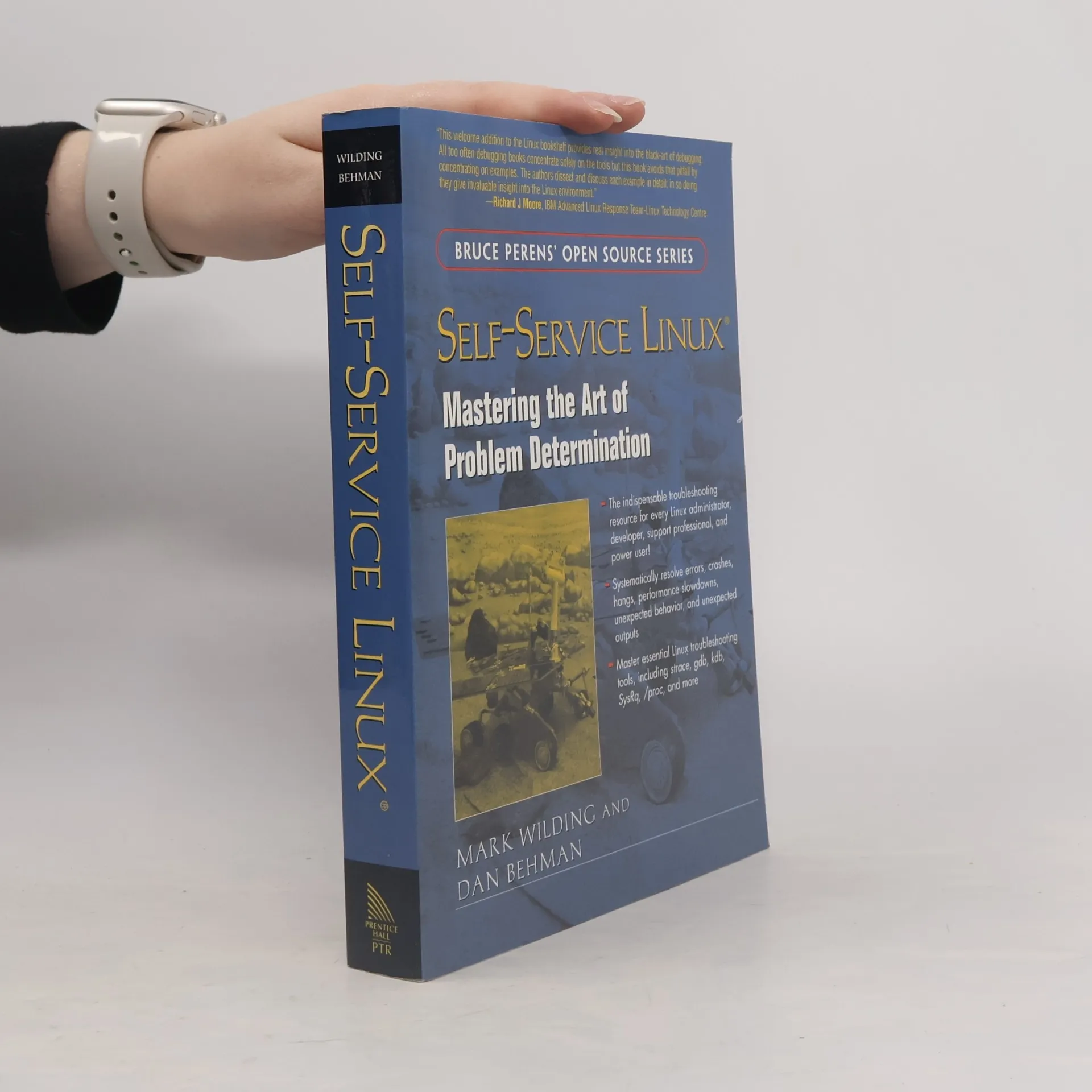
The biggest factor in a company's decision to go with Linux is overcoming thesupport issues. Adopting Linux successfully means taking on a differentapproach to support. Since Linux is open source, there are different methodsto get the support that companies need. This includes deeper skills on how toinvestigate problems, how to get help from the open source community (i.e.how to ask for help on usenet) and how to resolve problems in-house withoutthe extra cost of a consultant. This book should be an essential part of everycompany's Linux adoption plan to keep the total cost of ownership (TCO)down and improve the ROI of their Linux strategy. It is also a book thatadvanced Linux professionals running their own Linux systems will be able touse to troubleshoot. This book gives the staff the basics they need to diagnose most problems that they will face and will go into the nitty-gritty on the toughest problems. It also points users to the appropriate resources so that they may get help quickly.
Compra de libros
Bruce Perens' Open Source Series: Self-Service Linux, Bruce Perens, Dan Behman, Mark Wilding
- Idioma

- Publicado en
- 2005
- Encuadernación
- (Tapa blanda),
- Estado del libro
- Dañado
- Precio
- 13,49 €
Métodos de pago
Nadie lo ha calificado todavía.
- Título
- Bruce Perens' Open Source Series: Self-Service Linux
- Subtítulo
- Mastering the Art of Problem Determination
- Idioma
- Inglés
- Autores
- Bruce Perens, Dan Behman, Mark Wilding
- Editorial
- Prentice Hall
- Publicado en
- 2005
- Formato
- Tapa blanda
- Páginas
- 456
- ISBN10
- 013147751X
- ISBN13
- 9780131477513
- Serie
- Etiquetas
- Descripción
- The biggest factor in a company's decision to go with Linux is overcoming thesupport issues. Adopting Linux successfully means taking on a differentapproach to support. Since Linux is open source, there are different methodsto get the support that companies need. This includes deeper skills on how toinvestigate problems, how to get help from the open source community (i.e.how to ask for help on usenet) and how to resolve problems in-house withoutthe extra cost of a consultant. This book should be an essential part of everycompany's Linux adoption plan to keep the total cost of ownership (TCO)down and improve the ROI of their Linux strategy. It is also a book thatadvanced Linux professionals running their own Linux systems will be able touse to troubleshoot. This book gives the staff the basics they need to diagnose most problems that they will face and will go into the nitty-gritty on the toughest problems. It also points users to the appropriate resources so that they may get help quickly.