

Más información sobre el libro
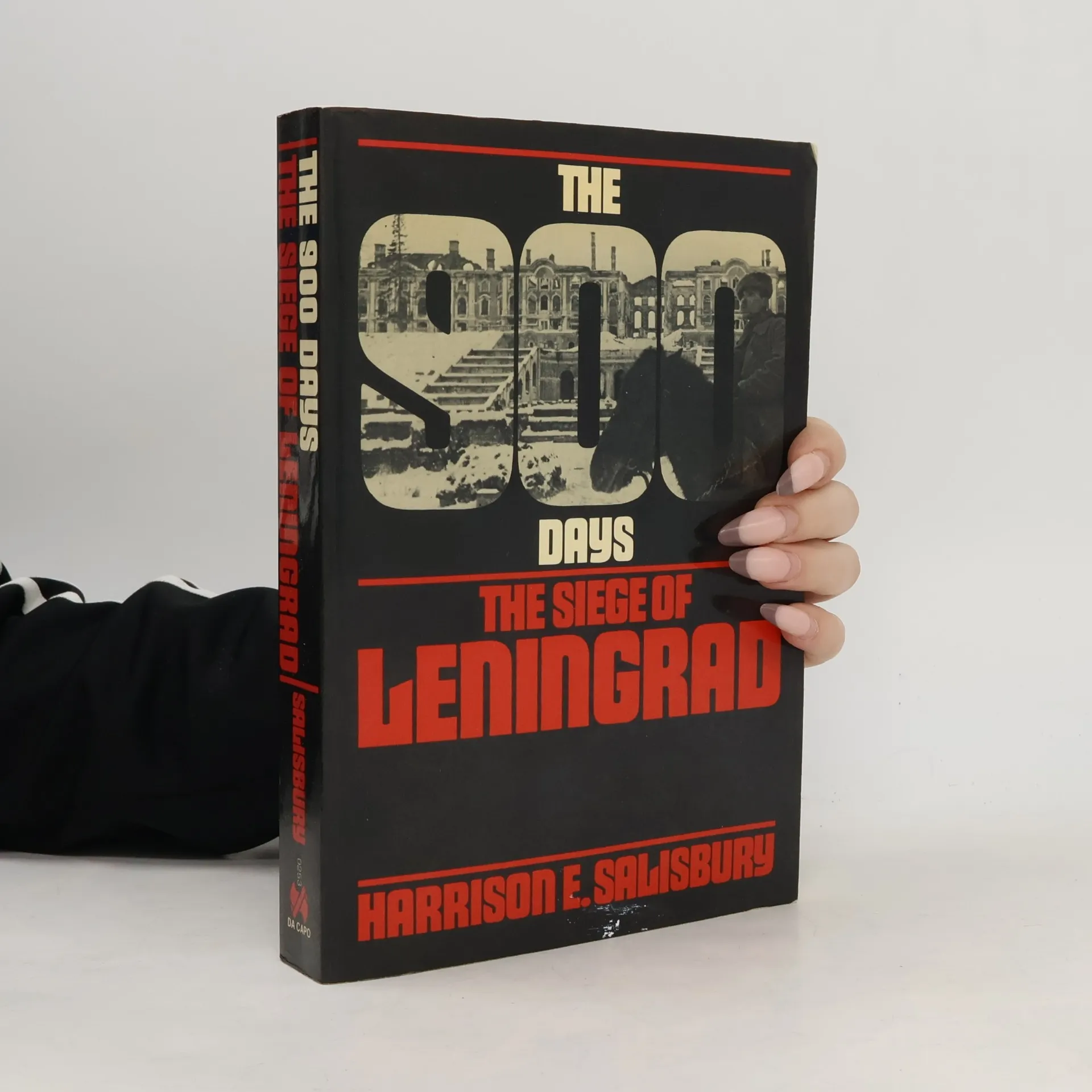
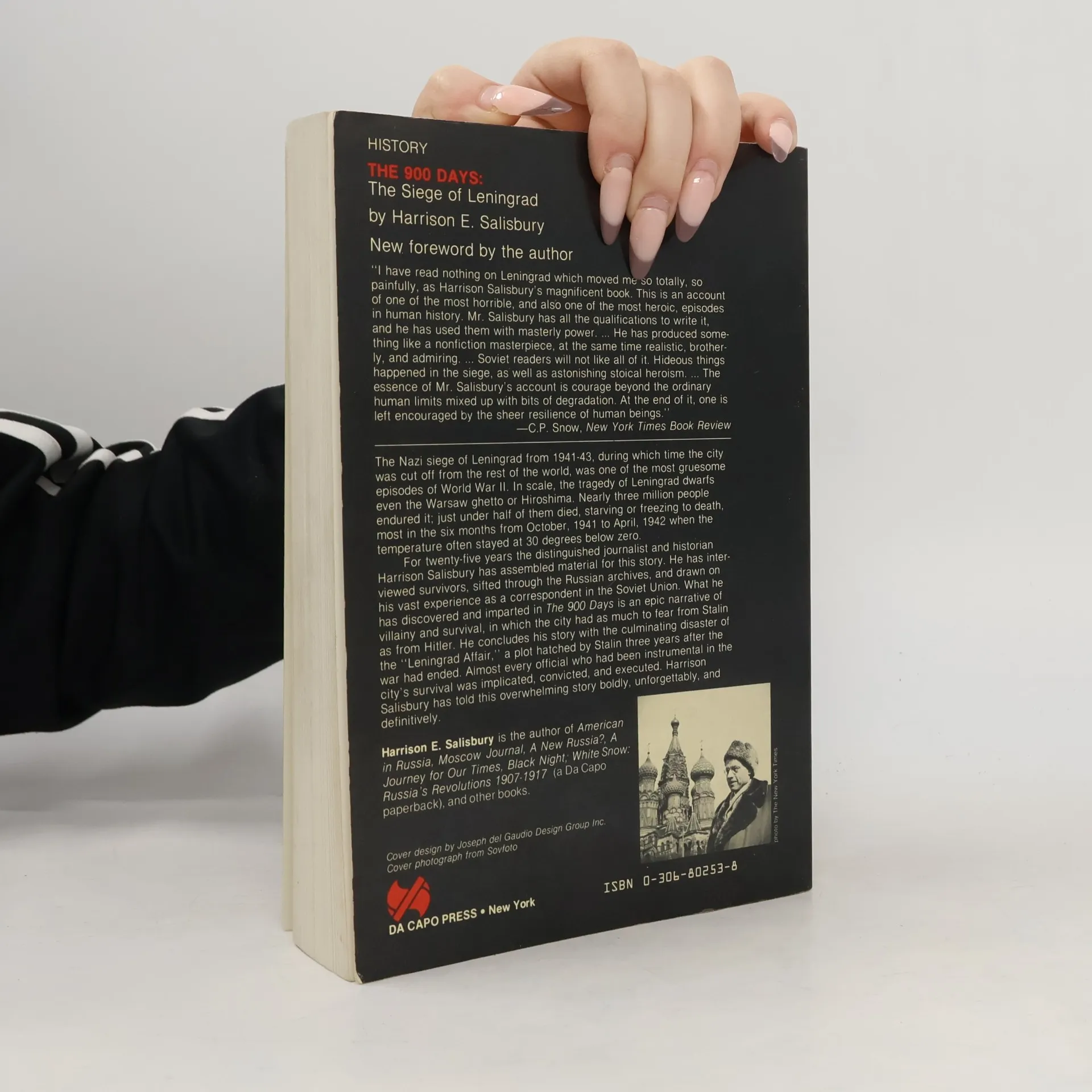
The Nazi siege of Leningrad from 1941 to 1943, during which time the city was cut off from the rest of the world, was one of the most gruesome episodes of World War II. In scale, the tragedy of Leningrad dwarfs even the Warsaw ghetto or Hiroshima. Nearly three million people endured it; just under half of them died, starving or freezing to death, most in the six months from October 1941 to April 1942 when the temperature often stayed at 30 degrees below zero. For twenty-five years the distinguished journalist and historian Harrison Salisbury has assembled material for this story. He has interviewed survivors, sifted through the Russian archives, and drawn on his vast experience as a correspondent in the Soviet Union. What he has discovered and imparted in <i>The 900 Days</i> is an epic narrative of villainy and survival, in which the city had as much to fear from Stalin as from Hitler. He concludes his story with the culminating disaster of the Leningrad Affair, a plot hatched by Stalin three years after the war had ended. Almost every official who had been instrumental in the city's survival was implicated, convicted, and executed. Harrison Salisbury has told this overwhelming story boldly, unforgettably, and definitively.
Compra de libros
The 900 Days, Harrison E. Salisbury
- Idioma

- Publicado en
- 1985
- Encuadernación
- (Tapa blanda),
- Estado del libro
- Bueno
- Precio
- 10,49 €
Métodos de pago
Nadie lo ha calificado todavía.
- Título
- The 900 Days
- Subtítulo
- The Siege of Leningrad (A Da Capo Paperback)
- Idioma
- Inglés
- Autores
- Harrison E. Salisbury
- Editorial
- Da Capo Press
- Publicado en
- 1985
- Formato
- Tapa blanda
- Páginas
- 456
- ISBN10
- 0306802538
- ISBN13
- 9780306802539
- Serie
- Descripción
- The Nazi siege of Leningrad from 1941 to 1943, during which time the city was cut off from the rest of the world, was one of the most gruesome episodes of World War II. In scale, the tragedy of Leningrad dwarfs even the Warsaw ghetto or Hiroshima. Nearly three million people endured it; just under half of them died, starving or freezing to death, most in the six months from October 1941 to April 1942 when the temperature often stayed at 30 degrees below zero. For twenty-five years the distinguished journalist and historian Harrison Salisbury has assembled material for this story. He has interviewed survivors, sifted through the Russian archives, and drawn on his vast experience as a correspondent in the Soviet Union. What he has discovered and imparted in <i>The 900 Days</i> is an epic narrative of villainy and survival, in which the city had as much to fear from Stalin as from Hitler. He concludes his story with the culminating disaster of the Leningrad Affair, a plot hatched by Stalin three years after the war had ended. Almost every official who had been instrumental in the city's survival was implicated, convicted, and executed. Harrison Salisbury has told this overwhelming story boldly, unforgettably, and definitively.