Este reconocido reportero y editor de The New York Times se distinguió por su penetrante cobertura desde Moscú durante los albores de la Guerra Fría. Su profundo análisis de la Unión Soviética, forjado durante su etapa como corresponsal, le valió un gran reconocimiento, incluido un Premio Pulitzer. Salisbury dirigió posteriormente su atención hacia Asia, cubriendo acontecimientos cruciales como la Guerra de Vietnam y los complejos asuntos relacionados con China. Su prolífica carrera periodística se caracterizó por un firme compromiso con la elucidación de los principales acontecimientos internacionales a través de una investigación rigurosa.
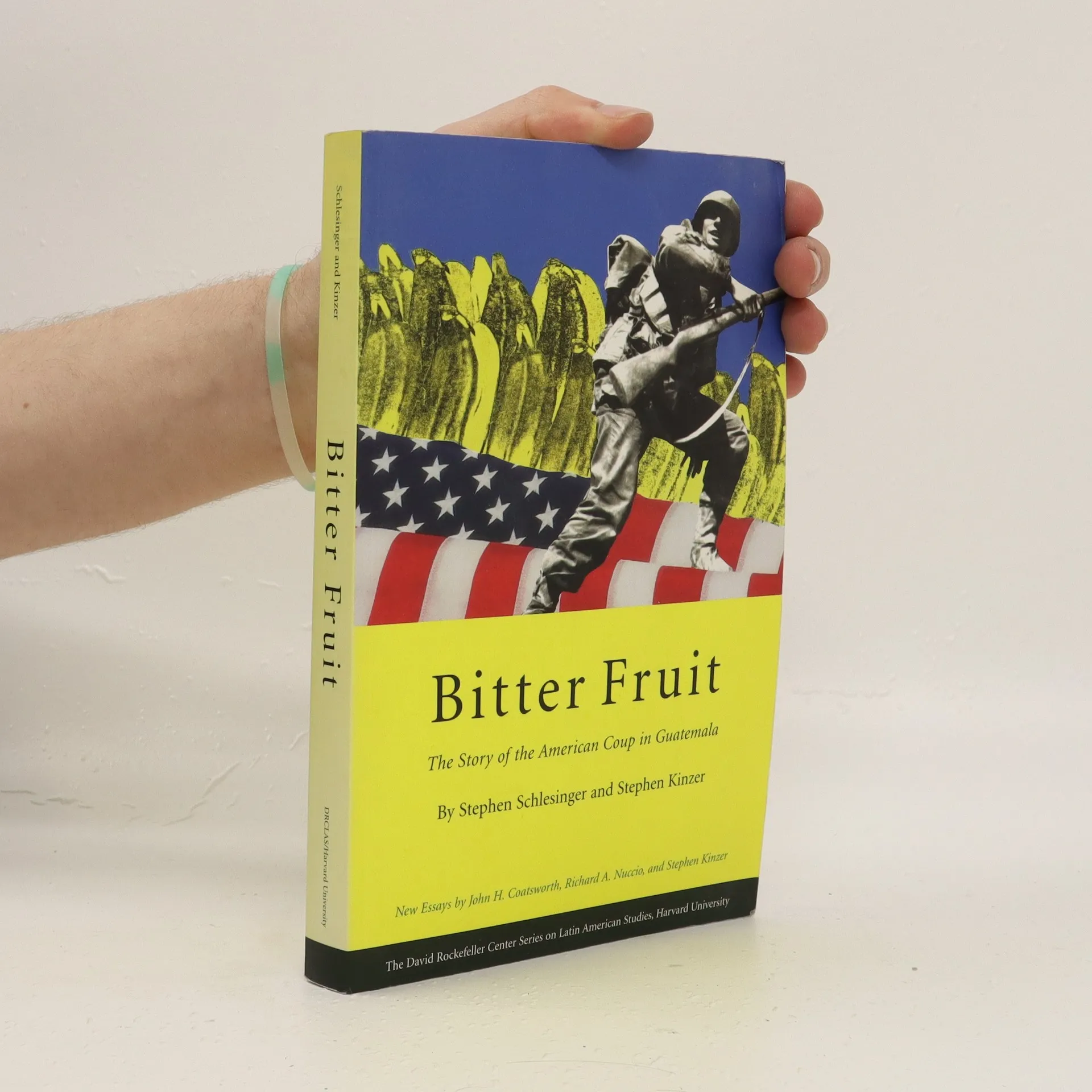
The David Rockefeller Center for Latin American Studies at Harvard University work to increase knowledge of the cultures, histories, environment, and contemporary affairs of Latin America; foster cooperation and understanding among the people of the Americas; and contribute to democracy, social progress, and sustainable development throughout the hemisphere. Book jacket
Published to commemorate the 40th anniversary of the Korean War, this book contains combat photographs forming a narrative of courage, grimness, ordeal and loyalty. It follows a group of marines through a series of battles, and contains text to explain the circumstances of each photograph.
Focuses on the complex relationship between these two men as part of the development of modern China - Communist takeover - Mass famine - Great Leap Forward - Cultural Revolution - Third Line - Jiang Qing - Gang of Four - Tiananmen Square.
The destruction of the Czars which brought about the reign of revolutions from 1905–1917 in Russia looms as the crucial political event of the twentieth century. In little more than a decade the Romanov dynasty was toppled, and its time-honored institutions repudiated. How did it happen? How could Nicholas and Alexandra, the nobility, middle class anarchists—even Lenin himself—not foresee the catastrophic changes that were shaking the empire? Why could nothing be done? And why were the efforts so ineffectual? Black Night, White Snow captures the rich drama of this whole period. With the artistry of a Balzac, Harrison Salisbury exposes the strata of Russian society, with its decedents, prophetic poets, religious fanatics, and newly liberated serfs. From archival sources within the Soviet Union, interviews, and his personal photography collection, he recreates the story as it happened. Hard data on Russia's economy, a first-hand knowledge of the county, and a historian's gift of compression are combined in a fast-paced narrative that reads with the ease of a good novel and the urgency of a newspaper headline.
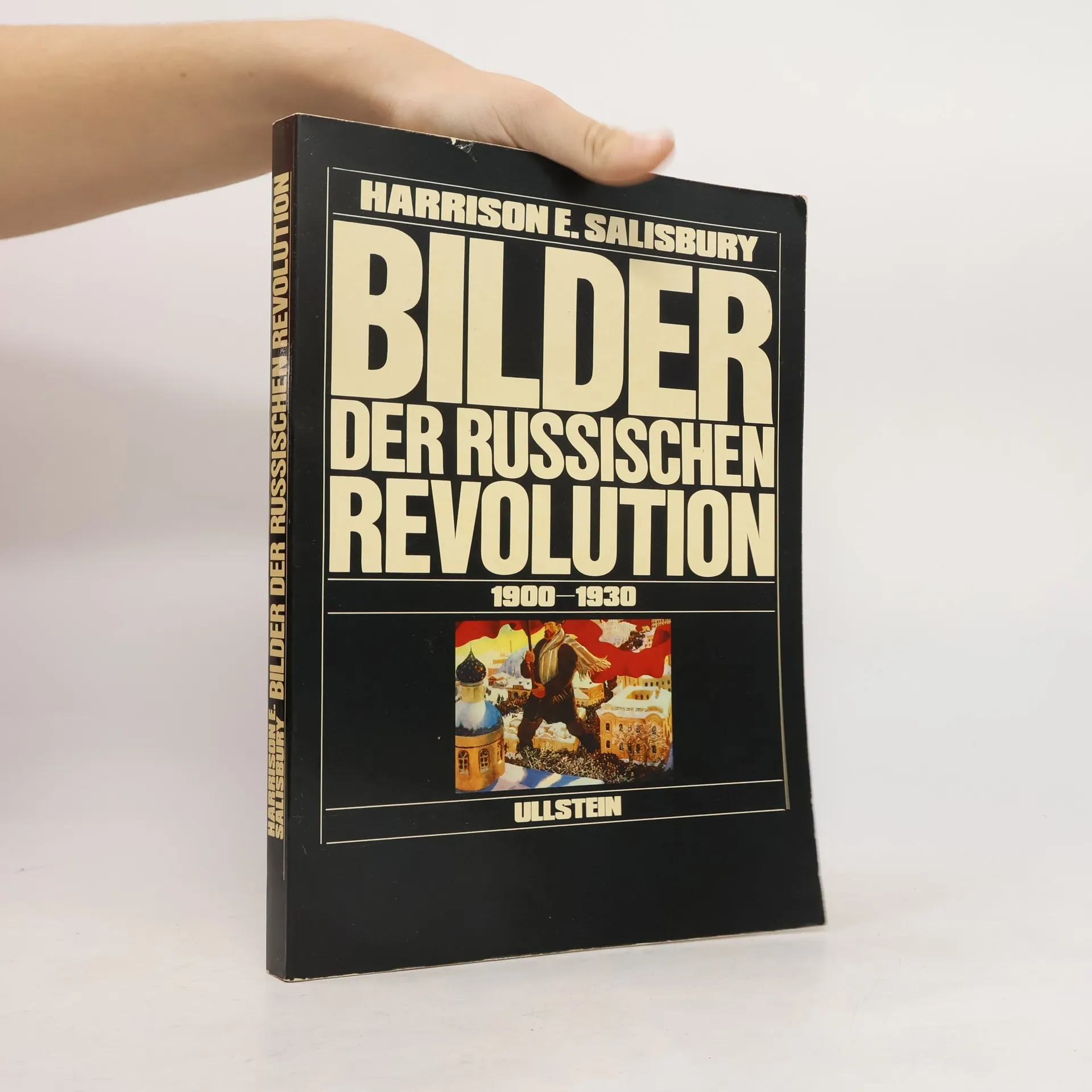
A narrative and pictorial portrait of the political and artistic upheaval that changed the course of Russian history and culture during the first three decades of the century.
Behind the long march A walk by moonlight The rise of the Red Bandits On the eve The man in Bleak House First moves Strategems The conspiracy of the litters The women The first big battle The Red Army changes course Zunyi Mao takes charge A needle wrapped in cotton Mao skirts disaster Holding Chang Kai-Shek by the nose Mao's great deceptions The golden sands The chicken-blood oath Those left behind The legion of death Luding bridge The great snowy mountains Reunion Back of beyond A magical carpet Dark hour, bright glory Home The gathering Return of the prodigal "Cold-eyed, I survey the world" The little man who could Never be put down Notes A Note on Sources Bibliography Index Illustrations Maps
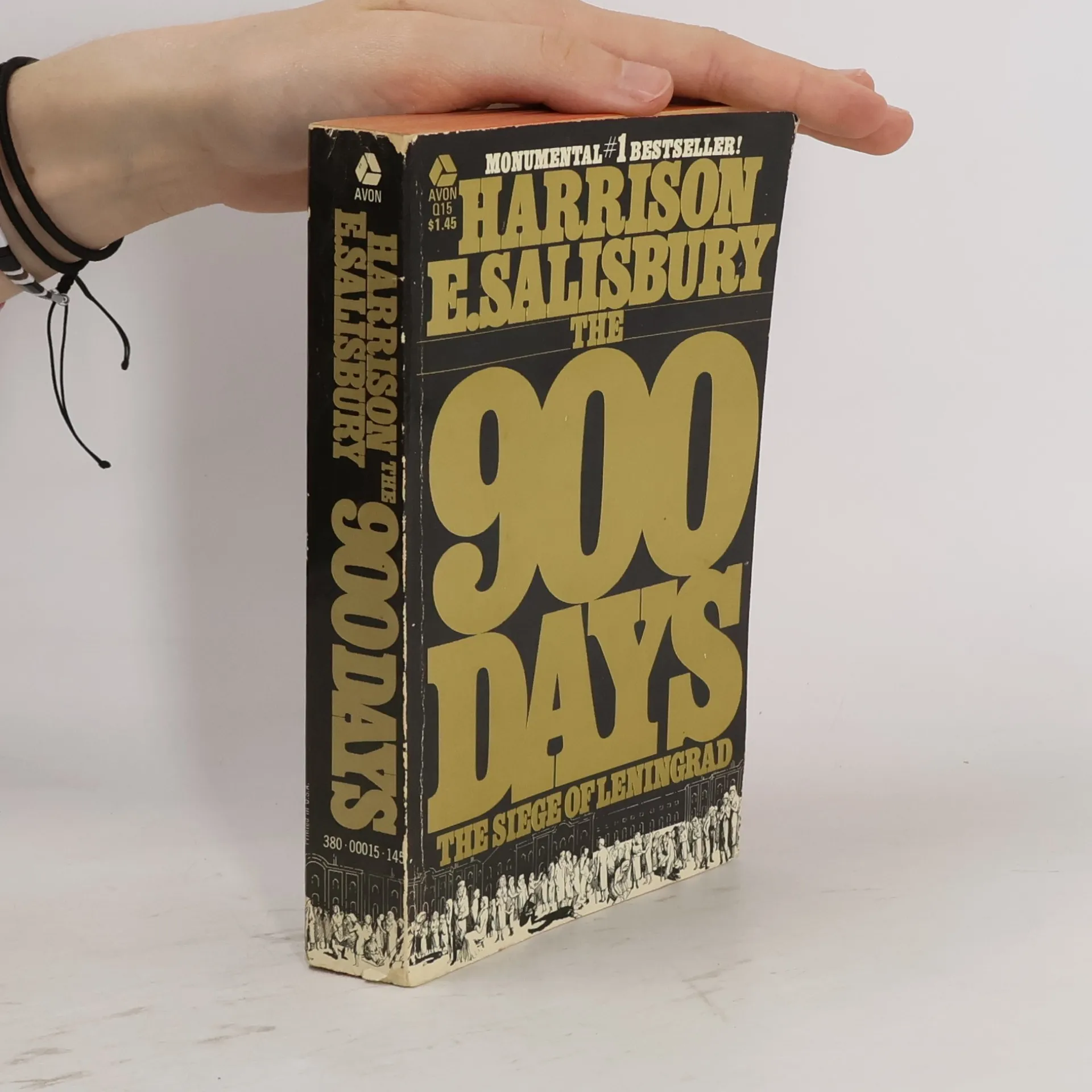
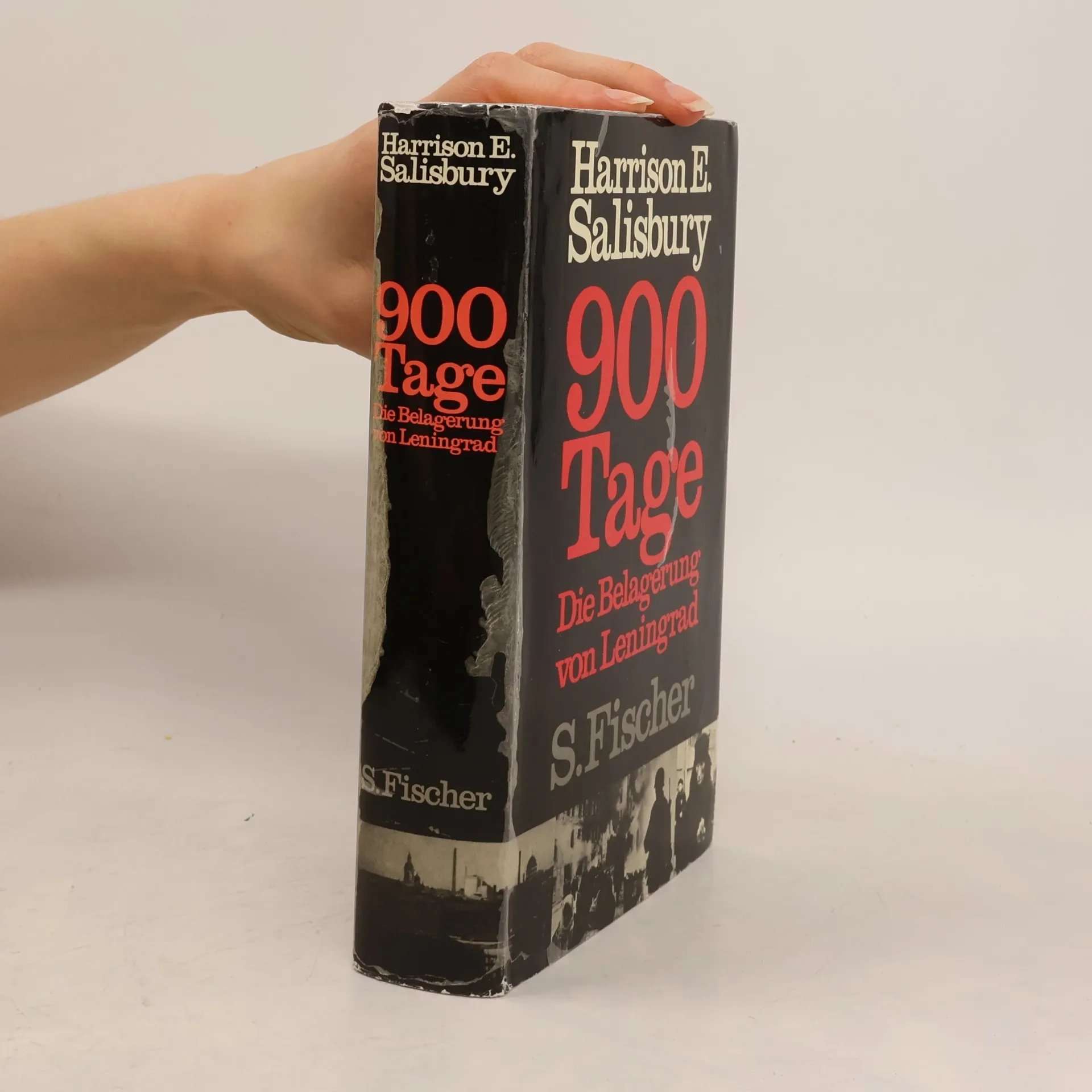
Die Nazi-Besatzung von Leningrad von 1941 bis 1944 war eine der grausamsten Episoden des Zweiten Weltkriegs. Fast drei Millionen Menschen ertrugen sie; knapp die Hälfte von ihnen starb. Der angesehene Journalist und Historiker Harrison Salisbury hat 25 Jahre lang diese bemerkenswerte Erzählung von Unrecht und Überleben zusammengestellt, in der die Stadt viel zu fürchten hatte - sowohl von Hitler als auch von Stalin.





![900 [Neunhundert] Tage](https://rezised-images.knhbt.cz/1920x1920/94274063.webp)