

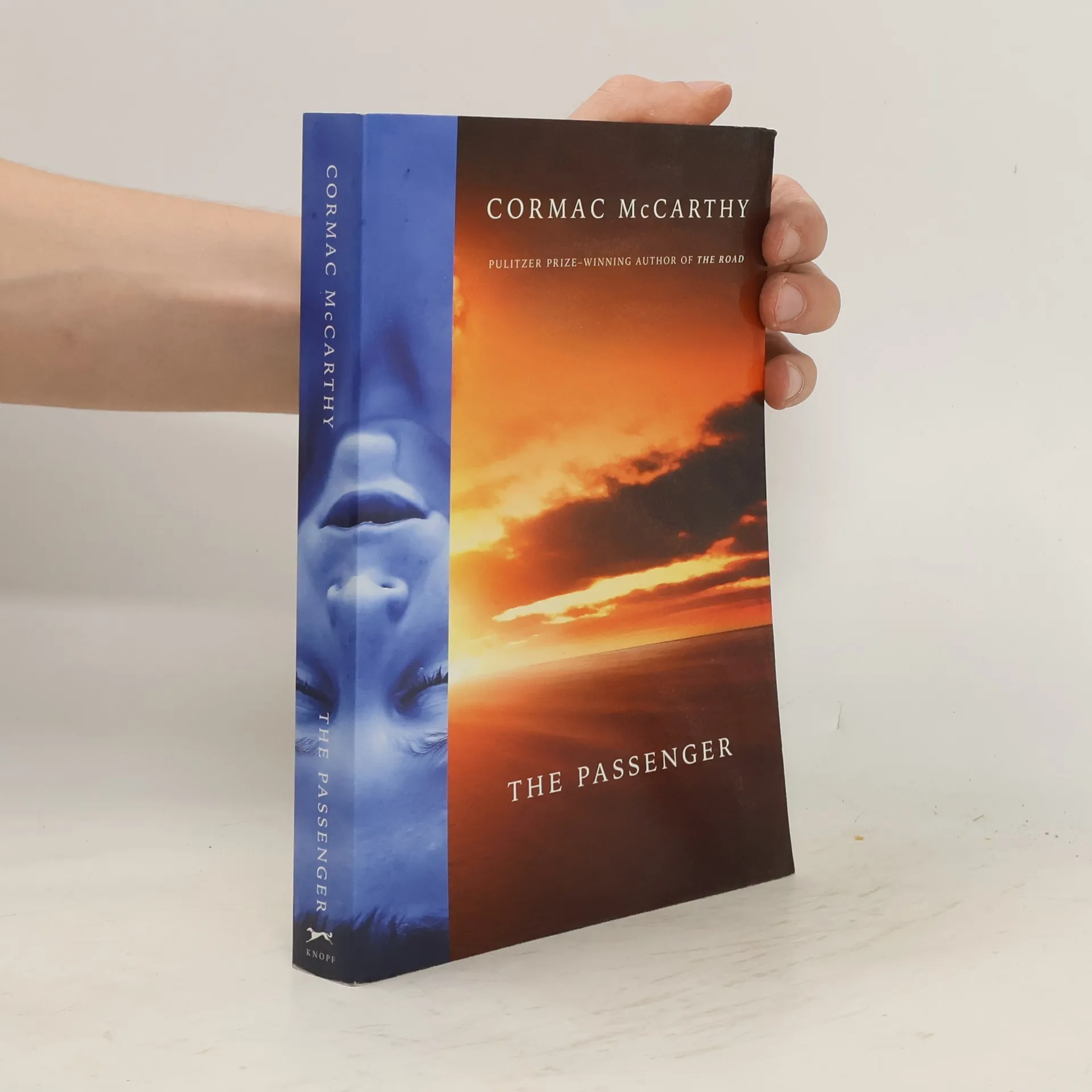
980, PASS CHRISTIAN, It is three in the morning when Bobby Western zips the jacket of his wet suit and plunges from the Coast Guard tender into darkness. His dive light illuminates the sunken jet, nine bodies still buckled in their seats, hair floating, eyes devoid of speculation. Missing from the crash site are the pilot’s flight bag, the plane’s black box, and the tenth passenger. But how? A collateral witness to machinations that can only bring him harm, Western is shadowed in body and spirit—by men with badges; by the ghost of his father, inventor of the bomb that melted glass and flesh in Hiroshima; and by his sister, the love and ruin of his soul. Traversing the American South, from the garrulous barrooms of New Orleans to an abandoned oil rig off the Florida coast, The Passenger is a breathtaking novel of morality and science, the legacy of sin, and the madness that is human consciousness.
El Pasajero Serie
Esta serie se adentra en los rincones oscuros de la psique humana, explorando complejas elecciones morales y el peso del destino. Sigue el viaje de un protagonista solitario cuyo camino está plagado de misterio y peligro. Cada entrega ofrece profundas reflexiones sobre la vida, la muerte y la búsqueda de sentido en un mundo incierto. Es una lectura cautivadora para aquellos que buscan profundidad emocional y narrativas que inviten a la reflexión.
Orden recomendado de lectura
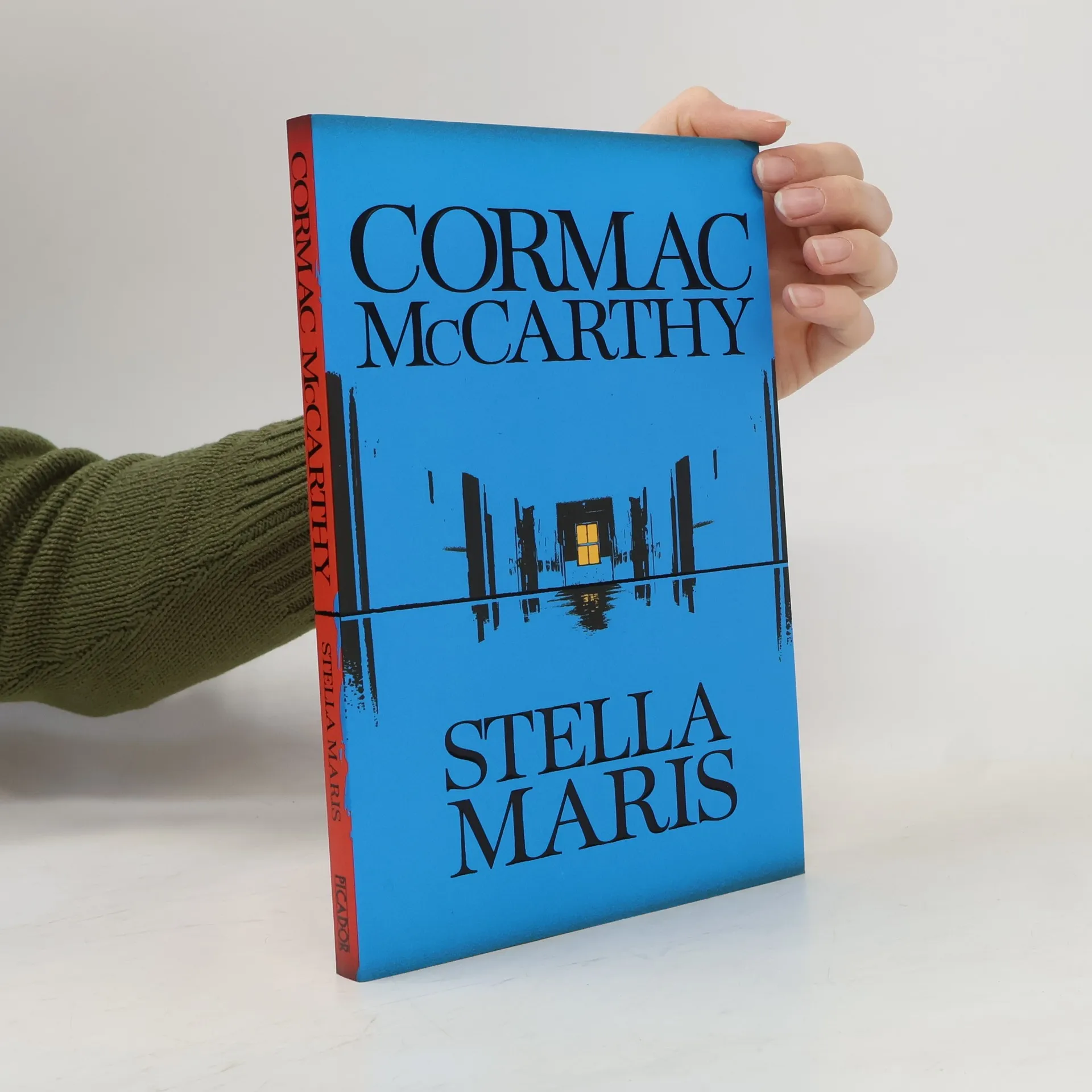
Stella Maris
- 256 páginas
- 9 horas de lectura
&b;>The masterful coda to &i;>The Passenger&/i> from the Pulitzer Prize?winning author of &i;>The Road&/i>.&/b>