Esta serie profundiza en los libros innovadores que han remodelado fundamentalmente el pensamiento y la sociedad humana. Cada entrega se centra en un texto clave individual, diseccionando su contexto histórico, sus argumentos centrales y su legado perdurable. Ofrece un viaje cautivador para cualquiera interesado en la historia intelectual y el poder de las ideas. La colección revela la profunda capacidad de la literatura para alterar el curso de la civilización.
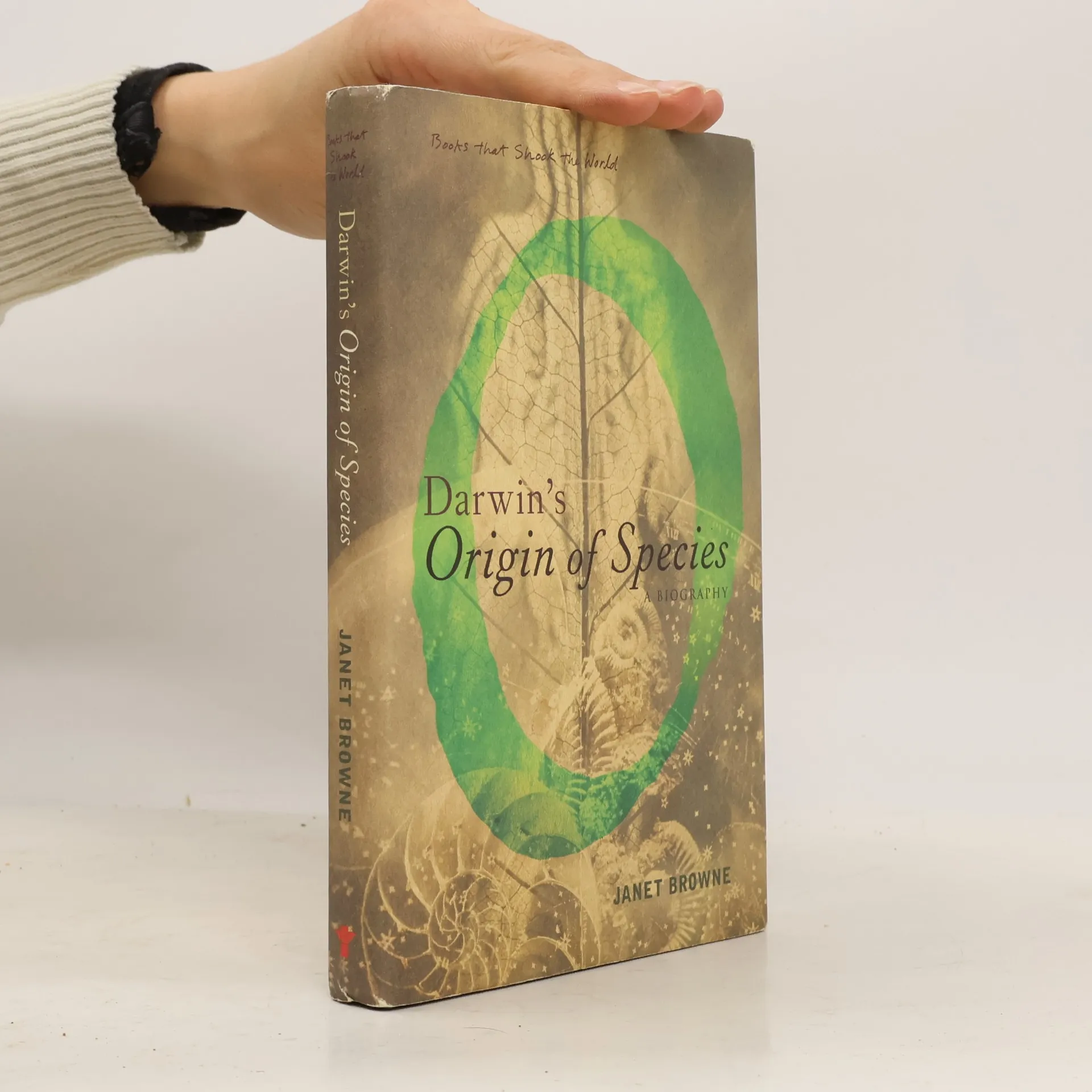
On first publication in 1859, 'Origin of Species' became a bestseller. Darwin's idea that organisms gradually evolve through natural selection overturned the belief that all animals were born out of nothing. This guide examines the theory that changed the way we see the world and our place in it.
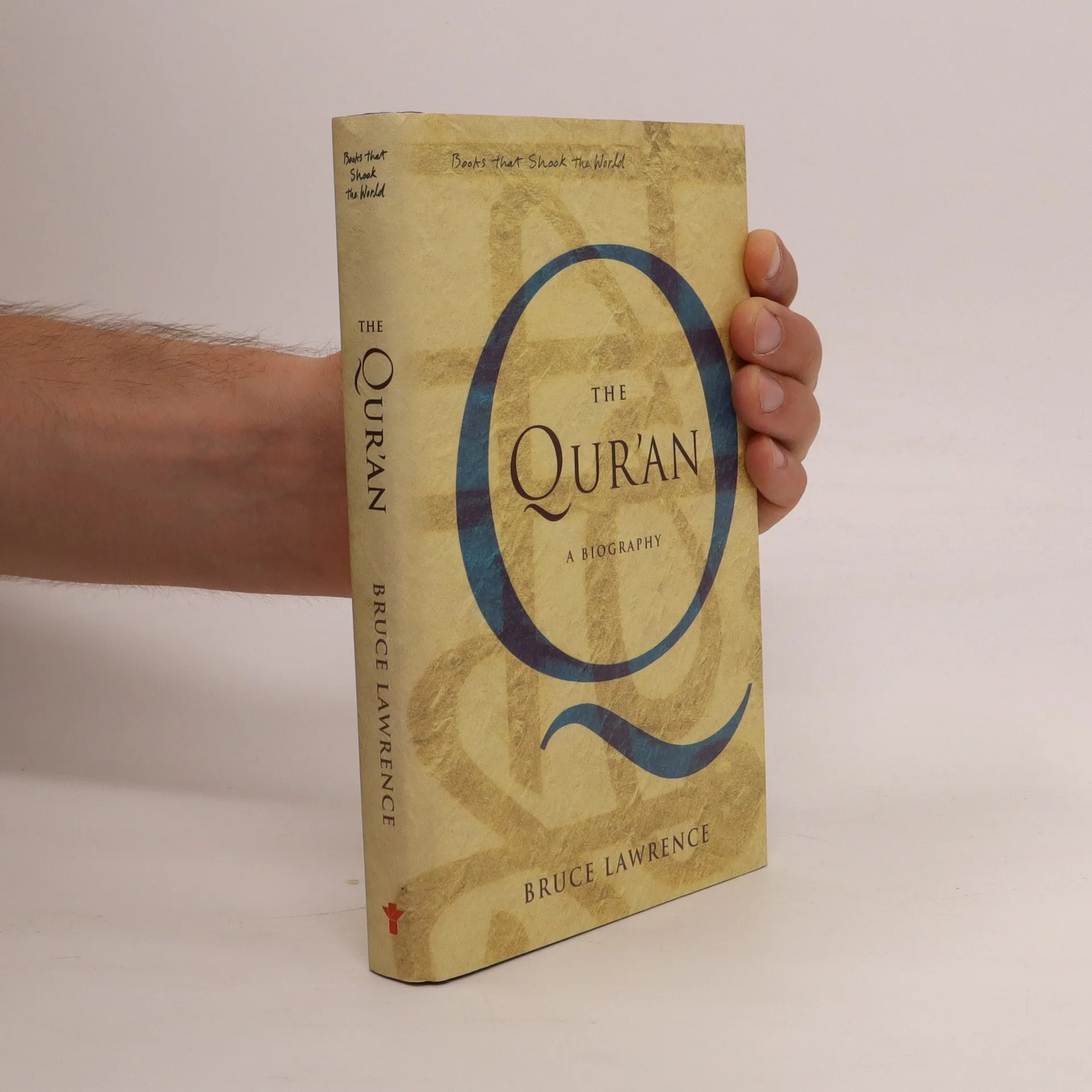
An authoritative introduction to the sacred text reveals how it represents Islam, describing the origins of the faith in seventh-century Arabia while offering insight into how the Qurʼan remains a pivotal influence on modern society and politics
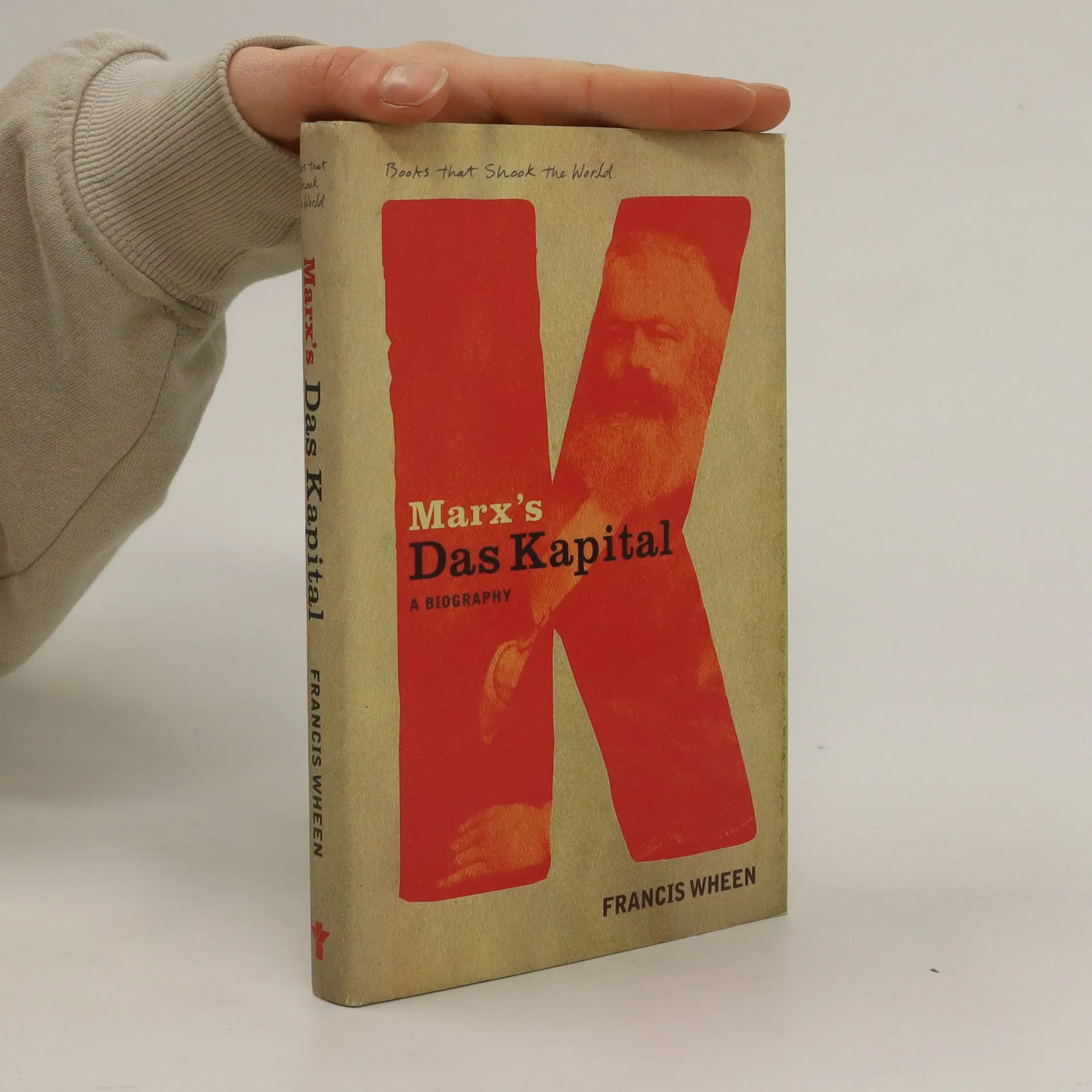
In this brilliant book, Karl Marx biographer Francis Wheen tells the story of Das Kapital and Marx's twenty-year struggle to complete his unfinished masterpiece. Wheen shows that, far from being a dry economic treatise, Das Kapital is like a vast Gothic novel whose heroes are enslaved by the monster they capitalism.
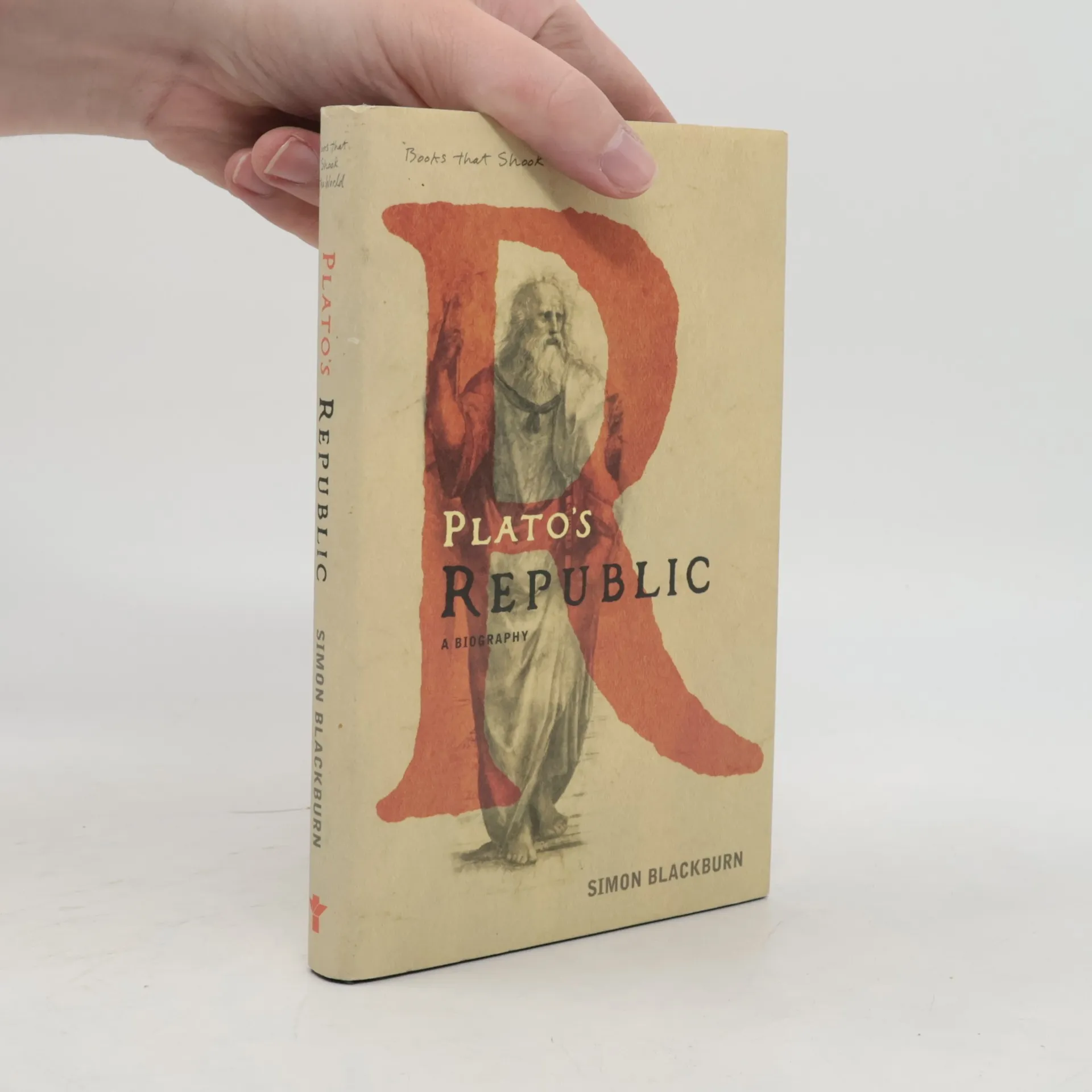
Plato is perhaps the most significant philosopher who has ever lived and The Republic , composed in Athens in about 375 BC, is widely regarded as his most famous dialogue. Its discussion of the perfect city and the perfect mind laid the foundations for Western culture and, for over two thousand years, has been the cornerstone of Western philosophy. As the distinguished Cambridge professor Simon Blackburn points out, it has probably sustained more commentary, and been subject to more radical and impassioned disagreement, than almost any other of the great founding texts of the modern world. In Plato's Republic , Blackburn explains the judicial, moral and political ideas in the Republic with dazzling insight and clarity. Blackburn also examines Republic 's remarkable influence and unquestioned staying power, and shows why, from St. Augustine to twentieth century philosophers such as Ludwig Wittgenstein and Henri Bergson, Western thought is still conditioned by this most important, and contemporary, of books.
"On War" by Carl von Clausewitz was first published in Germany after the Napoleonic Wars. Its description of 'absolute war' and its insistence on the centrality of battle to war have been blamed for the level of destruction involved in both the First and Second World Wars. This book challenges the popular misconceptions that surround "On War".
Thomas Paine's "Rights of Man" has been celebrated, criticized, maligned, suppressed, and co-opted, but Hitchens marvels at its forethought and revels in its contentiousness. In this book, he demonstrates how Paine's book forms the philosophical cornerstone of the U.S.
The complexities of military strategy are explored through Carl von Clausewitz's "On War," a foundational yet contradictory text that has shaped military thought for generations. Despite its challenging language and posthumous publication, its impact on modern warfare is undeniable. Hew Strachan, a leading military historian, provides clarity by unpacking Clausewitz's intentions and the book's relevance today. This insightful analysis serves as an essential guide for readers seeking to understand the enduring significance of Clausewitz's work in military history.