
Bookbot

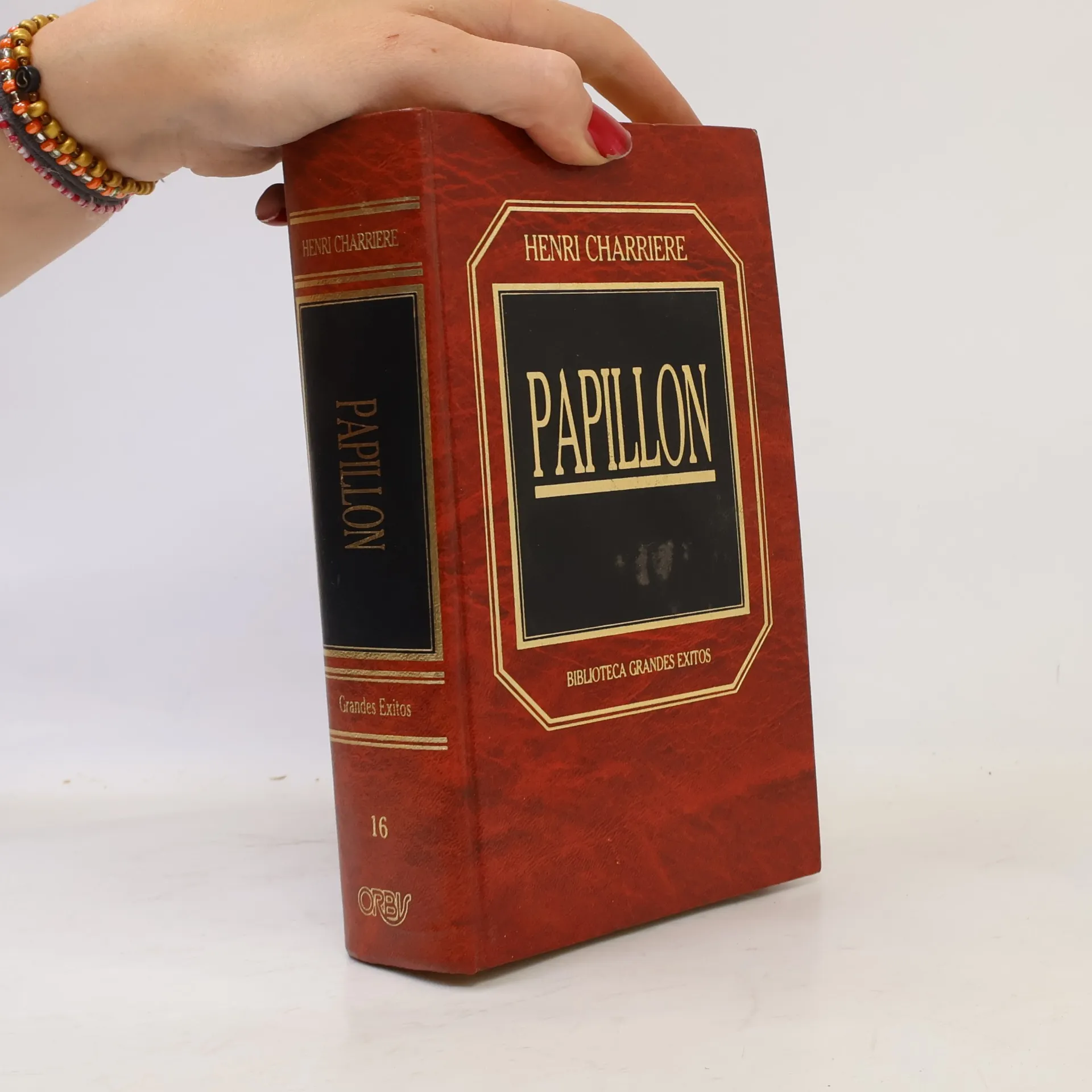
Papillon

Esta serie narra la extraordinaria historia real de un hombre condenado injustamente por asesinato. Sus trece años de trabajos forzados en galeras, bajo condiciones inhumanas, no lograron quebrar su espíritu. Impulsado por un deseo inquebrantable de libertad, enfrentó castigos severos y pérdidas personales, pero nunca se rindió. Su notable resiliencia y coraje finalmente lo llevaron a una audaz fuga y a un nuevo comienzo.

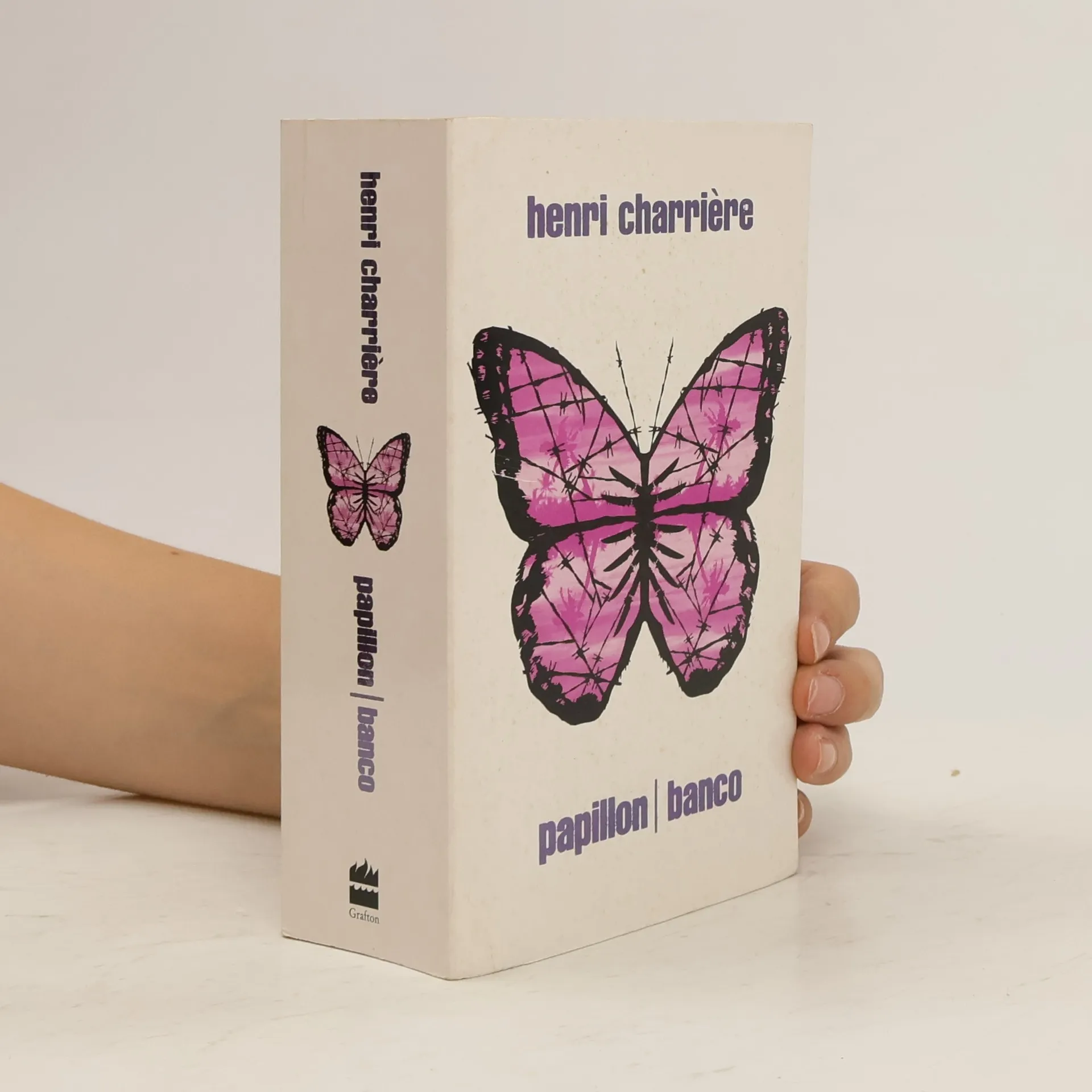
Papillon ; Banco
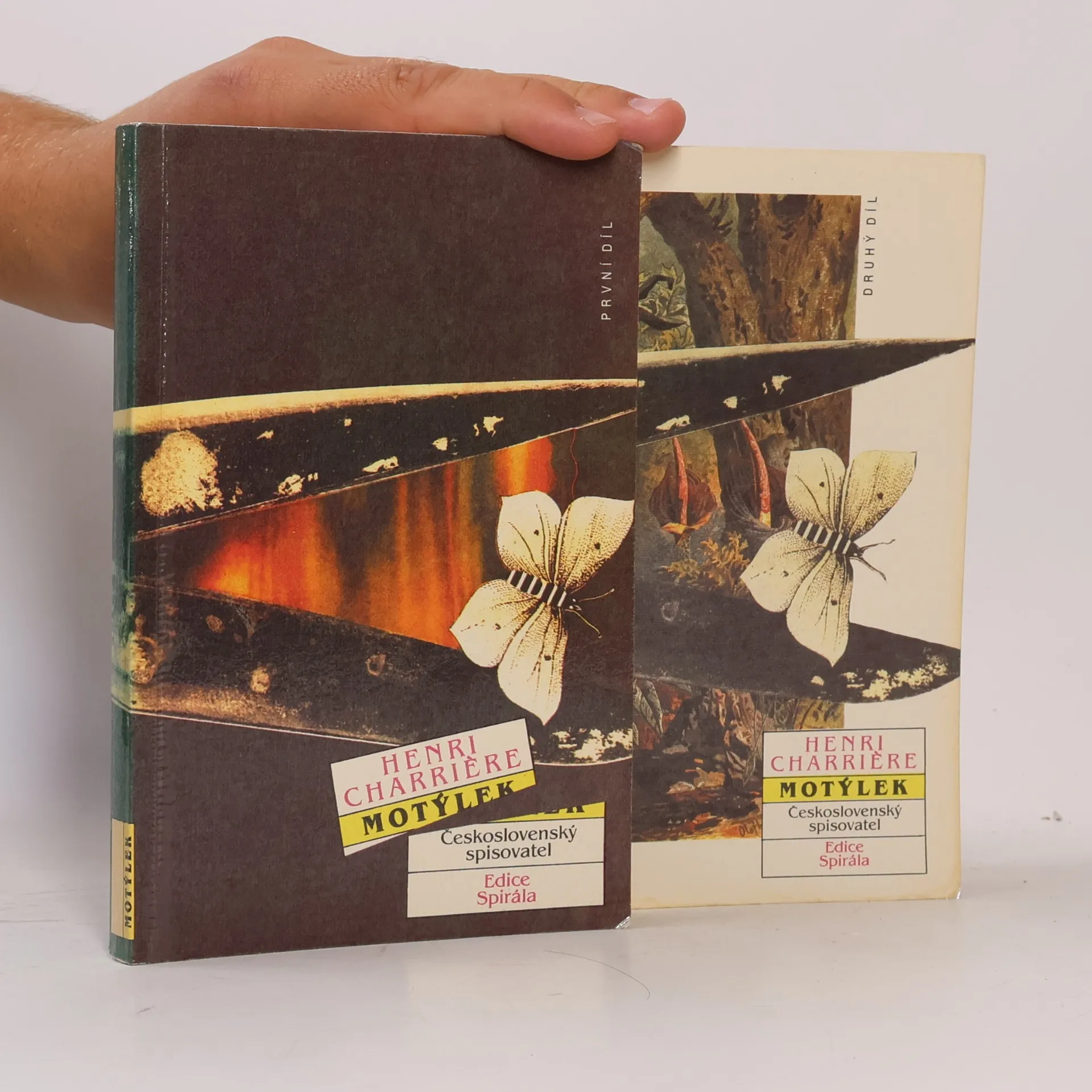
Motýlek I.-II. díl
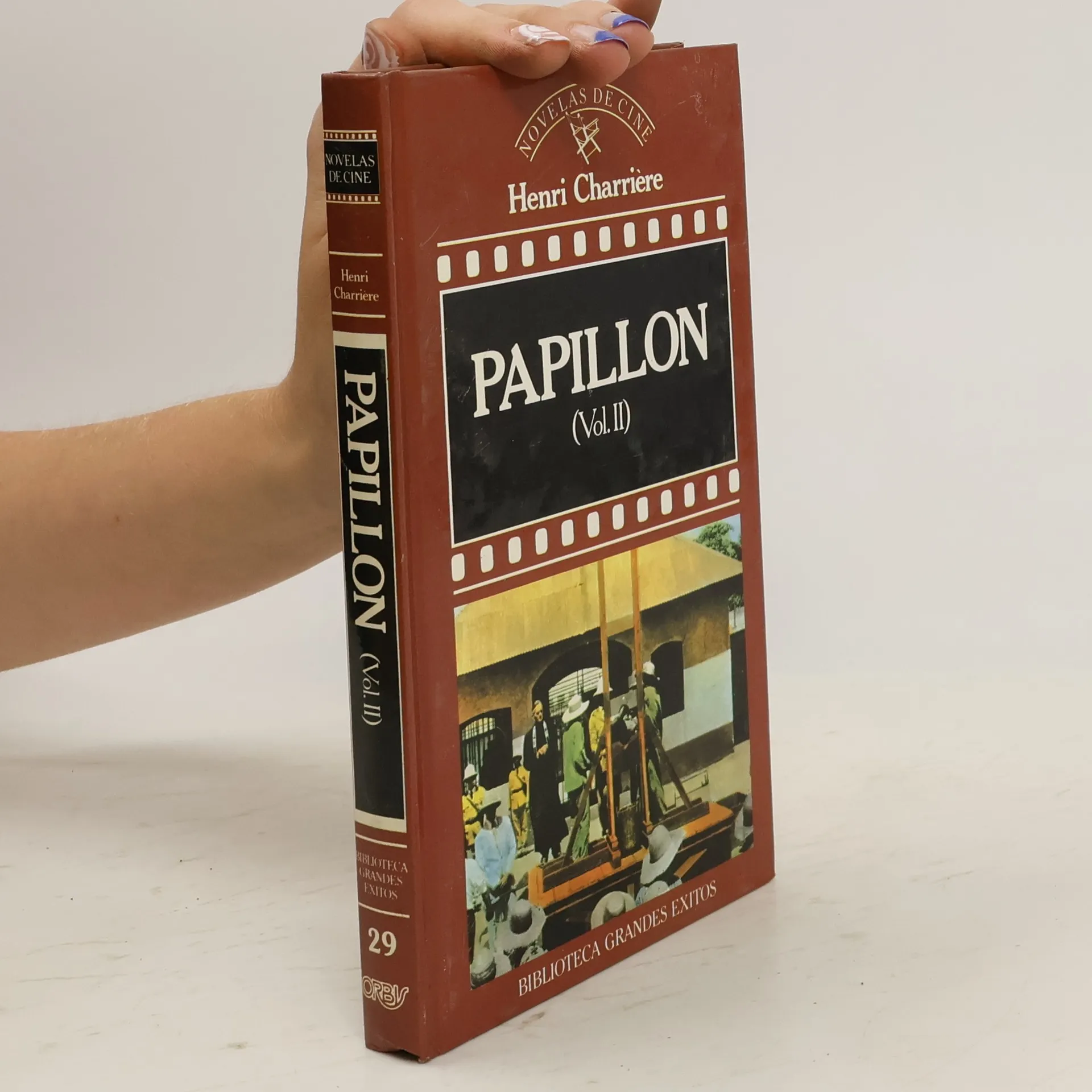
Papillon II
Banco
Papillon

Orden recomendado de lectura

  1. Papillon

    • 473 páginas
    • 17 horas de lectura

    Henri Charrière, called "Papillon," for the butterfly tattoo on his chest, was convicted in Paris in 1931 of a murder he did not commit. Sentenced to life imprisonment in the penal colony of French Guiana, he became obsessed with one goal: escape. After planning and executing a series of treacherous yet failed attempts over many years, he was eventually sent to the notorious prison, Devil's Island, a place from which no one had ever escaped . . . until Papillon. His flight to freedom remains one of the most incredible feats of human cunning, will, and endurance ever undertaken. Charrière's astonishing autobiography, Papillon, was published in France to instant acclaim in 1968, more than twenty years after his final escape. Since then, it has become a treasured classic -- the gripping, shocking, ultimately uplifting odyssey of an innocent man who would not be defeated.

    Papillon1
    4,2
  2. Banco

    • 409 páginas
    • 15 horas de lectura

    Continuación de "Papillon", "Banco" es la segunda novela autobiográfica de Henri Charrière, escrita como respuesta a las cartas recibidas de lectores, que querían saber más sobre su vida

    Banco2
    3,8

Libros relacionados

  • Henri Charrière, un francés, pasó doce años en una colonia penal en las Islas del Diablo, en la Guayana Francesa. Veinte años después de su exitoso escape, escribió sobre su vida. Relata su condena por un asesinato que no cometió, su sentencia a cadena perpetua y su deportación a un infierno tropical en 1931. Describe dos años en aislamiento, la tragedia de un amigo devorado por tiburones durante un intento de fuga, y siete intentos fallidos de escapar, culminando en su último y exitoso intento, que lo llevó a un refugio en Venezuela en la década de 1940. La obra es un testimonio de resistencia y supervivencia, explorando los límites del espíritu humano frente a la adversidad extrema y la injusticia.

    Papillon II
    4,6
  • Motýlek I.-II. díl

    • 2 volúmenes
    • 227 páginas
    • 8 horas de lectura

    Kniha 'Motýlek I.-II. díl' od Henriho Charrière je autobiografickým vyprávěním, které zachycuje autorův život a jeho dramatické události. Příběh se soustředí na Charrièreovu neobyčejnou cestu od nespravedlivého uvěznění ve Francii po jeho únik z trestanecké kolonie na ostrově Devil's Island. Hlavním tématem je touha po svobodě a odolnost vůči nespravedlnosti, kterou Charrière prožívá v nehostinném prostředí vězení a během nebezpečných útěků. Hlavní postavou je Henri Charrière, známý jako "Motýlek", jehož životní příběh je plný překážek, přátelství a zrad. V průběhu vyprávění se objevují další klíčové postavy, které ovlivňují jeho osud, včetně spoluvězňů a lidí, které potkává na své cestě. Kniha se zabývá nejen osobními boji a utrpením, ale také otázkami identity, přežití a morálních dilemat. Celkově 'Motýlek I.-II. díl' nabízí detailní pohled na život v trestaneckých koloniích a na neúnavnou snahu jednotlivce o svobodu v nelidských podmínkách.

    Motýlek I.-II. díl
    4,6
  • Papillon ; Banco

    • 285 páginas
    • 10 horas de lectura

    Henri Charriere, called "Papillon," for the butterfly tattoo on his chest, was convicted in Paris in 1931 of a murder he did not commit. Sentenced to life imprisonment in the penal colony of French Guiana, he became obsessed with one goal: escape. After planning and executing a series of treacherous yet failed attempts over many years, he was eventually sent to the notorious prison, Devil's Island, a place from which no one had ever escaped . . . until Papillon. His flight to freedom remains one of the most incredible feats of human cunning, will, and endurance ever undertaken. Charriere's astonishing autobiography, Papillon, was published in France to instant acclaim in 1968, more than twenty years after his final escape. Since then, it has become a treasured classic -- the gripping, shocking, ultimately uplifting odyssey of an innocent man who would not be defeated.

    Papillon ; Banco
    4,7