Bookbot

Kishore Mahbubani

    October 24, 1948

    Kishore Mahbubani es un académico y exdiplomático cuyo trabajo se centra en la política pública y las relaciones internacionales. Sus escritos analizan las tendencias globales y la dinámica de la región Asia-Pacífico, ofreciendo perspectivas perspicaces sobre los desafíos y oportunidades contemporáneos. Ofrece un punto de vista distintivo sobre las complejidades de la diplomacia internacional y el papel de Asia en ella. Sus análisis son valiosos para comprender el panorama global en evolución.
    Has the West Lost It?
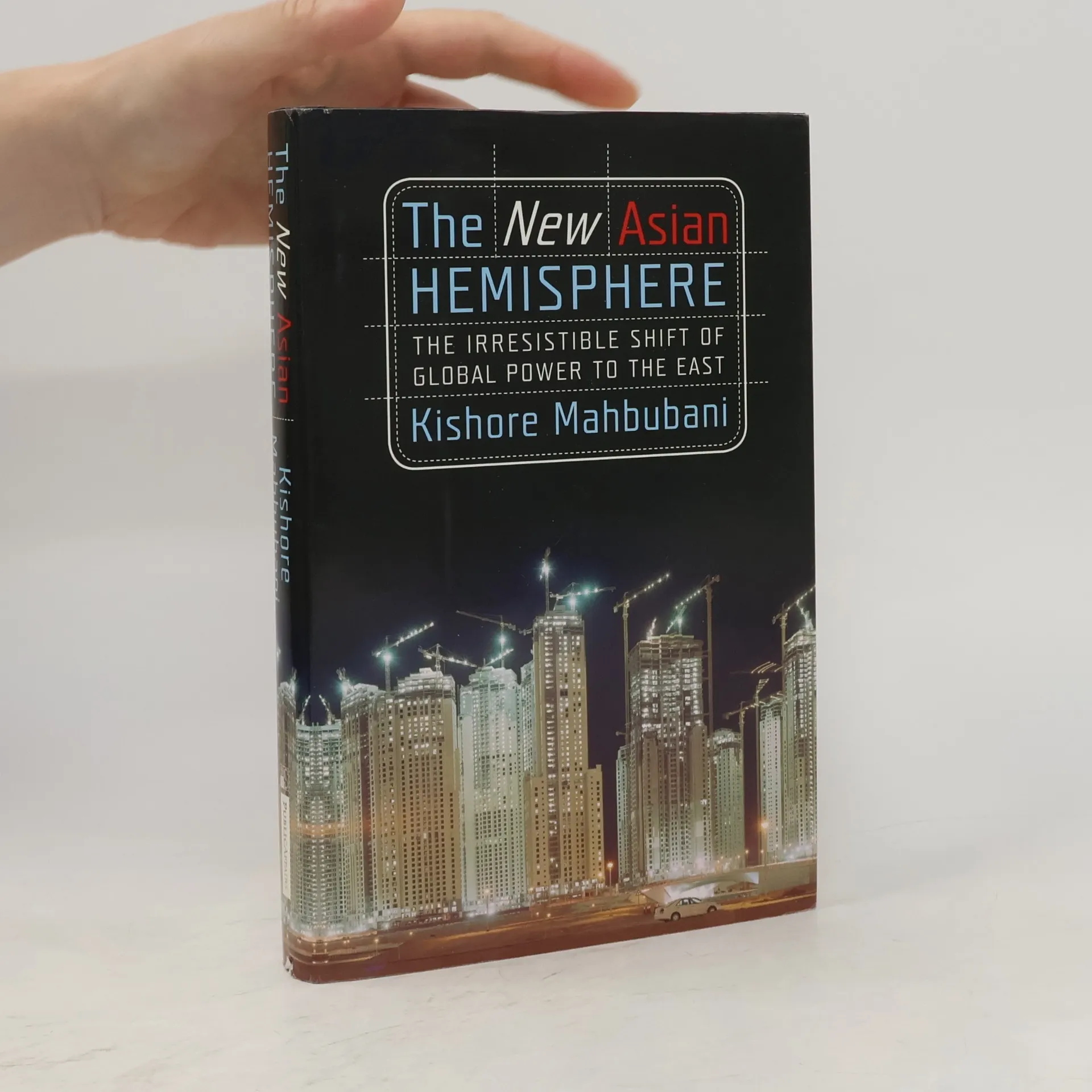
    The new Asian hemisphere
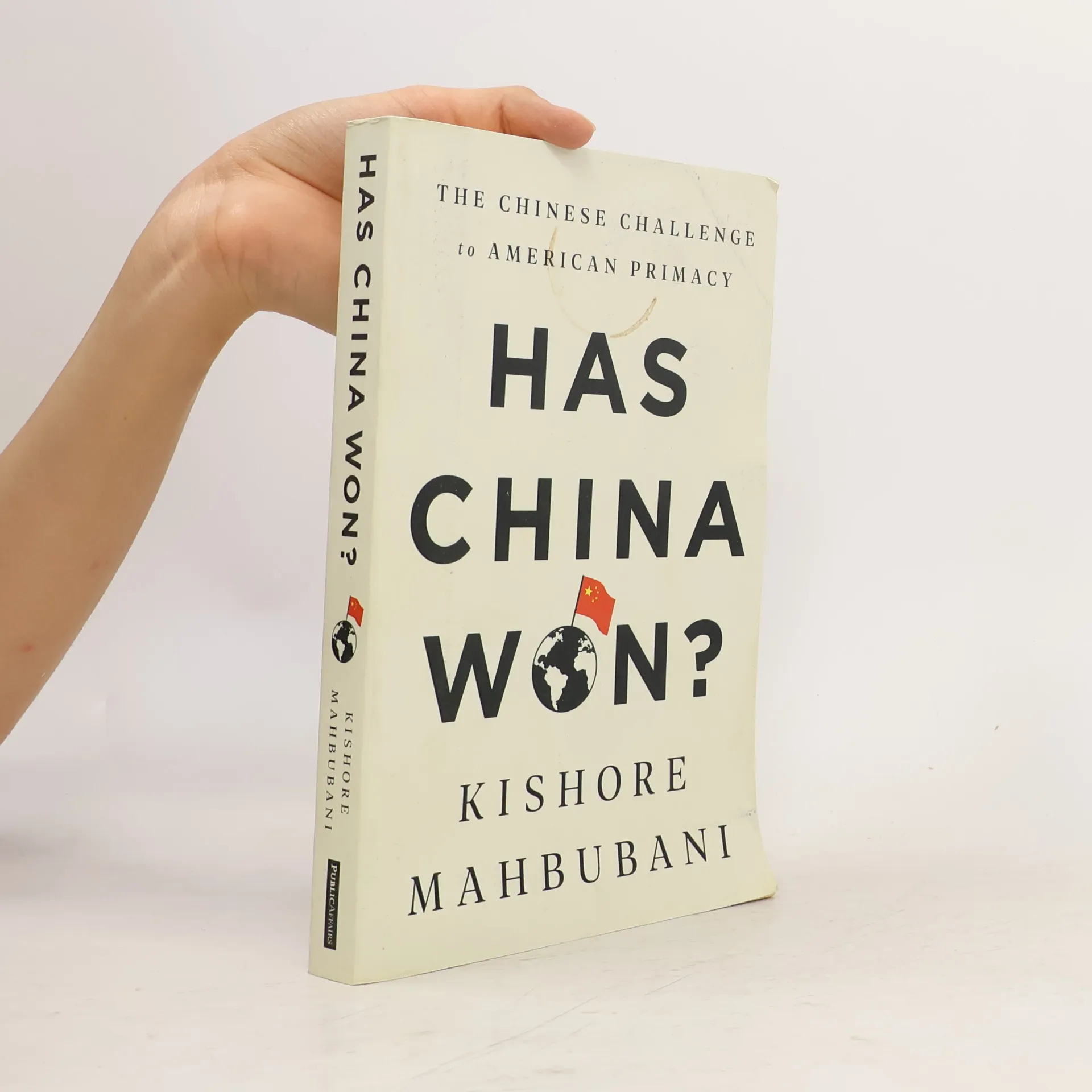
    Has China Won?
    The ASEAN Miracle
    Has China Won?: The Chinese Challenge to American Primacy
    The Asian 21st Century
    • The Asian 21st Century

      • 280 páginas
      • 10 horas de lectura

      Kishore Mahbubani's essays delve into the complexities of Western and Asian relations amid growing global interdependence and heightened geopolitical rivalry. The book examines the unique challenges and dilemmas each region faces, offering insights into their interactions and the broader implications for international dynamics. Through thoughtful analysis, Mahbubani encourages readers to consider the future of global cooperation and competition in a rapidly changing world.

      The Asian 21st Century
      3,0
    • The twenty-first century's major geopolitical contest is underway, marked by a significant trade war and tense naval encounters in the South China Sea. As American officials rally against China, the latter remains resolute. This analysis evaluates both sides, highlighting China's global ambitions under pragmatic leadership and a resurgence of cultural confidence among its people. Chinese society is now characterized by innovation and dynamism. In contrast, the US has faced setbacks, particularly following the 2008 financial crisis, leading many to question its status as the indispensable nation. The rise of China and the relative decline of the US pose unprecedented challenges for American policymakers, who must confront complacency and revamp both domestic and foreign policies that have eroded the nation’s social foundations and global influence. Without significant changes, the US, a relatively young nation with a smaller population, may struggle to compete with China, the world's oldest continuous civilization. With his characteristic candor, the author provides incisive insights into the strategic stakes and mistakes in this evolving global landscape.

      Has China Won?: The Chinese Challenge to American Primacy
      4,1
    • The ASEAN Miracle

      • 264 páginas
      • 10 horas de lectura

      The Association of Southeast Asian Nations is a miracle. Why? In an era of growing cultural pessimism, many thoughtful individuals believe that different civilisations cannot live together in peace. The ten countries of ASEAN provide a thriving counter-example of civilizational co-existence. Here 625m people live together in peace. This miracle was delivered by ASEAN.

      The ASEAN Miracle
      3,9
    • A leading global public intellectual explains how, while America became arrogant and distracted, a three-thousand-year-old civilization is well on the way to becoming the number one power in the world.

      Has China Won?
      3,7
    • The new Asian hemisphere

      • 314 páginas
      • 11 horas de lectura

      For centuries, the Asians (Chinese, Indians, Muslims, and others) have been bystanders in world history. Now they are ready to become co-drivers. Asians have finally understood, absorbed, and implemented Western best practices in many from free-market economics to modern science and technology, from meritocracy to rule of law. They have also become innovative in their own way, creating new patterns of cooperation not seen in the West. Will the West resist the rise of Asia? The good news is that Asia wants to replicate, not dominate, the West. For a happy outcome to emerge, the West must gracefully give up its domination of global institutions, from the IMF to the World Bank, from the G7 to the UN Security Council. History teaches that tensions and conflicts are more likely when new powers emerge. This, too, may happen. But they can be avoided if the world accepts the key principles for a new global partnership spelled out in The New Asian Hemisphere.

      The new Asian hemisphere
      3,8
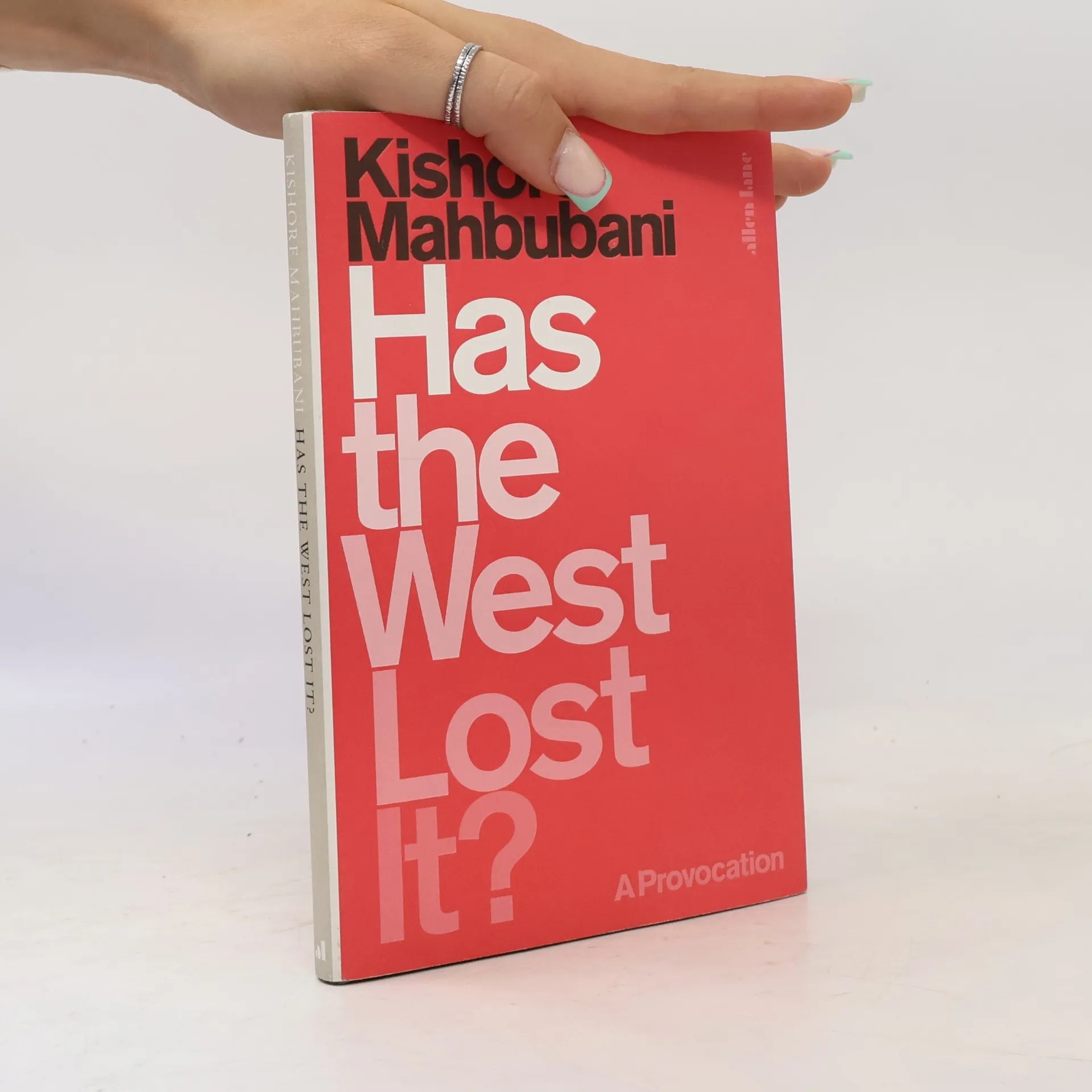
    • Has the West Lost It?

      A Provocation

      • 112 páginas
      • 4 horas de lectura

      The West's two-century dominance as a global powerhouse is concluding, giving way to a new world order led by China and India. In this timely polemic, Kishore Mahbubani argues that the West must abandon its presumption of imposing its ideology and stop intervening in other nations' affairs. He critiques significant missteps, such as the humiliation of Russia post-Cold War, which contributed to Putin's rise, and the Iraq invasion after 9/11, which destabilized the Middle East. Mahbubani emphasizes that while the West's constructs of democracy and reason are vital for global peace, they should be promoted through diplomacy rather than military force. He advocates for engagement through multilateral institutions like the UN, urging the West to acknowledge its shifting status and focus on influencing rather than dominating. This perspective serves as a crucial reminder for the West to adapt in order to maintain a significant geopolitical role. Fareed Zakaria describes Mahbubani as a highly intelligent and persistent critic, suggesting that this work offers essential analysis and observations for reviving the West.

      Has the West Lost It?
    • Hat China schon gewonnen?

      Chinas Aufstieg zur neuen Supermacht

      Sie beobachten sich gegenseitig über den Pazifik hinweg mit Argusaugen und reden übereinander statt miteinander: Längst hat der entscheidende geopolitische Wettstreit des 21. Jahrhunderts zwischen China und den USA begonnen – beides Weltmächte ohne ernsthafte Rivalen. Kishore Mahbubani, renommierter und hervorragend vernetzter Diplomat und Gelehrter, analysiert die tiefen Verwerfungen in den Beziehungen zwischen Peking und Washington. Mit unverstelltem Blick erläutert er die Stärken, Schwächen, Fehler und Eigenheiten Chinas und der USA. In Zeiten schwelender Handelskriege und ständiger politischer Konflikte ist sein Buch ein unverzichtbarer Leitfaden für ein besseres Verständnis der beiden Supermächte – insbesondere des unaufhaltsamen Aufsteigers China.

      Hat China schon gewonnen?
      4,0
    • Książka analizuje rywalizację między Chinami a Stanami Zjednoczonymi, kluczowy element kształtujący ład światowy XXI wieku oraz wpływający na pozycję Polski. Autor przybliża różnice polityczne i kulturowe między tymi mocarstwami, wskazując na ich mocne i słabe strony oraz potencjalne błędy w komunikacji. Recenzje, w tym od laureata Nagrody Nobla, Michaela Spence'a, podkreślają doświadczenie Mahbubaniego w dyplomacji i jego umiejętność strategicznego myślenia w złożonych kontekstach. Spence zauważa, że autor doskonale rozumie różnorodność cywilizacyjną. Polscy recenzenci również doceniają wysoki poziom merytoryczny publikacji, która zwiększa wiedzę o przemianach w globalnym ładzie. W obliczu rosnącego znaczenia krajów Azji Południowo-Wschodniej, zwłaszcza Chin, dostęp do informacji na temat tych wyzwań jest kluczowy. Lawrence Summers, były rektor Uniwersytetu Harvarda, stwierdza, że Mahbubani jest najlepszym przewodnikiem po azjatyckiej wizji świata dla ludzi Zachodu.

      Czy Chiny już wygrały?