

Este es el que agregas al carrito
Parámetros
- 112 páginas
- 4 horas de lectura
Más información sobre el libro
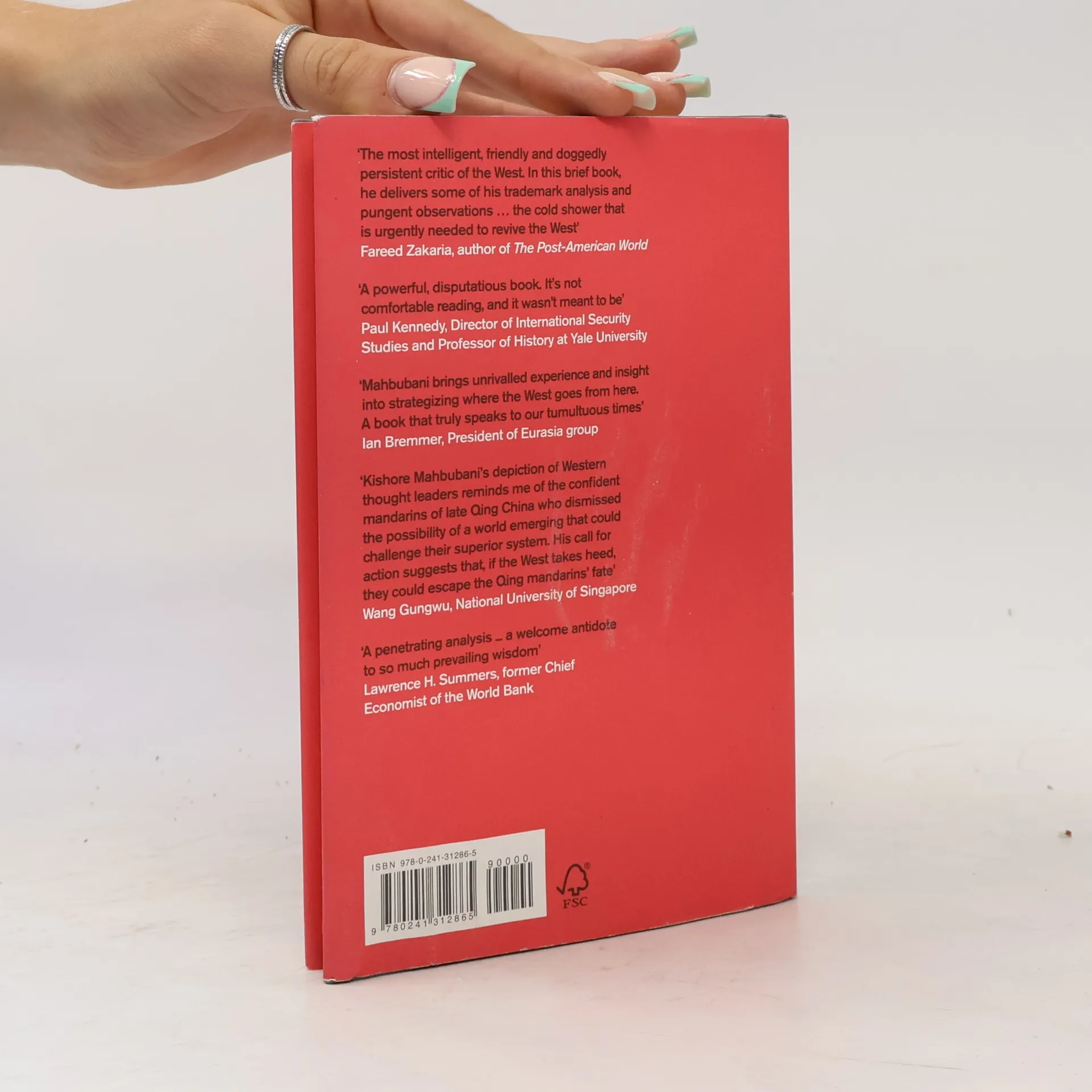
Kishore Mahbubani might well be the most intelligent, friendly and doggedly persistent critic of the West. In this brief book, he delivers some of his trademark analysis and pungent observations. We should all think of it as the cold shower that is urgently needed to revive the West Fareed Zakaria, author of 'The Post-American World'


Compra de libros
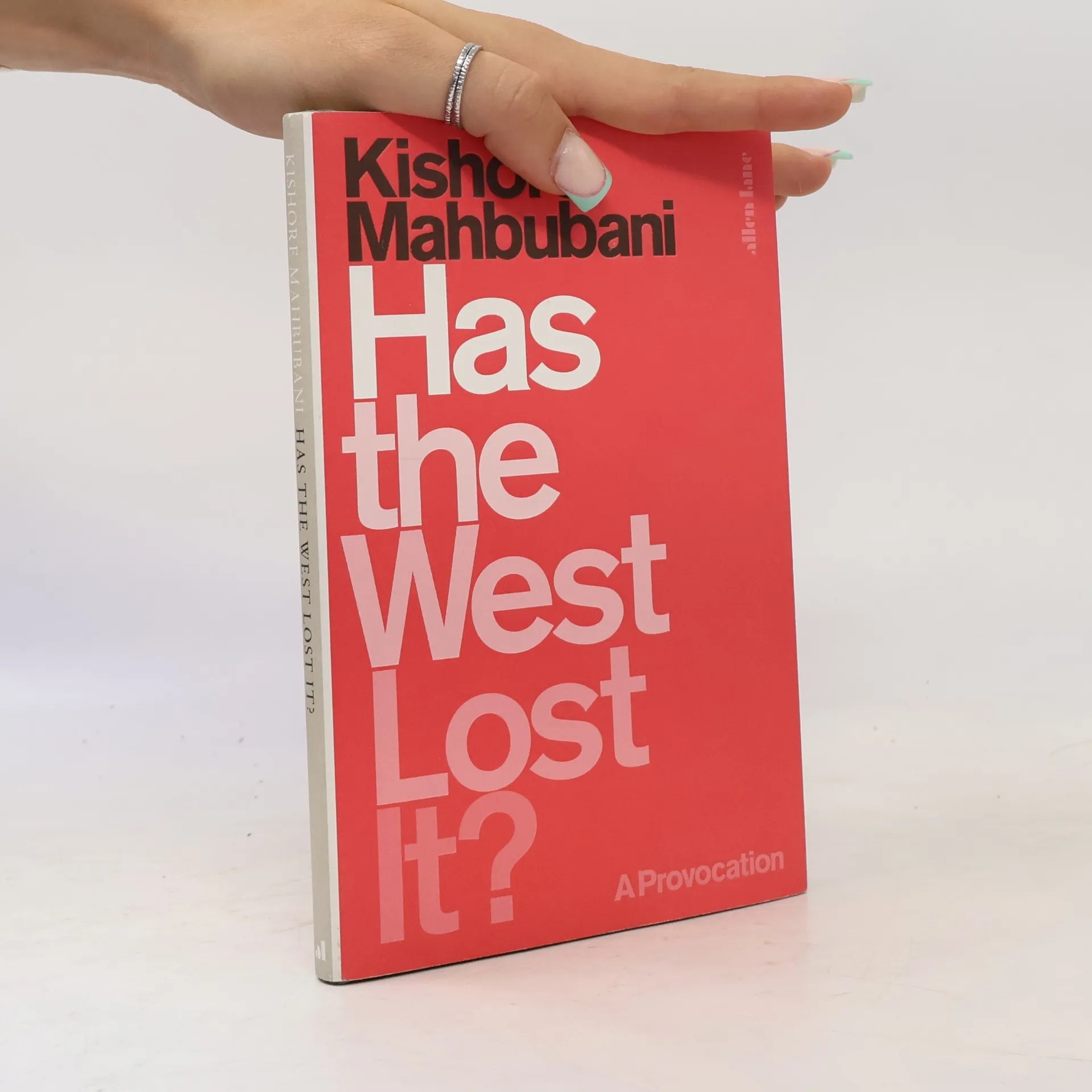
Has the West Lost It?, Kishore Mahbubani
- Idioma

- Publicado en
- 2018
- Encuadernación
- (Tapa dura),
- Estado del libro
- Bueno
- Precio
- 9,99 €
Métodos de pago
Nos falta tu reseña aquí
- Título
- Has the West Lost It?
- Subtítulo
- A Provocation
- Idioma
- Inglés
- Autores
- Kishore Mahbubani
- Editorial
- Penguin UK
- Publicado en
- 2018
- Formato
- Tapa dura
- Páginas
- 112
- ISBN10
- 0241312868
- ISBN13
- 9780241312865
- Serie
- Categorías
- Etiquetas
- Tema histórico, Comercio, Temática jurídica, Política, Literatura especializada, Asia, China, Teorías Políticas, Siglo XXI, Relaciones Internacionales, Globalización, República Sudafricana, Geopolítica, Diplomacia, Relaciones económicas internacionales
- Calificación
- 3,5 de 5
- Descripción
- Kishore Mahbubani might well be the most intelligent, friendly and doggedly persistent critic of the West. In this brief book, he delivers some of his trademark analysis and pungent observations. We should all think of it as the cold shower that is urgently needed to revive the West Fareed Zakaria, author of 'The Post-American World'