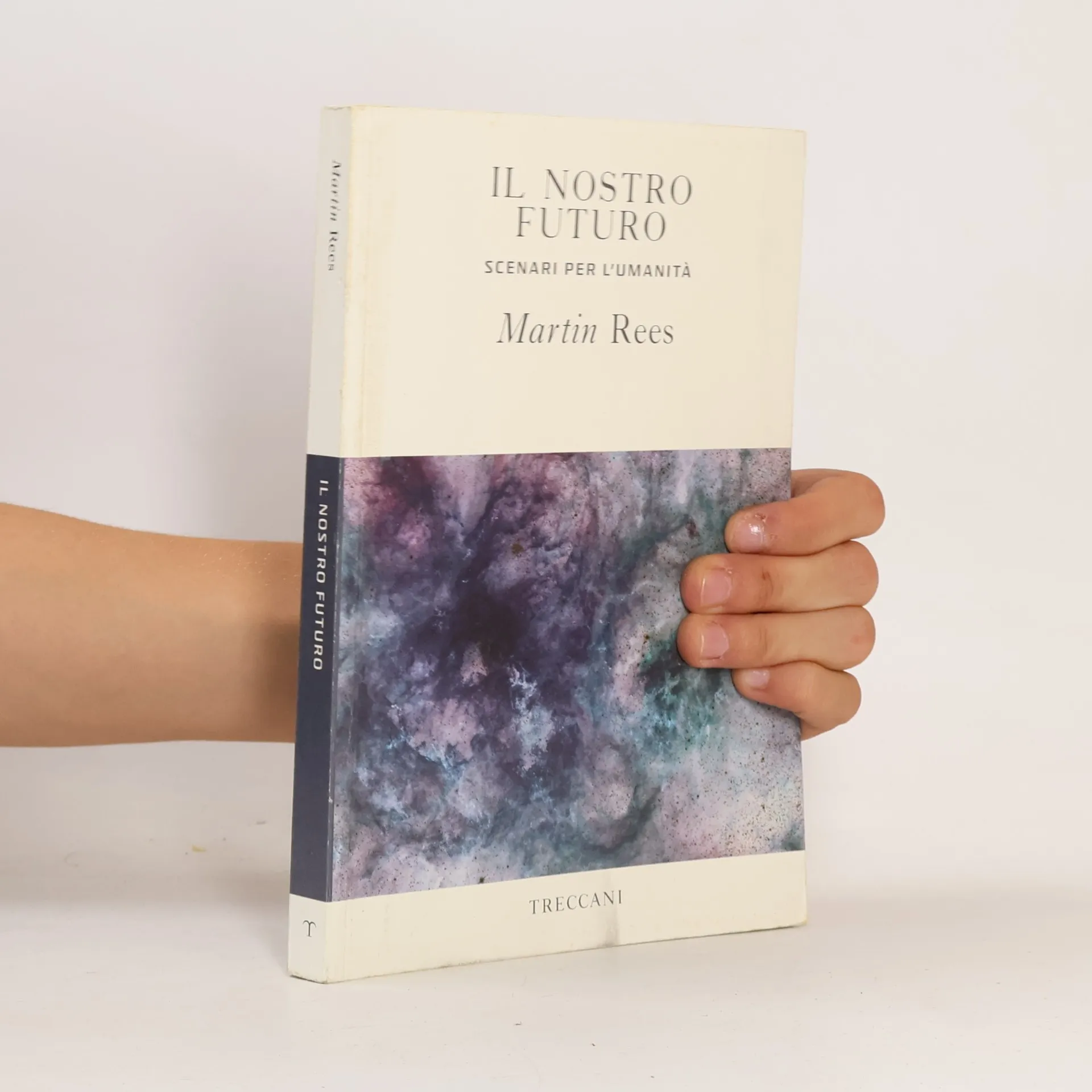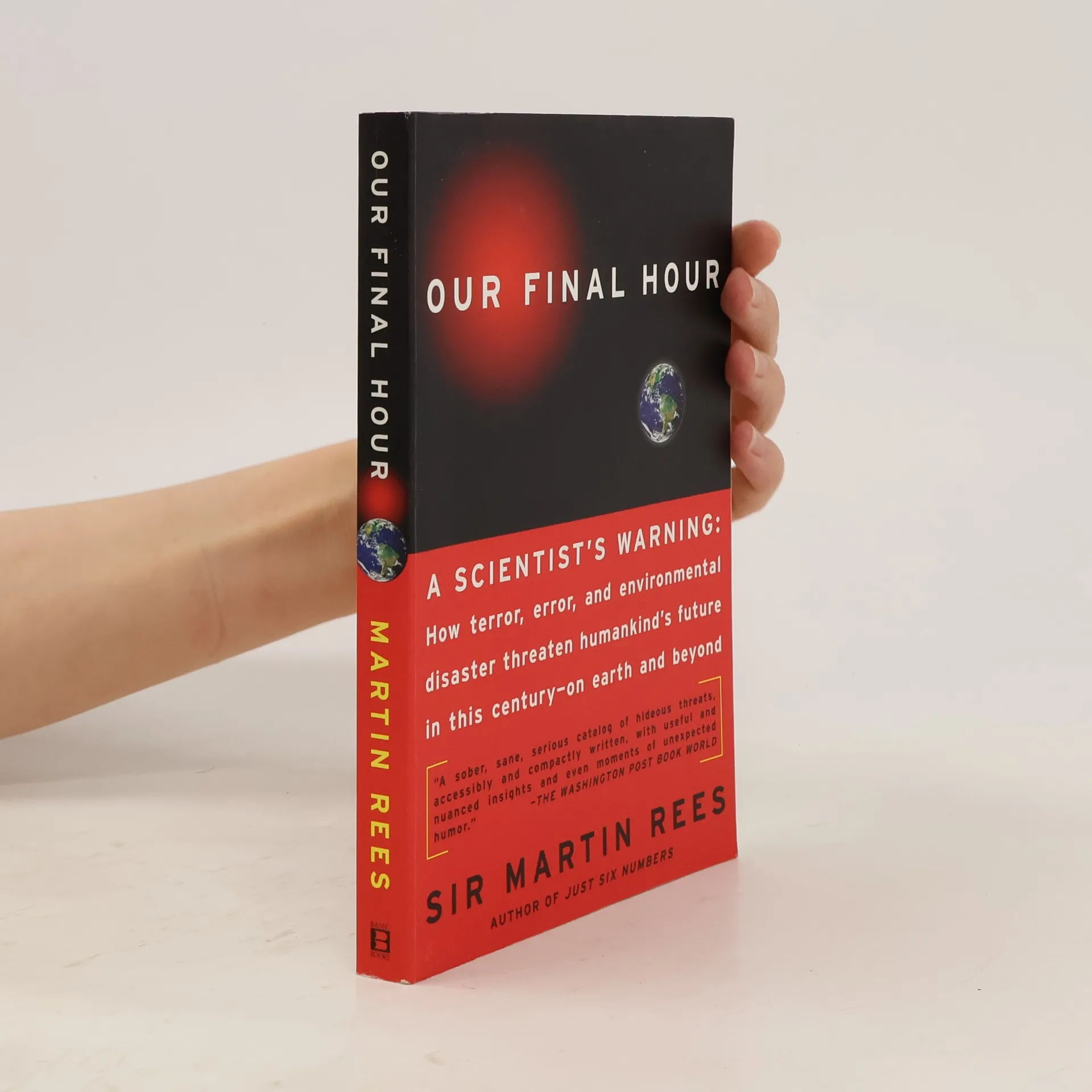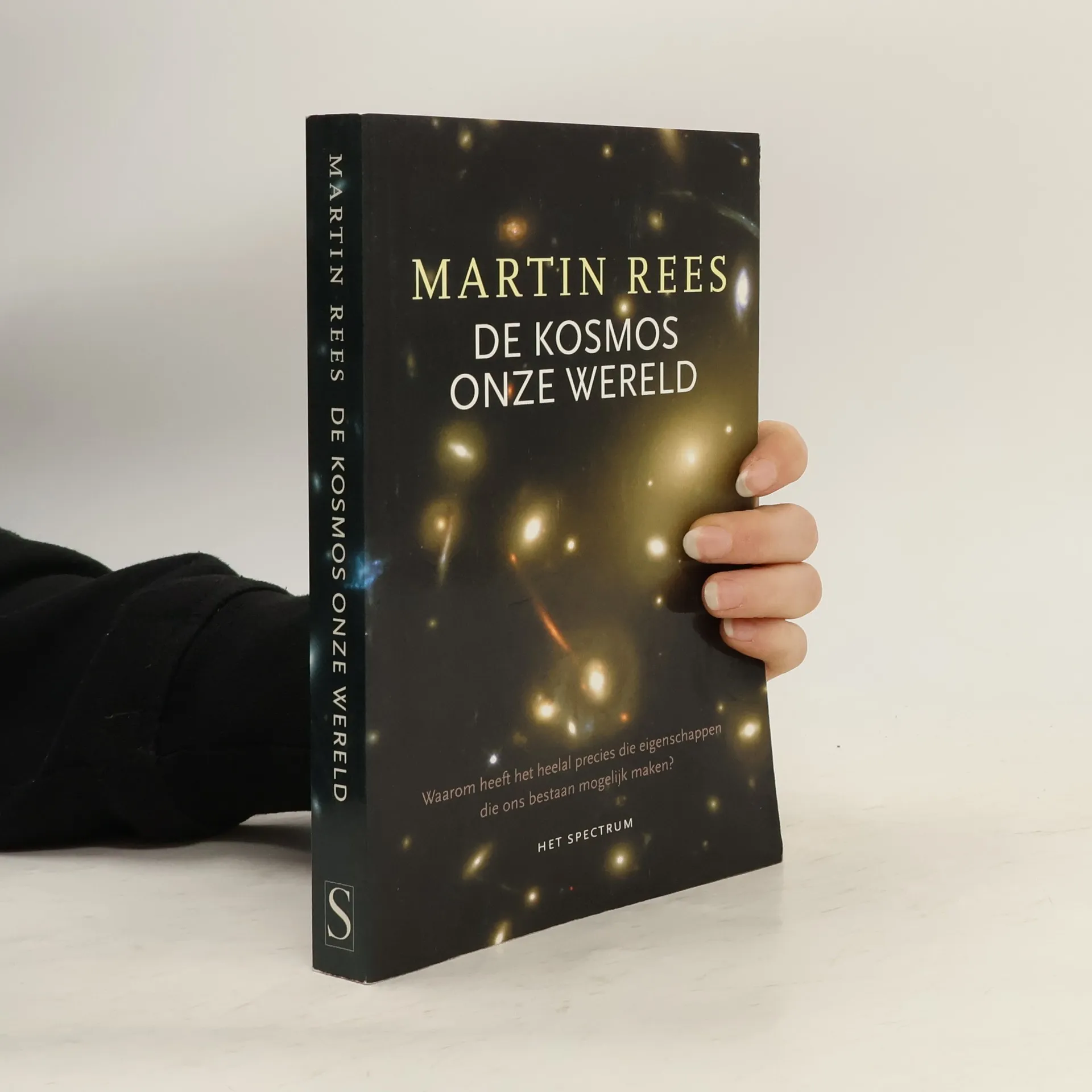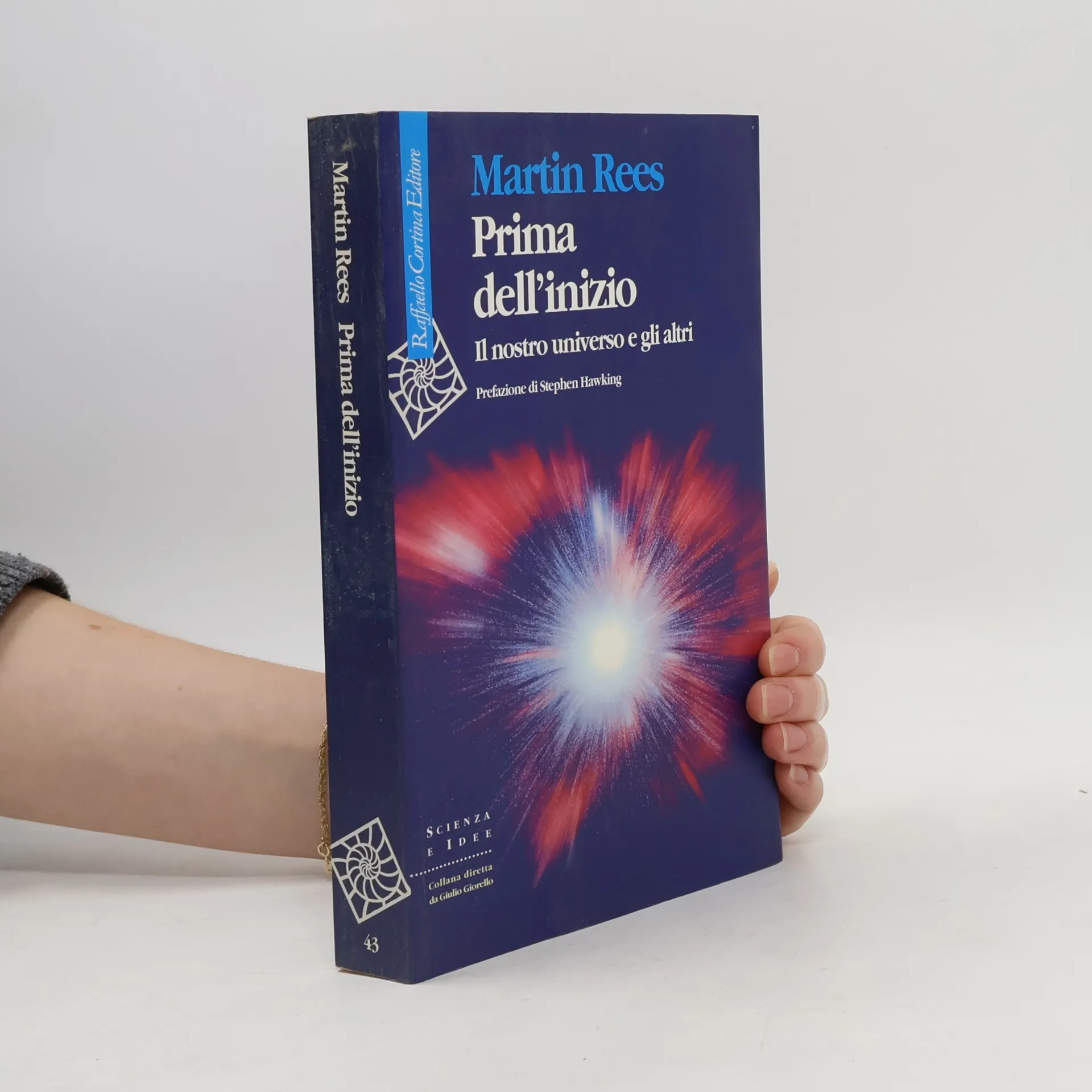
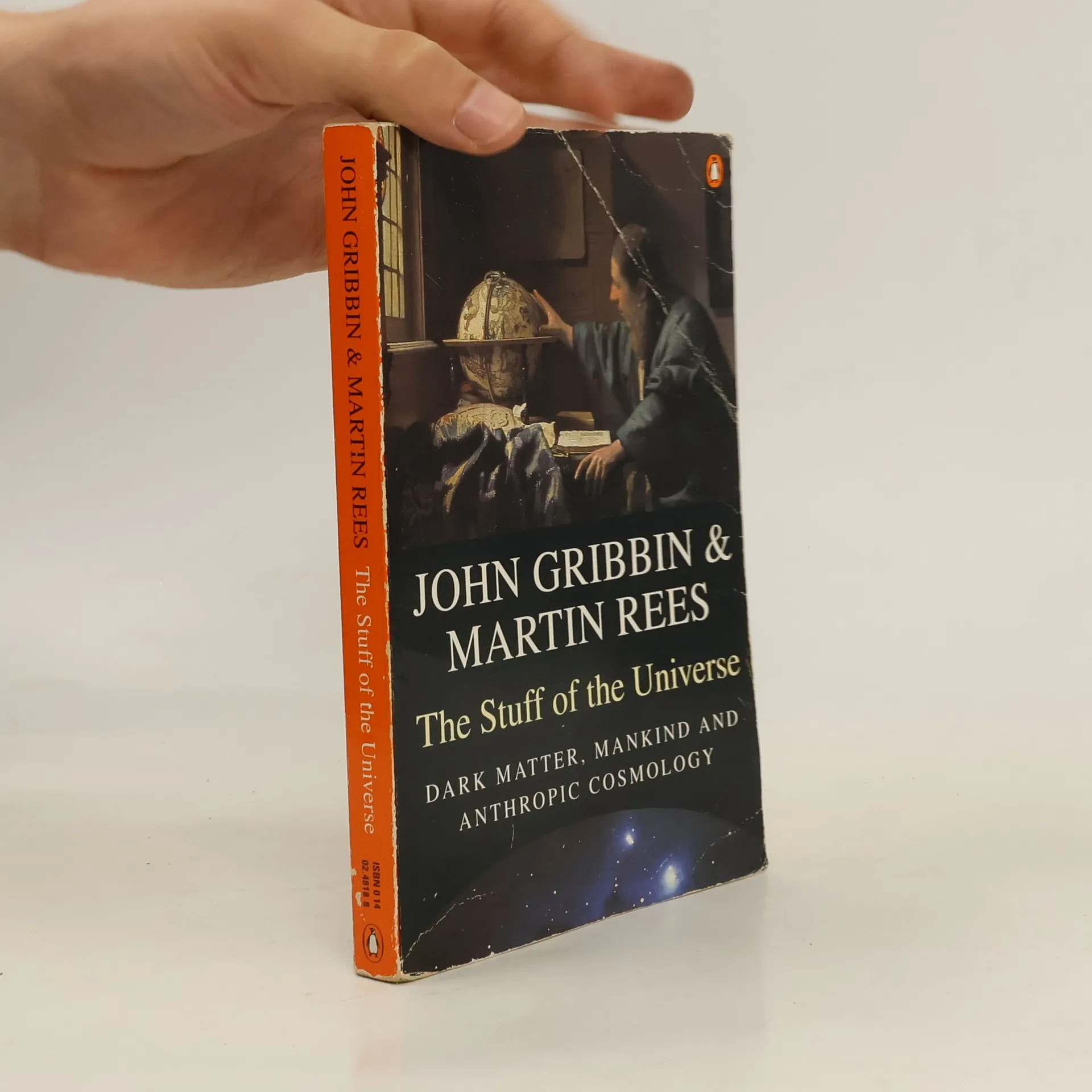
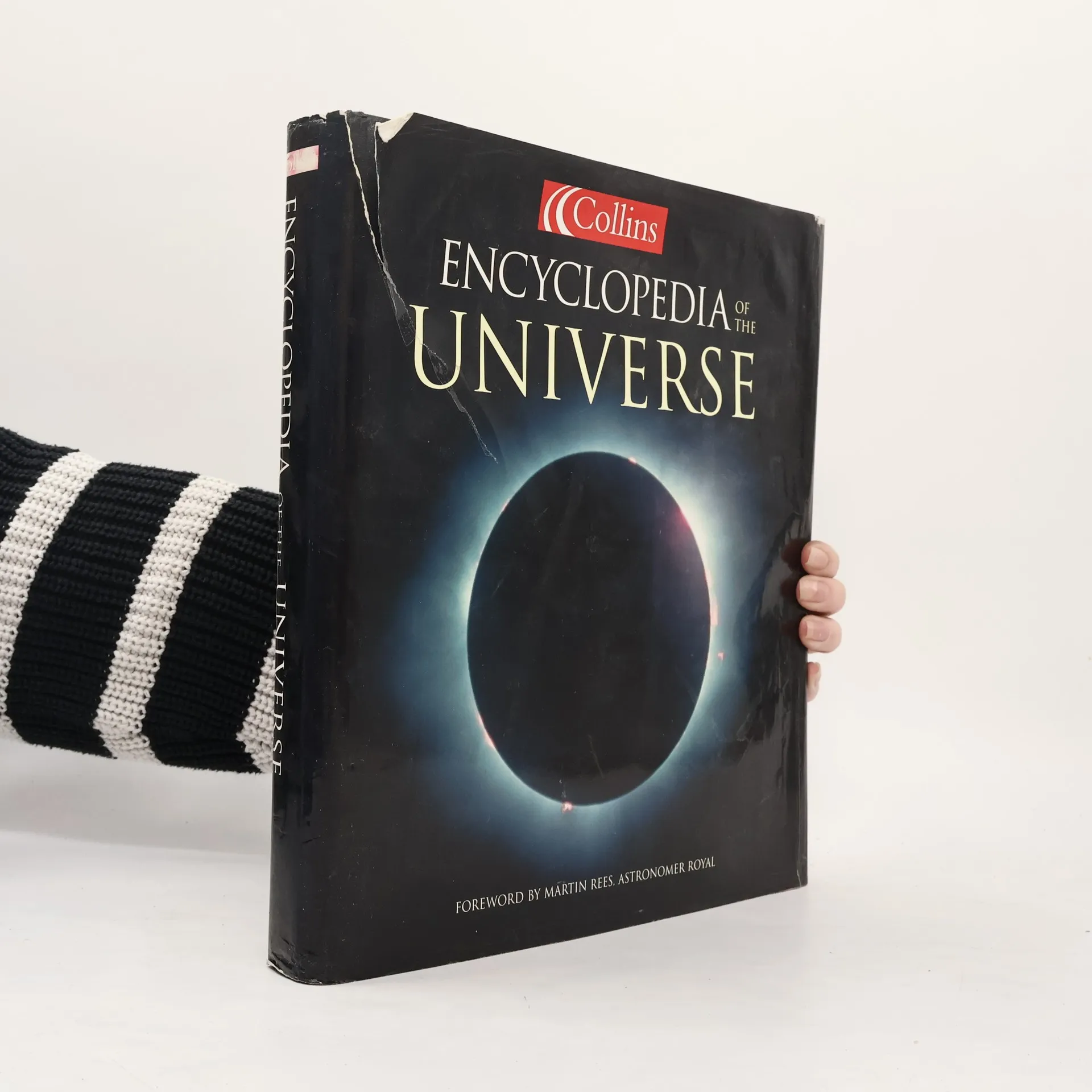
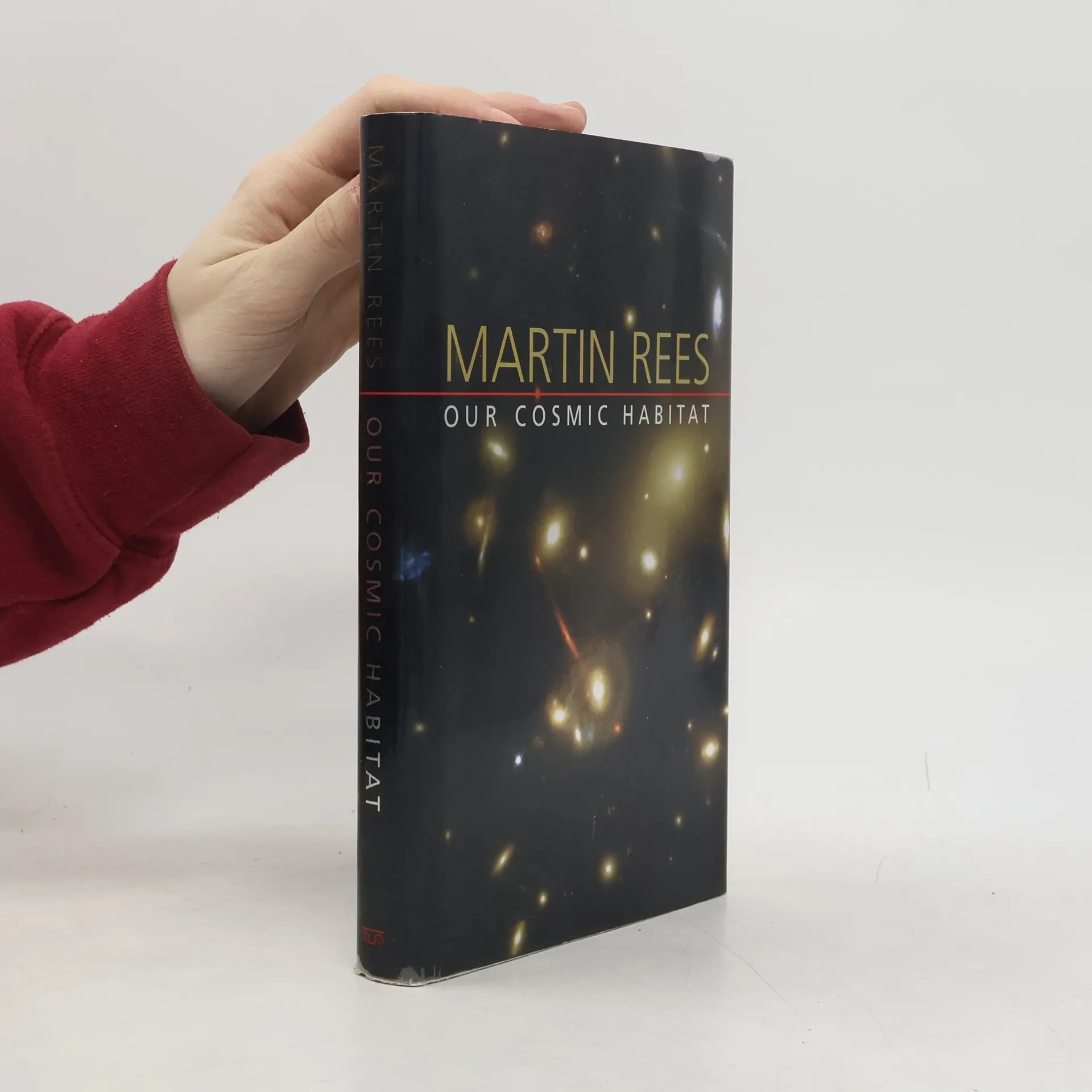
Noch nie war es für die Menschheit so wichtig, der Wissenschaft zuzuhören. Ein hoch entwickeltes Wissen und eine fortschrittliche Technologie wie nie zuvor in der Geschichte sind beste Voraussetzungen, um die Zukunft unseres Planeten zu bestimmen. Doch die Entscheidungen, die wir über die Anwendung der Wissenschaft treffen, können nicht aus dem Labor kommen, sie müssen vielmehr das Ergebnis einer breiten öffentlichen Debatte sein. Die Wissenschaft muss Teil unserer Kultur werden. Wie Martin Rees in dieser fachkundigen und persönlichen Analyse zeigt, müssen wir global, rational und langfristig denken, auf der Grundlage der Technologie des 21. Jahrhunderts, aber geleitet von Werten, die von der Wissenschaft nicht vorgegeben werden können.

Martin J. Rees Orden de los libros (cronológico)
Martin Rees es un cosmólogo y astrofísico inglés cuyo trabajo se centra en la comprensión del universo. Su producción literaria profundiza en cuestiones existenciales profundas, explorando las fronteras de nuestro conocimiento y los futuros potenciales de la humanidad dentro del cosmos. El estilo de Rees es conocido por su habilidad para hacer que los conceptos científicos complejos sean accesibles a una amplia audiencia, al tiempo que mantiene el rigor científico y un profundo respeto por los misterios del universo. Su escritura inspira la reflexión sobre nuestro lugar en el cosmos y las infinitas posibilidades que tenemos por delante.


If Science is to Save Us
- 200 páginas
- 7 horas de lectura
There has never been a time when ‘following the science’ has been more important for humanity. At no other point in history have we had such advanced knowledge and technology at our fingertips, nor had such astonishing capacity to determine the future of our planet. But the decisions we must make on how science is applied belong outside the lab and should be the outcome of wide public debate. For that to happen, science needs to become part of our common culture. Science is not just for scientists: if it were, it could never save us from the multiple crises we face. For science can save us, if its innovations mesh carefully into society and its applications are channelled for the common good. As Martin Rees argues in this expert and personal analysis of the scientific endeavour on which we all depend, we need to think globally, we need to think rationally and we need to think long-term, empowered by twenty-first-century technology but guided by values that science alone cannot provide.
Budoucnost lidstva na Zemi zásadně závisí na budoucnosti vědy a na tom, jak úspěšně k řešení svých problémů využijeme technologický pokrok. Musíme však myslet racionálně, globálně, kolektivně, optimisticky a předvídat daleko dopředu. Pokrok v biotechnologii, kybernetice, robotice a v rozvoji umělé inteligence – pokud se bude uplatňovat rozumně – nám umožní pomoci rozvojovým zemím a překonat hrozby, kterým lidstvo čelí – od klimatické změny po jadernou válku. Kniha O budoucnosti přináší v přístupné a čtivé formě fascinující vhled do nejmodernější vědy a technologie každému, kdo chce porozumět stěžejním problémům, které budou definovat budoucnost lidstva na Zemi i ve vesmíru.
On the Future
- 296 páginas
- 11 horas de lectura
Humanity stands at a pivotal moment, facing existential risks in a rapidly changing world. While a range of outcomes—both positive and negative—are possible, our current approach is marred by short-term thinking, divisive debates, alarmist rhetoric, and pessimism. In this engaging book, renowned scientist and bestselling author Martin Rees emphasizes that our future hinges on a shift in how we plan for tomorrow. The fate of humanity is intertwined with the future of science and our ability to leverage technological advancements to tackle pressing challenges. To harness science effectively, we must adopt a rational, global, collective, and optimistic perspective focused on the long term. Innovations in biotechnology, cybertechnology, robotics, and artificial intelligence hold the potential to uplift both the developing and developed worlds, addressing threats like climate change and nuclear conflict. Additionally, advancements in space science could enable exploration of the solar system and beyond. However, there is no "Plan B" for Earth; we must prioritize the care of our planet. This accessible book offers intriguing insights into cutting-edge science and technology, appealing to anyone eager to grasp the critical issues shaping humanity's future on Earth and beyond.
Gibt es neben unserem noch andere Universen? Wie und wann sind sie entstanden? Welche physikalischen Gesetze herrschen dort? – Die Grundfragen der Kosmologie, beantwortet von Martin Rees, einem der renommiertesten Astronomen der Welt.(Dieser Text bezieht sich auf eine frühere Ausgabe.)
Gravity's Fatal Attraction
- 350 páginas
- 13 horas de lectura
Blending descriptive theoretical arguments with the latest observational results, Begelman and Rees present the evidence for black holes and their role in the Universe. This lavishly illustrated book is suitable for introductory undergraduate courses, and will also fascinate amateur astronomers and all readers interested in astronomy and physics.
Ist Leben Zufall, Vorsehung oder Notwendigkeit? Dazu muss man eine Frage beantworten, die schon Albert Einstein stellte: »Hätte Gott die Welt auch anders erschaffen können?« Lautet die Antwort »Ja«, so hat das faszinierende Konsequenzen, die uns Martin Rees erläutert. »Vermutlich muss man wie Rees Königlich-britischer Hofastronom sein, um ein Buch vorlegen zu können, das problemlos den einen oder anderen Hawking zu ersetzen vermag – sei es als grundlegender Reiseführer für zukünftige Weltraumpioniere oder als Kompensationslektüre der Daheimgebliebenen.« Frankfurter Rundschau
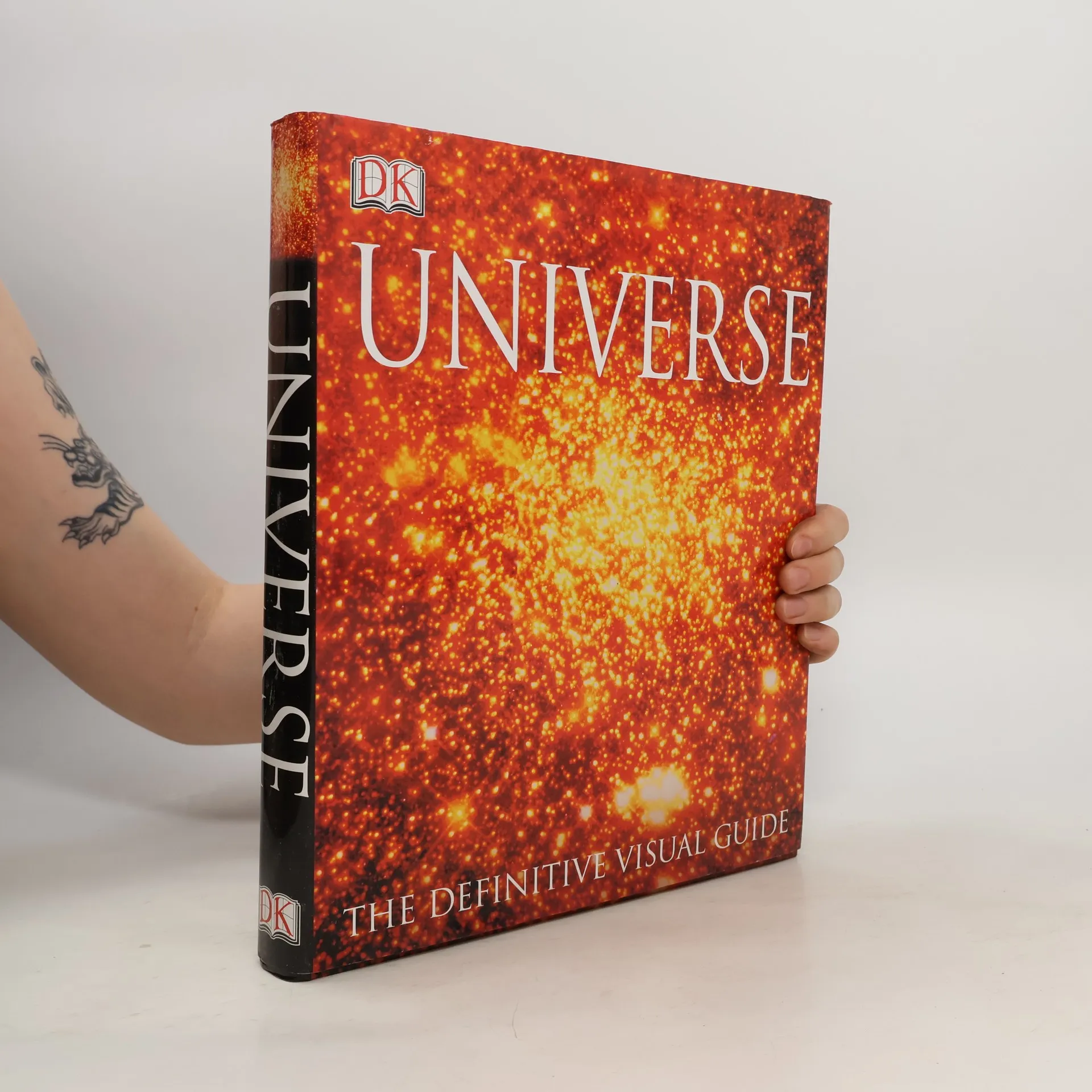
Universe : the definitive visual guide
- 540 páginas
- 19 horas de lectura
"Universe reveals space in all its awe-inspiring wonder"--Jacket.
Universe
- 512 páginas
- 18 horas de lectura
Exceptional full-color photographs representing the latest captures from space telescopes and detailed digital artwork enhance a comprehensive study of the world of outer space, from Earth's closest neighbors in the solar system to the farthest galaxies, documenting the planets, their moons, stars, galaxies, supernovas, and other celestial phenomena.