
Bookbot

Rudolf Vápeník

    Der gute Mensch von Sezuan
    Life of Galileo
    Stories of Mr. Keuner
    Sedmý kříž
    Novela de ajedrez
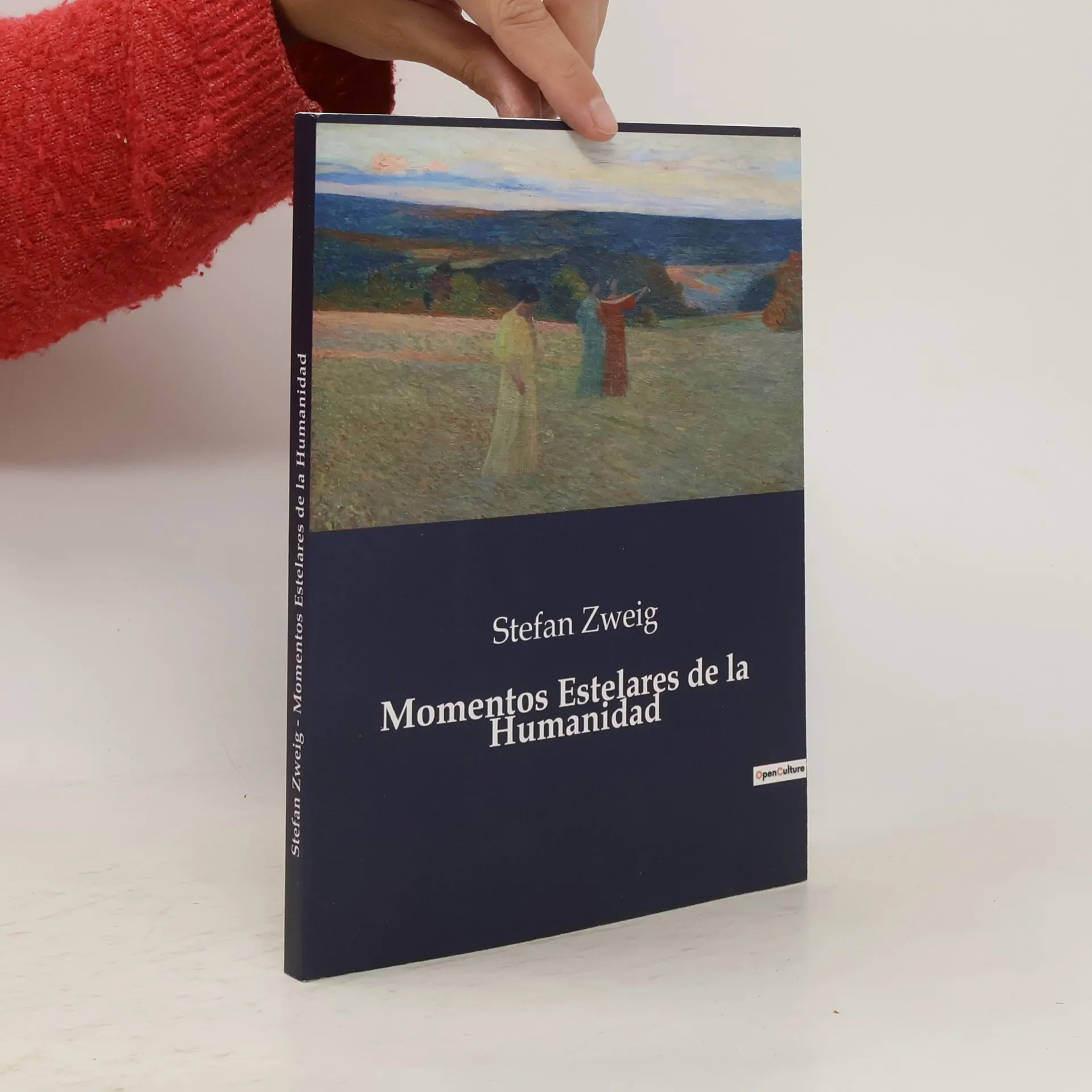
    Momentos estelares de la humanidad
    • Momentos estelares de la humanidad

      • 272 páginas
      • 10 horas de lectura

      Momentos estelares de la humanidad es un libro de pasajes de historia novelados escrita por Stefan Zweig (Viena 1881- Petrópolis 1942) en 1927, titulada originalmente Sternstunden der Menschheit. Se compone de los siguientes relatos históricos, precedidos de un prólogo del autor: -Cicerón. 15 de marzo de 44 antes de Cristo. -La conquista de Bizancio. 29 de mayo de 1453. -Huida hacia la inmortalidad: El descubrimiento del océano Pacífico. 25 de septiembre de 1513. -La resurrección de Georg Friedrich Händel. 21 de agosto de 1741. -El genio de una noche: La Marsellesa. 25 de abril de 1792 -El minuto universal de Waterloo: Napoleón. 18 de junio de 1815. -La elegía de Marienbad: Goethe entre Karlsbad y Weimar. 5 de septiembre de 1823. -El descubrimiento de El Dorado. Enero de 1848 -Momento heroico: Dostoievski, San Petersburgo, plaza Semenovsk. 22 de diciembre de 1849. -La primera palabra a través del océano: Cyrus W. Field. 28 de julio de 1858. -La huida hacia Dios. Finales de octubre de 1910. -La lucha por el polo sur: El capitán Scott, 90 grados de latitud. 19 de enero de 1912. -El tren sellado: Lenin. 9 de abril de 1917. -Wilson fracasa. 15 de abril de 1919.
      Momentos estelares de la humanidad
      4,3
    • "Novela de ajedrez tal vez sea la obra más conocida de Stefan Zweig (Viena, 1881-Petrópolis, 1942). Escrita entre 1938 y 1941, durante su exilio en Brasil, es el único texto suyo que aborda indirectamente el ascenso de Hitler y la represión ejercida por los nacionalsocialistas. Un viaje en transatlántico ofrece el marco de un encuentro ajedrecístico donde compiten lo abstracto versus lo concreto, la idea contra la materia, el hombre atemporal contra el hombre histórico. El original alemán no se publicó en Europa hasta 1943; su primera edición en español se hizo en Buenos Aires, en 1942." --Contratapa.

      Novela de ajedrez
      4,3
    • Děj se odehrává v koncentračním táboře, z něhož uprchne sedm vězňů. Dozorci pro ně v táboře připraví kříže, pro každého jeden. Šest uprchlíků je chyceno a pověšeno na kříže, sedmému se podaří uprchnout. Kniha chce upozornit na to, že je možné vyhrát nad fašismem. Číslo sedm je zde také symbolické. Má upozornit na sedm dní, během kterých byl stvořen svět.

      Sedmý kříž
      4,1
    • Stories of Mr. Keuner

      • 128 páginas
      • 5 horas de lectura

      This book features fictionalized reflections on life and politics by Bertolt Brecht, renowned for "The Threepenny Opera." It offers insightful commentary and is recommended by Book Sense 76.

      Stories of Mr. Keuner
      3,8
    • This play depicts the Renaissance scientist Galilei Galileo in a brutal struggle for freedom from authoritarian dogma. Unable to resist his appetite for scientific investigation, Galileo comes in conflict with the Inquisition and must publicly abjure his theories. schovat popis

      Life of Galileo
      3,7
    • Das Stück, eine Parabel, zeigt am Einzelfall des Mädchens Shen Te das allgemeine Gesetz dieser Welt auf, daß es unmöglich ist, »gut zu sein und doch zu leben«. Drei Götter durchwandern die Welt auf der Suche nach einem guten Menschen. Sie wollen das Gerücht Lügen strafen, wonach die wirtschaftlichen Bedingungen auf Erden zu unerträglich seien, als daß die Menschen die Gebote der Götter zu befolgen vermöchten.

      Der gute Mensch von Sezuan
      3,5
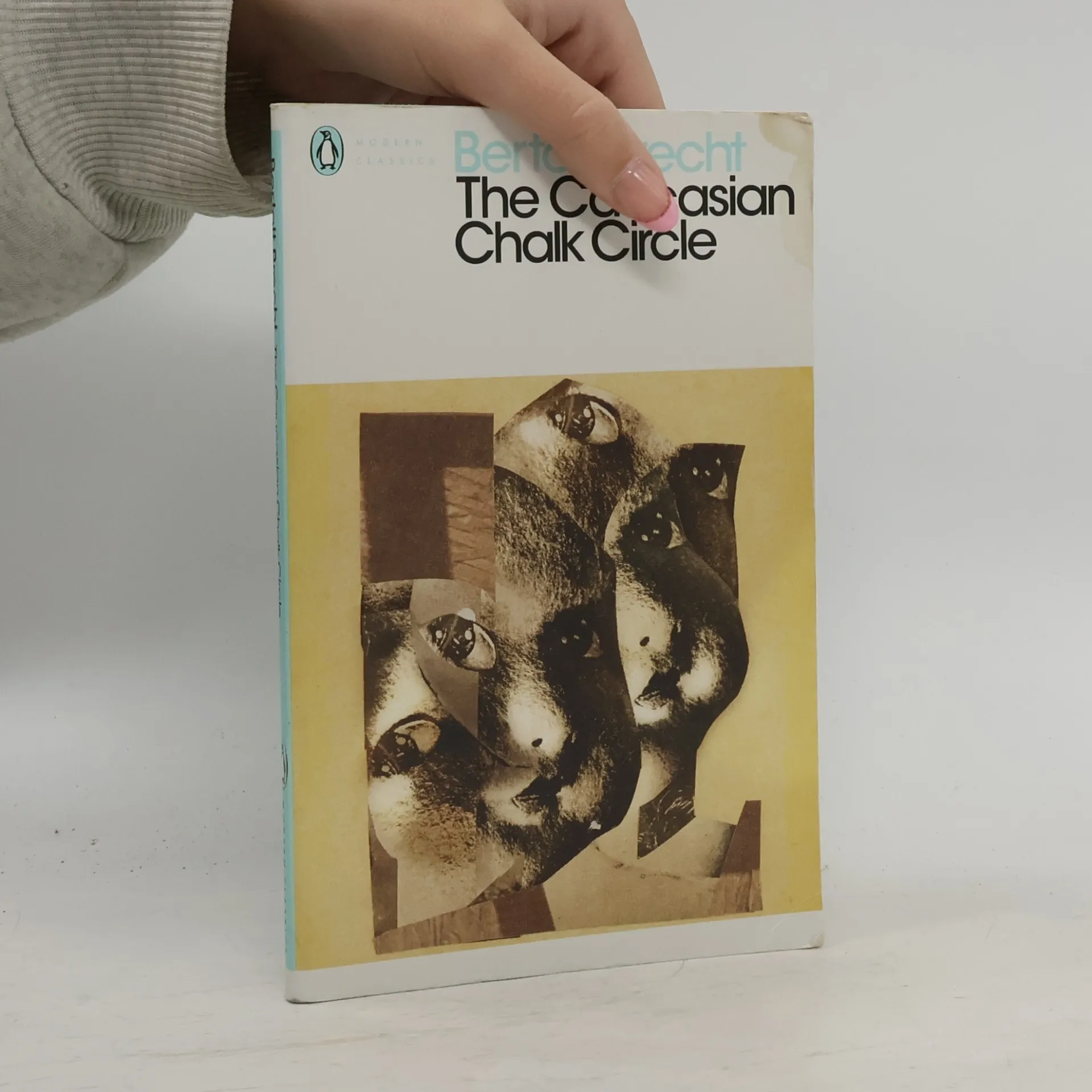
    • The Caucasian Chalk Circle

      • 144 páginas
      • 6 horas de lectura

      Retells the tale of King Solomon and a child claimed by two mothers.

      The Caucasian Chalk Circle
      3,5
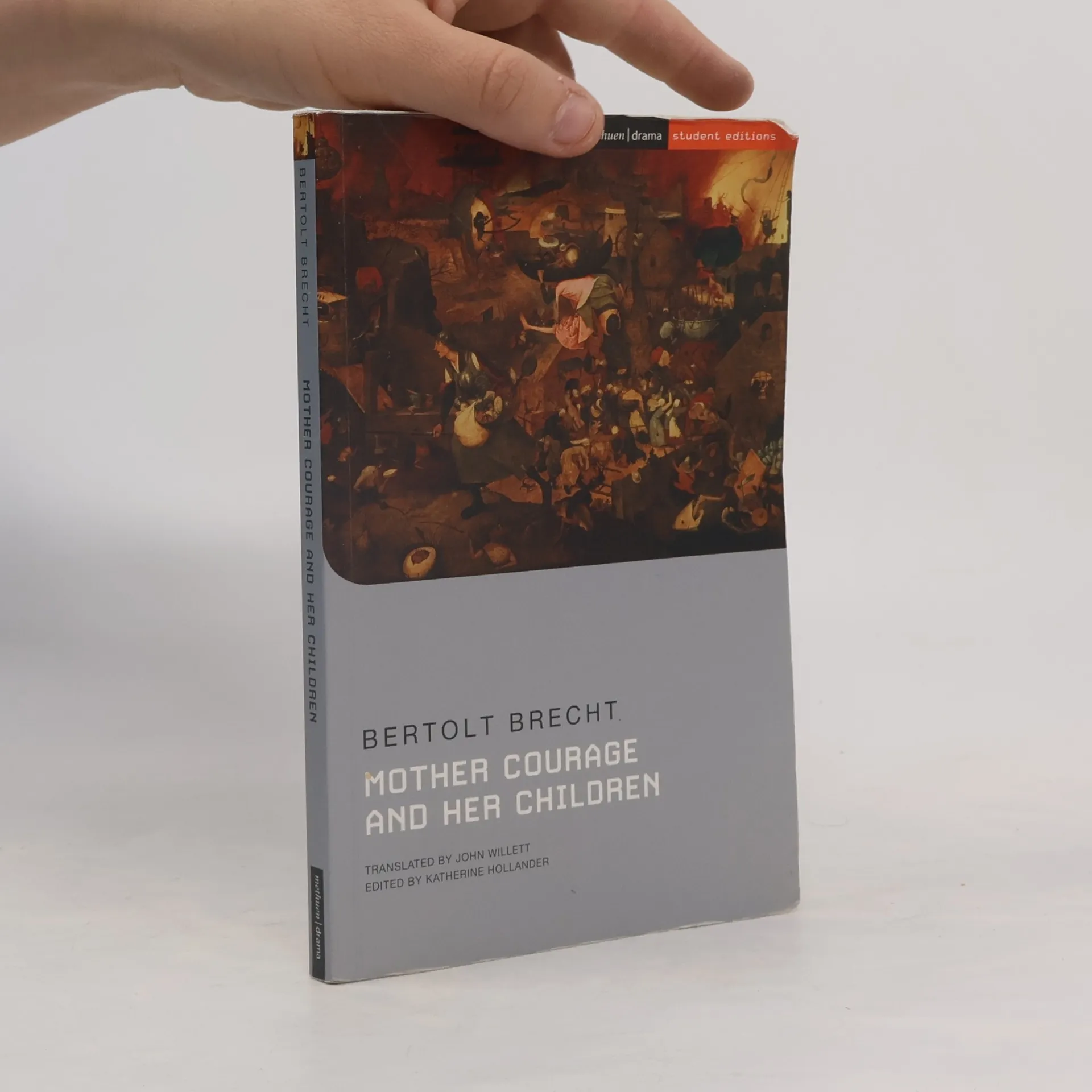
    • Mother Courage and Her Children

      • 144 páginas
      • 6 horas de lectura

      This new Student Edition, featuring the classic John Willett translation of the play, includes an introduction by Katherine Hollander, which explores the following: * Contexts (Thirty Years War, 1618-1648; World War II and exile; sources; influential figures such as Brecht, Margarete Steffin, Helene Weigel and Karin Michaelis) * Themes (war; nature; capitalism) * Dramatic devices (epic theatre) * Production history and critical reception * Academic debate (Marxist, feminist and postmodernist) * Further study Widely regarded as Brecht's best work, Mother Courage and her Children was written in 1938-9 and received its premiere in Zurich in 1941. Mother Courage - a canteen woman serving with the Swedish Army during the Thirty Years War (1618-48) - follows the armies, selling provisions and liquor to the troops. Both her sons die in the war and her dumb daughter, Kattrin, is mortally wounded as she beats a drum to warn the town of Halle of an impending attack. Yet, all the while, Mother Courage continues her travels with her wagon, indomitably businesslike, calculating how she can make material profit from the war and turn conflict into capital.

      Mother Courage and Her Children
      3,3
    • Obsahuje hry: Dobrý člověk ze Sečuanu (1939) — Pan Puntila a jeho služebník Matti (1940) — Zadržitelný vzestup Artura Uie (1941) — Vidění Simony Machardové (1941) — Švejk za 2. světové války (1943) — Kavkazský křídový kruh (1944) — Dny Komuny (1949).

      Divadelní hry III.
    • Výbor z díla předního německého básníka, spisovatele, dramatika a zejména pak divadelního teoretika. Zahrnuje ukázky z jeho lyriky, hry Život Galileiho (1939) a Šesťáková opera (1928), výbor z drobných satirických próz Historky o panu Keunerovi, úryvky z politicky orientovaných satirických dialogů Hovory na útěku a úryvky z teoretických prací o divadle a z myšlenek o umění.

      Zloděj třešní
    • Na prosté dějové osnově "Odměny" (mladý dělník-komunista nařčený nacisty z politické vraždy, se ukrývá na vesnici u svého příbuzného, chudého chalupníka, kterého stále větší bída donutí prozradit uprchlíka za vypsanou odměnu 500 marek) ukazuje autorka, jak nesnesitelné hmotné bídypracujících využívali nacističtí agitátoři k tomu, aby pocit třídní solidarity venkovského proletariátu v zárodku ničili změr vyvolávanými rvačkami a protižidovskými štvanicemi, a jak politicky uvědomělí zástupci dělnické třídy přes krutý teror zůstávali nepřístupni nacistickým "ideologiím", "Transit", jenž navazuje námětově na román "Sedmý kříž", nám převádí osudy pokrokových Němců, jimž se podařilo utéci za hranice. Hlavním dějištěm je Paříž za doby německého vpádu a Marseille. Hrdiny příběhu jsou štvanci, posedlí jedinou utkvělou myšlenkou: získat stůj co stůj do pasu razítko, které se jmenuje transit a které jim umožní průjezd zemí jež leží na cestě k cíli.

      Odměna - Transit
    • Svazek obsahuje tři Brechtova dramata: Strach a bída třetí říše (1938) — Matka Kuráž a její děti (1939) — Život Galileiho (1939).

      Tři z třiceti