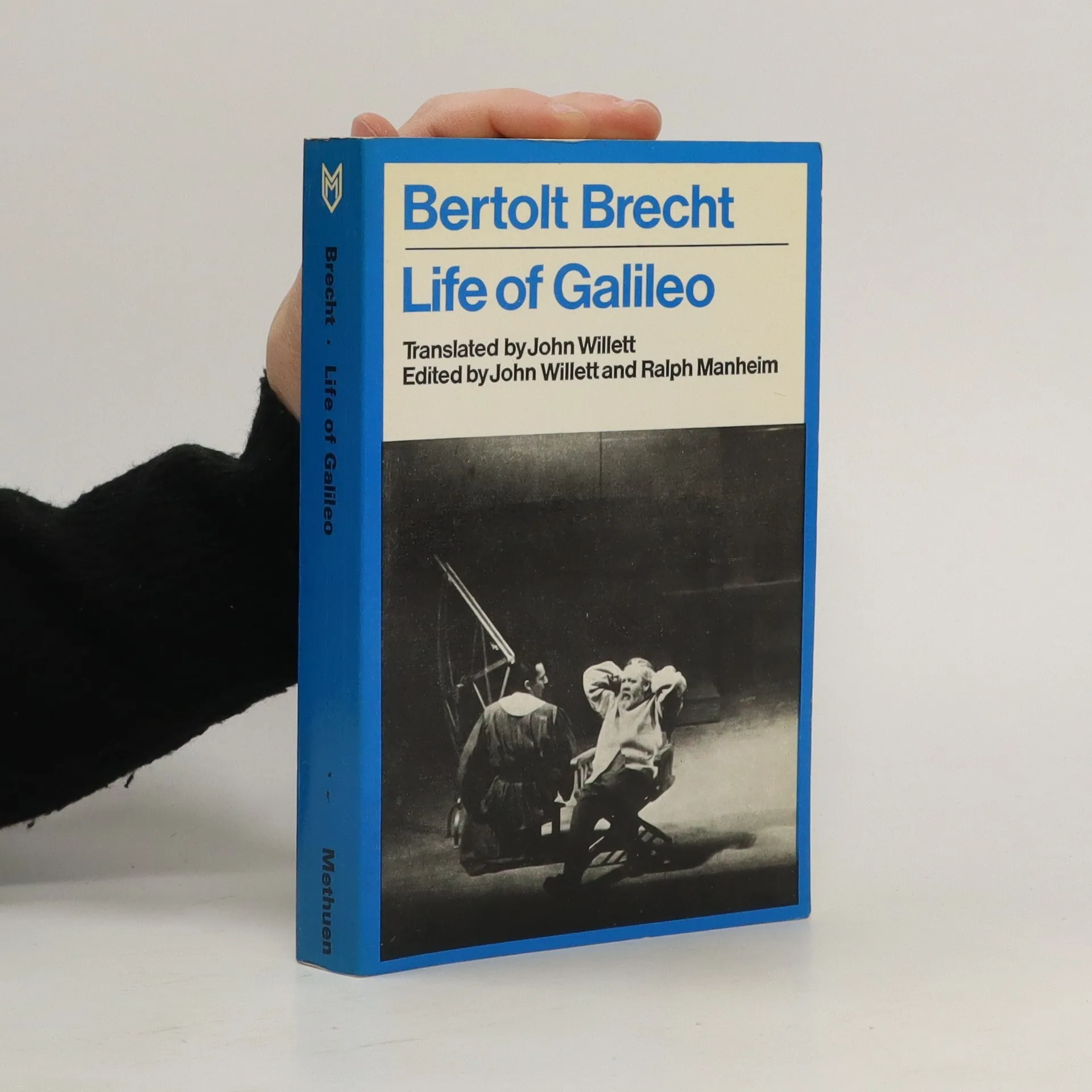
This play depicts the Renaissance scientist Galilei Galileo in a brutal struggle for freedom from authoritarian dogma. Unable to resist his appetite for scientific investigation, Galileo comes in conflict with the Inquisition and must publicly abjure his theories. schovat popis
Rudolf Vápeník Orden de los libros (cronológico)

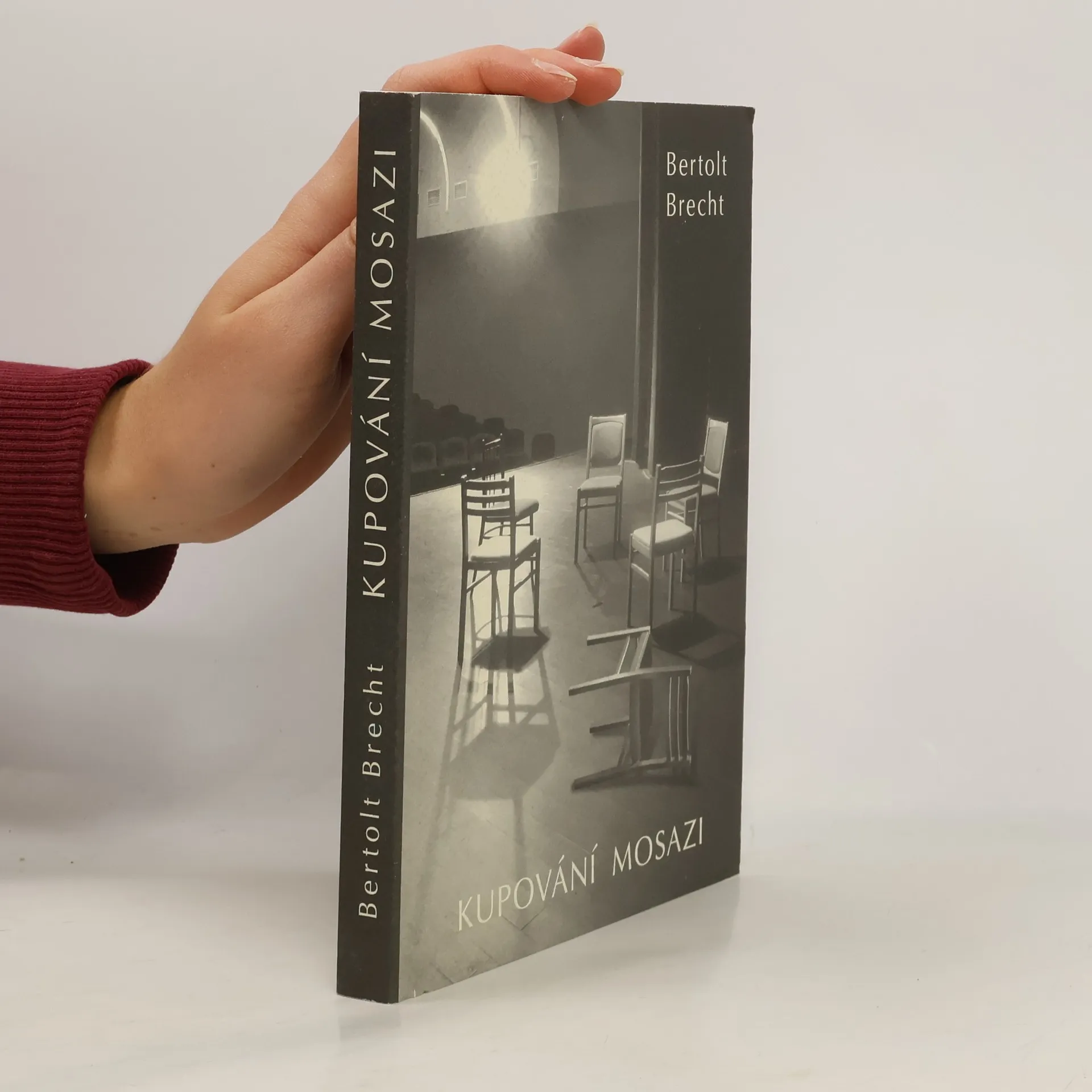
Kupování mosazi
- 196 páginas
- 7 horas de lectura
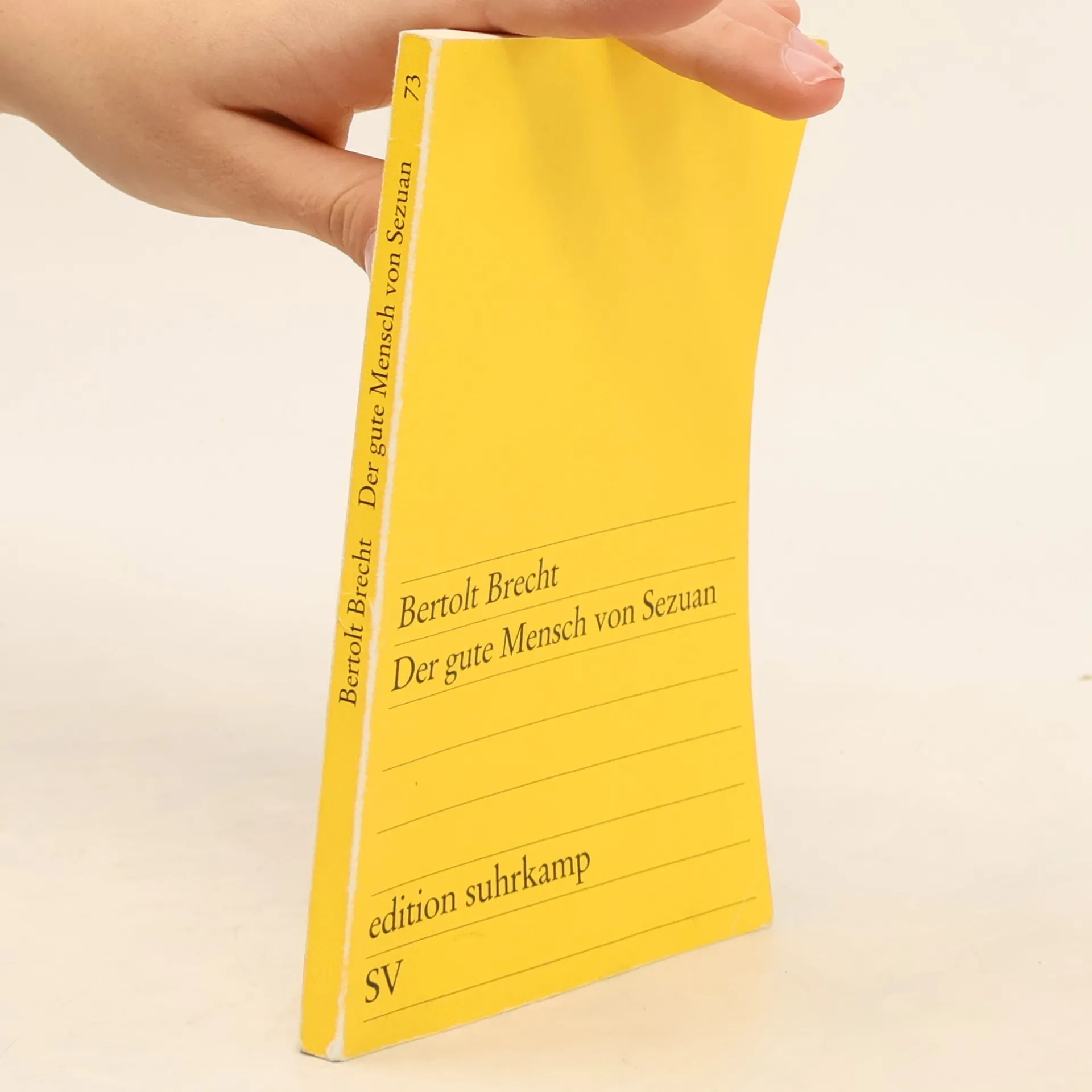
Das Stück, eine Parabel, zeigt am Einzelfall des Mädchens Shen Te das allgemeine Gesetz dieser Welt auf, daß es unmöglich ist, »gut zu sein und doch zu leben«. Drei Götter durchwandern die Welt auf der Suche nach einem guten Menschen. Sie wollen das Gerücht Lügen strafen, wonach die wirtschaftlichen Bedingungen auf Erden zu unerträglich seien, als daß die Menschen die Gebote der Götter zu befolgen vermöchten.
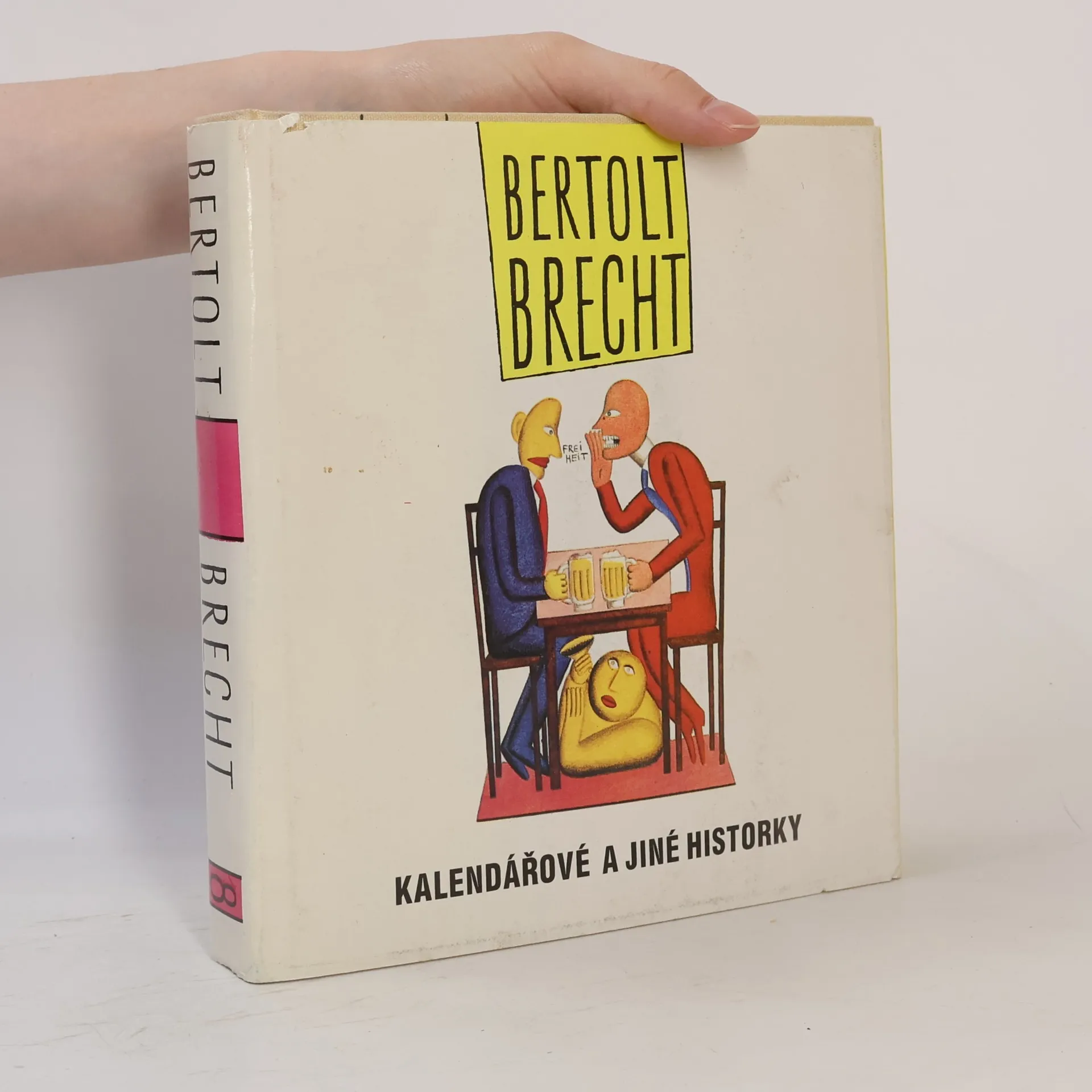
Kalendářové a jiné historky
- 433 páginas
- 16 horas de lectura
Svazek obsahuje tři Brechtova dramata: Strach a bída třetí říše (1938) — Matka Kuráž a její děti (1939) — Život Galileiho (1939).
Výbor z díla předního německého básníka, spisovatele, dramatika a zejména pak divadelního teoretika. Zahrnuje ukázky z jeho lyriky, hry Život Galileiho (1939) a Šesťáková opera (1928), výbor z drobných satirických próz Historky o panu Keunerovi, úryvky z politicky orientovaných satirických dialogů Hovory na útěku a úryvky z teoretických prací o divadle a z myšlenek o umění.
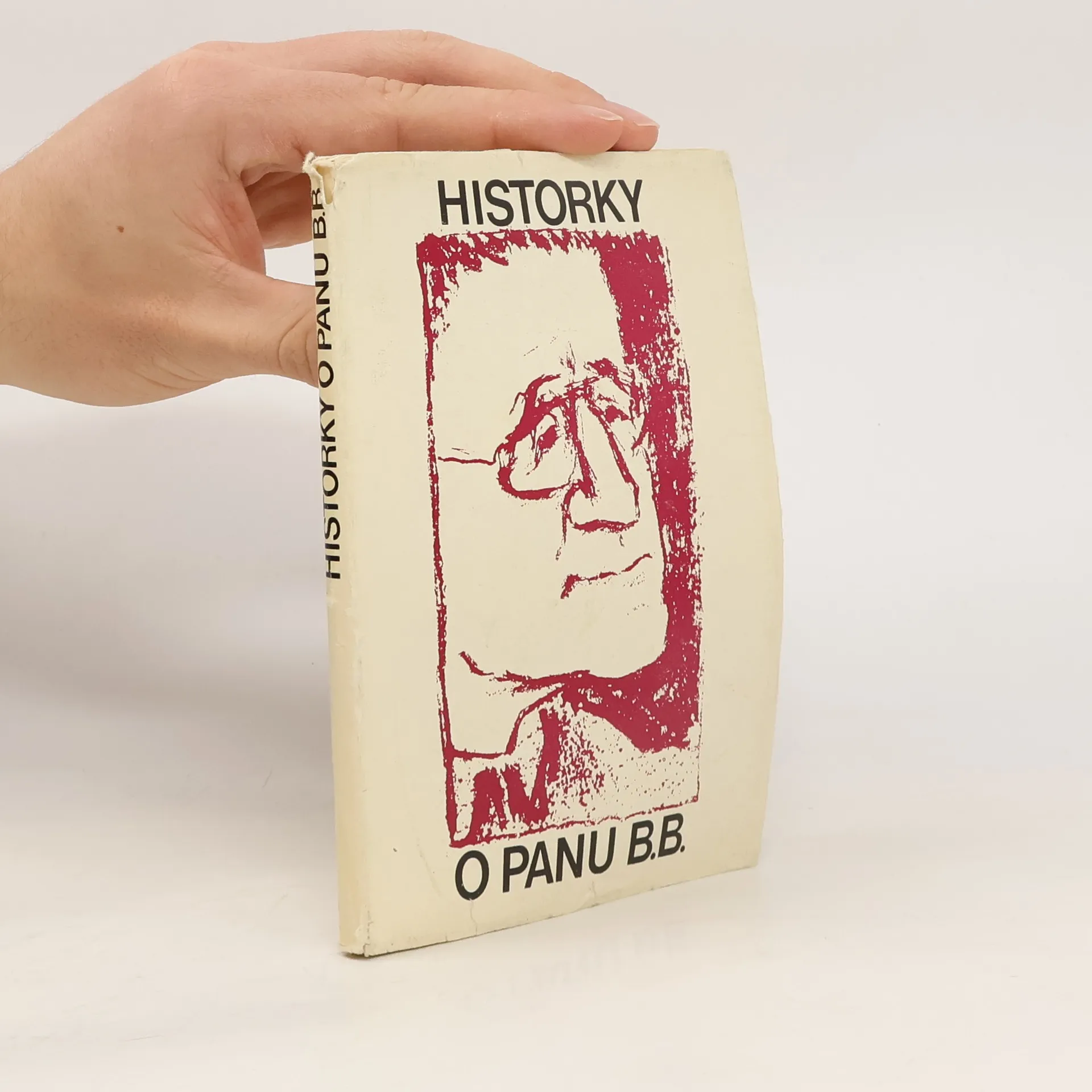
Stories of Mr. Keuner
- 128 páginas
- 5 horas de lectura
This book features fictionalized reflections on life and politics by Bertolt Brecht, renowned for "The Threepenny Opera." It offers insightful commentary and is recommended by Book Sense 76.
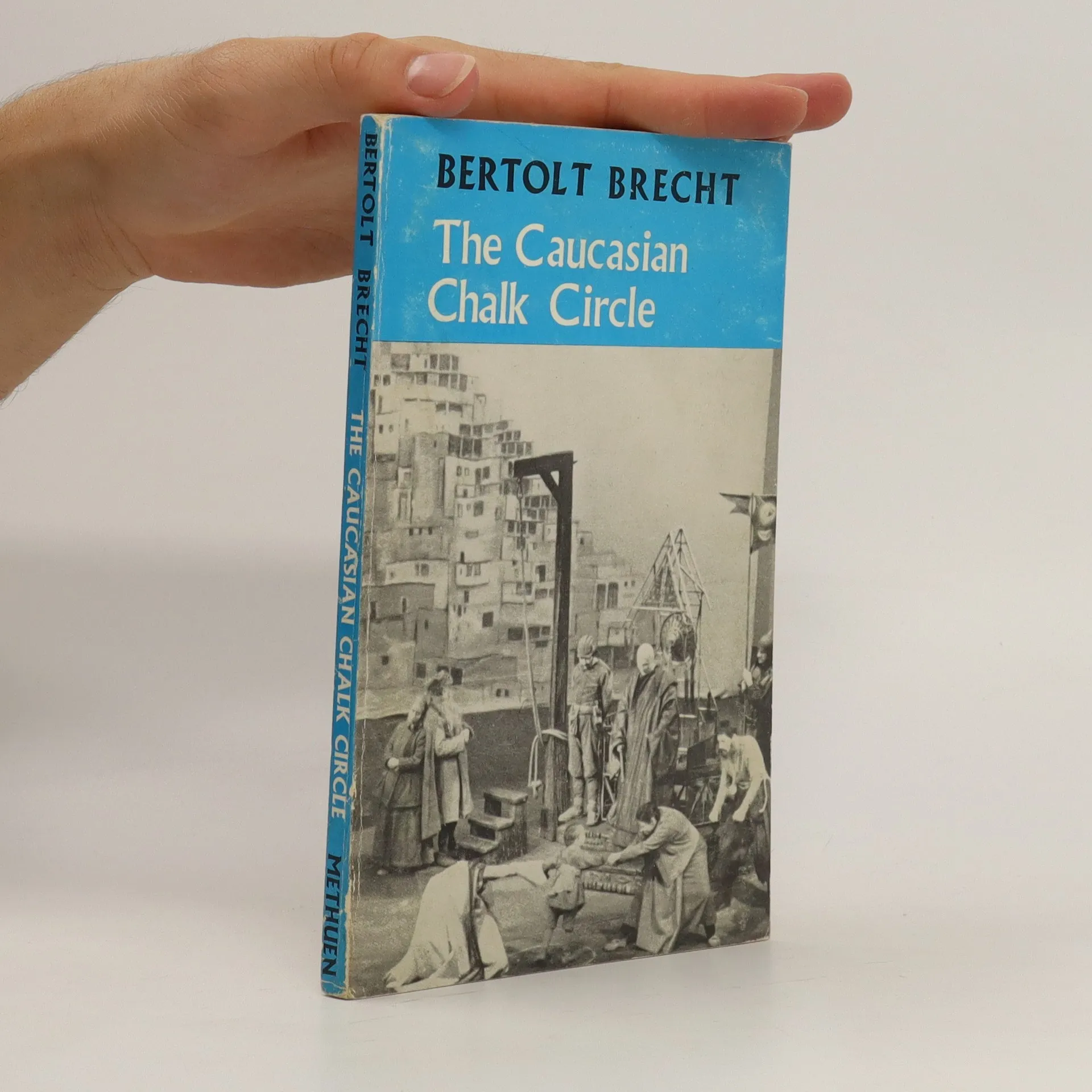
"One of the greatest poets and dramatists of our century."-ObserverBrecht projects an ancient Chinese story onto a realistic setting in Soviet Georgia. In a theme that echoes the Judgment of Solomon, two women argue over the possession of a child; thanks to the unruly judge, Azdak (one of Brecht's most vivid creations) natural justice is done, and the peasant Grusha keeps the child she loves, even though she is not its mother.Written in exile in the United States during the Second World War, The Caucasian Chalk Circle is a politically-charged, much-revived, and complex example of Brecht's epic theatre.This volume contains expert notes on the author's life and work, historical and political background to the play, photographs from stage productions, and a glossary of difficult words and phrases.
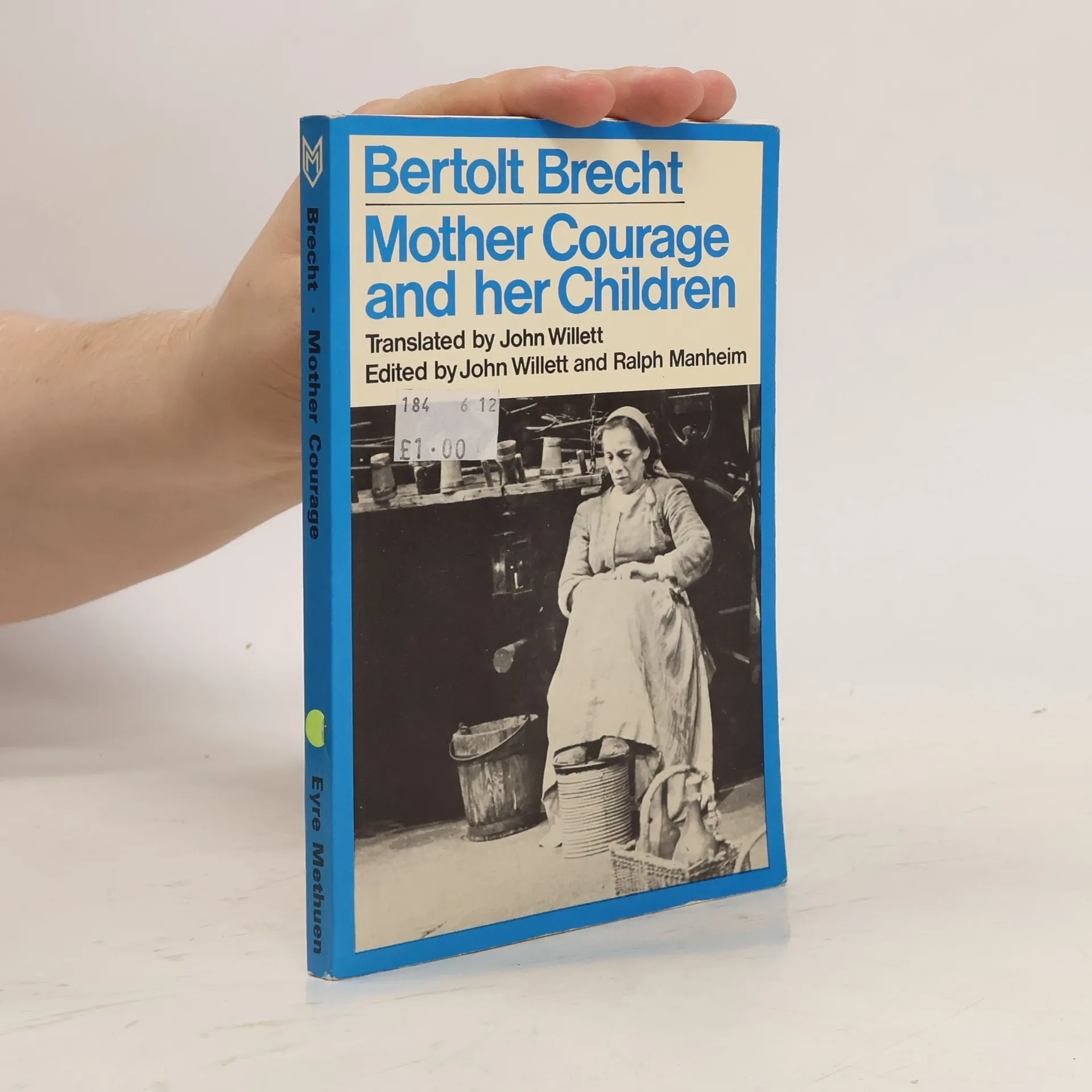
Mother Courage and Her Children
- 176 páginas
- 7 horas de lectura
Widely considered one of the great dramatic creations of the modern stage, "Mother Courage and Her Children" is Bertolt Brecht's most passionate and profound statement against war. Set in the seventeenth century, the play follows Anna Fierling -- "Mother Courage" -- an itinerant trader, as she pulls her wagon of wares and her children through the blood and carnage of Europe's religious wars. Battered by hardships, brutality, and the degradation and death of her children, she ultimately finds herself alone with the one thing in which she truly believes -- her ramshackle wagon with its tattered flag and freight of boots and brandy. Fitting herself in its harness, the old woman manages, with the last of her strength, to drag it onward to the next battle. In the enduring figure of Mother Courage, Bertolt Brecht has created one of the most extraordinary characters in the literature of drama.
Na prosté dějové osnově "Odměny" (mladý dělník-komunista nařčený nacisty z politické vraždy, se ukrývá na vesnici u svého příbuzného, chudého chalupníka, kterého stále větší bída donutí prozradit uprchlíka za vypsanou odměnu 500 marek) ukazuje autorka, jak nesnesitelné hmotné bídypracujících využívali nacističtí agitátoři k tomu, aby pocit třídní solidarity venkovského proletariátu v zárodku ničili změr vyvolávanými rvačkami a protižidovskými štvanicemi, a jak politicky uvědomělí zástupci dělnické třídy přes krutý teror zůstávali nepřístupni nacistickým "ideologiím", "Transit", jenž navazuje námětově na román "Sedmý kříž", nám převádí osudy pokrokových Němců, jimž se podařilo utéci za hranice. Hlavním dějištěm je Paříž za doby německého vpádu a Marseille. Hrdiny příběhu jsou štvanci, posedlí jedinou utkvělou myšlenkou: získat stůj co stůj do pasu razítko, které se jmenuje transit a které jim umožní průjezd zemí jež leží na cestě k cíli.
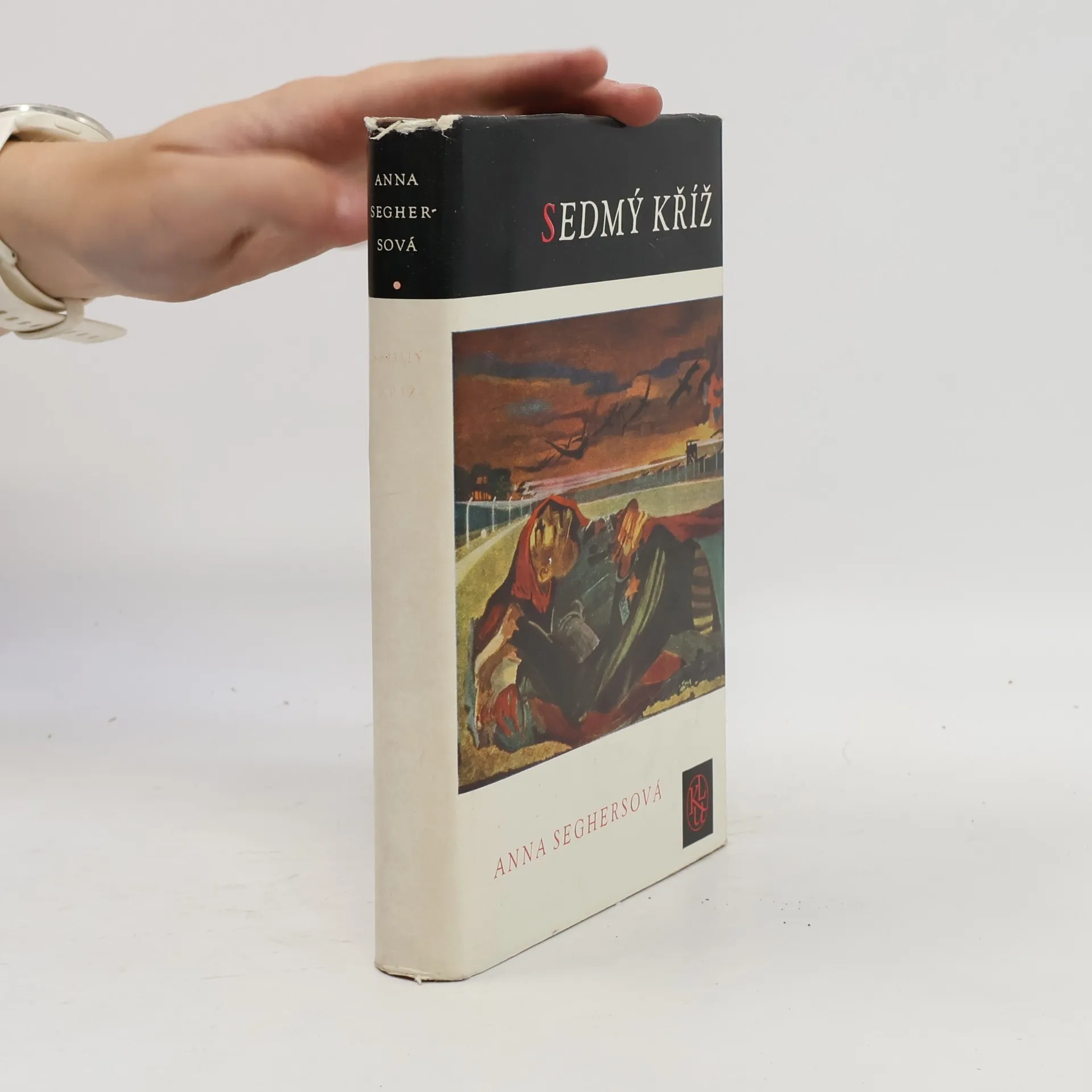
Děj se odehrává v koncentračním táboře, z něhož uprchne sedm vězňů. Dozorci pro ně v táboře připraví kříže, pro každého jeden. Šest uprchlíků je chyceno a pověšeno na kříže, sedmému se podaří uprchnout. Kniha chce upozornit na to, že je možné vyhrát nad fašismem. Číslo sedm je zde také symbolické. Má upozornit na sedm dní, během kterých byl stvořen svět.
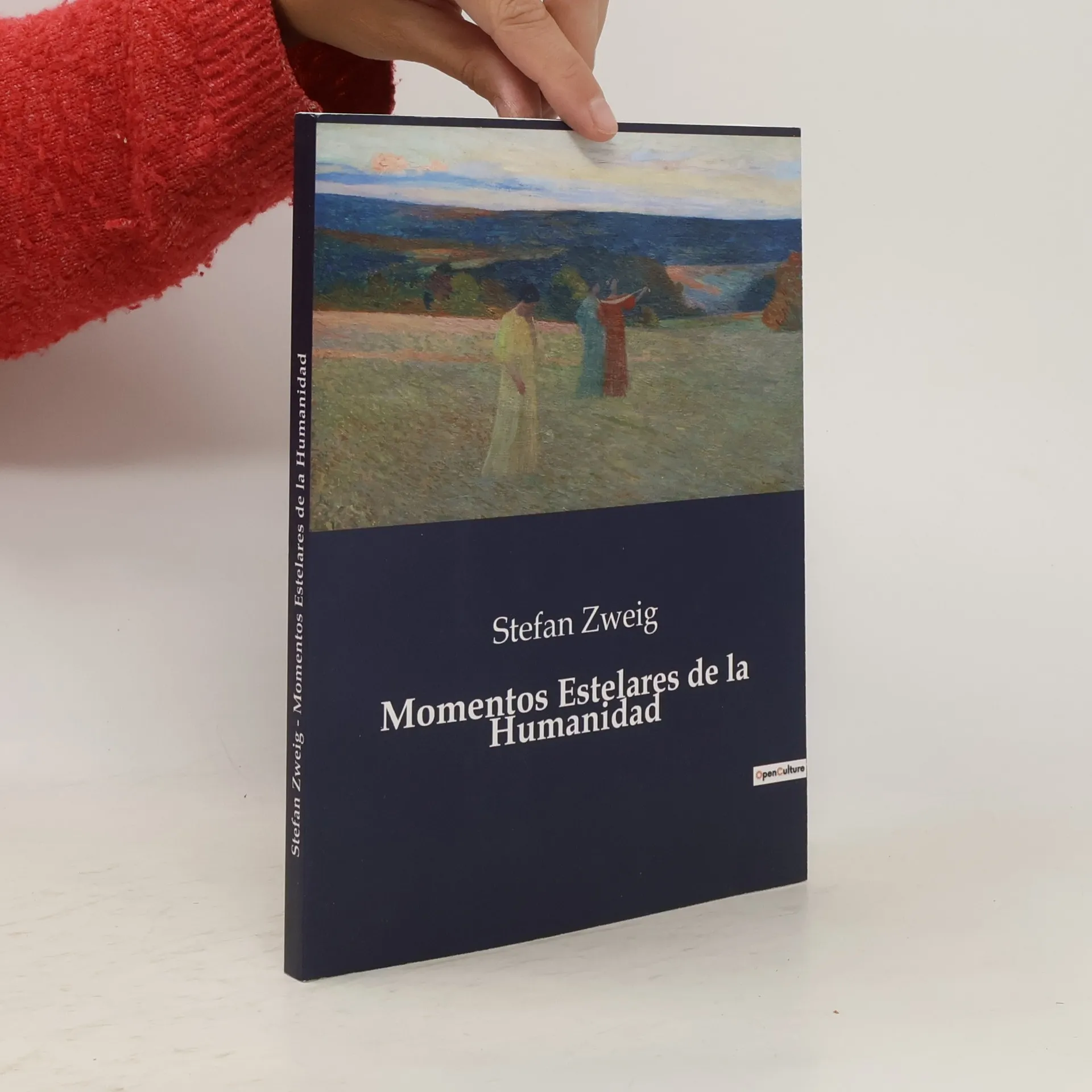
Momentos estelares de la humanidad
- 272 páginas
- 10 horas de lectura
Momentos estelares de la humanidad es un libro de pasajes de historia novelados escrita por Stefan Zweig (Viena 1881- Petrópolis 1942) en 1927, titulada originalmente Sternstunden der Menschheit. Se compone de los siguientes relatos históricos, precedidos de un prólogo del autor: -Cicerón. 15 de marzo de 44 antes de Cristo. -La conquista de Bizancio. 29 de mayo de 1453. -Huida hacia la inmortalidad: El descubrimiento del océano Pacífico. 25 de septiembre de 1513. -La resurrección de Georg Friedrich Händel. 21 de agosto de 1741. -El genio de una noche: La Marsellesa. 25 de abril de 1792 -El minuto universal de Waterloo: Napoleón. 18 de junio de 1815. -La elegía de Marienbad: Goethe entre Karlsbad y Weimar. 5 de septiembre de 1823. -El descubrimiento de El Dorado. Enero de 1848 -Momento heroico: Dostoievski, San Petersburgo, plaza Semenovsk. 22 de diciembre de 1849. -La primera palabra a través del océano: Cyrus W. Field. 28 de julio de 1858. -La huida hacia Dios. Finales de octubre de 1910. -La lucha por el polo sur: El capitán Scott, 90 grados de latitud. 19 de enero de 1912. -El tren sellado: Lenin. 9 de abril de 1917. -Wilson fracasa. 15 de abril de 1919.
Láska
Essaye