

Beer is an ancient alcoholic drink which, although produced through a more complex process than wine, was developed by a wide range of cultures to become internationally popular. This book is the first multidisciplinary, cross-cultural collection about beer. It explores the brewing processes used in antiquity and in traditional societies; the social and symbolic roles of beer-drinking; the beliefs and activities associated with it; the health-promoting effects as well as the health-damaging risks; and analyses the modern role of large multinational companies, which own many of the breweries, and the marketing techniques that they employ.--Publisher description.
Wulf Schiefenhövel Orden de los libros (cronológico)





The Frontiers Collection: The Biological Evolution of Religious Mind and Behaviour
- 315 páginas
- 12 horas de lectura
In a Darwinian world, religious behavior - just like other behaviors - is likely to have undergone a process of natural selection in which it was rewarded in the evolutionary currency of reproductive success. This book aims to provide a better understanding of the social scenarios in which selection pressure led to religious practices becoming an evolved human trait, i. e. an adaptive answer to the conditions of living and surviving that prevailed among our prehistoric ancestors. This aim is pursued by a team of expert authors from a range of disciplines. Their contributions examine the relevant physiological, emotional, cognitive and social processes. The resulting understanding of the functional interplay of these processes gives valuable insights into the biological roots and benefits of religion.
Gemachte und gedachte Welten
- 272 páginas
- 10 horas de lectura
Vom Affen zum Halbgott
- 270 páginas
- 10 horas de lectura
Im Spiegel der anderen
- 224 páginas
- 8 horas de lectura
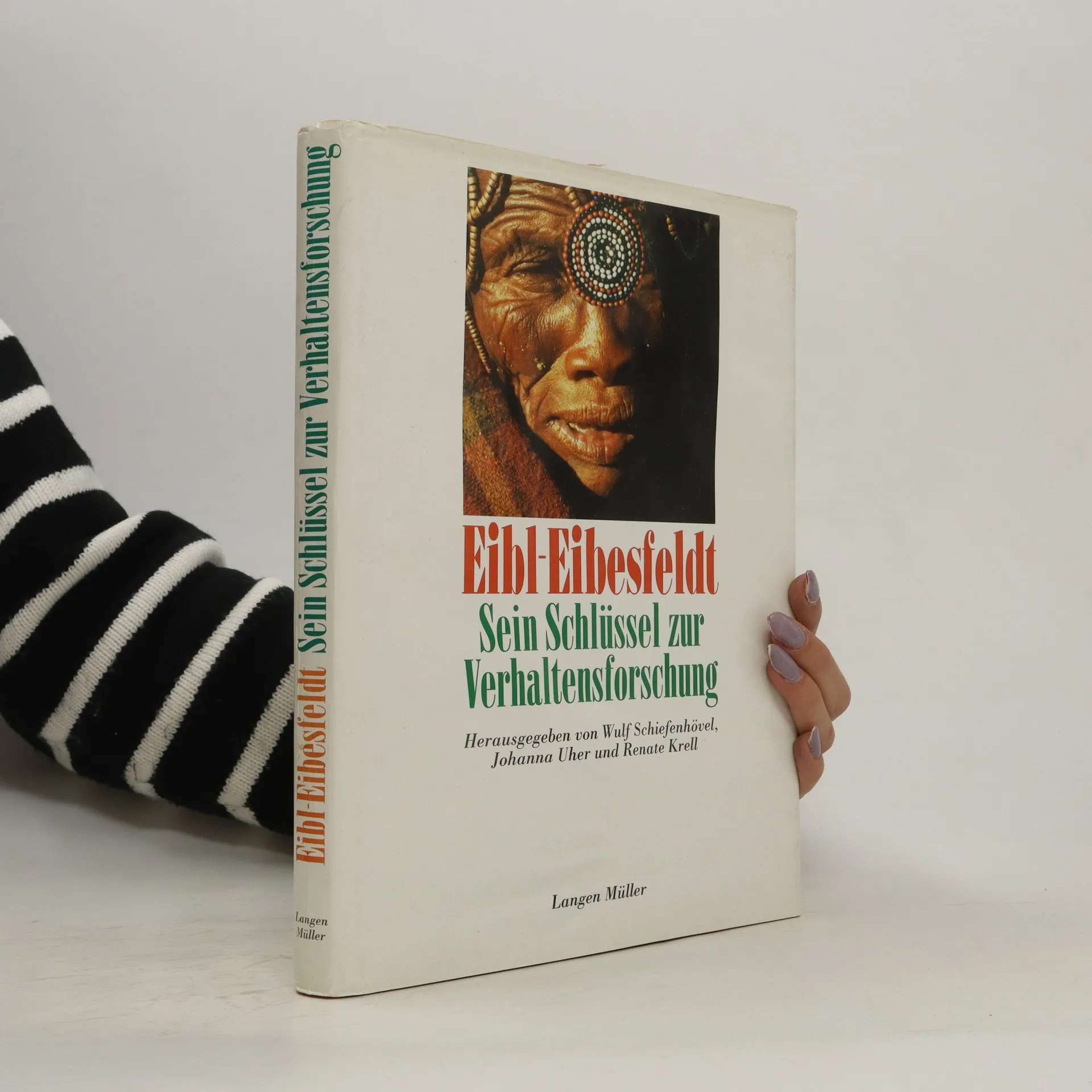
Eibl-Eibesfeldt
- 224 páginas
- 8 horas de lectura
Reich illustrierter Querschnitt durch das Werk und gleichzeitig eine Biographie des Verhaltensforschers und Begründers der Humanethologie (Kulturen der Naturvölker als Spiegel menschlichen Verhaltens)