
Aún puedes pedir antes de Navidad 0 días y 23 horas
Bookbot

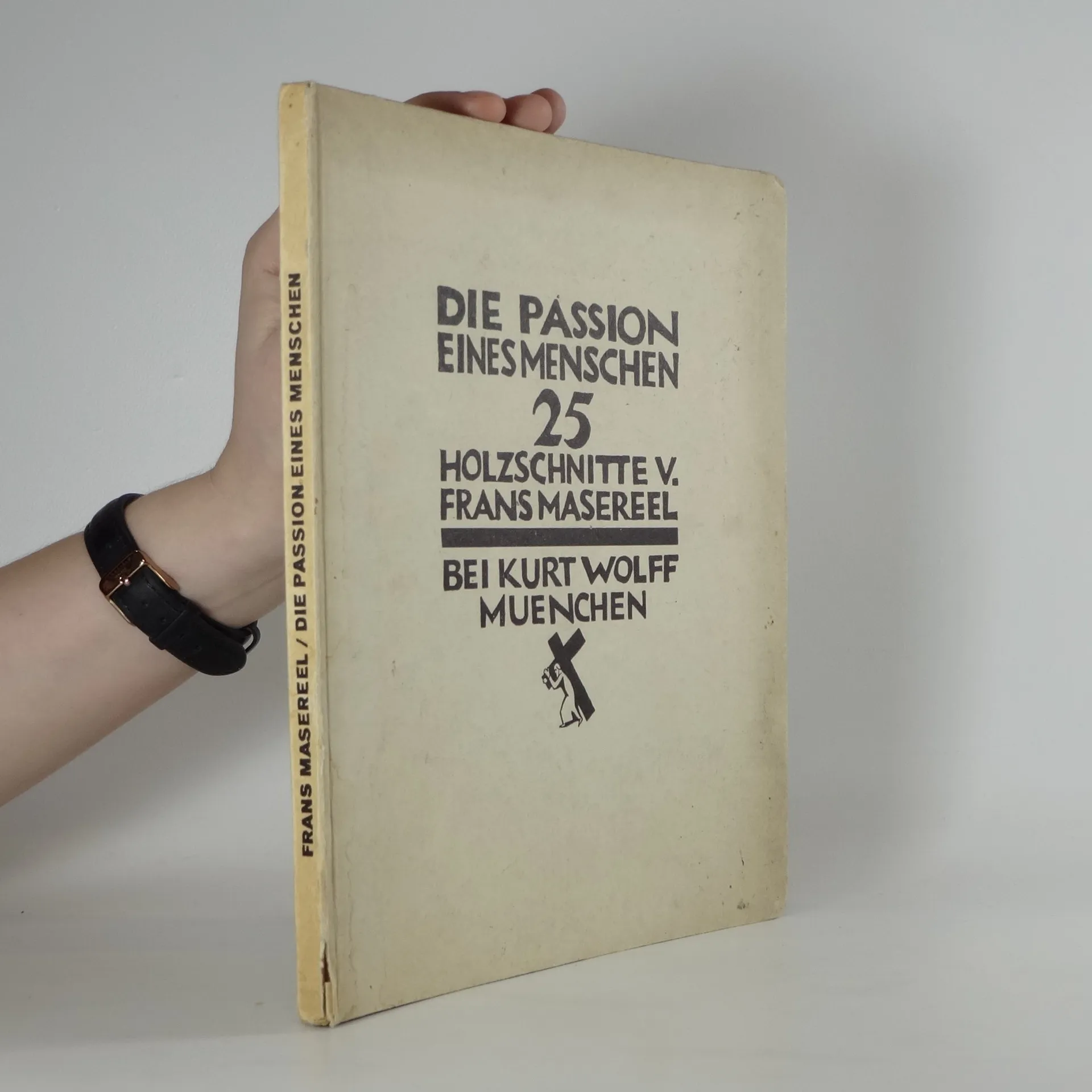
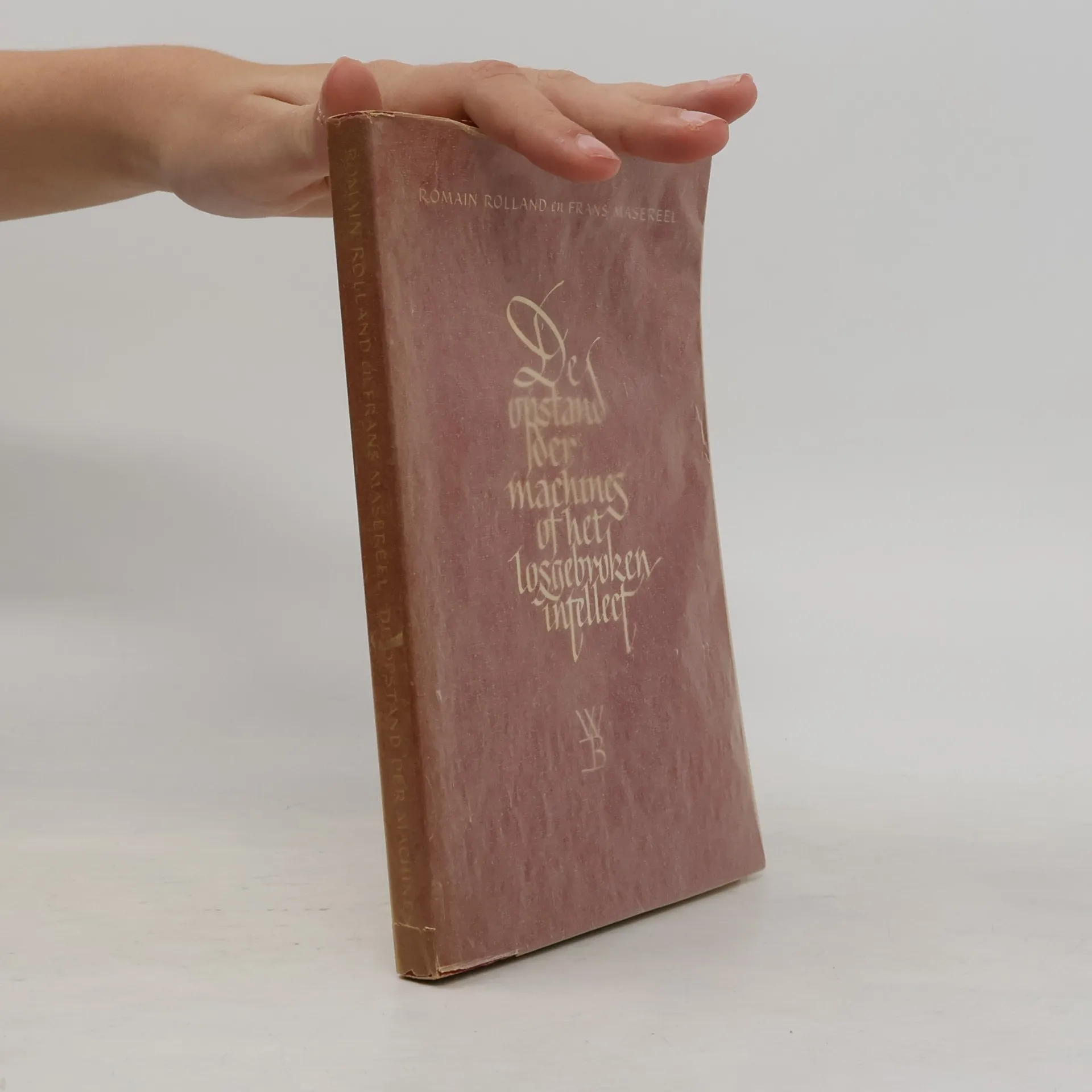
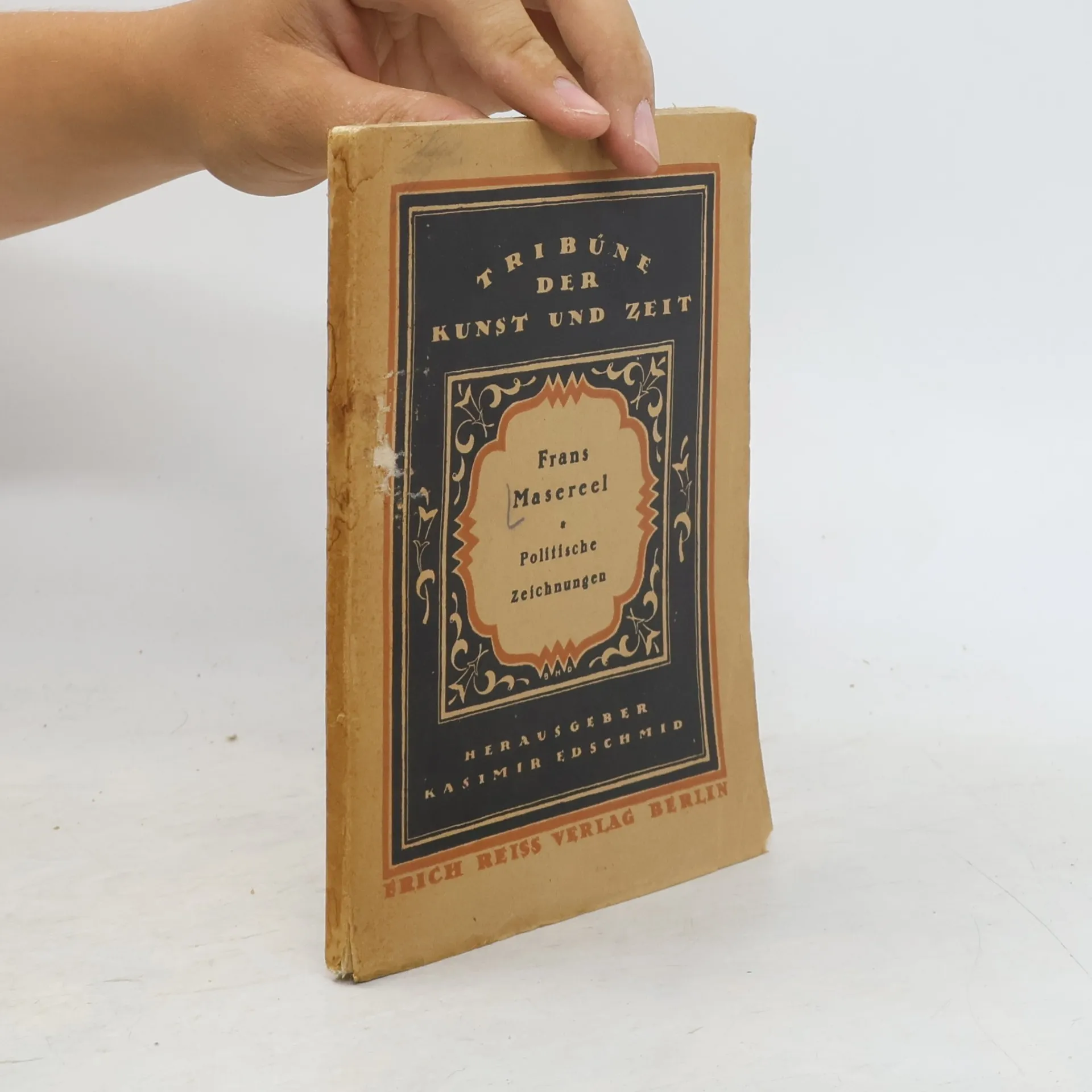
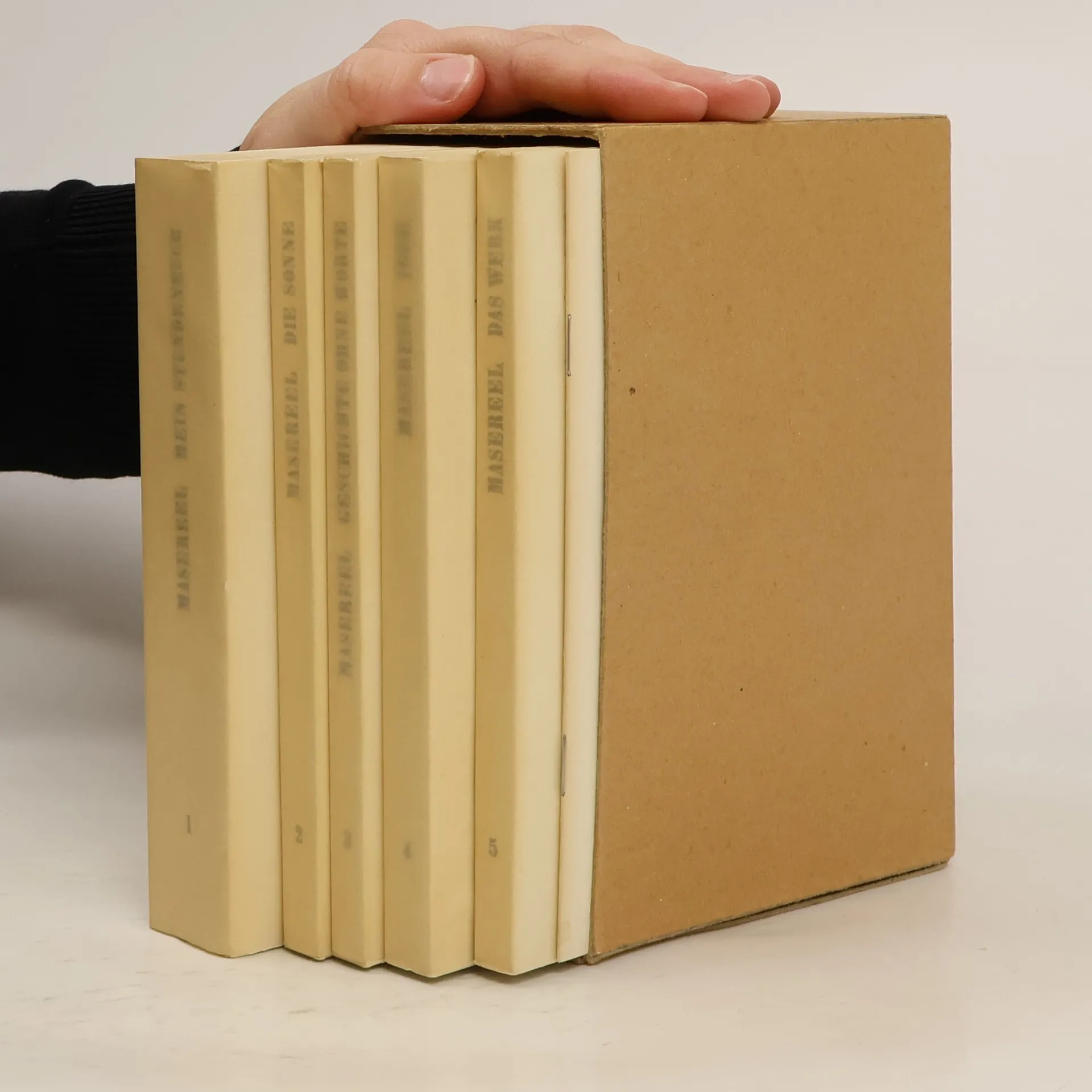
Frans Masereel

    31 de julio de 1889 – 3 de enero de 1972

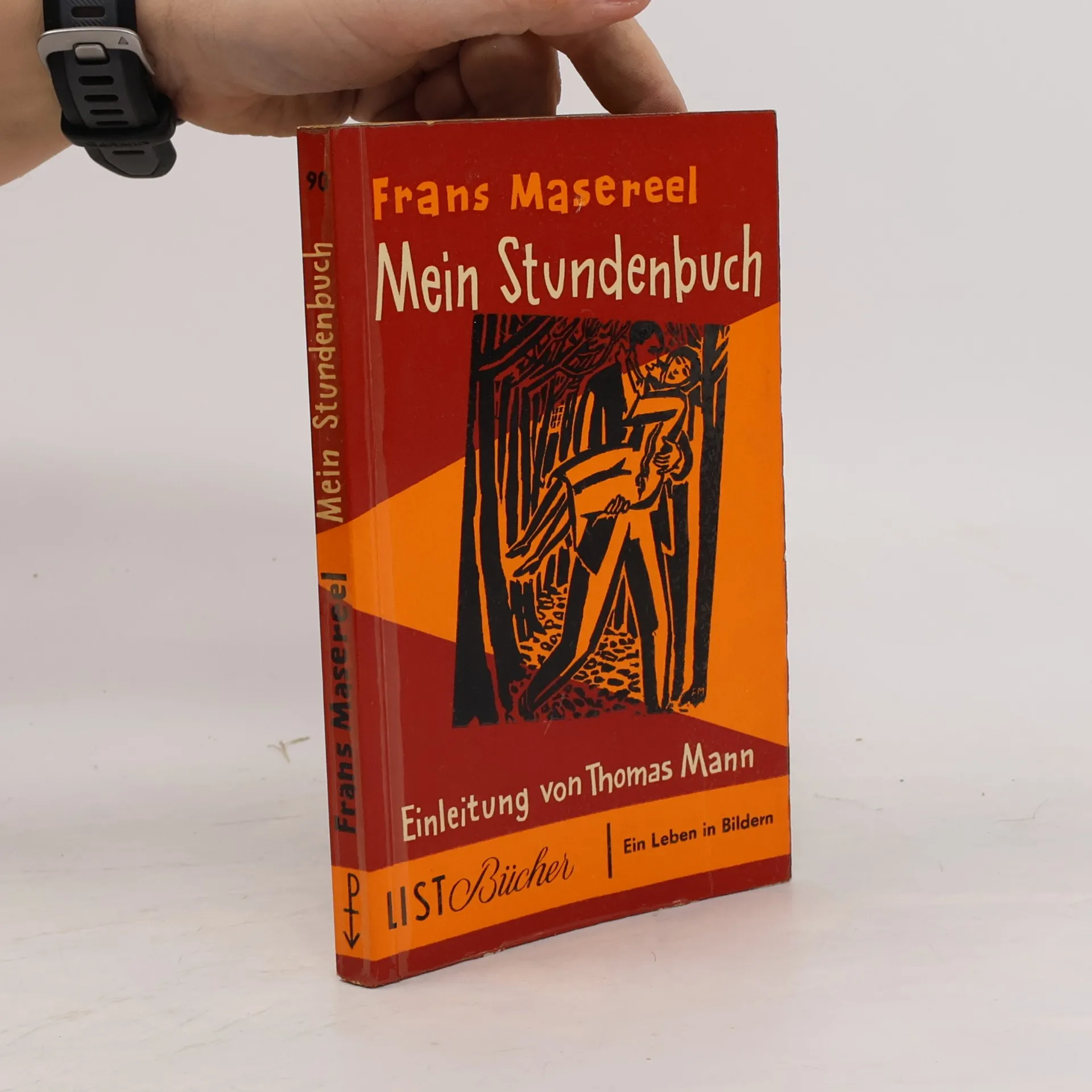
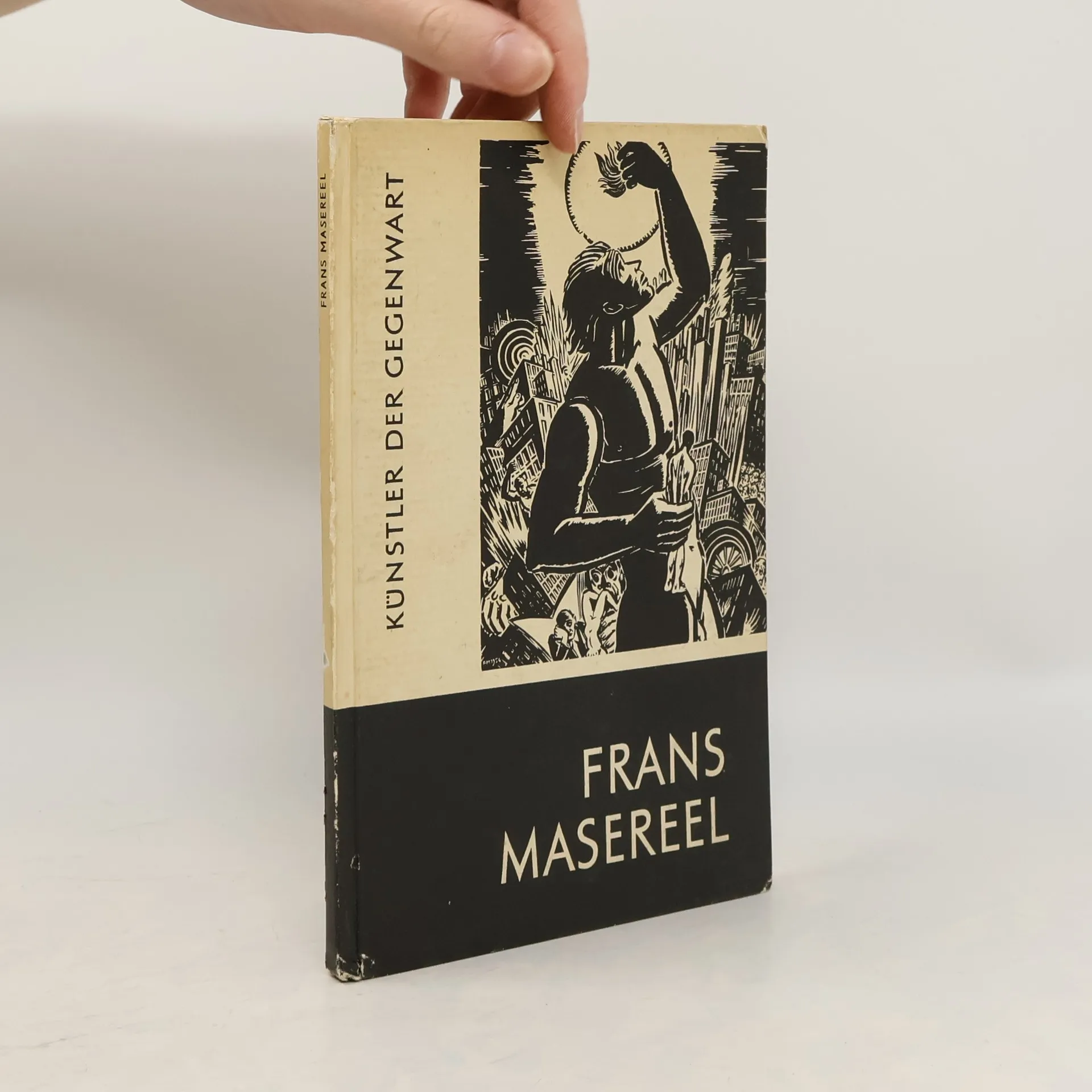
    Frans Masereel fue un pintor y grabador flamenco, célebre principalmente por sus magistrales xilografías. Su obra, a menudo cargada de una fuerte crítica social y un idealismo humanista, explora las tensiones entre el individuo y el colectivo. Es especialmente reconocido por sus novelas sin palabras, un medio narrativo visual pionero que dominó con una destreza y resonancia emocional excepcionales.

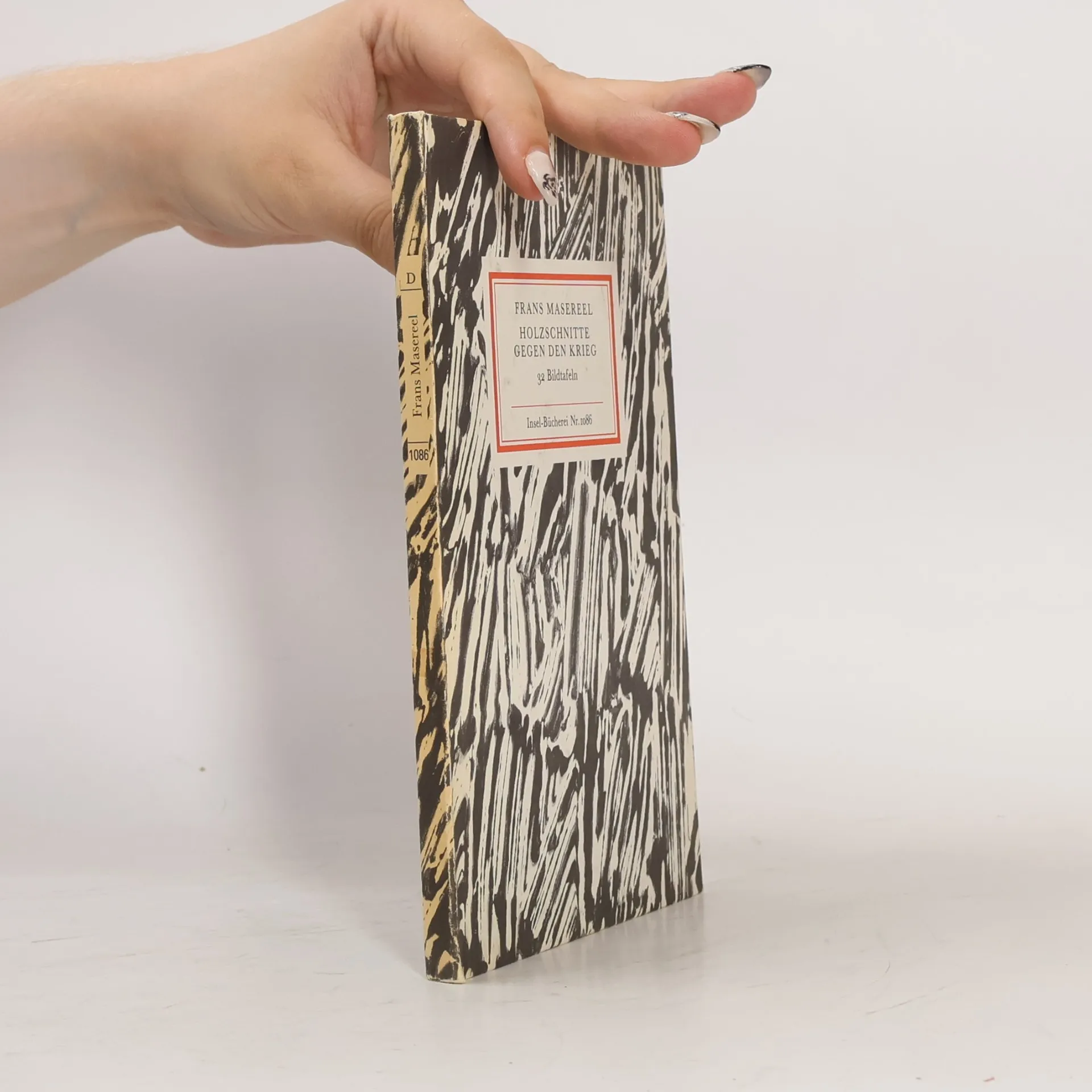
    Holzschnitte gegen den Krieg
    Germinal
    China Memories
    Idée de paix
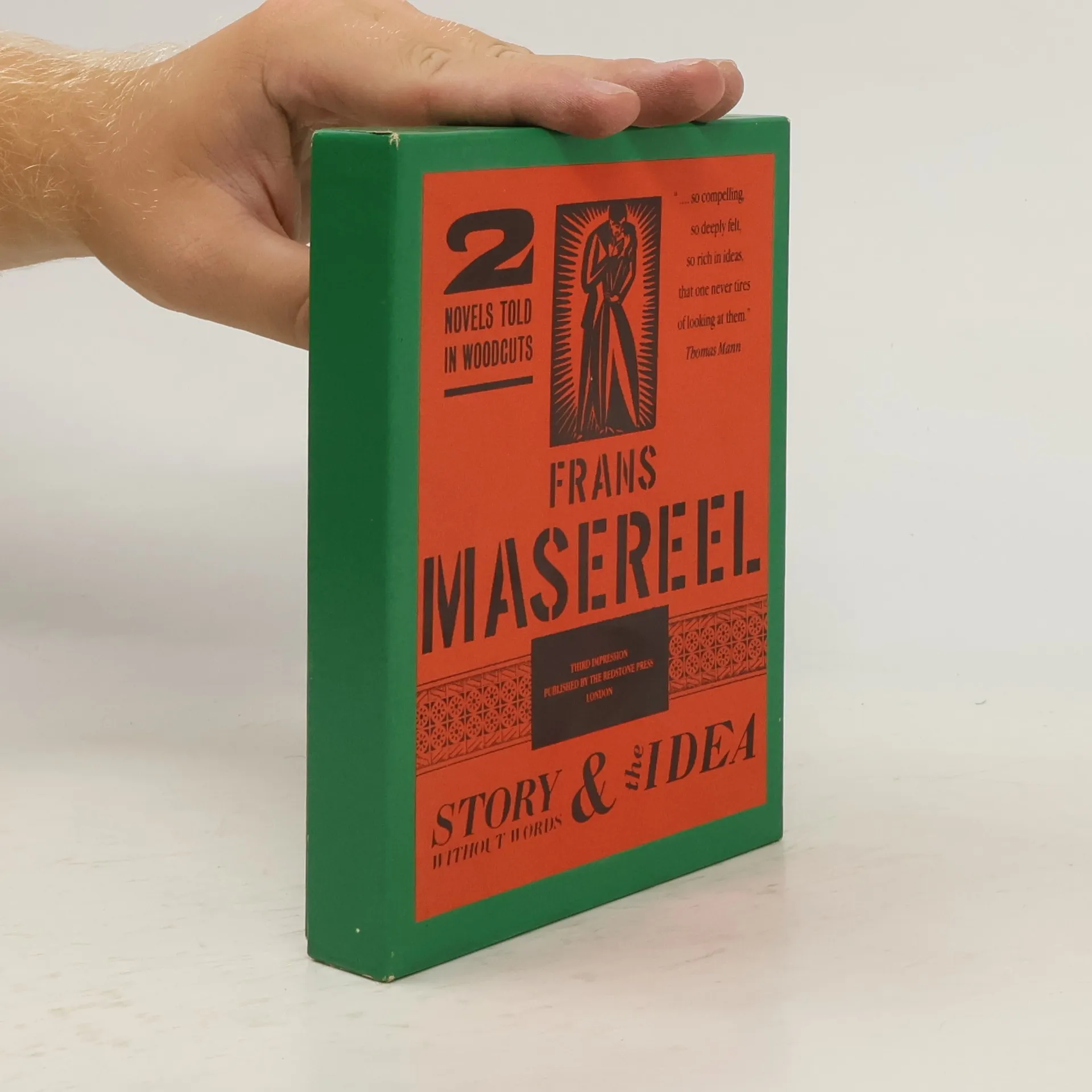
    The Idea / Story Without Words: Third Impression
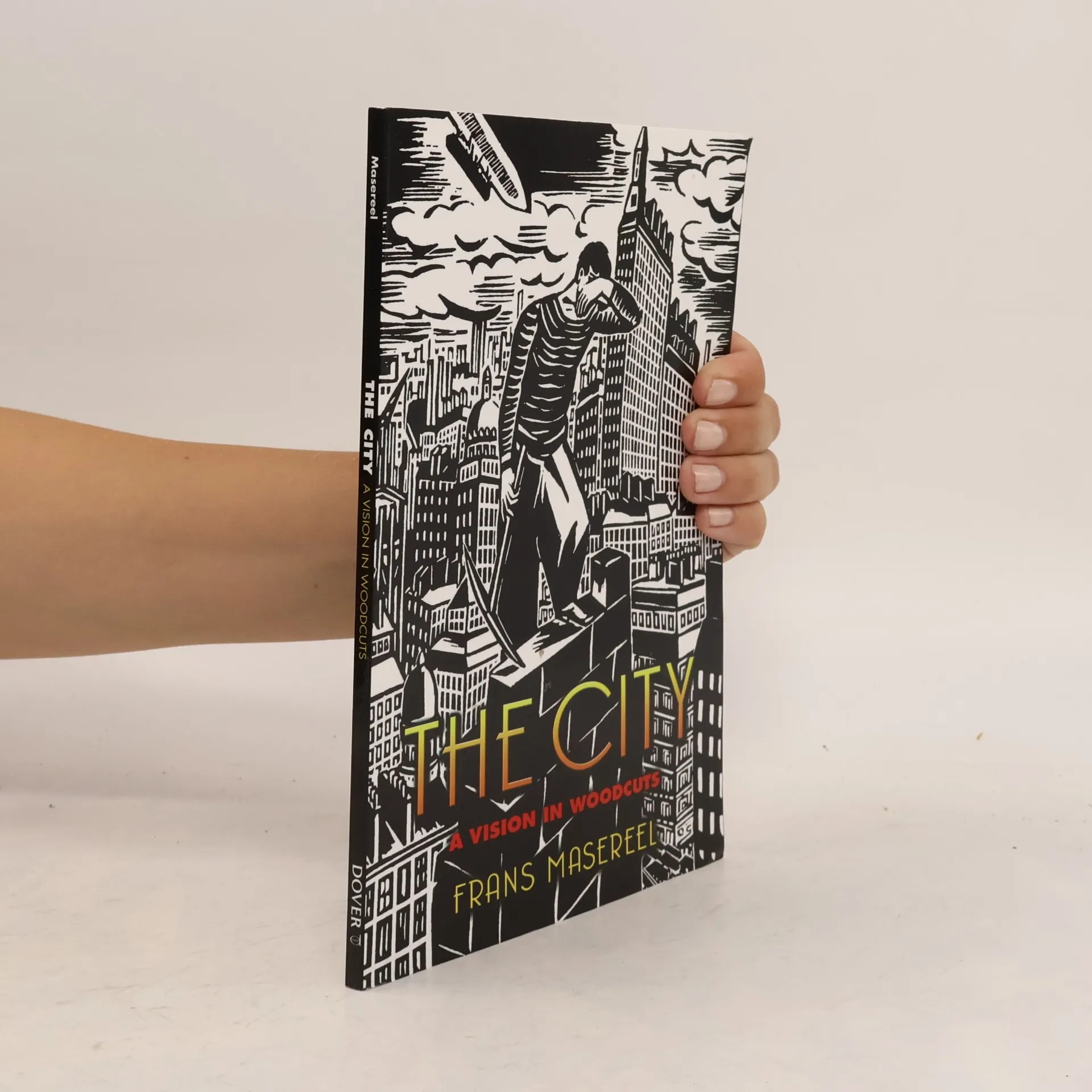
    The City A Vision In Woodcuts
    • The City A Vision In Woodcuts

      • 112 páginas
      • 4 horas de lectura

      "An absolute song for an ongoing visit with timelessness." — The New York TimesThis graphic novel by an Expressionist master offers a stunning depiction of urban Europe between the world wars. First published in Germany in 1925, it presents unforgettable images from the tense and dynamic Weimar period, rendered in 100 woodcuts of remarkable force and beauty.A pacifist during World War I, Belgian-born Frans Masereel (1889-1972) sympathized with the struggles of the working classes and strived to make his art accessible to ordinary people. His evocative woodcuts convey scenes of work and leisure, wealth and deprivation, and joy and loneliness. Banned by the Nazis, Masereel's works were championed in Communist countries; however, the artist steered clear of political affiliations. His clarity of vision transcends any propagandist use of the images, which stand as timeless indictments of oppression and injustice.Thomas Mann described Masereel's works as "so strangely compelling, so deeply felt, so rich in ideas that one never tires of looking at them." Epic and unflinching in its scope, The City continues to influence modern fine and graphic art, while recapturing the mood of a vanished era.
      The City A Vision In Woodcuts
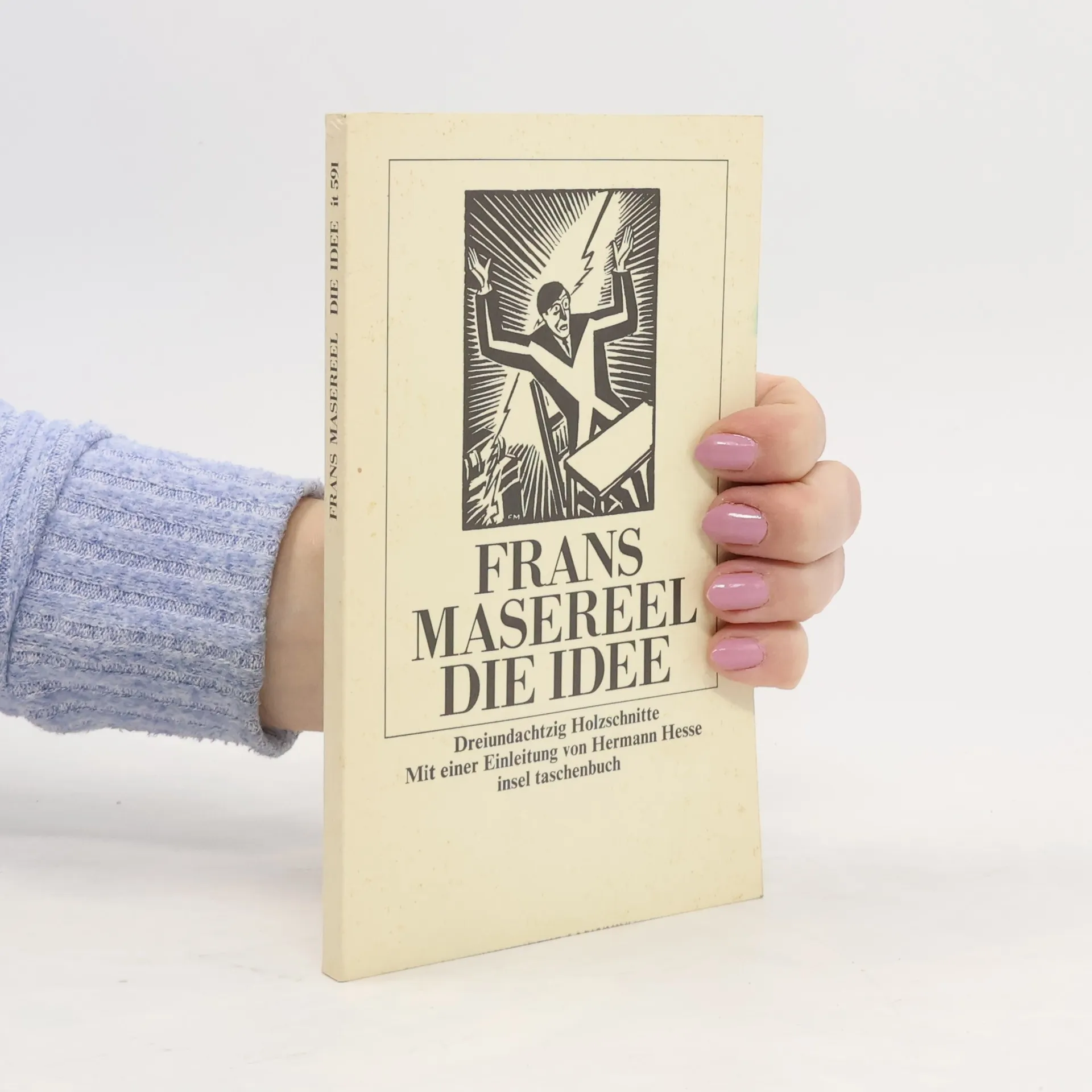
    • Created in the 1920s by the acclaimed wood-engraver Frans Masereel, this book contains two picture novels in one. The Idea depicts the life cycle of an idea, as personified by a naked woman, struggling in the streets of an industrialized city peopled by politicians and businessmen who try to use and destroy her. Story Without Words is a tale of unrequited love and courtship, its images rich with symposium.

      The Idea / Story Without Words: Third Impression
    • "Germinal" de Émile Zola es una novela realista sobre una huelga de mineros en el norte de Francia en la década de 1860. La historia sigue a Étienne Lantier, quien enfrenta injusticias y condiciones inhumanas en las minas de carbón. Es un poderoso alegato en favor de los oprimidos, destacando el amor y la lucha social.

      Germinal
    • IDEA to historia idei, która rodzi się w umyśle mężczyzny doświadczającego olśnienia. Przyjmuje postać kobiety, nagiej jak prawda, którą twórca umieszcza w kopercie i wysyła w świat. Odbiorcy, odkrywając ją, są zszokowani i spieszą się, by ją ubrać. Jednak Idea nie ma nic do ukrycia, buntuje się, zrywa ubrania i ucieka ulicami obcego miasta. Rozprzestrzenia się w prasie i książkach, wzbudzając gniew władz, co prowadzi do autodafe. Mimo to, Idea jest odporna na ogień głupoty, wstaje z płomieni i wykorzystuje nowoczesne środki komunikacji, by jeszcze szybciej siać panikę i chaos w społeczeństwie. Po zakończeniu swojej misji wraca do swojego twórcy. Powieść graficzna ukazała się w 1920 roku w Paryżu i zdobyła ogromną popularność w środowisku artystycznym. Frans Masereel dążył do tego, by jego książki były dostępne dla wszystkich. Jego marzenie spełniło się w 1926 roku, gdy książka została wznowiona w przystępnym wydaniu. Wydawnictwo LOKATOR po 104 latach od pierwszego francuskiego wydania publikuje to dzieło po raz pierwszy na polskim rynku w limitowanym nakładzie 853 numerowanych egzemplarzy, otwierając serię albumów graficznych belgijskiego twórcy.

      Idea