
Bookbot

Frans Masereel

    31 de julio de 1889 – 3 de enero de 1972

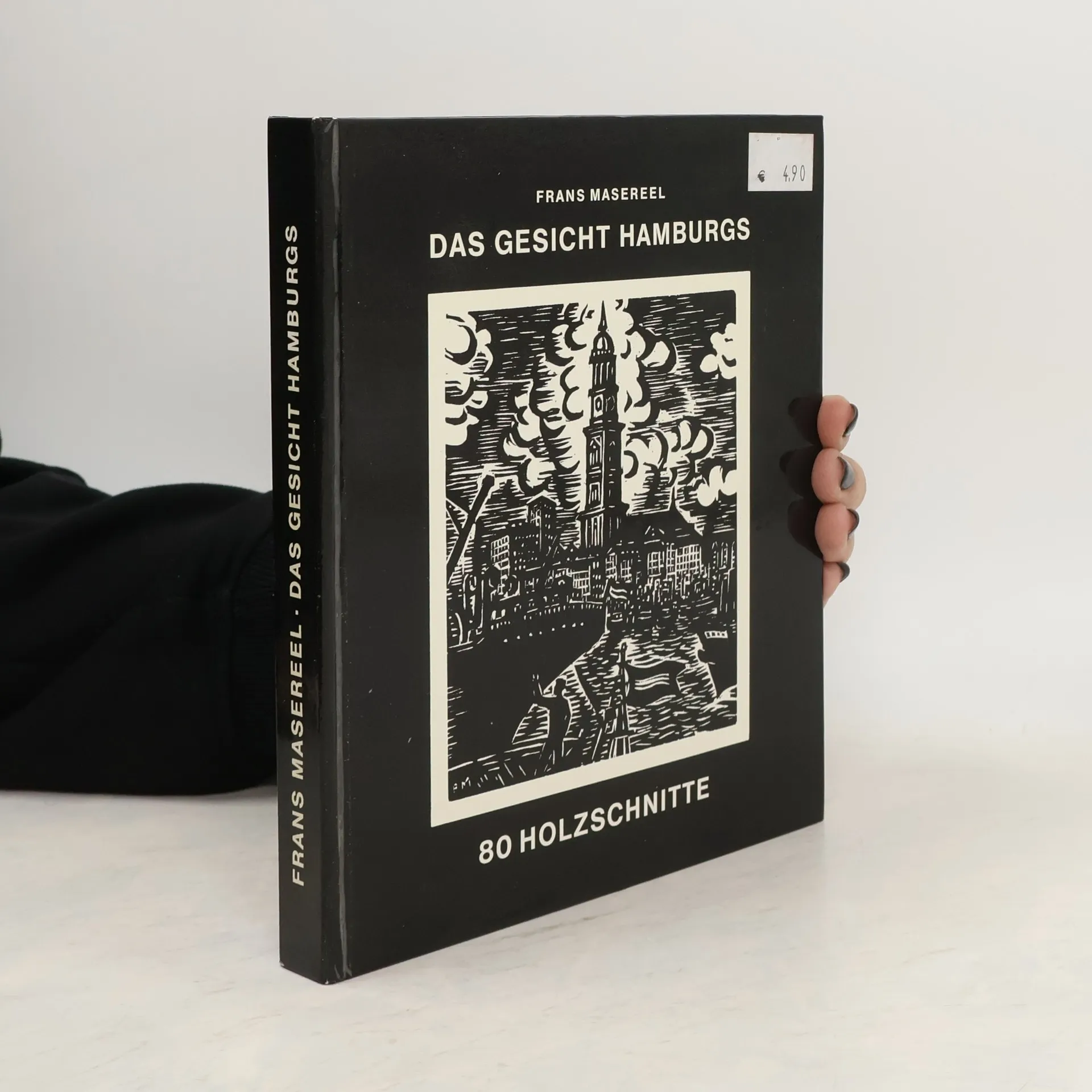
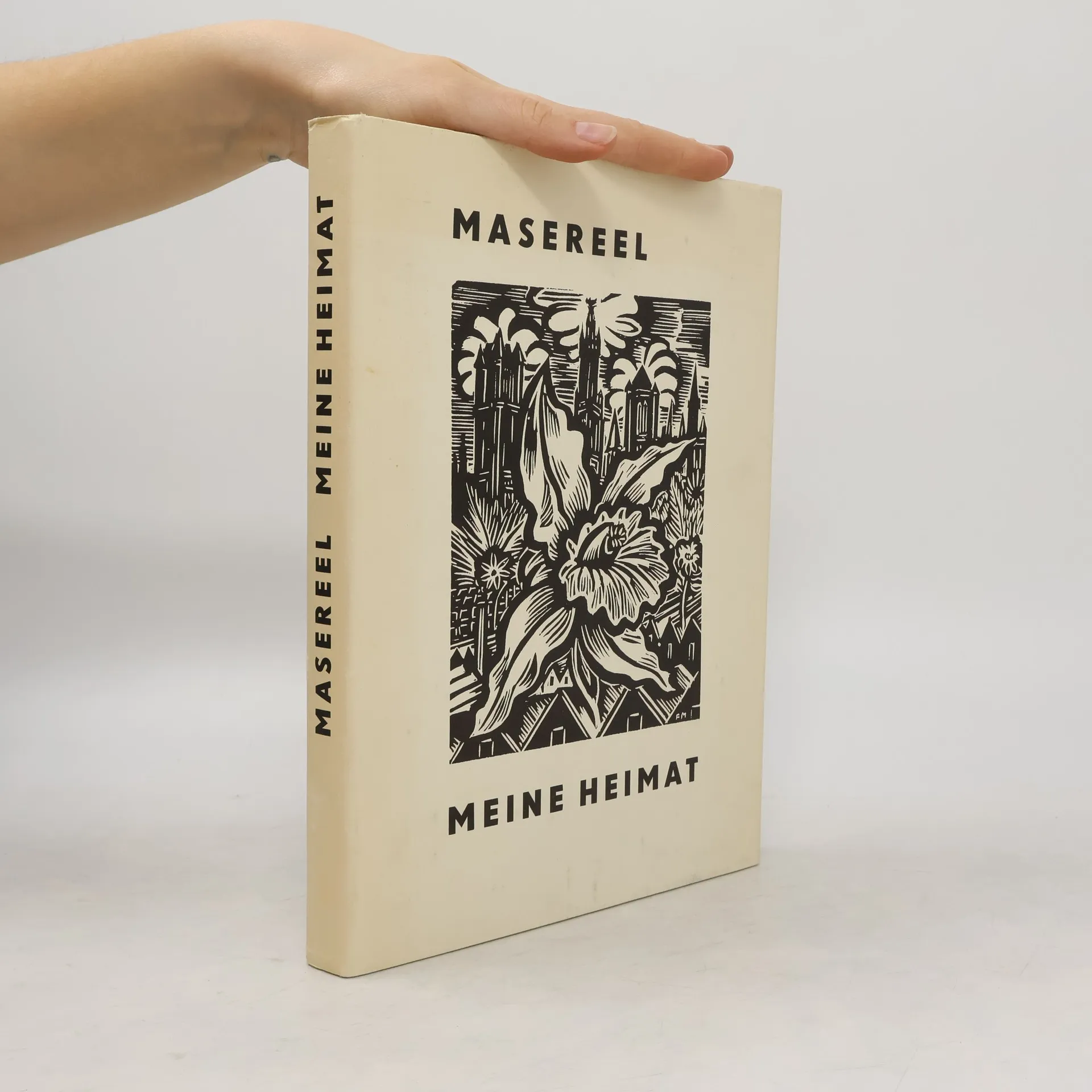
    Frans Masereel fue un pintor y grabador flamenco, célebre principalmente por sus magistrales xilografías. Su obra, a menudo cargada de una fuerte crítica social y un idealismo humanista, explora las tensiones entre el individuo y el colectivo. Es especialmente reconocido por sus novelas sin palabras, un medio narrativo visual pionero que dominó con una destreza y resonancia emocional excepcionales.

    Frans Masereel
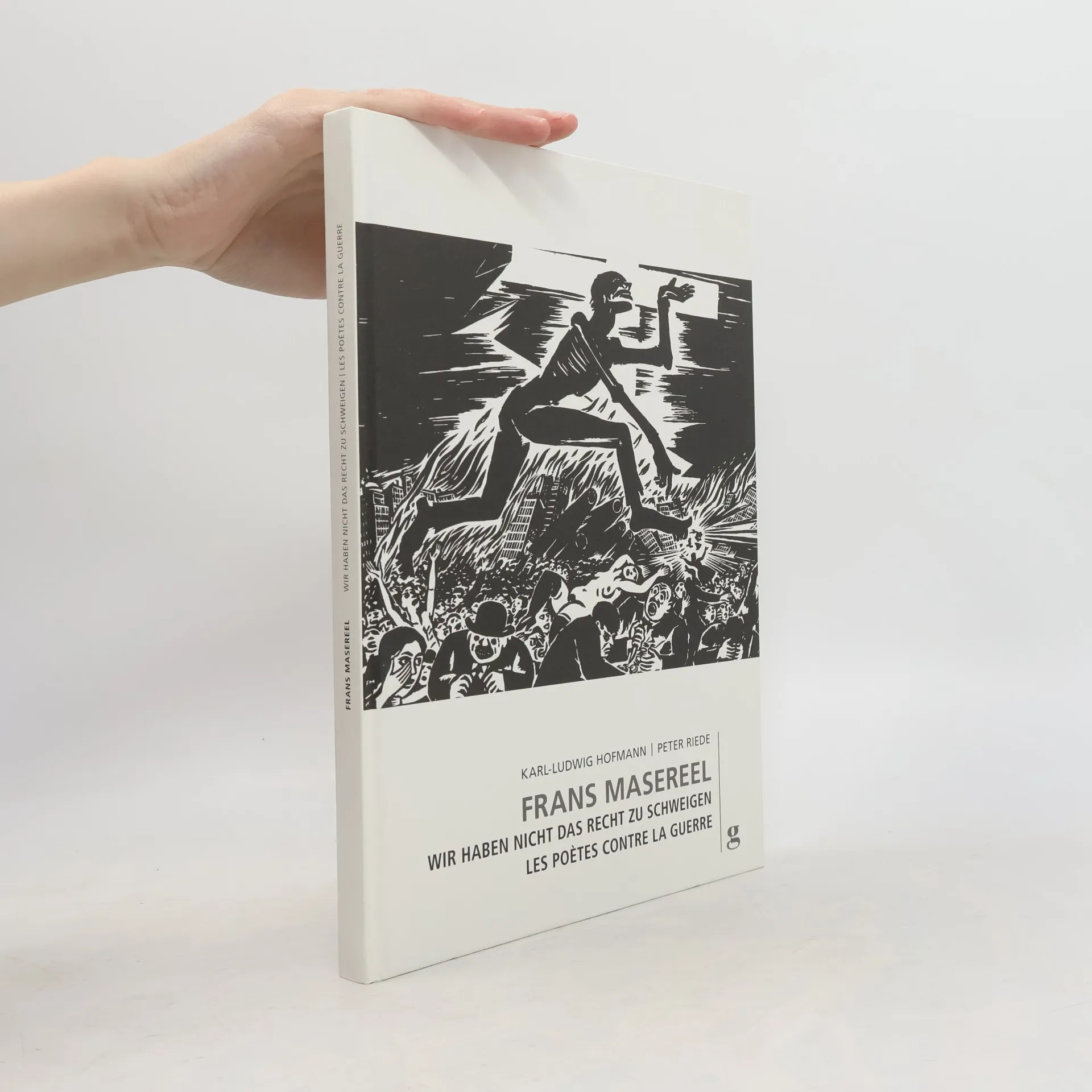
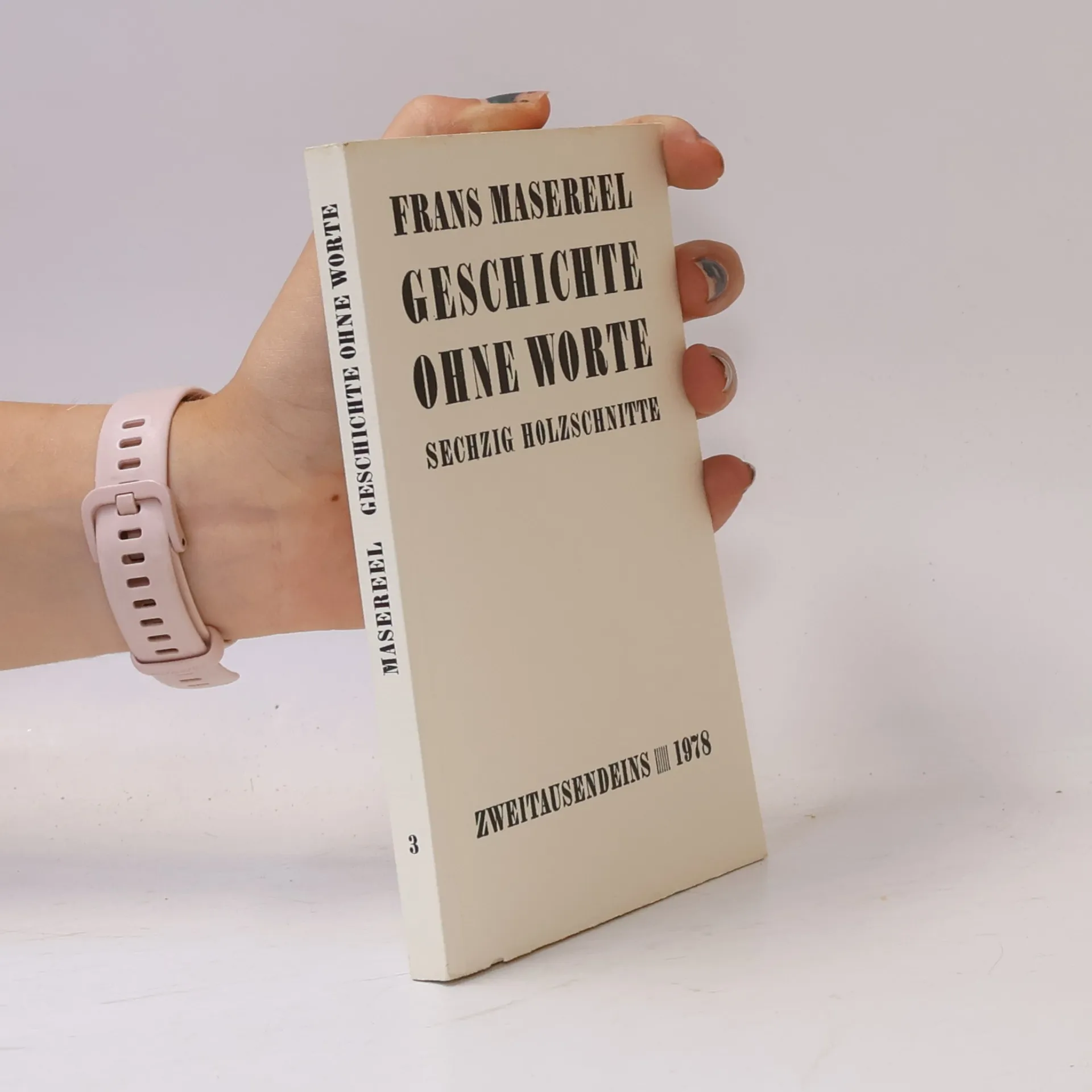
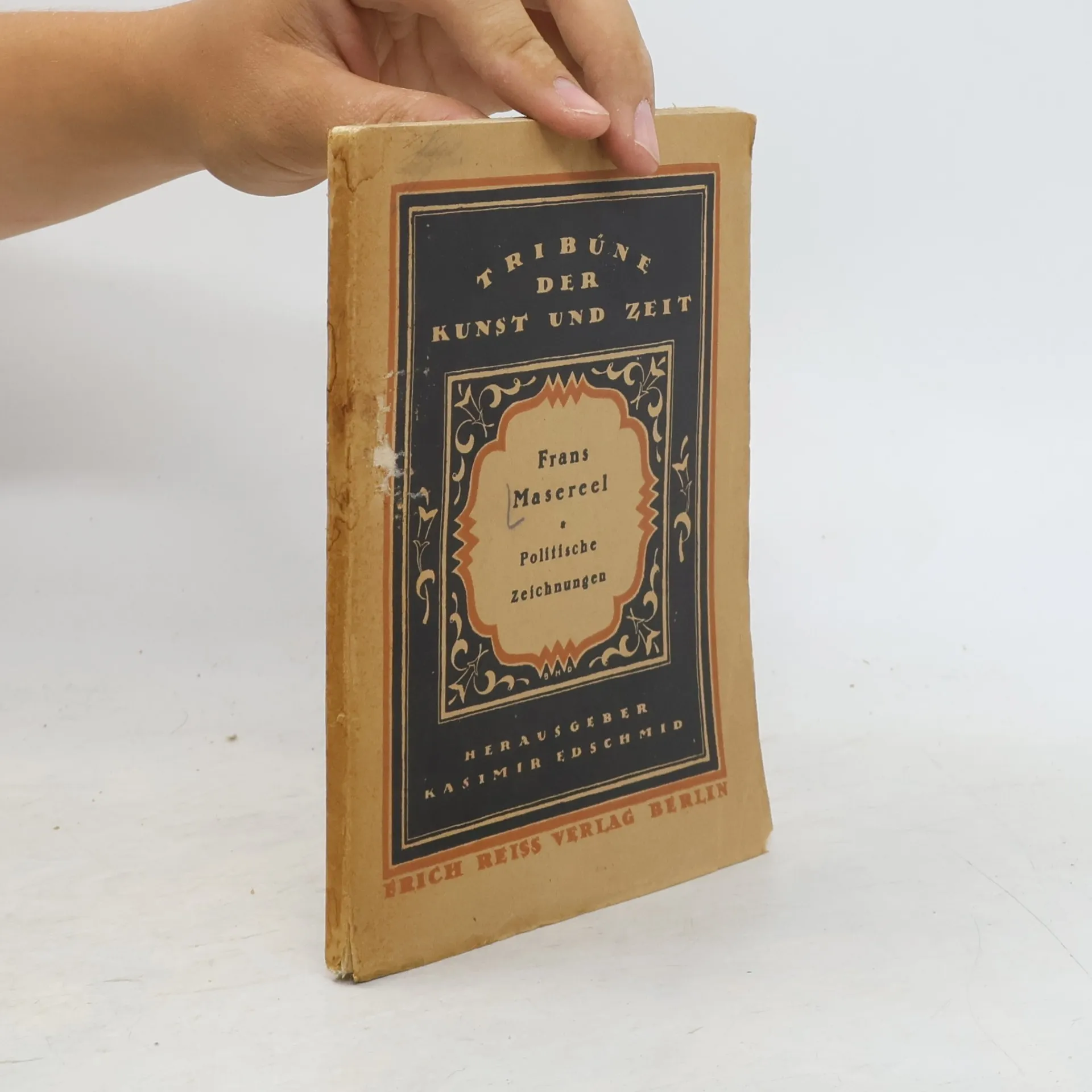
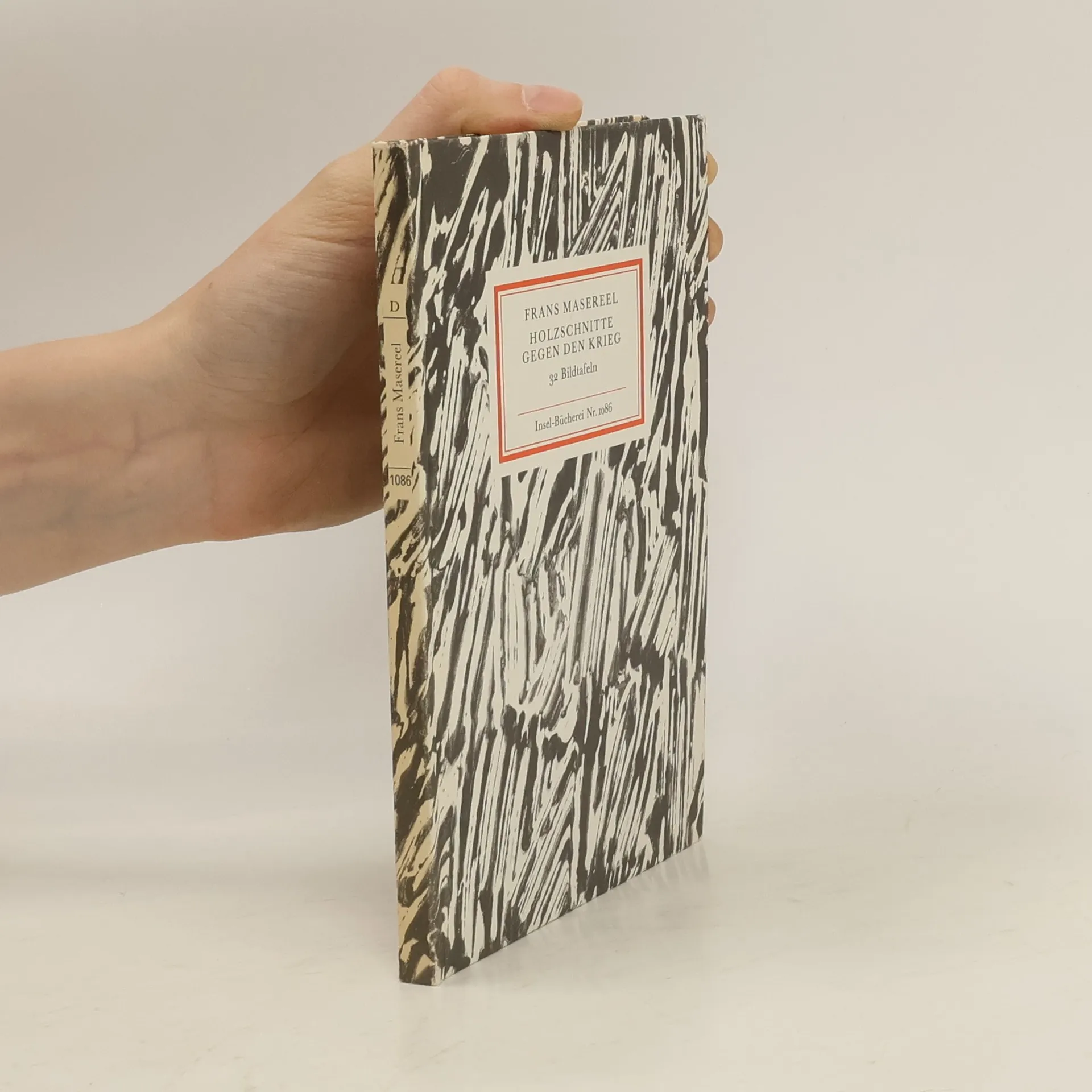
    Holzschnitte gegen den Krieg
    Germinal
    China Memories
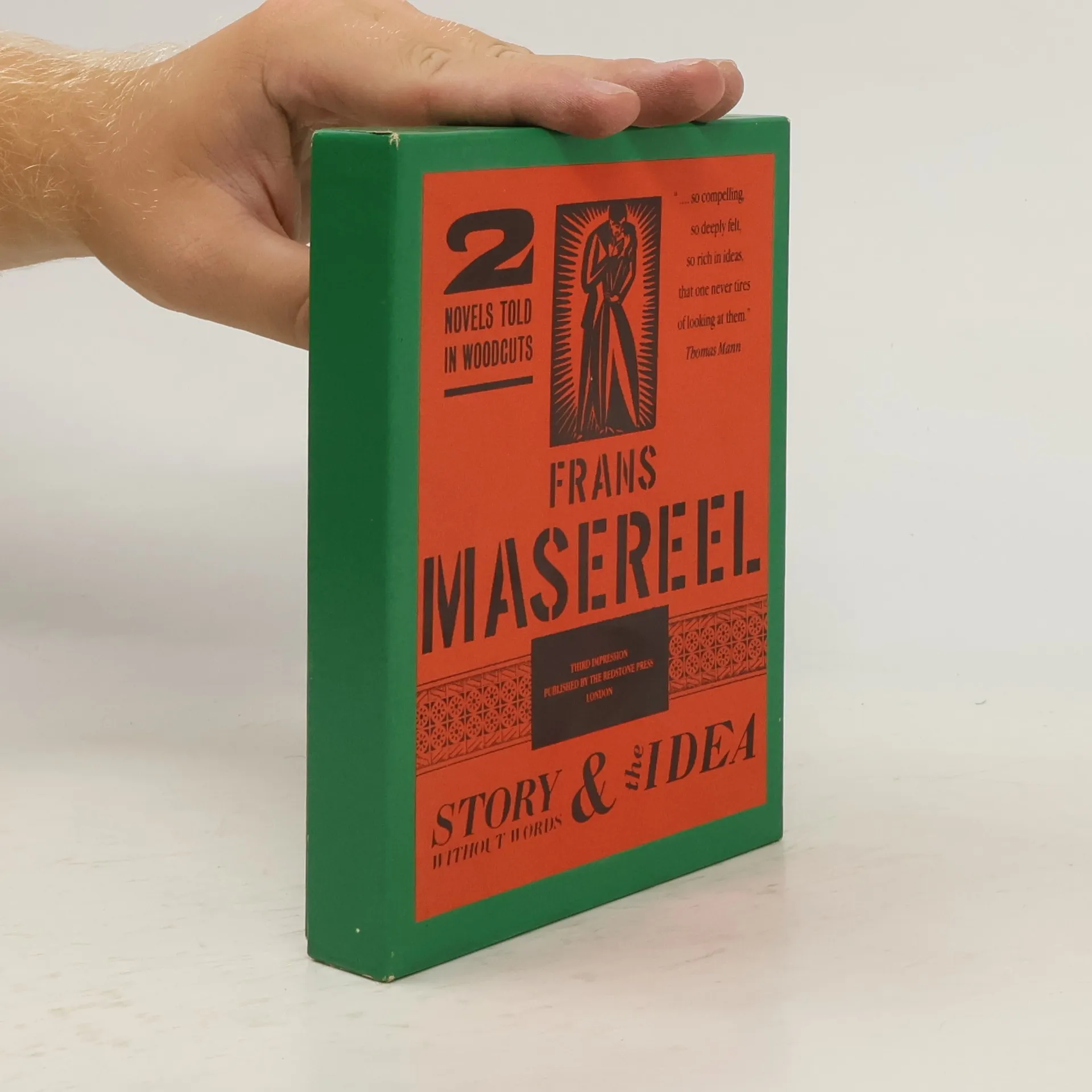
    The Idea / Story Without Words: Third Impression
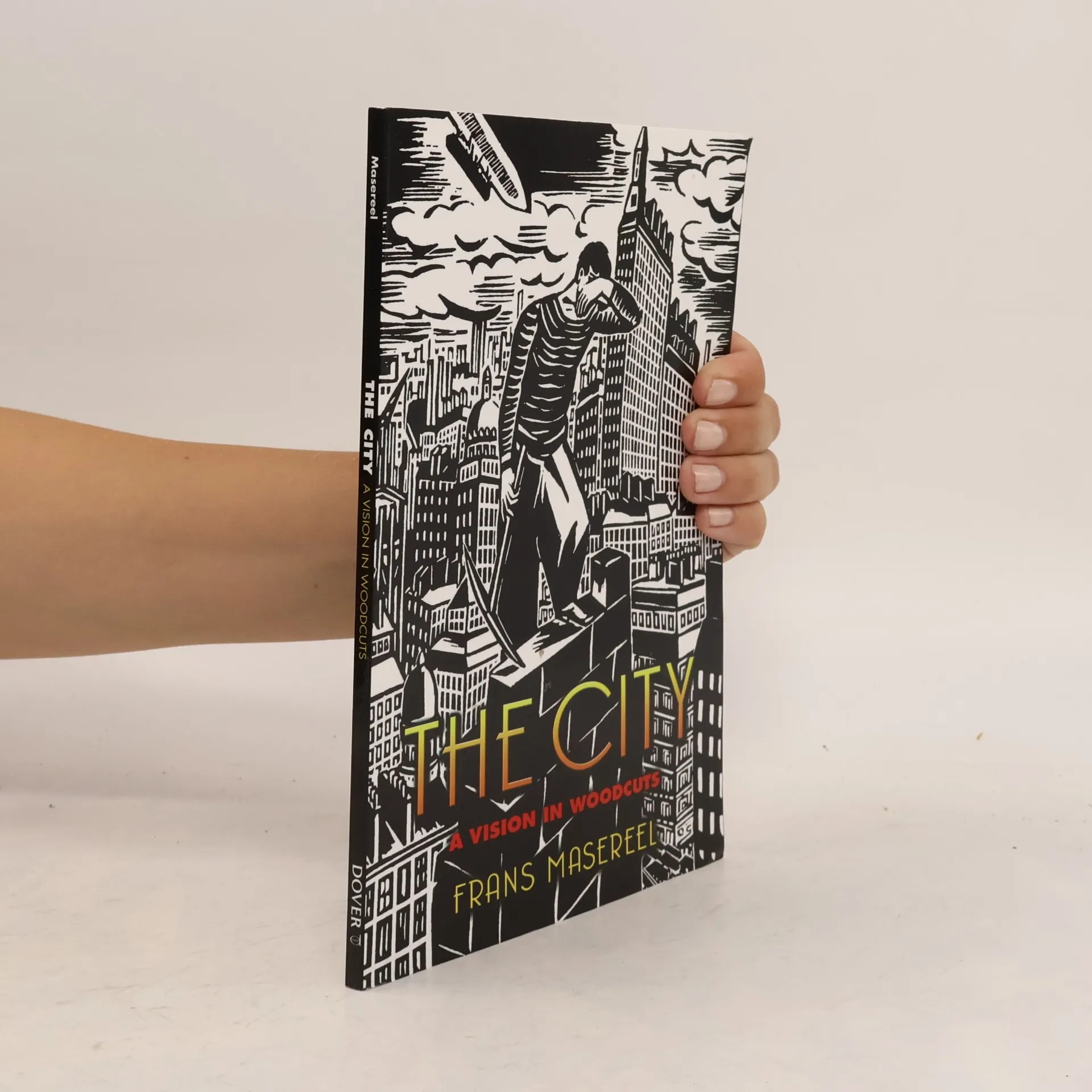
    The City A Vision In Woodcuts
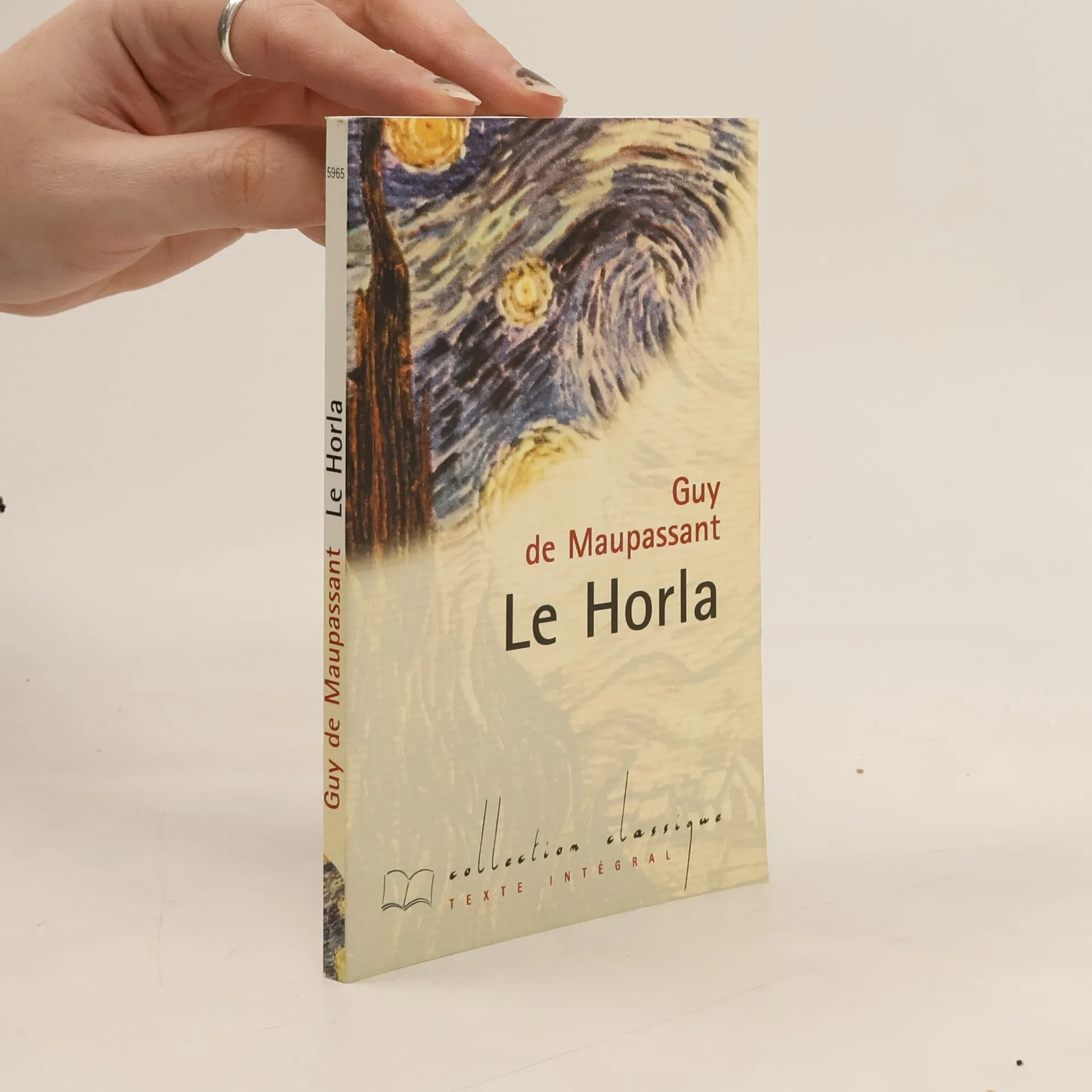
    • Le Horla

      • 64 páginas
      • 3 horas de lectura

      Peut-être parce qu'il la constatait dans sa famille et la pressentait en lui, peut-être aussi parce que l'époque est celle des grands aliénistes, de Charcot en particulier dont (quelques années avant Freud) il suivit assidûment les leçons à la Salpêtrière, Maupassant est le premier écrivain du XIXe siècle à avoir abordé de front le problème de la folie, non comme un délire romantique mais en termes de clinique et de peur. Le Horla, c'est l'Autre, notre frère nocturne, le Double qui s'insinue en nous, nous caresse, nous épie, donne à chacun de nos gestes leur versant négatif et pervers. Notre Double, notre frère, mais aussi notre rival : l'extra-terrestre dont la prochain venue signifiera la fin du règne de l'homme. Le conte de la folie s'achève ainsi en cauchemar parapsychique et en roman d'anticipation.

      Le Horla1989
      4,0
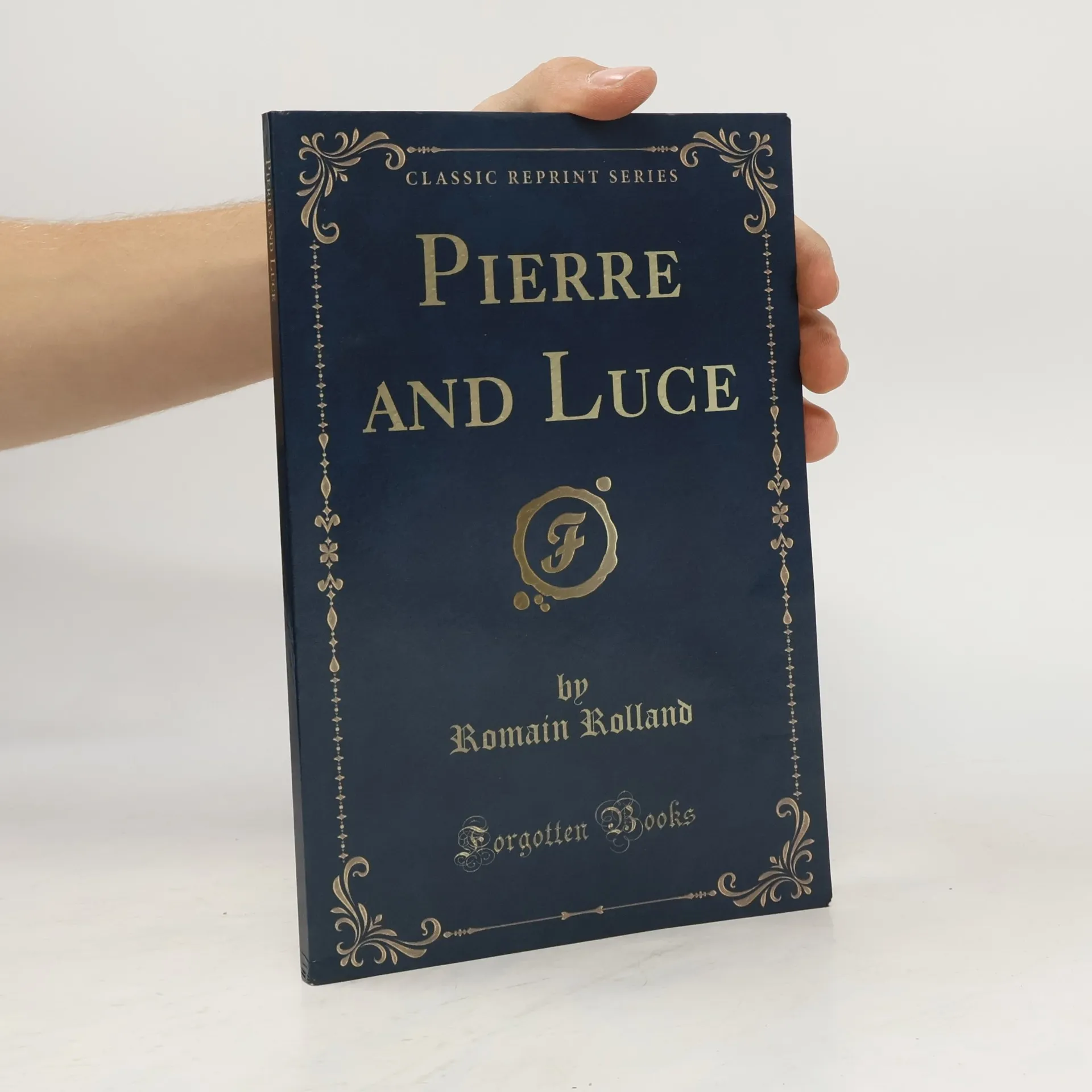
    • Pierre and Luce

      • 100 páginas
      • 4 horas de lectura

      Paris, 1918: Amidst the cries of fanatic patriots bent on war, a tender relationship slowly develops between two young Parisians, beginning with a first shy encounter and growing into a passionate love that in the end falls victim to the psychological and physical destruction all around them. --- The great French writer Romain Rolland (1866-1944, winner of the Nobel Prize in Literature 1915) wrote his famous tragic love story "Pierre and Luce" at the end of World War I. Its protagonists recall the lovers of classical antiquity as well as those of the Middle Ages.

      Pierre and Luce1987
      3,7
    • Created in the 1920s by the acclaimed wood-engraver Frans Masereel, this book contains two picture novels in one. The Idea depicts the life cycle of an idea, as personified by a naked woman, struggling in the streets of an industrialized city peopled by politicians and businessmen who try to use and destroy her. Story Without Words is a tale of unrequited love and courtship, its images rich with symposium.

      The Idea / Story Without Words: Third Impression1986
      4,0
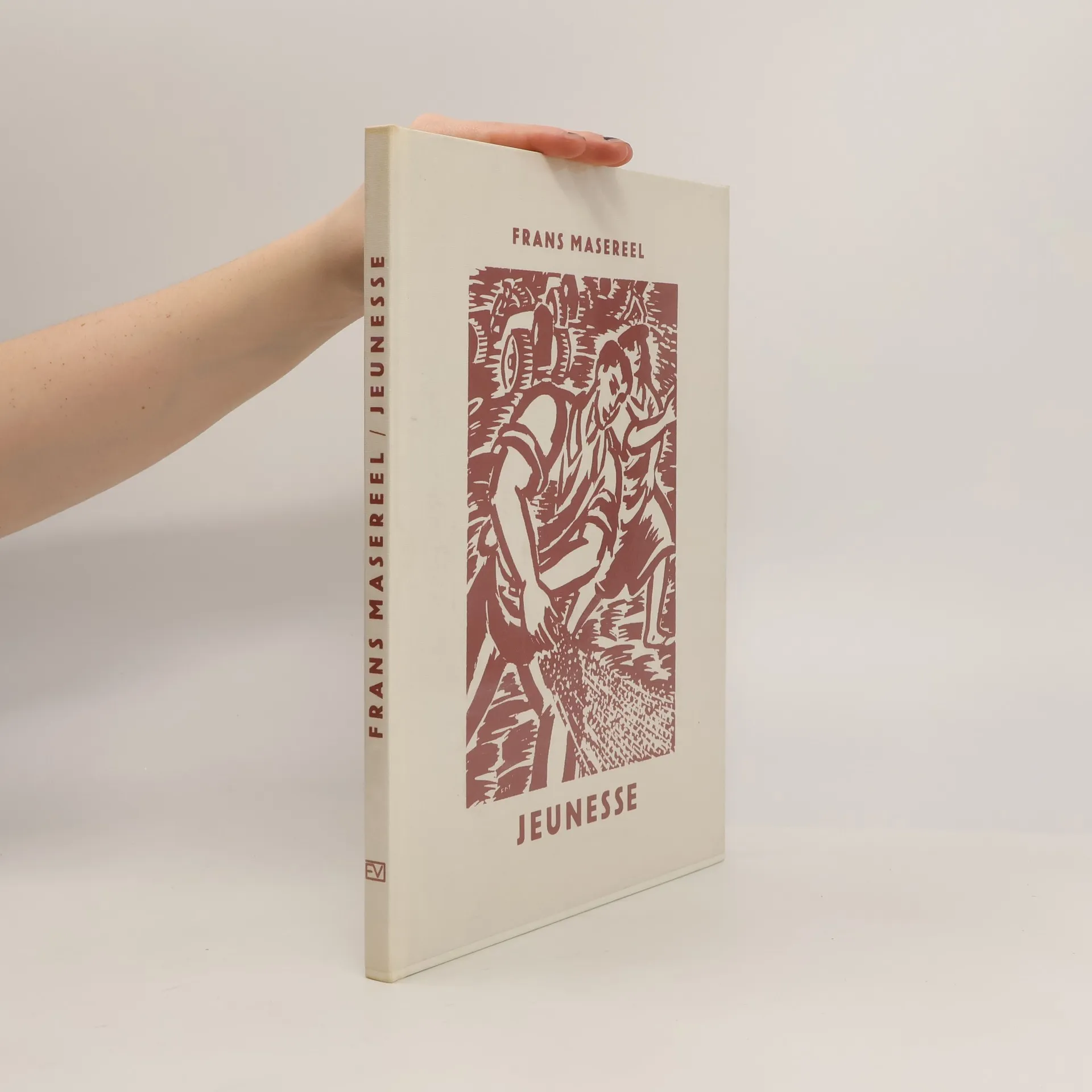
    • Jeunesse

      • 620 páginas
      • 22 horas de lectura

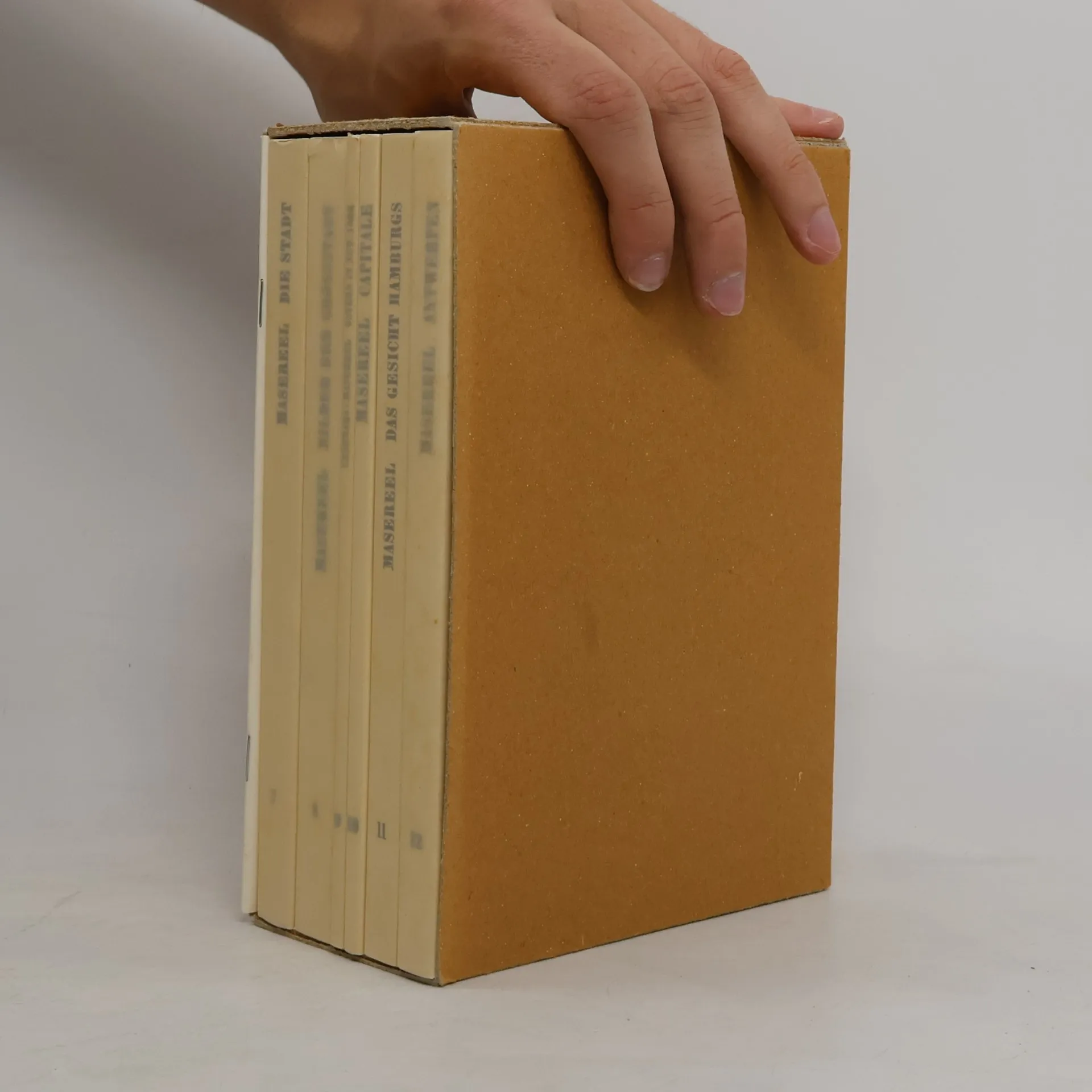
      1986 63 Seiten mit der Abbildung von 22 Holzschnitten, illustrierter OLeinenband mit Klarfolienumschlag und Kartonschuber, 28,6 x 20,6 cm Europaverlag, Woien - München - Zürich,

      Jeunesse1986
    • The City A Vision In Woodcuts

      • 112 páginas
      • 4 horas de lectura

      "An absolute song for an ongoing visit with timelessness." — The New York TimesThis graphic novel by an Expressionist master offers a stunning depiction of urban Europe between the world wars. First published in Germany in 1925, it presents unforgettable images from the tense and dynamic Weimar period, rendered in 100 woodcuts of remarkable force and beauty.A pacifist during World War I, Belgian-born Frans Masereel (1889-1972) sympathized with the struggles of the working classes and strived to make his art accessible to ordinary people. His evocative woodcuts convey scenes of work and leisure, wealth and deprivation, and joy and loneliness. Banned by the Nazis, Masereel's works were championed in Communist countries; however, the artist steered clear of political affiliations. His clarity of vision transcends any propagandist use of the images, which stand as timeless indictments of oppression and injustice.Thomas Mann described Masereel's works as "so strangely compelling, so deeply felt, so rich in ideas that one never tires of looking at them." Epic and unflinching in its scope, The City continues to influence modern fine and graphic art, while recapturing the mood of a vanished era.

      The City A Vision In Woodcuts1962
      4,3
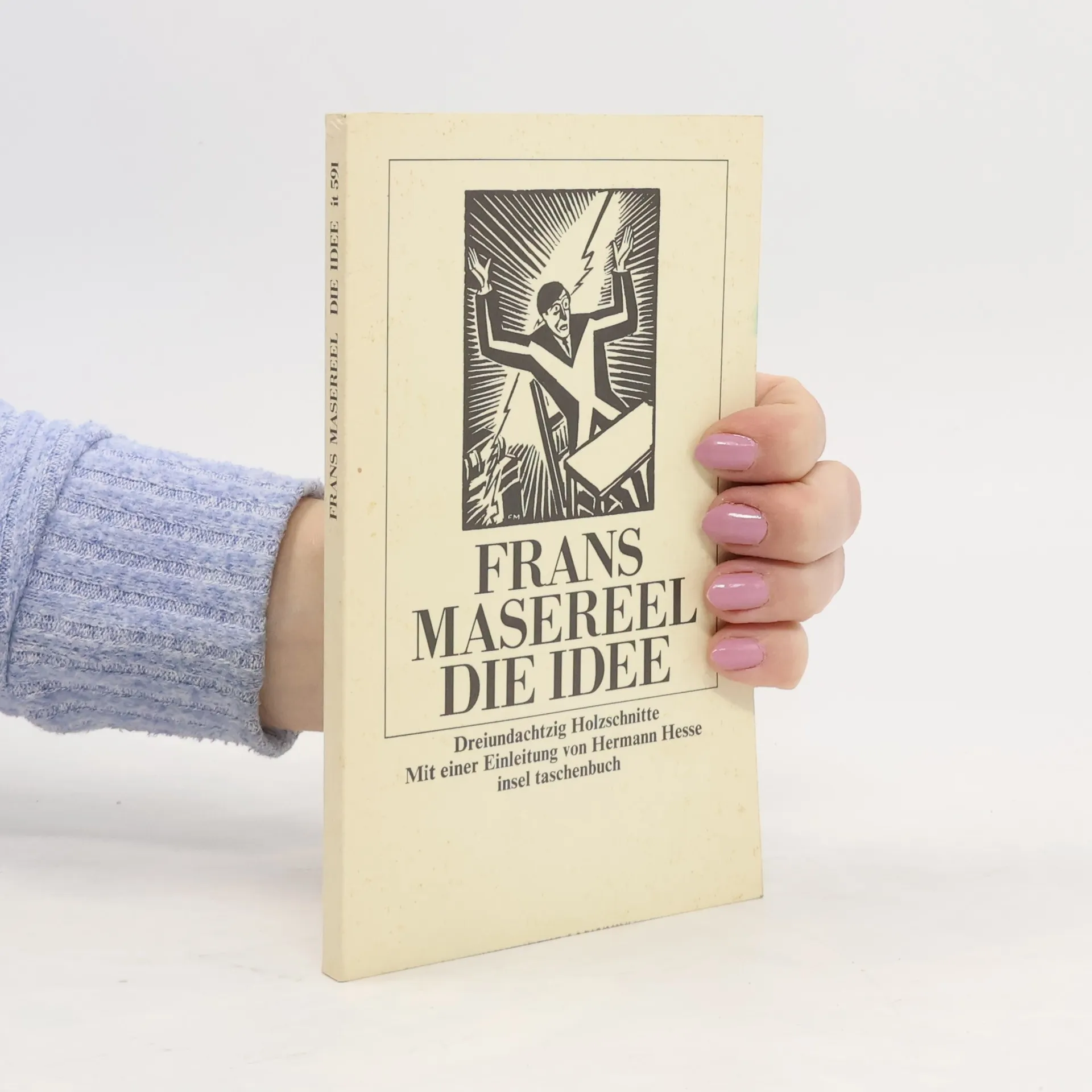
    • Mit einer Einleitung v. Hesse, Hermann 83 Holzschnitte.

      Die Idee1959
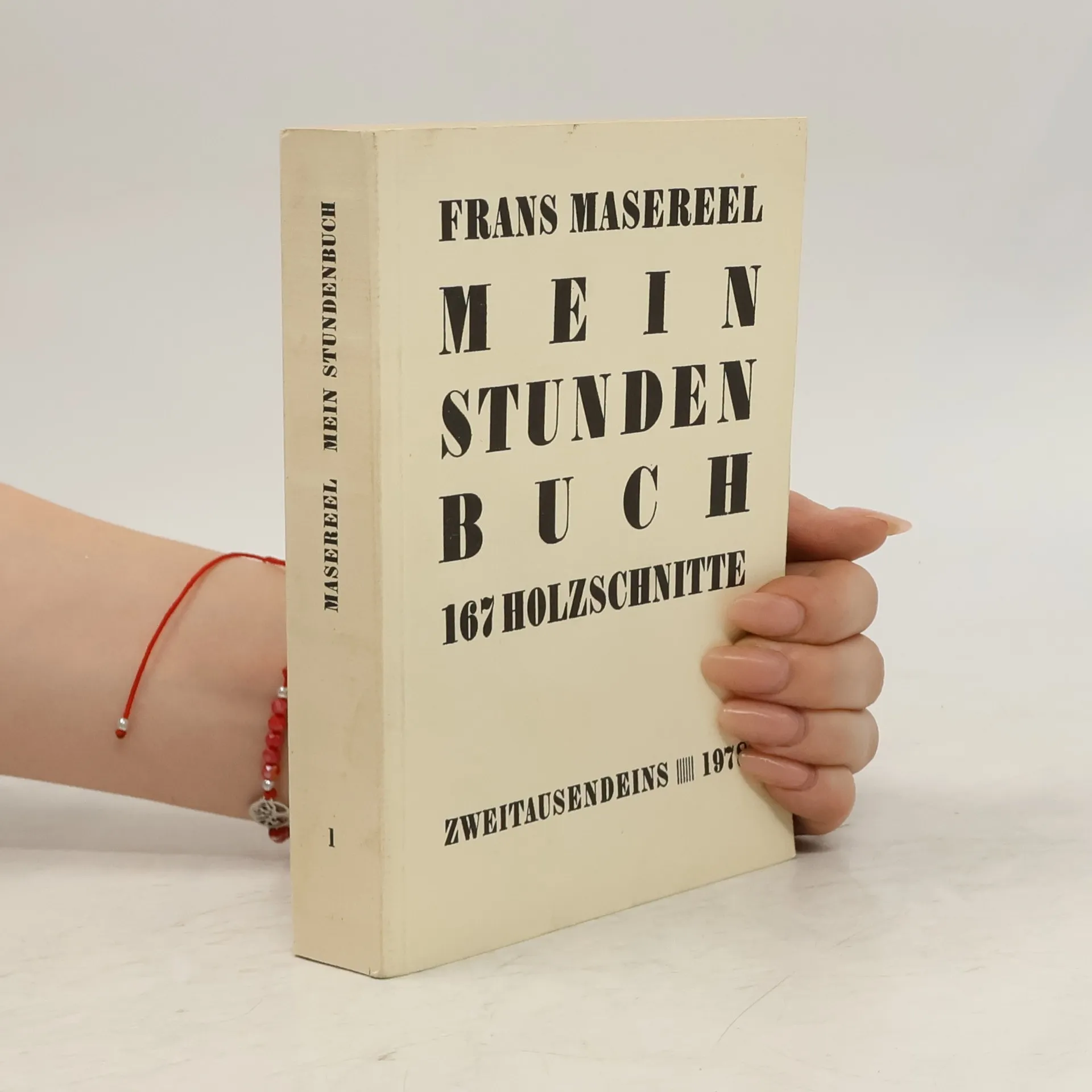
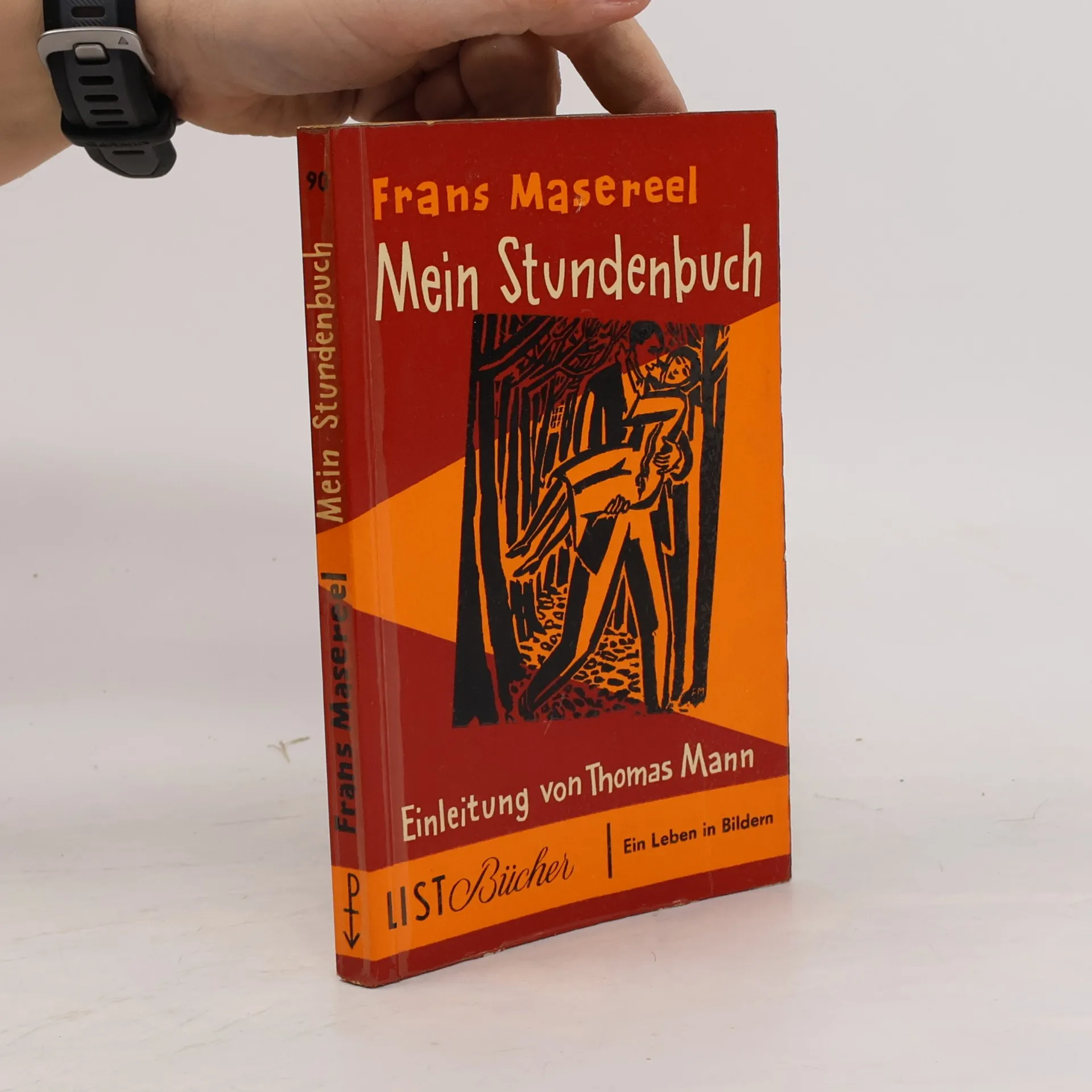
    • Die Geschichte folgt dem Leben eines prototypischen Jedermann des frühen 20. Jahrhunderts, nachdem er in eine Stadt eingetreten ist. Sie ist mal komisch, mal tragisch; eine kranke Frau, um die sich der Mann kümmert, verliert ihr Leben; der Mann furzt vor einer Gruppe von Geschäftsleuten; und er wird von einer Prostituierten, in die er sich verliebt hat, zurückgewiesen. Er unternimmt auch Reisen zu verschiedenen Orten auf der Welt. Am Ende verlässt der Mann die Stadt und geht in den Wald, hebt die Arme zur Lobpreisung der Natur und stirbt. Sein Geist erhebt sich von ihm, stampft auf das Herz seines toten Körpers und winkt dem Leser zu, während er sich ins Universum aufmacht.

      Mein Stundenbuch1957
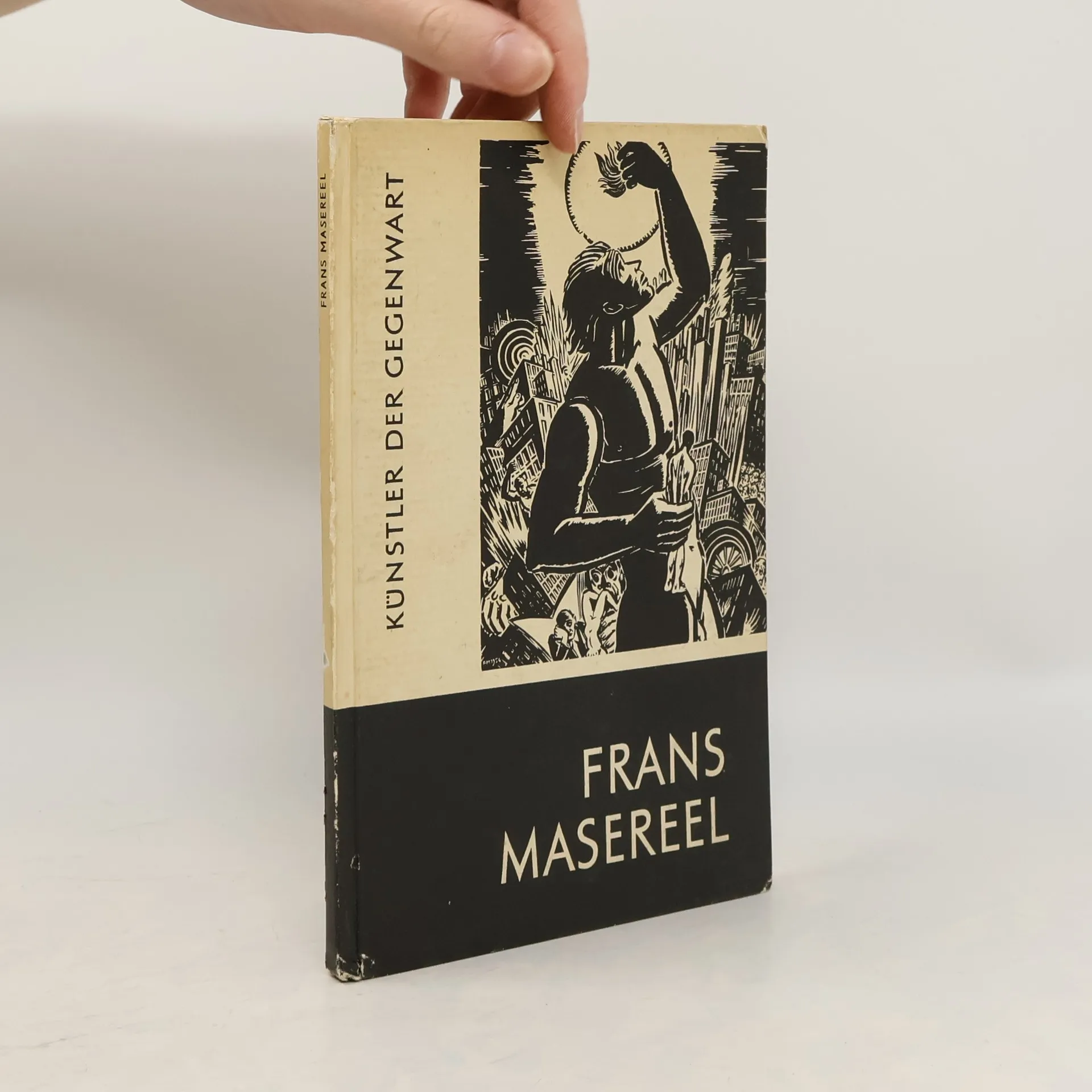
    • Monographie de l'artiste belge Frans Masereel.

      Frans Masereel1950
      4,0