

Bookbot

Bram Buscher

    Bram Büscher explora la sociología del desarrollo y el cambio, centrándose en la política de la conservación neoliberal en el sur de África. Su trabajo examina cómo las áreas de conservación y los parques son moldeados por fuerzas políticas y económicas más amplias. Busca comprender las implicaciones de estos enfoques tanto para las comunidades locales como para la conservación misma. Su investigación contribuye a comprender las complejas relaciones entre desarrollo, conservación y sociedad.

    Die Naturschutzrevolution
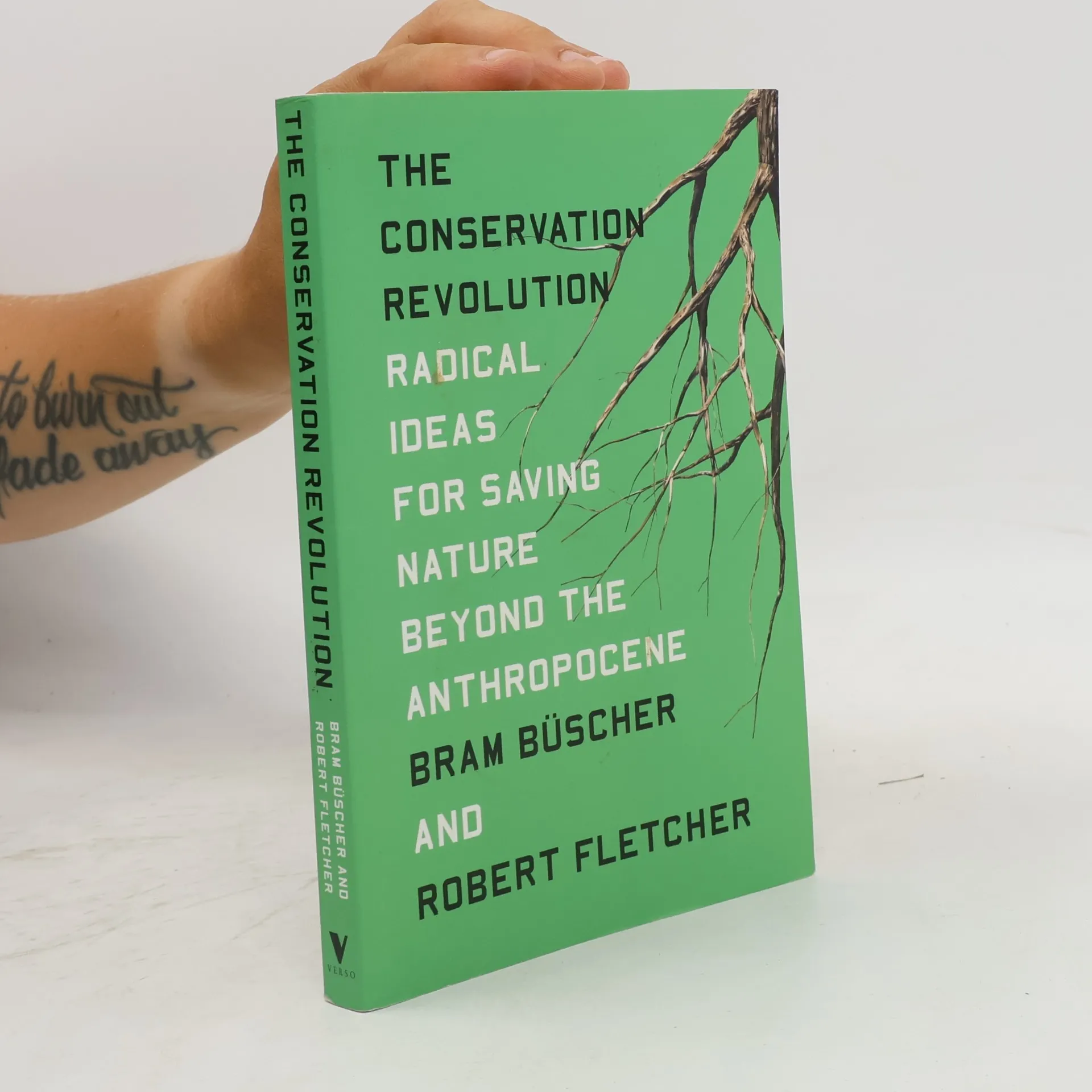
    The Conservation Revolution
    Transforming the Frontier
    • Die Naturschutzrevolution

      Radikale Ideen zur Überwindung des Anthropozäns

      • 280 páginas
      • 10 horas de lectura

      Der Naturschutz muss revolutioniert werden. Anders kann er die drastischen Umwälzungen nicht bewältigen, die notwendig sind, um zu einem nachhaltigen Entwicklungsmodell zu gelangen. Dieses Buch weist den Weg zu einem konvivialen Naturschutz, der auf der Grundlage einer radikalen Kapitalismuskritik für eine gleichberechtigte Koexistenz von Mensch und Natur eintritt. Die gute Nachricht ist, dass der Naturschutz bereit für eine Revolution ist. Die hitzigen Debatten rund um das Anthropozän und das sechste große Artensterben zeigen, dass es dringend notwendig ist, zum Schutz der Natur neue Wege jenseits des Mainstreams zu suchen. Aber in der Frage, wie es weitergehen soll, ist die Naturschutz-Community tief gespalten. Die einen schlagen vor, große Teile des Planeten in Naturschutzgebiete zu verwandeln, die anderen setzen dagegen auf die Entstehung unerwarteter neuer Formen von Natur. Auf allen Seiten hält sich jedoch der Glaube, dass der Naturschutz nur durch eine vollständige Integration in die kapitalistischen Produktionsprozesse funktionieren kann. In diesem Werk soll als Alternative zu diesen bestehenden Vorschlägen die Möglichkeit eines konvivialen Naturschutzes ausgelotet werden, der versucht, menschliche und nicht-menschliche Bedürfnisse miteinander zu vereinbaren.

      Die Naturschutzrevolution2024
    • The Conservation Revolution

      Radical Ideas for Saving Nature Beyond the Anthropocene

      • 240 páginas
      • 9 horas de lectura

      A post-capitalist manifesto for conservation Conservation needs a revolution. This is the only way it can contribute to the drastic transformations needed to come to a truly sustainable model of development. The good news is that conservation is ready for revolution. Heated debates about the rise of the Anthropocene and the current ‘sixth extinction’ crisis demonstrate an urgent need and desire to move beyond mainstream approaches. Yet the conservation community is deeply divided over where to go from here. Some want to place ‘half earth’ into protected areas. Others want to move away from parks to focus on unexpected and ‘new’ natures. Many believe conservation requires full integration into capitalist production processes. Building a razor-sharp critique of current conservation proposals and their contradictions, Büscher and Fletcher argue that the Anthropocene challenge demands something bigger, better and bolder. Something truly revolutionary. They propose convivial conservation as the way forward. This approach goes beyond protected areas and faith in markets to incorporate the needs of humans and nonhumans within integrated and just landscapes. Theoretically astute and practically relevant, The Conservation Revolution offers a manifesto for conservation in the twenty-first century—a clarion call that cannot be ignored.

      The Conservation Revolution2020
    • Transforming the Frontier

      Peace Parks and the Politics of Neoliberal Conservation in Southern Africa

      • 312 páginas
      • 11 horas de lectura

      International peace parks—transnational conservation areas established and managed by two or more countries—have become a popular way of protecting biodiversity while promoting international cooperation and regional development. In Transforming the Frontier , Bram Büscher shows how cross-border conservation neatly reflects the neoliberal political economy in which it developed.Based on extensive research in southern Africa with the Maloti-Drakensberg Transfrontier Conservation and Development Project, Büscher explains how the successful promotion of transfrontier conservation as a "win-win" solution happens not only in spite of troubling contradictions and problems, but indeed because of them. This is what he refers to as the "politics of neoliberal conservation," which receives its strength from effectively combining strategies of consensus, antipolitics, and marketing. Drawing on long-term, multilevel ethnographic research, Büscher argues that transfrontier conservation projects are not as concerned with on-the-ground development as they are purported to be. Instead, they are reframing environmental protection and sustainable development to fit an increasingly contradictory world order.

      Transforming the Frontier2013