
David Hughes es un aclamado crítico de cine y autor cuyo trabajo ha aparecido en destacados periódicos y revistas británicas. Su experiencia se centra en las obras de cineastas icónicos y en el fascinante mundo de las visiones cinematográficas no producidas. Hughes ofrece a los lectores una profunda exploración del arte y la historia del cine. Su escritura es elogiada por su perspicacia y su profunda pasión por el medio.
This is a skilful collection by a poet well acquaintedwith relative place:
wherever a poem lives, it alwaysremembers its place in the world. Indeed,
juxtapositionsand connections - with place, culture, and amonghumans - are
where the poet flexes his muscle - 'worksout' his ideas.
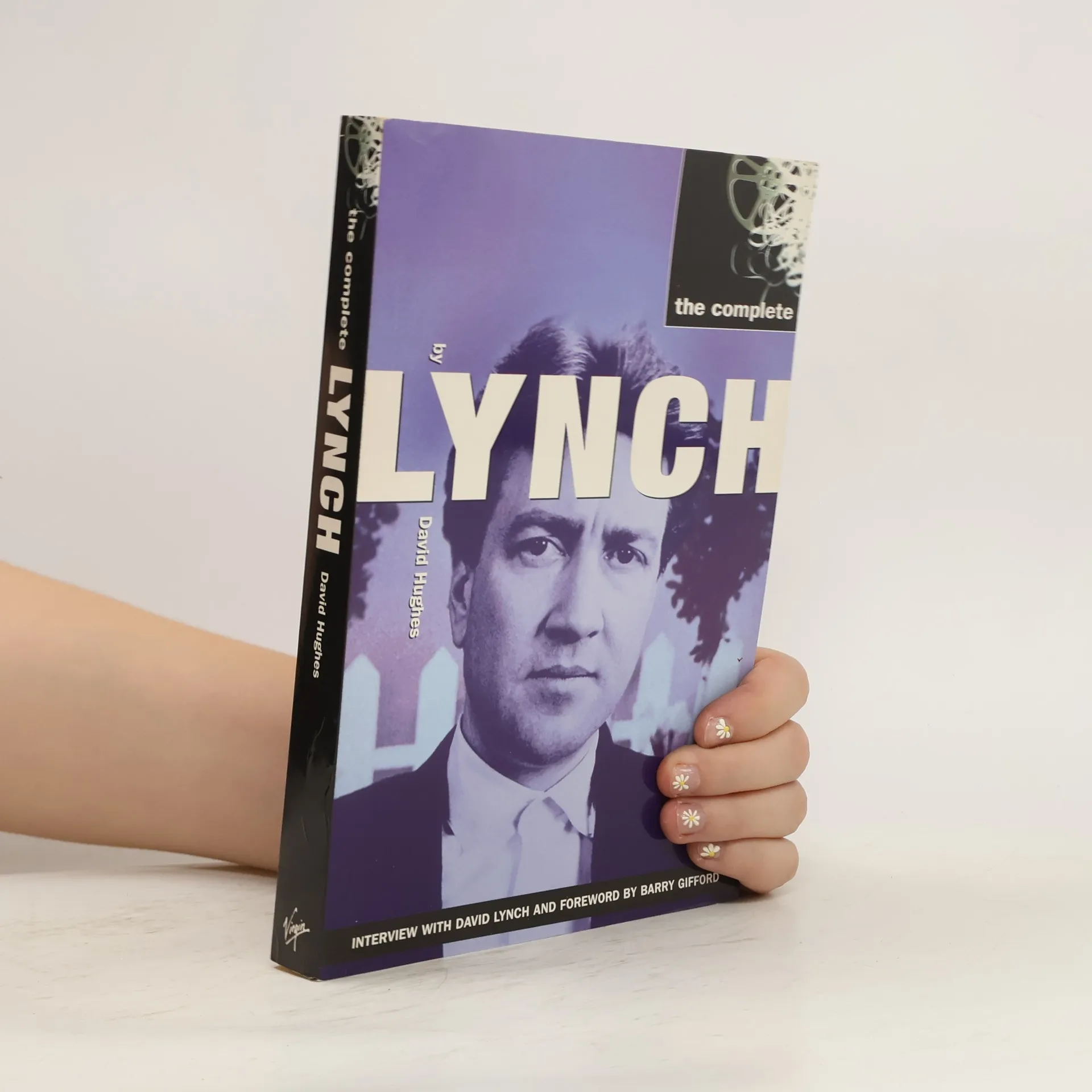
After working with David on his previous work for the series, The Complete Kubrick, we knew we were on to a winner for this book. Not only is David Lynch a master of modern film-making but David Hughes is well-qualified to write this 'complete' book. The book covers all Lynch's films including Mulholland Drive, TV and other projects, as well as the unrealised ventures such as Revenge of the Jedi (later directed by Richard Marquand as Return of the Jedi). It also includes a foreword by Barry Gifford - the novelist behind Wild at Heart and co-writer with Lynch of the screenplay for Lost Highway - and excerpts from a new interview David Hughes carried out with David Lynch himself. The Complete Lynch is the only comprehensive study of this great director.
How Wealth, Power and Corruption Destroyed the JonBenet Ramsey Murder Investigation Contact and Publish Dav
220 páginas
8 horas de lectura
The tragic murder of six-year-old JonBenet Ramsey on Christmas night in 1996 shocked the nation and sparked intense media coverage and public fascination. Set against the backdrop of a seemingly idyllic family life in Boulder, Colorado, the case delves into themes of innocence lost, the complexities of familial relationships, and the impact of media on crime investigation. The mystery surrounding her death continues to resonate, raising questions about justice, accountability, and the lasting effects of unsolved crimes on communities.
Exploring the alarming parallels between the Covid-19 response and the rise of the Third Reich, this book delves into the historical role of Wall Street in facilitating Nazi power and its ongoing influence in shaping a global technocracy. It argues that totalitarianism evolves gradually, drawing connections to current trends in censorship, health surveillance, and the erosion of constitutional rights. The author warns of a potential New World Order that could lead to extreme social control, the privatization of public resources, and the normalization of eugenics, echoing dark chapters of history.
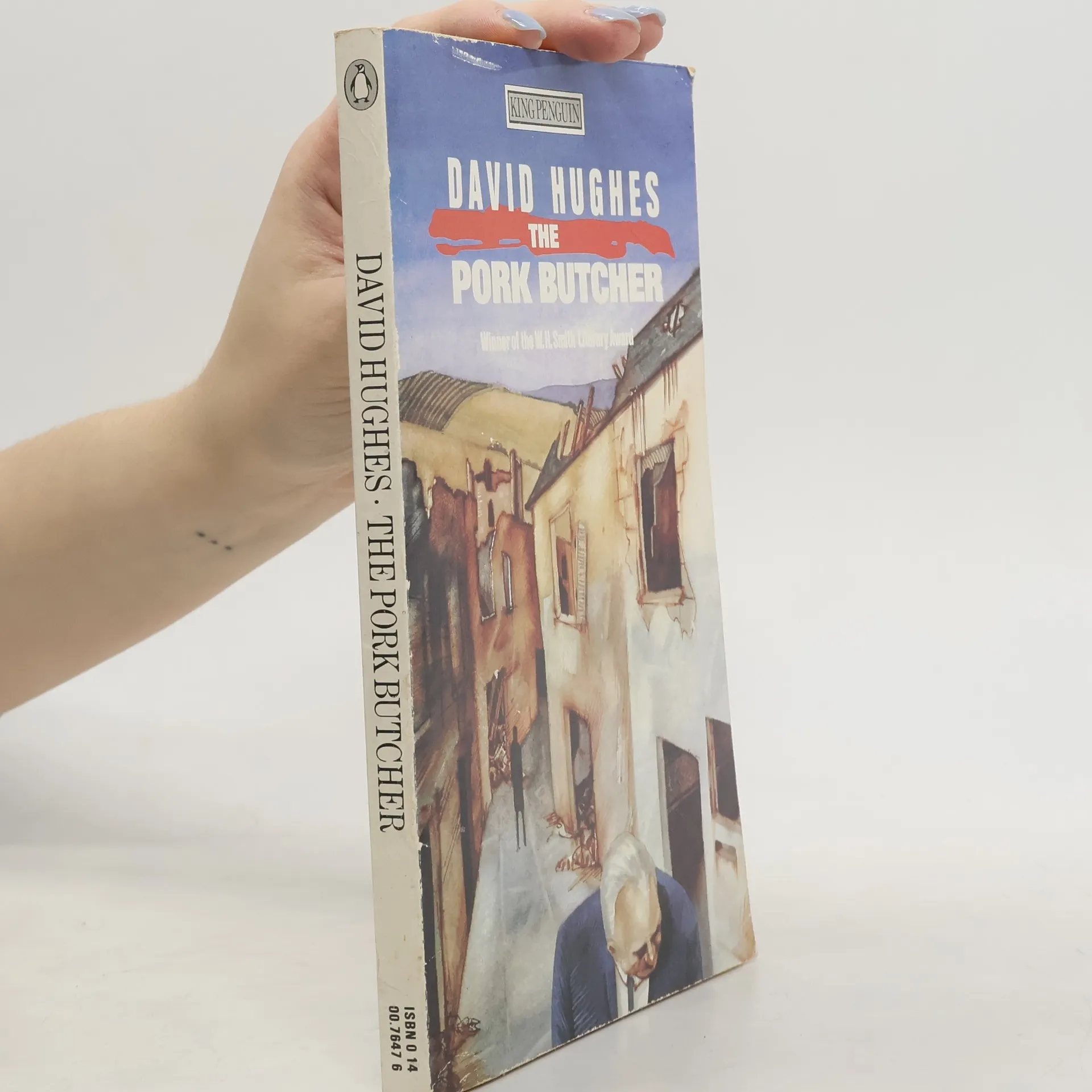
Ernst Kestner, a pork butcher in Lubeck, has guarded a secret so terrible that for 40 years he has been reliving it. Now, under the threat of death, he closes his shop and drives to France for the first time since the war, to confront those memories and settle accounts.
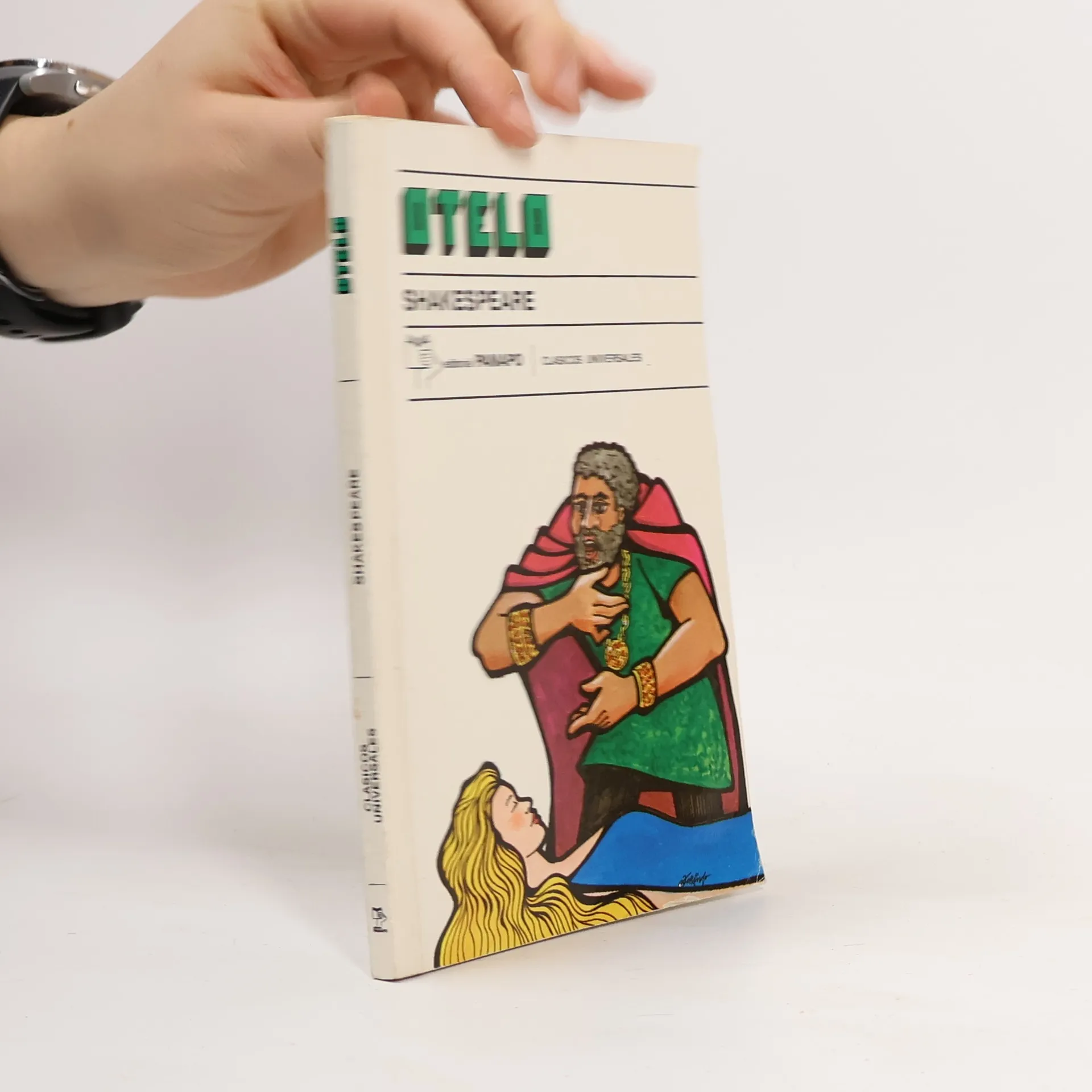
La historia original del moro de Venecia, de Gianbattista Giraldi Cinthio
(1565), sirvió a William Shakespeare para crearáOtelo, la única de sus grandes
tragedias basada en una obra de ficción.á Contraviniendo la imagen isabelina
del moro, Shakespeare invierte los papeles de los protagonistas y otorga al
moro Otelo el carácter de hombre noble y aristocrático, mientras que reserva
para el italiano Yago la perversidad y la hipocresía, desarrollando en él uno
de los estudios más profundos del mal. Al final, el protagonista, como un
auténtico héroe trágico, consciente de su degradación y de su pérdida, escribe
su propio epitafio, con la angustia del héroe destrozado.á Traducción y
edición de Ángel-Luis Pujante, premio Nacional de Traducción.