
Bookbot

Martin Heidegger

    26 de septiembre de 1889 – 26 de mayo de 1976

    Martin Heidegger fue un filósofo alemán cuya obra se asocia a menudo con la fenomenología y el existencialismo, aunque su pensamiento solo debe identificarse con tales movimientos con extrema precaución. Sus ideas han influido profundamente en el desarrollo de la filosofía europea contemporánea, extendiendo su impacto mucho más allá de sus fronteras tradicionales. La evidencia de su alcance se encuentra en campos como la teoría arquitectónica, la crítica literaria, la teología, la psicoterapia y las ciencias cognitivas, lo que da fe de la amplitud y profundidad de sus contribuciones filosóficas.

    Martin Heidegger
    Conferencias y artículos
    Lógica
    Los conceptos fundamentales de la metafísica
    Introducción a la investigación fenomenológica
    Parménides
    Kant y el problema de la metafísica
    • Kant y el problema de la metafísica

      • 298 páginas
      • 11 horas de lectura

      La presente antologa contiene una seleccin de treinta y cuatro cuentos de los autores israels Nurit Zarhi, Yitzhak Orpaz, Alex Epstein, David Grossman, Ruth Almog, Reuven Miran, Yossl Birstein, Orly Castel-Bloom, Lea Aini, Yaron Avitv, Yitzhak Ben-Ner, Aharon Appelfeld, David Shahar, Dea Hadar, Ioram Melcer, Shulamit Hareven, Etgar Keret, Dikla Keydar, Yehoshua Kenaz, Shoham Smith, Savyon Liebrecht, Ronit Mataln, Amos Oz, Dorit Peleg, Dan Tsalka, Yoel Hoffman, Jonathan Fine, Amir Gutfreund, Avshalom Kaveh, Nava Semel, S. Yizhar, Yehudit Hendel, Amnon Jackont y Yoram Kaniuk, realizada por Esther Seligson y Ioram Melcer y publicada por el Fondo de Cultura Econmica y el Instituto para la Traduccin de Literatura Hebrea (ITHL), con el fin de otorgar una visin panormica de la riqueza de las letras hebreas a los lectores de habla hispana.


      Kant y el problema de la metafísica
      4,8
    • Texto de la lécción impartida por Martin Heidegger en la Universidad de Friburgo en el semestre de invierno de 1942-1943, en la que lleva a cabo una profunda reflexión e interpretación del Poema de Parménides.

      Parménides
      4,4
    • Introducción a la investigación fenomenológica es, ante todo, la ruptura con Husserl. Heidegger analiza los conceptos de fenómeno y logos, y la pretensión husserliana de una filosofía como ciencia estricta. Pone de relieve el papel de la matemática en el ideal cartesiano de la ciencia y señala que, al aceptar Husserl acríti

      Introducción a la investigación fenomenológica
      4,4
    • Los conceptos fundamentales de la metafísica

      • 448 páginas
      • 16 horas de lectura

      Heidegger impartió en la Universidad de Friburgo, en el semestre de invierno de 1929/1930, las lecciones que se editan en este volumen. Estos textos son especialmente interesantes en dos sentidos: por una parte contienen un amplio análisis del aburrimiento, cuestión que sólo trata someramente en la lección inaugural pronunciada en la Universidad de Friburgo “¿Qué es metafísica?”; y, por otra, ofrece un tratamiento igualmente minucioso del organismo y de la vida, una temática que Heidegger sólo menciona en Ser y tiempo. De Martin Heidegger (1889-1976) Alianza Editorial ha publicado también: Conceptos Fundamentales, Ontología, La fenomenología del espíritu de Hegel, Caminos de bosque, Hitos, Lógica, Aclaraciones a la poesía de Hölderlin y Prolegómenos para una historia del concepto de tiempo.

      Los conceptos fundamentales de la metafísica
      4,2
    • Lógica

      • 328 páginas
      • 12 horas de lectura

      Martin Heidegger impartió la asignatura de Lógica en el semestre de invierno de 1925-1926 en Marburgo. En este curso contrapone a la lógica tradicional una lógica filosofante en la que se pregunta por el logos, una lógica de la verdad. Si en la primera parte Heidegger se remonta a la interpretación aristotélica de la verdad, en la segunda desarrolla la pregunta radical por la verdad en el horizonte de la analítica de la existencia, donde el peso principal recae sobre la temática del tiempo. Su interpretación de la Crítica de la razón pura muestra el significado de la problemática del tiempo para Kant. Este curso es imprescindible para conocer la génesis del pensamiento de Heidegger. De Martin Heidegger (1889-1976) Alianza Editorial ha publicado también Conceptos fundamentales, Caminos de bosque, Ontología e Hitos.

      Lógica
      4,0
    • Este libro, mientras no sea leído, es una recopilación de conferencias y ensayos. Para el lector podría llegar a ser una colección que ya no necesita preocuparse del carácter singular de cada fragmento. El lector se vería llevado a un camino por el que ha andado antes un autor que, en caso de tener suerte, pondrá en marcha como auctor un augere, un hacer properar y crecer. En el presente caso, de lo que se trata es, como en anteriores ocasiones, de esforzarse para que por medio de incesantes intentos, a aquello que desde antiguo hay que pensar, pero que aún no ha sido pensado, se le prepare una región desde cuyo espacio de juego lo no pensado reclame un pensar.

      Conferencias y artículos
      4,0
    • En el semestre de invierno de 1920/1921 el joven Martin Heidegger (1889-1976) dictó una lección que lleva por título Introducción a la fenomenología de la religión. Es la primera vez y la última que dedicará una lección o un escrito íntegramente a esta materia. Si en la primera parte se dedica por extenso a la cuestión previa de fijar y delimitar el método fenomenológico para ajustarlo a lo que él llama vida fáctica, en la segunda analiza la experiencia originaria de San Pablo de la vida fáctica. A diferencia de la exegética del momento, Heidegger considera las cartas paulinas no como escritos doctrinales, sino como documentos de la propia experiencia vital de San Pablo en cuanto creyente. De esta forma, ofrece un análisis de la concepción de la vida del cristianismo determinado por la expectativa de la inminente venida del Mesías. En la fenomenología de la religión de Heidegger el lector se encontrará con un extraordinario estudio de la experiencia originaria de la religiosidad en el que se transparece la visión cristiana primitiva de la vida fáctica. Por otro lado, Heidegger se adentra hasta el fenómeno religioso y la experiencia religiosa fundante mostrando de esta forma los momentos constitutivos de la existencia humana articulada en mundo propio, mundo compartido y mundo circundante.

      Introducción a la fenomenología de la religión
      4,1
    • A pesar de su carácter de bosquejo, el curso de Maburgo del semestre de verano de 1926 puede considerarse un intento de Heidegger, en la fase de concepción de Ser y Tiempo, por recorrer filosóficamente la historia de la filosofía griega hasta Aristóteles. Repite el comienzo decisivo de la filosofía occidental como el proceso de descubrimiento del ser a partir del ente que se configura de modo cada vez más rico y diferenciado, porque solo así la filosofía actual podría llegar a apropiarse de un modo satisfactorio de las posibilidades contenidas en su preguntar. En la Primera Sección, el curso aborda el tratamiento que hace Aristóteles en el primer libro de la Metafísica de la filosofía griega que le precede. La Segunda Sección del curso, que comienza con Tales y se ocupa de los pensadores y las corrientes de pensamiento significativos, trata estadios importantes de la filosofía griega. Heidegger ve un movimiento ascendente de autodespliegue del pensamiento del ser hasta su apogeo en la filosofía aristotélica. Este curso constituye una prueba de que el modo heideggeriano de formular y desarrollar el pensamiento del ser corresponde a una parte esencial de su ocupación con la historia, las formas del pensamiento y los conceptos fundamentales de la filosofía griega.

      Preguntas fundamentales de la filosofía
      4,1
    • La proposición del fundamento

      • 172 páginas
      • 7 horas de lectura

      Éste es un libro en el que, a sabiendas, se transgreden los géneros propios de las convenciones literarias. En su mayor parte manuscrito destinado a reflejar el último curso dictado por Heidegger en la Universidad de Friburgo de Brisgovia, esta obra presupone el oído atento a los asistentes y juega con aliteraciones, redundancias y aun cacofonías que reverberan y cabrillean de modo extraño al ser leídas en un escrito. Índice: Prefacio.- Curso de trece lecciones.- Conferencia: La proposición del fundamento.

      La proposición del fundamento
      4,1
    • Conceptos fundamentales

      • 182 páginas
      • 7 horas de lectura

      Con el título CONCEPTOS FUNDAMENTALES se designa el curso que Heidegger impartió en el semestre de verano de 1941 en la Universidad de Friburgo. El texto es un comentario a la sentencia de Anaximandro «toma al cuidado el ente en total»; esto es: párate a pensar que en el ente en total, en aquello que desde allí interpela al hombre, radica todo. «Conceptos fundamentales significa concebir el fundamento, alcanzar el suelo, llegar a estar allí donde sólo mora una estancia y una constancia, donde ocurren todas las decisiones, pero de donde también toda indecisión toma prestado su escondite». De Martin Heidegger (1889-1976) Alianza Editorial ha publicado también Prolegómenos para una historia del concepto de tiempo, Aclaraciones a la poesía de Hölderlin, Lógica, Hitos, Caminos de bosque, Ontología y La fenomenología del espíritu de Hegel.

      Conceptos fundamentales
      4,0
    • Esta "Introducción a la metafísica" es una auténtica inmersión en el pensamiento de Heidegger. La obra se presenta como una profunda reflexión sobre los fundamentos de nuestra situación planetaria. A través de sus páginas, el autor invita al lector a explorar cuestiones fundamentales sobre la existencia, el ser y la naturaleza de la realidad. Heidegger aborda temas que trascienden el tiempo y el espacio, ofreciendo una perspectiva que invita a la meditación y el cuestionamiento. Su estilo accesible permite que la obra sea leída con facilidad, facilitando una comprensión inmediata de conceptos complejos. Esta obra se convierte así en un punto de partida esencial para aquellos que buscan adentrarse en el pensamiento metafísico y en la filosofía contemporánea.

      Introducción a la metafisica
      4,0
    • A partir de la pregunta 'qué es el tiempo' se elabora una exégesis crítica de la concepción tradicional del tiempo imperante en la física y en la filosofía en un fructífero diálogo con Aristóteles y san Agustín, para desembocar en su proyecto de una ontología fundamental que afirma la radical historicidad de la vida humana desde una sugestiva interpretación del fenómeno de la muerte.

      El concepto de tiempo
      4,0
    • La Ontología (Hermenéutica de la facticidad), esto es, las lecciones que Heidegger impartió en 1923 en la Universidad de Friburgo, constituyen el origen de dos hitos de la filosofía del siglo XX: por un lado, presentan por primera vez el programa de la hermenéutica de la existencia que culminaría en Ser y tiempo; por otro, constituyen el germen de una fecunda línea de producción filosófica: la hermenéutica contemporánea. Se trata, por tanto, de una obra imprescindible para entender la gestación de una de las filosofías más influyentes de nuestra época. De Martin Heidegger (1889-1976) Alianza Editorial ha publicado también Caminos de bosque, Conceptos fundamentales, Hitos, Fenomenología del espíritu de Hegel, Lógica, Aclaraciones a la poesía de Hölderlin, Prolegómenos para una historia del concepto de tiempo y Los conceptos fundamentales de la metafísica.

      Ontología
      4,1
    • ¿En qué momento adquiere Heidegger plena conciencia del problema del ser? ¿Cómo cabe abordar filosóficamente esta cuestión? ¿Sobre qué presupuestos metodológicos descansa una ontología de la vida humana? ¿Qué autores y qué textos marcan el rumbo de su investigación filosófica? He ahí una batería de preguntas a las que este escrito ofrece una primera respuesta que sorprenderá a aquellos lectores que todavía no están familiarizados con la obra temprana de Heidegger. Estas «Interpretaciones fenomenológicas» sobre Aristóteles, redactadas en 1922 con cierta urgencia para optar a una vacante de profesor titular, delatan desde sus páginas iniciales una preocupación metodológica fundamental por el tema de la vida humana, en concreto, por el ser de la vida humana.

      Interpretaciones fenomenológicas sobre Aristóteles
      4,0
    • On My Own Publications

      • 500 páginas
      • 18 horas de lectura

      The book explores Martin Heidegger's introspective approach to philosophy, highlighting his practice of commenting on and interpreting his own writings. This self-critical orientation reflects his unique journey through complex ideas and concepts, offering readers insight into his thought process and the development of his philosophical landscape.

      On My Own Publications
      5,0
    • Reconstructs Martin Heidegger's lecture course at the University of Marburg, devoted to an interpretation of Plato's "Sophist" and Aristotle. The lectures approach Plato through a detailed reading of the "Nichomachean Ethics", providing one of Heidegger's major interpretations of Aristotle.

      Plato's Sophist
      4,4
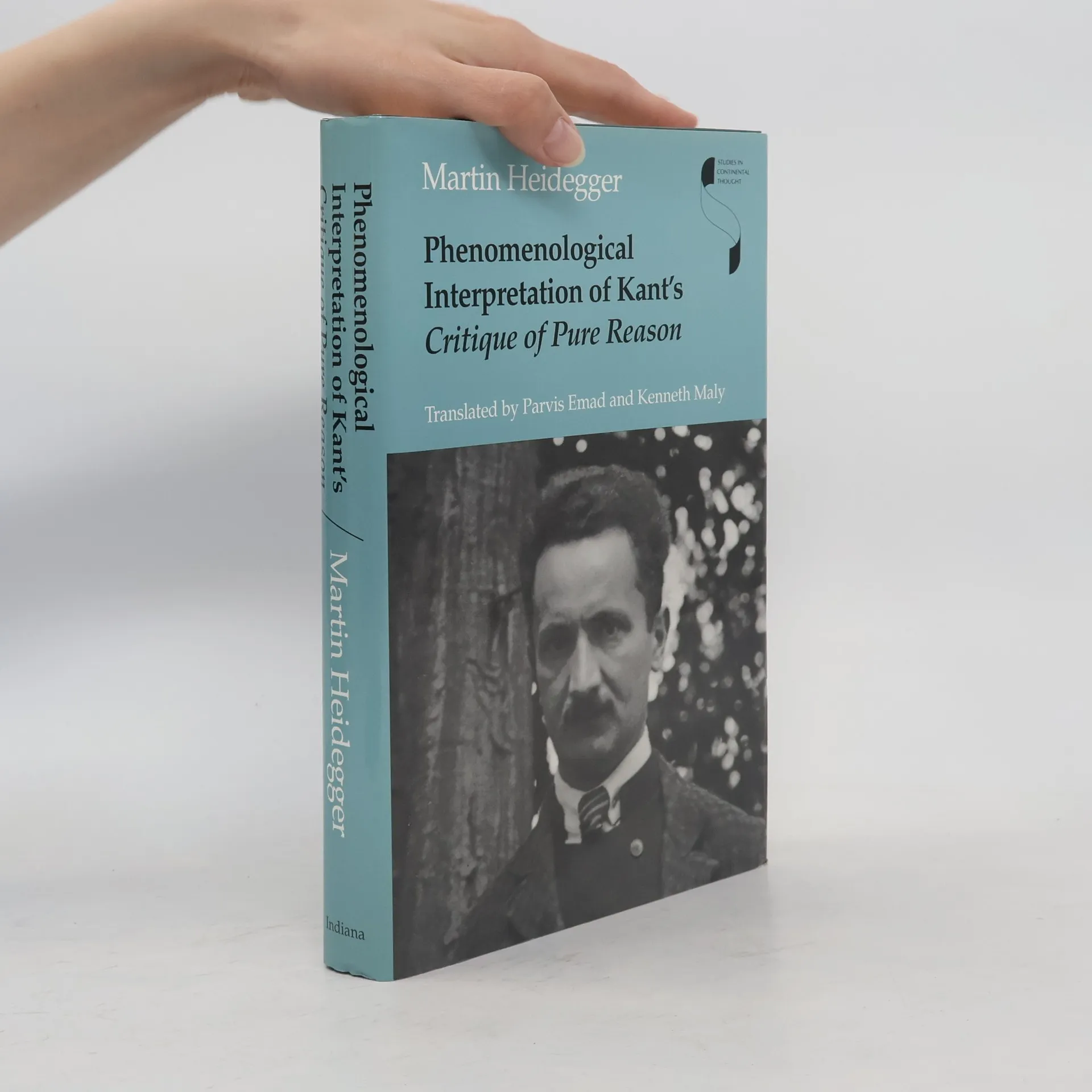
    • The text of Martin Heidegger's 1927--28 university lecture course on Immanuel Kant's Critique of Pure Reason presents a close interpretive reading of the first two parts of this masterpiece of modern philosophy. In this course, Heidegger continues the task he enunciated in Being and Time as the problem of dismatling the history of ontology, using temporality as a clue. Within this context the relation between philosophy, ontology, and fundamental ontology is shown to be rooted in the genesis of the modern mathematical sciences. Heidegger demonstrates that objectification of beings as beings is inseparable from knowledge a priori, the central problem of Kant's Critique. He concludes that objectification rests on the productive power of imagination, a process that involves temporality, which is the basic constitution of humans as beings.

      Phenomenological interpretation of Kant's Critique of Pure Reason
      4,4
    • The fundamental concepts of metaphysics

      • 512 páginas
      • 18 horas de lectura

      Includes a treatment of the history of metaphysics and an elaboration of a philosophy of life and nature. This work defines and develops Heidegger's concepts of organism, animal behaviour, and environment.

      The fundamental concepts of metaphysics
      4,3
    • Logic

      The Question of Truth

      • 376 páginas
      • 14 horas de lectura

      The author, a prominent figure in Religious Studies, brings a wealth of academic insight to the exploration of faith and spirituality. His background as a professor at Stanford University underscores his expertise, offering readers a deep understanding of complex religious themes and philosophical inquiries. Through his work, he aims to engage with the nuances of belief systems and their impact on human experience, making significant contributions to the field of religious studies.

      Logic
      5,0
    • Martin Heidegger's reading of Aristotle was one of the pivotal influences in the development of his philosophy. First published in German in 1981 as volume 33 of Heidegger's Collected Works, this book translates a lecture course he presented at the University of Freiburg in 1931. Heidegger's careful translation and his probing commentary on the first three chapters of Book IX of Metaphysics show the close correlation between his phenomenological interpretation of the Greeks (especially of Aristotle) and his critique of metaphysics. Additionally, Heidegger's confrontation with Aristotle's Greek text makes a significant contribution to contemporary scholarship on Aristotle, particularly the understanding of potentiality in Aristotle's thought. Finally, the book exemplifies Heidegger's gift for teaching students how to read a philosophical text and how to question that text in a philosophical way.

      Aristotle's metaphysics Θ [Theta] 1 - 3
      4,3
    • The Metaphysics of German Idealism

      • 180 páginas
      • 7 horas de lectura

      "A major work by one of the most influential philosophers of the 20th century, published here in English for the first time"-- Provided by publisher

      The Metaphysics of German Idealism
      4,2
    • Logic

      • 356 páginas
      • 13 horas de lectura

      Martin Heidegger's 1925-26 lectures on truth and time provided much of the basis for his work, "Being and Time". This title is central to Heidegger's overall project of reinterpreting Western thought in terms of time and truth. It shows the degree to which Aristotle underlies Heidegger's hermeneutical theory of meaning.

      Logic
      4,3
    • Basic concepts of Aristotelian philosophy

      • 296 páginas
      • 11 horas de lectura

      Presents Martin Heidegger's important 1924 Marburg lectures that anticipate much of the revolutionary thinking which he subsequently articulated in "Being and Time". This book interprets Aristotle's "Rhetoric" and looks at the Greek notion of pathos.

      Basic concepts of Aristotelian philosophy
      4,3
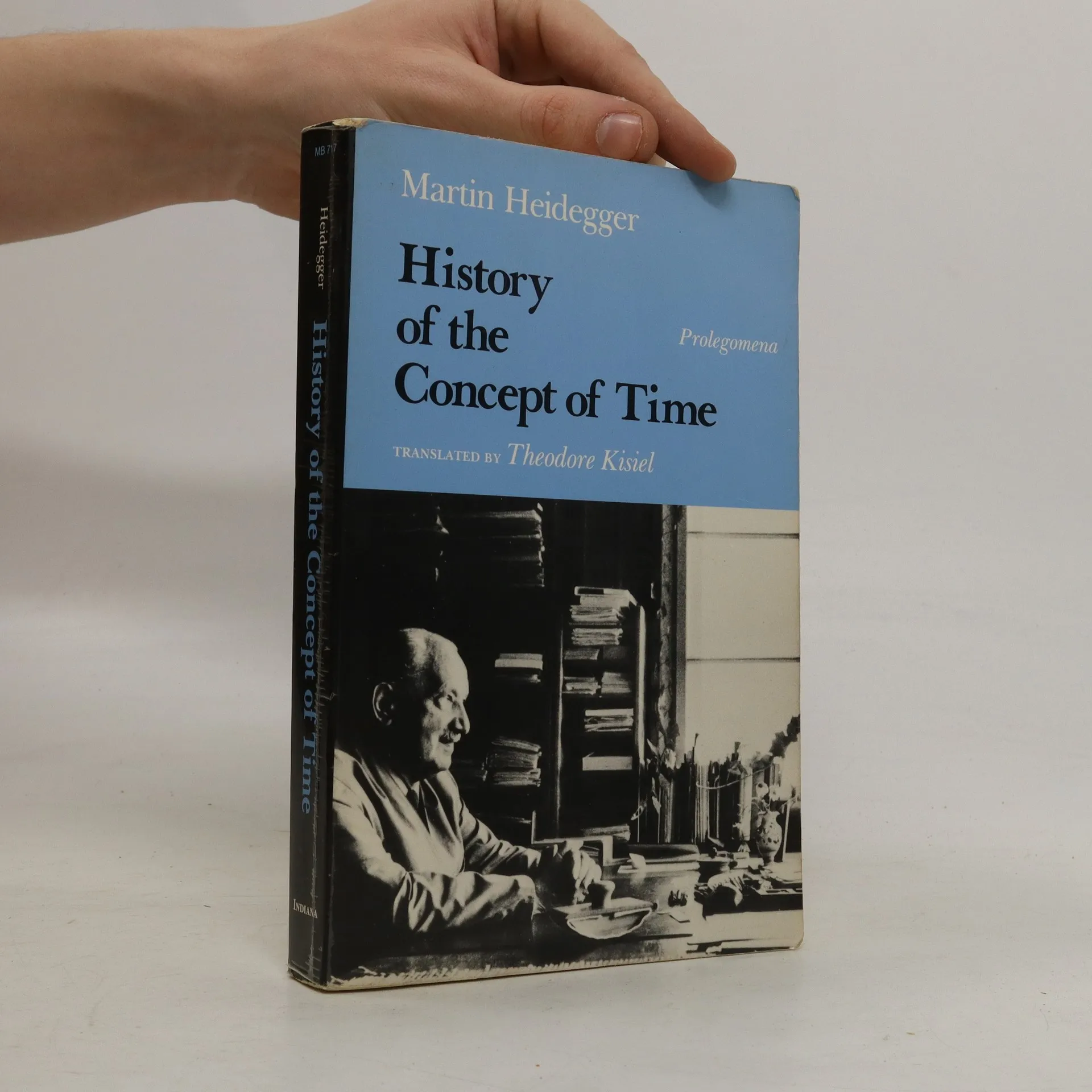
    • Heidegger's lecture course at the University of Marburg in the summer of 1925, an early version of Being and Time (1927), offers a unique glimpse into the motivations that prompted the writing of this great philosopher's master work and the presuppositions that gave shape to it. The book embarks upon a provisional description of what Heidegger calls "Dasein," the field in which both being and time become manifest. Heidegger analyzes Dasein in its everydayness in a deepening sequence of terms: being-in-the-world, worldhood, and care as the being of Dasein. The course ends by sketching the themes of death and conscience and their relevance to an ontology that makes the phenomenon of time central. Theodore Kisiel's outstanding translation premits English-speaking readers to appreciate the central importance of this text in the development of Heidegger's thought.--

      History of the Concept of Time
      4,3
    • Martin Heidegger's 1942 lecture course interprets Friedrich Hölderlin's hymn "The Ister" within the context of Hölderlin's poetic and philosophical work, with particular emphasis on Hölderlin's dialogue with Greek tragedy. Delivered in summer 1942 at the University of Freiburg, this course was first published in German in 1984 as volume 53 of Heidegger's Collected Works. Revealing for Heidegger's thought of the period are his discussions of the meaning of "the political" and "the national," in which he emphasizes the difficulty and the necessity of finding "one's own" in and through a dialogue with "the foreign." In this context Heidegger reflects on the nature of translation and interpretation. A detailed reading of the famous chorus from Sophocles' Antigone, known as the "ode to man," is a key feature of the course.

      Hölderlin's hymn "The Ister"
      4,3
    • Being and Time

      • 592 páginas
      • 21 horas de lectura

      "What is the meaning of being?" This is the central question of Martin Heidegger's profoundly important work, in which the great philosopher seeks to explain the basic problems of existence. A central influence on later philosophy, literature, art, and criticism—as well as existentialism and much of postmodern thought—Being and Time forever changed the intellectual map of the modern world. As Richard Rorty wrote in the New York Times Book Review, "You cannot read most of the important thinkers of recent times without taking Heidegger's thought into account." This first paperback edition of John Macquarrie and Edward Robinson's definitive translation also features a new foreword by Heidegger scholar Taylor Carman.

      Being and Time
      4,3
    • Being and Truth

      • 256 páginas
      • 9 horas de lectura

      Gregory Fried, a prominent philosopher and chair of the Philosophy Department at Suffolk University, explores the intersections of Heidegger's thought in his works. His notable publication, "Heidegger's Polemos: From Being to Politics," delves into the philosophical implications of Heidegger's ideas, while he also contributes as an editor to "A Companion to Heidegger's Introduction to Metaphysics," collaborating with Richard Polt to provide insights into this foundational text.

      Being and Truth
      4,2
    • Contributions to philosophy

      • 420 páginas
      • 15 horas de lectura

      "The fugally structured work comprises six "joinings" - "Echo," "Playing-Forth," "Leap," "Grounding," "The Ones to Come," and "The Last God" - and a final section, "Be-ing," which together illuminate what enowns and thus enables thinking."--BOOK JACKET.

      Contributions to philosophy
      4,2
    • Country Path Conversations

      • 232 páginas
      • 9 horas de lectura

      First published in German in 1995, volume 77 of Heidegger's Complete Works consists of three imaginary conversations written as World War II was coming to an end. Composed at a crucial moment in history and in Heidegger's own thinking, these conversations present meditations on science and technology; the devastation of nature, the war, and evil; and the possibility of release from representational thinking into a more authentic relation with being and the world. The first conversation involves a scientist, a scholar, and a guide walking together on a country path; the second takes place between a teacher and a tower-warden, and the third features a younger man and an older man in a prisoner-of-war camp in Russia, where Heidegger's two sons were missing in action. Unique because of their conversational style, the lucid and precise translation of these texts offers insight into the issues that engaged Heidegger's wartime and postwar thinking.

      Country Path Conversations
      3,5
    • What Is Called Thinking?

      • 272 páginas
      • 10 horas de lectura

      The book presents a systematic exploration of Heidegger's late philosophy, making it a crucial resource for understanding his thoughts. Renowned thinker Hannah Arendt highlights its significance, suggesting that it rivals even Heidegger's seminal work, Being and Time. The text delves into the nature of thinking and its implications, offering readers an engaging and profound insight into Heidegger's philosophical evolution.

      What Is Called Thinking?
      4,2
    • Joan Stambaugh's translations of the works of Heidegger, accomplished with his guidance, have made key aspects of his thought and philosophy accessible to readers of English for many years. This collection, writes Stambaugh, contains Heidegger's attempt "to show the history of Being as metaphysics," combining three chapters from the philosopher's Nietzsche ("Metaphysics as a History of Being," "Sketches for a History of Being as Metaphysics," and "Recollection in Metaphysics") with a selection from Vorträge und Aufsätze ("Overcoming Metaphysics").

      The end of philosophy
      4,2
    • Martin Heidegger's Nietzsche's Second Untimely Meditation presents crucial elements for understanding Heidegger's thinking from 1936 to 1940. Heidegger offers a radically different reading of a text that he had read decades earlier, showing how his relationship with Nietzche's has changed, as well as how his understandings of the differences between animals and humans, temporality and history, and the Western philosophical tradition developed. With his new reading, Heidegger delineates three Nietzschean modes of history, which should be understood as grounded in the structure of temporality or historicity and also offers a metaphysical determination of life and the essence of humankind. Ullrich Hasse and Mark Sinclair offer a clear and accessible translation despite the fragmentary and disjointed quality of the original lecture notes that comprise this text.

      Interpretation of Nietzsche's second untimely meditation
      3,8
    • DISCOURSE ON THINKING

      • 94 páginas
      • 4 horas de lectura

      An excerpt from the Preface. ....Those well versed in the intricacies of Heidegger's thought may find the Conversation a refreshingly concrete presentation of one of the fundamental points in his philosophy. The interplay of thought and argument, the free use of word and metaphor, the poetic summaries, all offer a new perspective on an abstract argument, which should be of help in rounding out an awareness of the vision Heidegger has of the place of man in Being. And for the philosopher or theologian as yet unacquainted with Martin Heidegger's thought, the Memorial Address and Conversation might well provide a tempting taste of a philosophy which already has a place in history....

      DISCOURSE ON THINKING
      2,0
    • To find more information about Rowman and Littlefield titles, please visit www.rowmanlittlefield.com.

      What is philosophy?
      4,0
    • This revised and expanded edition of Martin Heidegger's BASIC WRITINGS includes ten key essays plus the Introduction to BEING AND TIME. An essential collection, BASIC WRITINGS provides a concise introduction to the thought of this controversial and important 20th-century philosopher.

      Basic writings
      4,1
    • Correspondence 1949-1975

      • 120 páginas
      • 5 horas de lectura

      A complete English translation of the correspondence between the philosopher Martin Heidegger and the novelist and essayist Ernst Jünger, together with a translation of Jünger's essay Across the Line.

      Correspondence 1949-1975
      3,9
    • This thoroughly revised commentary uses the most recent insights in Heidegger studies to lead the reader through the sometimes difficult text of Being and Time. The clearly marked section-by-section analysis explains the structure of Being and Time, illuminates obscure passages, and presents examples of human experience to elucidate Heidegger's points. So that the reader does not lose sight of the main argument, Gelven summarizes the relevant concepts of Heidegger's chapters prior to his explicit interpretation of each section. Even though Gelven's commentary is primarily intended to be used as a supplement to Being and Time, the text also serves as an articulate study in Heideggerian philosophy.

      A Commentary on Heidegger's Being and Time
      4,0
    • Four seminars

      • 120 páginas
      • 5 horas de lectura

      In Four Seminars, Heidegger reviews the entire trajectory of his thought and offers unique perspectives on fundamental aspects of his work. First published in French in 1976, these seminars were translated into German with Heidegger's approval and reissued in 1986 as part of his Gesamtausgabe , volume 15. Topics considered include the Greek understanding of presence, the ontological difference, the notion of system in German Idealism, the power of naming, the problem of technology, danger, and the event. Heidegger's engagements with his philosophical forebears―Parmenides, Heraclitus, Kant, and Hegel―continue in surprising dialogues with his contemporaries―Husserl, Marx, and Wittgenstein. While providing important insights into how Heidegger conducted his lectures, these seminars show him in his maturity reflecting back on his philosophical path. An important text for understanding contemporary philosophical debates, Four Seminars provides extraordinarily rich material for students and scholars of Heidegger.

      Four seminars
      3,8
    • Discourse on Thinking

      A Translation of Gelassenheit (Harper Colophon)

      • 96 páginas
      • 4 horas de lectura

      Exploring the nature of thought, this work delves into how shifting perspectives can transform our understanding of familiar situations. It challenges readers to engage with profound questions that arise when we encounter the ordinary in new and unexpected ways. The text invites introspection and encourages a deeper examination of our perceptions, ultimately fostering a more nuanced approach to everyday experiences.

      Discourse on Thinking
      4,0
    • On Hegel's Philosophy of Right

      • 248 páginas
      • 9 horas de lectura

      This is the first English translation of the seminar Martin Heidegger gave during the Winter of 1934-35, which dealt with Hegel's Philosophy of Right. This remarkable text is the only one in which Heidegger interprets Hegel's masterpiece in the tradition of Continental political philosophy while offering a glimpse into Heidegger's own political thought following his engagement with Nazism. It also confronts the ideas of Carl Schmitt, allowing readers to reconstruct the relation between politics and ontology. The book is enriched by a collection of interpretations of the seminar, written by select European and North American political thinkers and philosophers. Their essays aim to make the seminar accessible to students of political theory and philosophy, as well as to open new directions for debating the relation between the two disciplines. A unique contribution, this volume makes available key lectures by Heidegger that will interest a wide readership of students and scholars.

      On Hegel's Philosophy of Right
      2,7
    • Poetry, language and thought

      • 256 páginas
      • 9 horas de lectura

      Essential reading for students and anyone interested in the great philosophers, this book opened up appreciation of Martin Heidegger beyond the confines of philosophy to the reaches of poetry. In Heidegger's thinking, poetry is not a mere amusement or form of culture but a force that opens up the realm of truth and brings man to the measure of his being and his world.

      Poetry, language and thought
      3,8
    • Correspondence

      1919-1973

      • 336 páginas
      • 12 horas de lectura

      The book offers a comprehensive collection of the correspondence between philosopher Martin Heidegger and his student Karl Löwith, shedding light on their intellectual exchanges and personal relationship. This unprecedented compilation enhances the understanding of German intellectual and cultural history, providing insights into Heidegger's philosophical development and the influence he had on Löwith.

      Correspondence
    • Thought Poems

      A Translation of Heidegger's Verse

      • 660 páginas
      • 24 horas de lectura

      The Gedachtes, or thought poems, showcase Heidegger's poetic language, intertwining musicality and allusion with profound insights into humanity's fundamental connections. This translation of GA81 presents both the German text and its English counterpart, revealing new perspectives on the interplay between language and existence. The work highlights Heidegger's ability to express complex philosophical ideas in a beautifully engaging manner, inviting readers to explore deep existential themes.

      Thought Poems
    • The texts and notes in this volume provide unique insights into Heidegger’s evolving thoughts on language and art from the late 1930s to the early 1950s, a period marked by personal and national upheaval. Following Germany's defeat in World War II, Heidegger faced a teaching ban at Freiburg University, prompting significant shifts in his philosophy of language as he explored new modes of silence and non-saying. This collection highlights these changes and tracks the development of key terms in his philosophy during this transformative time. Central to Heidegger’s reflections is his engagement with the nature of the word, silence, and the unsaid, as he critiques the instrumental view of language, emphasizing conversation as the "homeland of language." The text includes references to Hölderlin and von Hofmannsthal, alongside a thoughtful examination of aural phenomena like silent thought and speechlessness, illustrating the deep connection between speech and human essence. Additionally, Heidegger explores the role of art, particularly the plastic arts, and the artist's position within the modern industrial landscape, contrasting it with ancient Greek views on space and community. This significant work, now available in English for the first time, will captivate students and scholars of philosophy and those interested in Heidegger’s ideas.

      On the Essence of Language and the Question of Art
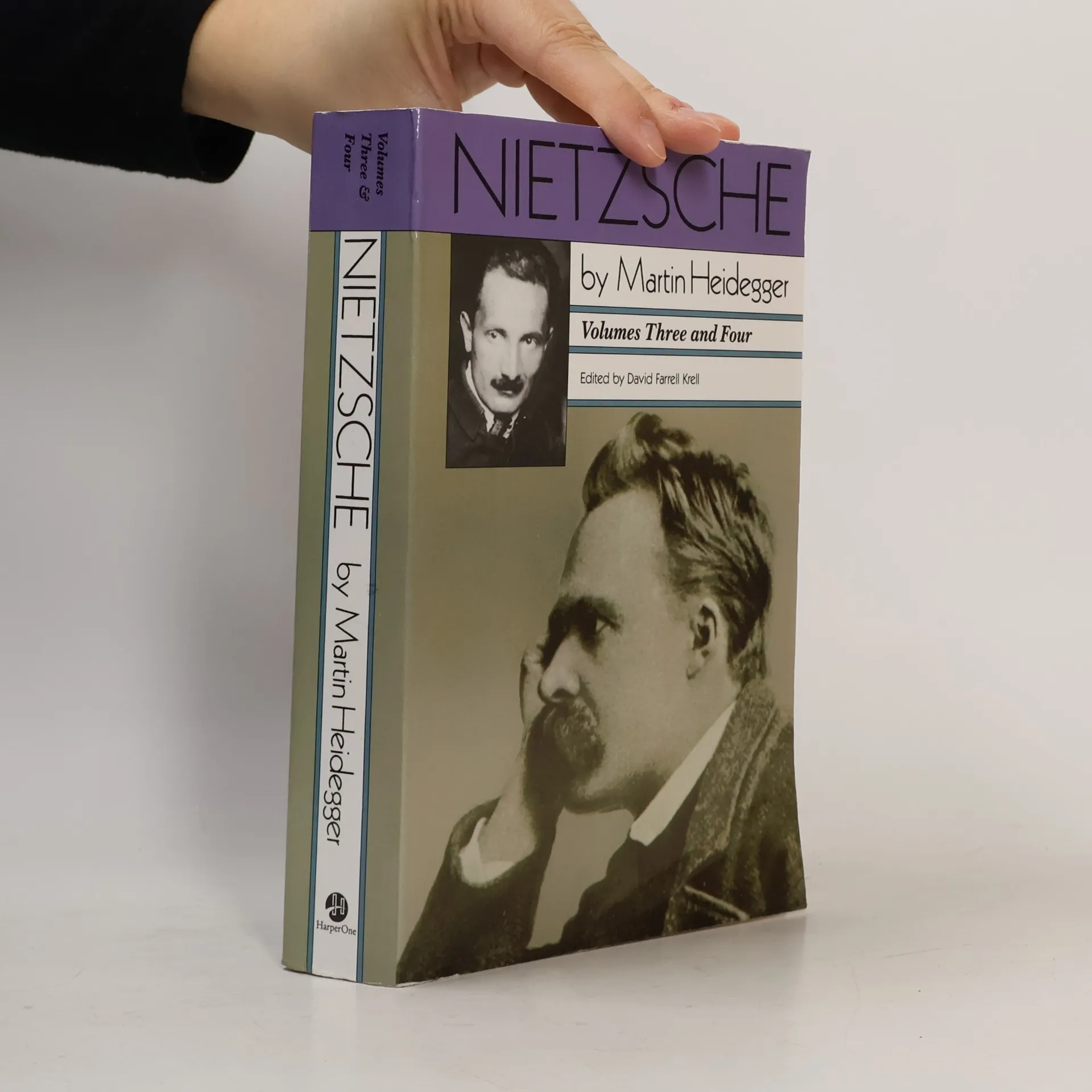
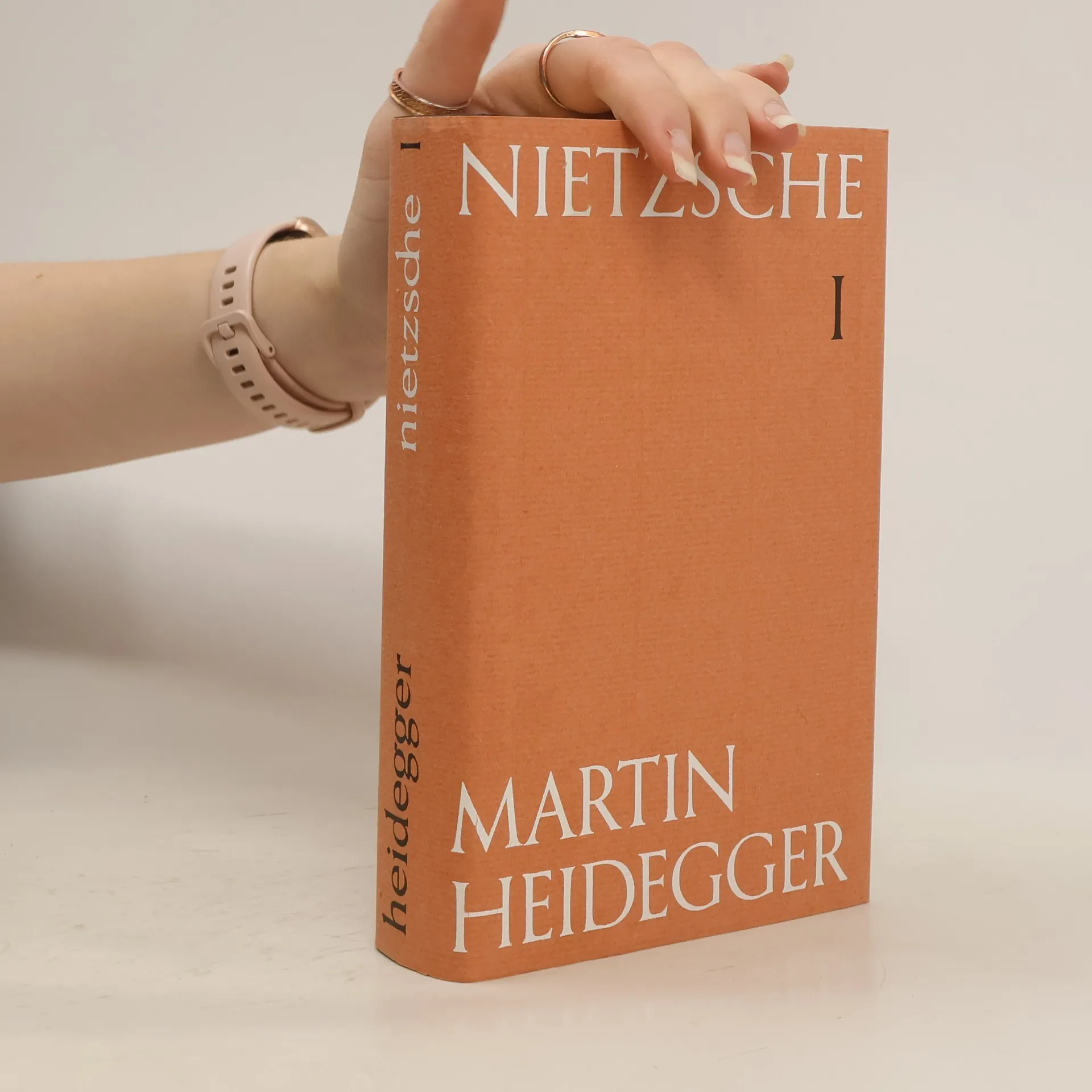
    • Heideggers Schrift über Nietzsche ist eine tiefgehende Auseinandersetzung mit einem der bedeutendsten Denker der modernen Philosophie. Nietzsche wird von Heidegger als der letzte Metaphysiker des Abendlandes gewürdigt, was ihm den höchsten Respekt zollt. Heidegger untersucht Nietzsches Gedanken und Ideen, die oft als zeitlos und herausfordernd empfunden werden. Während Nietzsche sich klar von seinen Kritikern abgrenzt, so tut es auch Heidegger, der sich nicht mit den gängigen Vorurteilen und Missverständnissen über Nietzsche auseinandersetzt. Stattdessen bietet er eine einzigartige Perspektive, die Nietzsches Werk in einem neuen Licht erscheinen lässt und dessen philosophische Relevanz für die Gegenwart unterstreicht. Diese Analyse eröffnet dem Leser ein vertieftes Verständnis von Nietzsches Einfluss auf die Philosophie und die westliche Denktradition.

      Nietzsche
      4,7
    • Die "Beiträge zur Philosophie (Vom Ereignis)" gelten als Heideggers zweites Hauptwerk nach "Sein und Zeit". Sie bieten eine neue Perspektive auf die Seinsfrage, indem sie das Wesen des Seins im Kontext des ereigneten Entwurfs untersuchen. Diese Arbeit markiert den Übergang von der Metaphysik zur Wahrheit des Seins und vollzieht die "Kehre" im Denken.

      Gesamtausgabe Abt. 3 Unveröffentliche Abhandlungen Bd. 65. Beiträge zur Philosophie
      4,8
    • Bauen Wohnen Denken

      Vorträge und Aufsätze

      Heideggers Erörterungen haben in ihrer Vielfalt der Philosophie des 20. Jahrhunderts ungeahnte Perspektiven eröffnet, nachhaltig ist besonders sein Einfluss auf die Theologie.

      Bauen Wohnen Denken
      5,0
    • Contributi alla filosofia

      • 497 páginas
      • 18 horas de lectura

      Quest'opera dall'aura esoterica – stesa tra il 1936 e il 1938 sull'orlo di una drammatica crisi filosofica e personale, ma pubblicata solo nel 1989 – è il tentativo più organico e coerente compiuto da Heidegger per riorganizzare il suo pensiero dopo la cosiddetta «svolta». Prende dunque forma un universo speculativo nuovo e sorprendente rispetto a quello di Essere e tempo: entrano in scena l'interpretazione della metafisica come oblio dell'Essere, la diagnosi storico-epocale del nichilismo e della tecnica, il confronto con Nietzsche e con Hölderlin, la dottrina dell'"ultimo Dio» e di un «altro inizio» della storia. In realtà già alla fine del capolavoro del 1927 si profilava l'esigenza di rovesciare la teoria quasi trascendentale dell'esserci per considerare non solo il suo puro autoprogettarsi, ma anche l'immemoriale e insondabile provenienza della sua finitudine dalla storia dell'Essere. Con il pensiero della «svolta», cui quest'opera dà corpo, Heidegger teorizza la coappartenenza di Essere ed esserci in quell'«evento-appropriazione», l'Ereignis, con cui l'Essere si affida all'esserci in un'alternanza di donazioni e sottrazioni, concessioni e rifiuti, manifestazioni e occultamenti, che ritmano le «epoche» della storia.

      Contributi alla filosofia
      5,0
    • Holzwege

      • 380 páginas
      • 14 horas de lectura

      Die hier erscheinende siebte Auflage der „Holzwege“ gibt erstmals den vollständigen Text aus der Gesamtausgabe (Band 5) wieder, der gegenüber der sechsten Auflage der Einzelausgabe auch Heideggers Randbemerkungen aus seinen Handexemplaren enthält. Die Einzelausgabe ist nunmehr mit dem Band 5 der Gesamtausgabe wort- und seitengleich. Die 1949/50 veröffentlichte Sammlung von sechs Abhandlungen aus dem Zeitraum von 1936 bis 1946 vereinigt so Entscheidendes wie Heideggers Frage nach dem Wesen der Kunst, den Aufweis der Grundlegung des neuzeitlichen Weltbildes durch die Metaphysik, eine Auslegung von Hegels spekulativem Begriff der Erfahrung in der „Phänomenologie des Geistes“, die Zusammenfassung seiner großen Nietzsche-Interpretationen, sein Gespräch mit der Dichtung Rilkes und seine Deutung des Vorsokratikers Anaximander. In diesen sechs Abhandlungen werden von Heidegger einzelne Fragen aus dem Gefüge des seinsgeschichtlichen Denkens, dessen erste Durchgestaltung in den „Beiträgen zur Philosophie“ (Gesamtausgabe Band 65) vorliegt, herausgehoben und entfaltet.

      Holzwege
      4,6
    • Nač básníci?

      • 95 páginas
      • 4 horas de lectura

      Přednáška Nač básníci? byla proslovena v nejužším kruhu přátel u příležitosti 20. výročí úmrtí R. M. Rilkeho, který zemřel 29. prosince 1926. Analyzuje básnické dílo R. M. Rilkeho a odkazuje i na několik básní F. Hölderlina. Heideggerovi přátelé, pro které přednášku napsal, byli jistě podobně jako on sám důvěrně obeznámeni s tvorbou obou těchto velkých německých básníků. Takovou obeznámenost nelze předpokládat u českého publika, a proto překladatel svými překlady většinu zmiňovaných děl doplnil. Přeložil Ivan Chvatík.
      Nač básníci?
      4,8
    • Zur Sache des Denkens

      • 91 páginas
      • 4 horas de lectura

      Der Band, erschienen zum 80. Geburtstag von Martin Heidegger (1889--1976), vereinigt vier Stücke: den 1962 im Rahmen des Freiburger Studium Generale gehaltenen Vortrag "Zeit und Sein", das Protokoll eines Seminars zu diesem Vortrag, die deutsche Erstveröffentlichung des Vortrags "Das Ende der Philosophie und die Aufgabe des Denkens" aus dem Jahr 1964 sowie den Beitrag "Mein Weg in die Phänomenologie", 1963 zuerst als Privatdruck erschienen in der Festgabe für den Verleger Hermann Niemeyer zum 80. Geburtstag.

      Zur Sache des Denkens
      4,5
    • Soubor přednášek významného německého myslitele, představitele filozofie existence, se zaměřuje na vymezení podstaty filozofie.

      Básnicky bydlí člověk
      4,5
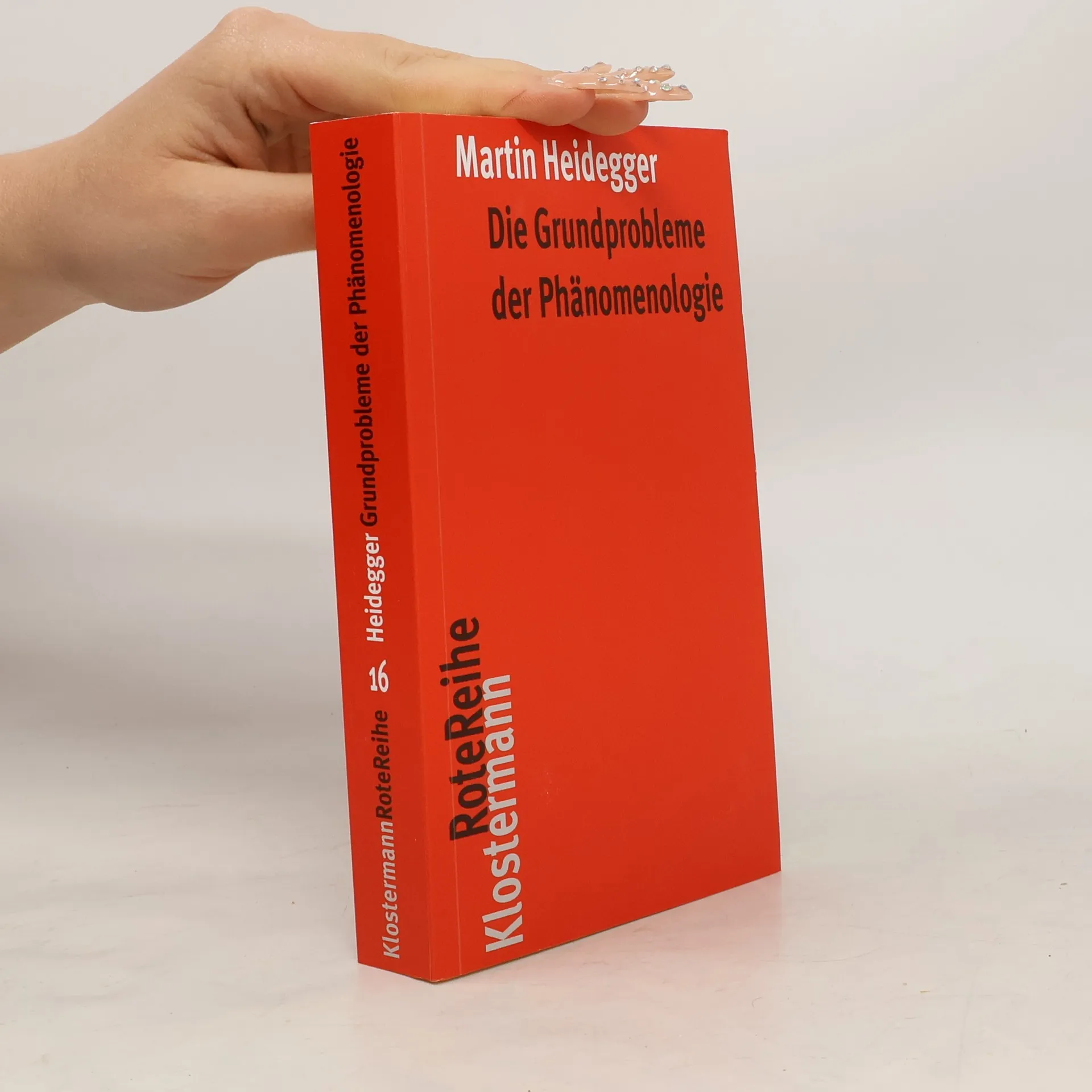
    • Die Grundprobleme der Phänomenologie

      • 474 páginas
      • 17 horas de lectura

      In der Vorlesung des Sommersemesters 1927 unter dem Titel "Die Grundprobleme der Phänomenologie" nimmt Martin Heidegger eine "Neue Ausarbeitung des 3. Abschnitts des I. Teiles von 'Sein und Zeit'" in Angriff. Der "Gesamtbestand der Grundprobleme der Phänomenologie in ihrer Systematik und Begründung" besteht in der "Diskussion der Grundfrage nach dem Sinn von Sein überhaupt und der aus ihr entspringenden Probleme". Die so gekennzeichnete Thematik von "Zeit und Sein" wird auf dem "Umweg" einer phänomenologischen Erörterung von vier geschichtlichen Thesen über das Sein behandelt. Die phänomenologisch-kritische Diskussion dieser Thesen führt zu der Einsicht, dass allem zuvor die Grundfrage nach dem Sinn von Sein überhaupt beantwortet sein muss, um die aus den vier geschichtlichen Thesen herausgeschälten vier Grundprobleme in zureichender Weise systematisch ausarbeiten zu können. Wer "Sein und Zeit" als einen Weg zur Ausarbeitung der Seinsfrage überhaupt als dem Ziel studiert, bleibt auf "Die Grundprobleme der Phänomenologie" verwiesen.

      Die Grundprobleme der Phänomenologie
      4,5
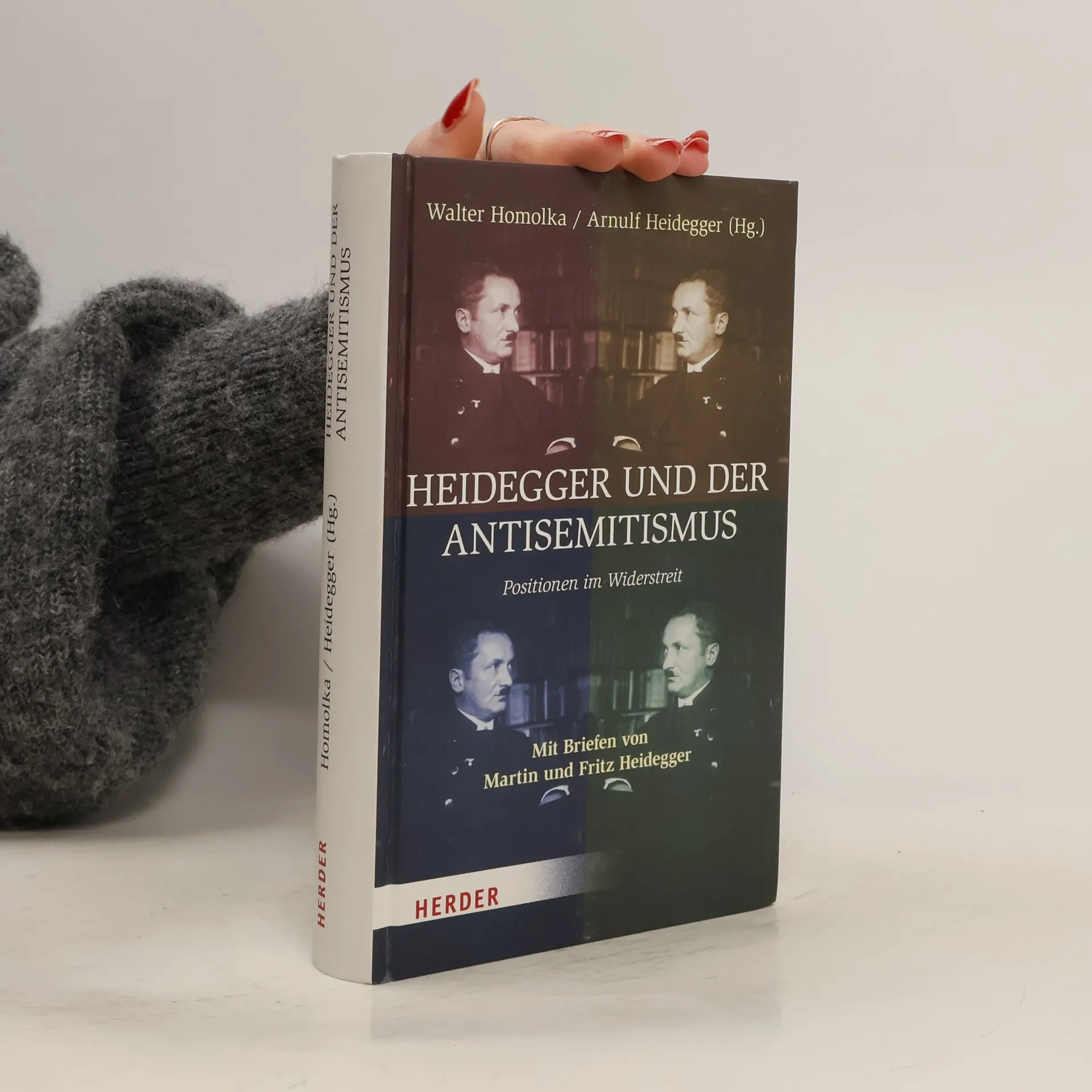
    • Heidegger und der Antisemitismus

      Positionen im Widerstreit

      • 443 páginas
      • 16 horas de lectura

      Wie konnte sich einer der größten Denker des 20. Jahrhunderts im Nationalsozialismus engagieren, wie nah oder fern steht er zum Antisemitismus? Darüber gab es in den letzten beiden Jahren heftige öffentliche Auseinandersetzungen. Dieses Buch dokumentiert den entstandenen Widerstreit: Führende Heidegger-Forscher und andere Protagonisten des Diskurses stellen kurz und prägnant ihre Sicht zu Heideggers politischen Verirrungen dar. Außerdem werden aus der Korrespondenz zwischen Martin und Fritz Heidegger diejenigen Briefe veröffentlicht, in denen sich die Brüder in den 30er und 40er Jahren über gesellschaftliche und politische Themen austauschen.

      Heidegger und der Antisemitismus
      5,0
    • Myslet veršem

      • 100 páginas
      • 4 horas de lectura

      Nejvýznačnější filosof 20. století Martin Heidegger jako básník? I pro ty, kdo se zabývají Heideggerovou filosofií to bude zřejmě překvapivé. Sám autor píše: „Mé „návrhy“ se ostře odlišují od každého druhu poezie: od poetické básně, avšak především od básně „naučné“, protože žádnou „nauku“ do veršů nevnášejí. To už jsou spíše spřízněny s výroky raných myslitelů, příbuzné snad raným počátkům myšlení, a přesto z jiného „vrhu“ bytí. „Návrhy“ jsou vzkazy bytí, jež se vyřklo do jazyka, a zároveň platí, že jazyk toto sycené ticho chová jako chvění uvnitř svobodného klidu.“

      Myslet veršem
      4,5
    • Nietzsche: Seminare 1937 und 1944. 1. Nietzsches metaphysische Grundstellung (Sein und Schein) 2. Sk

      1. Nietzsches metaphysische Grundstellung (Sein und Schein). 2. Skizzen zu Grundbegriffe des Denkens. Übungen Sommersemester 1937 und 1944

      • 324 páginas
      • 12 horas de lectura

      Im Seminar von 1937 untersucht Heidegger die Transformation der Frage nach dem Sein im abendländischen Denken, insbesondere bei Nietzsche, hin zur Problematik des Willens zur Macht. Diese Entwicklung wird als Zeichen der Seinsvergessenheit im Nihilismus interpretiert, der sich in der ewigen Wiederkehr des Gleichen manifestiert. Heidegger argumentiert, dass diese Wiederkehr den philosophischen Diskurs an sein Ende führt und die Notwendigkeit eines neuen Anfangs aufzeigt. Der Zusammenhang mit späteren Arbeiten, insbesondere den "Beiträgen zur Philosophie", wird ebenfalls thematisiert, wobei der Fokus auf Nietzsches Wertedenken liegt.

      Nietzsche: Seminare 1937 und 1944. 1. Nietzsches metaphysische Grundstellung (Sein und Schein) 2. Sk
      5,0
    • Der Spruch des Anaximander / Gesamtausgabe 78

      • 351 páginas
      • 13 horas de lectura

      In diesem Band wird Heideggers Manuskript "Der Spruch des Anaximander" veröffentlicht, das als Vorlesung aus 1942 konzipiert wurde. Es eröffnet eine Reihe von Vorlesungen über die griechischen Denker und zielt darauf ab, verborgene Möglichkeiten des abendländischen Denkens zu erschließen, besonders im Kontext der metaphysischen Krise.

      Der Spruch des Anaximander / Gesamtausgabe 78
      5,0
    • Von 1931 bis in die frühen siebziger Jahre dokumentiert Heidegger in seinen "Schwarzen Heften" Gedanken und philosophische Experimente. Die 'Anmerkungen I-V' (1942-1948) bieten Einblicke in seine schmerzhafte Neuorientierung und thematisieren den intellektuellen Niedergang Deutschlands sowie seine gescheiterten universitätspolitischen Ambitionen.

      Gesamtausgabe. 4 Abteilungen / Anmerkungen I-V
      5,0
    • Der Band 11 der Gesamtausgabe vereinigt in seinem ersten Teil drei gedankentiefe Vortragstexte aus der Mitte und der zweiten Halfte der funfziger Jahre: Was ist das - die Philosophie? (1955), der die Frage nach dem kunftigen Wesen der Philosophie in die Notwendigkeit einer Erorterung des Verhaltnisses von Denken und Dichten einmunden lasst; Der Satz der Identitat (1957), in dem die Identitat aus dem Ereignis als dem Zusammengehoren von Sein und Mensch gedacht wird; Die onto-theo-logische Verfassung der Metaphysik (1957), deren Wesensherkunft aus der Differenz als dem Austrag von entbergender Uberkommnis und sich bergender Ankunft bestimmt wird. Der zweite und der dritte Text wurden von Heidegger unter dem Buchtitel Identitat und Differenz veroffentlicht, den er auch als Titel fur den Sammelband 11 der Gesamtausgabe festgelegt hat. Der zweite Teil enthalt die Erstveroffentlichung (1962) des vierten Vortrags Die Kehre aus den Bremer Vortragen von 1949 sowie die Erstveroffentlichung (1958) des ersten Vortrags der Freiburger Vortragsreihe von 1957 Grundsatze des Denkens, deren Mitte der Vortrag Der Satz der Identitat ist. Die fur die Veroffentlichung in Briefform verfassten Texte fur Pater W.J. Richardson (1962) zur Kehre und fur den Japaner Takehiko Kojima (1963) zum Wesen der neuzeitlichen Technik gelangen im dritten Teil zum Wiederabdruck.

      Gesamtausgabe. 4 Abteilungen / 1. Abt: Veröffentlichte Schriften / Identität und Differenz (1955-1957)
      4,5
    • Vier Hefte I und II

      (Schwarze Hefte 1947-1950)

      • 189 páginas
      • 7 horas de lectura

      Martin Heideggers Vier Hefte I und II, entstanden zwischen 1947 und 1950, erscheinen als der sechste Band der Schwarzen Hefte. Heidegger hat ihnen eine so grosse Bedeutung beigemessen, dass er sie sogar als den vielverlangten 'II. Teil von Sein und Zeit' (GA 98, 61) bezeichnet. Bereits in den Anmerkungen - anderen Schwarzen Heften, die parallel zu den Vier Heften verfasst wurden - weist Heidegger immer wieder auf sie hin. Der Band 99 der Gesamtausgabe enthalt zwei Hefte, die allerdings keineswegs die eigentlichen Vier Hefte darstellen. Vielmehr wird in diesen beiden Heften das Projekt der Vier Hefte ausfuhrlich thematisiert. Zudem ist in ihnen von einem Manuskript der Vier Hefte die Rede. Mit der durchaus fur Heidegger ungewohnlichen Betonung der Vier erhalt Heideggers Gedanke des Gevierts einen neuen, unerwarteten Kontext.

      Vier Hefte I und II
      4,5
    • Winke I und II

      Schwarze Hefte 1957-1959

      • 219 páginas
      • 8 horas de lectura

      Die "Winke I und II" als der Band 101 der Gesamtausgabe gehören zu Heideggers sogenannten Schwarzen Heften. Ende der Fünfzigerjahre entstanden, setzen sie das Projekt eines sich immer mehr in sich selbst verdichtenden Denkens fort. Seine wichtigste Suche gilt einer Sprache, die dem seit Jahrzehnten verfolgten und oft variierten Gedanken des "Ereignisses" zu entsprechen vermag. Wiederholt werden diese Versuche von Spuren aus dem Leben des Philosophen bereichert und die vermeintliche Grenze von Leben und Denken überschritten. Die beiden Hefte bezeugen so die enorme Kraft eines Denkens, das sich nirgendwo auf einmal erreichten Erkenntnissen ausruht. So wird die Radikalität eines Philosophierens deutlicher, das das Motto der Gesamtausgabe "Wege, nicht Werke" uneingeschränkt verwirklicht.

      Winke I und II
      5,0
    • Vorläufiges I-IV

      Schwarze Hefte 1963 -1970

      • 330 páginas
      • 12 horas de lectura

      Der Band 102 der Gesamtausgabe ist der letzte der Schwarzen Hefte, deren erstes Heidegger 1931 angefertigt hat. Die vier letzten Hefte, die den bemerkenswerten Titel Vorlaufiges tragen, sind - was Datierungen in den Heften betrifft - ungefahr zwischen 1963 und 1970 entstanden, wobei man davon ausgehen kann, dass die letzten Aufzeichnungen noch weiter in die Siebzigerjahre hineinreichen. Ihr Ton hat sich beruhigt und vereinfacht. Gibt es im ersten Heft noch verletzte Bemerkungen zu Gunter Grass und Theodor W. Adorno, verschwindet im Verlauf der Uberlegungen alle personliche Polemik. Dafur taucht uberraschend eine Beschaftigung mit der Kybernetik, der Industriegesellschaft und sogar dem Computer auf. Die in schwer lesbarer Handschrift verfasste vorletzte Aufzeichnung der Hefte bestimmt das Denken als ein unhorbares Gesprach mit den entflohenen Gottern.

      Vorläufiges I-IV
      5,0
    • Úvahy II–VI (Černé sešity 1931–1938)

      • 528 páginas
      • 19 horas de lectura

      Od roku 1931 do začátku 70. let si Martin Heidegger zaznamenával své myšlenky do sešitů vázaných v černém voskovaném plátně. Záznamy nejsou datovány, ale představují svérázný myslitelský deník, který nechává čtenáře nahlédnout hluboko do autorovy mysli, ať už jde o jeho filosofické dílo, či o to, jak si představoval obrodu Německa nacionálním socialismem po 1. světové válce a jak byly jeho představy faktickým vývojem zklamávány. V rámci obsáhlého Heideggerova díla, které sám na sklonku života uspořádal a rovněž určil, v jakém pořadí mají jednotlivé svazky vycházet, bylo 34 „černých sešitů“ zařazeno až na úplný konec jako svazky 94–102. První sešit (Úvahy I) se nedochoval. Až do zveřejnění v předchozím desetiletí nesměli mít k těmto zápiskům přístup ani specializovaní badatelé. MARTIN HEIDEGGER (1889–1976), od roku 1919 asistent E. Husserla, se stal r. 1928 jeho nástupcem na univerzitě ve Freiburgu a v letech 1933–1934 jejím rektorem. Vyšel z Husserlovy fenomenologie a v dialogu se svými antickými i novověkými předchůdci celoživotně rozvíjel otázku po bytí.

      Úvahy II–VI (Černé sešity 1931–1938)
      5,0
    • Heraklit

      Seminar Wintersemester 1966/67

      • 266 páginas
      • 10 horas de lectura

      Im Wintersemester 1966/67 fand an der Universität Freiburg i. Br. auf Anregung von Eugen Fink ein von Martin Heidegger und Eugen Fink gemeinsam veranstaltetes Heraklit-Seminar statt. Das Heraklit-Seminar ist die letzte Lehrveranstaltung, die Martin Heidegger an der Universität Freiburg abgehalten hat. In 13 Sitzungen erörterten Heidegger und Fink Fragen vorsokratischer Philosophie an Hand des Textes von Heraklit in Rede und Antwort. Dieser Band gibt den genauen Wortlaut wieder und ist ein lehrreiches Exercitium zum Nachdenken über die Anfänge der griechischen Philosophie.

      Heraklit
      4,3
    • Aus der Erfahrung des Denkens

      • 27 páginas
      • 1 hora de lectura

      Der Band enthält die Schriften: - Identität und Differenz - Gelassenheit - Hebel - der Hausfreund - Aus der Erfahrung des Denkens - Was ist das - die Philosophie?

      Aus der Erfahrung des Denkens
      4,5
    • Překlad dvou významných přednášek z roku 1953 (Otázka techniky. Věda a zamyšlení), které reprezentují Heideggerovo definitivní stanovisko k novověké vědě a moderní technice.

      Věda, technika a zamyšlení
      4,4
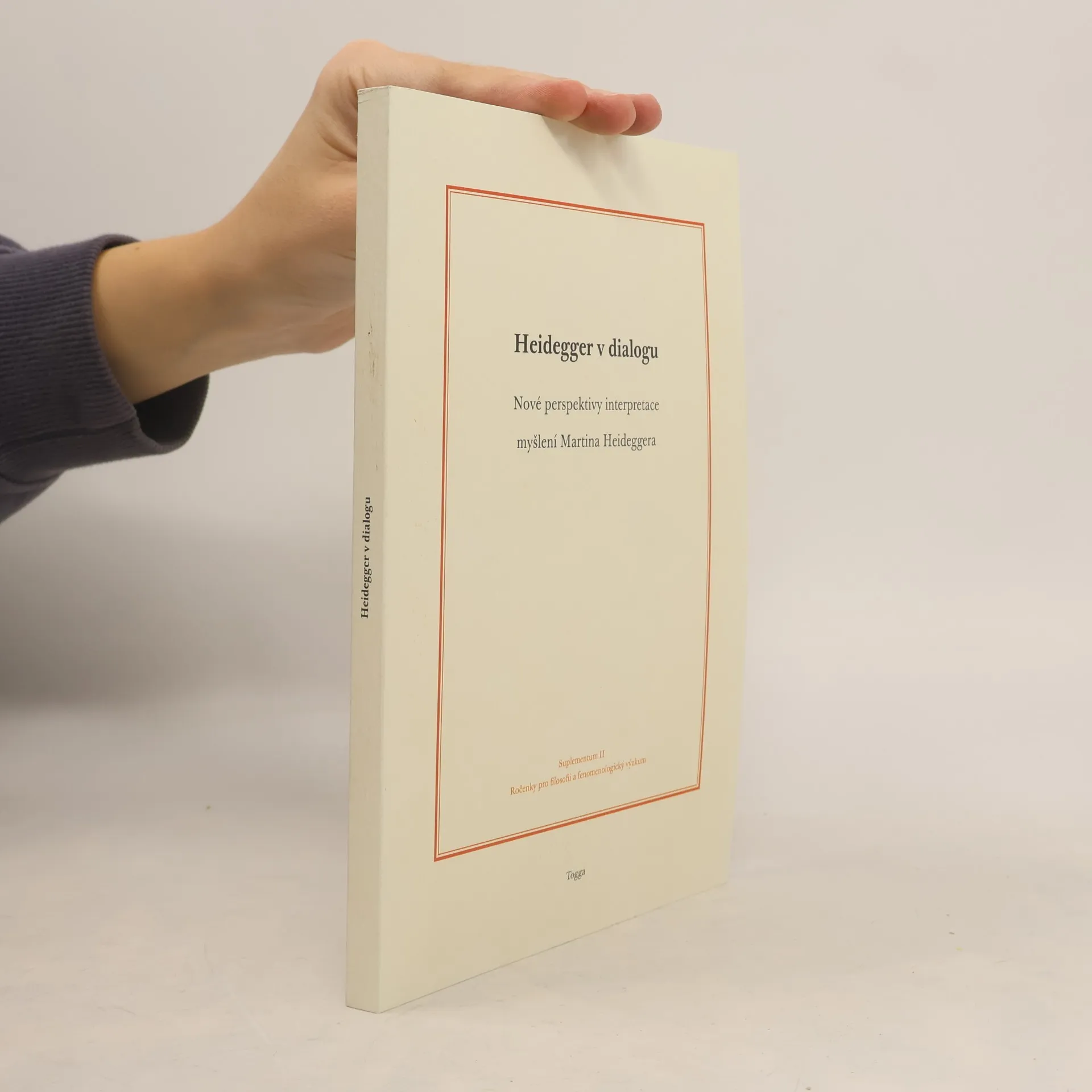
    • Filosofie se rodí v dialogu a pouze v něm zůstává nadále živá. Klást otázky patří k základnímu étosu opravdové filosofické práce, která se nesmí zastavit před žádnou autoritou. Klást filosofické otázky Martinu Heideggerovi se často však redukuje na (vposled oprávněné) morální a politické ostouzení, obviňování a odmítání bez samotného zabývání se záležitostí jeho myšlení. Nicméně politické pohoršení tak při vší legitimnosti mnohdy slouží pouze jako alibismus maskující skutečnou neochotu či neschopnost zabývat se jeho náročným, a přeci přínosným filosofováním. Když je Heideggerovo myšlení poctivě a kriticky dotazováno „sine ira et studio“, ukazuje se jako produktivní a inspirativní. Mezinárodní kolektiv autorů představuje nové perspektivy, ze kterých recentní badatelský zájem pohlíží na konkrétní aspekty Heideggerova myšlení. Autory jednotlivých kapitol uvádějících Heideggerovo myšlení do konkrétních forem dialogu jednak s jinými dějinnými autoritami, jednak speciálně s novověkou (přírodo)vědou, jsou Ladislav Benyovszky, Jana Kružíková, Jakub Marek, Aleš Novák, Peter Trawny a Holger Zaborowski.

      Heidegger v dialogu
      5,0
    • Briefe, 1925 bis 1975

      • 435 páginas
      • 16 horas de lectura

      Seit den frühen achtziger Jahren ist bekannt, dass es zwischen Martin Heidegger und Hannah Arendt – über die Lehrer-Schüler- und spätere professionelle Verbindung hinaus – eine Liebes- und Freundschaftsbeziehung gegeben hat. Die Dokumente, die das Verhältnis belegen und in den Nachlässen Arendt und Heidegger im Deutschen Literaturarchiv Marbach lagern, waren bislang nicht zugänglich. In diesem Band werden sie erstmals veröffentlicht. Dieser Publikation mit ihrem großen Fundus an Materialien kommt erhebliche biographische und werkgeschichtliche Bedeutung zu. Die Ausgabe enthält zusätzlich zu den aus den Handschriften übertragenen Texten einen Anmerkungsteil mit kommentierenden Hinweisen, ein erläuterndes Nachwort sowie Register. It has been known since the early eighties that Martin Heidegger and Hannah Arendt had a love affair which went well beyond their teacher-student relationship and later professional connection. The documents that prove this relationship were stored in Arendt´s and Heidegger´s respective bequests in the Deutsches Literaturarchiv Marbach, and were not previously accessible. They are published for the first time in this volume. This publication with its large fund of materials has considerable biographical, philosophical, and historical significance. In addition to the texts transcribed from the manuscripts, the edition contains a commentary, a detailed afterword, and indices.

      Briefe, 1925 bis 1975
      4,3
    • Von 1931 bis in die frühen siebziger Jahre dokumentiert Heidegger in den "Schwarzen Heften" seine Gedanken und philosophischen Experimente. Besonders im Band 94 wird seine Auseinandersetzung mit der Rektorenzeit in Freiburg und seine kritischen Bedenken gegenüber den Nationalsozialisten deutlich. Diese Hefte bieten einen einzigartigen Einblick in sein Denken.

      Gesamtausgabe. 4 Abteilungen / Überlegungen II-VI
      4,3
    • Die "Wegmarken" bieten einen umfassenden Einblick in Martin Heideggers Denken von 1919 bis 1961. Die Sammlung enthält wichtige Randbemerkungen aus seinen Handexemplaren und bereichert zentrale Texte wie "Was ist Metaphysik?", "Vom Wesen des Grundes" und "Brief über den Humanismus".

      Gesamtausgabe Abt. 1 Veröffentlichte Schriften Bd. 9. Wegmarken
      4,4