The Thefts of the Mona Lisa
- 176 páginas
- 7 horas de lectura
"Here's the complete Mona Lisa story which includes that of the world's most famous art theft for which Pablo Picasso was arrested as a suspect"--


Noah Charney es un erudito cuyo trasfondo académico en historia del arte de instituciones prestigiosas informa su distintiva voz literaria. Su obra profundiza en la intrincada relación entre el arte, la cultura y los aspectos más oscuros del comportamiento humano, explorando temas de autenticidad, engaño y el valor que otorgamos a los objetos. A través de su escritura, Charney invita a los lectores a reconsiderar sus percepciones de la belleza y la posesión, ofreciendo una perspectiva única basada en una profunda comprensión del mundo del arte y sus corrientes ocultas. Su enfoque distintivo combina la perspicacia académica con una narrativa convincente.



"Here's the complete Mona Lisa story which includes that of the world's most famous art theft for which Pablo Picasso was arrested as a suspect"--
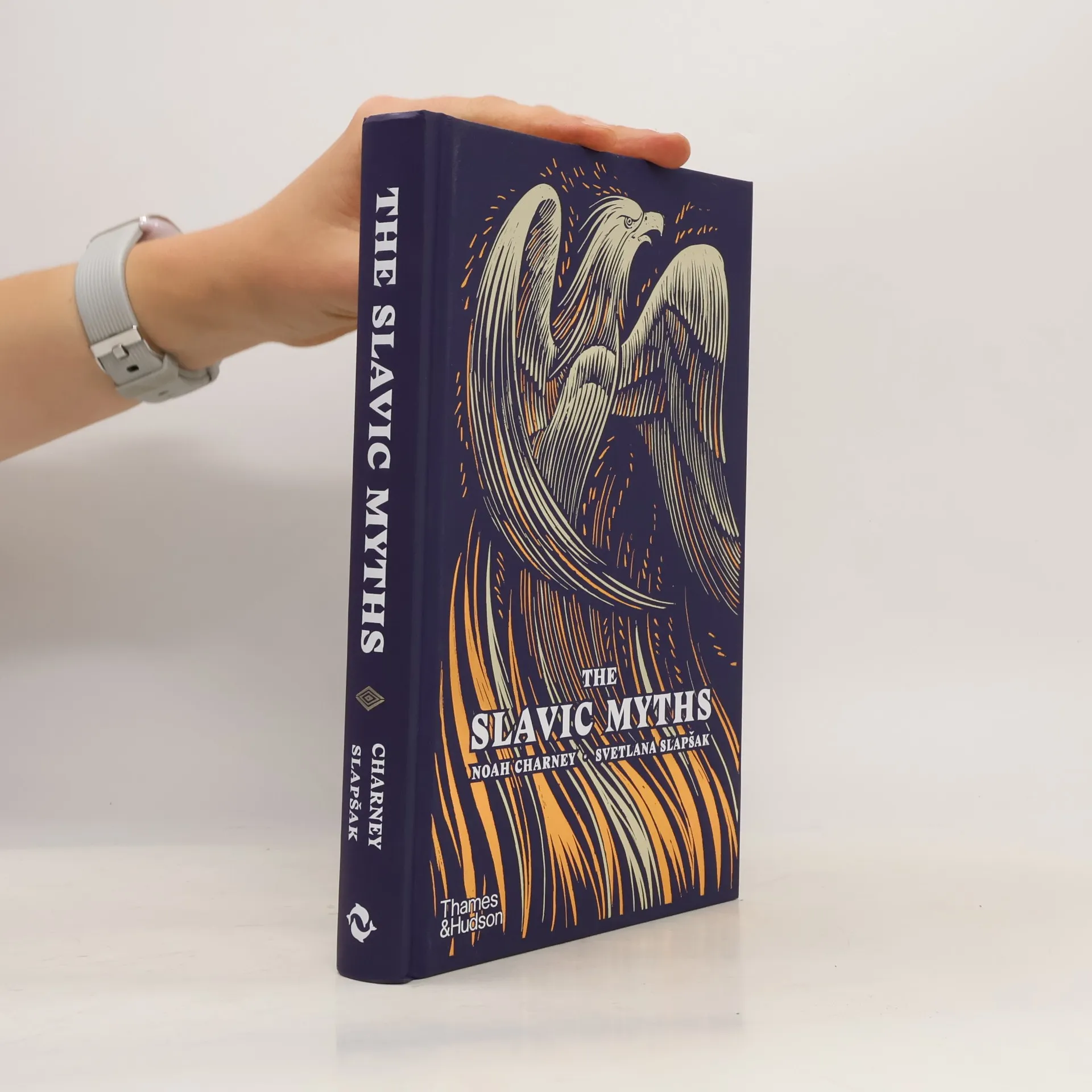
A Pulitzer-nominated author and a prominent public intellectual of Slavic culture explore the rich and unfamiliar myths and legends of the Slavic world. This collection encompasses the diverse East Slavs (Russia, Ukraine, Belarus), West Slavs (Czech Republic, Slovakia, Poland), and South Slavs (former Yugoslavia and Bulgaria), all united by tales of adventure and magic rooted in a shared lore. The authors expertly retell these ancient stories while providing nuanced analysis that highlights their significance within Slavic tradition. While less known than the myths of ancient Egypt, Greece, and Scandinavia, Slavic mythology features relatable elements: capricious deities, demons, faeries, and witches, including the dual-natured vestica. A supreme god commands storms, and gods convene under a World Tree, echoing Norse mythology. The vampire and werewolf emerge from Slavic belief systems. Through careful analysis and sensitive reconstructions, the authors reveal the original Slavic beliefs before they were altered by Christian chroniclers and 19th-century nationalists. They also draw connections to neighboring pantheons and the belief systems of indigenous cultures worldwide, uncovering universal themes in the stories that shape our understanding of humanity.
The Devil in the Gallery is a guided tour of the history of art through it scandals, rivalries, and shocking acts. Award-winning art historian shares dozens of stories, lavishly illustrated in full color, of such dramatic moments and arguing how they not only affected the history of art but affected it for the better.
True tales of lost art, built around case studies of famous works, their creators, and stories of disappearance and recovery
Slovenology is part memoir, part essay collection, part travel writing, and part guidebook. It is meant to act as a guide-in-hand while visiting Slovenia, but it can be read just as well from the comfort of your own home to give you a deeper and more colorful sense of what it’s like to live in this remarkable, little-known country.
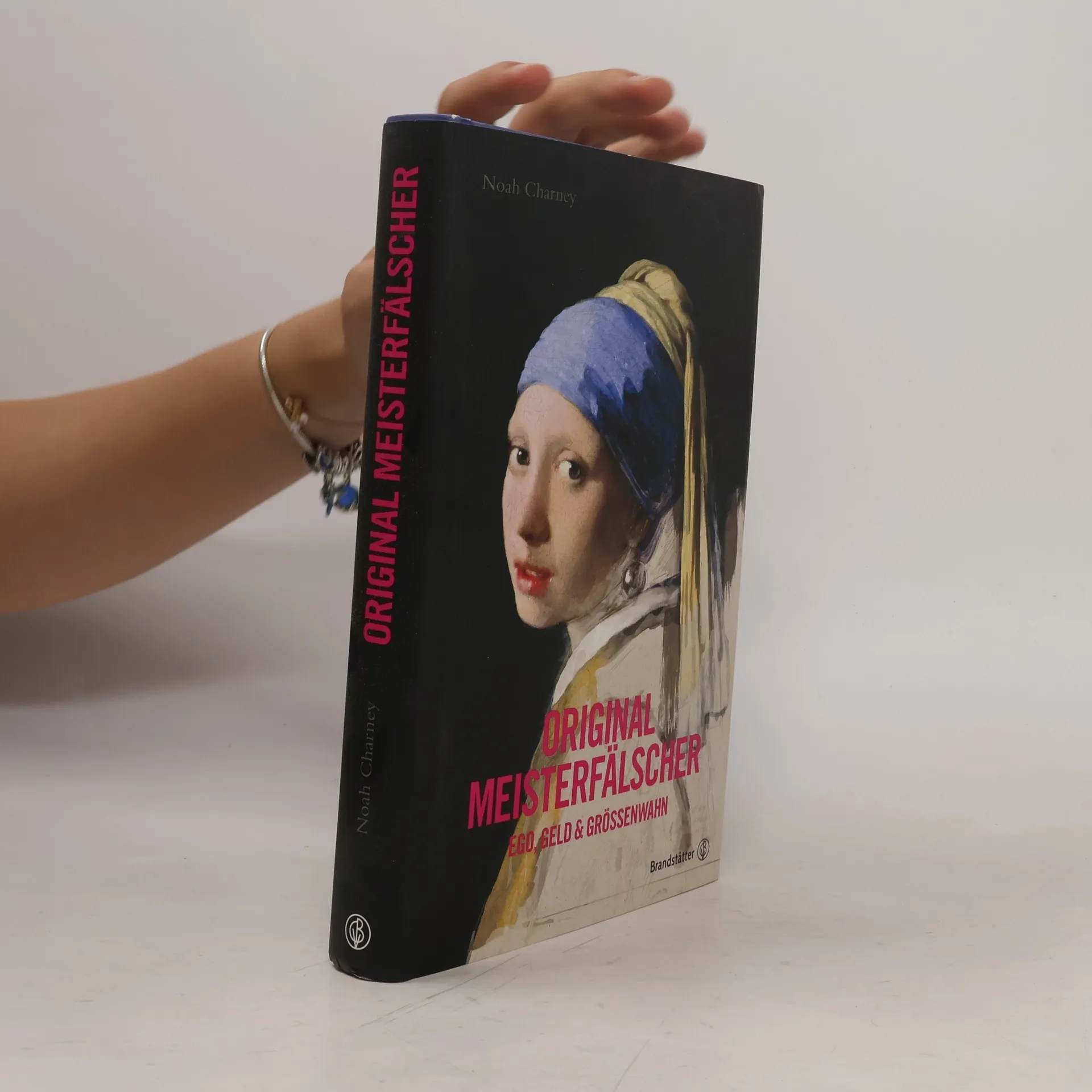
Mysteriös, skandalös und ein Hauch von Glamour: Die Geschichte der Kunstfälschung ist vollgepackt mit realen Krimis. Michelangelo fälscht die Antike. Reinhold Vasters narrt Experten mit perfekten Cellini-Imitationen. Tom Keating platziert Zeitbomben, Eric Hebborn erfindet Entwurfsskizzen van Dycks und Wolfgang Beltracchi verkauft einen Campendonk nach Hollywood. Dieses Buch macht sich auf die Spuren von Geschick und Missgeschick berühmter Meisterfälscher von der Antike bis in die Gegenwart. Was spielt sich im Kopf des Fälschers ab? Sucht er nach Ruhm, will er seine Genialität beweisen, Rache nehmen, reich werden? Geht es um Macht, um das Ego, um Geltungsdrang? Noah Charney, Experte für Kunstkriminalität, beschreibt, wie es den raffiniertesten Betrügern – oft so hochbegabt wie charmant – gelingt, die Kunstwelt nach Strich und Faden zu betrügen. Er entschlüsselt ihre Tricks und beschreibt, was letztlich doch zu ihrer Entlarvung führte – scharfsinnige Detektivarbeit, forensische Untersuchungen oder einfach pures Glück. Er erzählt aber auch davon, wie die Kunstwelt selbst in vielerlei Hinsicht zur Komplizin der Fälscher wird und bereitwillig in die Fallen dieser schlauen Kriminellen stolpert.
'S werelds meest begeerde meesterwerk. Het Gents altaarstuk van Van Eyck
Geschiedenis van het Gents altaarstuk 'Het lam Gods'. Verdwenen, buitgemaakt in drie verschillende oorlogen, door brand bedreigd, uit elkaar gehaald, gekopieerd, vervalst, gesmokkeld, illegaal verkocht, gecensureerd, aangevallen door beeldenstormers, verborgen, vrijgekocht, gered en keer op keer gestolen... sinds het Gentse altaarstuk in 1432 door Van Eyck werd voltooid, is geen kunstwerk zo belaagd en begeerd als Het Lam Gods. Volgens sommige bewonderaars scholen in het werk schatten van tastbare aard, anderen zagen er filosofische en theologische waarheden in over de menselijke staat en de aard van het Opperwezen. Enkelen schreven het een concrete macht toe en dachten dat ontcijfering van het schilderij de loop van de Tweede Wereldoorlog kon veranderen. Weer anderen vonden juist dat de symbolische macht van het werk zo'n groot gevaar vormde dat het maar beter verwoest kon worden. En als u vandaag de dag voor het schilderij staat en het in al zijn pracht bewondert, weet u dan zeker dat u naar het origineel kijkt?
Cuando en el selecto y erudito mundo de los entendidos y los coleccionistas de arte, tan poco dado a las sopresas, acontecen varios sucesos inexplicables a la vez, se hace difícil pensar en la casualidad. Y menos aún cuando, en cuestión de unos pocos días, un Caravaggio es robado de una antigua iglesia del Trastevere romano; la casa de subastas londinense Christie’s presenta un catálogo con la inesperada salida al mercado de uno de los cuadros más célebres de Kasimir Malevich, y en la fundación que gestiona el legado del pintor ruso en París descubren que de sus bóvedas ha desaparecido el mismo lienzo que Christie’s asegura poseer. Una extraña cadena de acontecimientos a la que sigue la coacción a que un siniestro individuo somete a uno de los mayores expertos de historia del arte de Inglaterra, y la liberación de una hábil ladrona de arte italiana, merced a los acuerdos conseguidos por un prestigioso investigador de seguros y delitos de arta tras la pista del Caravaggio robado. Desde París, el inspector Jean-Jacques Bizot comenzará a elaborar sus primeras teorías para resolver aquel embrollo, siempre al amparo de un buen vino y una buena mesa. Poco más tarde, su contrapunto ingles, el frío y soso inspector Harry Wickenden, se unirá a las pesquisas cuando un ladrón consiga llegar a las entrañas de la National Gallery.. para llevarse, en otro robo sorprendente, su nueva y más preciada joya.