
Bookbot

Noah Charney

    27 de noviembre de 1979

    Noah Charney es un erudito cuyo trasfondo académico en historia del arte de instituciones prestigiosas informa su distintiva voz literaria. Su obra profundiza en la intrincada relación entre el arte, la cultura y los aspectos más oscuros del comportamiento humano, explorando temas de autenticidad, engaño y el valor que otorgamos a los objetos. A través de su escritura, Charney invita a los lectores a reconsiderar sus percepciones de la belleza y la posesión, ofreciendo una perspectiva única basada en una profunda comprensión del mundo del arte y sus corrientes ocultas. Su enfoque distintivo combina la perspicacia académica con una narrativa convincente.

    Noah Charney
    The Museum of Lost Art
    The Devil in the Gallery
    The 12-Hour Art Expert
    Slovenology : living and traveling in the world's best country
    Slovenian Cuisine
    El ladrón de arte
    • El ladrón de arte

      • 382 páginas
      • 14 horas de lectura

      Cuando en el selecto y erudito mundo de los entendidos y los coleccionistas de arte, tan poco dado a las sopresas, acontecen varios sucesos inexplicables a la vez, se hace difícil pensar en la casualidad. Y menos aún cuando, en cuestión de unos pocos días, un Caravaggio es robado de una antigua iglesia del Trastevere romano; la casa de subastas londinense Christie’s presenta un catálogo con la inesperada salida al mercado de uno de los cuadros más célebres de Kasimir Malevich, y en la fundación que gestiona el legado del pintor ruso en París descubren que de sus bóvedas ha desaparecido el mismo lienzo que Christie’s asegura poseer. Una extraña cadena de acontecimientos a la que sigue la coacción a que un siniestro individuo somete a uno de los mayores expertos de historia del arte de Inglaterra, y la liberación de una hábil ladrona de arte italiana, merced a los acuerdos conseguidos por un prestigioso investigador de seguros y delitos de arta tras la pista del Caravaggio robado. Desde París, el inspector Jean-Jacques Bizot comenzará a elaborar sus primeras teorías para resolver aquel embrollo, siempre al amparo de un buen vino y una buena mesa. Poco más tarde, su contrapunto ingles, el frío y soso inspector Harry Wickenden, se unirá a las pesquisas cuando un ladrón consiga llegar a las entrañas de la National Gallery.. para llevarse, en otro robo sorprendente, su nueva y más preciada joya.
      El ladrón de arte
      2,9
    • Slovenian Cuisine

      • 288 páginas
      • 11 horas de lectura

      Winner of the Gourmand Award for Best Chef Book, this acclaimed work by a renowned chef celebrates Slovenia's culinary landscape. Originally published in Slovenian in 2018, it has now been translated into English. The book features beautifully crafted introductory essays for each destination, chronicling a road trip across Slovenia to discover its finest ingredients and dedicated producers. Each chapter highlights a key ingredient, profiling the passionate farmer or producer behind it, followed by two recipes: one traditional Slovenian dish and one modern interpretation, showcasing the ingredient's versatility. For the chef, the ingredient is the core of inspiration, with every dish in his restaurant crafted from fresh, hand-selected components traced back to their source. This approach mirrors his innovative yet tradition-rooted philosophy. The book includes carefully chosen ingredients like Adriatic fish, game, and wild herbs, with recipes such as soft red polenta with chanterelle sauce, creamed Jerusalem artichoke soup with truffles, and prosciutto-wrapped monkfish. Celebrated by fellow chef Ana Ros, this work underscores Slovenia's emergence as a significant culinary destination, especially following its recognition as the European Region of Gastronomy in 2021.

      Slovenian Cuisine
      4,2
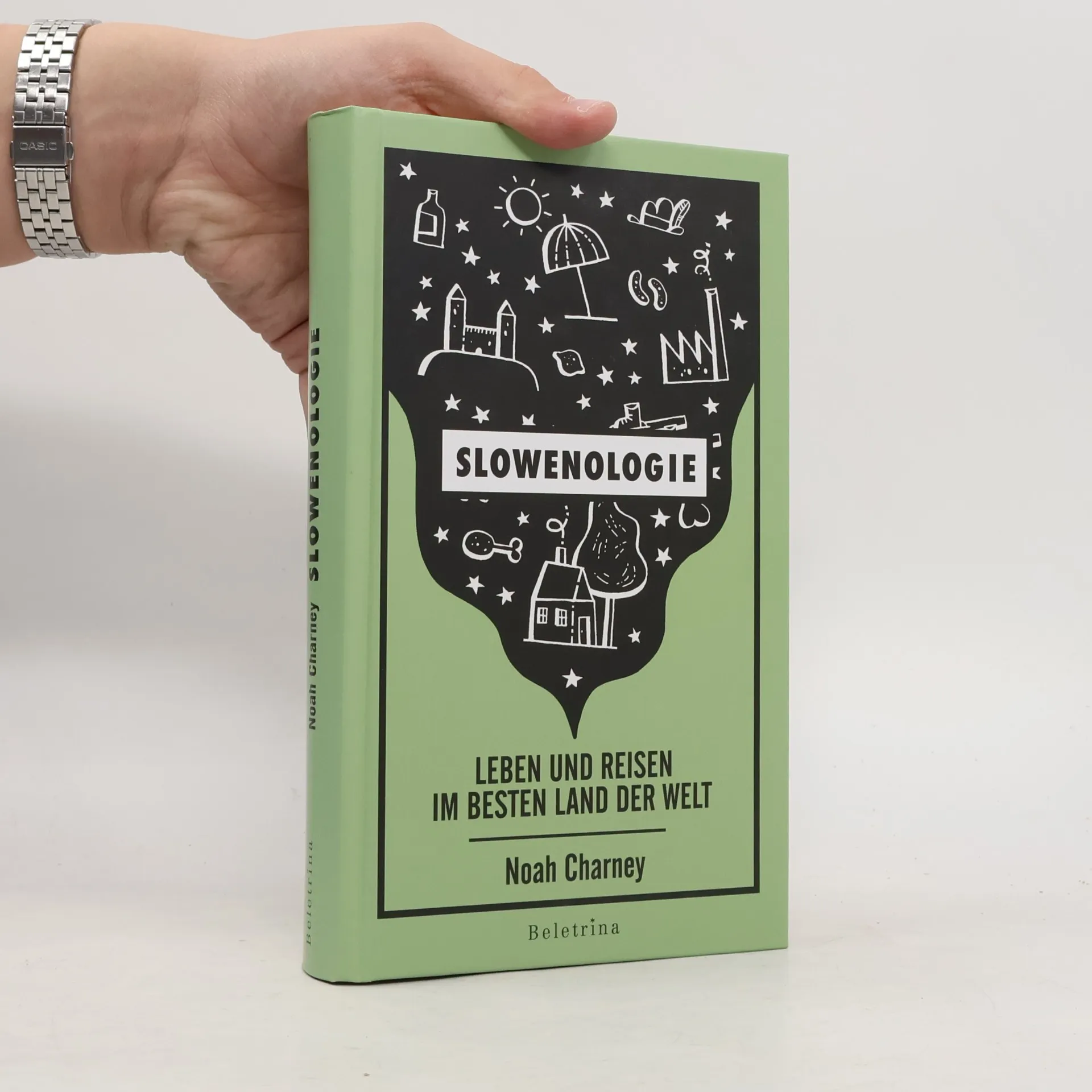
    • Slovenology is part memoir, part essay collection, part travel writing, and part guidebook. It is meant to act as a guide-in-hand while visiting Slovenia, but it can be read just as well from the comfort of your own home to give you a deep­er and more colorful sense of what it’s like to live in this remarkable, little-known country.

      Slovenology : living and traveling in the world's best country
      1,0
    • The 12-Hour Art Expert

      • 160 páginas
      • 6 horas de lectura

      "His novel, The Art Thief, was a bestseller in five countries and is translated into 17 languages. His The Art of Forgery, Stealing the Mystic Lamb and Slovenology were international bestsellers. His book Collector of Lives: Giorgio Vasari and the Invention of Art was nominated for the Pulitzer Prize. Charney is now a professor at University of Ljubljana in Slovenia, where Charney has lived for many years"--

      The 12-Hour Art Expert
      3,6
    • The Devil in the Gallery is a guided tour of the history of art through it scandals, rivalries, and shocking acts. Award-winning art historian shares dozens of stories, lavishly illustrated in full color, of such dramatic moments and arguing how they not only affected the history of art but affected it for the better.

      The Devil in the Gallery
      3,6
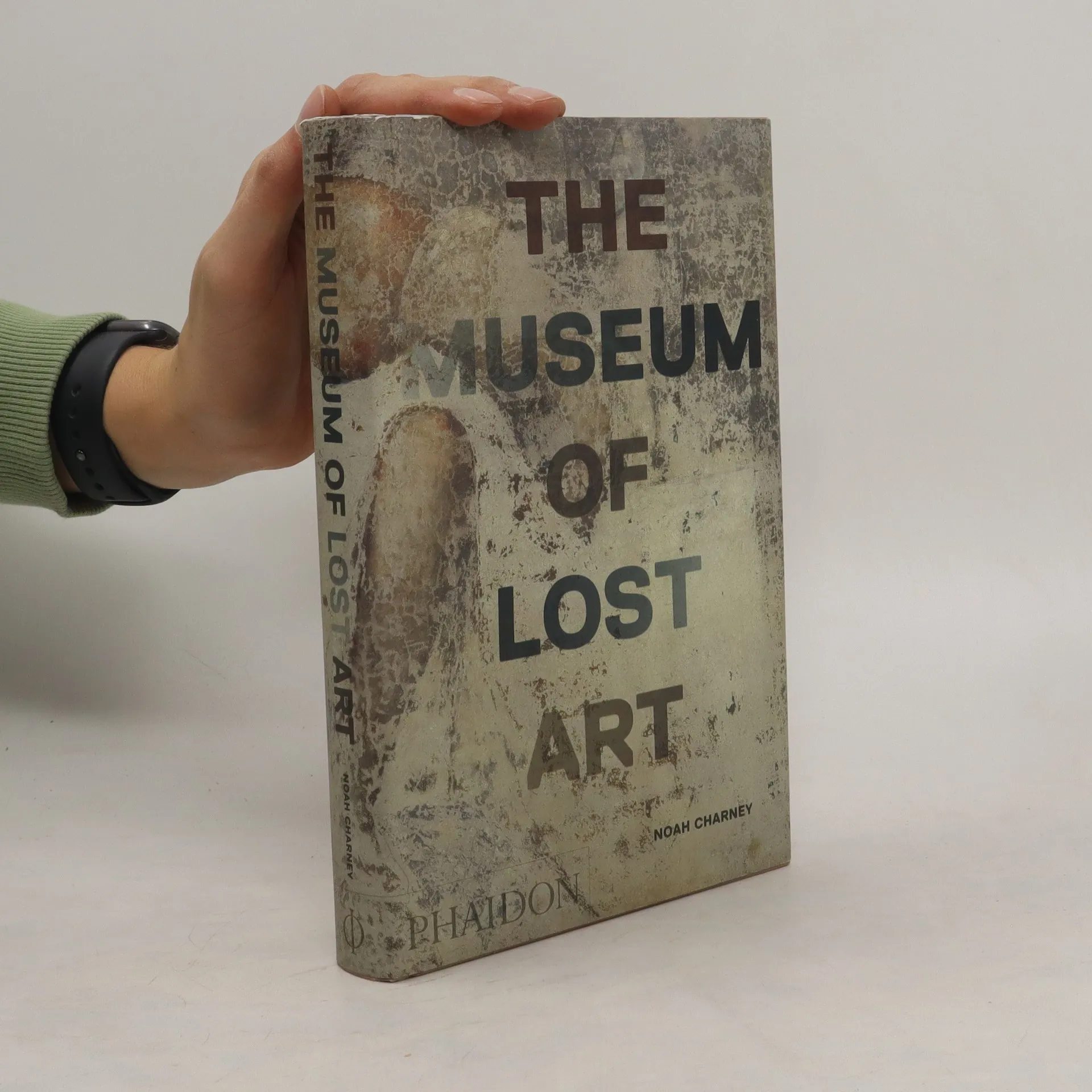
    • True tales of lost art, built around case studies of famous works, their creators, and stories of disappearance and recovery

      The Museum of Lost Art
    • This book will be of interest to anyone who wants to know what it's like to have an artist's-eye-view of the art world, asking the tough and questions that rising artists inevitably have, not only about the creative process, but about navigating the turbulent waters of the social, professional, critical, and museum elements of a career as an artist

      Making It
    • The Slavic Myths

      • 240 páginas
      • 9 horas de lectura

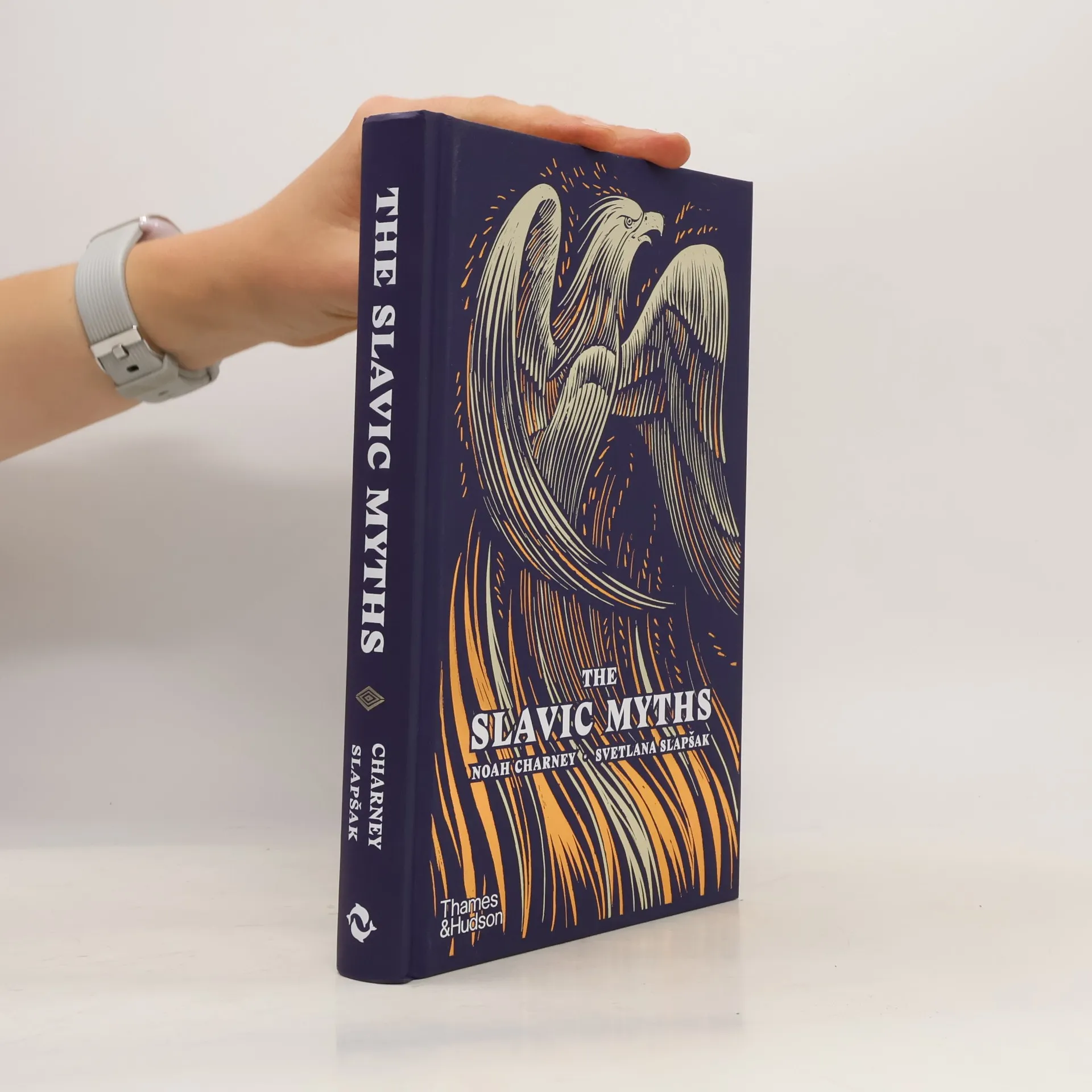
      A Pulitzer-nominated author and a prominent public intellectual of Slavic culture explore the rich and unfamiliar myths and legends of the Slavic world. This collection encompasses the diverse East Slavs (Russia, Ukraine, Belarus), West Slavs (Czech Republic, Slovakia, Poland), and South Slavs (former Yugoslavia and Bulgaria), all united by tales of adventure and magic rooted in a shared lore. The authors expertly retell these ancient stories while providing nuanced analysis that highlights their significance within Slavic tradition. While less known than the myths of ancient Egypt, Greece, and Scandinavia, Slavic mythology features relatable elements: capricious deities, demons, faeries, and witches, including the dual-natured vestica. A supreme god commands storms, and gods convene under a World Tree, echoing Norse mythology. The vampire and werewolf emerge from Slavic belief systems. Through careful analysis and sensitive reconstructions, the authors reveal the original Slavic beliefs before they were altered by Christian chroniclers and 19th-century nationalists. They also draw connections to neighboring pantheons and the belief systems of indigenous cultures worldwide, uncovering universal themes in the stories that shape our understanding of humanity.

      The Slavic Myths
    • The book describes what NFTs are, how they are created, how they’re marketed, and how to buy, collect, and sell them.

      The NFT Book
    • How many female artists can you name? Artemisia Gentileschi, Frida Kahlo, Georgia O'Keefe? Here's a 360-degree look at the role women have played in art history, including the influence and empowerment of women through art beyond those who have taken up a brush or a chisel.

      Brushed Aside