
Hagakure ("In the Shadow of Leaves"') is a manual for the samurai classes consisting of a series of short anecdotes and reflections that give both insight and instruction--in the philosophy and code of behavior that foster the true spirit of Bushido--the Way of the Warrior. It is not a book of philosophy as most would understand the word: it is a collection of thoughts and sayings recorded over a period of seven years, and as such covers a wide variety of subjects, often in no particular sequence. The work represents an attitude far removed from our modern pragmatism and materialism, and posesses an intuitive rather than rational appeal in its assertion that Bushido is a Way of Dying, and that only a samurai retainer prepared and willing to die at any moment can be totally true to his lord. While Hagakure was for many years a secret text known only to the warrior vassals of the Hizen fief to which the author belonged, it later came to be recognized as a classic exposition of samurai thought and came to influence many subsequent generations, including Yukio Mishima. (Text refers to a previous edition)
Tsunetomo Yamamoto Libros
La vida de Yamamoto Tsunetomo estuvo dedicada al servicio y, tras el fallecimiento de su señor, a la reclusión espiritual. Compartió sus profundas reflexiones con un compañero samurái, que fueron compiladas en la influyente obra Hagakure. Tsunetomo creía que abrazar el concepto de la muerte en el pensamiento cultivaba un estado de ser superior, caracterizado por la belleza y la gracia, trascendiendo la mera autopreservación.
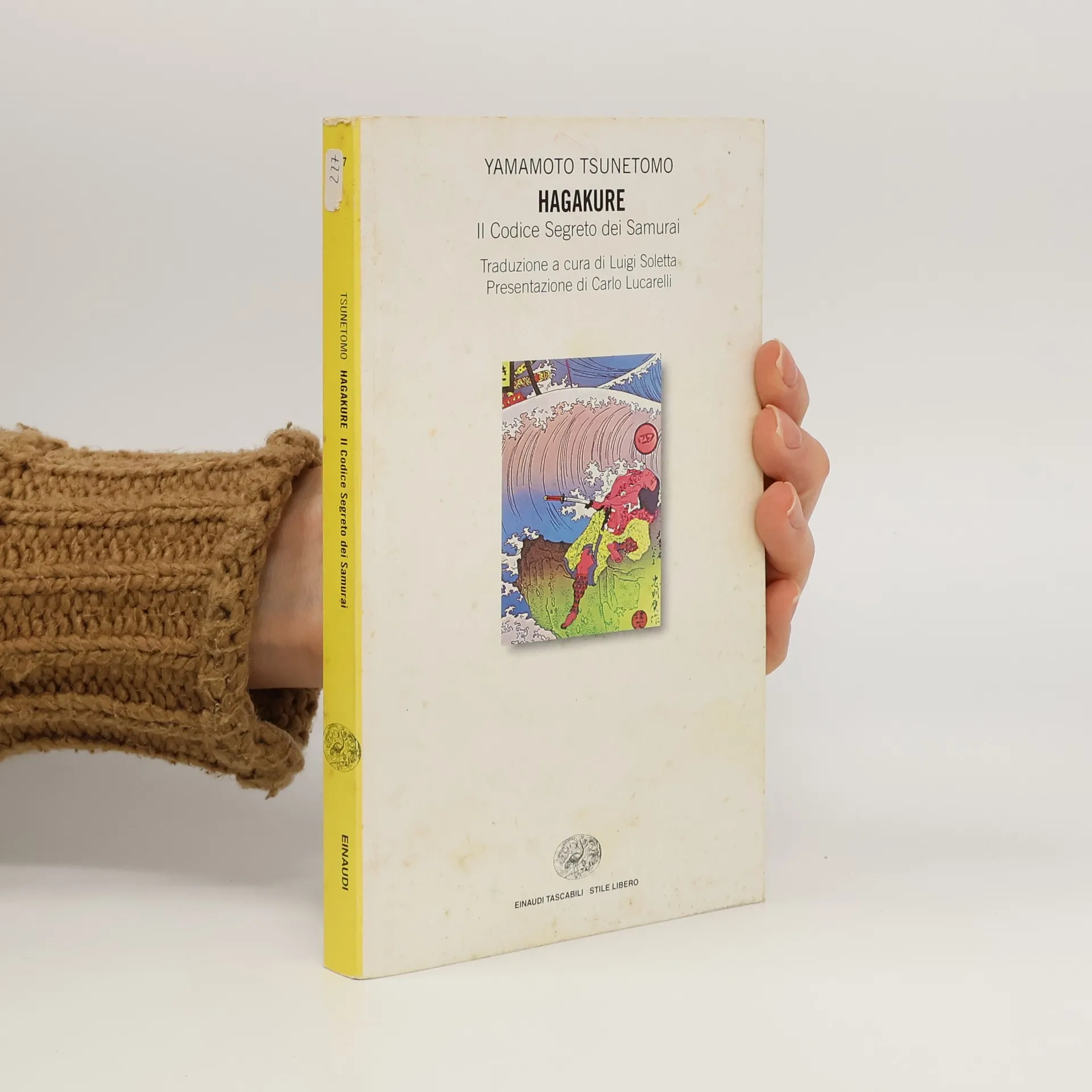
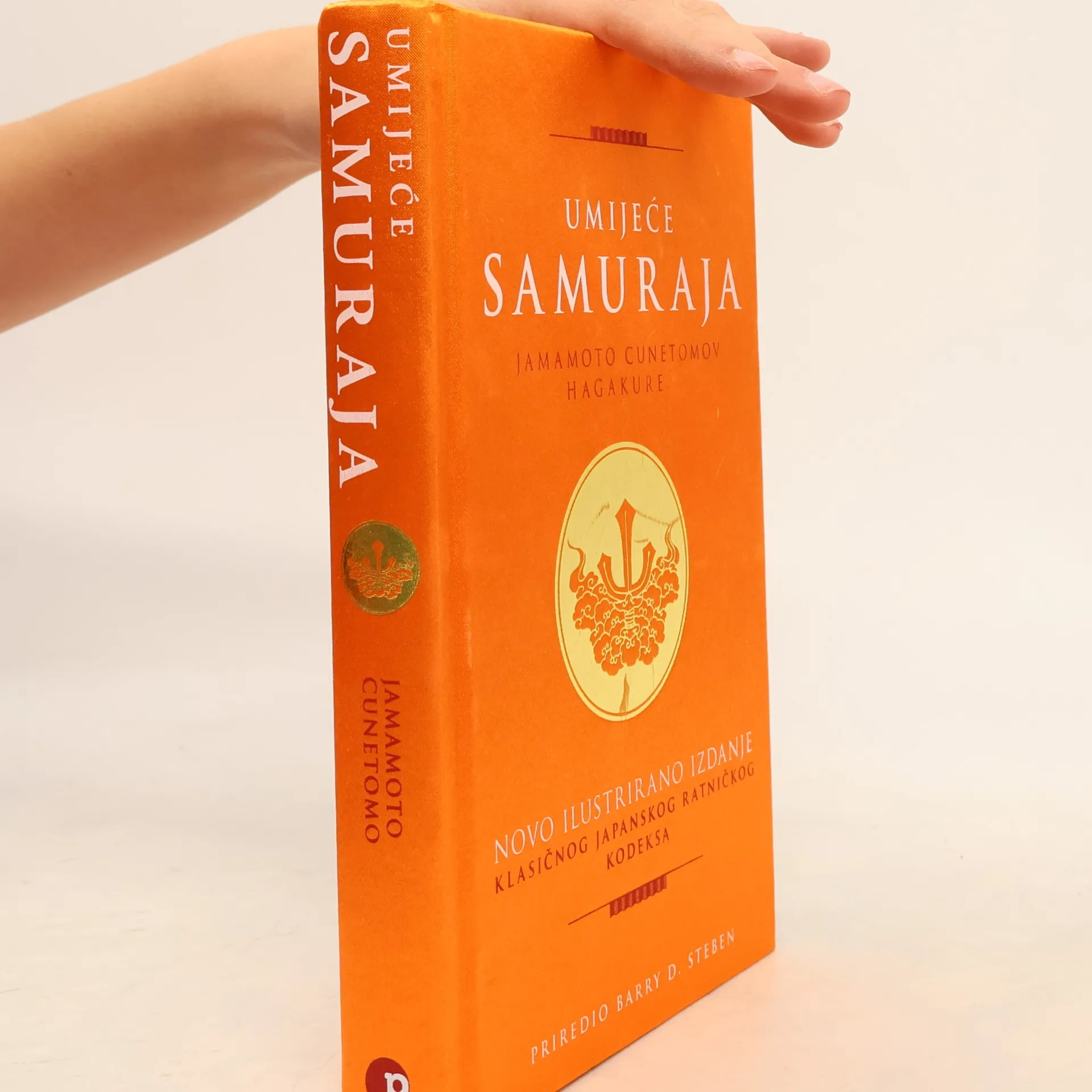
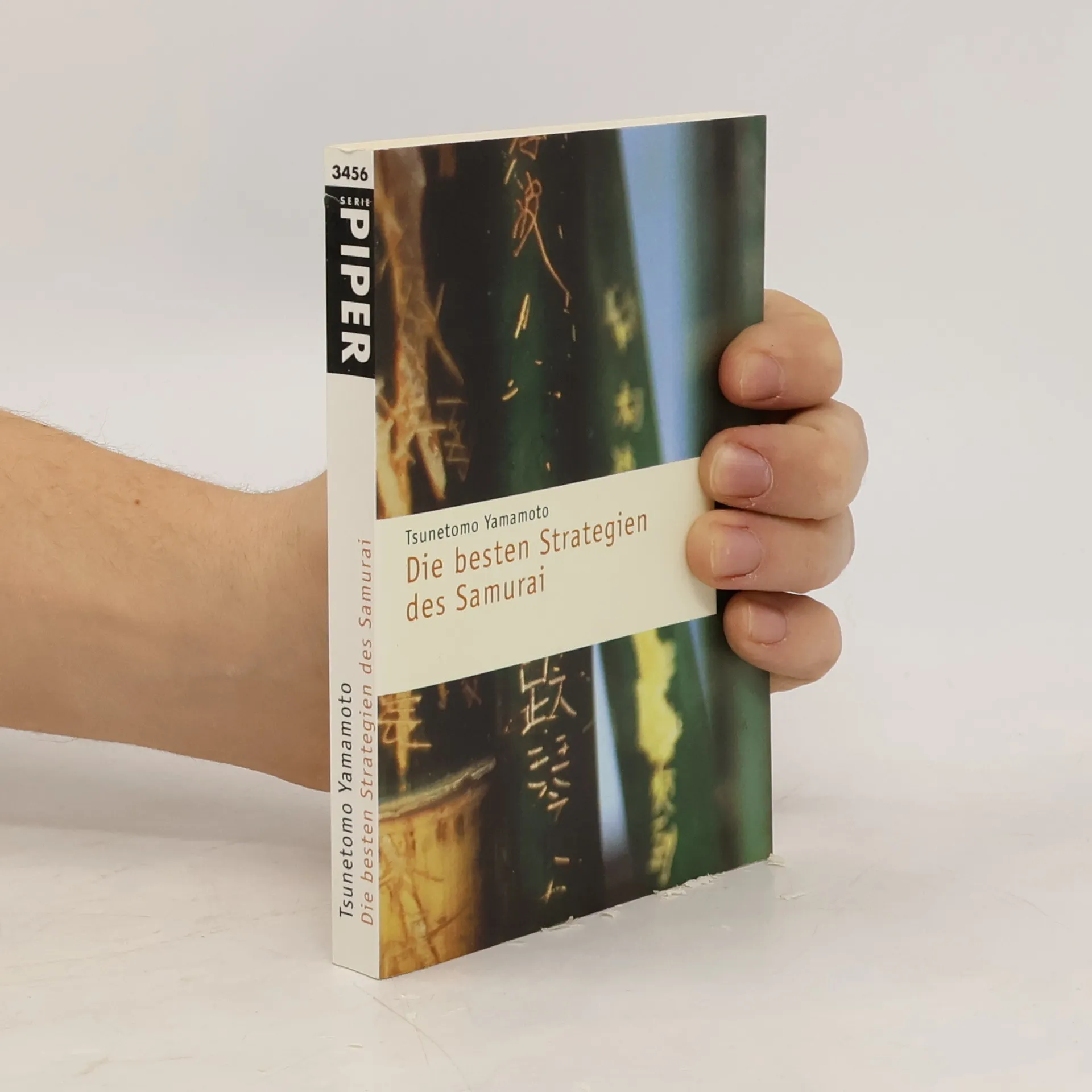

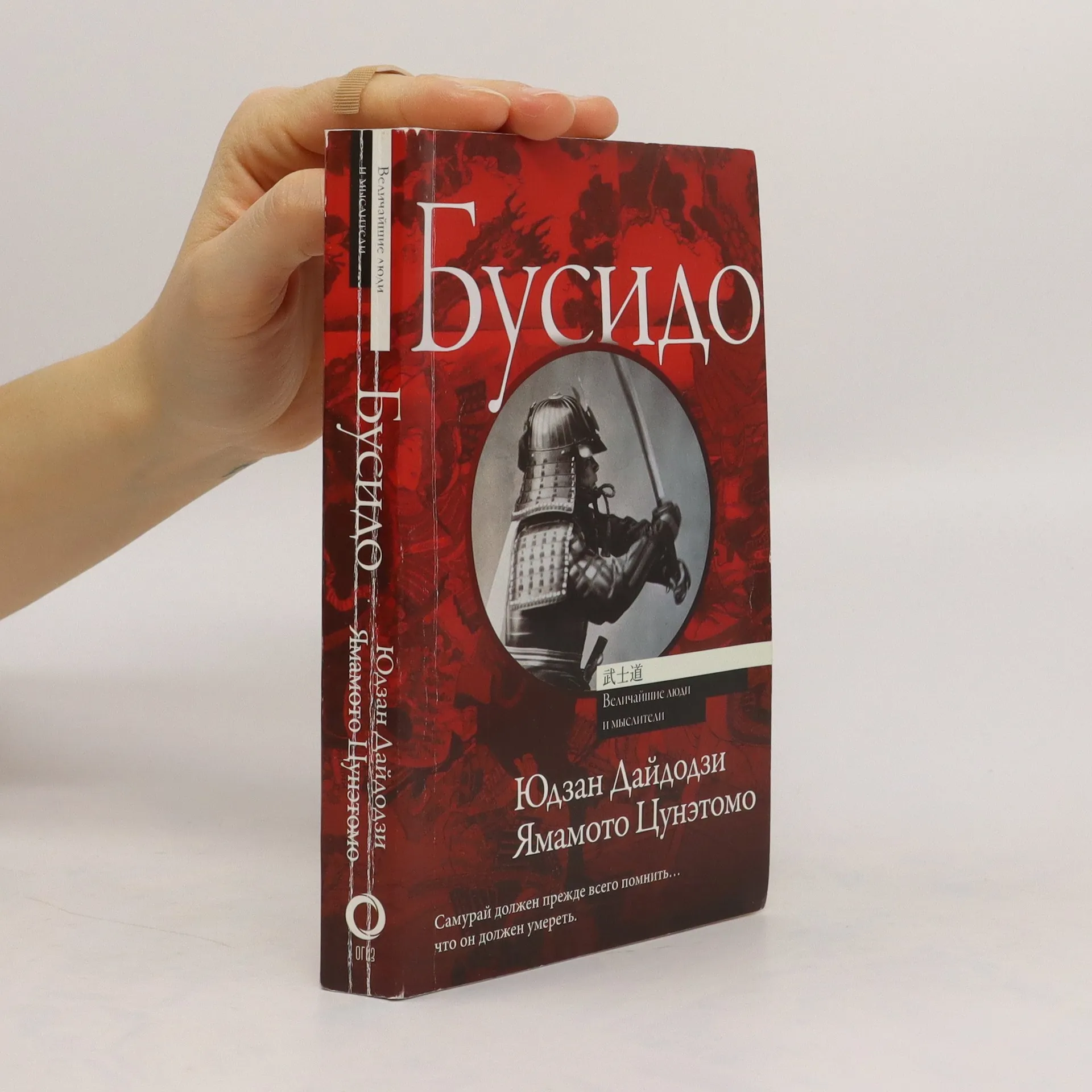
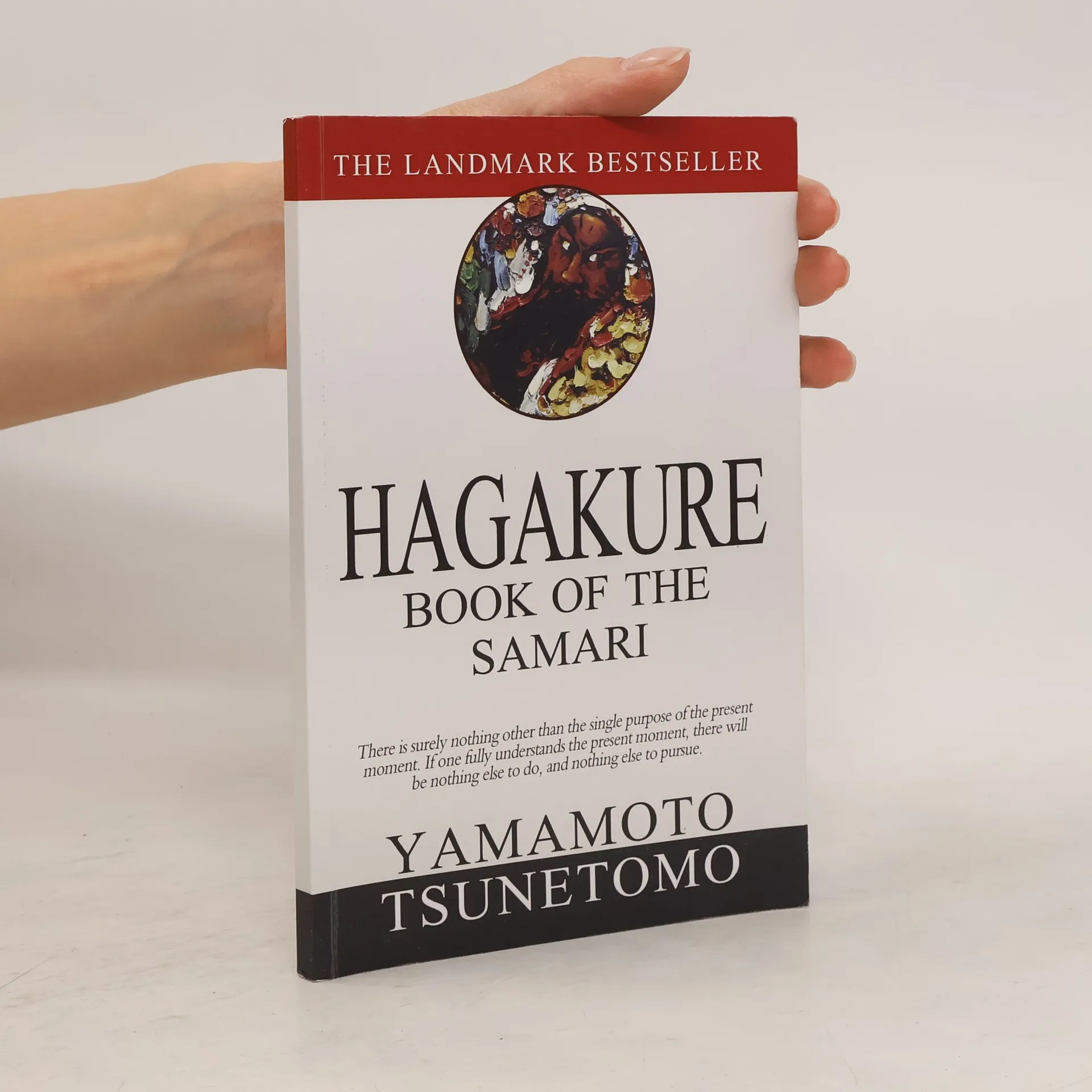
This treatise comprises the authentic relections of a 17th-century Samurai warrior on the character of martial life and death. It aims to be an invaluable guide to the disciplines of thought and practice required of the serious martial artist. Hagakure (In the Shadow of Leaves') is a manual for the samurai classes consisting of a series of short anecdotes and reflections that give both insight and instruction-in the philosophy and code of behavior that foster the true spirit of Bushido-the Way of the Warrior. It is not a book of philosophy as most would understand the word:'
Bushido : the way of the samurai
- 109 páginas
- 4 horas de lectura
Presents a translation of Tsunetomo Yamamoto's "Hagakure," which formed the basis of behavior, values, and etiquette for samurai warriors.
Hagakure. Moudrost samuraje z kraje Saga
- 103 páginas
- 4 horas de lectura
Hagakure (skrytý v listí) je text, který vznikl na začátku 18. století v Japonsku.Text nadiktoval samuraj Cunemoto Jamamoto jako reflexi budhistickeho mnicha, kterým se stal po smrti představeného klanu Nabešima. Myšlenkový základ pro filosofii Hagakure tvoří Cunetomovo studium názorů dvou učenců. Prvním byl zenbuddhistický kněz Tannen, člověk nezlomných zásad a vůle, jenž se vzdal funkce hlavního kněze ve významném chrámu rodu Nabešima na protest proti rozsudku smrti nad jedním knězem. Dalším člověkem, který měl v tomto i pozdějším období na Cunetoma zásadní vliv, byl konfuciánský učenec Ittei Išida, jenž v kraji Saga proslul svou upřímností a zásadovostí.
Das »Hagakure« ist einer der einflussreichsten japanischen Texte überhaupt. Vor über 300 Jahren diktierte Tsunetomo Yamamoto seinen Schülern diese Lektionen, um den Ehrenkodex und die Kultur der Samurai hochzuhalten. Auf seiner Überlieferung des »Bushido« beruht der Großteil unseres Verständnisses dieser alten Kriegerkultur. Diese Ausgabe enthält die ersten beiden Bücher vollständig und ausgewählte Auszüge aus dem dritten Buch. Zahlreiche Erläuterungen machen den Originaltext leicht zugänglich. Der essenzielle Begleiter für Kampfsport-Enthusiasten und jeden, der vom alten Japan fasziniert ist.
Hagakure
Die Weisheiten der Samurai
Entstanden zu Beginn des 18. Jahrhunderts, erfreut sich das Hagakure des Yamamoto Tsunetomo auch heute noch großer Beliebtheit. Das Hagakure ist kein Ehrenkodex, sondern eine Sammlung an Lebensweisheiten und Aufzeichnungen. In kurzen Lektionen vermittelt das Buch Verhaltenshinweise für Krieger, Hinrichtungen und Schlachten genauso wie Heilanweisungen oder Anleitungen zur Kindererziehung.
Unbekannte Samurai-Texte, die im deutschen Sprachraum noch nicht bekannt sind.


