
Bookbot

Albert Camus

    7 de noviembre de 1913 – 4 de enero de 1960

    Albert Camus, autor francés de origen argelino, es célebre por su exploración de lo absurdo y la rebelión humana contra él. Sus obras a menudo abordan temas como la alienación, la búsqueda de sentido y el orden moral en un mundo sin Dios. La prosa de Camus se caracteriza por su pureza, intensidad y racionalidad, reflejando su incesante indagación ética. Su legado literario reside en sus urgentes lecciones sobre cómo abrazar lo absurdo con esperanza y rechazar la desesperación.

    Albert Camus
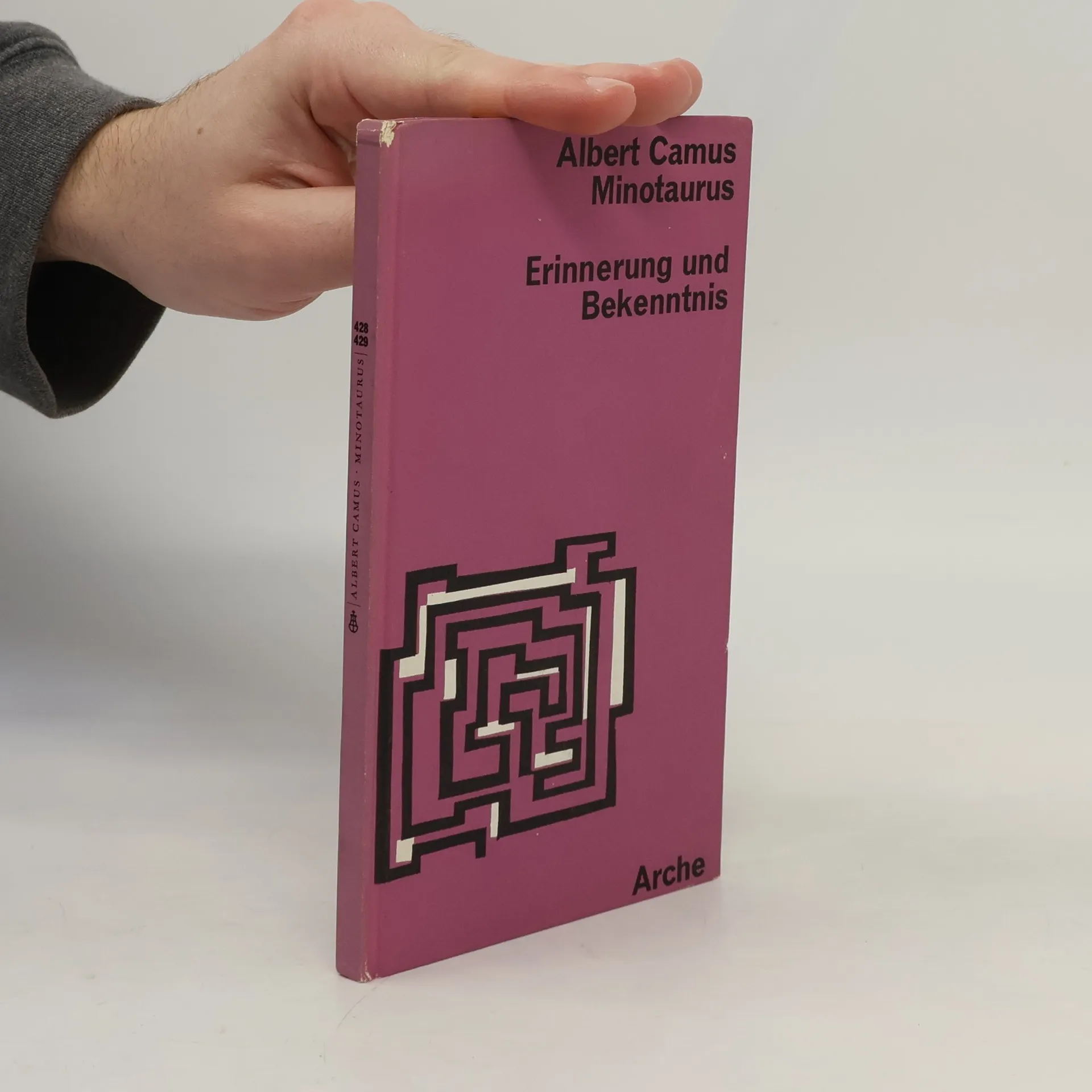
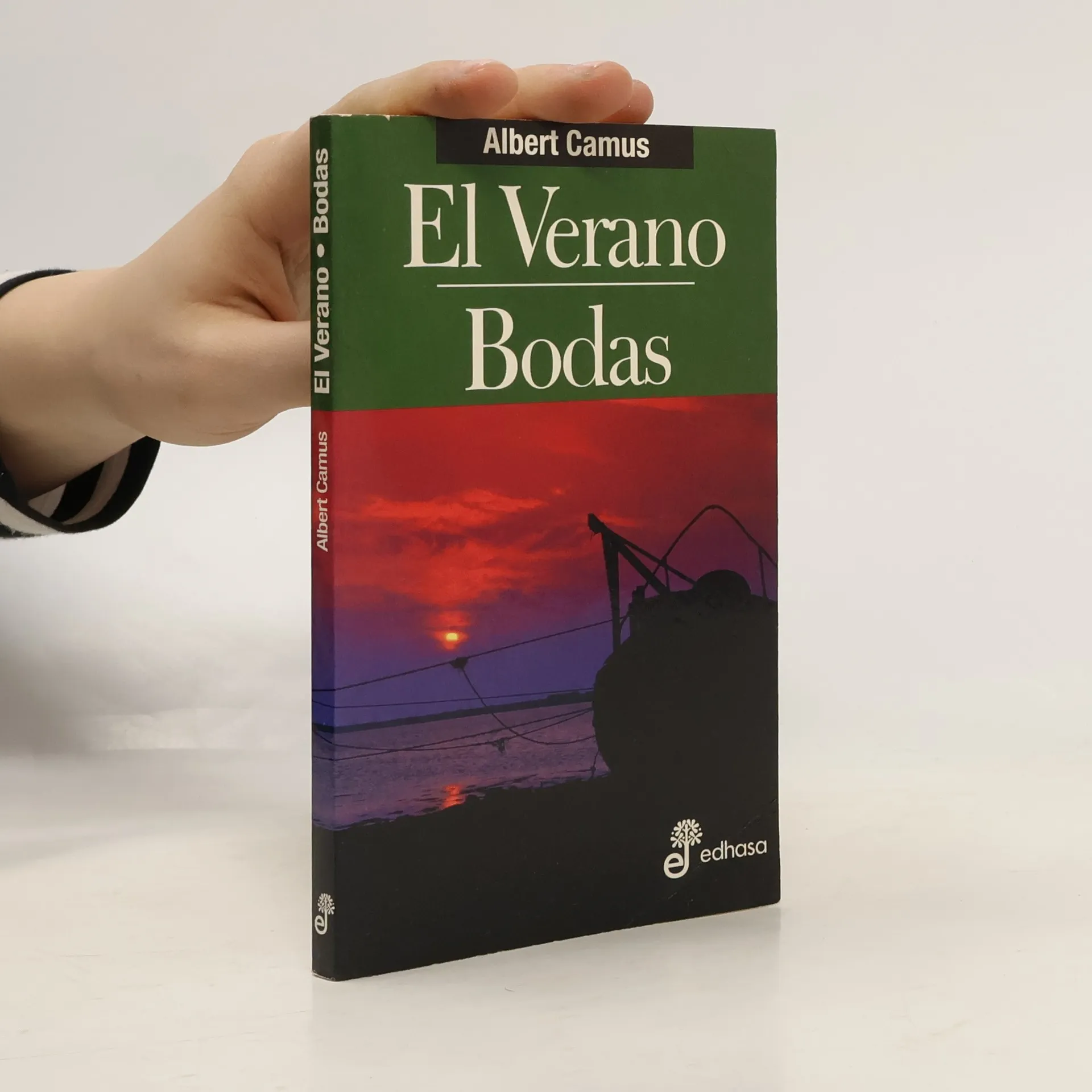
    El verano - Bodas
    Teatro
    La caída
    Los Justos
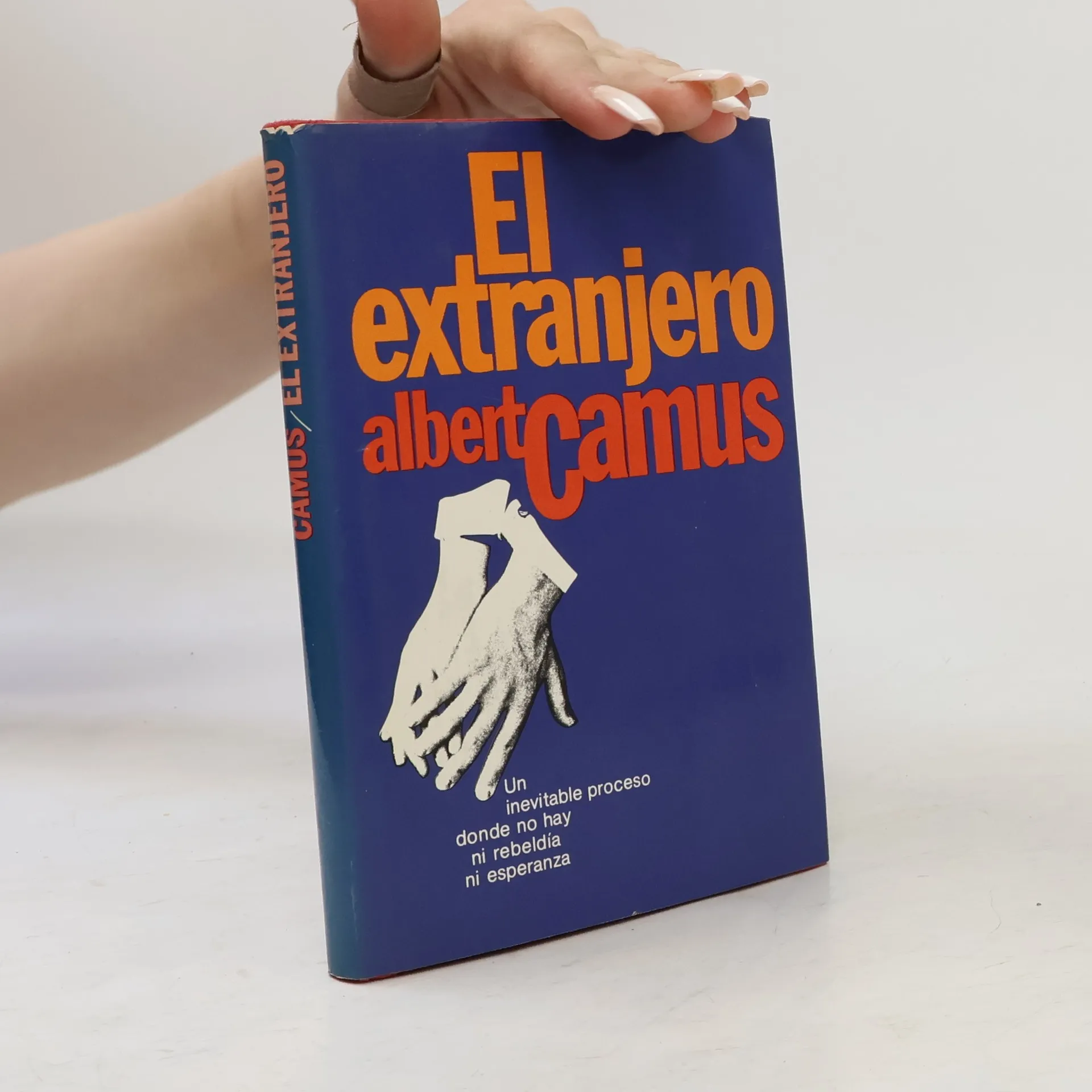
    El extranjero
    El Mito de Sísifo / The Myth of Sisyphus
    • El Mito de Sísifo / The Myth of Sisyphus

      • 176 páginas
      • 7 horas de lectura

      «No hay sino un problema filosófico realmente serio: el suicidio.» Este ensayo fundacional de la filosofía del absurdo, publicado en 1942, revela el talento de Albert Camus. Su título alude a Sísifo, un personaje mitológico condenado a empujar una piedra montaña arriba, solo para verla caer y repetir el proceso eternamente. A través de esta alegoría, Camus aborda el suicidio y el valor de la vida, presentando a Sísifo como símbolo del esfuerzo humano inútil e incesante. Propone la filosofía del absurdo, sugiriendo que nuestras vidas son insignificantes y su valor radica en lo que creamos. Ante la futilidad del mundo, Camus se pregunta: ¿qué alternativa hay al suicidio? Esta obra, una de las más influyentes del siglo, es una exposición crucial del pensamiento existencialista. Influenciado por autores como Don Juan y Kafka, Camus inicia una meditación sobre la vida en un universo sin orden ni significado. Con elocuencia lírica, ofrece una salida de la desesperación, reafirmando el valor de la existencia personal y la posibilidad de vivir con dignidad y autenticidad.
      El Mito de Sísifo / The Myth of Sisyphus
      4,3
    • El extranjero

      • 160 páginas
      • 6 horas de lectura

      Novela patrí do „absurdného obdobia“ Camusovej tvorby a zvyčajne sa interpretuje ako umelecké prenesenie filozofie absurdity. Príbeh sa sústreďuje na románového hrdinu, ktorý apaticky pochováva svoju matku. Deň po pohrebe sa stretáva s pisárkou Mariou a nadväzuje priateľstvo so susedom, pasákom. Následne sa odohrá dráma, keď Mersault bezdôvodne zabije Araba na pláži a je odsúdený na smrť. Tento na pohľad jednoduchý príbeh zachytáva Camusovo chápanie absurdity sveta. Mersaultova vražda sa javí ako výsledok náhody, pričom ho oslepujúce slnko a svetlo zatemnili zrak a narušili rovnováhu dňa. Odsúdenie Mersaulta sa zdá byť založené na jeho emocionálnej apatickosti, keď neplakal na matkinom pohrebe. Jeho postava predstavuje vyhnanca, cudzinca medzi ľuďmi. Próza je filozoficky spätá s esejou Mýtus o Sizyfovi, pričom obidve diela sú základnými piliermi Camusovej tvorby.

      El extranjero
      4,2
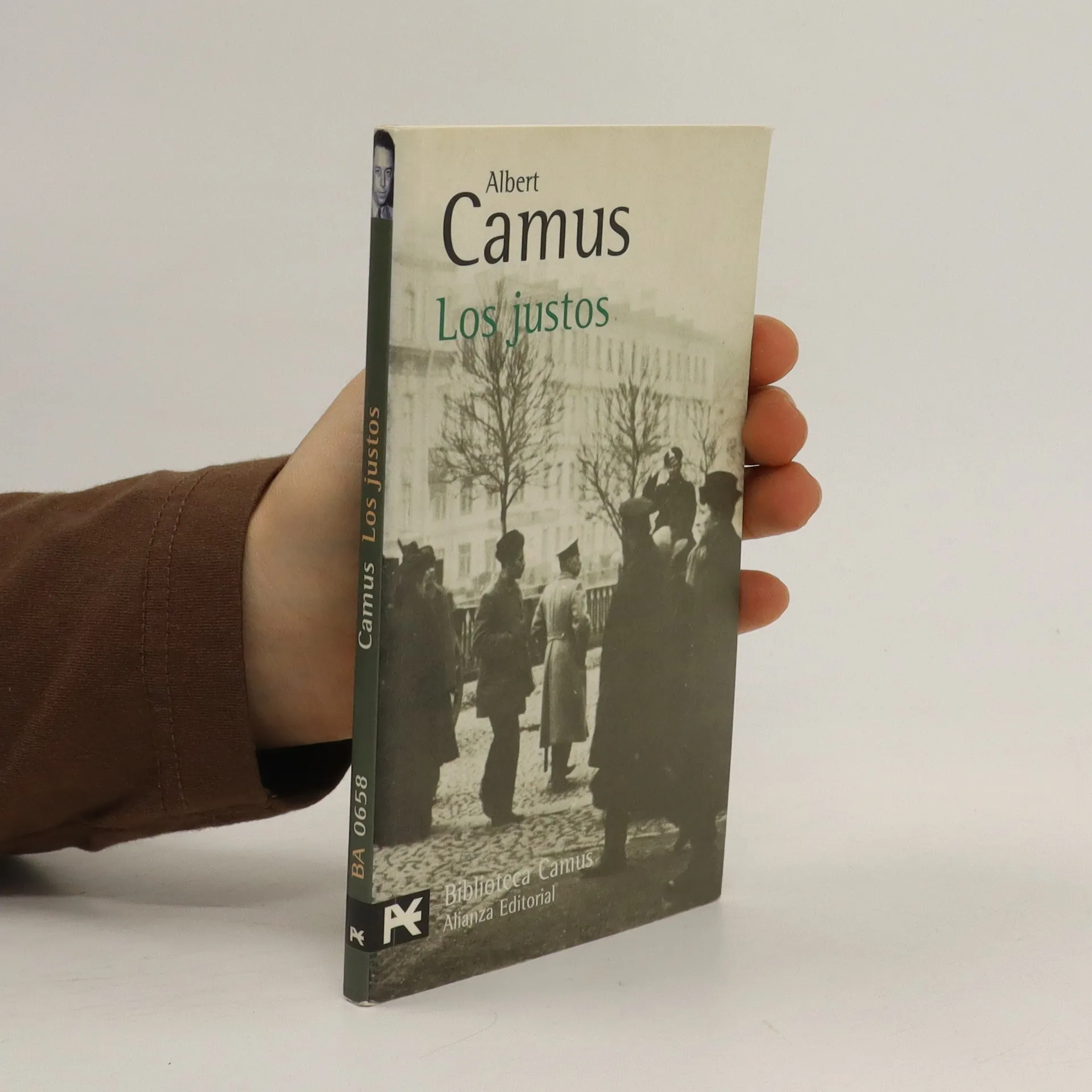
    • Los Justos

      • 137 páginas
      • 5 horas de lectura

      Estrenada en 1949, LOS JUSTOS desarrolla dramáticamente, en el ámbito histórico de la Rusia zarista, algunos de los temas que obsesionaron a Albert Camus (1913-1960) a lo largo de su vida y que atraviesan como hilo conductor toda su obra. La contraposición entre el idealista Ivan Kaliayev y el implacable Stepan Fedorov arroja luz sobre el dilema moral implícito en todo terrorismo y permite al autor, a través de unos diálogos de gran belleza literaria y densidad ideológica, desplegar la compleja dialéctica del fin y los medios, así como mostrar la opresión y el despotismo implicados objetivamente en la utilización de una violencia subjetivamente justificada.

      Los Justos
      4,1
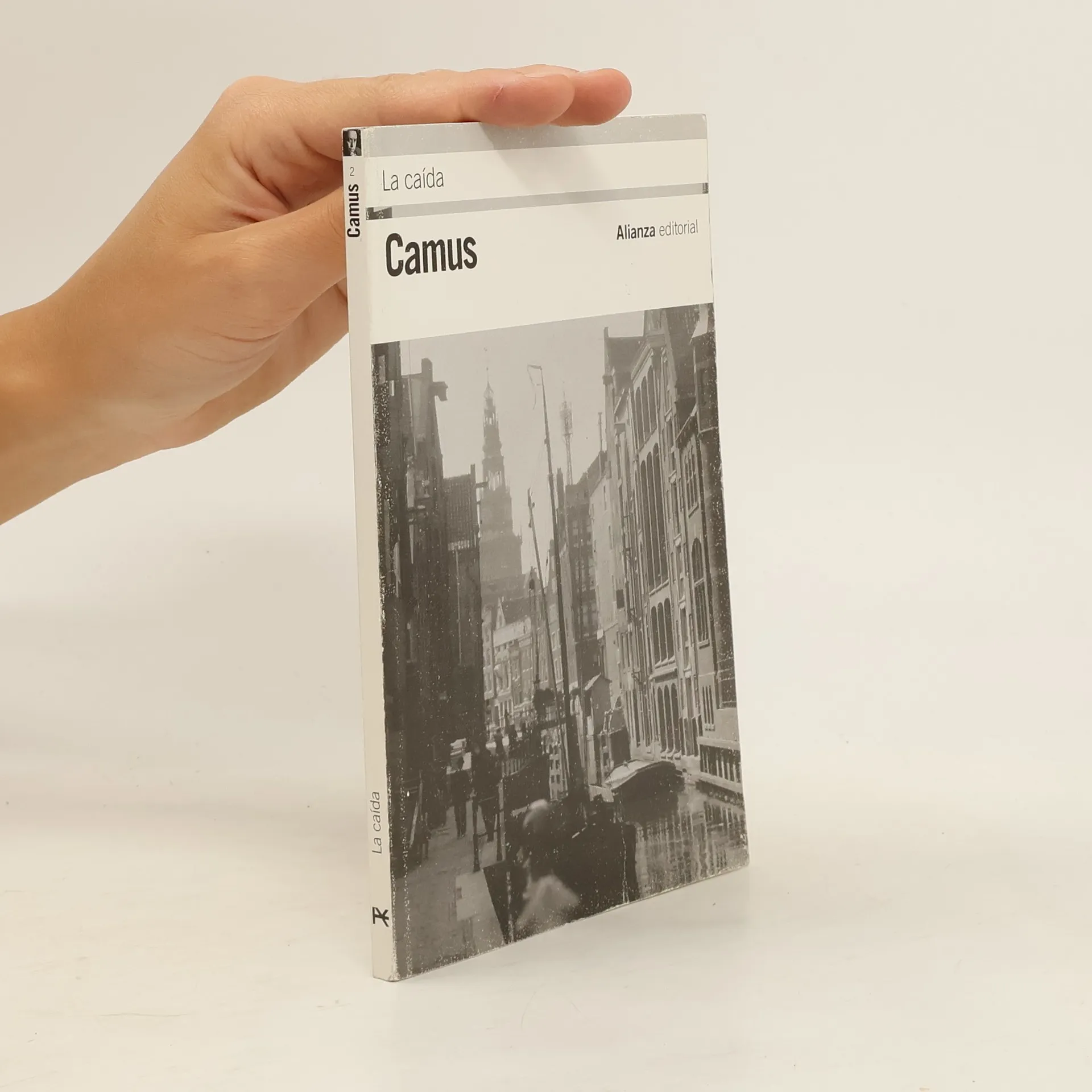
    • La caída

      • 128 páginas
      • 5 horas de lectura

      La obra literaria, periodística y filosófica de Albert Camus (1913-1960) sirvió de orientación ética y de estímulo intelectual a la generación europea llegada a la madurez tras la Segunda Guerra Mundial y marcada por los horrores y sufrimientos de la contienda. Publicada en 1956, un año antes de que se le concediera el Premio Nobel, " La caída " fue tras " El extranjero " y " La peste " , la tercera y última novela de Camus, quien reflejó en ella la desesperación del hombre contemporáneo, condenado a vivir en un mundo dominado por el absurdo y forzado a descubrir, tras las ilusiones de la felicidad y la virtud, la dureza de una realidad hostil. Traducción de Manuel de Lope

      La caída
      4,1
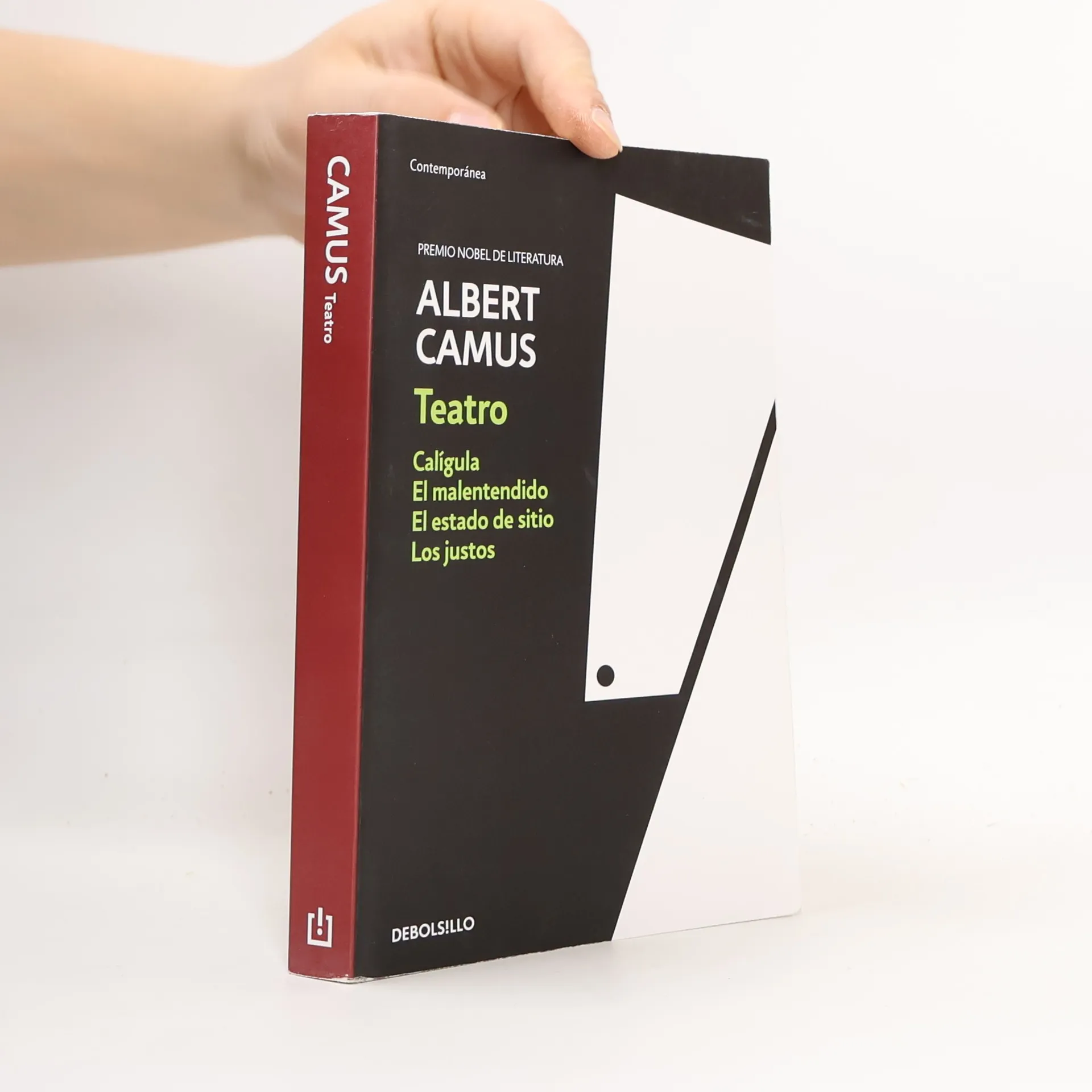
    • Teatro

      Calígula, El malentendido, Los justos, El estado de sitio

      • 352 páginas
      • 13 horas de lectura

      Esta colección presenta cuatro obras maestras del autor galardonado con el Premio Nobel, que exploran la experiencia humana y los dilemas morales. "Calígula", su primera obra de teatro completa, examina el duelo del emperador romano por la muerte de su hermana Drusilla, planteando preguntas existenciales sobre la vida ante el paso implacable del tiempo. "El Malentendido" profundiza en las complejidades del anhelo por el hogar frente a la atracción de lo desconocido. "Los Justos" aborda los dilemas éticos que rodean el asesinato político. Por último, "Estado de Emergencia" es una pieza alegórica que presenta a "La Peste" como un personaje, ofreciendo nuevas perspectivas sobre las luchas contemporáneas con la enfermedad y el autoritarismo. Juntas, estas obras iluminan las profundidades de la experiencia humana y los dilemas morales que enfrentamos.

      Teatro
      4,0
    • El verano - Bodas

      • 136 páginas
      • 5 horas de lectura

      Recuerdo al menos a una gran chica magnífica que había bailado toda la tarde. Llevaba un collar de jazmín sobre su vestido azul pegajoso, que el sudor empapaba desde la cintura hasta las piernas. Reía mientras bailaba y echaba la cabeza hacia atrás. Cuando pasaba cerca de las mesas, dejaba tras de sí un olor mezclado de flores y carne.

      El verano - Bodas
      4,0
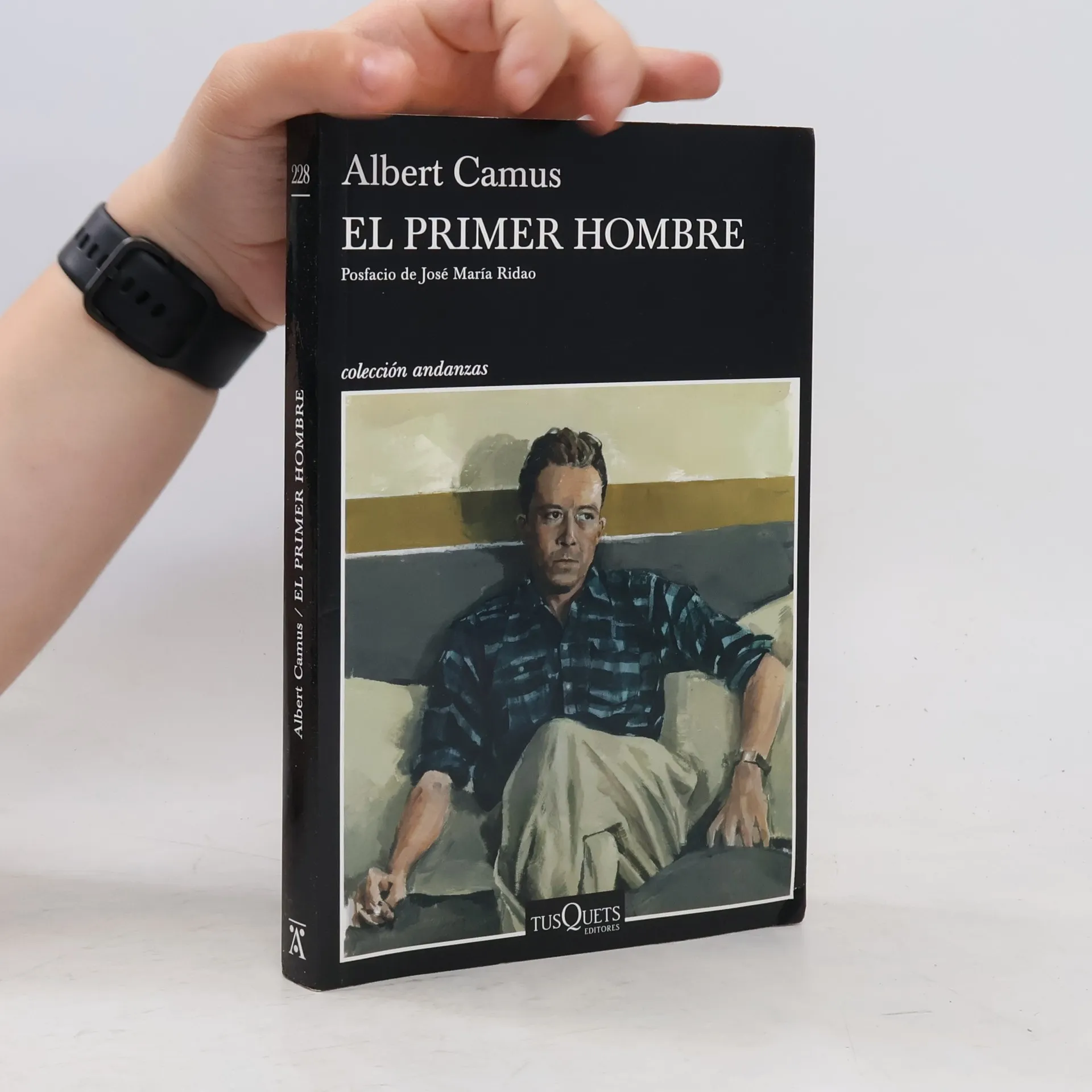
    • La voz de Albert Camus resuena de manera más personal en esta obra. Autor busca sus raíces y se enfrenta a sí mismo, desvelando los fundamentos de sus pensamientos. Invita a los lectores a reflexionar sobre los mensajes de su obra. ¿Son realmente suyos los conceptos comúnmente asociados con su nombre: existencialismo, absurdidad, exclusión social, revuelta? Camus expresa un profundo vínculo con Argelia, su primer hogar, mientras que Francia permanece como un segundo hogar, pero no propio. Su apego a la tierra de su infancia es similar al amor hacia su madre analfabeta, que creció en la pobreza de los suburbios de Argel. La autoconstrucción del "primer hombre" se desarrolla sin la autoridad paterna, sin las experiencias y verdades transmitidas. Es fiel a sí mismo, consciente de sus errores, implacablemente honesto, y a pesar de todo, no renuncia a la esperanza. Se rebela contra el sufrimiento y aprende a amar lo imperfecto. Su respeto genuino por el trabajo humano lo separa de los intelectuales parisinos. Camus aspiraba a crear una obra monumental, pero su trágica muerte interrumpió su escritura.

      El primer hombre
      4,0
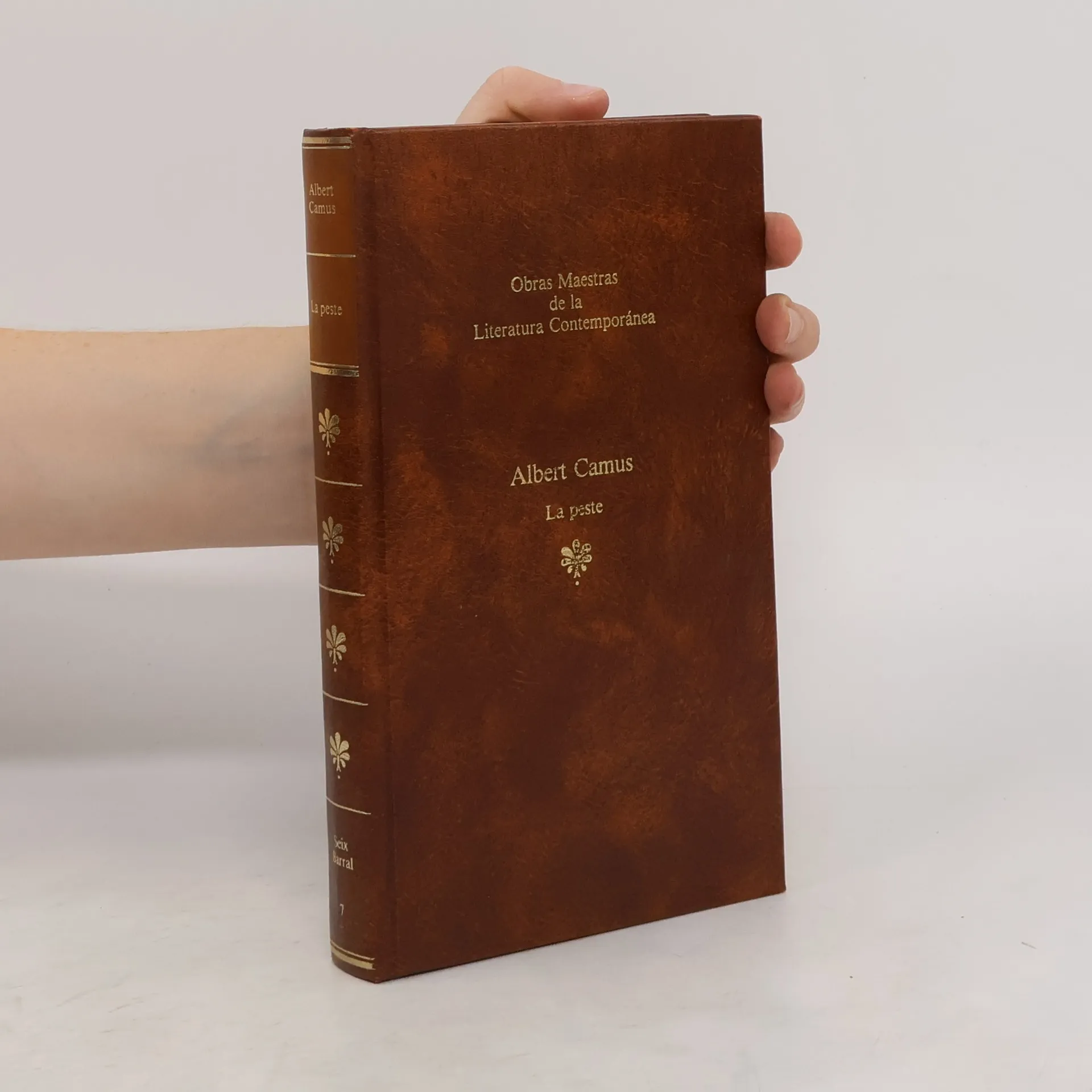
    • La peste

      • 234 páginas
      • 9 horas de lectura

      La Peste es la fábula mundialmente reconocida de Albert Camus sobre el miedo y el coraje. Los habitantes de Orán se ven atrapados por una peste mortal que condena a sus víctimas a una muerte rápida y aterradora. El miedo, la soledad y la claustrofobia surgen a medida que son forzados a la cuarentena. Cada persona responde de manera diferente a la enfermedad letal: algunos se resignan a su destino, otros buscan culpables y unos pocos, como el Dr. Rieux, resisten al terror. Publicada en 1947, La Peste es en parte una alegoría del sufrimiento de Francia bajo la ocupación nazi y una historia de valentía y determinación frente a la precariedad de la existencia humana. Es una fábula incomparable sobre el miedo, el coraje y la cobardía. Albert Camus nació en Argelia en 1913 y se convirtió en uno de los líderes intelectuales del movimiento de Resistencia. Su obra incluye La Peste, Los Justos y La Caída, y recibió el Premio Nobel de Literatura en 1957.

      La peste
      3,9
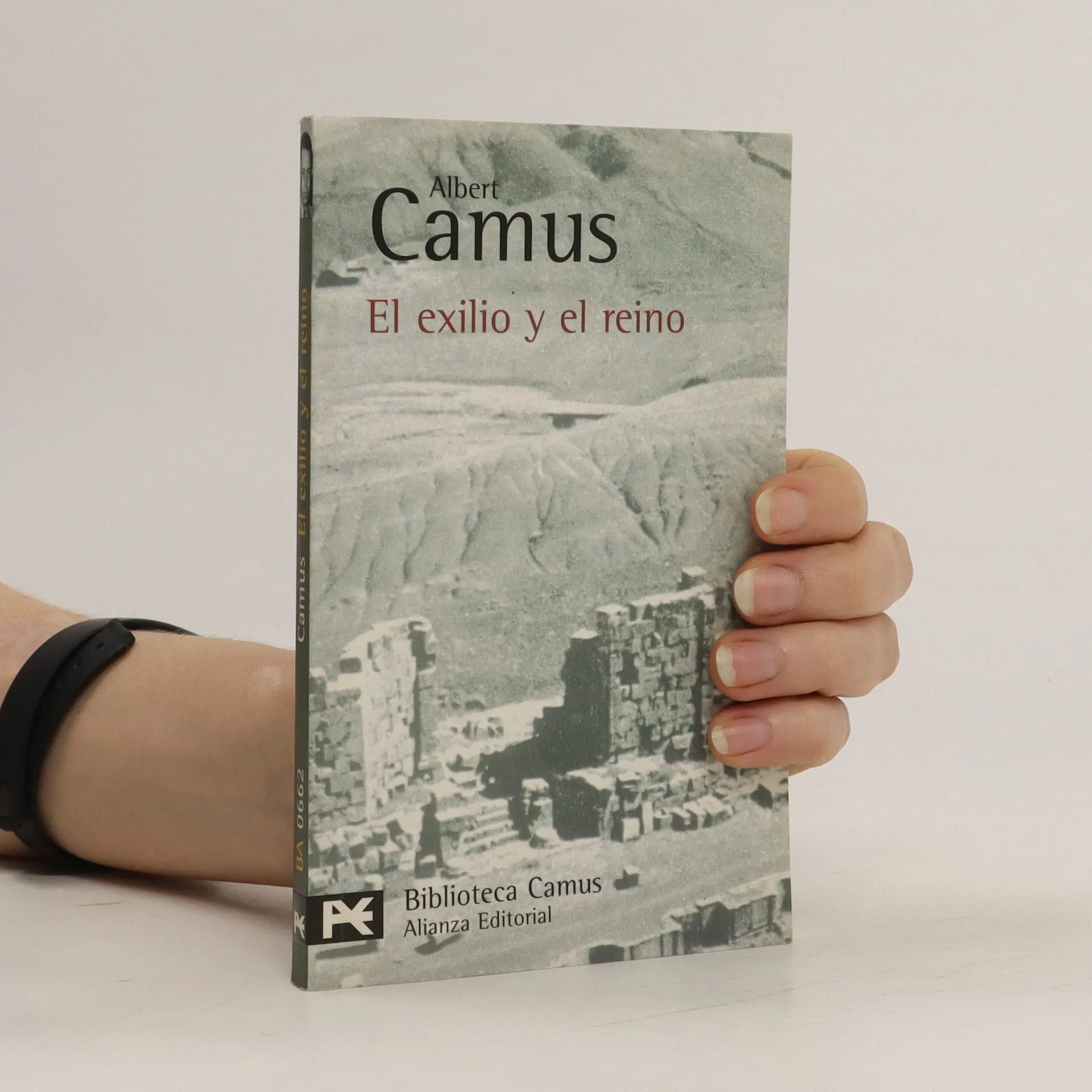
    • El exilio y el reino

      • 168 páginas
      • 6 horas de lectura

      Publicado en el mismo año en que le fue concedido a su autor el Premio Nobel de Literatura (1957), EL EXILIO Y EL REINO reúne seis relatos de Albert Camus (1913-1960) regidos por un mismo propósito ético y estético. La fraternidad humana, la pregunta sobre el sentido de la existencia y la añoranza de un universo moral que sirva de protección frente al nihilismo y la infelicidad constituyen el trasfondo de los diferentes argumentos. Los personajes de los relatos viven diversos tipos de exilio, desde el extrañamiento físico y social («El renegado o un espíritu confuso», «El huésped», «La piedra que crece») hasta ese exilio personal o interior que evidencia mejor lo absurdo de la condición humana («La mujer adúltera», «Los mudos», «Jonas o el artista trabajando»). También en esta Biblioteca de autor: «El extranjero» (BA 0657), «Los justos» (BA 0658), «Calígula» (BA 0659), «El mito de Sísifo» (BA 0660), «La caída» (BA 0661).

      El exilio y el reino
      3,8
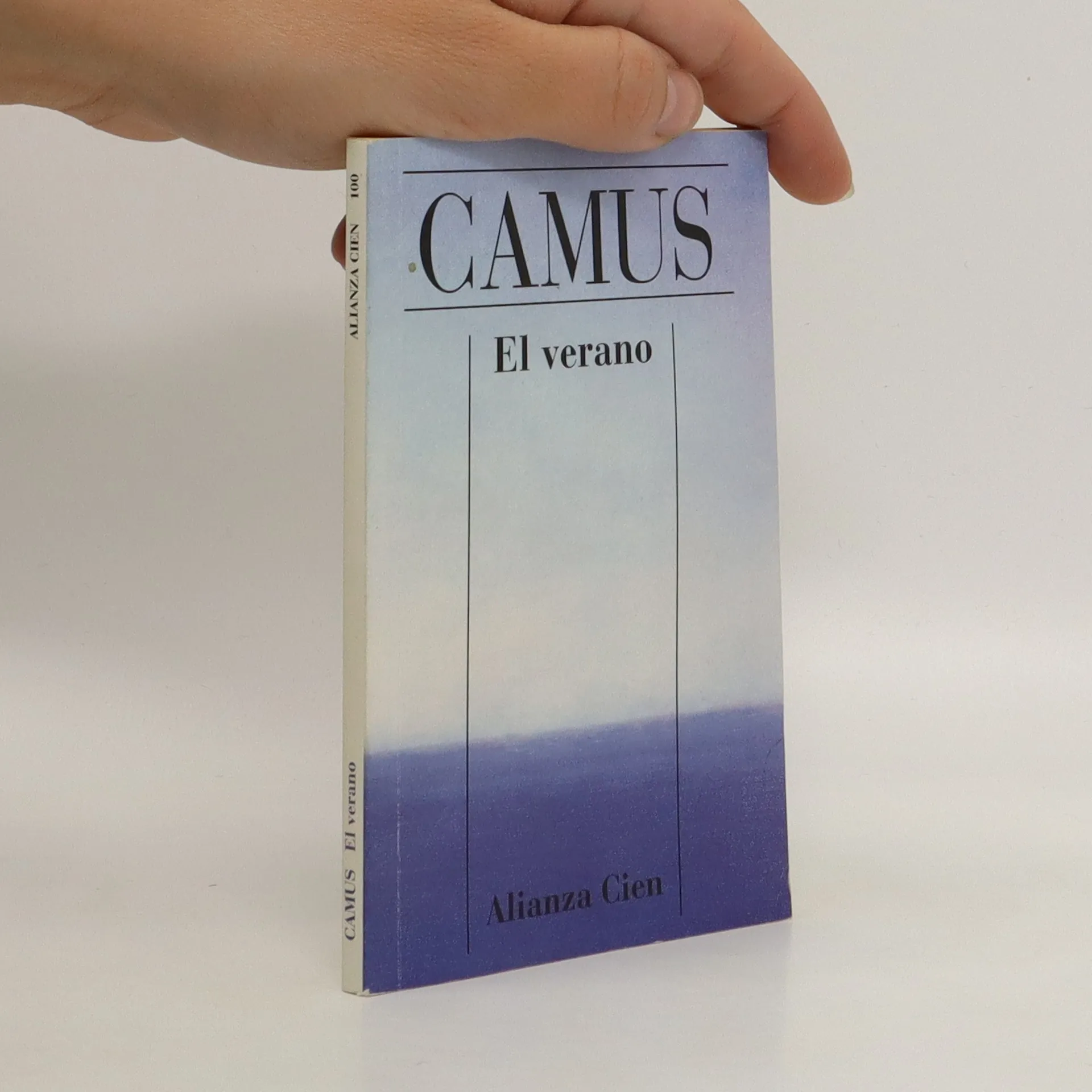
    • El verano

      • 94 páginas
      • 4 horas de lectura

      L’Été, El verano, es uno de los libros más personales de Albert Camus. En cierto sentido todos lo son, pero no menos cierto es que la habilidad literaria consiste frecuentemente en convertir los hechos y acontecimientos de la vida en una materia un tanto más perdurable. Proust, por ejemplo, cambió los nombres de las personas que conoció, fundió a dos o tres en un solo personaje, disimuló y glosó, todo con el propósito de encontrar en la memoria la posibilidad de recuperar el tiempo perdido. El verano es personal en ese sentido: un libro en que la esencia vital de Camus está ahí pero de forma evidente, palpable, emotiva, como si explorara sus fibras más íntimas y, al mismo tiempo, las expusiera para sus lectores (o para sí mismo, en calidad de primer lector), sin artificio literario de por medio. A medio camino entre diario de viaje, memorias y ensayo, El verano (1954) lleva al lector por Argelia, Grecia y Francia en una travesía guiada por ciertos mitos fundacionales de la cultura occidental europea —el Minotauro, Prometeo, Helena— y la metáfora del verano como una época ambigua y de transición, una temporada en que el Sol impera pero que también, por eso mismo, es el recordatorio de un segundo momento del año dominado por las condiciones adversas.

      El verano
      3,7
    • Albert Camus (1913-1960) no sólo fue uno de los escritores más prestigiosos de la generación que llegó a la madurez entre las ruinas, la frustración y la desesperanza de la Europa demolida por las dos Guerras Mundiales, sino que el paso del tiempo agiganta cada vez más su figura excepcional y el valor de su obra. " El extranjero " , novela con cuya publicación saltó a la fama en 1942, tiene como referencia omnipresente a Meursault, su protagonista, a quien una serie de circunstancias conduce a cometer un crimen aparentemente inmotivado. El desenlace de su proceso judicial no tendrá más sentido que su vida, corroída por la cotidianidad y gobernada por fuerzas anónimas que, al despojar a los hombres de la condición de sujetos autónomos, los eximen también de responsabilidad y de culpa. Traducción de José Ángel Valente

      El extranjero - 1. edición
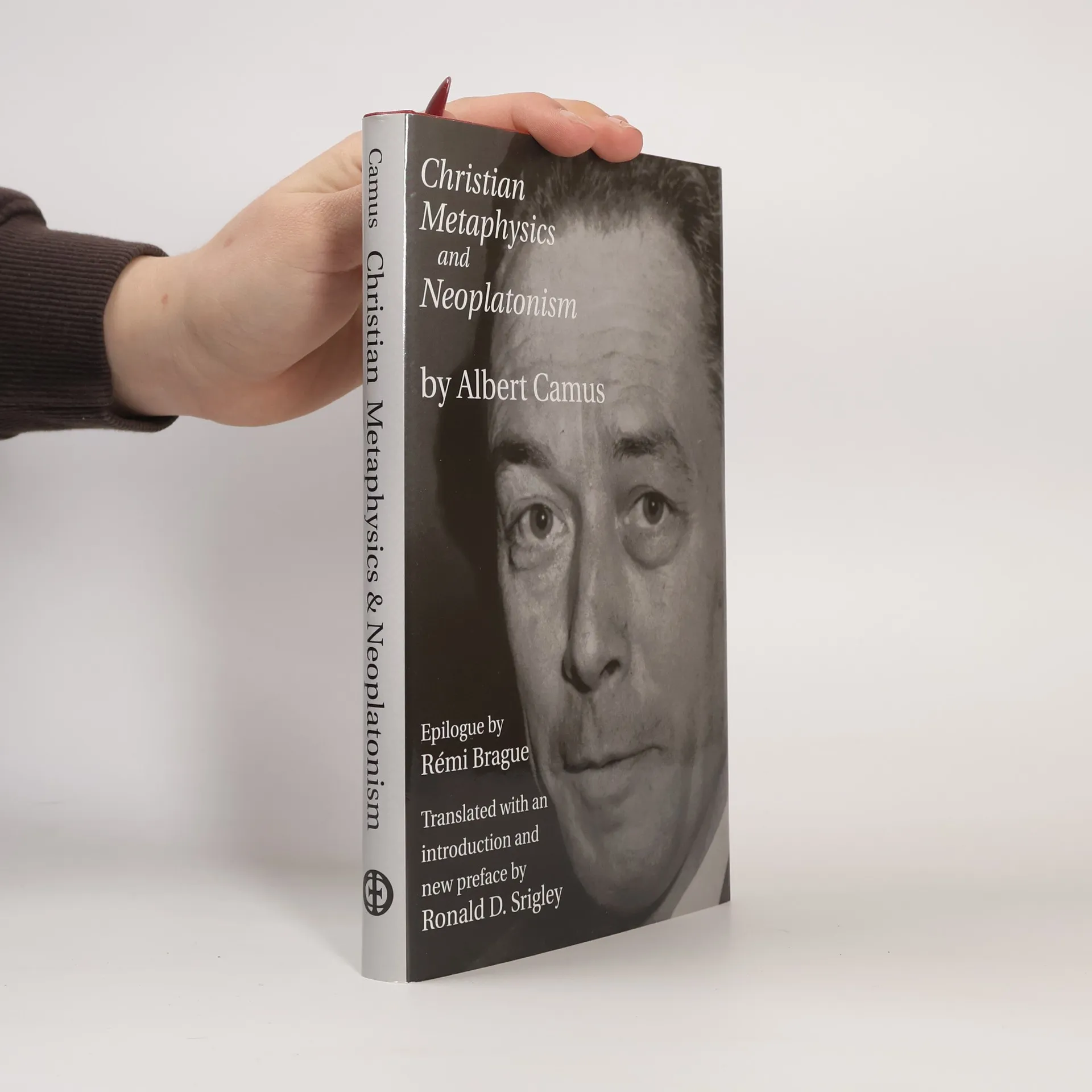
    • From 1935 until his death, Albert Camus kept a series of notebooks to sketch out ideas for future works, record snatches of conversations and excerpts from books he was reading, and jot down his reflections on death and the horror of war, his feelings about women and loneliness and art, and his appreciations for the Algerian sun and sea. These three volumes, now available together for the first time in paperback, include all entries made from the time when Camus was still completely unknown in Europe, until he was killed in an automobile accident in 1960, at the height of his creative powers. In 1957 he had been awarded the Nobel Prize for Literature. A spiritual and intellectual autobiography, Camus' Notebooks are invariably more concerned with what he felt than with what he did. It is intriguing for the reader to watch him seize and develop certain themes and ideas, discard others that at first seemed promising, and explore different types of experience. Although the Notebooks may have served Camus as a practice ground, the prose is of superior quality, which makes a short spontaneous vignette or a moment of sensuous beauty quickly captured on the page a small work of art.Here is a record of one of the most unusual minds of our time.
      Notebooks, 1942-1951
      4,4
    • Notebooks 3. 1951-1959

      • 288 páginas
      • 11 horas de lectura

      This final volume, recorded over the last nine years of his life, takes on the characteristics of a personal diary.--[book jacket].

      Notebooks 3. 1951-1959
      4,3
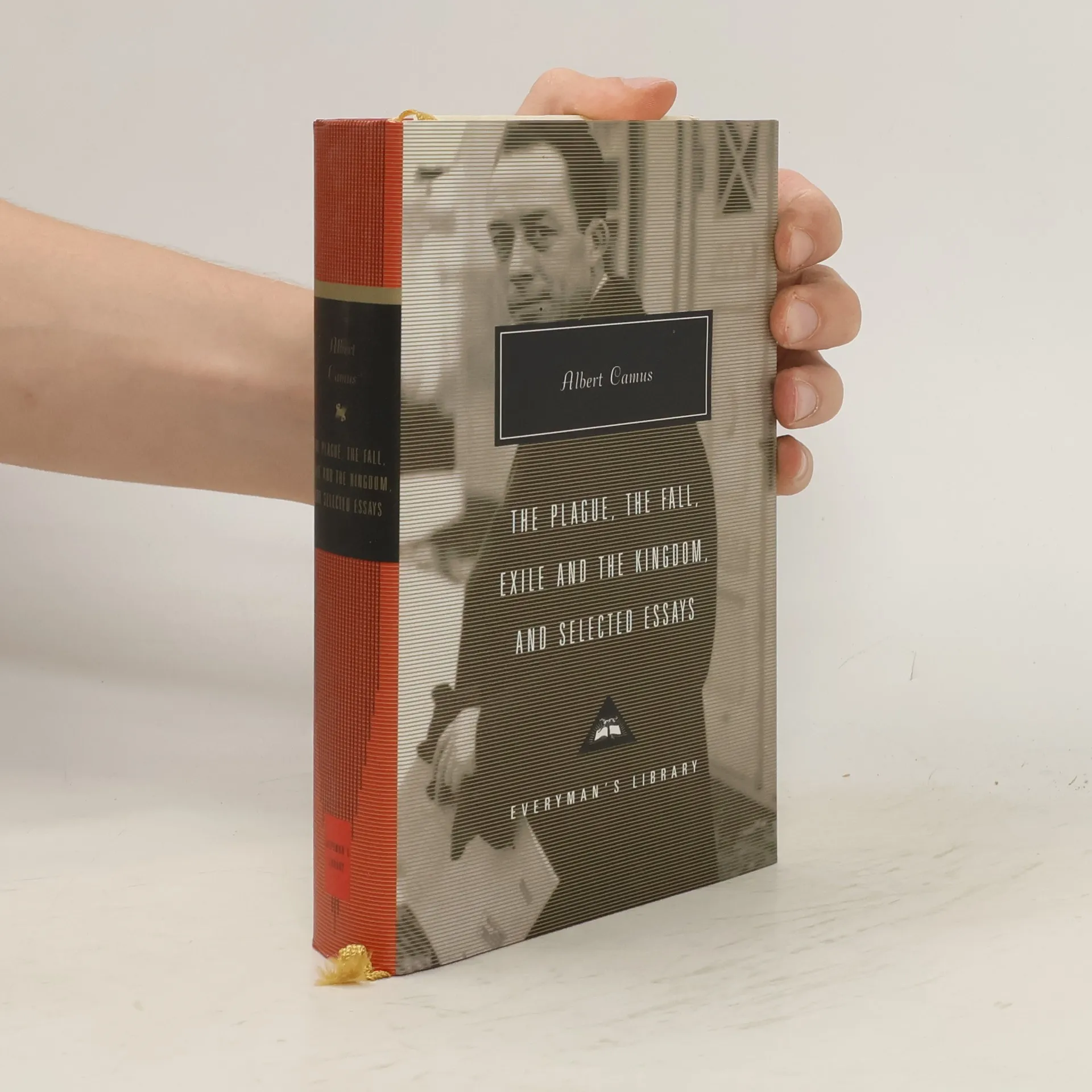
    • Brings together a collection of the writer's novels, short stories, and essays, including "The Plague," a tale of survival and resilience in the face of a devastating epidemic, and "The Fall," in which a French lawyer makes an astonishing confession.

      Plague, Fall, Exile And The Kingdom And Selected Essays
      4,3
    • From 1935 until his death, Albert Camus kept a series of notebooks to sketch out ideas for future works, record snatches of conversations and excerpts from books he was reading, and jot down his reflections on death and the horror of war, his feelings about women and loneliness and art, and his appreciations for the Algerian sun and sea. These three volumes, now available together for the first time in paperback, include all entries made from the time when Camus was still completely unknown in Europe, until he was killed in an automobile accident in 1960, at the height of his creative powers. In 1957 he had been awarded the Nobel Prize for Literature. A spiritual and intellectual autobiography, Camus' Notebooks are invariably more concerned with what he felt than with what he did. It is intriguing for the reader to watch him seize and develop certain themes and ideas, discard others that at first seemed promising, and explore different types of experience. Although the Notebooks may have served Camus as a practice ground, the prose is of superior quality, which makes a short spontaneous vignette or a moment of sensuous beauty quickly captured on the page a small work of art.Here is a record of one of the most unusual minds of our time.

      Notebooks 1935-1942
      4,3
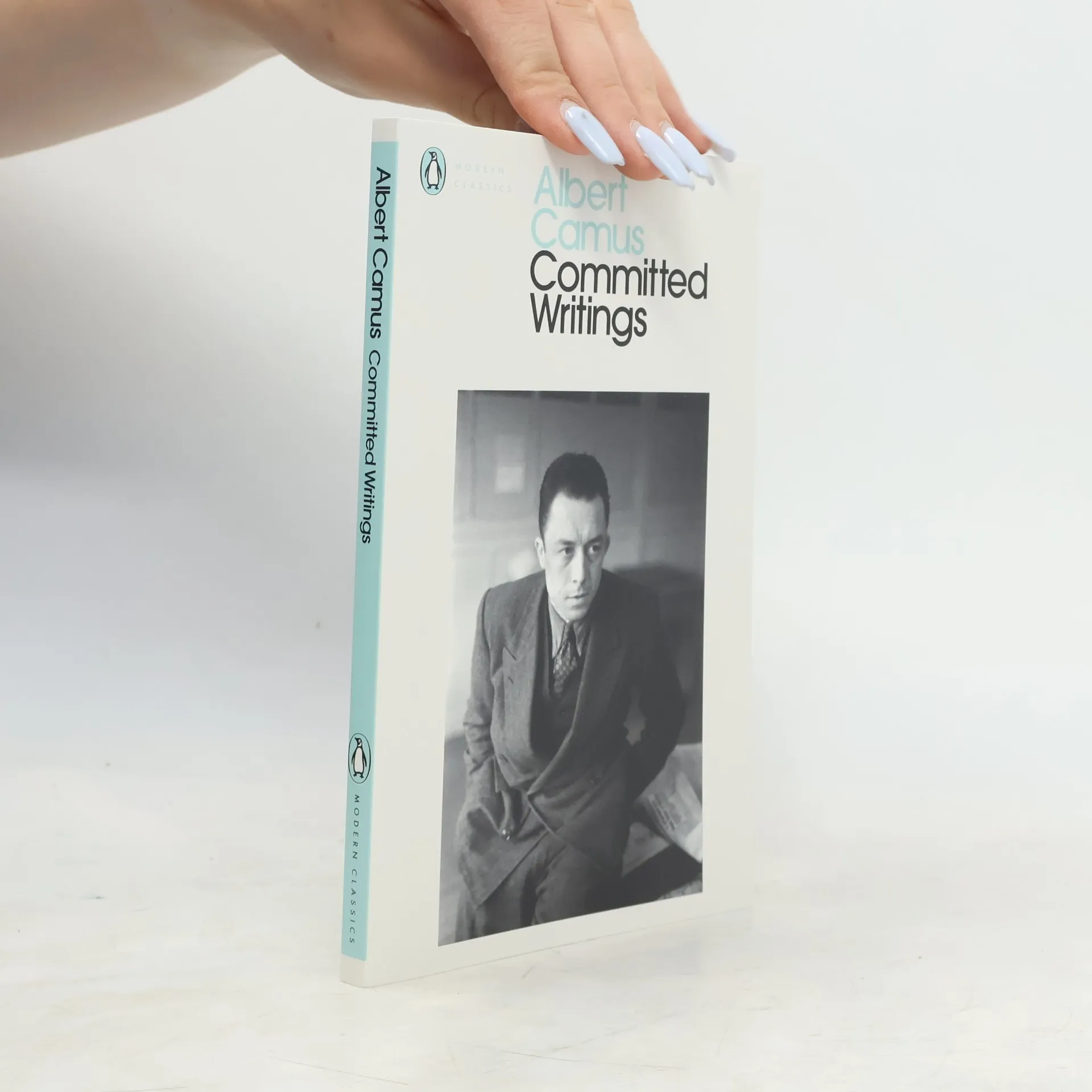
    • Committed Writings

      • 288 páginas
      • 11 horas de lectura

      This volume contains some of Camus' most powerful political writing as he reflects on moral responsibility and the role of the artist in the world. 'Letters to a German Friend' was Camus' first wartime intervention, written in 1943 in order 'to make our battle more effective'. 'Reflections on the Guillotine' is his impassioned polemic against the death penalty. And in his Nobel lecture, Camus argues against 'Art for art's sake' and brilliantly sets out his vision of the artist's responsibilities.

      Committed Writings
      4,2
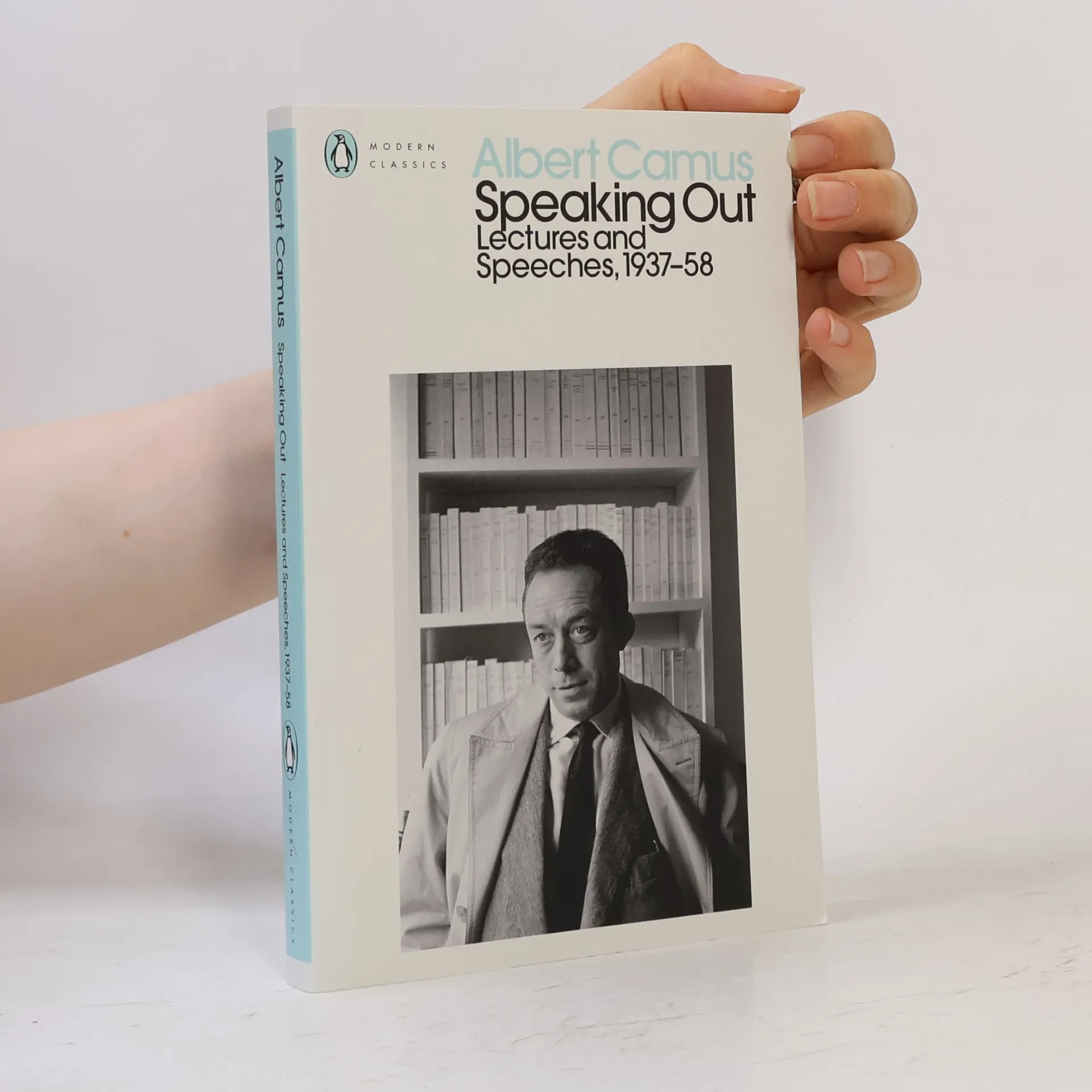
    • Speaking Out

      • 275 páginas
      • 10 horas de lectura

      Featuring the most significant lectures and speeches of a Nobel Prize winner, this collection presents a fresh English translation by Quintin Hoare. It showcases the enduring impact of the author's ideas and insights, making it a vital resource for those interested in their influential thoughts and contributions. This marks the first time these important works are available in English, enriching the understanding of the author's legacy.

      Speaking Out
      4,2
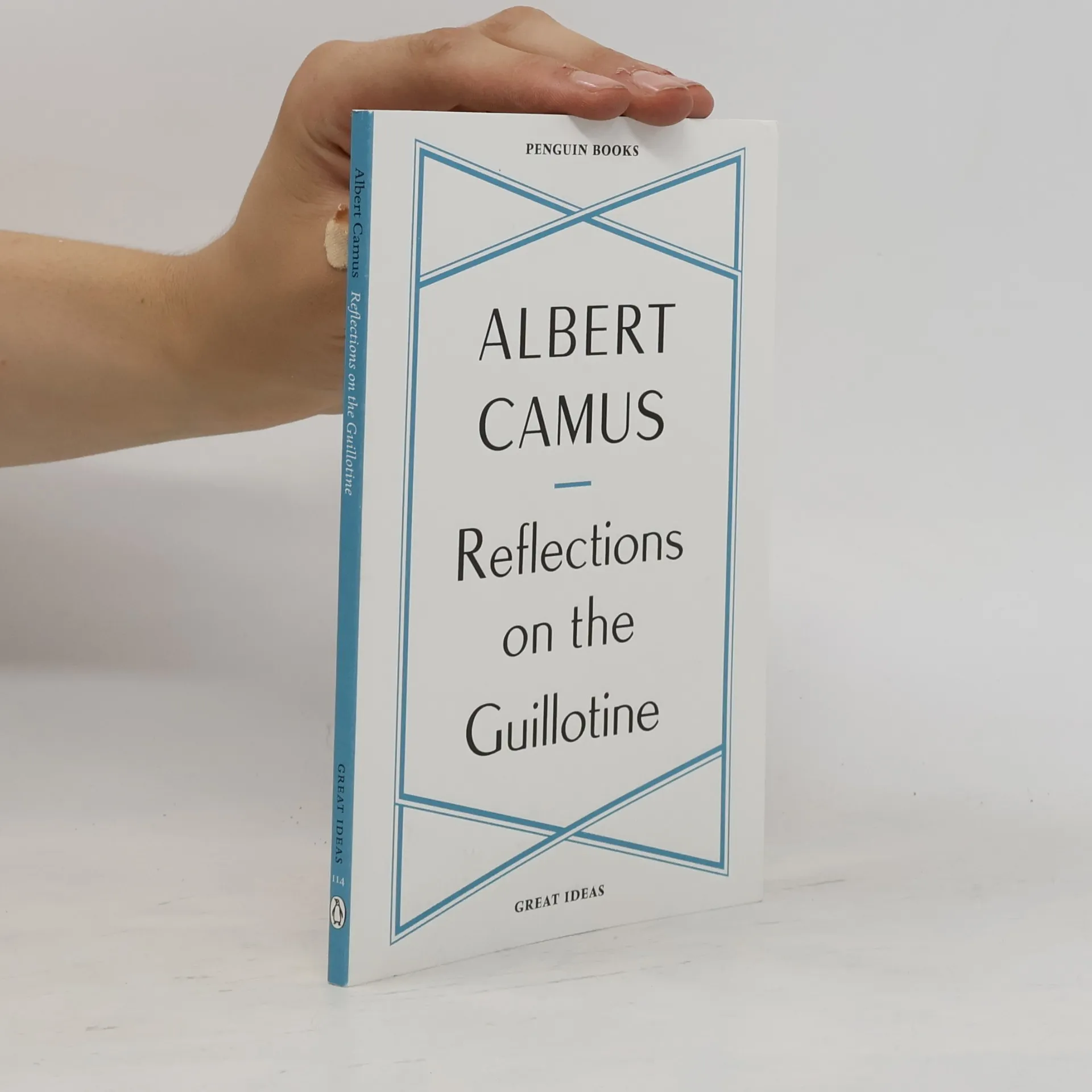
    • Reflections on the Guillotine

      • 96 páginas
      • 4 horas de lectura

      Written when execution by guillotine was still legal in France, Albert Camus' devastating attack on the 'obscene exhibition' of capital punishment remains one of the most powerful, persuasive arguments ever made against the death penalty.

      Reflections on the Guillotine
      4,2
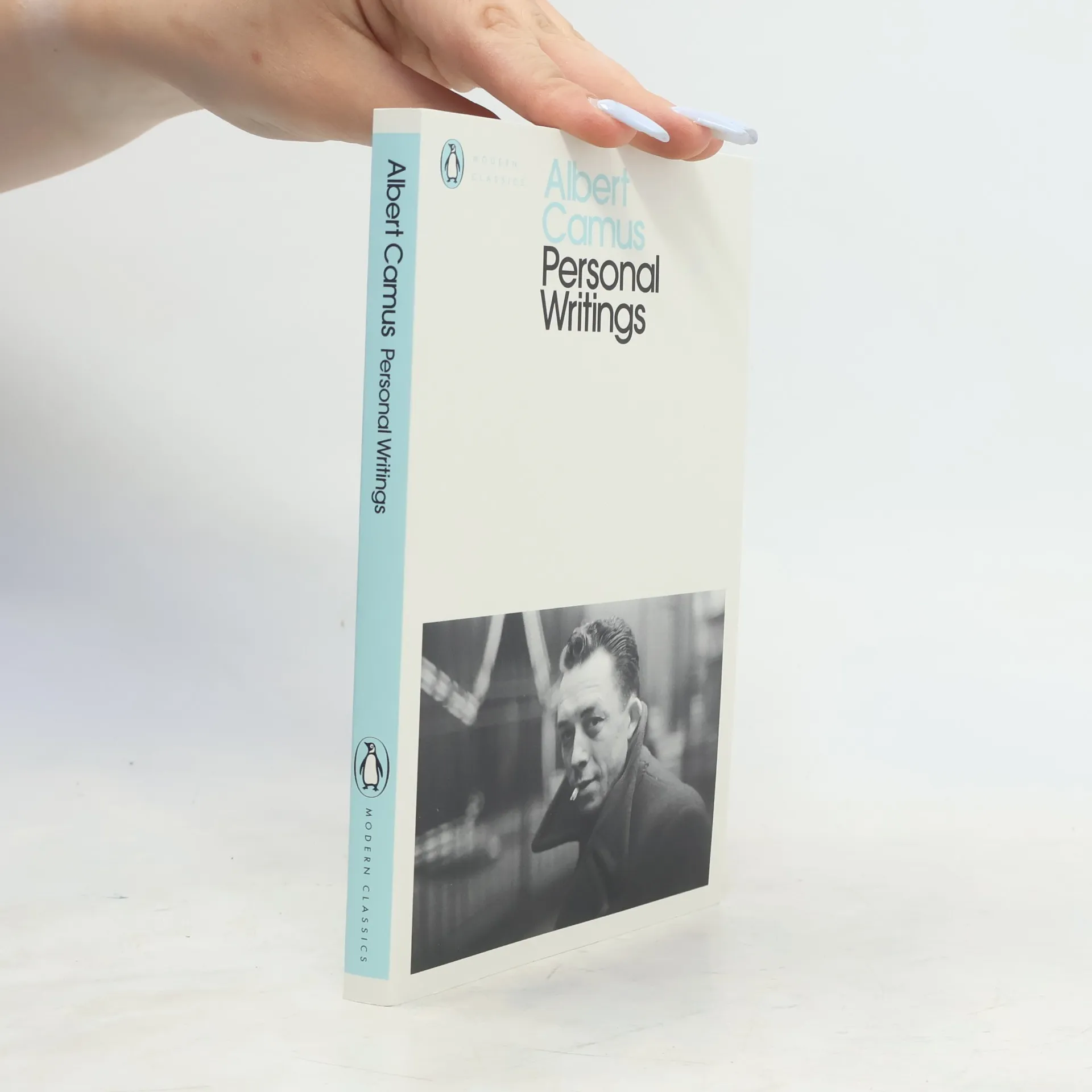
    • Personal Writings

      • 192 páginas
      • 7 horas de lectura

      This volume contains some of Camus' most intimate writing, as he reflects on his identity and childhood in Algeria and celebrates the beauty of the Mediterranean. The Wrong Side and the Right Side, Camus' first book and most openly autobiographical work, describes his early years in a working-class neighbourhood in Algiers and includes memorable portraits of his mother, grandmother and uncle. Nuptials rejoices in the sun, landscape and sea, and the physical and spiritual freedom they offer to even the poorest. And in Summer Camus evocatively depicts the sunlit cities of Algiers and Oran.

      Personal Writings
      4,2
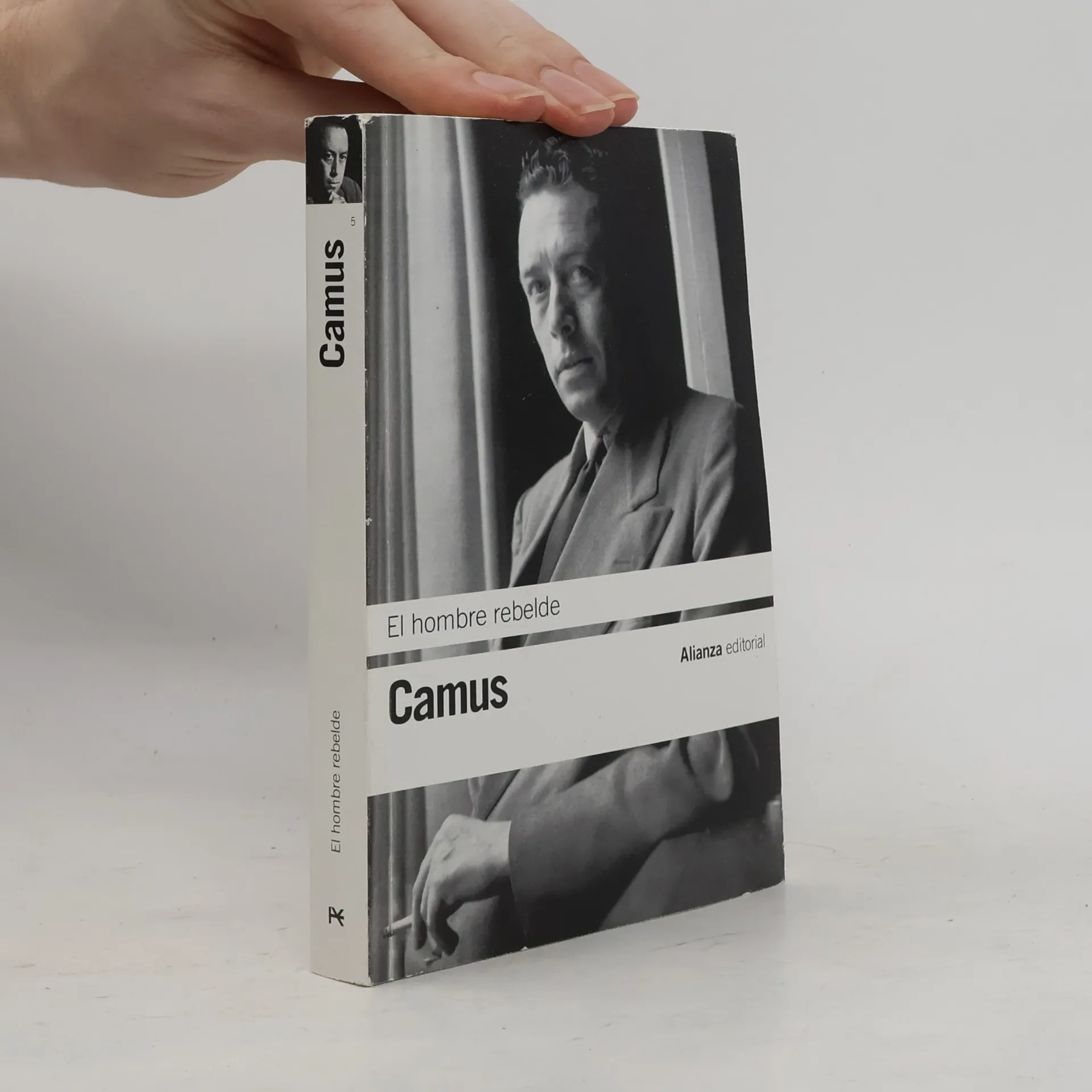
    • The Rebel

      • 288 páginas
      • 11 horas de lectura

      Translated by Anthony Bower With an Introduction by Oliver Todd 'A conscience with style' V.S. Pritchett The Rebel (1951) is Camus's 'attempt to understand the time I live in' and a brilliant essay on the nature of human revolt. Here he makes a daring critique of communism - how it had gone wrong behind the Iron Curtain and the resulting totalitarian regimes. And he questions two events held sacred by the left wing - the French Revolution of 1789 and the Russian Revolution of 1917 - that had resulted, he believed, in the use of terrorism as a political instrument. In this towering intellectual document, Camus argues that hope for the future lies in revolt with revolution - a chance to achieve change without losing our freedom. 'The last French intellectual to take the side of humanity and talk its language . . . a figure of immense moral stature' Sunday Times Winner of the Nobel Prize for Literature

      The Rebel
      4,2
    • A Short Guide to Towns Without a Past

      • 109 páginas
      • 4 horas de lectura

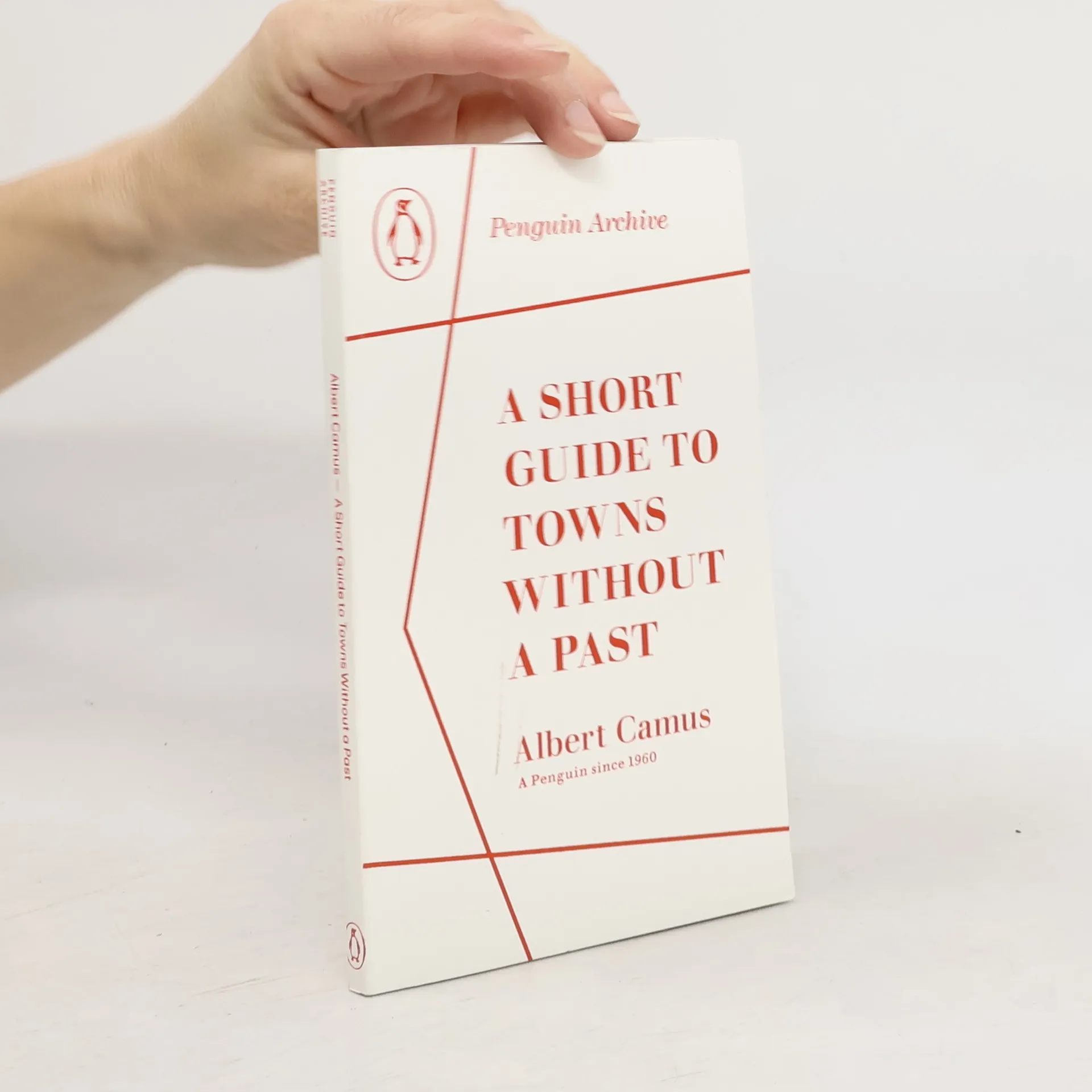
      a collection of short stories by French novelist Albert CamusBest known for his existentialist novel The Outsider, set in French-occupied Algeria, Albert Camus was profoundly influenced by the landscapes, towns and traditions of his youth. Selected here are some of his finest personal essays about Algeria and its environs, including the luminous ‘Nuptials at Tipasa’, one of his earliest works where he developed the themes that would inform his later philosophy: to thrive now, without hope for paradise, as mortal life alone can be worthwhile.Series: Penguin ArchiveA new thematic collection of stories taken out of several of of his original works:L'envers et l'endroit (1937)Noces (1939)L été (1954)

      A Short Guide to Towns Without a Past
      4,0
    • Pocket Penguins - 4: Summer in Algiers

      • 64 páginas
      • 3 horas de lectura

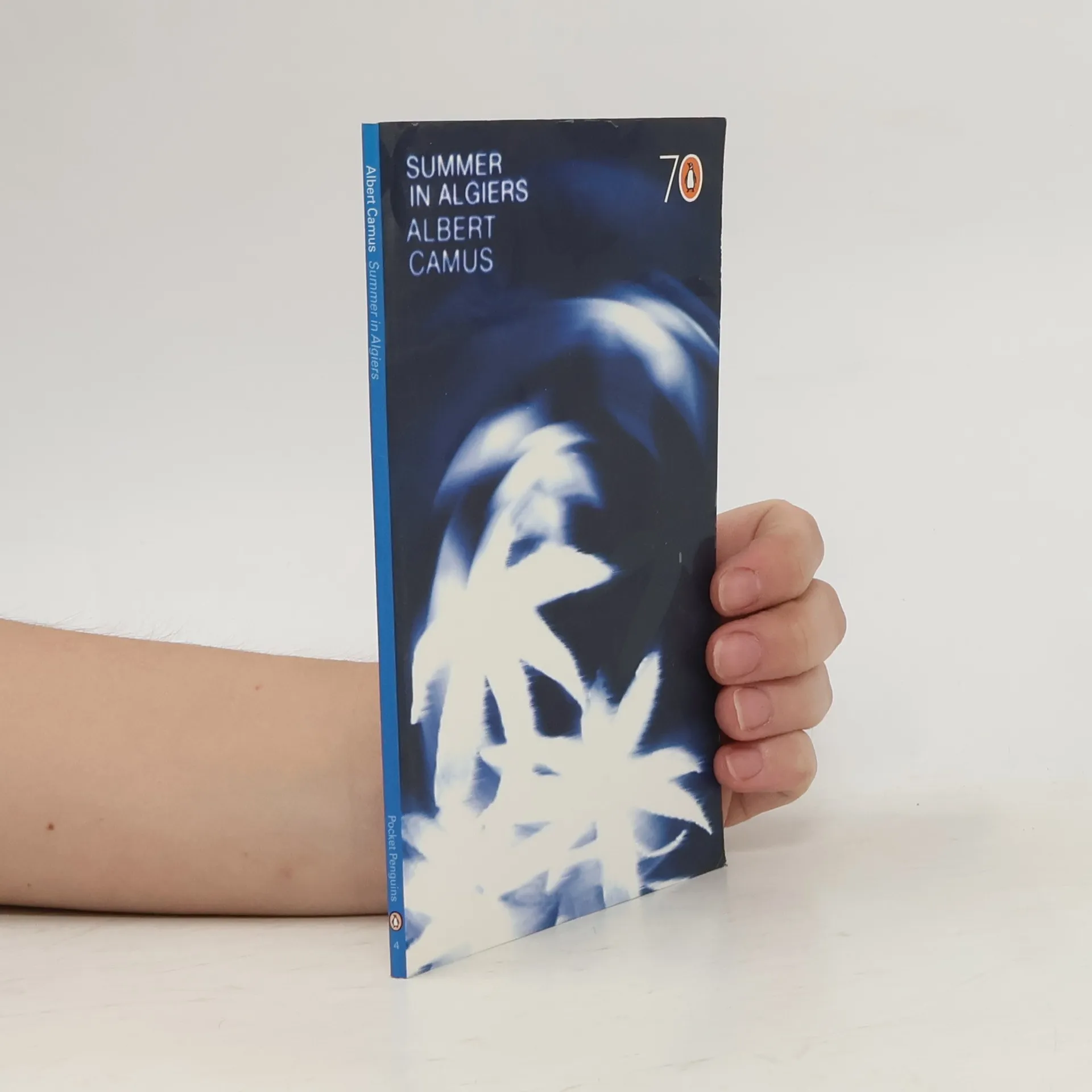
      Camus and his writing are intimately bound up with his native Algeria. These three essays evoke different aspects of the place. The title essay, 'The Minotaur' and 'The Return to Tipasa' are extracted from Noces (1950) and L'été (1954).

      Pocket Penguins - 4: Summer in Algiers
      3,9
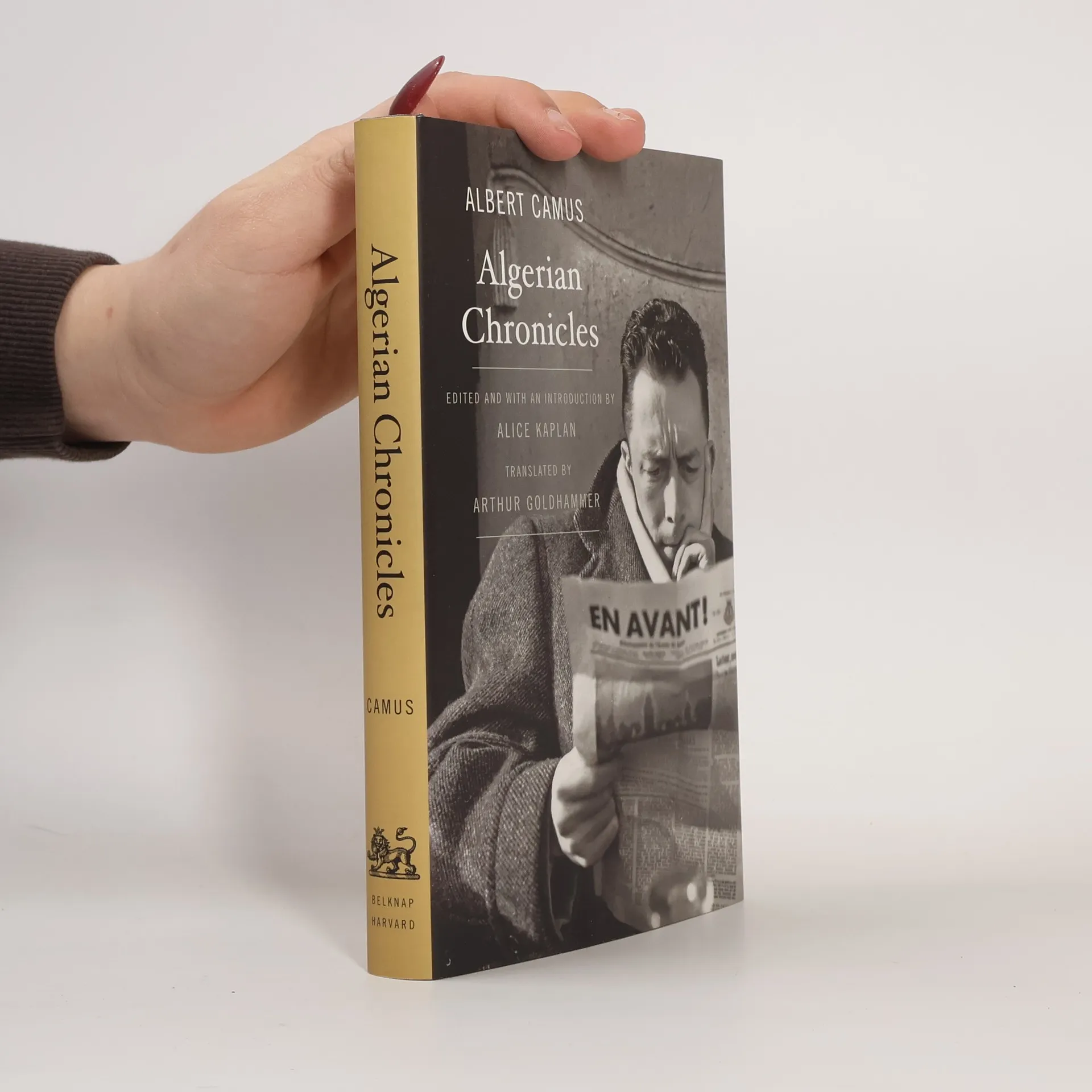
    • Algerian Chronicles

      • 224 páginas
      • 8 horas de lectura

      More than fifty years after Algerian independence, Albert Camus "Algerian Chronicles" appears here in English for the first time. Published in France in 1958, the same year the Algerian War brought about the collapse of the Fourth French Republic, it is one of Camus most political works an exploration of his commitments to Algeria. Dismissed or disdained at publication, today "Algerian Chronicles, " with its prescient analysis of the dead end of terrorism, enjoys a new life in Arthur Goldhammer s elegant translation. Believe me when I tell you that Algeria is where I hurt at this moment, Camus, who was the most visible symbol of France s troubled relationship with Algeria, writes, as others feel pain in their lungs. Gathered here are Camus strongest statements on Algeria from the 1930s through the 1950s, revised and supplemented by the author for publication in book form. In her introduction, Alice Kaplan illuminates the dilemma faced by Camus: he was committed to the defense of those who suffered colonial injustices, yet was unable to support Algerian national sovereignty apart from France. An appendix of lesser-known texts that did not appear in the French edition complements the picture of a moralist who posed questions about violence and counter-violence, national identity, terrorism, and justice that continue to illuminate our contemporary world.

      Algerian Chronicles
      3,9
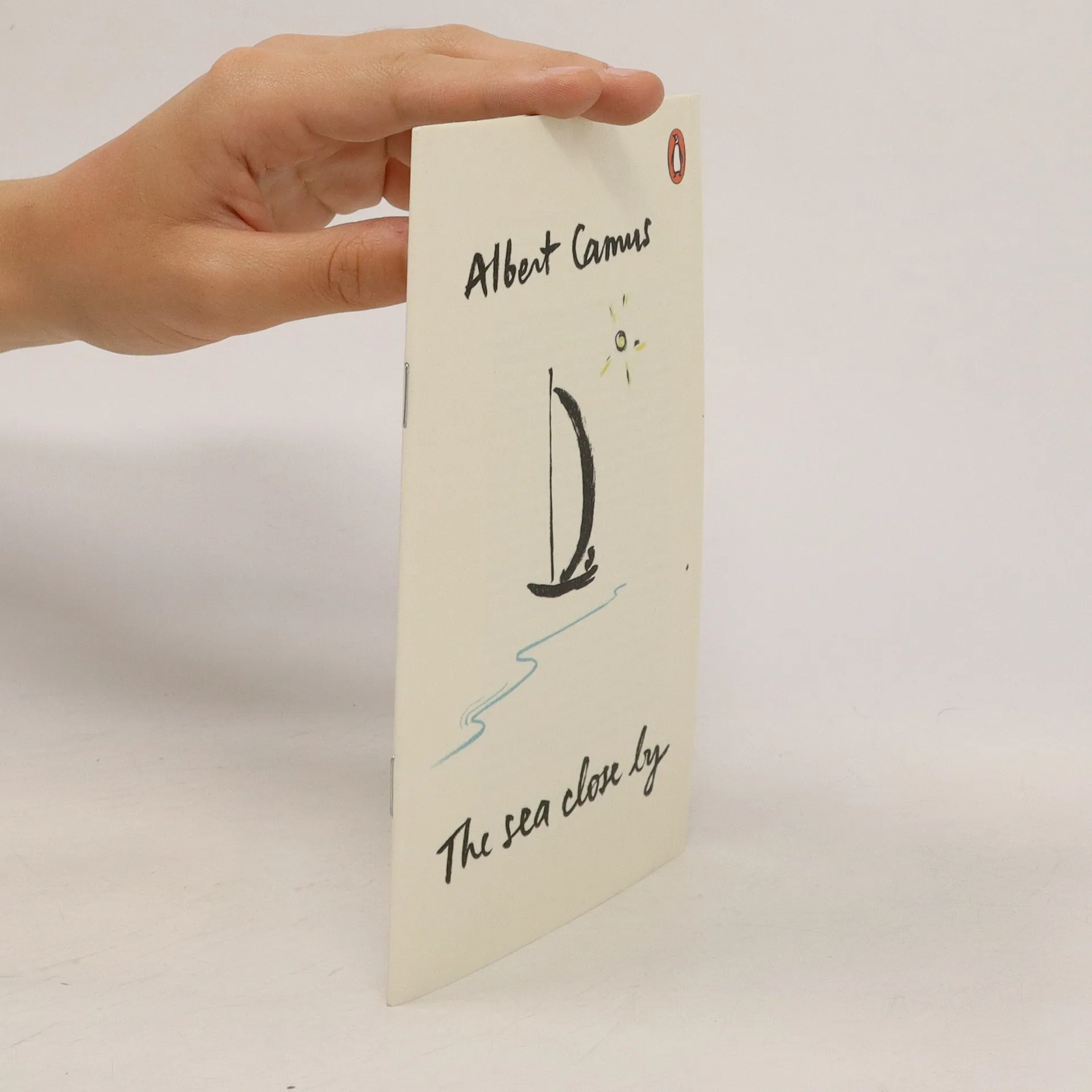
    • The Sea Close by

      • 32 páginas
      • 2 horas de lectura

      Part of the Penguin Classics campaign celebrating 100 years of Albert Camus, A Sea Close Byreveals the writer as a sensual witness of landscapes, the sea and sailing. It is a light, summery day-dream. Accompanying The Sea Close Byis the essay Summer in Algiers, a lovesong to his Mediterranean childhood. 'The bay, the sun, the red and white games on the seaward terraces, the flowers and sports stadiums, the cool-legged girls.'

      The Sea Close by
      3,9
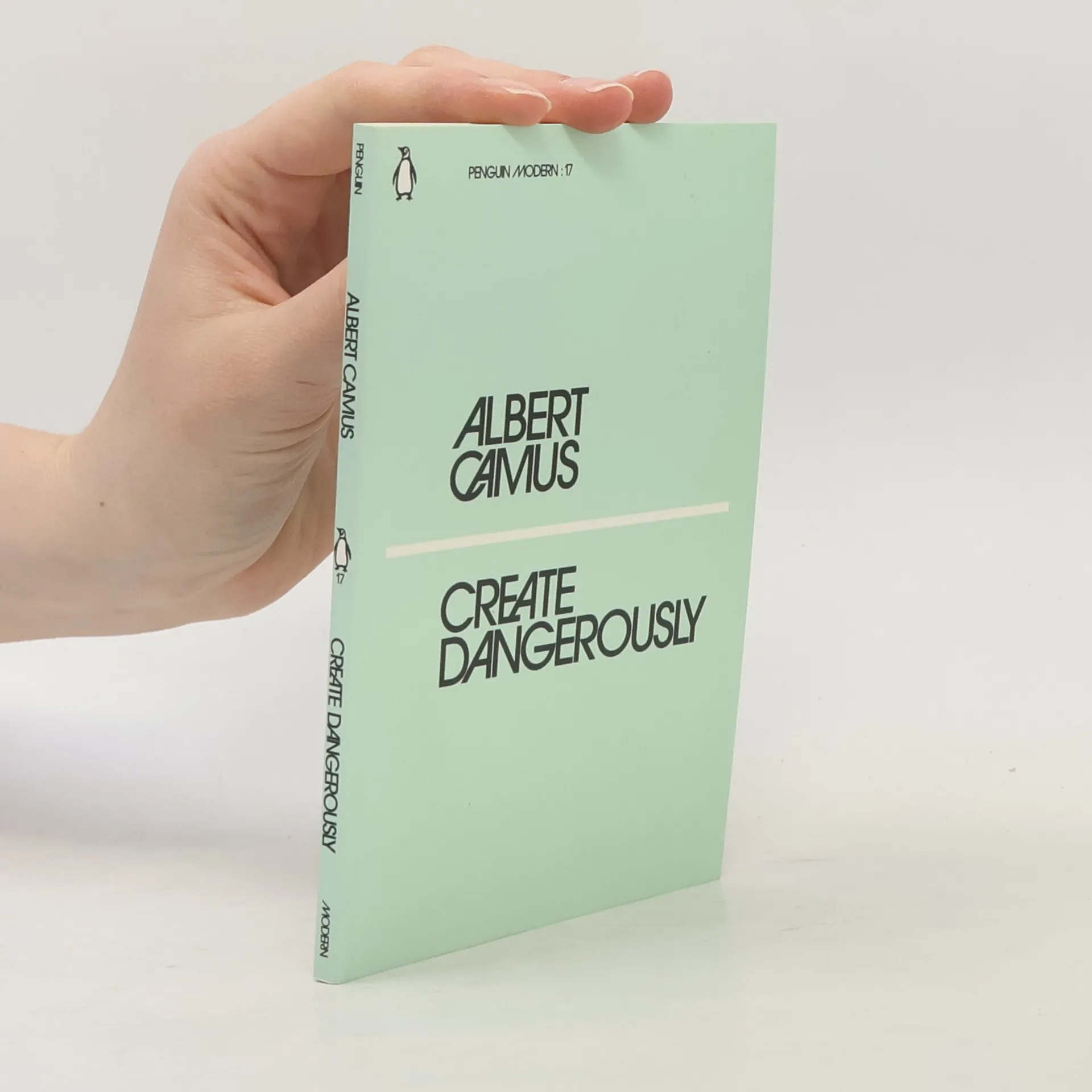
    • Create Dangerously

      • 64 páginas
      • 3 horas de lectura

      In these speeches Camus argues passionately that the artist has a responsibility to challenge, provoke and speak up for those who cannot

      Create Dangerously
      3,9
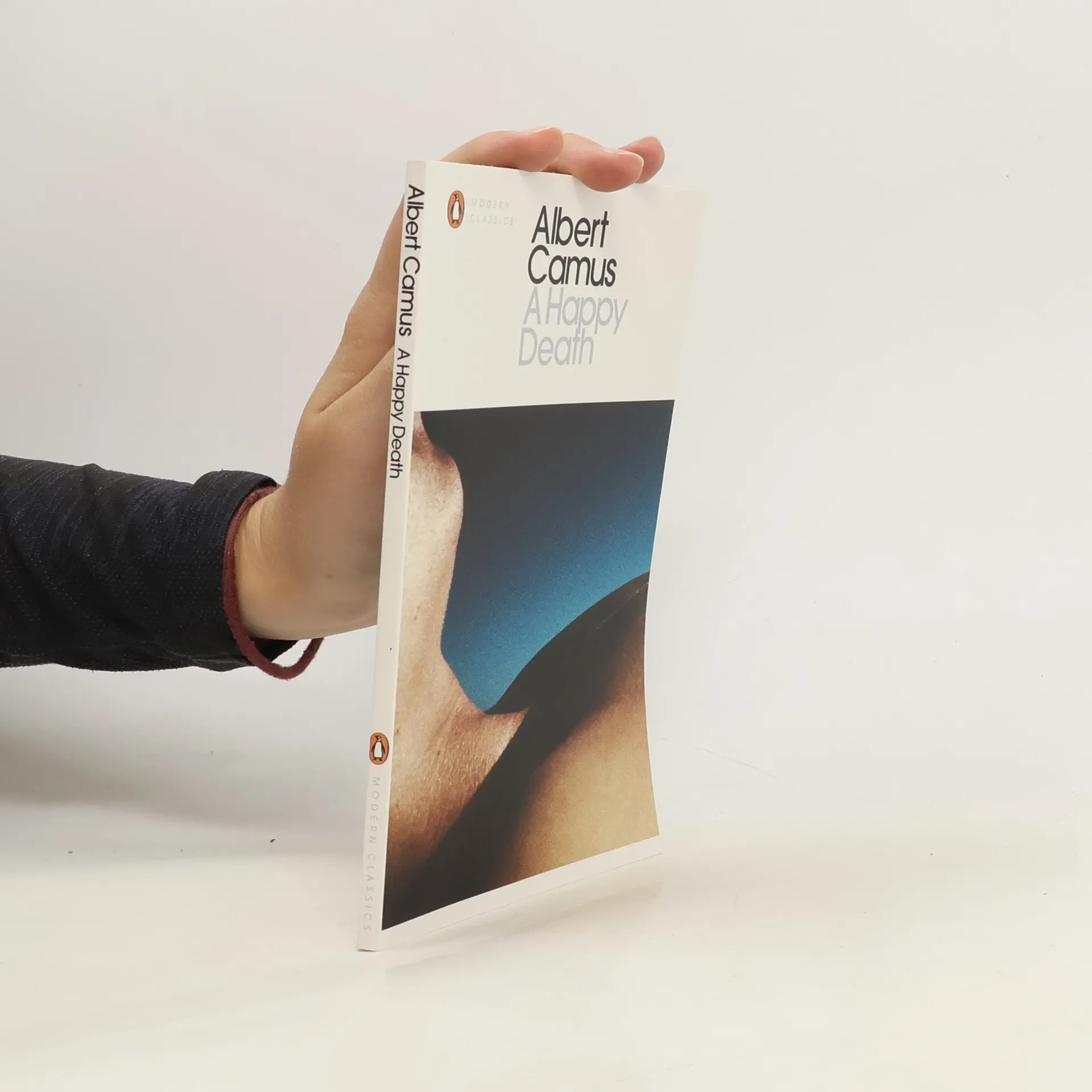
    • Is it possible to die a happy death? This title tells the story of a young Algerian, Mersault, who defies society's rules by committing a murder and escaping punishment, then experimenting with different ways of life and finally dying a happy man.

      A Happy Death
      3,8
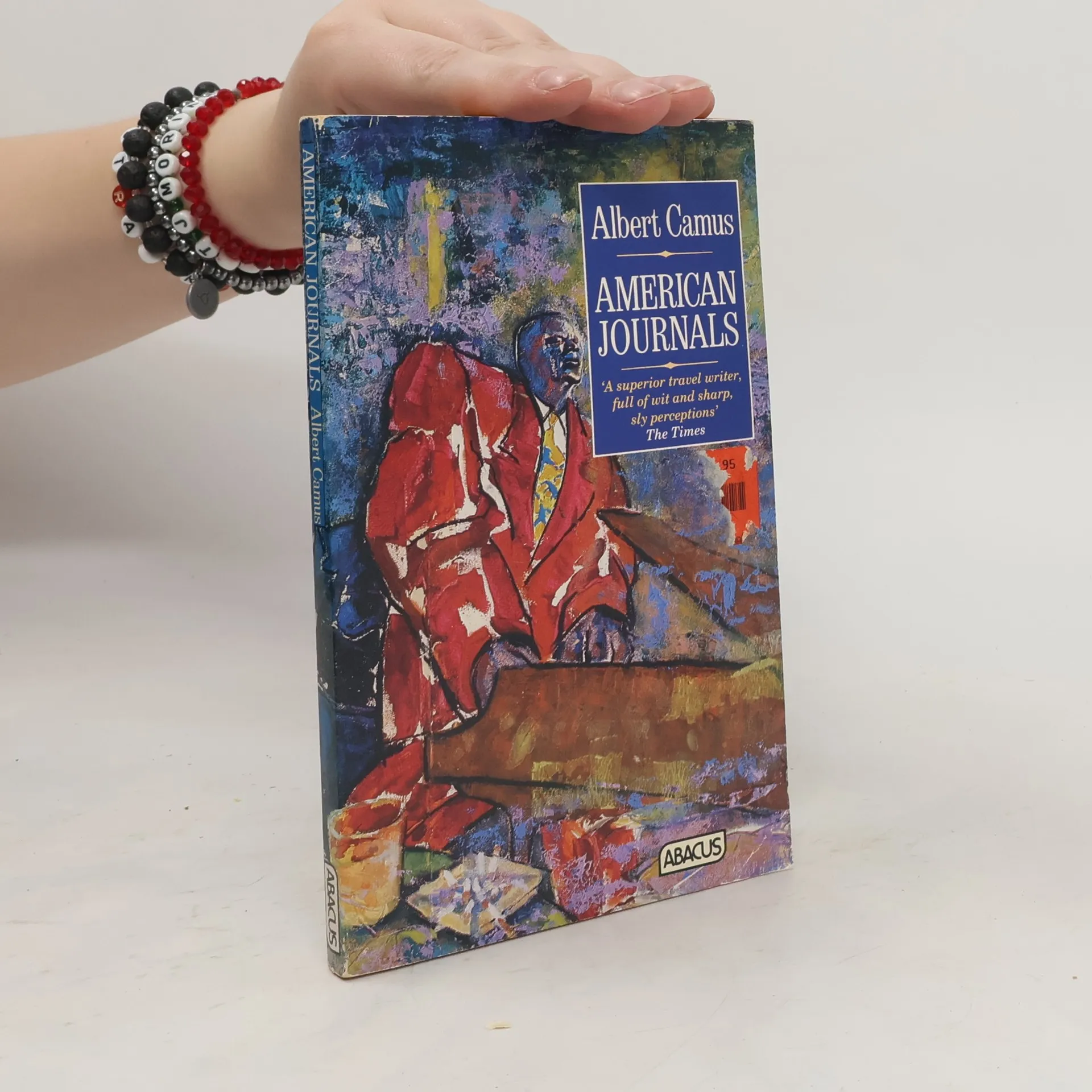
    • This text consists of two notebooks that the Nobel laureate kept during a short trip to the U.S. in 1946 and during a longer stay in Brazil, Uruguay, Argentina and Chile in 1949 periods of stress and hectic public appearances, when he was tired, nervous, ill and vulnerable. If these journals were not by Camus, they might be regarded as "meaningless bits and pieces" (his own description) that do not merit publication. But 27 years after his death, almost anything from his pen possesses value for students of French literature. Since many of these fragments later turned up in his published writings, their major interest stems from the fact that they show how Camus passed from rough notes to a finished work. The introduction was written by the author's longtime editor at Gallimard.

      American Journals
      3,7
    • The Outsider: Manga Edition

      • 320 páginas
      • 12 horas de lectura

      The exquisite manga adaptation of one of the world's greatest 20th century fiction classics'My mother died today. Or maybe yesterday, I don't know.'A stranger to society, a stranger to his own life, Meursault seems indifferent to everything. In The Outsider, Camus explores the alienation of an individual who refuses to conform to social norms. When his mother dies, he refuses to show his emotions simply to satisfy the expectations of others. And when he commits a random act of violence on a sun-drenched beach near Algiers, his lack of remorse compounds his guilt in the eyes of society and the law. Yet he is as much a victim as a criminal.A first in Penguin Modern Classics, Camus' classic existentialist novel is told through Ryota Kurumado's powerful artwork. Unlike previous editions of Camus' novel, Meursault and other characters' emotions are drawn out through stunning illustrations and seen for the first time. A rare and challenging feat, Kurumado's manga adaptation makes a novel first published in 1942 feel contemporary.

      The Outsider: Manga Edition
      3,3
    • The adulterous woman

      • 82 páginas
      • 3 horas de lectura

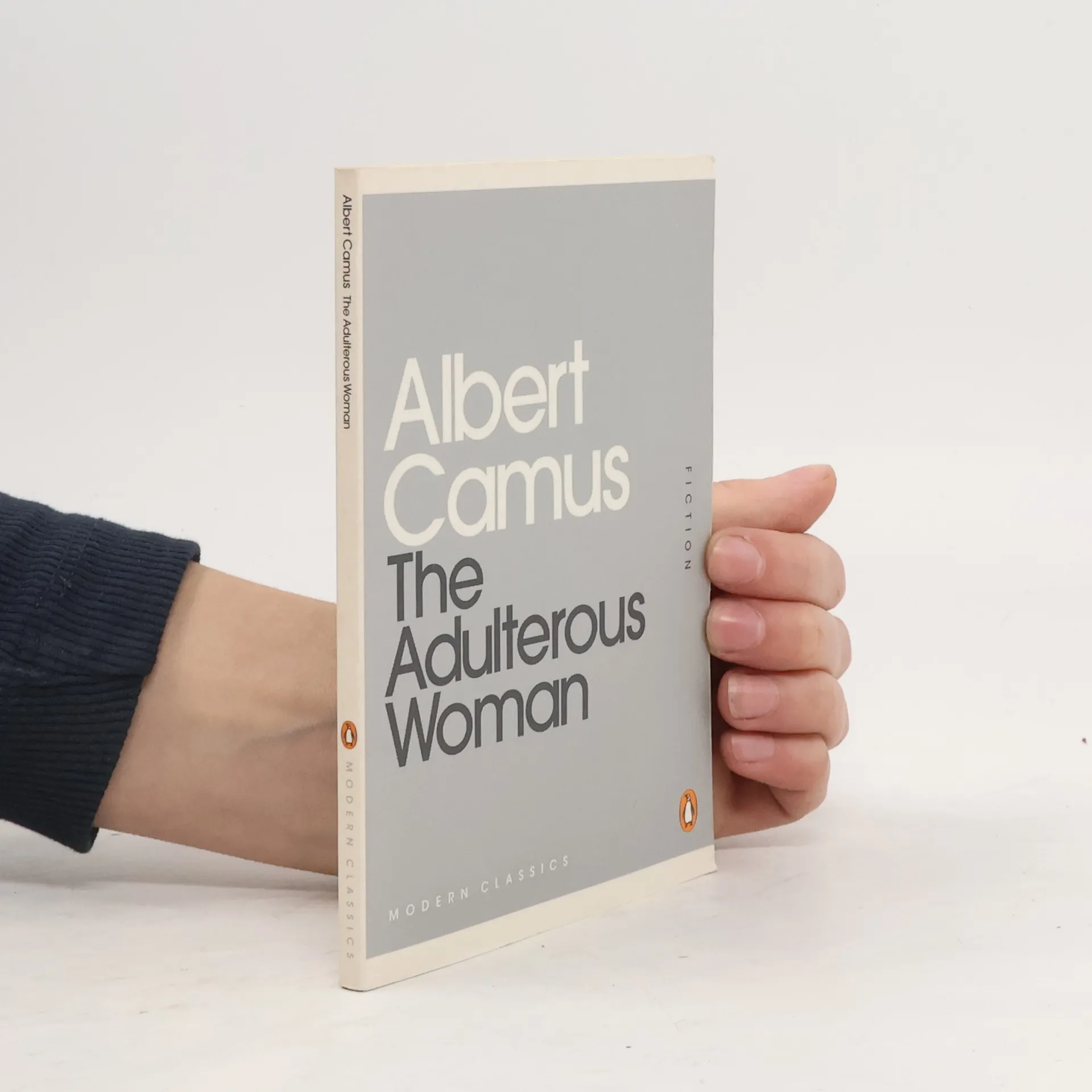
      Camus's writing confronts the great philosophical dilemmas of our time with piercing clarity. These three powerful and evocative stories are heavy with the weight of the human condition, and rich with atmosphere. In them, an ageing labourer, a woman travelling in North Africa with her husband, and a schoolteacher tasked with transporting a prisoner each face their own moral crises.

      The adulterous woman
      3,7
    • The Stranger - The Graphic Novel

      • 131 páginas
      • 5 horas de lectura

      A visually stunning adaptation of Albert Camus’ masterpiece that offers an exciting new graphic interpretation while retaining the book’s unique atmosphere. The day his mother dies, Meursault notices that it is very hot on the bus that is taking him from Algiers to the retirement home where his mother lived; so hot that he falls asleep. Later, while waiting for the wake to begin, the harsh electric lights in the room make him extremely uncomfortable, so he gratefully accepts the coffee the caretaker offers him and smokes a cigarette. The same burning sun that so oppresses him during the funeral walk will once again blind the calm, reserved Meursault as he walks along a deserted beach a few days later—leading him to commit an irreparable act. This new illustrated edition of Camus's classic novel The Stranger portrays an enigmatic man who commits a senseless crime and then calmly, and apparently indifferently, sits through his trial and hears himself condemned to death.

      The Stranger - The Graphic Novel
      3,5
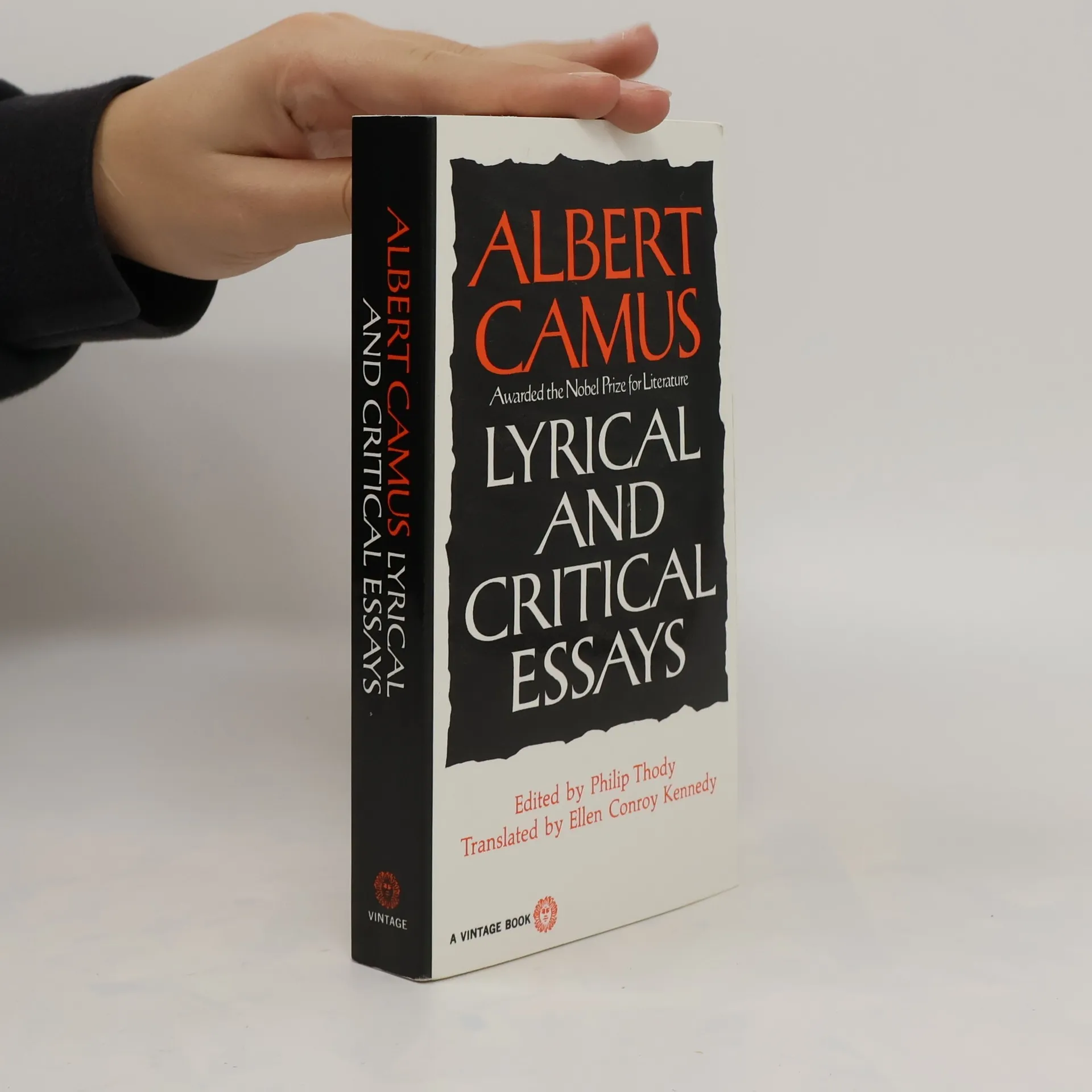
    • "Here now, for the first time in a complete English translation, we have Camus's three little volumes of essays, plus a selection of his critical comments on literature and his own place in it. As might be expected, the main interest of these writings is that they illuminate new facets of his usual subject matter."--The New York Times Book Review"A new single work for American readers that stands among the very finest."--The Nation

      Lyrical and Critical Essays
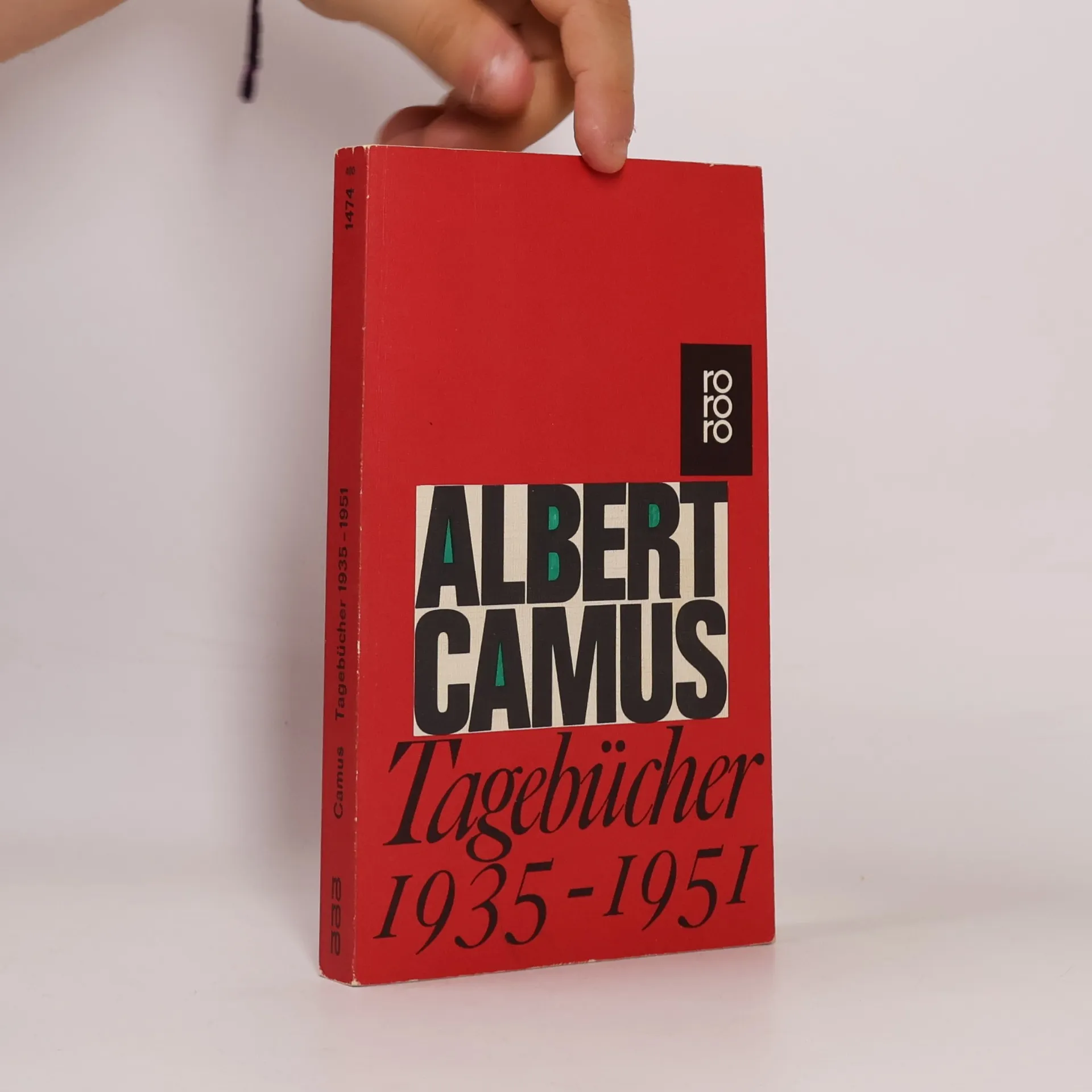
    • Tagebücher

      • 495 páginas
      • 18 horas de lectura

      Wert haben oder keinen Wert haben. Schöpferisch sein oder nicht. Im ersten Fall ist alles gerechtfertigt. Alles, ohne Ausnahme. Im zweiten Fall herrscht vollkommene Absurdität. Bleibt die Wahl des ästhetischen Selbstmords: Heirat + 40 Stunden oder Revolver. Werkstattaufzeichnungen, Gedankenskizzen, Entwürfe und Notizen - ein eindrucksvolles Tagebuch und ein authentisches Stück Biographie.

      Tagebücher
      4,6
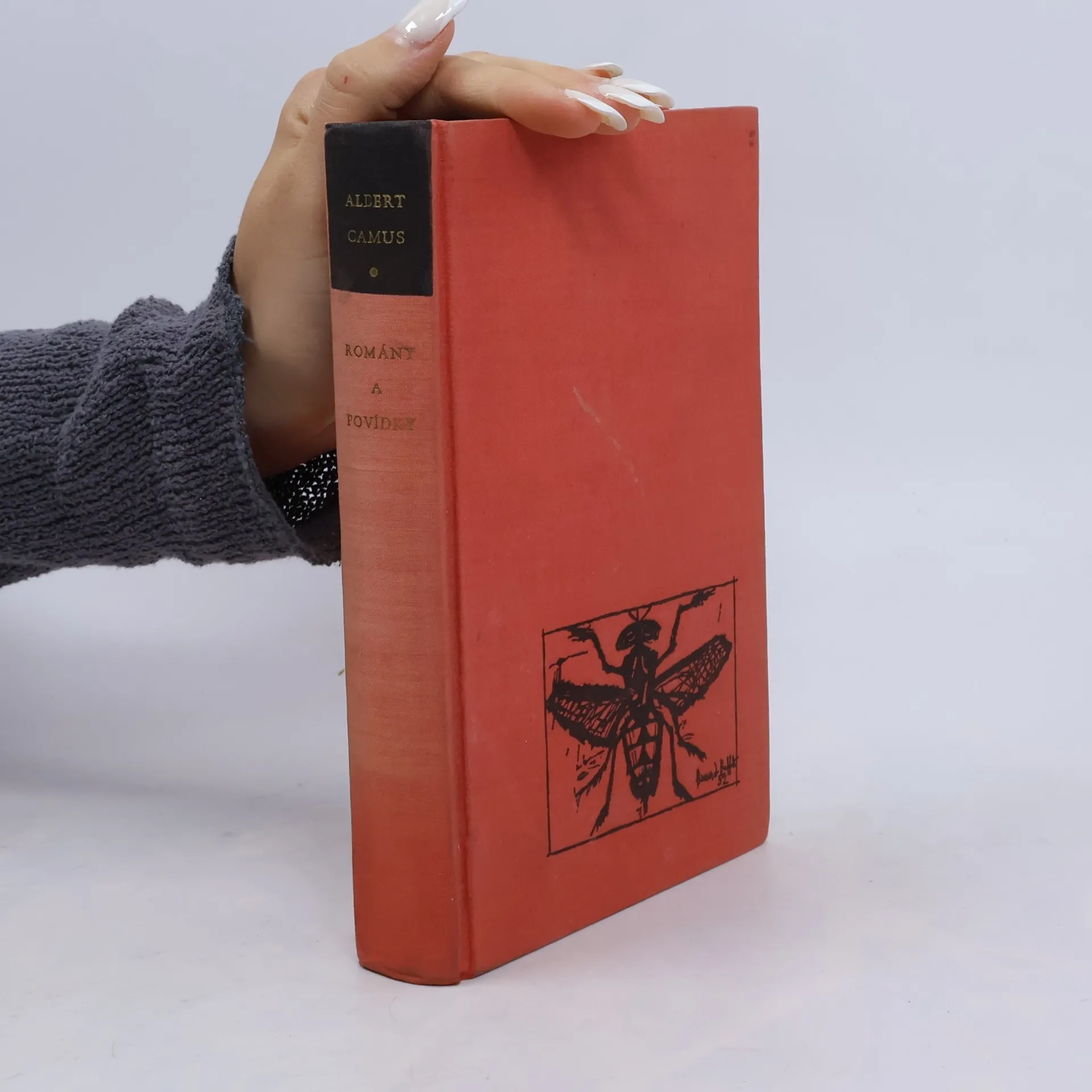
    • Svazek přináší Camusovy romány Cizinec (1942), Mor (1947), Pád (1956) a šest povídek ze sbírky Exil a království (1956; Cizoložnice, Odpadlík aneb zmatení mysli, Němí, Host, Jonáš aneb umělec při práci, Rašící kámen), z nichž každá má osobitou stylovou i myšlenkovou rovinu. Jeho beletristické dílo, shrnuté do jednoho svazku, dává tak čtenáři možnost proniknout do autorova světa a sledovat jeho vývoj.

      Romány a povídky
      4,6
    • Bibliothèque de la Pléiade - 1: Œuvres complètes

      1931-1944

      • 1584 páginas
      • 56 horas de lectura

      Le 4 janvier dernier, cela faisait cinquante ans qu'Albert Camus est décédé. Ce matin-là de 1960, le Facel-Vega conduit par Michel Gallimard a percuté un arbre à Villeneuve-la-Guyard, Albert Camus, qui était passager, est mort sur le coup à l'âge de 47 ans. Son œuvre est un point d'ancrage pour réfléchir.

      Bibliothèque de la Pléiade - 1: Œuvres complètes
      4,6
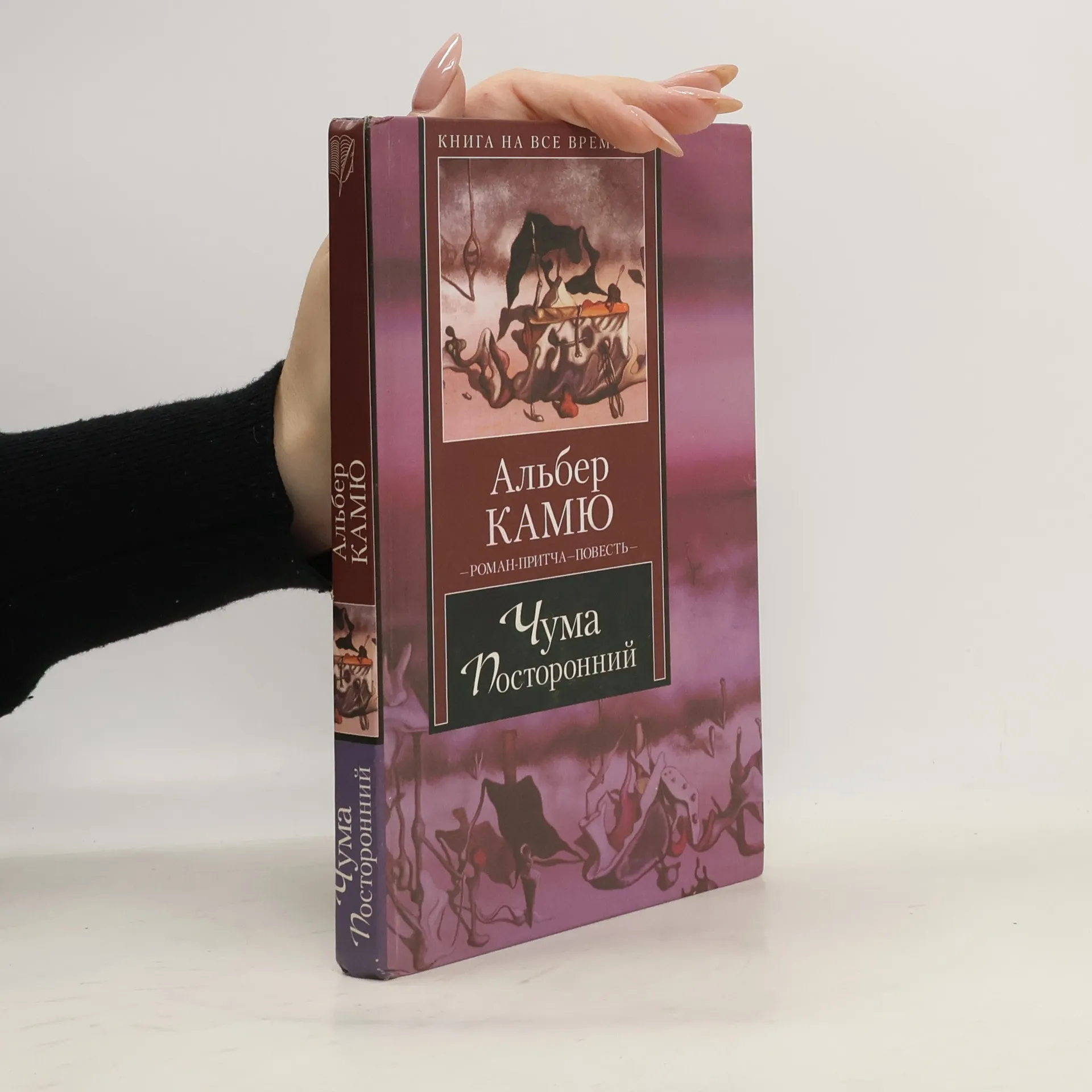
    • Чума / Посторонний

      • 333 páginas
      • 12 horas de lectura

      В книгу французского писателя Альбера Камю вошли его романы `Чума` и `Посторонний`.

      Чума / Посторонний
      5,0
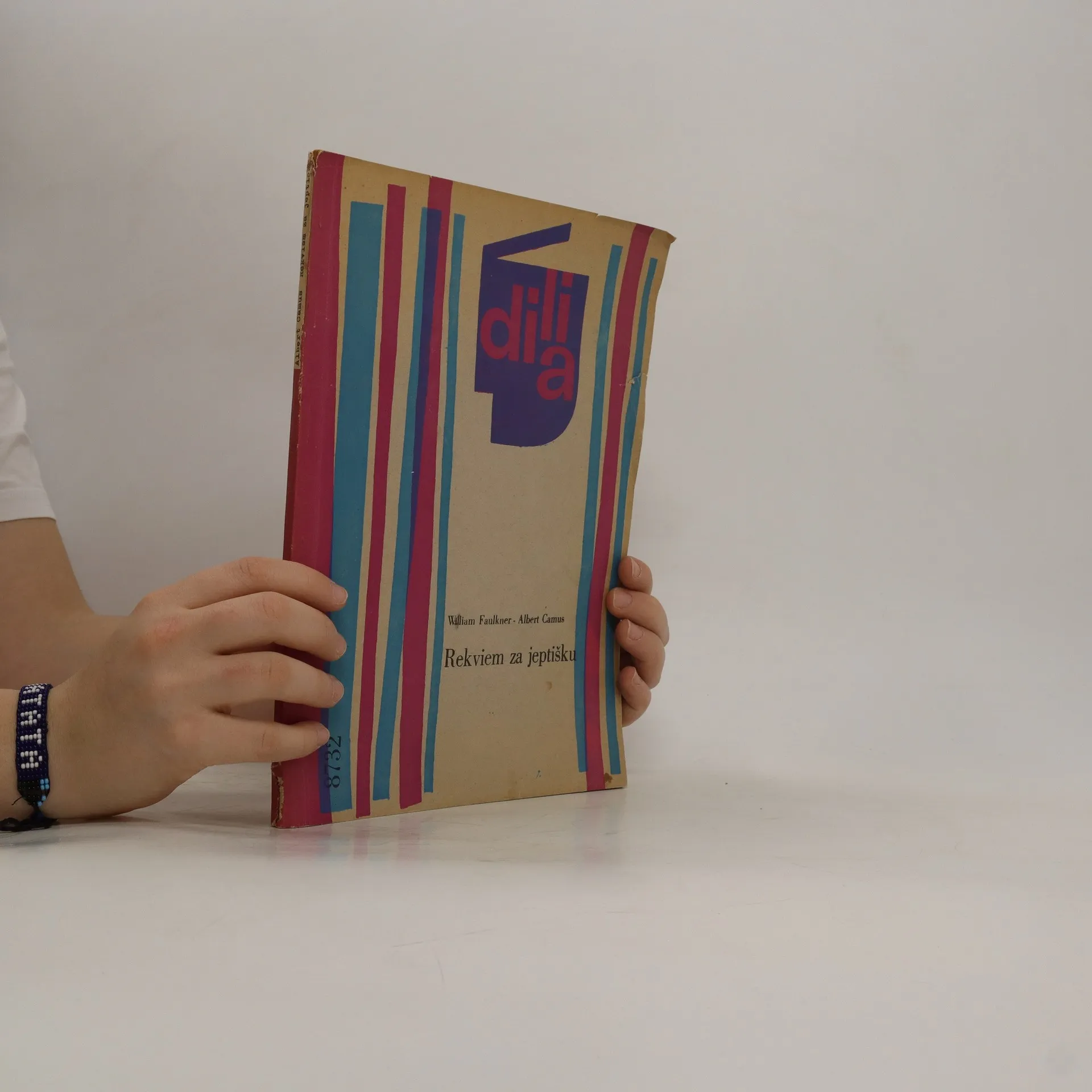
    • Rekviem za jeptišku je próza Williama Faulknera, která byla poprvé publikováno v roce 1951. Jedná se o pokračování jeho románu Svatyně. Události v Zádušní mši, jak se dílo v originální verzi jmenuje, jsou zasazeny do listopadu 1937 a březnu 1938, odehrávají se tedy osm let po událostech ze Svatyně. Hra je Camusovou dramatizací Faulknerovy prózy.

      Rekviem za jeptišku
      4,5
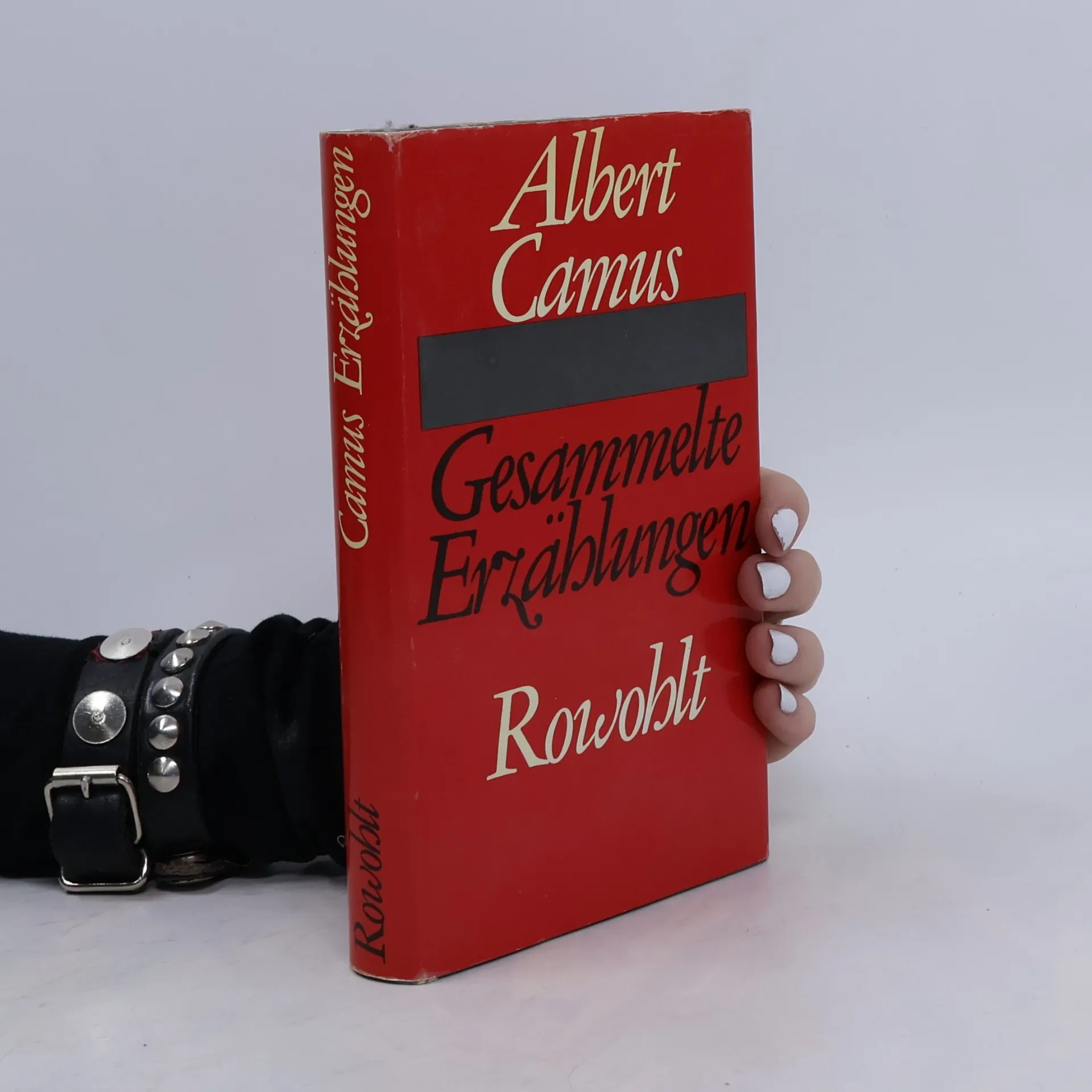
    • Gesammelte Erzählungen

      • 250 páginas
      • 9 horas de lectura

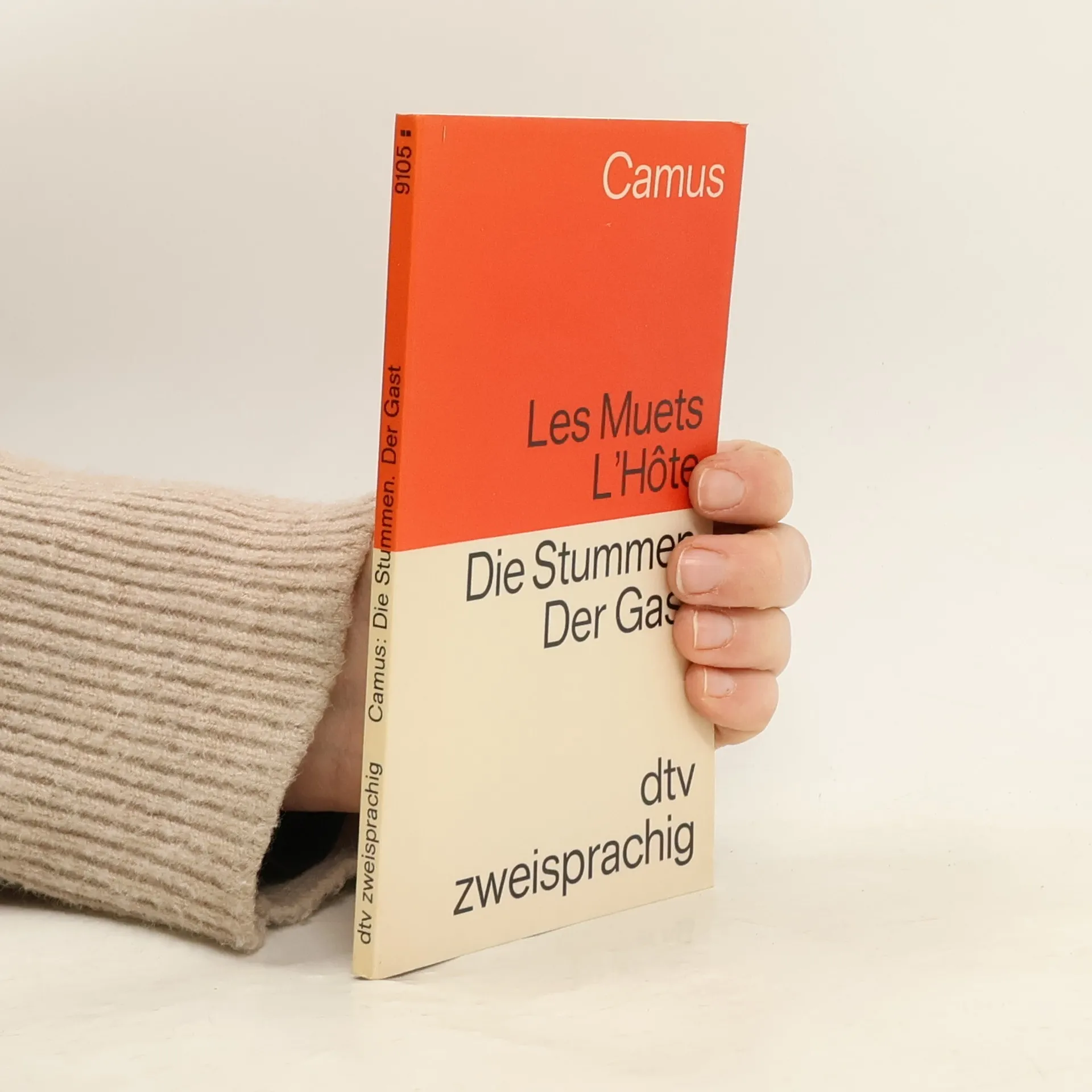
      Der Fall / Die Ehebrecherin/ Die Abtrüninge oder Ein verwirrter Geist/ Die Stummen/ Der Gast/ Jonas oder Der Künstler bei der Arbeit/ Der treibende Stein

      Gesammelte Erzählungen
      4,3
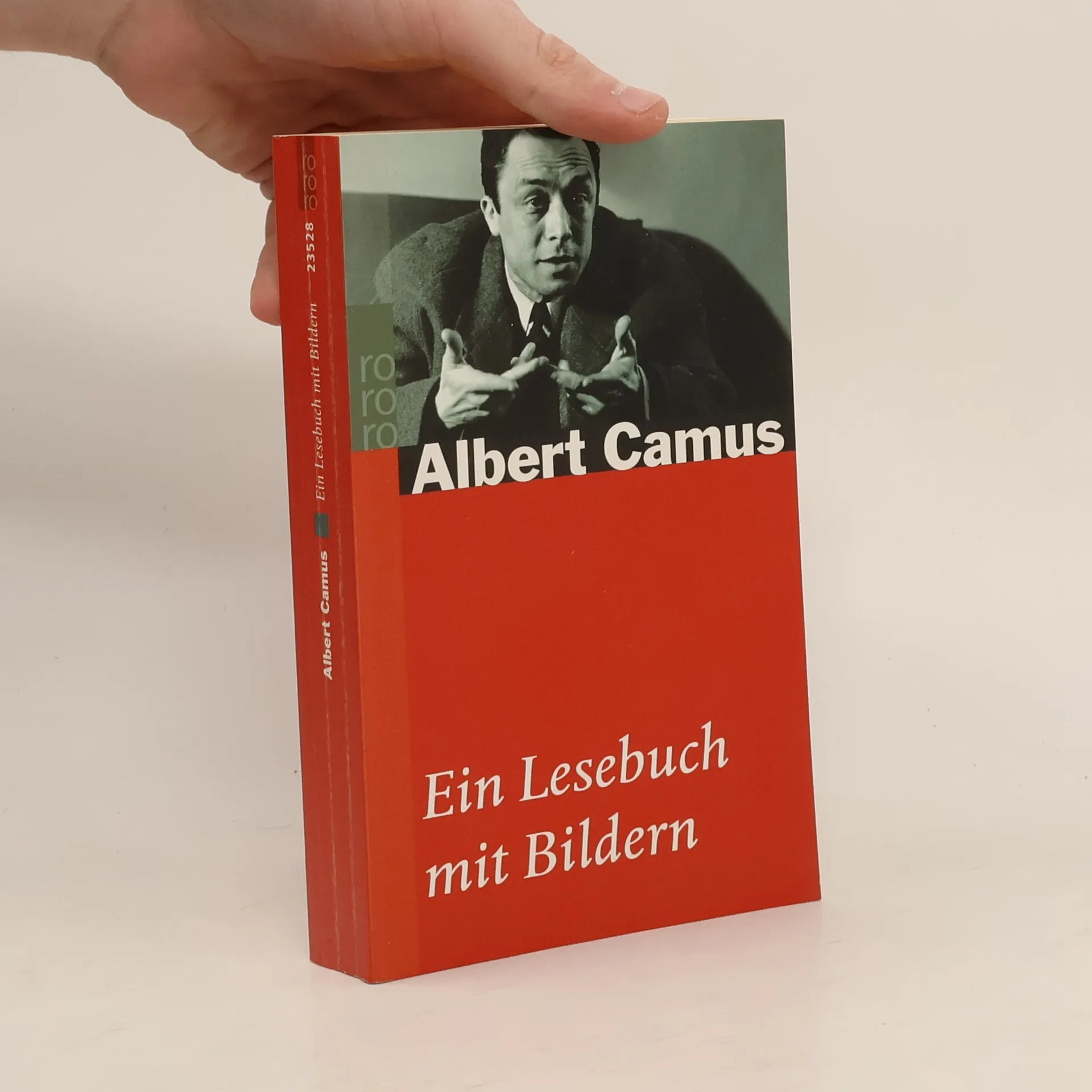
    • Albert Camus (1913-1960) war ein algerischer Franzose, Widerstandskämpfer und Existenzialist, der mit moralischer Urteilskraft auf die Herausforderungen seiner Zeit reagierte. Er erhielt 1957 den Nobelpreis und gilt als bedeutender Moralist der französischen Literatur. Dieser Band bietet eine Auswahl ungekürzter Texte aus seinem umfangreichen Werk sowie eine Monographie über sein Leben.

      Albert Camus. Ein Lesebuch mit Bildern
      4,2
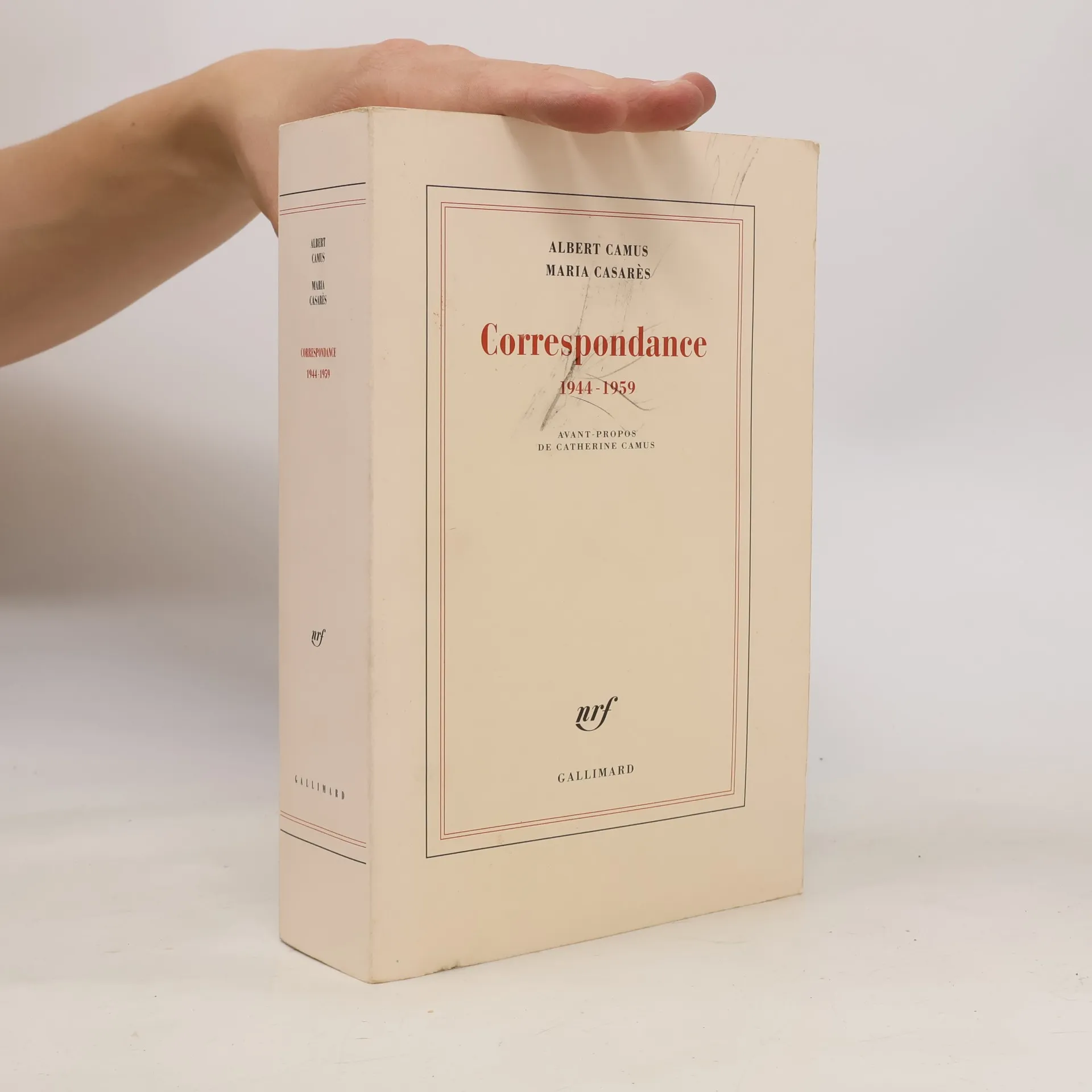
    • Schreib ohne Furcht und viel

      Eine Liebesgeschichte in Briefen 1944-1959

      Im Frühjahr 1944 lernen sie sich im besetzten Paris kennen: der Schriftsteller Albert Camus und die Schauspielerin Maria Casarès. Wenig später beginnt eine leidenschaftliche Liebesgeschichte, die anderthalb Jahrzehnte währt – bis zu Camus' tragischem Unfalltod am 4. Januar 1960. Welche Intensität diese Liebe hatte, welche Höhen und Tiefen sie durchlebte, das dokumentiert ausführlich und eindrucksvoll der Briefwechsel der beiden. „Schreib ohne Furcht und viel“, dieser Zuruf von Casarès wirkt wie ein Motto für ihre Korrespondenz. In einer höchst poetischen Sprache versichern sie einander ihre Liebe, tauschen sich aus über Alltägliches wie über die großen Ereignisse in Politik und Literatur. In Frankreich erschien dieser Briefwechsel im Jahr 2017 und wurde zur literarischen Sensation. In Deutschland erscheint er jetzt zum ersten Mal. Das Buch spiegelt Camus' unverstellte Stimme wie kaum eine andere Publikation des Autors. Unsere Ausgabe enthält ein Vorwort des Schriftstellers Uwe Timm, der in den 1970er Jahren seine Doktorarbeit über Albert Camus schrieb.

      Schreib ohne Furcht und viel
      4,3
    • Œuvres

      • 1525 páginas
      • 54 horas de lectura

      «Changer la vie, oui, mais non le monde, dont je faisais ma divinité.» Camus ne s'abstient pas de l'amour universel par lâcheté ou indifférence, mais par une "folie d'équité". À ceux qui cherchent un sens à la vie, il répond que nous ne sortons pas du ciel qui nous contient. Face à l'absurde, il affirme que la beauté du monde suffit à remplir le cœur humain. À ceux qui désirent la tyrannie, il prône l'amour des hommes avant les idées. Aux partisans de la haine, il oppose la gratitude. Pour les indignés qui s'endorment sur leurs contestations, il enseigne que la véritable exigence est l'opposée de la radicalité. Sa solitude n'est pas celle du misanthrope, et son combat n'est pas celui du révolutionnaire. Contrairement à ceux qui se complaisent dans l'inefficacité, les héros de Camus continuent à lutter, conscients que la bataille est toujours à recommencer. C'est dans la révolte que Camus trouve "l'intransigeance exténuante de la mesure", cherchant à préserver le monde. Au nom du courage, il se méfie des enragés. Camus traite le désespoir par l'idée qu'il n'est pas nécessaire d'espérer pour agir ; c'est le seul homme normal que je connaisse. (Raphaël Enthoven)

      Œuvres
      4,2
    • Cudzinec / Mor / Vyhnanstvo a kráľovstvo

      • 371 páginas
      • 13 horas de lectura

      Prvé vydanie Camusových diel v slovenčine. Prvý zväzok zahrňuje jeho novelu Cudzinec (1942), ktorá po slovensky vychádza po prvý raz, ďalej román Mor (1947), ktorý vyšiel v slovenčine v uvoľnenom politickom ovzduší šesťdesiatych rokov. Poviedky zo zbierky Vyhnanstvo a kráľovstvo vychádzajú (1956) v slovenskom preklade tiež prvý raz. Napriek desaťročiam od vydania Cudzinca, úvodnej novely prítomného slovenského výberu z Camusa, sú tieto prózy stále zaujímavé a čitateľsky príťažlivé, svojimi hodnotami patria medzi základné diela svetovej literatúry.

      Cudzinec / Mor / Vyhnanstvo a kráľovstvo
      4,0
    • Hochzeit des Lichts

      • 169 páginas
      • 6 horas de lectura

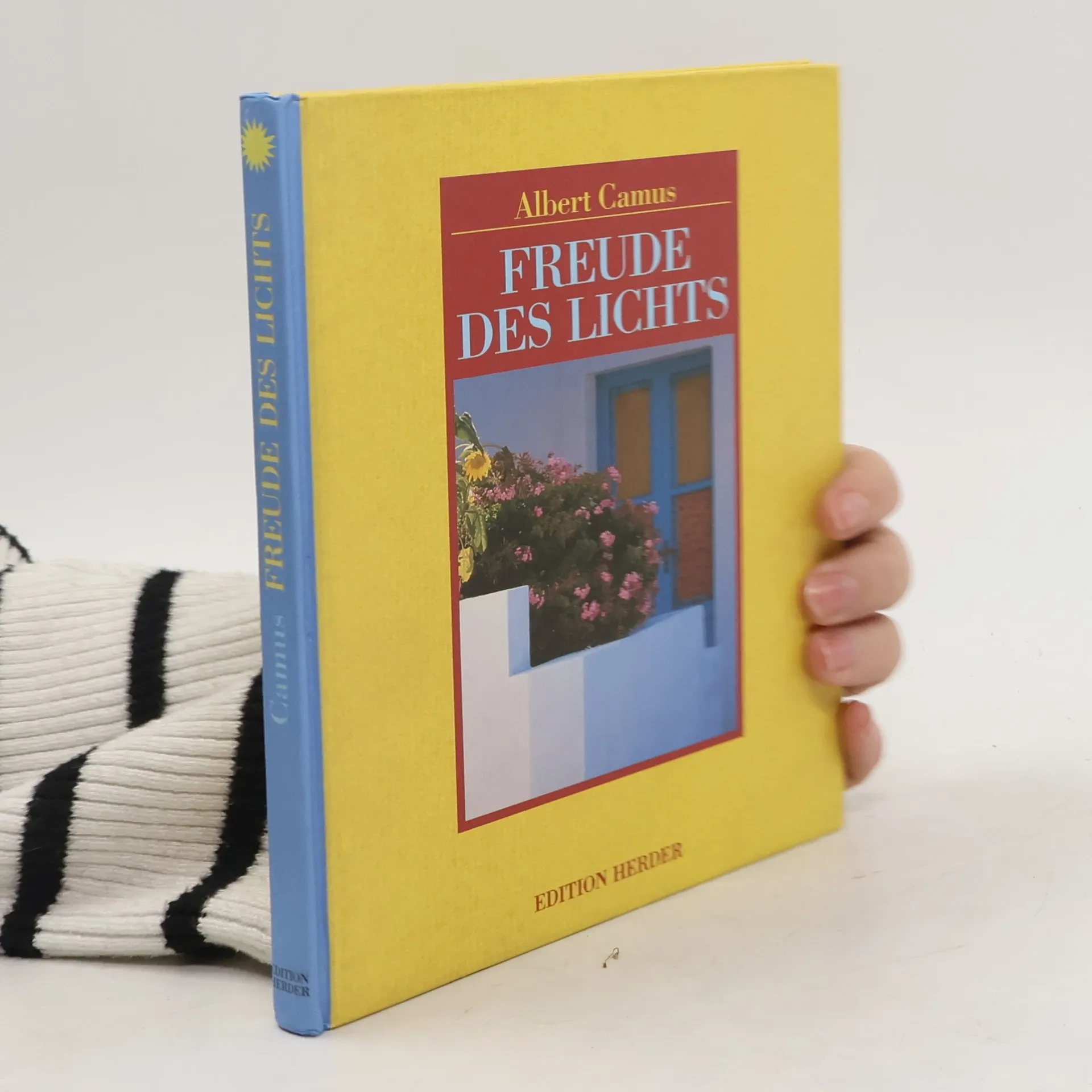
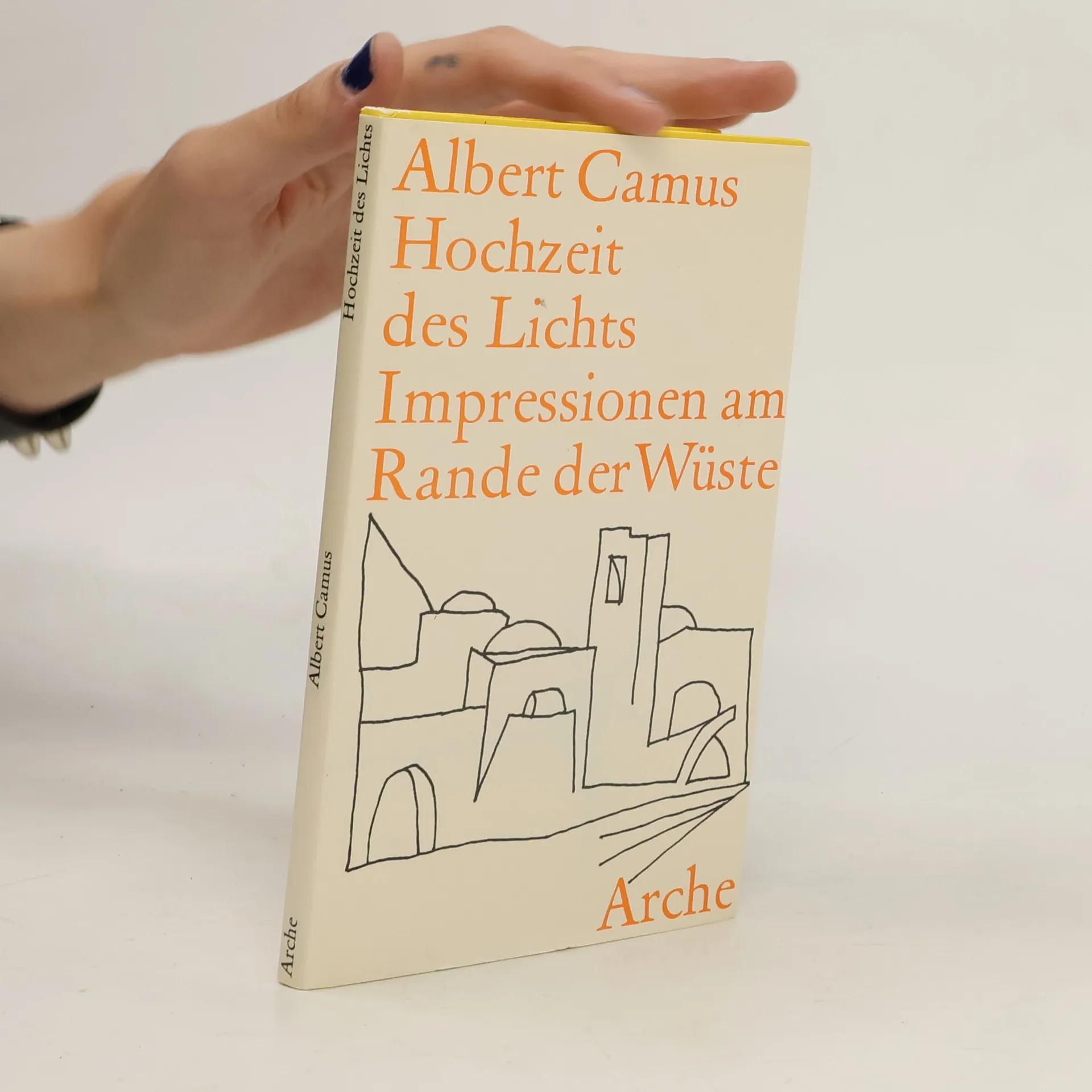
      Albert Camus, der große Philosoph, Schriftsteller und Nobelpreisträger wäre im November 2013 hundert Jahre alt geworden. Die in diesem Band versammelten Essays "Hochzeit des Lichts" und "Heimkehr nach Tipasa", sind zeitlose Liebeserklärungen an seine Heimat Algerien, Hymnen auf die Sonne, das Licht und den Himmel über dieser einzigartigen Landschaft am Mittelmeer. Nirgends fühlte Camus sich so wohl wie an dem Ort seiner Kindheit, uns so nehmen diese beiden "Impressionen am Rande der Wüste" in seinem umfangreichen Werk eine Ausnahmestellung ein, erkennbar als Ausgangspunkt seines späteren Schaffens.

      Hochzeit des Lichts
      4,0
    • Ce livre est une oeuvre du domaine public éditée au format numérique par Norph-Nop. L’achat de l’édition Kindle inclut le téléchargement via un réseau sans fil sur votre liseuse et vos applications de lecture Kindle

      Maximes et Pensées: Caractères et Anecdotes
      4,1
    • Königs Erläuterungen - Albert Camus

      La Peste - Analyse | Interpretation

      • 152 páginas
      • 6 horas de lectura

      Textanalyse und Interpretation mit ausführlicher Inhaltsangabe und Abituraufgaben.

      Königs Erläuterungen - Albert Camus
      2,0
    • Die Jubiläums-Anthologie beleuchtet die Lebenswelt von Antoine de Saint-Exupery und thematisiert Fliegen, Einsamkeit, menschliche Solidarität und den Kampf gegen Totalitarismus. Seine Prosatexte werden mit Werken von Zeitgenossen wie Camus, Lorca und Hemingway verglichen. Saint-Exupery wurde im Juni 2000 hundert Jahre alt.

      Der Flieger und die Sterne. Albert Camus, Ernest Hemingway, Irmgard Keun u. Victor Klemperer
      3,0
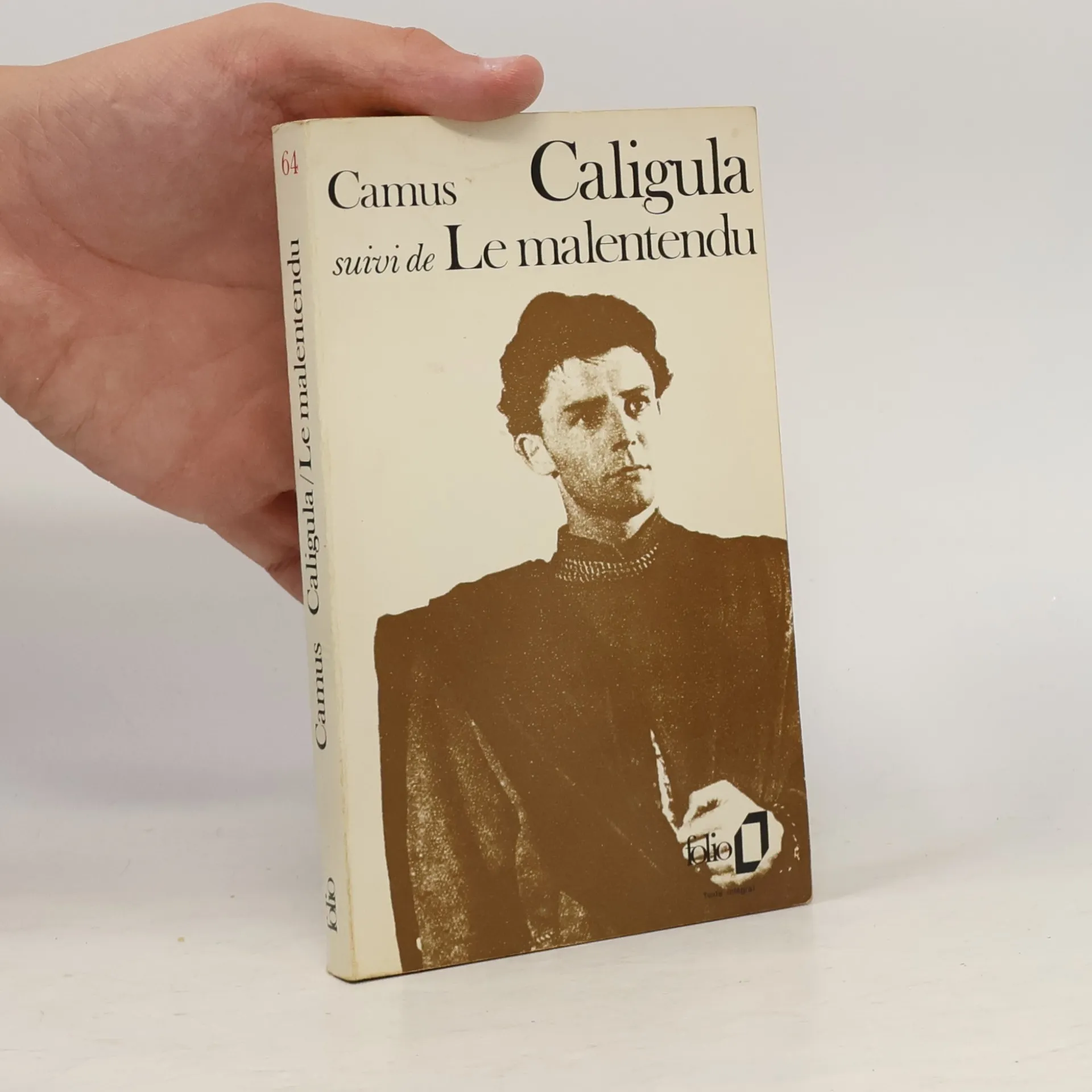
    • "Caligula : C'est une vérité toute simple et toute claire, un peu bête, mais difficile à découvrir et lourde à porter.Hélicon : Et qu'est-ce donc que cette vérité, Caïus ?Caligula : Les hommes meurent et ils ne sont pas heureux.Hélicon : Allons, Caïus, c'est une vérité dont on s'arrange très bien. Regarde autour de toi. Ce n'est pas cela qui les empêche de déjeuner.Caligula : Alors, c'est que tout, autour de moi, est mensonge, et moi, je veux qu'on vive dans la vérité !"

      Caligula ; suivi de Le Malentendu
      4,1
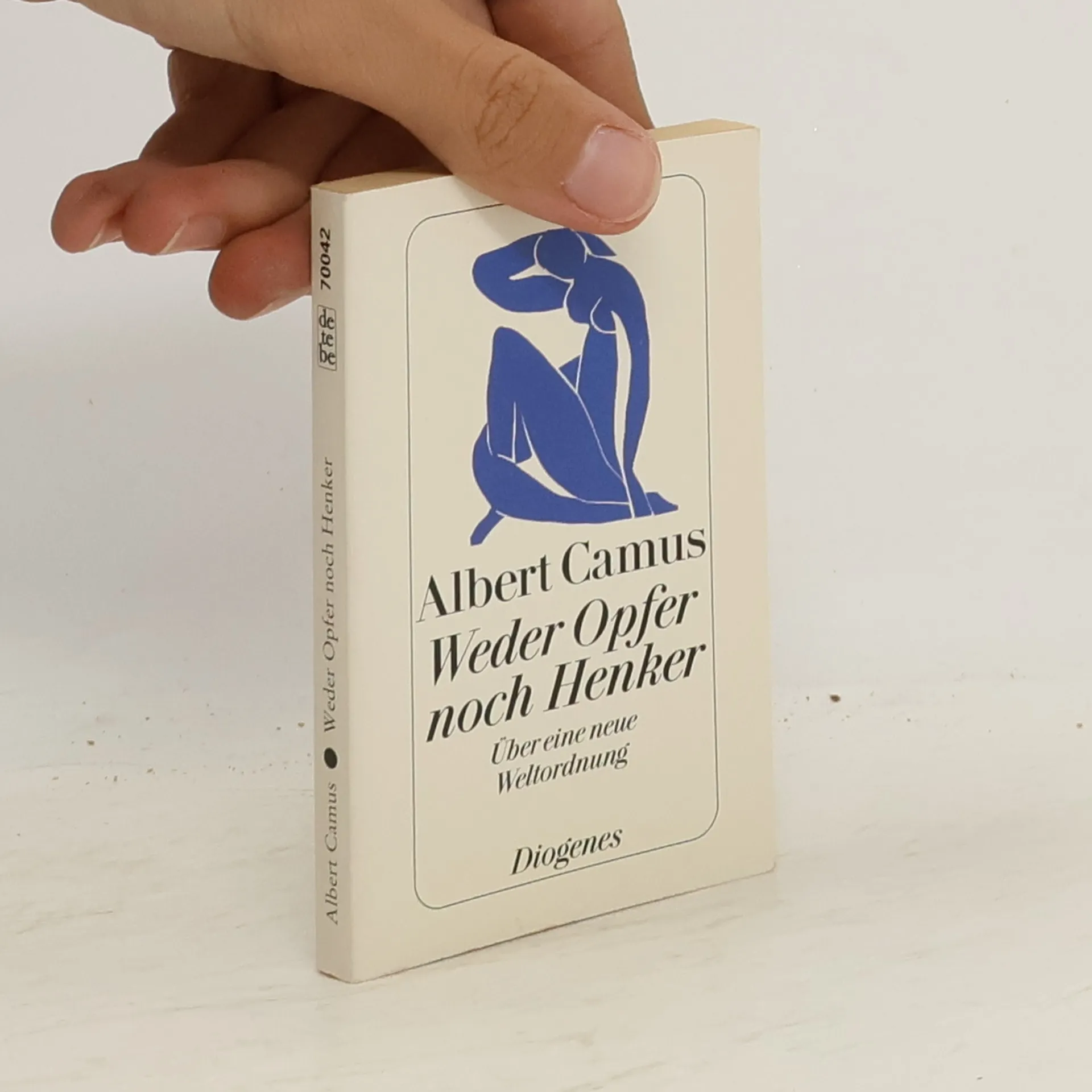
    • Weder Opfer noch Henker

      • 132 páginas
      • 5 horas de lectura

      „Wir wissen heute, dass es keine Inseln mehr gibt, dass die Grenzen sinnlos sind. Wir wissen, dass wir in einer Welt der konstanten Beschleunigung je nachdem zur Mitschuld oder zur Solidarität gezwungen werden. Was wir in den 40er Jahren gelernt haben, ist, dass die Beschimpfung eines Studenten in Prag gleichzeitig den Arbeiter in Clichy traf, dass das irgendwo an den Ufern eines mitteleuropäischen Flusses vergossene Blut dazu führte, dass ein Bauer aus Texas das seinige auf dem Boden jener Ardennen verlor, die er erstmals sah. Es gab und gibt auf dieser Welt kein einziges gesondertes Leiden, keine einzige Folter mehr, die sich nicht auf unseren Alltag auswirkte. Wir wissen also alle ohne den Schatten eines Zweifels, dass die neue Ordnung, die wir suchen, keine ausschließlich nationale, nicht einmal eine kontinentale und vor allem keine westliche oder östliche Ordnung sein kann. Es muss eine universale Ordnung sein.“

      Weder Opfer noch Henker
      4,0
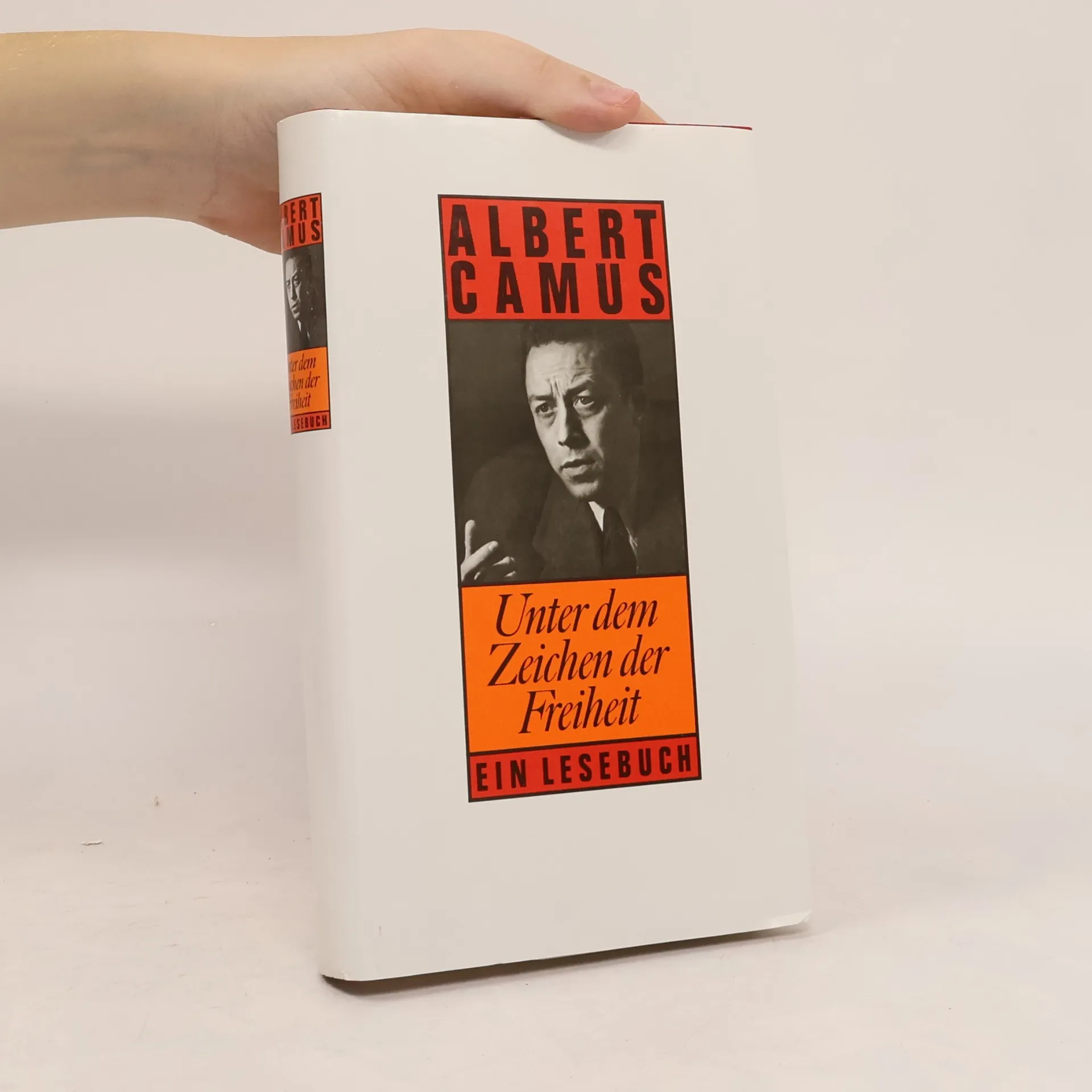
    • Albert Camus wurde am 7. November 1913 in ärmlichen Verhältnissen als Sohn einer Spanierin und eines Elsässers in Mondovi, Algerien, geboren. Von 1933 bis 1936 studierte er an der Universität Algier Philosophie. 1934 trat er der Kommunistischen Partei Algeriens bei und gründete im Jahr darauf das «Theater der Arbeit». 1937 brach er mit der KP. 1938 entstand sein erstes Drama «Caligula», das 1945 uraufgeführt wurde. Camus zog 1940 nach Paris. Neben seinen Dramen begründeten der Roman «Der Fremde» und der Essay «Der Mythos von Sisyphos» sein literarisches Ansehen. 1957 erhielt Albert Camus den Nobelpreis für Literatur. Am 4. Januar 1960 starb er bei einem Autounfall.Das Gesamtwerk von Albert Camus liegt im Rowohlt Verlag vor.

      Unter dem Zeichen der Freiheit
      3,8
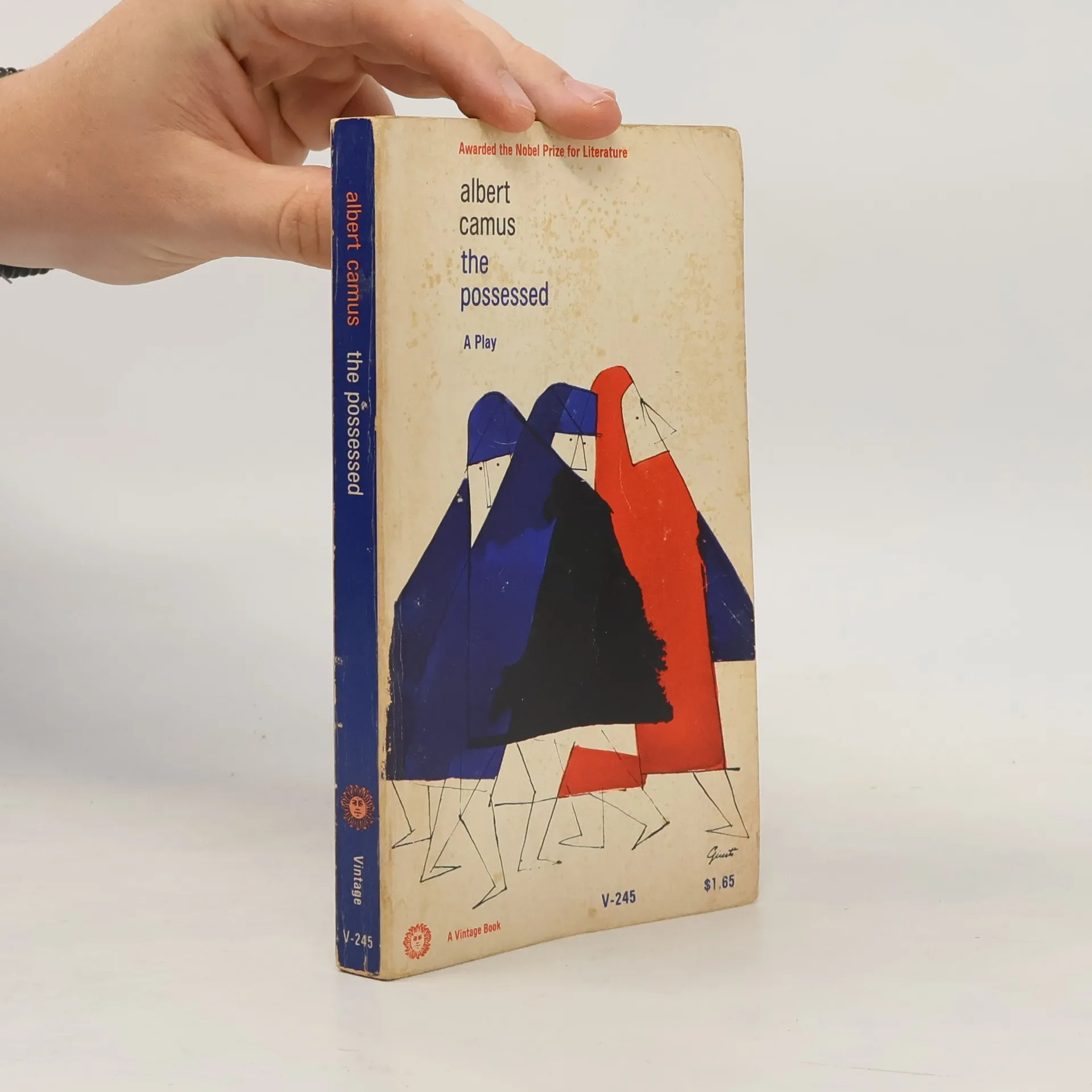
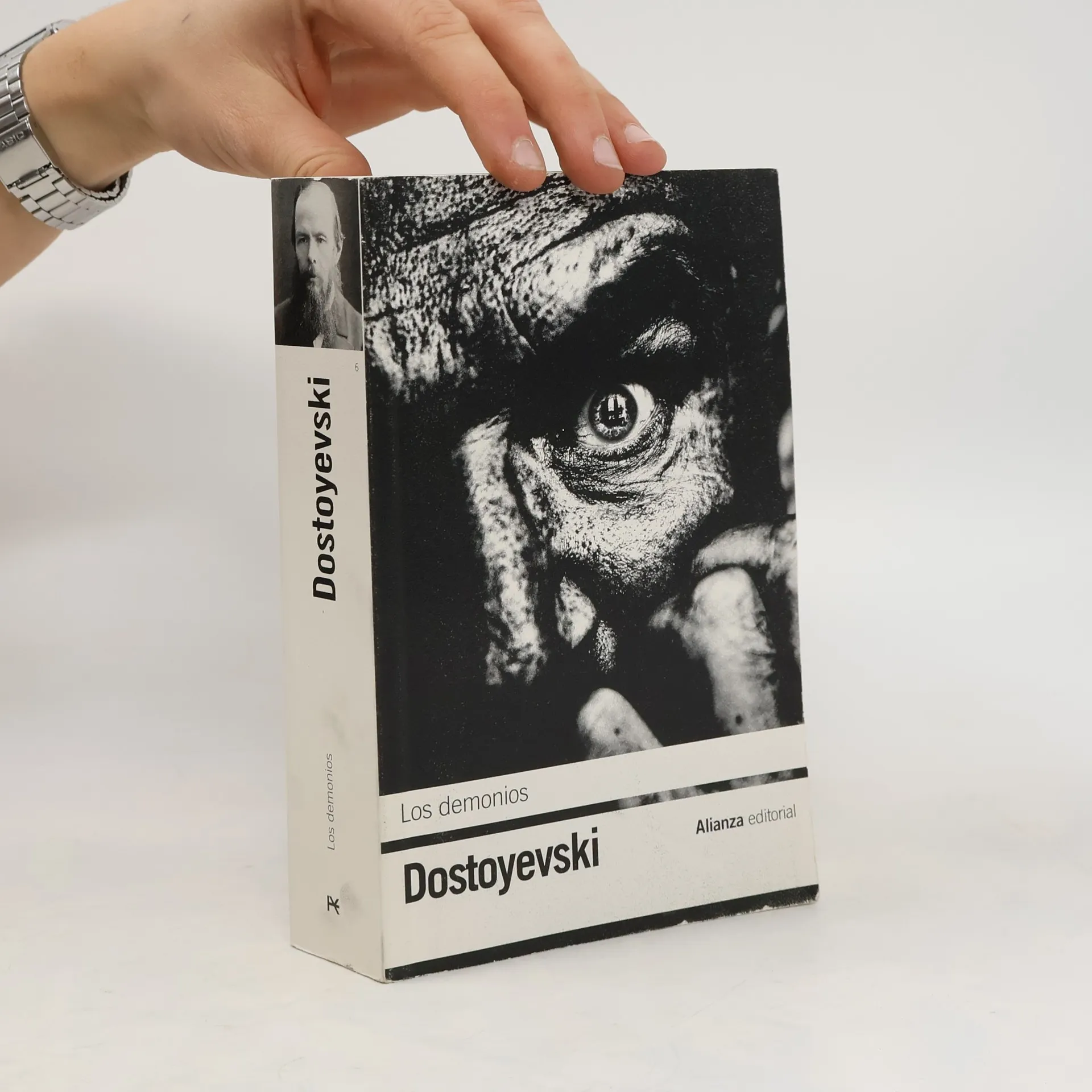
    • I demoni

      Adattamento in tre parti del romanzo di Fëdor Dostoevskij

      • 157 páginas
      • 6 horas de lectura

      Quest'opera è l'adattamento teatrale dei Demoni di Dostoevskij: viene rappresentata nel 1959, un anno prima della morte di Camus. È l'opera che lo scrittore ha in mente da sempre, a cui ha lavorato con ostinazione e che considera "uno dei quattro o cinque libri al di sopra di tutti gli altri". "I Demoni" è un libro profetico, non solo perché, come dice Camus, "annuncia il nichilismo dell'uomo moderno, ma anche perché descrive alla perfezione il disagio dell'uomo ad accettare la finitezza del suo essere nel mondo".

      I demoni
      4,0
    • Envers Et L Endroit

      • 119 páginas
      • 5 horas de lectura

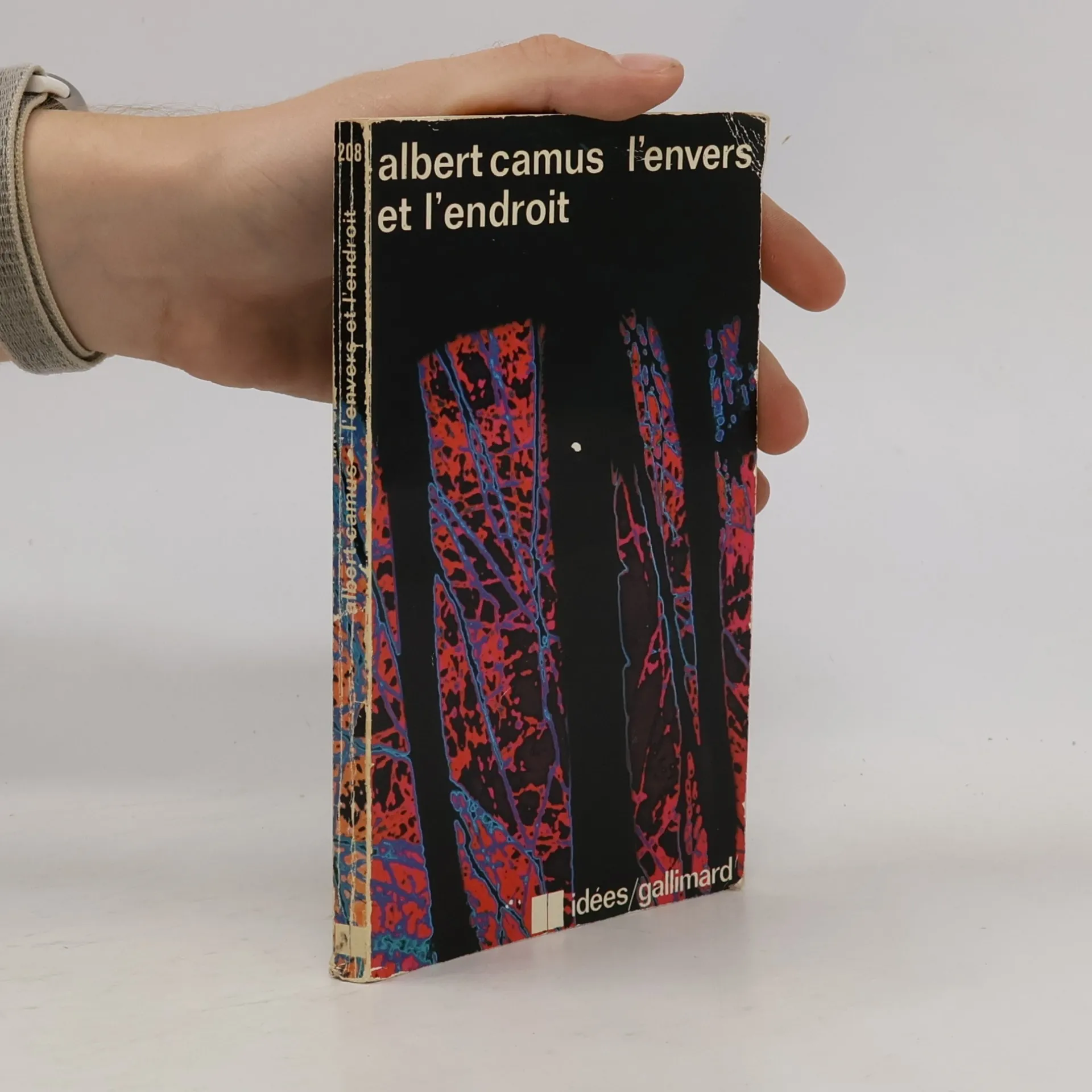
      New cover for 978-2070323685 L'envers et l'endroit est le premier livre d'Albert Camus. Il paraît à Alger en 1937.À la fin de sa vie, Camus verra dans cette œuvre de jeunesse la source secrète qui a alimenté ou aurait dû alimenter tout ce qu'il a écrit. L'envers et l'endroit livre l'expérience, déjà riche, d'un garçon de vingt-deux ans : le quartier algérois de Belcourt et le misérable foyer familial dominé par une terrible grand-mère ; un voyage aux Baléares, et Prague, où le jeune homme se retrouve «la mort dans l'âme» ; et surtout, ce thème essentiel : «l'admirable silence d'une mère et l'effort d'un homme pour retrouver une justice ou un amour qui équilibre ce silence».

      Envers Et L Endroit
      3,9
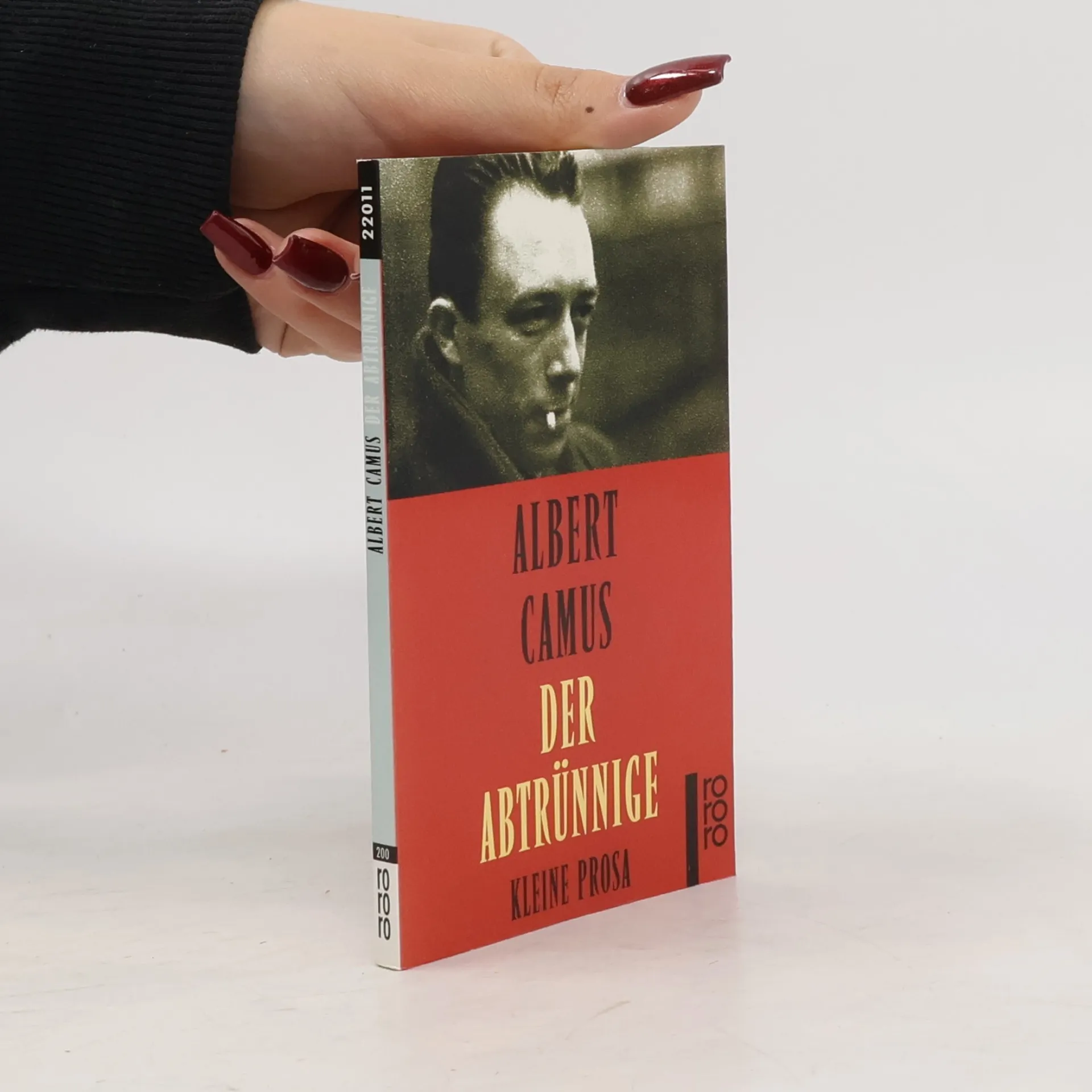
    • Der Abtrünnige

      • 125 páginas
      • 5 horas de lectura

      Es gibt Leidenschaftsverbrechen und logische Verbrechen. Der Strafgesetzbuch unterscheidet zwischen ihnen, recht bequem, durch die Vorsätzlichkeit. Wir befinden uns in der Zeit der Vorsätzlichkeit und des perfekten Verbrechens. Unsere Verbrecher sind nicht mehr die unbewaffneten Kinder, die die Ausrede der Liebe anführten. Sie sind im Gegenteil Erwachsene, und ihr Alibi ist unwiderlegbar: Die Philosophie kann für alles dienen, sogar um Mörder in Richter zu verwandeln. Mehr als 50 Jahre nach seiner ersten Veröffentlichung, mit den ideologischen Auseinandersetzungen und den existenziellen Fragen der Menschheit radikal aus den Fugen geraten, erhält dieses Buch eine besondere Dimension. Es ist nicht mehr möglich, Verbrechen gegen die Menschlichkeit zu ignorieren, gleich welche revolutionären Vorwände sie haben. Die Revolte entschuldigt nicht alles. So zeigt sich der von Camus vorgeschlagene Humanismus als grundlegend für diejenigen, die es vorziehen, die Menschen zu verteidigen, bevor sie abstrakte theoretische Systeme verteidigen.

      Der Abtrünnige
      3,7
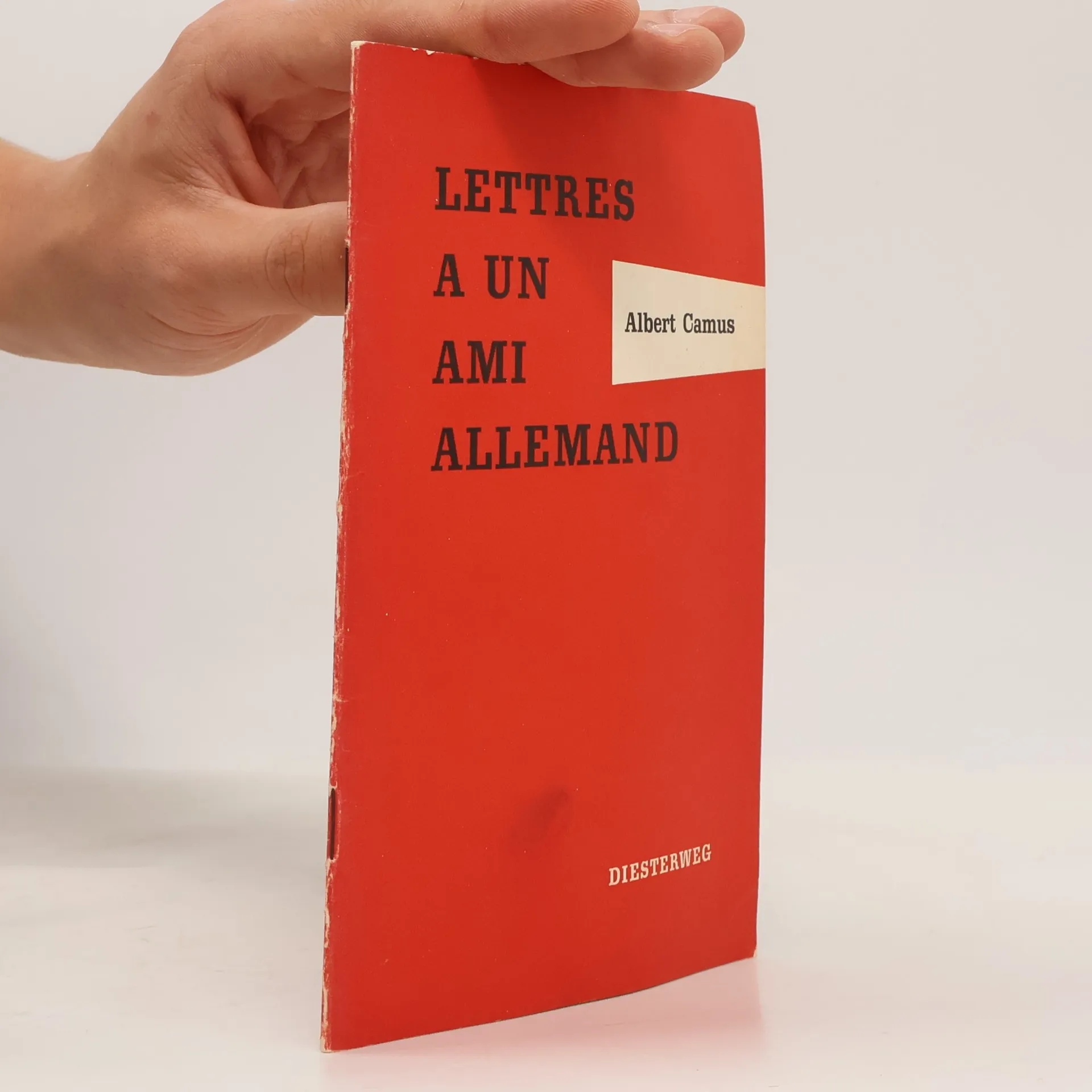
    • Les quatre Lettres a un ami allemand, écrites sous l'Occupation et destinées a des publications clandestines, expriment déja la doctrine de La peste et de L'homme révolté. Elles se placent sous l'invocation de Senancour qui, en une formule saisissante, avait résumé la philosophie de la révolte : «L'homme est périssable. Il se peut ; mais périssons en résistant, et si le néant nous est réservé, ne faisons pas que ce soit une justice !

      Lettres a un ami allemand
      3,8
    • Brigitte Sändig, born in 1944 in Dresden, studied Romance and German studies in Leipzig. She worked as a development aid worker in Algeria from 1970 to 1971 and completed her doctorate in 1973, followed by habilitation in 1990. From 1973 to 1991, she was a research associate at the Central Institute for Literary History at the Academy of Sciences, and from 1992 to 1995, she was part of the research focus on literary studies in Berlin. She held temporary professorships in French literature at universities in Trier and Osnabrück from 1994 to 1997 and served as a visiting professor at Penn State University in the USA. Since 1997, she has been a professor of Romance literary studies/French at the University of Potsdam. Her publications include works on Albert Camus, such as introductions to his life and work, studies on his impact during political division, and explorations of themes like autonomy and solidarity. She has edited works by Camus and other notable authors, and her research encompasses the reception history of literature, Francophone literature from Africa, and the role of humanity in 19th and 20th-century literature and philosophy. Sändig is a member of the Comité administratif of the Société des Études Camusiennes and the editorial board of the journal Présence d’Albert Camus. In 2012, she was appointed Chevalier dans l’Ordre des Palmes Académiques.

      Albert Camus
      3,5
    • Eseje - Rub a líc / Svatba / Léto

      • 203 páginas
      • 8 horas de lectura

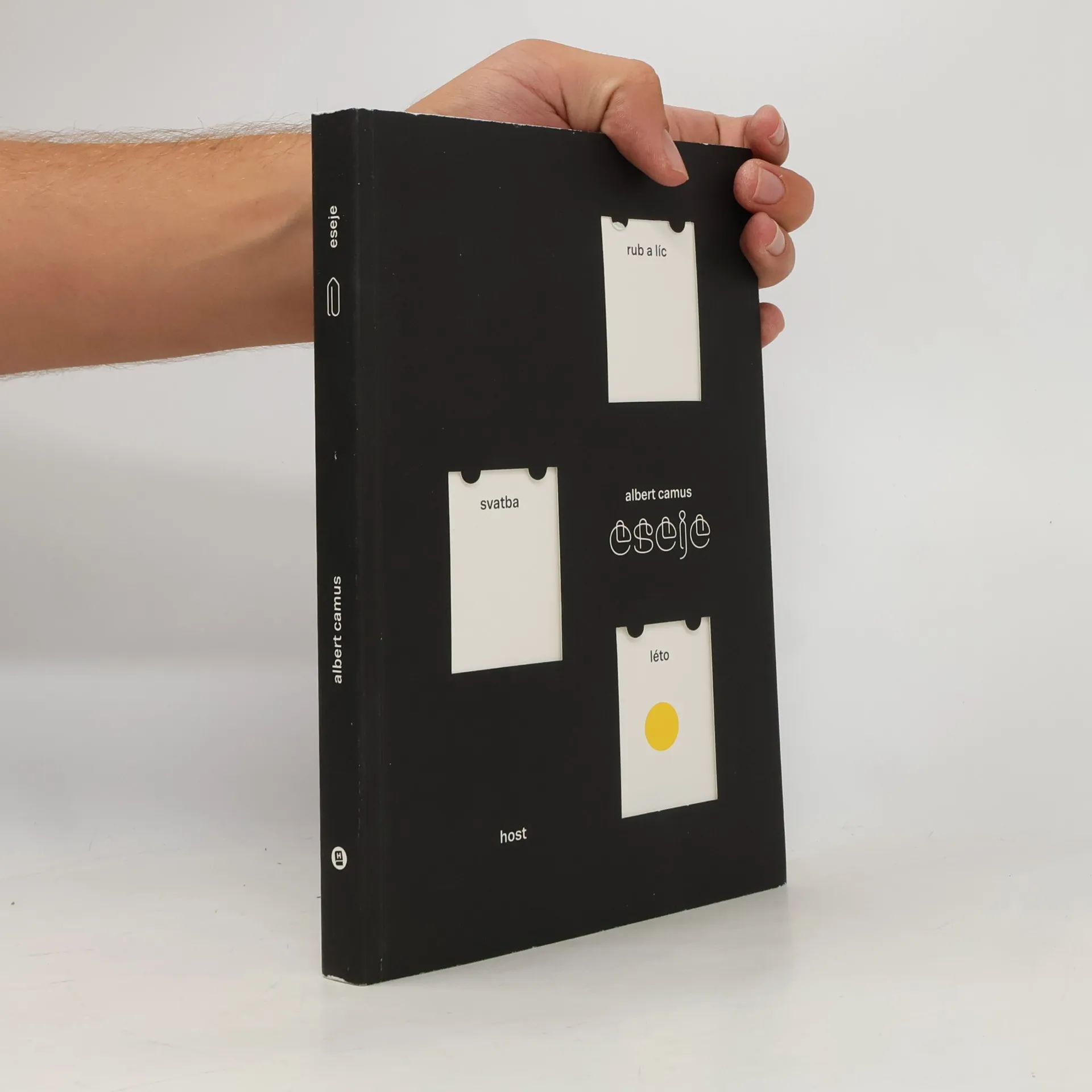
      „Skutečným pramenem je Rub a Líc, to je mi dnes jasné,“ napsal v roce 1958 Albert Camus v předmluvě k reedici této prvotiny, jež vyšla ještě v Alžíru, o dvacet let dříve. Čtyřiadvacetiletý Camus se tehdy naplno, ačkoliv poznamenán tuberkulózou (nebo právě proto?), zahryzl do literárního života první sbírkou esejů, v nichž vidění i slovo oscilují mezi rubem a lícem života, světa i sebe sama. Již zde překvapivě objevujeme náměty a myšlenky, které se stanou základnou celého pozdějšího díla: nehledat střední cestu mezi viditelnými i neviditelnými protiklady lidské existence, nestavět se na stranu extrémů, ale pokusit se o co nejjasnější uvědomění si jednoho i druhého, o jejich přijetí jako takových, jako rubu a líce jediného listu knihy. Žádná střední cesta rozumu, ale intenzivní prožívání napětí mezi protilehlými póly. Nakladatelství Host předkládá čtenáři poslední dvě, v češtině dosud nevydané esejistické sbírky Rub a líc (1936) a Svatba (1939; spolu s jejím pandánem Léto, 1954), v nichž se začínající literát noří do míst svého dětství a mládí, která v něm zanechala stopu nesmazatelnou, plnou slunce (Tipasa, Florencie, Vicenza), historie a bídy (Džemila, Alžír, Praha), nemilosrdné krásy svého světa bez falešného lyrismu.

      Eseje - Rub a líc / Svatba / Léto
      3,7
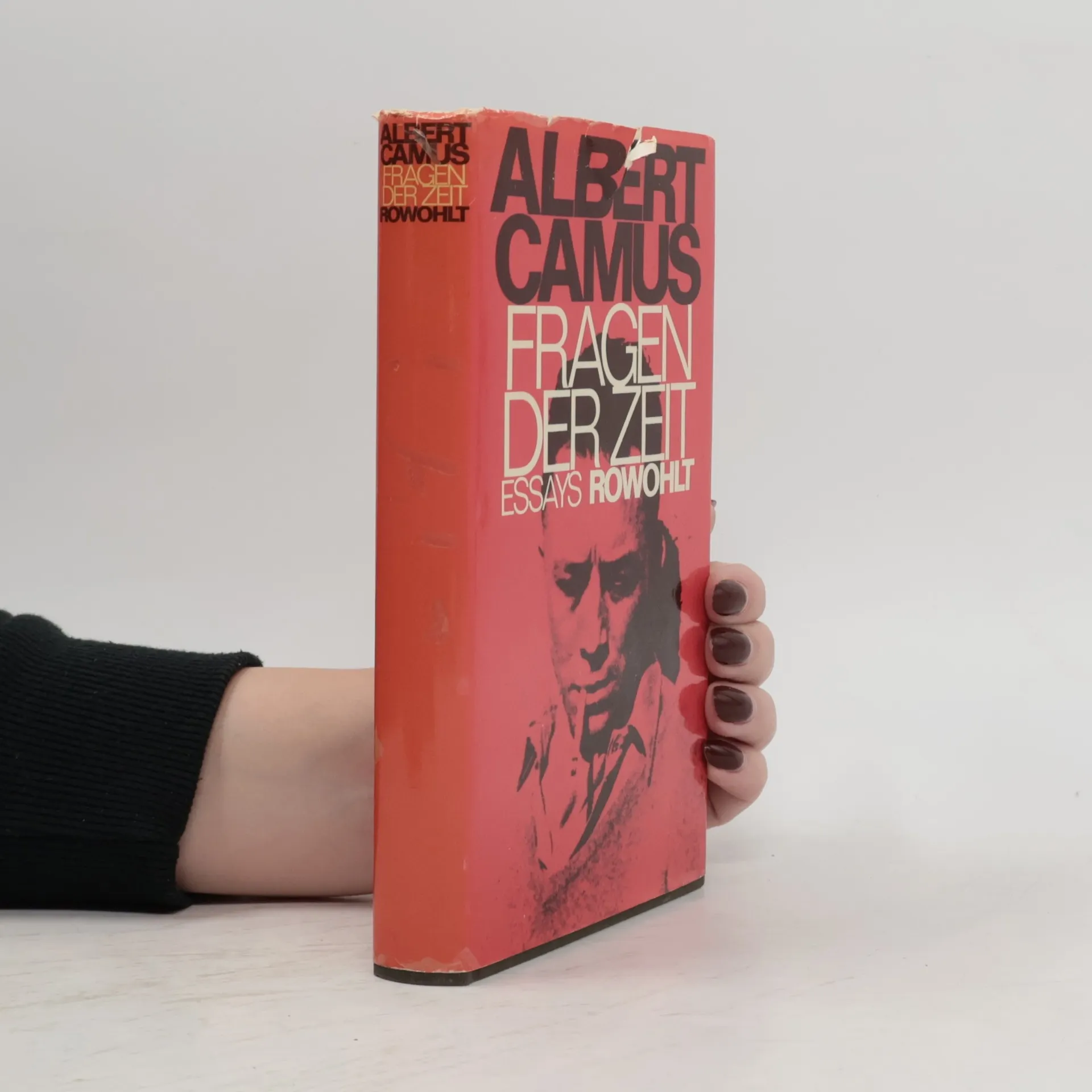
    • «Nichts wird den Menschen geschenkt, und das wenige, das sie erobern können, muss mit ungerechtem Sterben bezahlt werden. Aber nicht darin liegt die Größe des Menschen. Sondern in seinem Willen, stärker zu sein als die Conditio humana. Und wenn die Conditio humana ungerecht ist, hat er nur eine Möglichkeit, sie zu überwinden: indem er selber gerecht ist.»Diese berühmt gewordenen Essays, Briefe, Reden und Aufzeichnungen gehören zu den klassischen Texten der politischen Literatur. Sie zeigen einen Schriftsteller, der stets inmitten der Kämpfe und Kontroversen seiner Epoche stand.

      Fragen der Zeit
      3,6
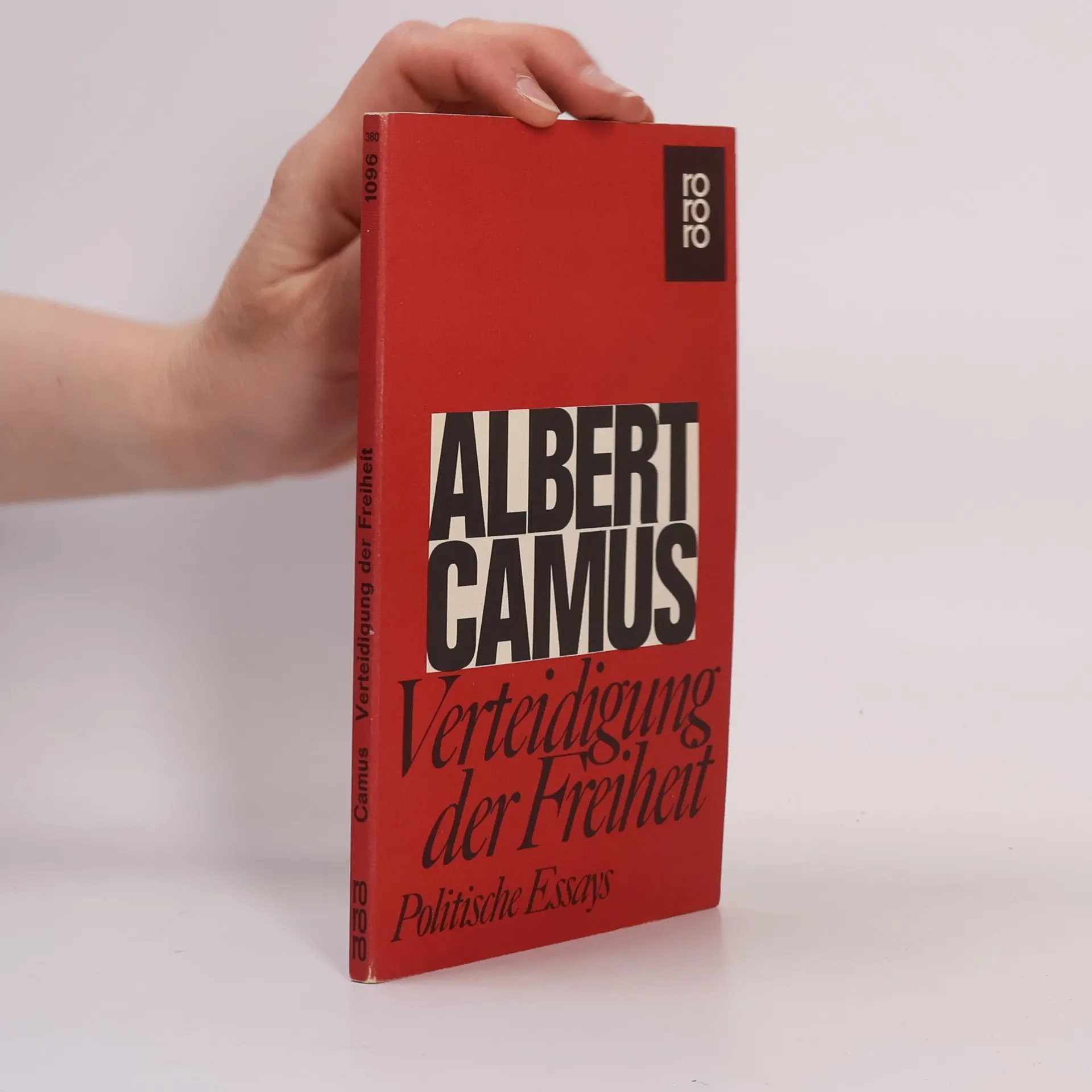
    • "Wenn wir die Rechtsbrüche und die vielfältigen Mißbräuche zusammenzählen, von denen heute die Rede war, können wir den Tag voraussehen, da sich in einem Konzentrationslager-Europa nur noch Gefängniswärter auf freiem Fuß befinden." Essays über Spanien, Algerien und Ungarn, über Tyrannei und Freiheit, Terror und Revolte, in denen wir jene großartige Einheit von Ethos und Vernunft, von Lauterkeit und Klarsicht, von Integrität und Scharfsinn erfahren, die Camus eigen war.

      Verteidigung der Freiheit
      3,6
    • Parce que c'était lui; parce que c'était moi

      Littérature et amitié

      • 96 páginas
      • 4 horas de lectura

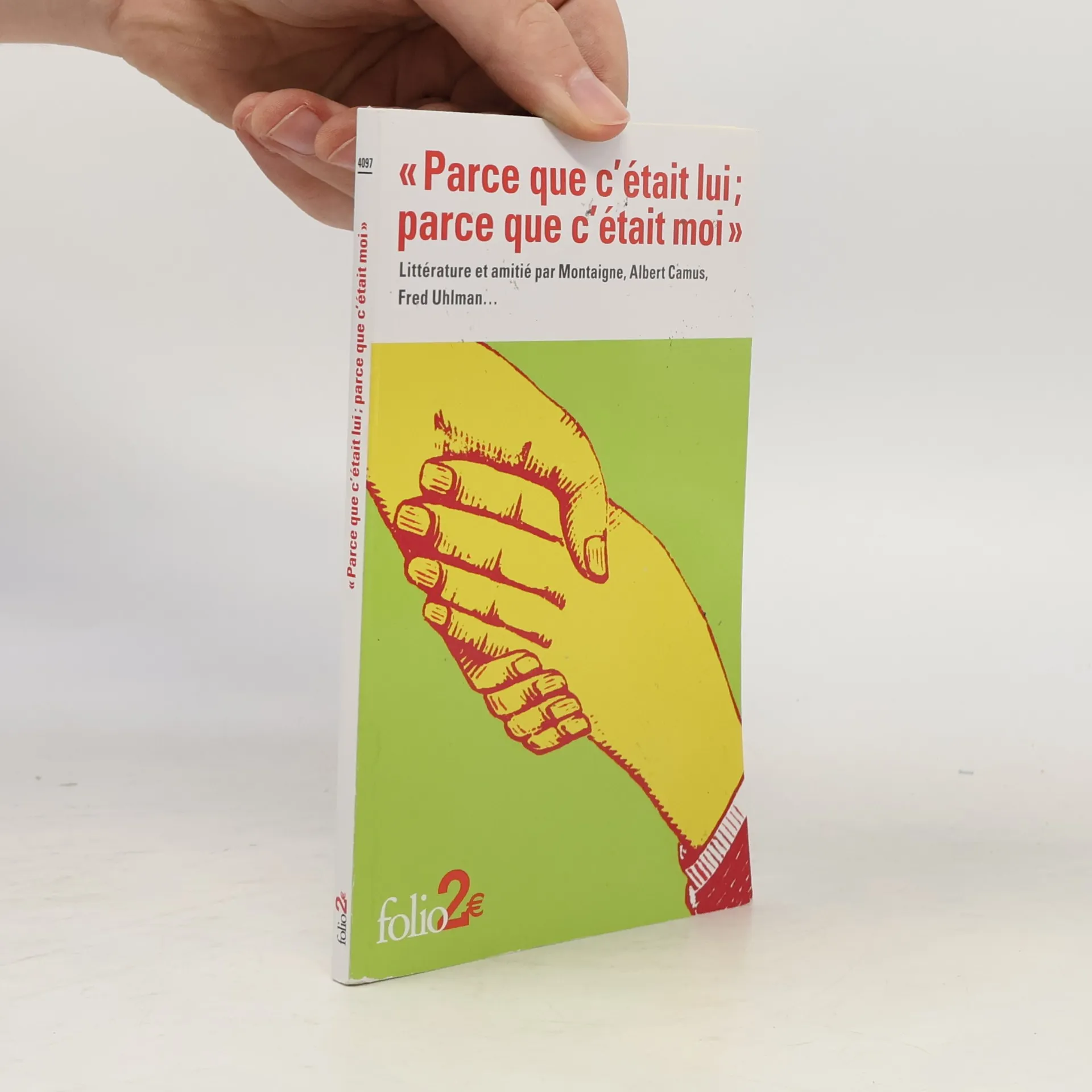
      Qu'ont en commun Jules et Jim, Montaigne et La Boétie, le Petit Prince et le renard, si ce n'est d'avoir rencontré un véritable ami ? Complicité, fidélité et solidarité caractérisent ce lien étonnant qui unit les hommes par-delà les pays, les années et les guerres. Les grands écrivains de la littérature mondiale - La Fontaine, Zola, Molière, Camus ou encore Fred Uhlman - ont exploré les multiples facettes de l'amitié et décrit avec sensibilité des moments de bonheur partagé.

      Parce que c'était lui; parce que c'était moi
      3,6
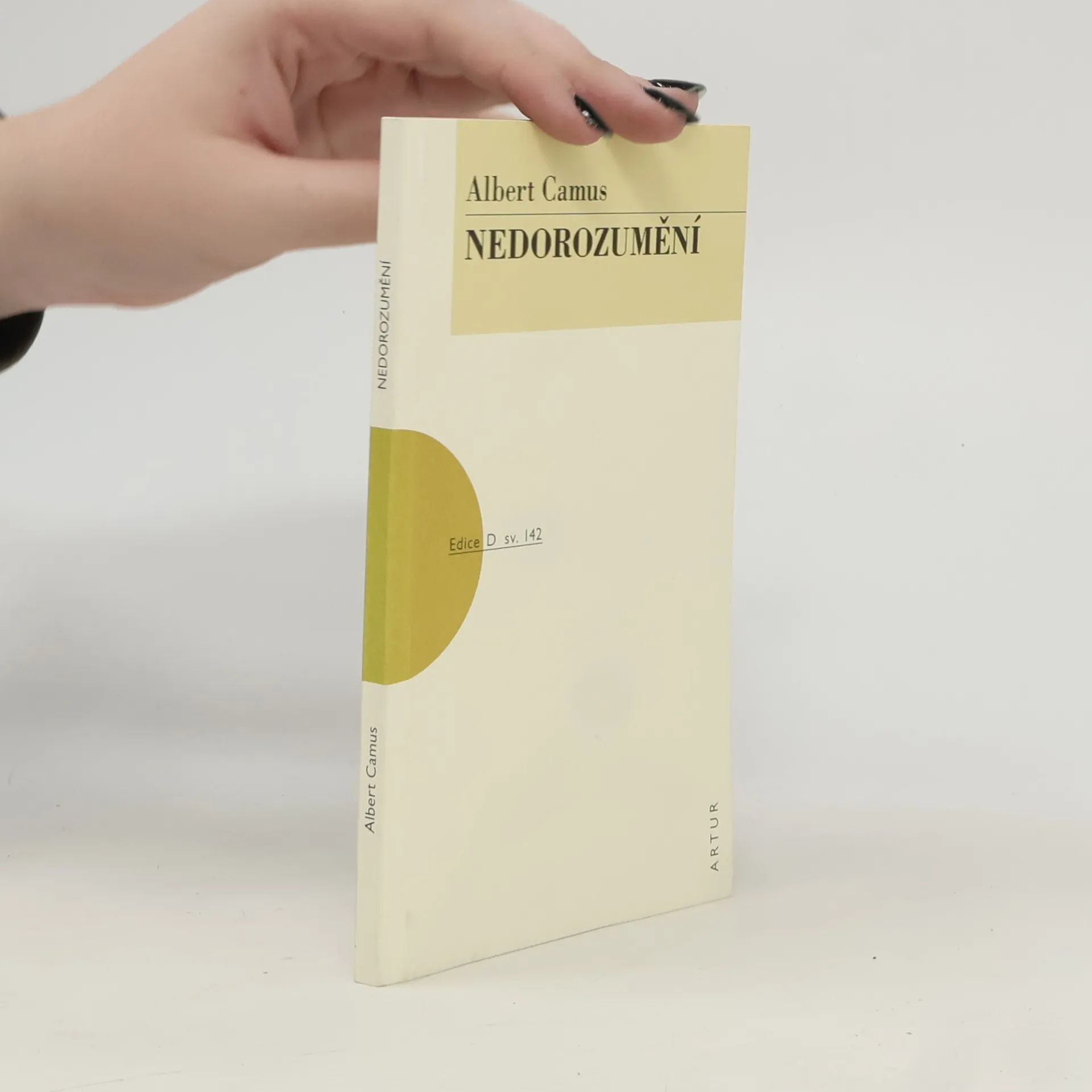
    • Nedorozumění

      • 76 páginas
      • 3 horas de lectura

      Tragický příběh muže a tří jemu blízkých žen odehrávající se v „podivném“ hostinci za nímž stojí absurdní nedorozumění. Návrat „ztraceného syna“ do vlasti, kterou opustil před mnoha lety, ke své matce a sestře, se dotýká věčných témat viny a trestu, osudu, schopnosti komunikace a revolty proti neutěšenému životu, lásky mezi lidmi a v neposlední řadě existence Boha. Camus příběh zasadil do „nevlídné krajiny“ Čech. Hra od držitele Nobelovy ceny za literaturu vychází v nové, u nás zatím nepublikované, verzi v překladu Ivana Zmatlíka jako 142. svazek edice D.

      Nedorozumění
      3,7
    • Licht und Schatten

      • 125 páginas
      • 5 horas de lectura

      Beinhaltet das Vorwort zu "Licht und Schatten" und die daraus entnommene Erzählung "Tod im Herzen" sowie Auszüge aus dem Tagebuch, aus dem Roman "Der erste Mensch" und aus dem Roman "Der glückliche Tod".

      Licht und Schatten
      3,4
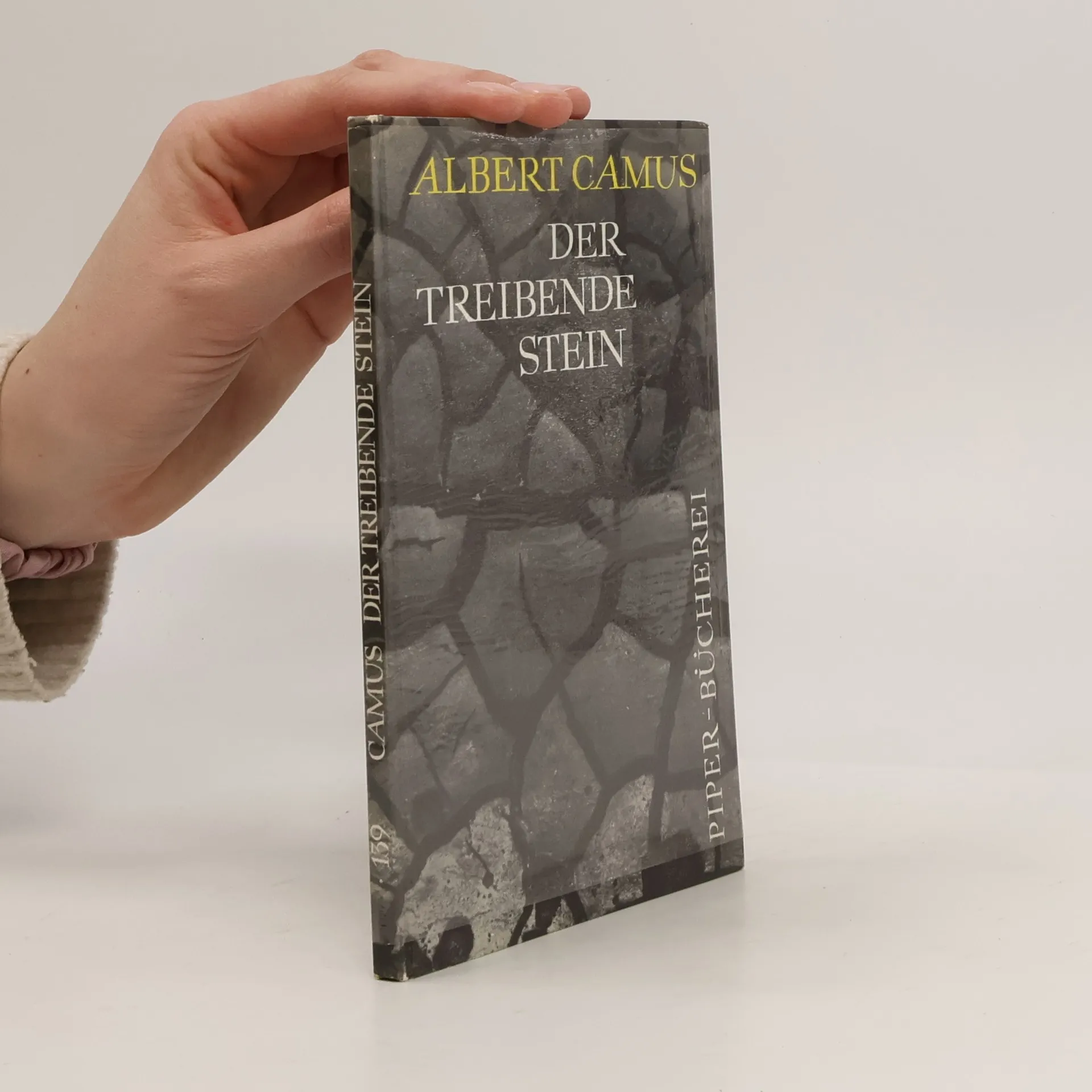
    • Der treibende Stein

      • 64 páginas
      • 3 horas de lectura

      Der große französische Schriftsteller Albert Camus präsentiert in diesem Buch zwei lange Geschichten: „Jonas oder der Künstler bei der Arbeit“ und „Der treibende Stein“. Diese Geschichten sind aufgrund ihrer Länge nicht in „Sürgün und Krallık“ enthalten. Wir hoffen, dass unsere Leser diese sehr interessanten Geschichten mögen werden.

      Der treibende Stein
      2,8
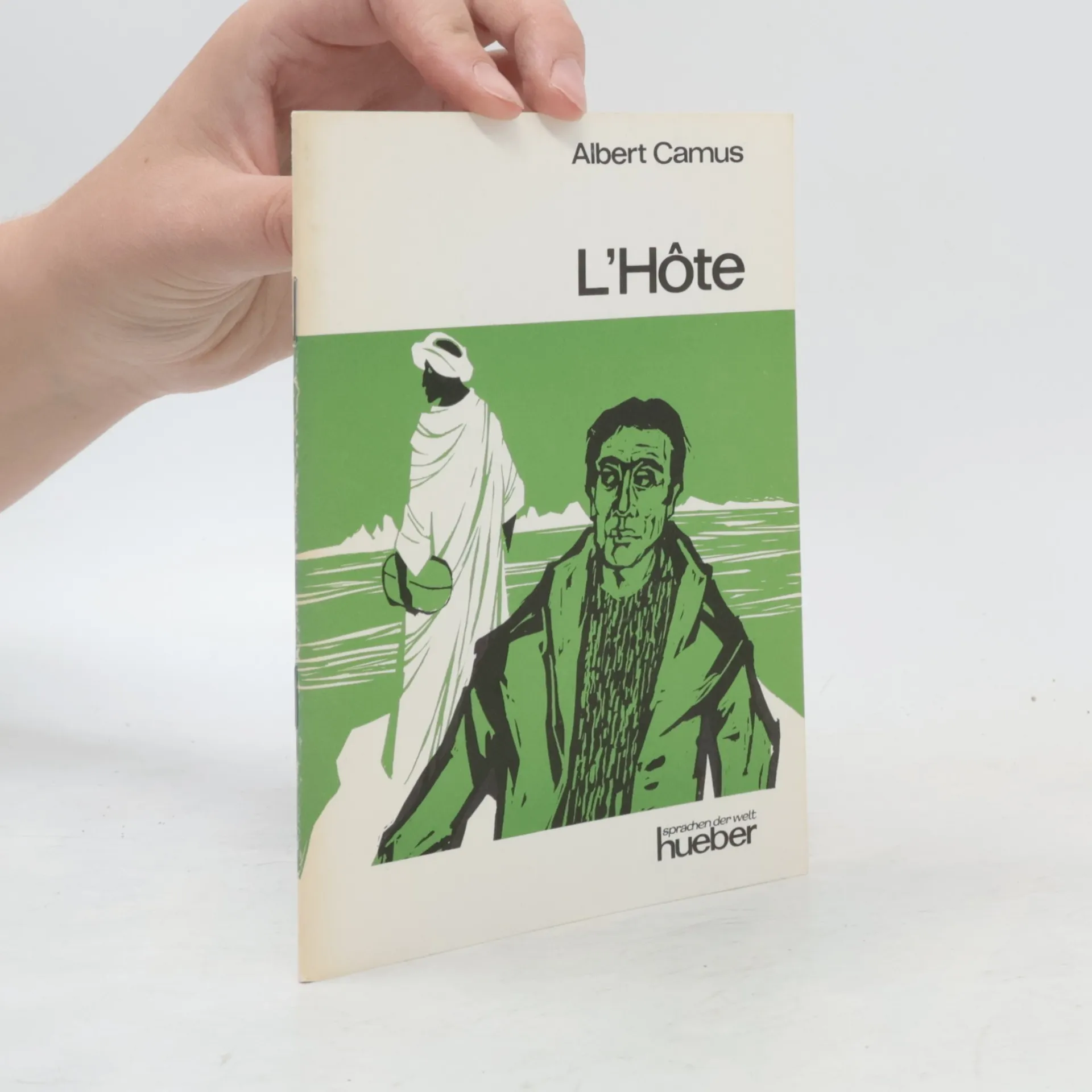
    • L'Hôte

      D'après la nouvelle d'Albert Camus tirée de L'Exil et le royaume

      • 64 páginas
      • 3 horas de lectura

      Daru, jeune instituteur français né en Algérie, vit dans son école au coeur des hauts plateaux. Un jour d'hiver, le gendarme Balducci lui confie un prisonnier arabe en lui donnant l'ordre de le convoyer jusqu'à la ville voisine pour le livrer à la justice. Daru refuse mais le gendarme s'en va en lui laissant le prisonnier.

      L'Hôte
      3,6
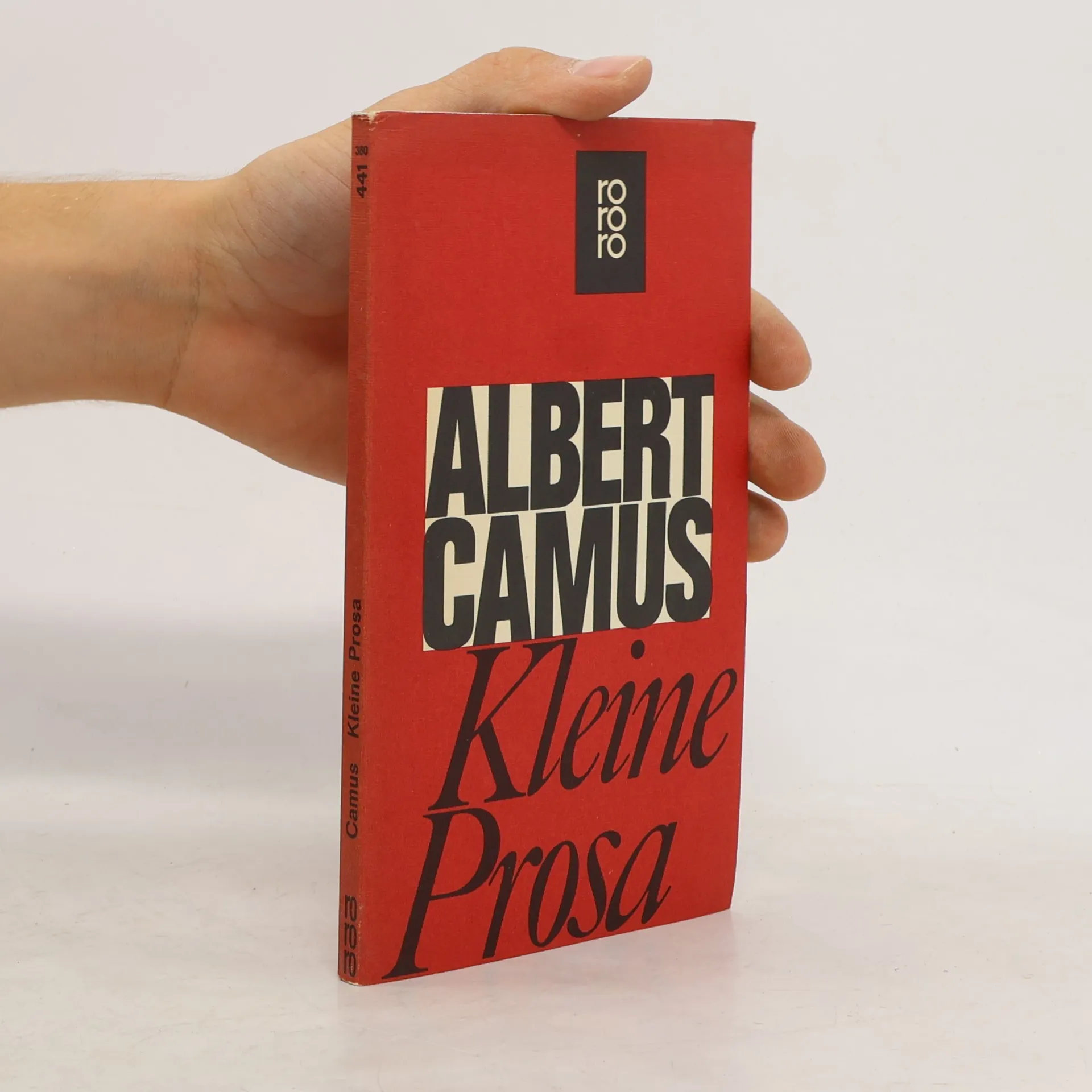
    • Kleine Prosa

      • 158 páginas
      • 6 horas de lectura

      Gleichzeitig läßt die Aufgabe des Schriftstellers sich nicht von schwierigen Pflichten trennen. Seiner Bestimmung gemäß kann er sich heute nicht in den Dienst jener stellen, die Geschichte machen: er steht im Dienst derer, die sie erleiden. Diese Sammlung enthält die drei Erzählungen "Die Abtrünnigen", "Der Gast" und "Die Stummen", dazu die berühmten vier "Briefe an einen deutschen Freund" sowie die beiden Reden anläßlich der Verleihung des Nobelpreises.

      Kleine Prosa
      3,4
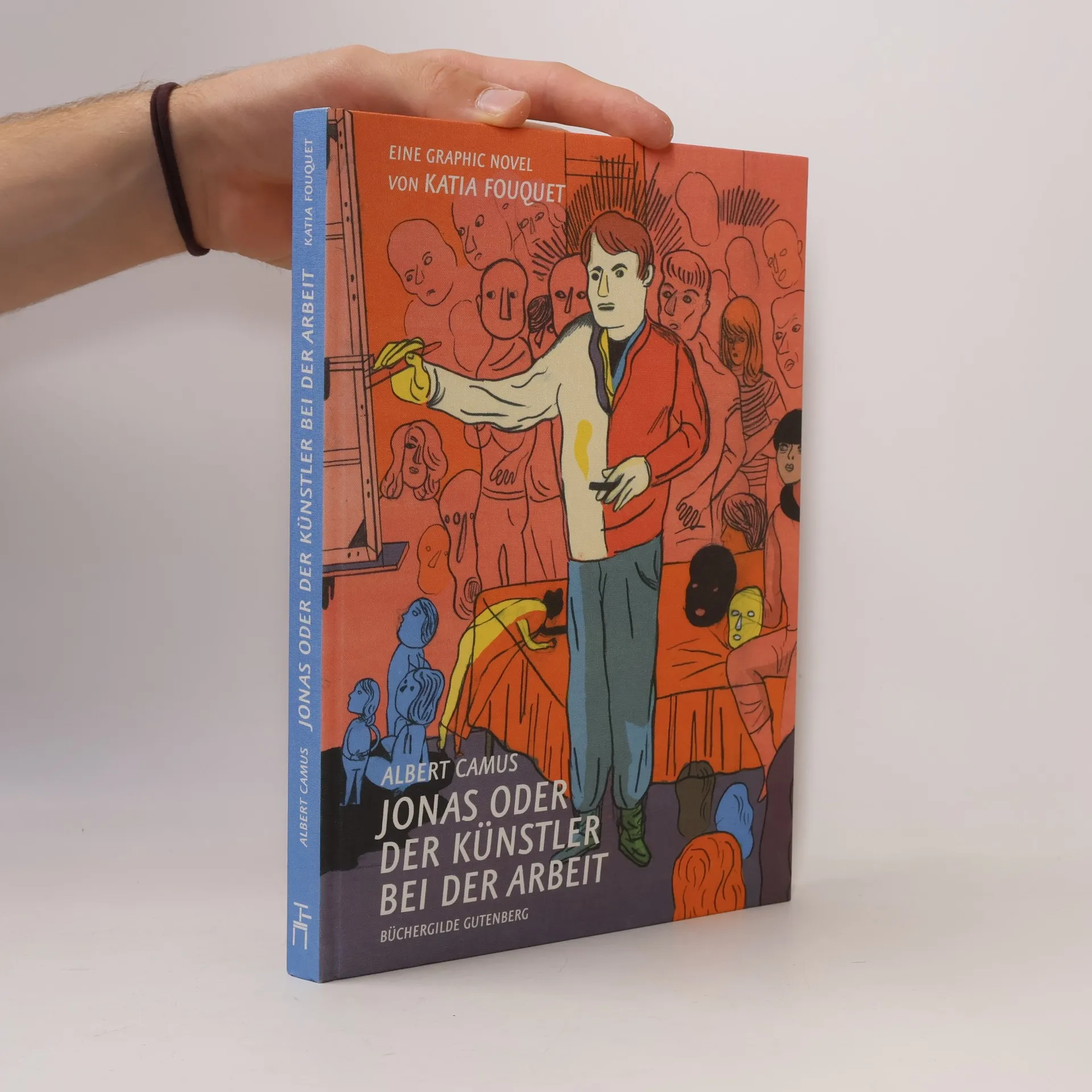
    • Jonas oder der Künstler bei der Arbeit

      • 251 páginas
      • 9 horas de lectura

      "Was sind Sie von Beruf?", fragte der Kellner. - "Maler", antwortete Jonas. - "Kunstmaler oder Flachmaler?" - "Kunstmaler." - "Ach ja", sagte der Kellner, "das ist nicht leicht."1957 erscheint in Frankreich Albert Camus' Erzählung über den Aufstieg und Fall des jungen Künstlers Jonas. Camus thematisiert darin mit großem Feingefühl die Urproblematik eines jeden Künstlers: ein Leben geprägt von ökonomischen Zwängen, Abhängigkeiten, aber auch von der berauschenden Freiheit des künstlerischen Schaffens. Gequält von den Ansprüchen an sich selbst, aufgerieben in der Unvereinbarkeit von Arbeit und geliebter Familie, gleichzeitig falschen Freunden, Kritikern und Geschäftemachern ausgesetzt, flieht Jonas in die Isolation.In starken, kraftvollen Bildern zeichnet die Berliner Illustratorin Katia Fouquet das Leben des jungen Künstlers Jonas nach und zeigt mit überzeugender Klarheit die Aktualität der schriftstellerischen Vorlage. Ihre spannende Adaption erschafft einen ganz eigenen visuellen Kosmos, in dem sie die Formen des Comic, des Kunstkatalogs und der fiktiven Biografie miteinander verknüpft, und subtil ihre eigene Lebenssituation als Künstlerin mit einfliessen lässt.

      Jonas oder der Künstler bei der Arbeit
      3,3
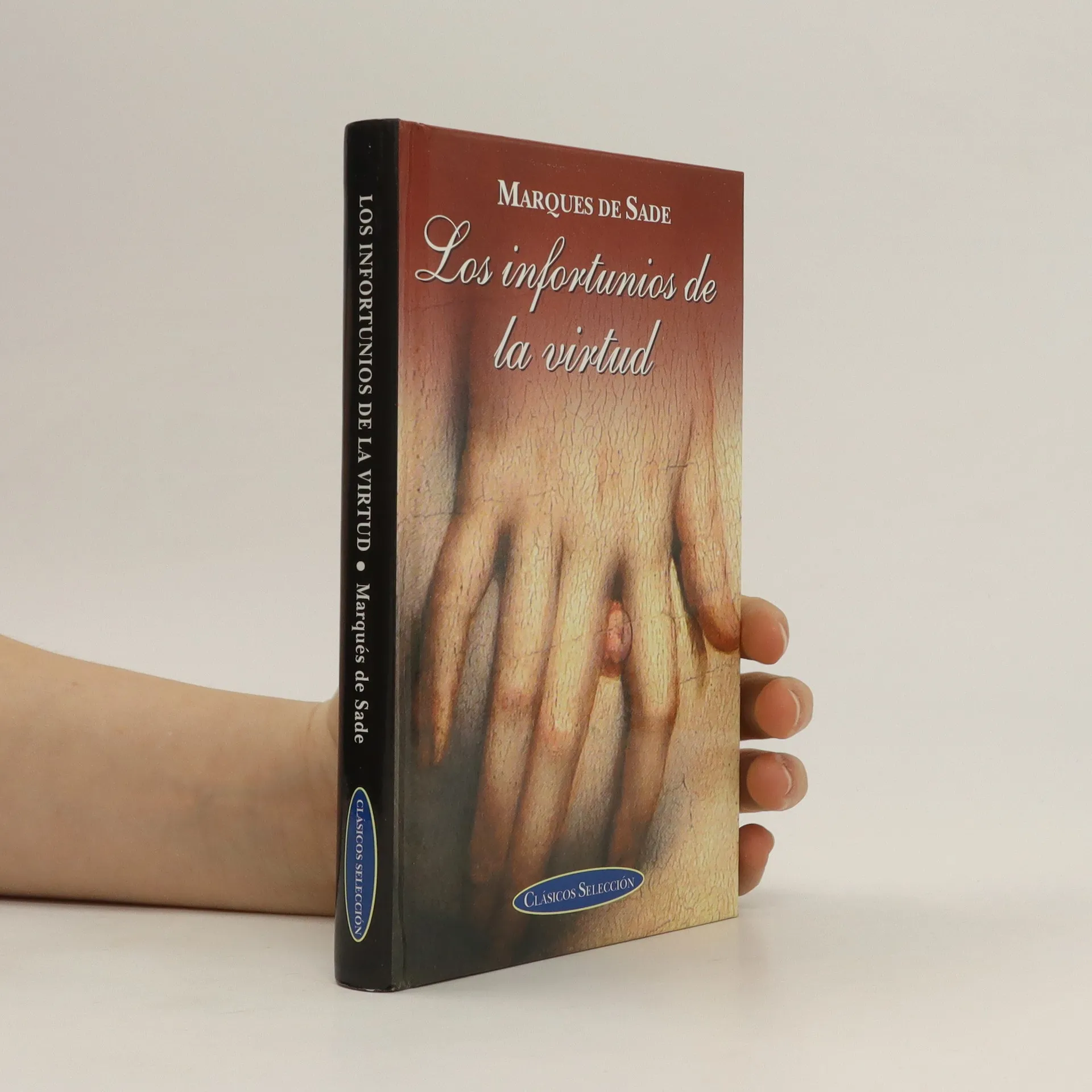
    • Los Infortunios Dela Virtud

      • 159 páginas
      • 6 horas de lectura

      Obra del gran autor Marques de Sade que ha sido editada y revisada en espanol con una taduccion unica.

      Los Infortunios Dela Virtud
      3,2