

Bookbot

Norman M. Naimark

    1 de enero de 1944

    Este autor se especializa en estudios de Europa del Este, explorando las complejas cuestiones históricas y políticas de la región. Su trabajo se centra en una profunda comprensión de los procesos históricos y su impacto en el presente. A través de su escritura, ofrece perspectivas perspicaces sobre las dinámicas de poder y el cambio social. Sus análisis son valorados por su profundidad y rigor intelectual.

    Norman M. Naimark
    Ludobójstwa Stalina
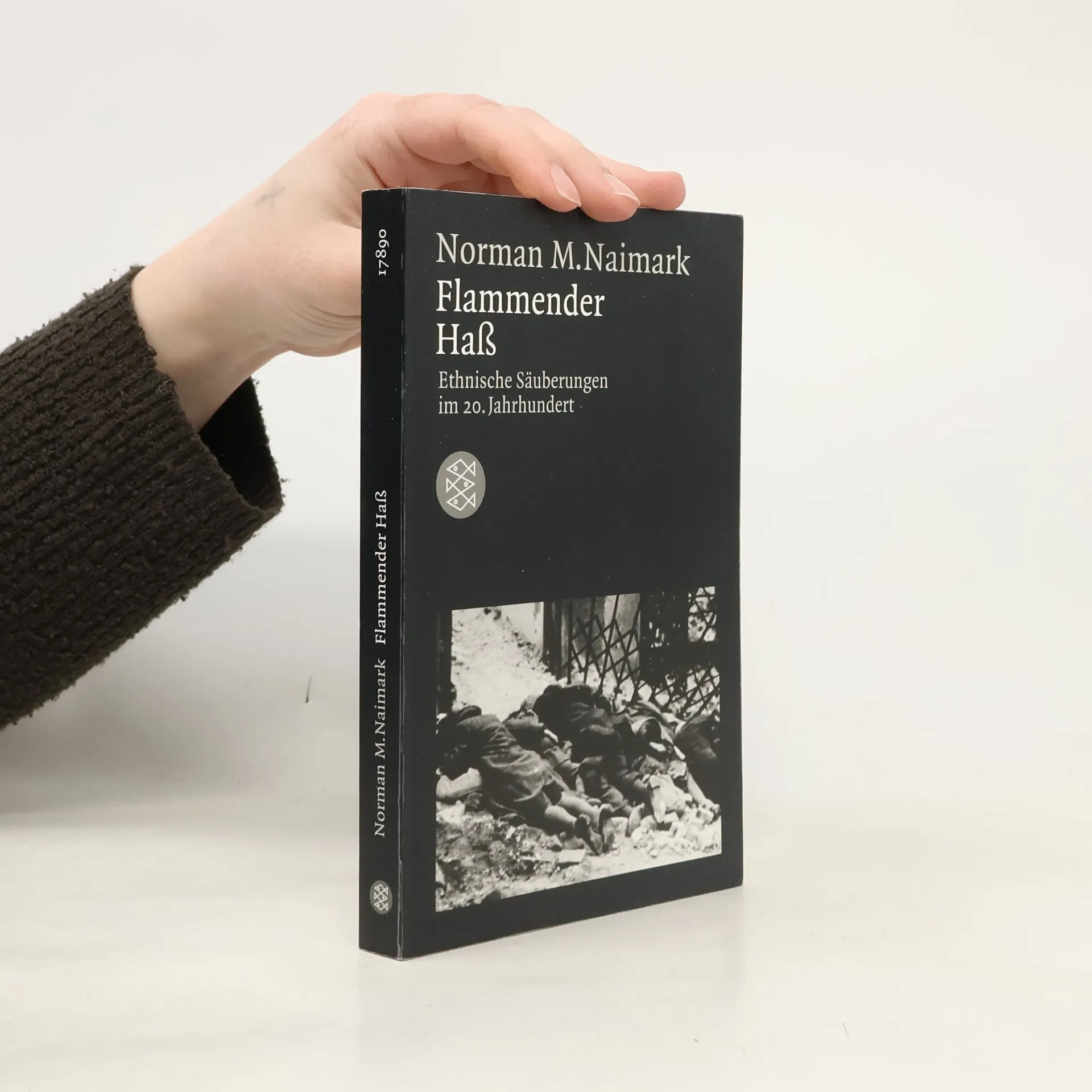
    Flammender Haß
    Stalin and the Fate of Europe
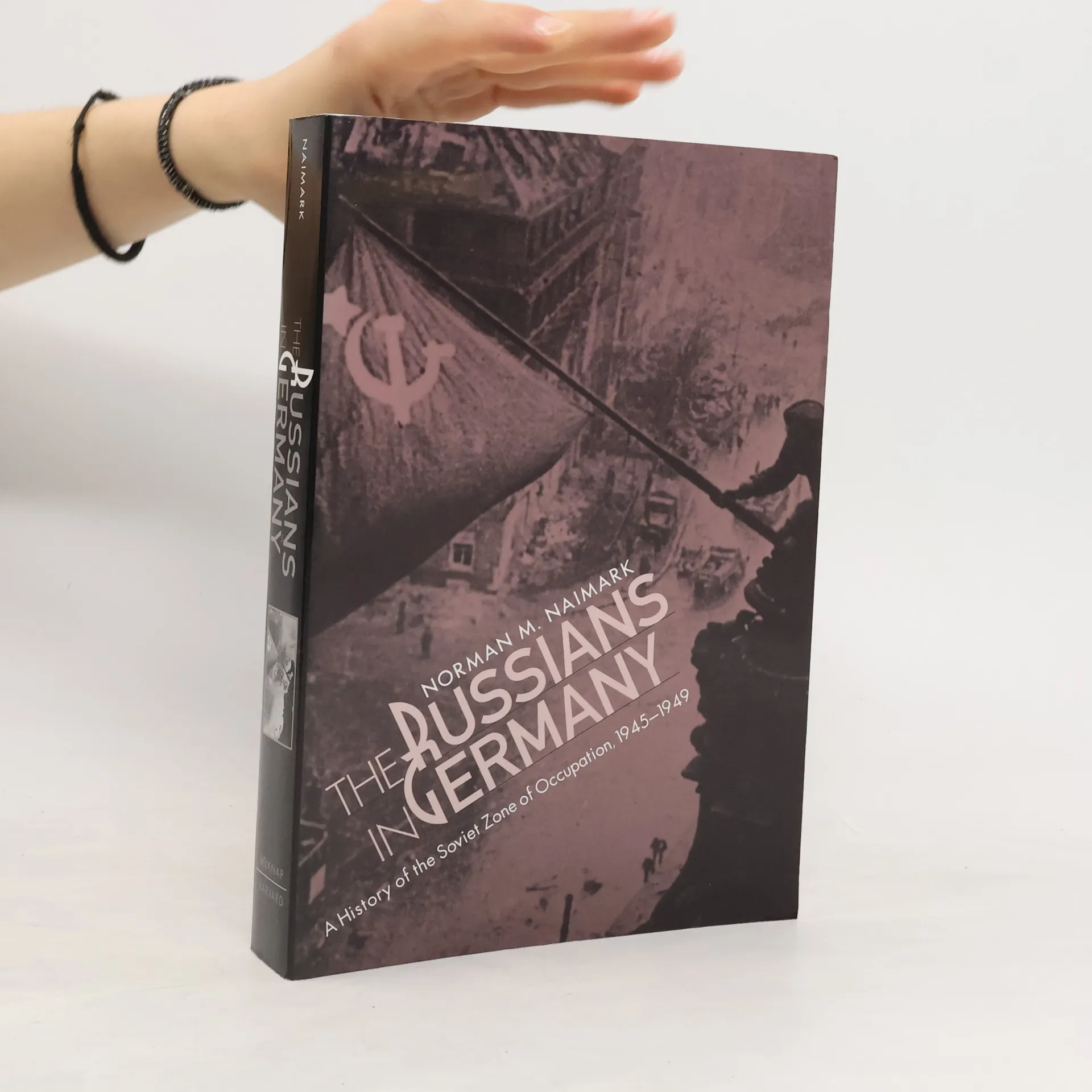
    The Russians in Germany
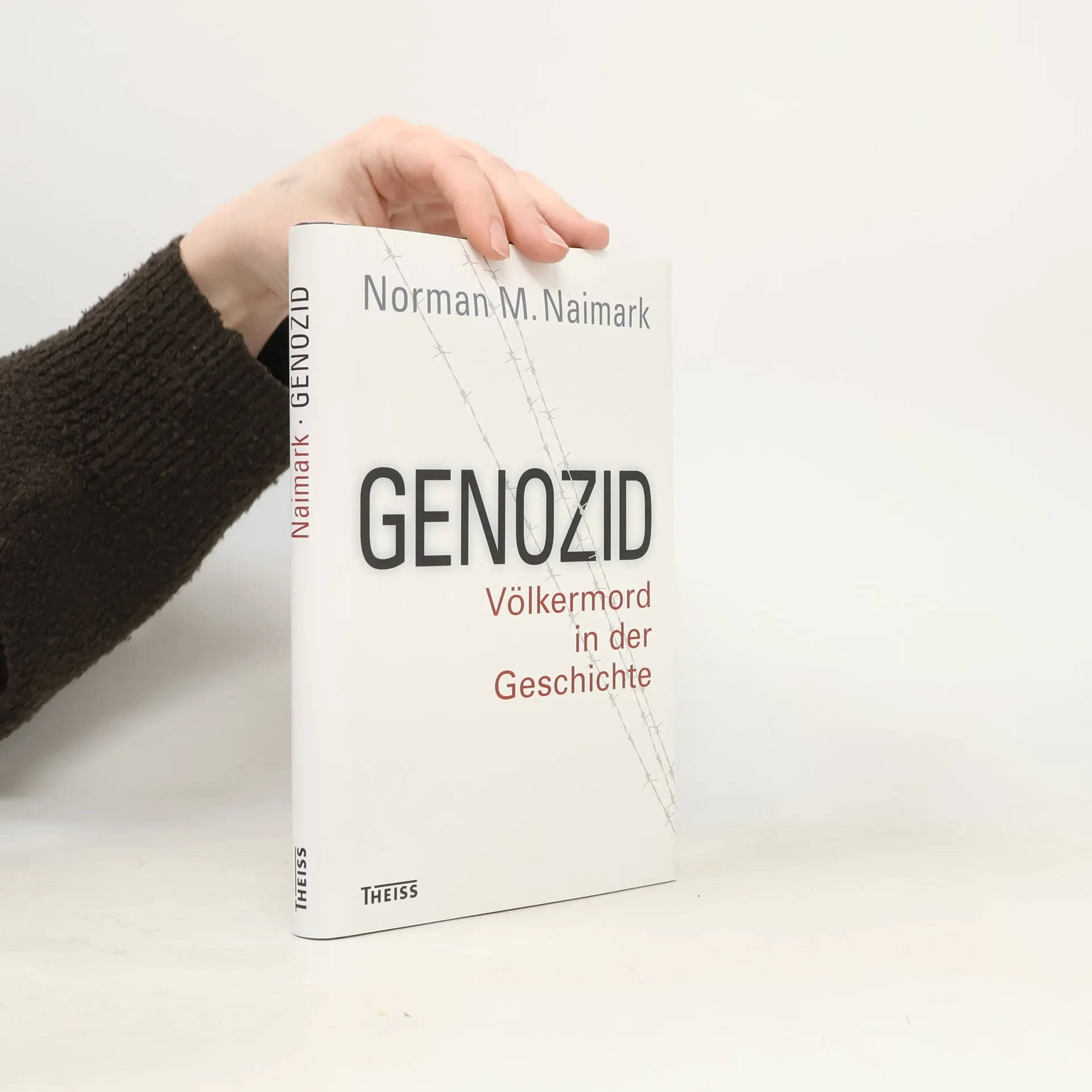
    Stalin's Genocides
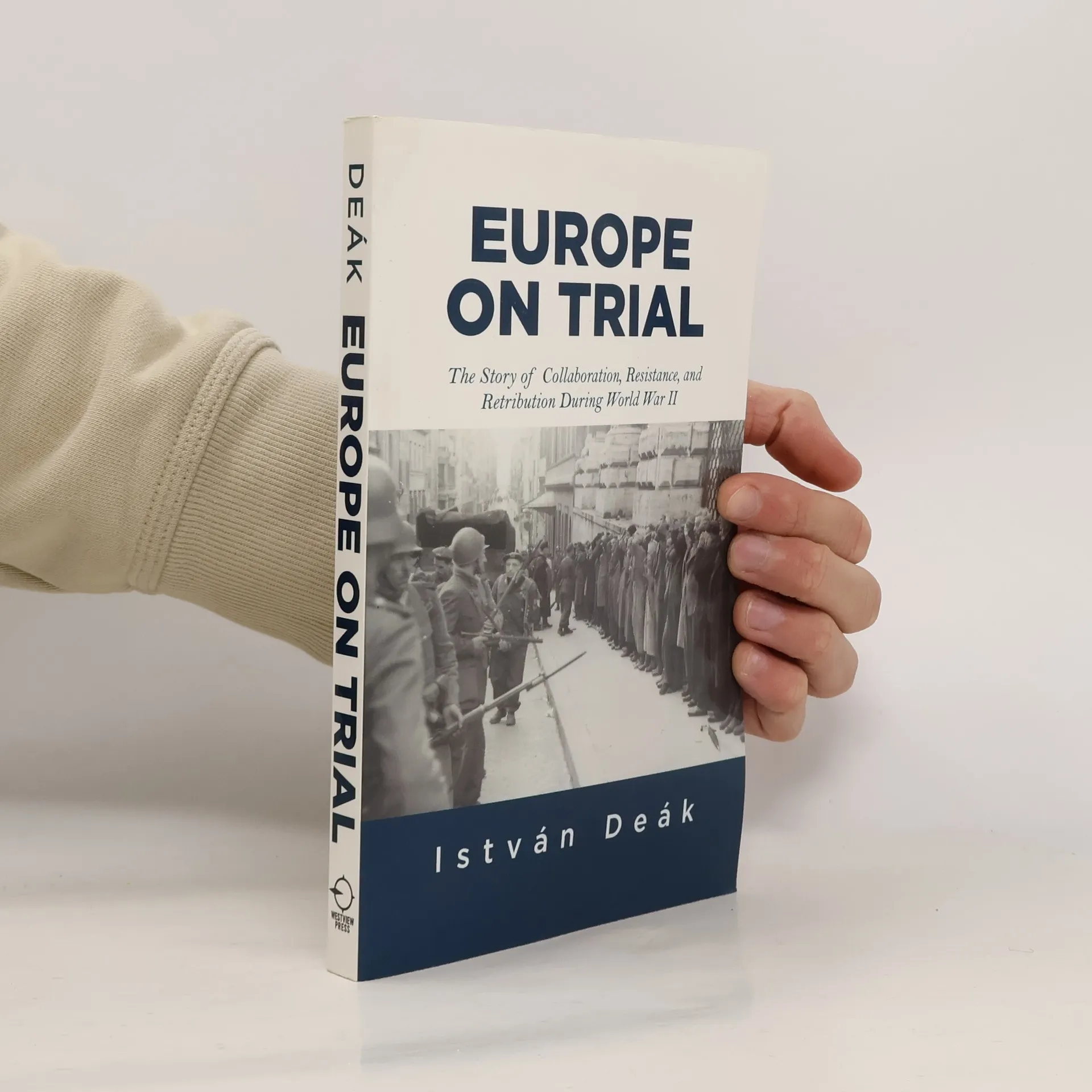
    Europe on Trial
    • Stalin and the Fate of Europe

      • 368 páginas
      • 13 horas de lectura

      It can seem as though the Cold War division of Europe was inevitable. But Stalin was more open to a settlement on the continent than is assumed. In this powerful reassessment of the postwar order, Norman Naimark returns to the four years after WWII to illuminate European leaders' efforts to secure national sovereignty amid dominating powers.

      Stalin and the Fate of Europe2023
      3,7
    • Ludobójstwa Stalina

      • 200 páginas
      • 7 horas de lectura

      Józef Stalin był odpowiedzialny za śmierć milionów obywateli Związku Sowieckiego oraz innych państw, którzy ginęli w egzekucjach, pracy przymusowej, deportacjach czy głodu. Autor bada, czy zbrodnie Stalina na rzekomych wrogach ludu można zaklasyfikować jako ludobójstwo, definiowane jako celowe zabijanie określonych grup ze względu na cechy takie jak rasa, narodowość czy religia. Porównując stalinowskie zbrodnie z innymi przypadkami ludobójstwa, stara się odpowiedzieć na kontrowersyjne pytanie dotyczące osobistej odpowiedzialności dyktatora za przestępstwa popełniane przez sowieckie służby. Wskazuje na precyzyjny język Konwencji ONZ z 1948 roku, często uznawany za przeszkodę w klasyfikacji zbrodni Stalina jako ludobójstwa. Jednak analiza historii samej konwencji sugeruje, że bardziej elastyczne podejście do jej interpretacji jest uzasadnione. Fragment książki pochodzi od Normana M. Naimarka, amerykańskiego historyka i profesora na Uniwersytecie Stanforda, znanego z prac dotyczących historii Europy Środkowej i Wschodniej, a także czystek etnicznych i ludobójstw. Ludobójstwa Stalina to jego pierwsza praca przetłumaczona na język polski.

      Ludobójstwa Stalina2020
      4,0
    • Europe on Trial

      The Story of Collaboration, Resistance, and Retribution during World War II

      • 284 páginas
      • 10 horas de lectura

      In Europe on Trial , acclaimed historian István Deák explores the history of collaboration, retribution, and resistance during World War II. These three themes are examined through the experiences of people and countries under German occupation, as well as Soviet, Italian, and other military rule. Those under foreign rule faced innumerable moral and ethical dilemmas, including the question of whether to cooperate with their occupiers, try to survive the war without any political involvement, or risk their lives by becoming resisters. Many chose all three, depending on wartime conditions. Following the brutal war, the author discusses the purges of real or alleged war criminals and collaborators, through various acts of violence, deportations, and judicial proceedings at the Nuremberg International Military Tribunal as well as in thousands of local courts. Europe on Trial helps us to understand the many moral consequences both during and immediately following World War II. Foreword by Norman M. Naimark

      Europe on Trial2013
      4,1
    • Stalin's Genocides

      • 176 páginas
      • 7 horas de lectura

      Between the early 1930s and his death in 1953, Joseph Stalin had more than a million of his own citizens executed. Millions more fell victim to forced labor, deportation, famine, bloody massacres, and detention and interrogation by Stalin's henchmen. This book tells the story of these crimes.

      Stalin's Genocides2010
      3,8
    • „Ethnische Säuberungen“ charakterisieren die Geschichte des europäischen 20. Jahrhunderts als ein Jahrhundert der Gewalt. Der Versuch, ganze Bevölkerungsgruppen zur Konfliktvermeidung rigoros voneinander zu trennen, war nicht in erster Linie ein Produkt eines angeblich seit uralten Zeiten überlieferten nationalen Antagonismus, sondern hatte seine Ursachen in den politischen Zielen des modernen Nationalstaates.

      Flammender Haß2004
      4,4
    • The Russians in Germany

      A History of the Soviet Zone of Occupation, 1945-1949

      • 608 páginas
      • 22 horas de lectura

      In 1945, when the Red Army marched in, eastern Germany was not “occupied” but “liberated.” This, until the collapse of the Soviet Bloc, is what passed for history in the GDR. Now, making use of newly opened archives in Russia and Germany, Naimark reveals what happened during the Soviet occupation of eastern Germany from 1945–1949.

      The Russians in Germany1995
      3,8