


Compra 10 libros por 10 € aquí!
Bookbot

Carl Einstein

  • Savine Ree Urian
26 de abril de 1885 – 5 de julio de 1940
Carl Einstein
Afrikanische Legenden - African Legends
A mythology of forms
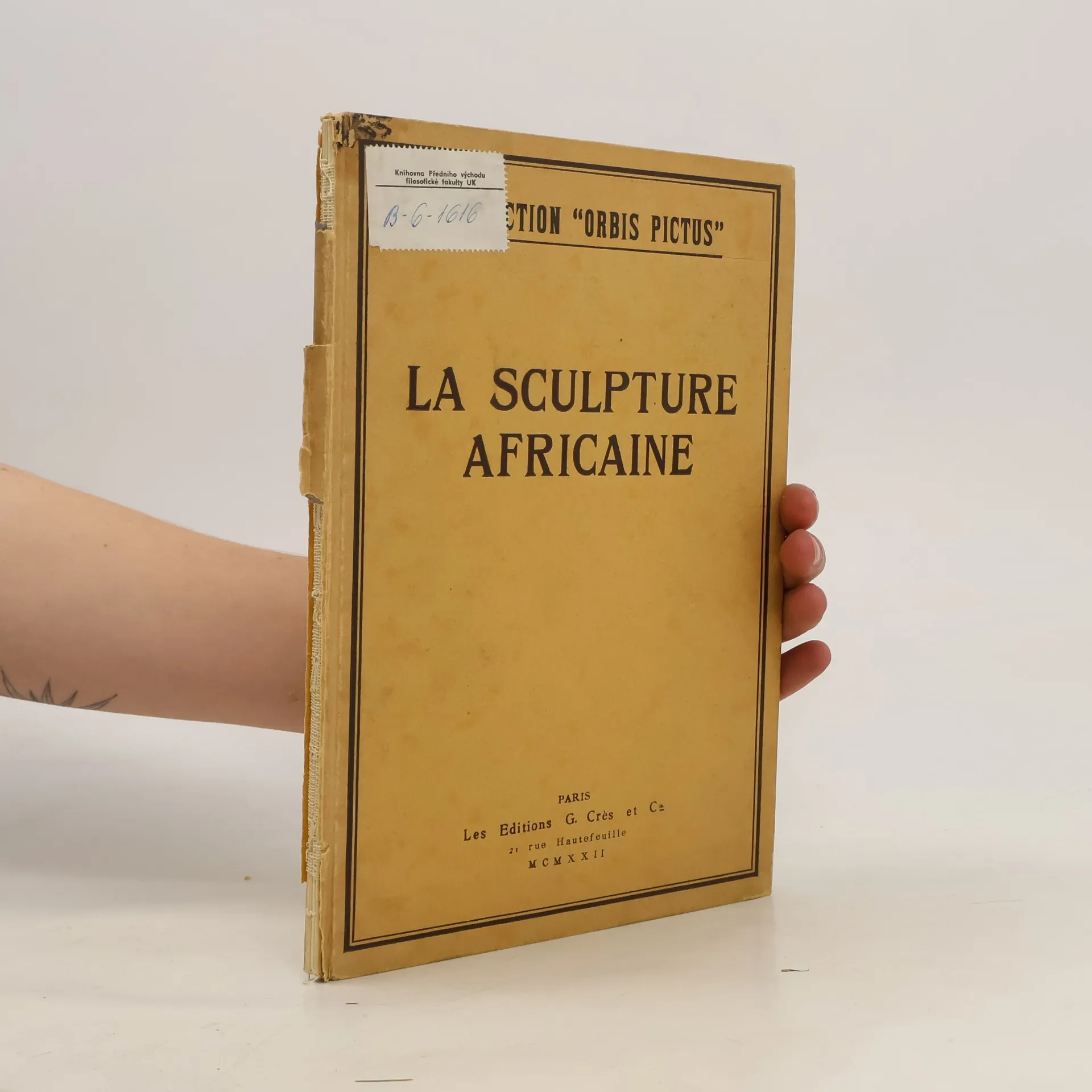
Negro Sculpture
La escultura negra y otros escritos
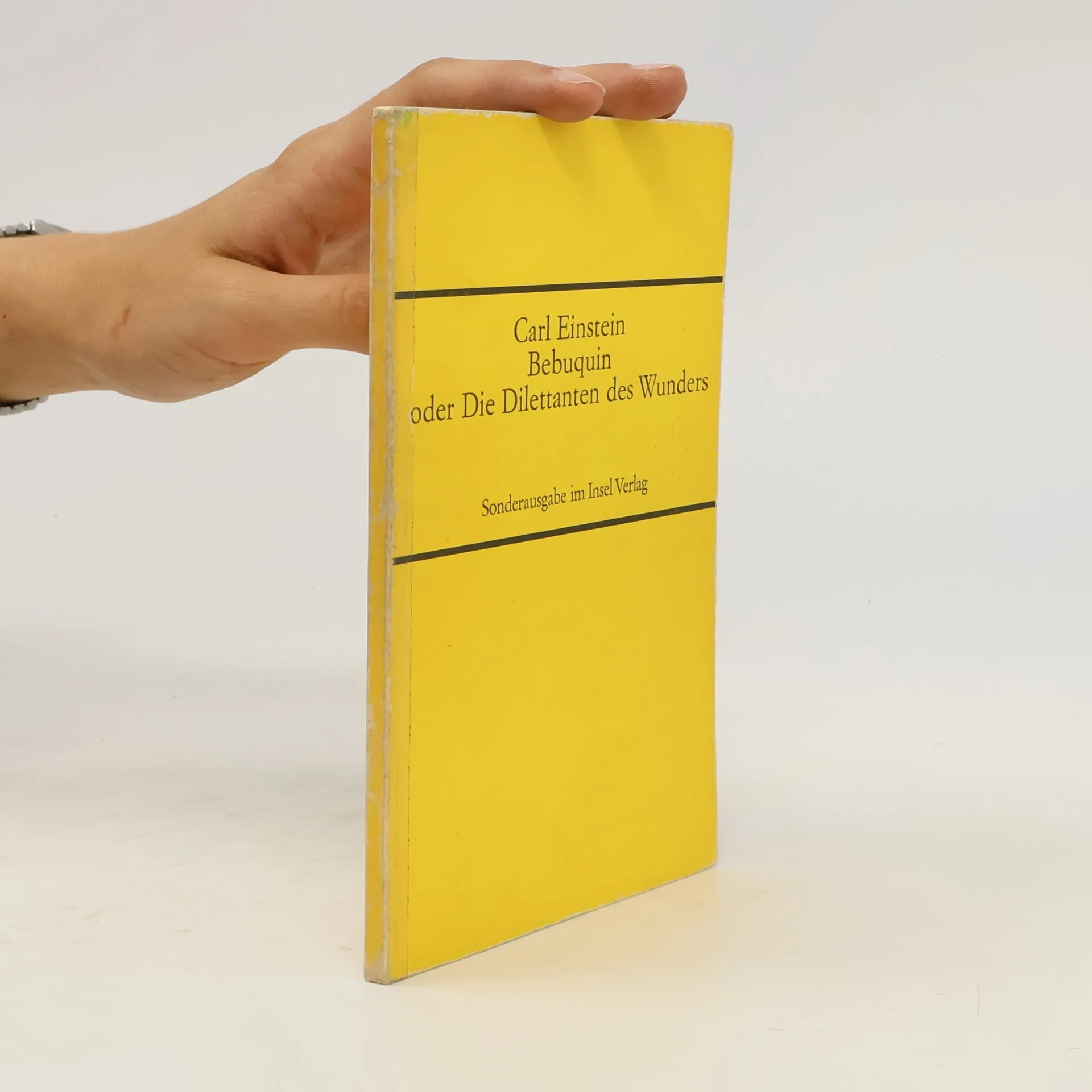
Bebuquin o Los diletantes del milagro
  • Bebuquin o Los diletantes del milagro

    • 138 páginas
    • 5 horas de lectura

    Nos encontramos ante la gran novela que alumbró el nacimiento y constitución de las Vanguardias del siglo xx, de los ismos que socavaron las convenciones del arte burgués, pero “Bebuquin” también es una alegoría más profunda del individuo moderno que descubre su libertad como un regalo envenenado. De esta novela, que se convirtió en el libro de cabecera de los expresionistas, Gottfried Benn dijo que “contribuyó a constituir su propia época: la de principios del siglo xx” y, con su particular “recherche de l’absolu, puso radicalmente en solfa todo el unitario colorido y sentir de la literatura alemana desde Goethe hasta George y Hofmannsthal”. Con su agria antisentimentalidad, su iconoclastia, su rechazo de las convenciones narrativas y la iniciativa de convertir el torrente psicológico de “Bebuquin” y su entorno en el legítimo epos de esta novela, Carl Einstein da voz a algo tan contemporáneo como las oscilaciones y las dudas a la hora de percibir la realidad, así como a la crítica de los métodos heredados, que sólo han envilecido y esclavizado al hombre. “Señor, tú que nos diste el trabajo, dispénsame de él, de manera que pueda vislumbrar toda la posible inmensidad en lugar de dar realización a una pequeña medida.”

    Bebuquin o Los diletantes del milagro
  • La escultura negra y otros escritos

    • 132 páginas
    • 5 horas de lectura

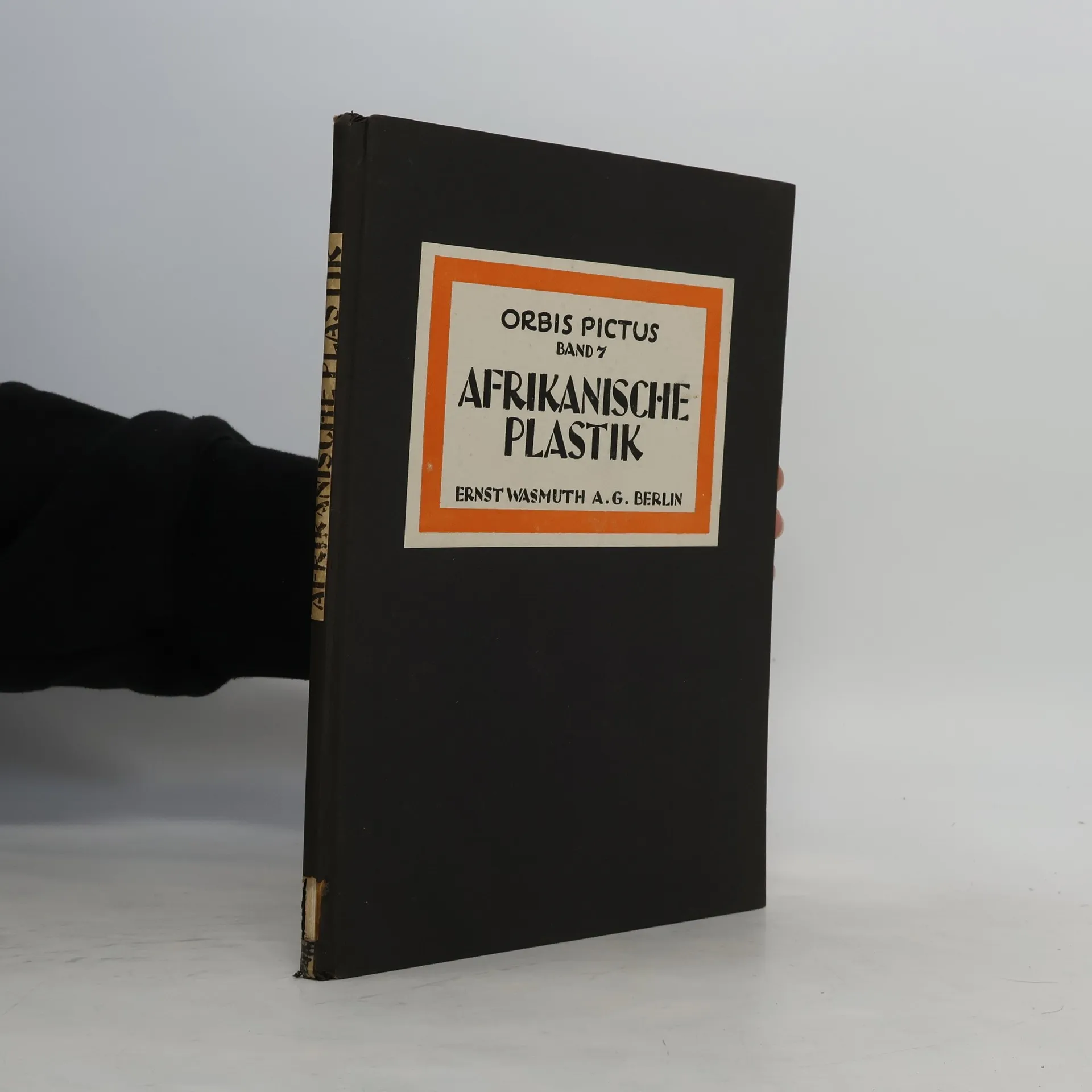
    For the first time, Carl Einstein's three most significant texts on African art are compiled in this critical edition. "Negro Sculpture," published in 1915, is the pioneering theoretical work that elevates African art to the same status as other modern art movements. The 1920 essay "Afrikanische Plastik" presents the author's early reflections on the subject. Lastly, "À propos de l'Exposition de la Galerie Pigalle," originally in French, serves as a comprehensive survey of Einstein's ethnological insights. This edition, curated by Liliane Meffre, a noted researcher and translator of Einstein's work, brings together these key texts. "Negro Sculpture" is recognized as a dense and innovative essay that opens unexplored avenues, remaining a masterpiece of the 20th century and a manifesto for modern art, particularly cubism. Complementing this text is a scholarly investigation by Ezio Bassani and Jean-Louis Paudrat on the iconography of the original edition. An excerpt from "Afrikanische Plastik" summarizes Einstein's thoughts on African art, while "À propos de l'Exposition de la Galerie Pigalle," published in 1930, showcases the author's extensive ethnological knowledge.
    La escultura negra y otros escritos
  • Negro Sculpture

    • 160 páginas
    • 6 horas de lectura

    Negro Sculpture (1915) was the first critical response to African sculpture, challenging prejudices and misconceptions around this subject. It quickly became a crucial text for the European avant-garde and today remains indispensable to understanding the shift in discussion towards non-European art taking place at the time.

    Negro Sculpture
  • A mythology of forms

    • 408 páginas
    • 15 horas de lectura

    The German art historian and critic Carl Einstein (1885-1940) was at the forefront of the modernist movement that defined the twentieth century. One of the most prolific and brilliant early commentators on cubism, he was also among the first authors to assess African sculpture as art. Yet his writings remain relatively little known in the Anglophone world. With A Mythology of Forms, the first representative collection of Einstein’s art theory and criticism to appear in English translation, Charles W. Haxthausen fills this gap. Spanning three decades, it assembles the most important of Einstein’s writings on the art that was central to his critical project—on cubism, surrealism, Pablo Picasso, Georges Braque, and Paul Klee, and includes the full texts of his two pathbreaking books on African art, Negro Sculpture (1915) and African Sculpture (1921). With fourteen texts by Einstein, each presented with extensive commentary, A Mythology of Forms will bring a pivotal voice in the history of modern art into English.

    A mythology of forms
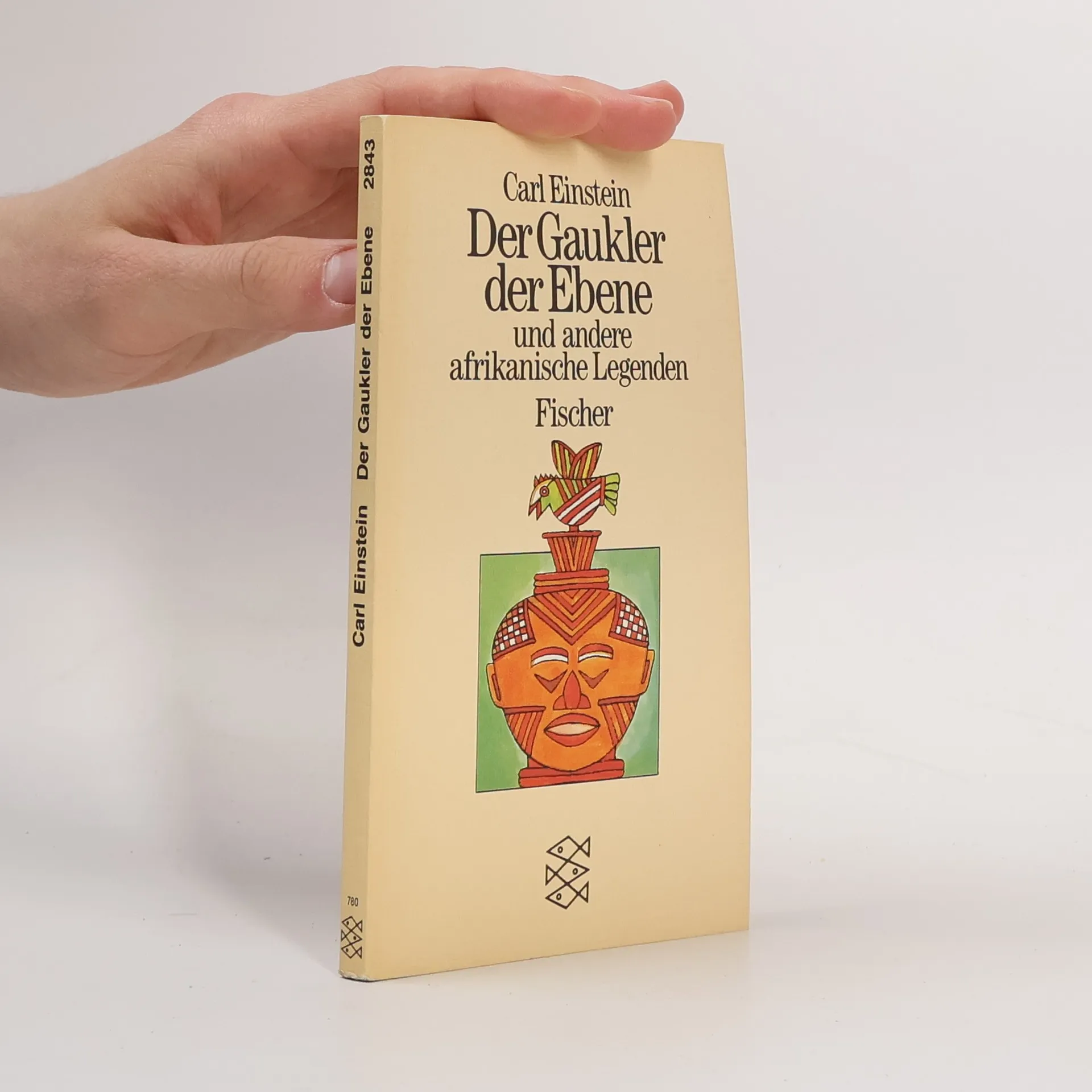
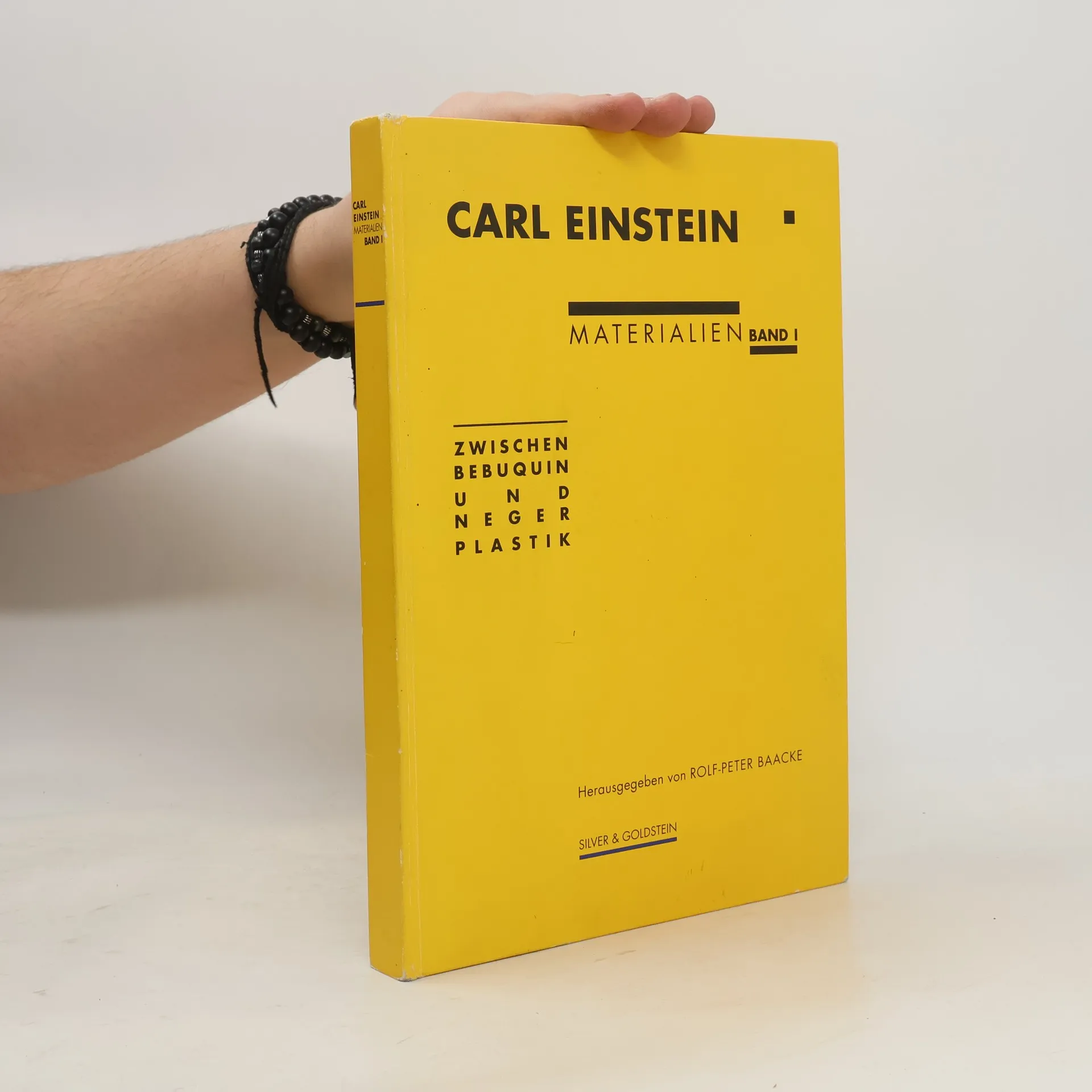
  • Carl Einstein, Kunsthistoriker und Schriftsteller, prägte die expressionistische Zeitschrift Die Aktion und setzte sich früh mit "Kunst der Primitiven" auseinander. Sein Werk "Negerplastik" verteidigt afrikanische Kunst gegen europäische Vorurteile. In "Afrikanischen Legenden" verbindet er Mythologie und Moderne und bietet Einblicke in afrikanische Mythen.

    Afrikanische Legenden - African Legends
  • Bebuquin

    Die Dilettanten des Wunders oder die billige Erstarrnis

    • 88 páginas
    • 4 horas de lectura

    Carl Einsteins bedeutendes Werk, beeinflusst von Mallarmé und Baudelaire, zielt darauf ab, die Kausalität in Frage zu stellen und die Grenzen der traditionellen Erzählweise zu sprengen. Dieses innovative Buch hat nicht nur Einsteins literarisches Schaffen geprägt, sondern auch bedeutende Autoren wie Gottfried Benn und den Dadaisten Hugo Ball inspiriert. Es gehört zur Edition Werke der Weltliteratur des Gröls-Verlags und bietet einen tiefen Einblick in die avantgardistische Literatur des 20. Jahrhunderts.

    Bebuquin
  • Carl Einstein. Briefwechsel 19041940

    • 684 páginas
    • 24 horas de lectura

    Carl Einsteins Korrespondenz bietet einen tiefen Einblick in die Strömungen und Konflikte der europäischen Literatur, Kunst und Politik des 20. Jahrhunderts. Als bedeutender Schriftsteller und Kunstkritiker war er eng mit Größen wie Picasso und Paul Klee verbunden und kämpfte aktiv gegen Reaktion und Faschismus. Die Sammlung umfasst 425 Briefe, die chronologisch geordnet und detailliert kommentiert sind, einschließlich Übersetzungen französischer Texte. Diese Briefe sind eine wertvolle Quelle für sozialgeschichtliche und kunsthistorische Forschungen, die Einsteins unvollendete Projekte und seine Beziehungen zu anderen Künstlern beleuchten.

    Carl Einstein. Briefwechsel 19041940