The Uncontrollability of the World
- 140 páginas
- 5 horas de lectura
The price we pay for our modern desire to control the world--


Hartmut Rosa es un sociólogo cuyo trabajo examina críticamente las teorías de la modernidad y la sociología del tiempo. Investiga cómo la sociedad contemporánea moldea nuestra percepción y experiencia del tiempo, explorando las dinámicas de aceleración en la vida moderna y sus profundos efectos en las relaciones humanas y la sociedad. El perspicaz enfoque de Rosa ofrece una comprensión profunda de los desafíos y paradojas inherentes al mundo contemporáneo.

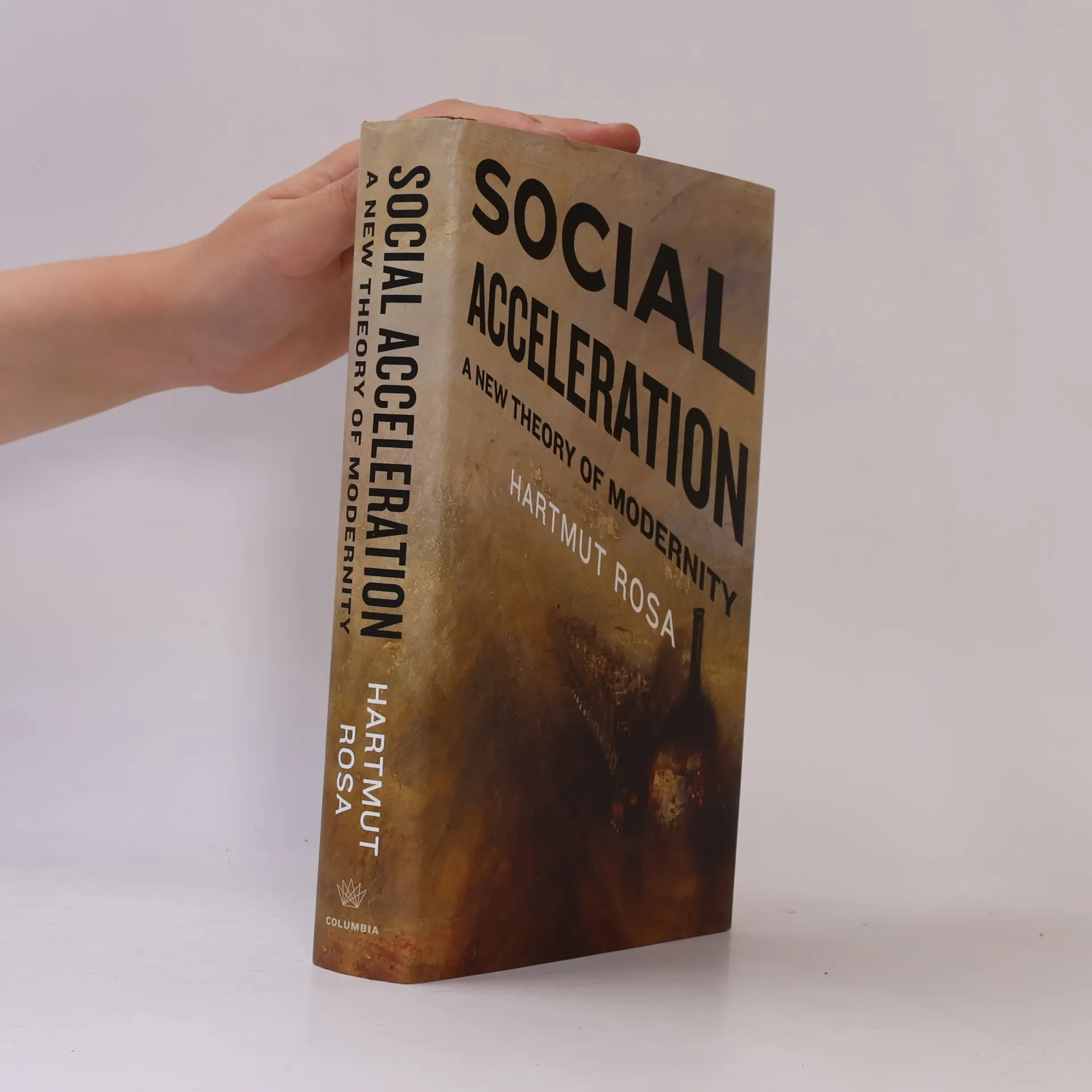
The price we pay for our modern desire to control the world--
Hartmut Rosa advances an account of the temporal structure of society from the perspective of critical theory. He identifies in particular three categories of change in the tempo of modern social life: technological acceleration, evident in transportation, communication, and production; the acceleration of social change, reflected in cultural knowledge, social institutions, and personal relationships; and acceleration in the pace of life, which happens despite the expectation that technological change should increase an individual's free time. According to Rosa, both the structural and cultural aspects of our institutions and practices are marked by the "shrinking of the present," a decreasing time period during which expectations based on past experience reliably match future results and events. When this phenomenon combines with technological acceleration and the increasing pace of life, time seems to flow ever faster, making our relationships to each other and the world fluid and problematic. It is as if we are standing on "slipping slopes," a steep social terrain that is itself in motion and in turn demands faster lives and technology. As Rosa deftly shows, this self-reinforcing feedback loop fundamentally determines the character of modern life.
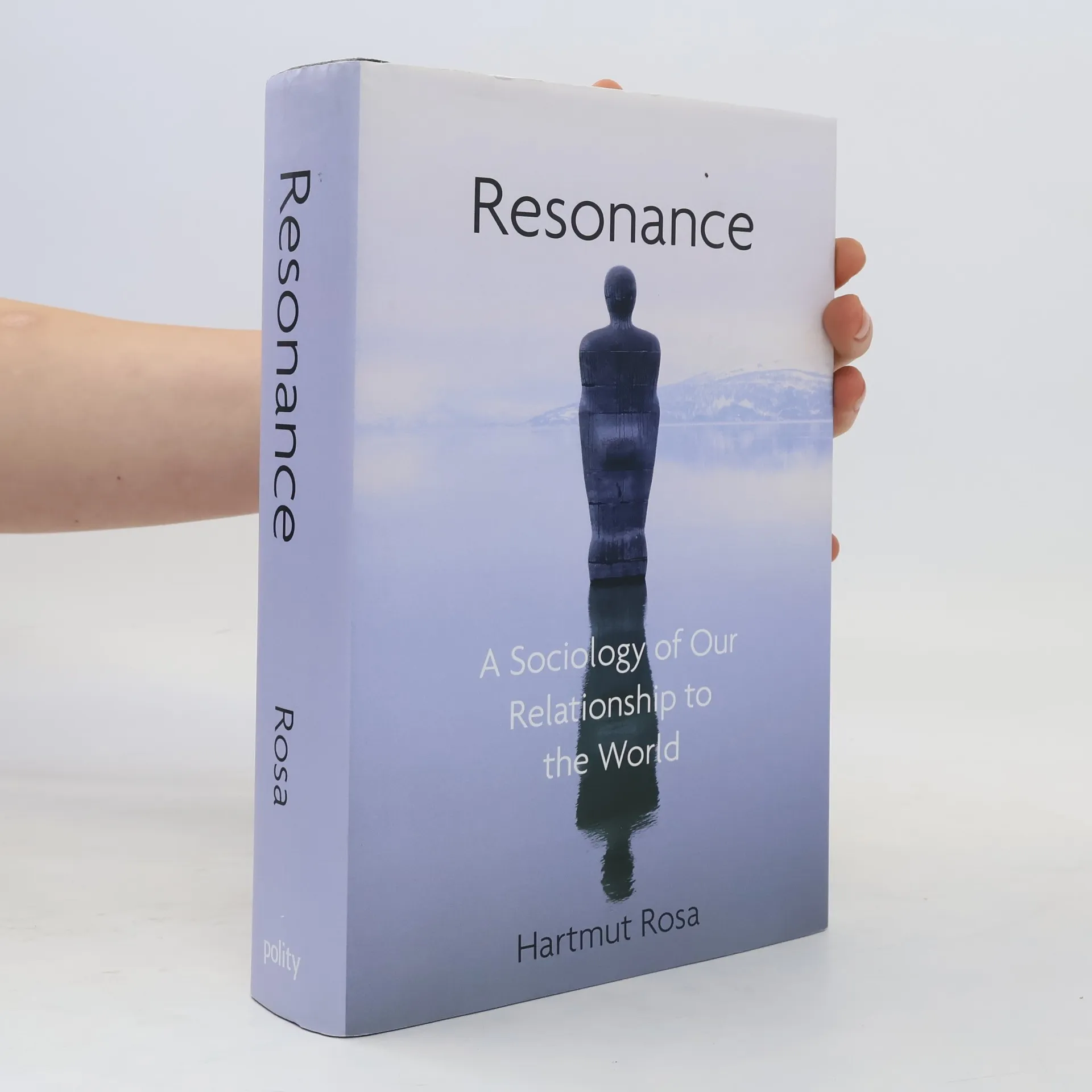
Hartmut Rosa explores the concept of "resonance" as a solution to the increasing pace of modern life, which often leads to dissatisfaction. He argues that true quality of life transcends mere resources and fleeting happiness, emphasizing the importance of our connections and relationships with the world around us. This thought-provoking work invites readers to reconsider how they measure fulfillment and happiness in an increasingly accelerated society.
Focusing on the need for comprehensive social theory during crises, this work examines the contributions of German sociologists Andreas Reckwitz and Hartmut Rosa. Despite their differing approaches, both emphasize the importance of analyzing modernity as a social formation. Their theories aim to address the structural conditions and dynamics of contemporary societies, ultimately seeking to diagnose and propose solutions for the crises facing the modern world.
What role does religion play in modern societies? Is it merely an anachronism that hinders our economic growth? Is it a kind of superstition that people should be left to enjoy in private but should refrain from discussing in public? It is no secret that the Christian churches in Western societies have massive problems – quite apart from the recent scandals. Shrinking congregations are just one sign of their diminishing relevance. But what would happen to democracy if the resonance of religion were to fade entirely? Leading sociologist Hartmut Rosa addresses this fundamental question in a way that makes us think afresh about religion and the role it plays in our contemporary democratic societies. He argues that religion fosters a culture of dialogue, listening and reflection that allows us to form connections with others and experience the world as meaningful. This, in turn, helps citizens cultivate a democratic sensibility that can serve as an anchor in unstable times. With his characteristic clarity and insight, Rosa analyses our contemporary societies and dares to ponder what would happen if the centuries-old reservoir of wisdom embedded in religion were to be lost in an ultra-modern age.
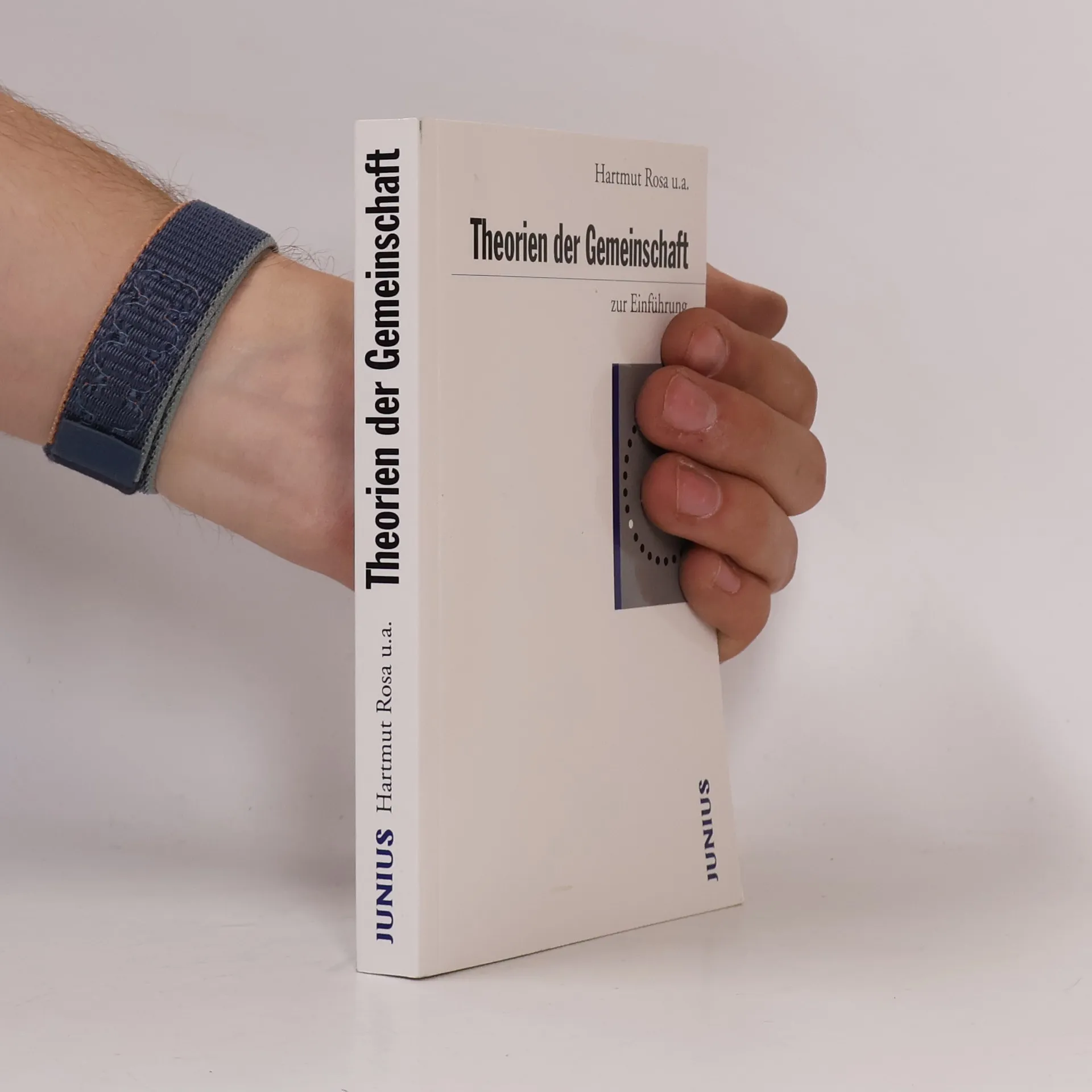
Die Gesellschaft im stetigen Wandel Permanente Veränderung und konfliktreiche Dynamiken sind wesentliche Merkmale moderner Gegenwartsgesellschaften. Unter dem Einfluss der direkten und indirekten Folgen sozialer Prozesse stellt sich die Frage nach der Möglichkeit einer ‚begrifflichen Klammer‘ für die Vielfalt gesellschaftlicher Phänomene erneut und vielleicht dringlicher als je zuvor. Das Buch will vor diesem Hintergrund die Antwort auf die Frage nach dem veränderlichen Wesen von Gesellschaft in dreifacher Hinsicht aktualisieren. Die vorliegende Einführung in die Gesellschaftstheorie macht anhand ausgewählter Theoretiker und Theoretikerinnen mit der Entwicklung der wesentlichen Grundbegriffe vertraut und verdeutlicht exemplarisch ihre Anwendung in konkreten gegenstandsbezogenen Analysen. Zugleich ist dieser Versuch einer Debattenübersicht zur Gesellschaftstheorie aber auch ein Plädoyer für einen starken Gesellschaftsbegriff, der Widersprüche, Dynamiken und Spannungen aufnimmt, ohne das Ziel aufzugeben, zu einem besseren Verständnis des ‚Ganzen‘ zu gelangen.
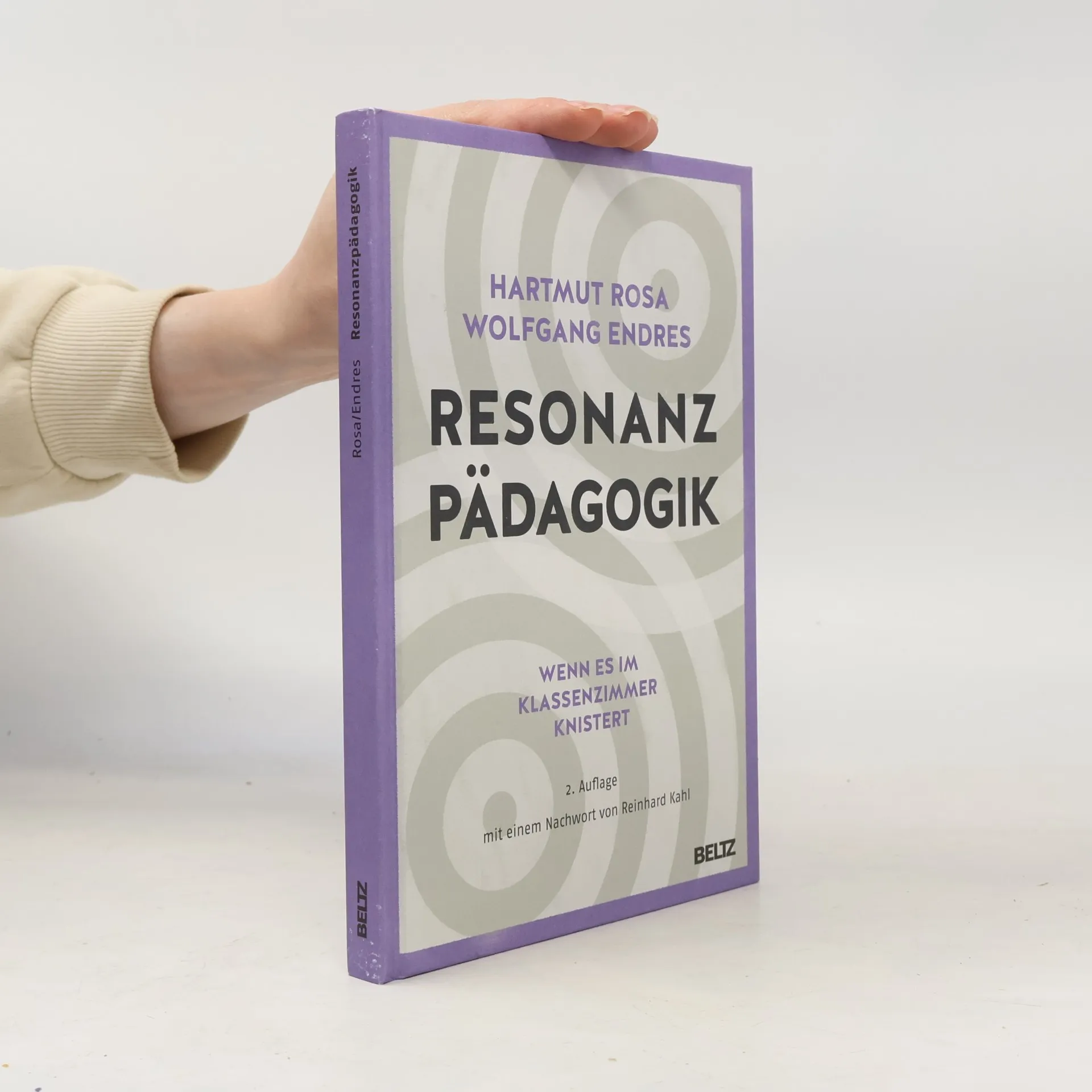
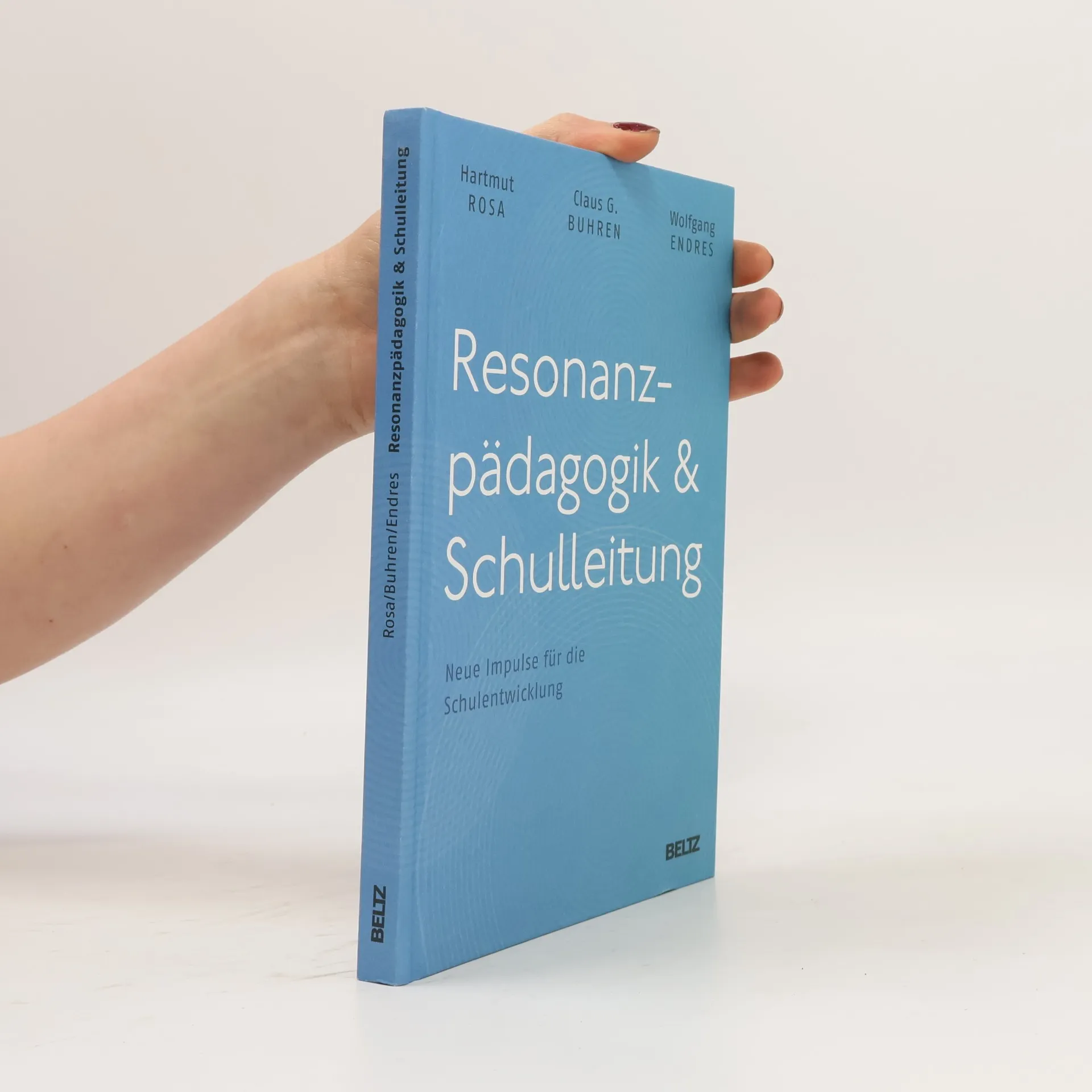
Unter dem Schlagwort der Resonanzpädagogik fasst der Soziologe Hartmut Rosa Grundzüge eines Lernens zusammen, das individualisiert und nachhaltig ist und eine Reflexion und Schulung der Beziehungsfähigkeit aller am Bildungsprozess Beteiligten beinhaltet. In diesem Buch überträgt er im Gespräch mit dem Pädagogen Wolfgang Endres seine Idee der »Resonanz« auf die Bereiche Schule und Bildung. Die beiden Gesprächspartner gehen der Frage nach, wie Schule zum Resonanzraum wird, und erklären, was mit Resonanzpädagogik in der Praxis gemeint ist. Die zweite Auflage wurde ergänzt um ein Nachwort des Erziehungswissenschaftlers und Journalisten Reinhard Kahl. Aus dem Inhalt: Schule als Resonanzraum Motivation durch Resonanzbeziehungen Feedback - Akzeptanz durch Resonanz Kompetenz und Resonanz in Dissonanz Beziehungsbildung im Smartphone-Zeitalter
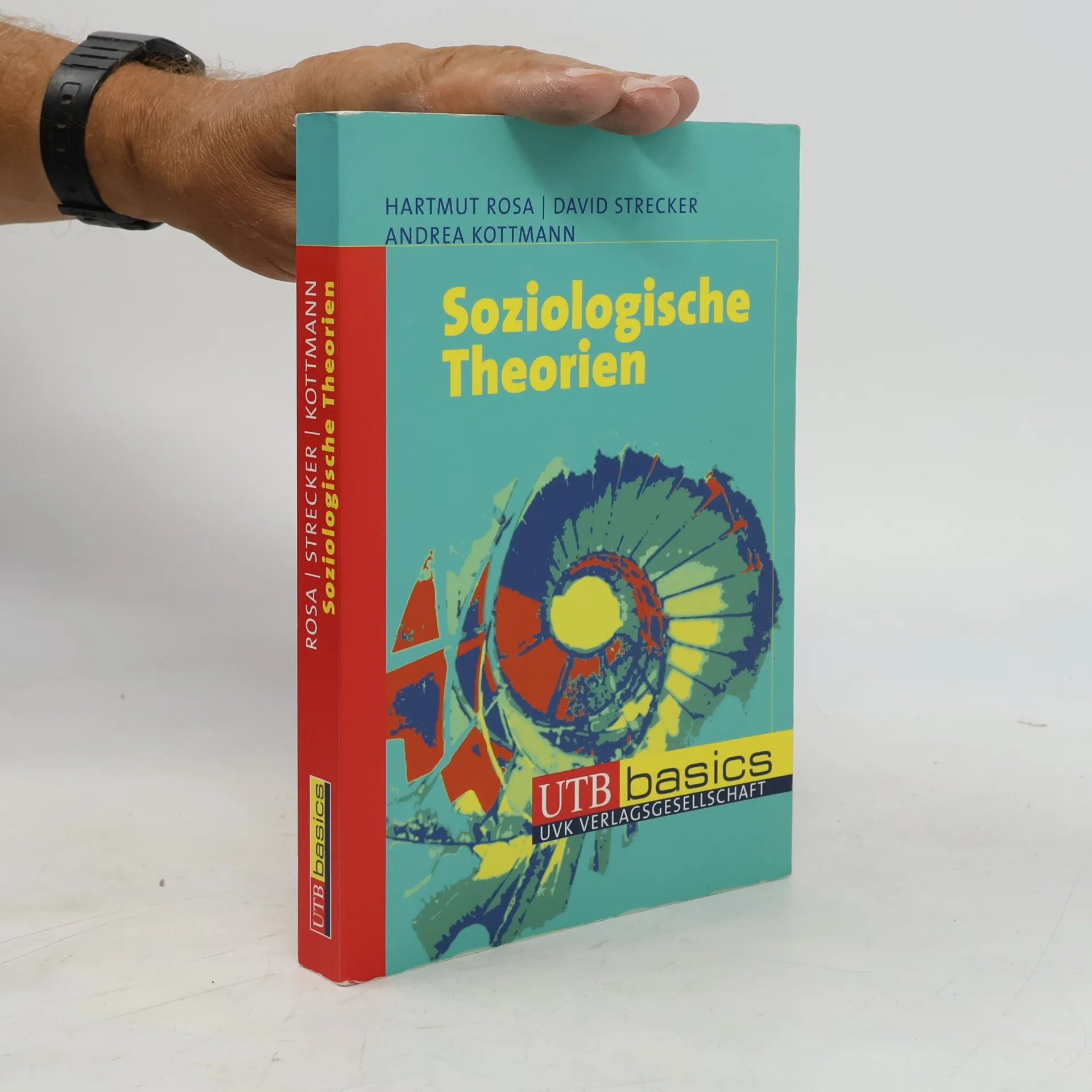
• Ein umfassender einführender Überblick über klassische und zeitgenössische Theorien. • Nicht nach Schulen aneinander gereiht, sondern systematisch und historisch werden die einzelnen Ansätze anhand ihrer jeweiligen „Diagnose“ der Moderne vorgestellt. Dadurch werden Zusammenhänge und Unterschiede deutlich. • Das Buch richtet sich an Studienanfänger ohne fachspezifische Vorkenntnisse und an alle, die einen Einblick in die soziologische Theorie gewinnen wollen. • Zusammenfassungen, Begriffsdefinitionen und Hintergrundinformationen erleichtern das Lernen • zahlreiche Tabellen und Abbildungen machen Zusammenhänge sichtbar • Lernkontrollfragen fördern das Verständnis • mit weiterführenden Literaturangaben • Sach- und Personenregister bieten zusätzliche Orientierung • ideal für die Prüfungsvorbereitung
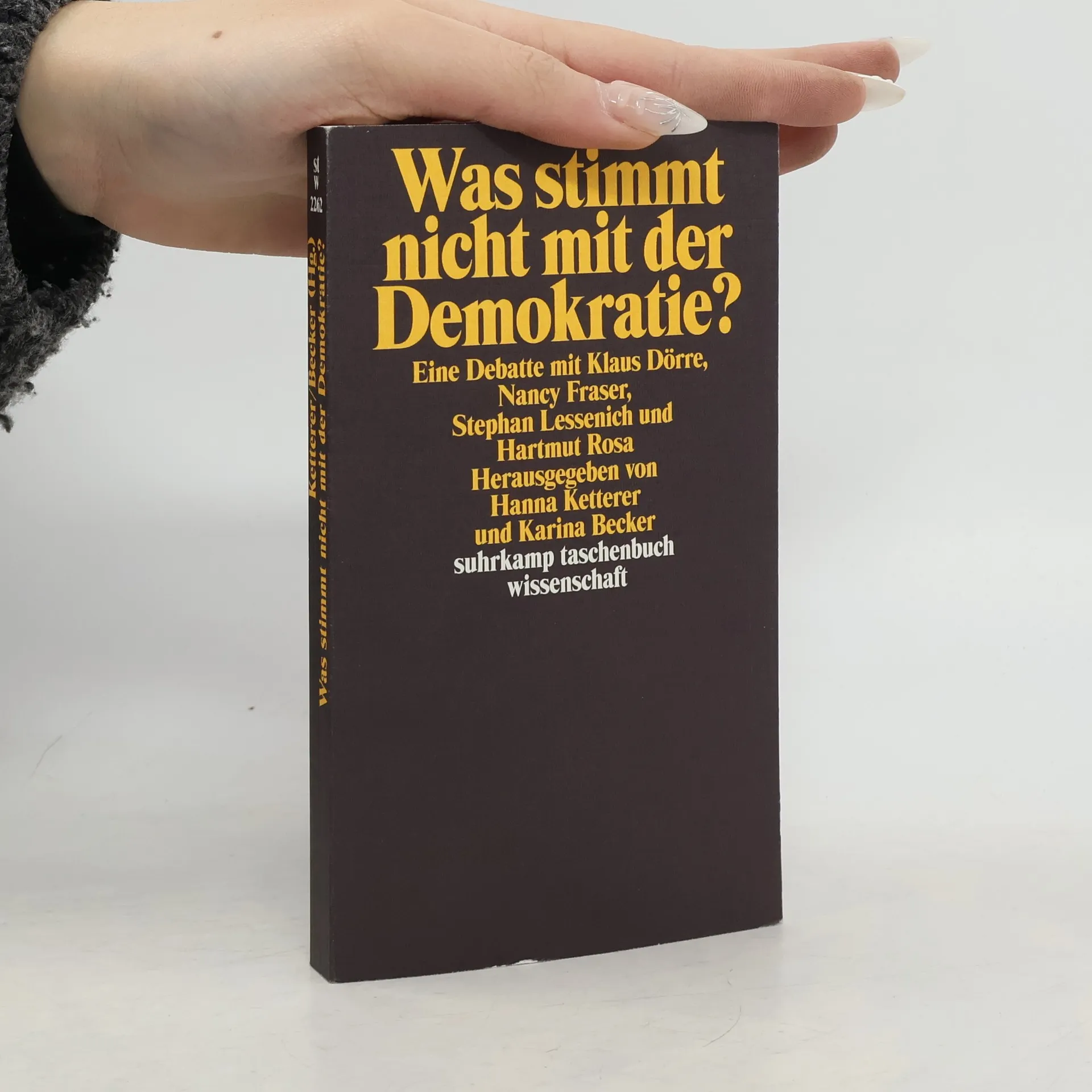
Eine Debatte mit Klaus Dörre, Nancy Fraser, Stephan Lessenich und Hartmut Rosa. Herausgegeben von Hanna Ketterer und Karina Becker
Angesichts der gegenwärtigen ökonomischen, ökologischen und sozialen Krisen zeichnet sich ab, dass die Wachstumsdynamik moderner Gesellschaften nicht mehr stabilisierend wirkt, sondern selbst zum Krisentreiber geworden ist. In diesem Band diskutieren die Philosophin Nancy Fraser und die Soziologen Klaus Dörre, Stephan Lessenich und Hartmut Rosa, was dies für die Gegenwart und die Zukunft der Demokratie bedeutet und welche Konzeptionen und Wege hin zu einer demokratischen Transformation vorstellbar sind. Aus ihrer demokratietheoretischen Perspektive intervenieren Viviana Asara, Banu Bargu, Ingolfur Blühdorn, Robin Celikates, Lisa Herzog, Brian Milstein, Michelle Williams und Christos Zografos.
Wie wir anders arbeiten, nachhaltig wirtschaften und besser leben
Was ist heutzutage eigentlich Wohlstand? Wie können wir leben, so dass es allen Menschen gut geht und wir innerhalb der ökologischen Grenzen wirtschaften? Die Lösung könnte in einer anderen Wertschätzung von Zeit liegen. Die Autor_innen stellen deshalb die Frage, was eigentlich ein gutes Leben ist und betrachten die Rolle von Zeit, Arbeit und einer intakten Umwelt für unser Wohlbefinden. Leicht verständlich und doch fachlich fundiert bietet das Buch einen anregenden Einstieg in die Debatte um nachhaltiges Wirtschaften und entwickelt Visionen einer gerecht gestalteten Zukunft. Und falls Sie gerade zwei supraleitfähige Rohre und etwas Helium zur Hand haben, können Sie mit der enthaltenen Anleitung sogar eine Zeitmaschine bauen.
een pleidooi voor resonantie
Dit essay over het moderne leven is een filosofisch antwoord op onze steeds snellere leefwijze, door onthaastingsgoeroe Rosa. Hij was vorige maand in Amsterdam voor een optreden tijdens Brainwash. Het leven gaat sneller. De snelheid van de technologische innovatie neemt toe, maatschappelijke posities en waarden veranderen in hoog tempo en door het toegenomen aantal keuzes dat we tegenwoordig hebben, zijn we steeds onderweg naar meer en nieuwer. Volgens Hartmut Rosa leiden deze versnellingen tot een nieuw soort vervreemding: we raken steeds verder van onszelf verwijderd. Rosa's antwoord hierop is een pleidooi voor resonantie, een ervaring waarin de mens zelf geen actieve rol speelt, maar die hem overkomt. Een ervaring waarin de wereld op zichzelf zin heeft. Hiervoor hebben we volgens Rosa drie bronnen ter beschikking: religie, kunst en natuur.
Eine kleine Soziologie des Heavy Metal
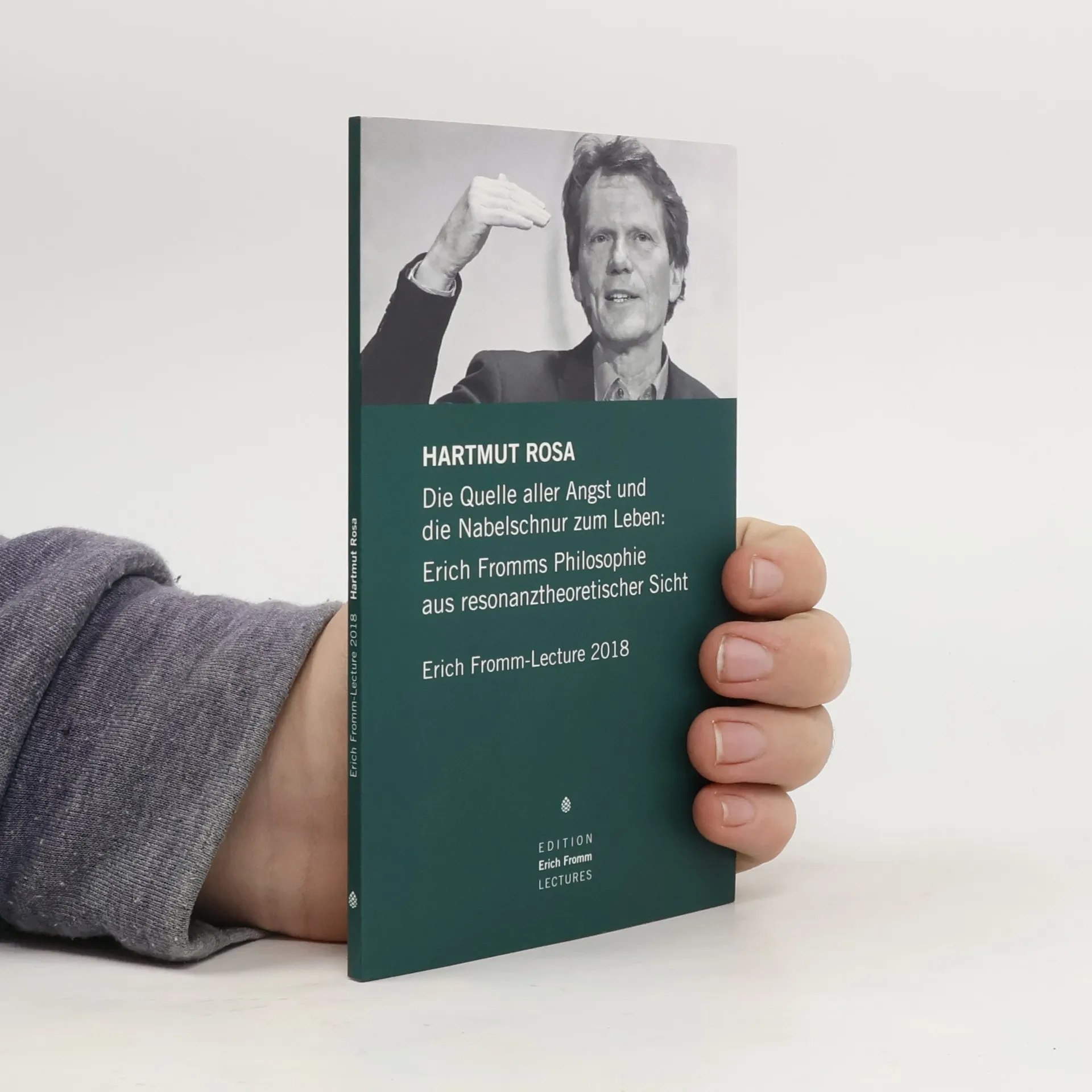
Ehemals Musik junger Abgehängter und Outlaws, ist Heavy Metal heute mehr und mehr in der Mitte der Gesellschaft angekommen: Wohl mehr als 10 Millionen Deutsche hören Heavy Metal. Aber warum tun sie das? Was suchen und was finden sie in dieser Musik, die von Außenstehenden oft als purer Lärm empfunden wird? Warum wimmelt es im Heavy Metal nur so von Monstern und Teufeln - und wieso schweigen auch die Götter und die Engel nicht? Was erleben Metalfans, wenn sie ihre Musik hören - und welche Erfahrung treibt sie immer wieder ins Konzert? Wie ist es zu erklären, dass 40 Prozent der Metalfans behaupten, die Musik habe ihr Leben gerettet? Und warum ist Heavy Metal stärker als die Musikindustrie? Worum geht es im Heavy Metal wirklich? Diese Fragen und mehr beantwortet Hartmut Rosa in dieser kleinen Soziologie des Heavy Metal.
Bildung und Erziehung im Anthropozän. Gespräche mit Nathanaël Wallenhorst | Eine zugängliche Einführung in Rosas Denken und eine Weiterführung seiner Philosophie
Mit der "Resonanz" hat Hartmut Rosa ein Konzept vorgeschlagen, um der hegemonialen und entfremdenden Beschleunigung des spekulativen Kapitalismus entgegenzuwirken, die uns zum Wachstum und zur Überhitzung verdammt. Für ihn wird die tiefgreifende Transformation unserer Gesellschaften nur gelingen, wenn wir bereit sind, in ein neues Verhältnis zur Welt einzutreten, das von einer "responsive" Beziehung geprägt ist. Was könnte diese Resonanz konkret bedeuten? Und vor allem, wie könnte sie den jungen Generationen helfen, mit der Realität des Anthropozäns, die täglich drängender wird, zu leben? Im Gegensatz zur Bildung für "nachhaltige Entwicklung" scheint die Resonanz ein neues Paradigma zu sein, das die Entstehung einer anderen Welt ermöglichen könnte, in der Menschen und Nicht-Menschen nicht mehr im Widerspruch zueinander stehen. Mit Hartmut Rosa ist die Zeit gekommen, zuzuhören, was die Welt uns zu sagen hat...
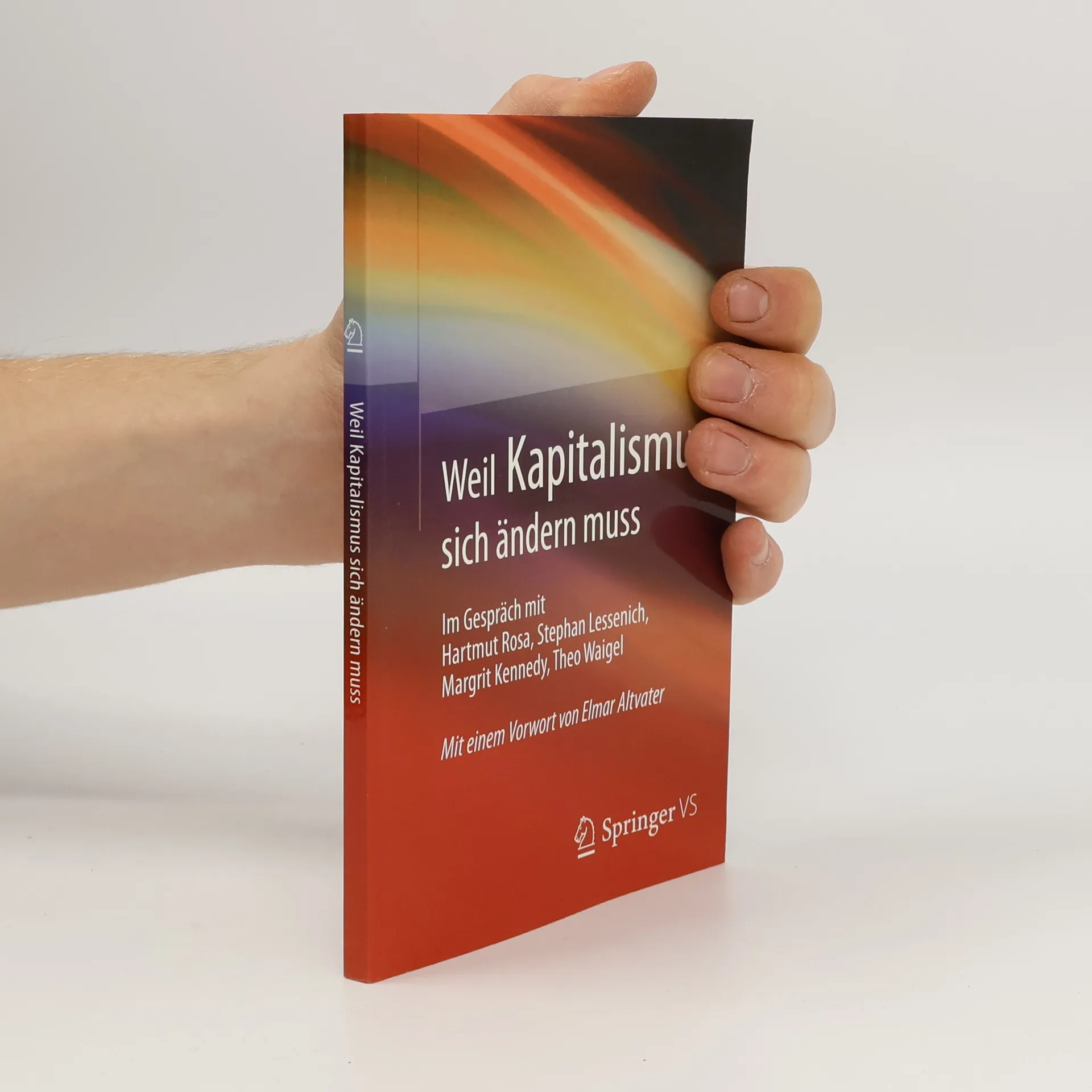
Die Kritik am Kapitalismus hat spätestens mit der Finanz- und Wirtschaftskrise eine Renaissance erfahren. Gibt es Grenzen des ökonomischen Wachstums? Sind kontrollierte Kapitalmärkte, ein gerechteres Steuersystem oder die Einführung eines bedingungslosen Grundeinkommens darauf gerechte Antworten? Diese und andere Fragen diskutieren die Sozialwissenschaftler Hartmut Rosa und Stephan Lessenich, die Währungsexpertin Margrit Kennedy und der Politiker Theo Waigel. Eingeleitet werden die Interviews mit einem Kommentar des Politikwissenschaftlers und Kapitalismuskritikers Elmar Altvater.
Politische Philosophie nach Charles Taylor
Charles Taylor ist aus den zentralen sozialphilosophischen Debatten der Gegenwart - Kommunitarismus, Multikulturalismus, Poststrukturalismus - nicht mehr wegzudenken. Dabei dringt er in so unterschiedliche Bereiche ein wie Subjekt- und Handlungstheorie, Sprachphilosophie und die Methodologie und Metatheorie der Sozialwissenschaften. Rosa unternimmt hier erstmals den Versuch, die losen Enden der sehr heterogenen Arbeiten Taylors systematisch zu einem kohärenten und fruchtbaren sozialphilosophischen und politiktheoretischen Konzept zu verknüpfen.
Neue Impulse für die Schulentwicklung
Die (Einzel-)Schule steht immer vor der Aufgabe, sich in Hinblick auf gesellschaftliche, bildungspolitische und individuelle Veränderungen weiterzuentwickeln. Für Schulleitungen bedeutet dies, Prozesse auf den Ebenen der Unterrichts-, Personal- und Qualitätsentwicklung voranzubringen. Die Resonanztheorie von Hartmut Rosa kann dabei Impulse liefern, mit einem anderen Blick auf Schulentwicklung zu schauen. In diesem Buch nehmen Hartmut Rosa und Claus G. Buhren im Gespräch mit Wolfgang Endres verschiedene Handlungs- und Aufgabenfelder von Schulleitungen in den Blick. Sie gehen u. a. den Fragen nach, wie alle Beteiligten wertschätzend und motivierend in Veränderungsprozesse eingebunden werden können und welche neuen Impulse die Resonanzpädagogik bietet, um Schule weiterzuentwickeln.
48 Impulskarten zur Resonanzpädagogik mit 16-seitigem Booklet
Hartmut Rosa hat das Resonanzphänomen gründlich erforscht. Seine Erkenntnisse liefern die Grundlagen für die Resonanzpädagogik. Sie führt zur Neubetrachtung des Beziehungslernens, und zeigt, wie Schule zum Resonanzraum wird. Die 48 Impulskarten geben kreative Impulse, wie sich Resonanzpädagogik in der Unterrichtspraxis umsetzen lässt, zum Beispiel in den Themenbereichen: - Beziehungsbildung im Smartphone-Zeitalter - Motivation durch Resonanzbeziehungen - Feedback – Akzeptanz durch Resonanz - Kompetenz und Resonanz in Dissonanz Die Karten sind für den Einsatz im Unterricht in allen Schulformen und Jahrgangsstufen geeignet. Das 16-seitige Booklet gibt eine Einführung in die Resonanzpädagogik und erläutert die Handhabung der Karten.
Umrisse einer neuen Gesellschaftskritik
Mit der Beschleunigung des sozialen Lebens in der Moderne ändert sich auch die Art und Weise, in der der Mensch »in die Welt gestellt« ist. Hartmut Rosa analysiert aus unterschiedlichen Blickwinkeln die Veränderungen in der Welterfahrung, der Weltbeziehung und der Weltbearbeitung moderner Subjekte. Dabei entsteht umrißhaft das Programm einer kritischen Soziologie, in deren Zentrum die Bestimmung derjenigen sozialen Bedingungen und Voraussetzungen steht, die eine gelingende individuelle und kollektive Weltaneignung möglich machen.
Die Impulse der Aufklärung, insbesondere die Ideen und Leitbilder der Selbstbestimmung und Selbstverantwortung, aber auch die der Gestaltbarkeit von Geschichte und Gesellschaft, haben bis heute ihre Geltung behalten und wirken noch immer orientierend. Im ersten Band der Reihe 'Laboratorium Aufklärung' unternehmen deshalb Wissenschaftler ganz unterschiedlicher Disziplinen den Versuch, aus der Perspektive ihrer Fächer Laboratoriumssituationen im 18. Jahrhundert und in der Gegenwart aufzuzeigen und danach zu fragen, welche Bedeutung die Beschäftigung mit der Aufklärung für die heutige Moderne haben kann und umgekehrt, ob und wie sich heute eine neues Bild der Aufklärung formt.
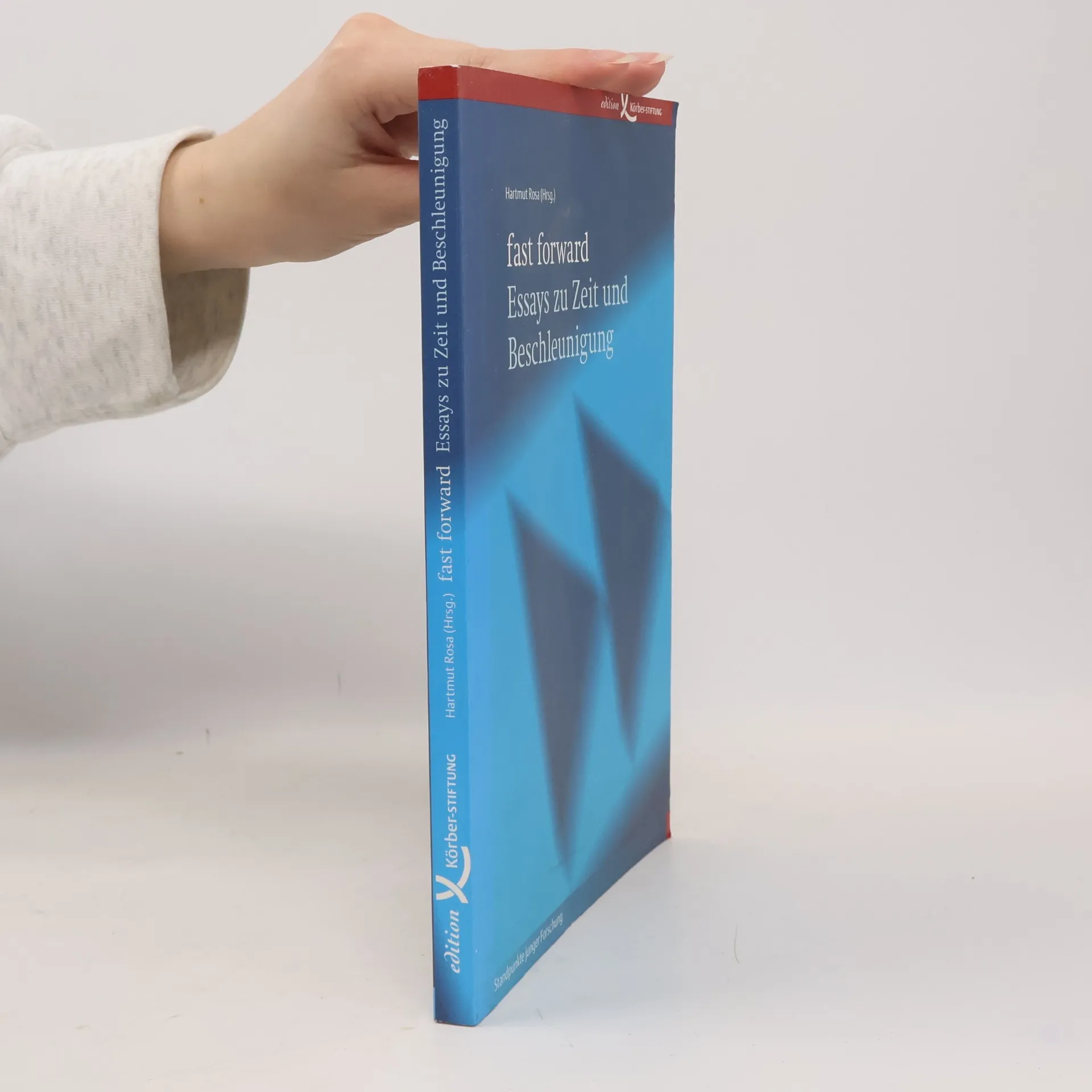
Die Geschichte der Moderne ist eine Geschichte der Beschleunigung — allerdings eine voller Widersprüche und Paradoxien. Wenn sich die meisten Dinge heute schneller erledigen lassen, sollten wir dann nicht mehr Zeit für Muße und Entspannung haben? Warum haben wir trotzdem unablässig das Gefühl des Getriebenseins? Wie solche Befindlichkeiten zustande kommen und von welchen gesellschaftlichen und kulturellen Faktoren sie abhängen, wird unter dem Titel 'fast forward' diskutiert. Einen wesentlichen Anteil an dieser Entwicklung tragen die Medien, denen deshalb ein besonderes Augenmerk gilt. Ihre Rolle wird kritisch beleuchtet — aus theoretischer ebenso wie aus künstlerischer Perspektive. Medientheorie und empirische Zeitforschung werden in diesem Band zum Ausgangspunkt für einen aufgeklärten Umgang mit der Beschleunigung unserer Lebenswelt. Die Essays der jungen Wissenschaftler sind kenntnisreich und überzeugen mit erhellenden Thesen. Sie verführen dazu, sich dem Thema auf ebenso unkonventionelle wie unterhaltsame Weise zu nähern.
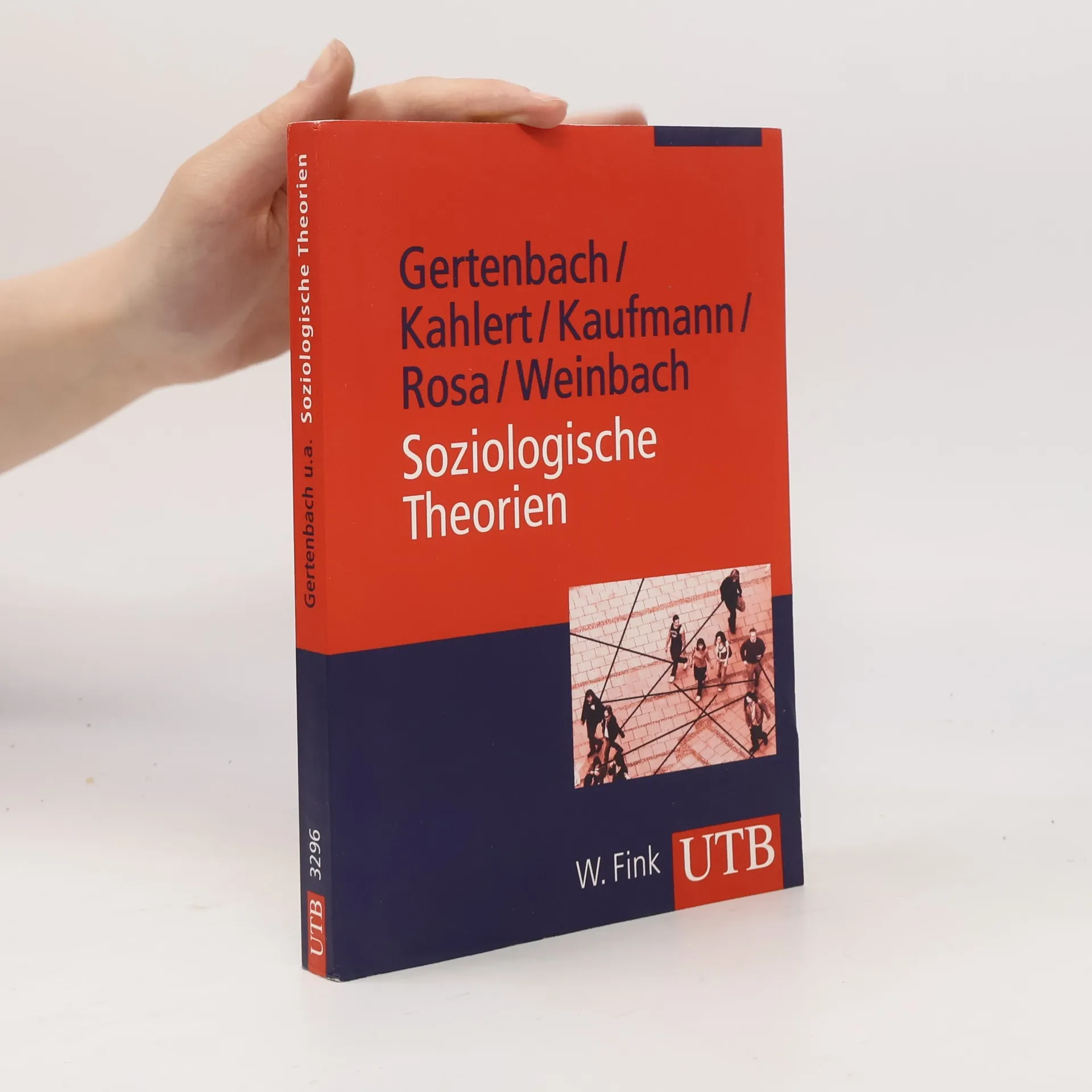
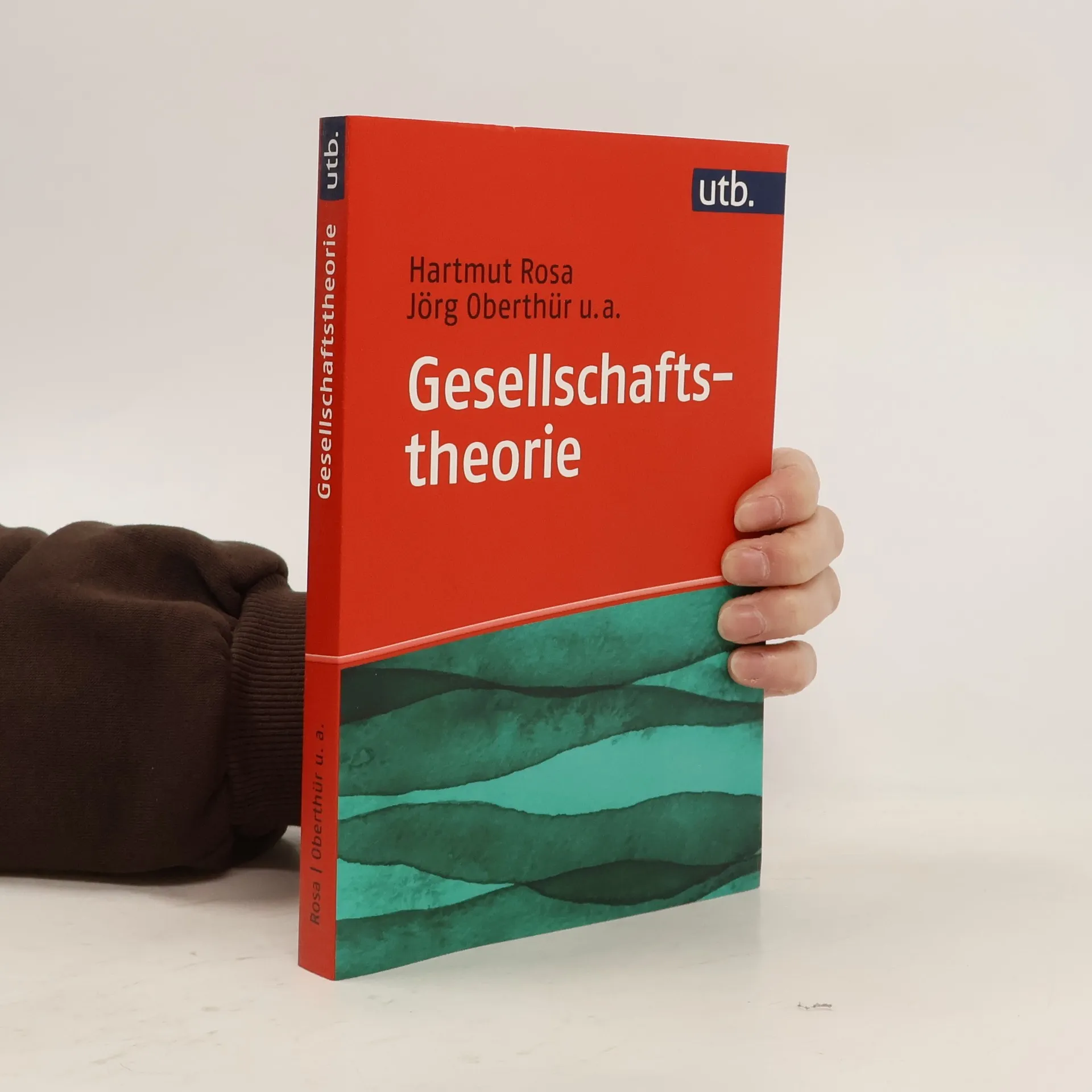
Die Soziologie hat in den nur rund 100 Jahren ihres Bestehens zahlreiche Theorien hervorgebracht. Dieses Buch gliedert die bis heute verwendeten Ansätze systematisch, ohne die „klassischen“ Autoren aus den Augen zu verlieren. Vier Paradigmen – Handlungstheorien, Systemtheorien, Kritische Theorien und Verbindungstheorien – geben dem Lehrbuch seinen Rahmen. Innerhalb dieser Theorieblöcke kommen die Großen der Soziologie von Weber bis Giddens zur Sprache.
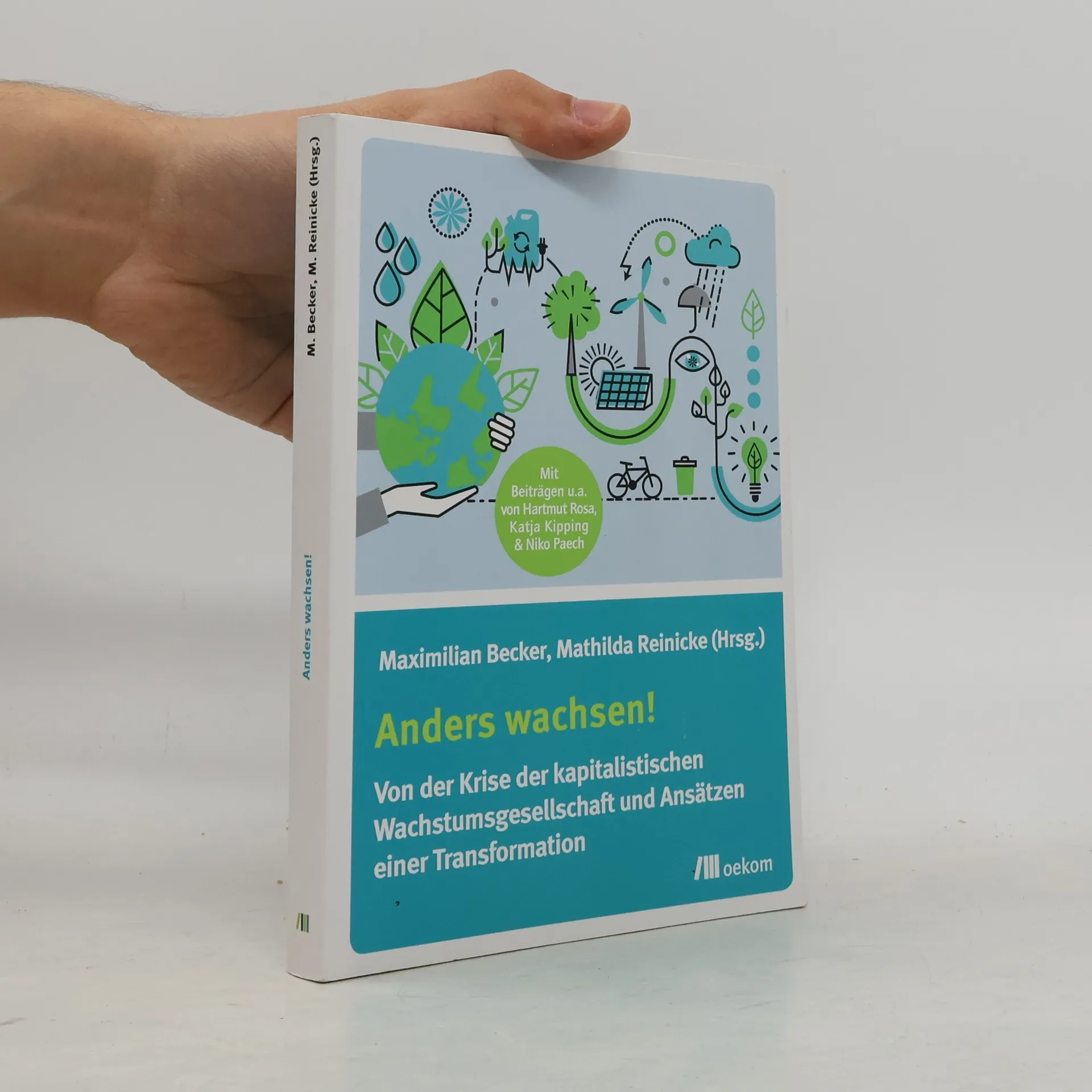
Von der Krise der kapitalistischen Wachstumsgesellschaft und Ansätzen einer Transformation
Nahezu alle Bereiche unseres Lebens sind vom Wachstums- und Beschleunigungsdenken geprägt. Die Grundannahme des ewig andauernden Wirtschaftswachstums ist dabei an das Versprechen von Wohlstand und Reichtum geknüpft. Die Realität sieht jedoch ganz anders aus: Die kapitalistische Wachstumsgesellschaft verursacht sowohl regional als auch global zahlreiche soziale und ökologische Krisen. Sie sind ein untrügliches Zeichen dafür, dass die Ideologie des Wirtschaftswachstums am Ende ist und dass es dringend Alternativen braucht. Der erste Teil des Buches zeigt die zahlreichen negativen Auswirkungen der Wachstumsgesellschaft auf – und bietet den Leserinnen und Lesern aufschlussreiche Einblicke in die gegenwärtige Diskussion zur Krise des Kapitalismus. Der zweite Teil zeigt wie es anders gehen kann: durch eine solidarische Lebensweise und ohne ökonomische Wachstumszwänge.