


Parámetros
- 470 páginas
- 17 horas de lectura
Más información sobre el libro
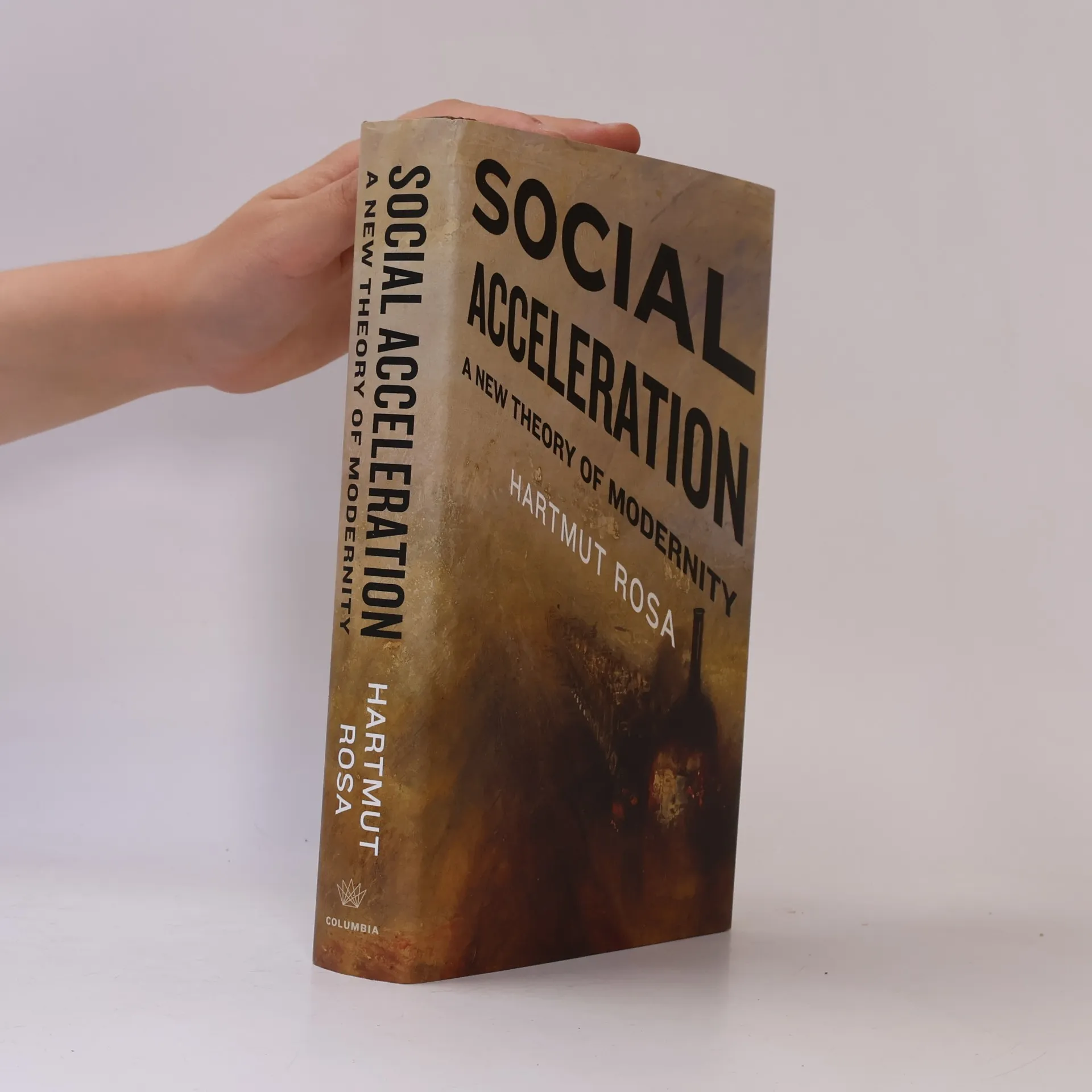
Hartmut Rosa advances an account of the temporal structure of society from the perspective of critical theory. He identifies in particular three categories of change in the tempo of modern social life: technological acceleration, evident in transportation, communication, and production; the acceleration of social change, reflected in cultural knowledge, social institutions, and personal relationships; and acceleration in the pace of life, which happens despite the expectation that technological change should increase an individual's free time. According to Rosa, both the structural and cultural aspects of our institutions and practices are marked by the "shrinking of the present," a decreasing time period during which expectations based on past experience reliably match future results and events. When this phenomenon combines with technological acceleration and the increasing pace of life, time seems to flow ever faster, making our relationships to each other and the world fluid and problematic. It is as if we are standing on "slipping slopes," a steep social terrain that is itself in motion and in turn demands faster lives and technology. As Rosa deftly shows, this self-reinforcing feedback loop fundamentally determines the character of modern life.


Publicación

Compra de libros
Social acceleration, Hartmut Rosa
- Idioma

- Publicado en
- 2013
- Encuadernación
- (Tapa dura)
Métodos de pago
Nos falta tu reseña aquí
- Título
- Social acceleration
- Idioma
- Inglés
- Autores
- Hartmut Rosa
- Editorial
- Columbia University Press
- Publicado en
- 2013
- Formato
- Tapa dura
- Páginas
- 470
- ISBN10
- 0231148348
- ISBN13
- 9780231148344
- Serie
- Categorías
- Etiquetas
- Tema histórico, Temas psicológicos, Temática filosófica, Política, Ciencia, Sociedad, Modernismo, Tiempo
- Título original
- Beschleunigung
- Calificación
- 4,3 de 5
- Descripción
- Hartmut Rosa advances an account of the temporal structure of society from the perspective of critical theory. He identifies in particular three categories of change in the tempo of modern social life: technological acceleration, evident in transportation, communication, and production; the acceleration of social change, reflected in cultural knowledge, social institutions, and personal relationships; and acceleration in the pace of life, which happens despite the expectation that technological change should increase an individual's free time. According to Rosa, both the structural and cultural aspects of our institutions and practices are marked by the "shrinking of the present," a decreasing time period during which expectations based on past experience reliably match future results and events. When this phenomenon combines with technological acceleration and the increasing pace of life, time seems to flow ever faster, making our relationships to each other and the world fluid and problematic. It is as if we are standing on "slipping slopes," a steep social terrain that is itself in motion and in turn demands faster lives and technology. As Rosa deftly shows, this self-reinforcing feedback loop fundamentally determines the character of modern life.