

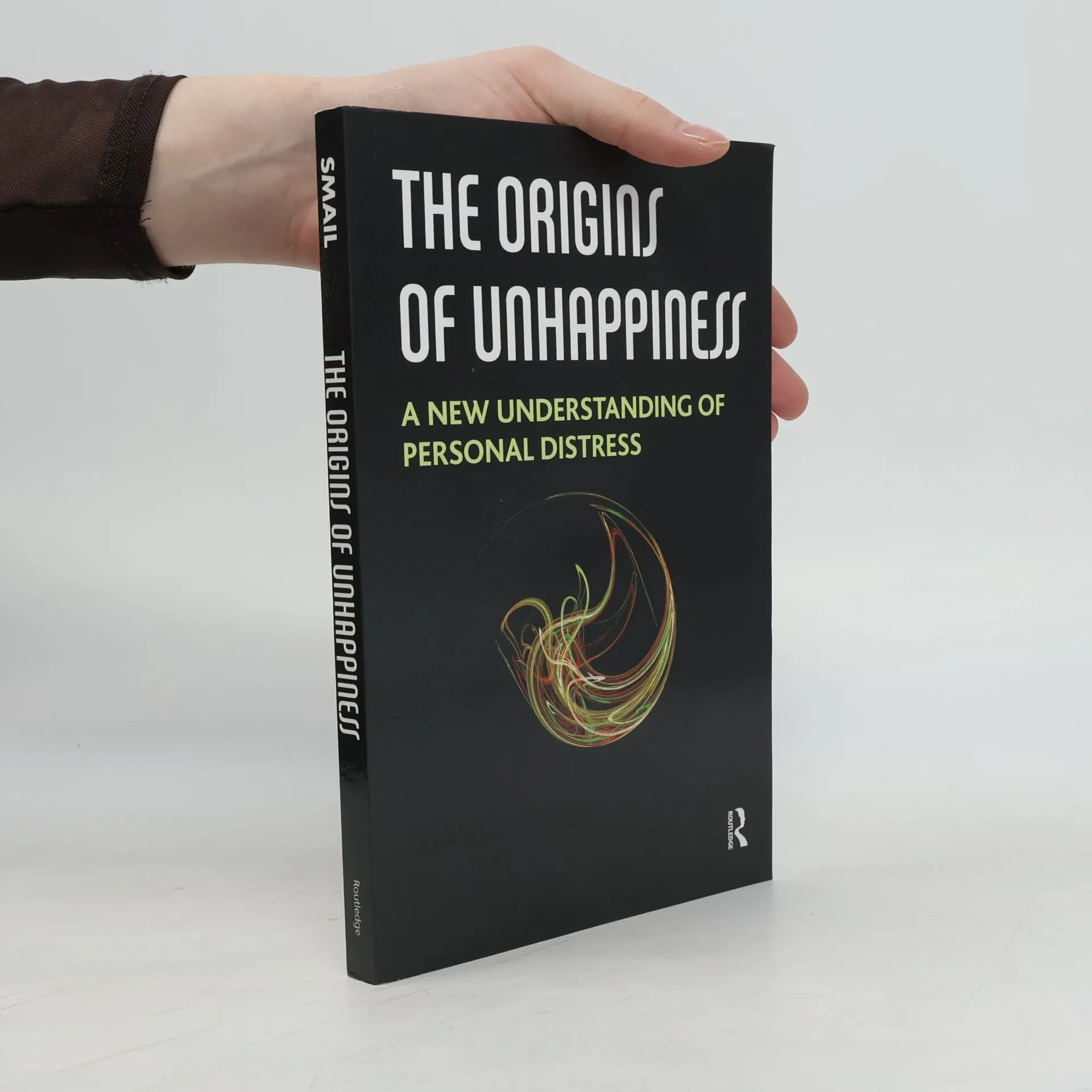

The Origins of Unhappiness
A New Understanding of Personal Distress
Autores
Valoración del libro
Más información sobre el libro
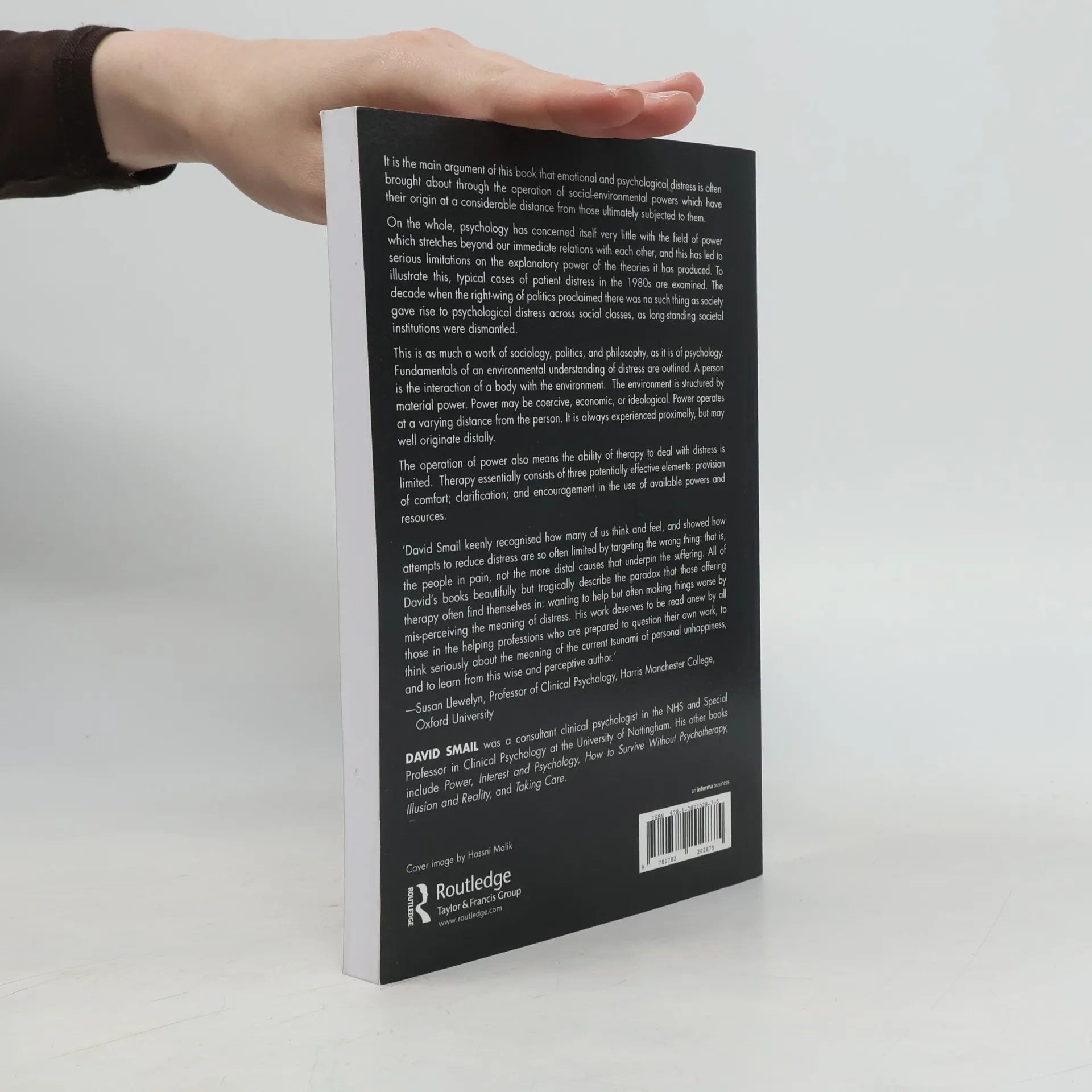
It is the main argument of this book that emotional and psychological distress is often brought about through the operation of social-environmental powers which have their origin at a considerable distance from those ultimately subjected to them. On the whole, psychology has concerned itself very little with the field of power which stretches beyond our immediate relations with each other, and this has led to serious limitations on the explanatory power of the theories it has produced. To illustrate this, typical cases of patient distress in the 1980s are examined. The decade when the right-wing of politics proclaimed there was no such thing as society gave rise to psychological distress across social classes, as long-standing societal institutions were dismantled. This is as much a work of sociology, politics, and philosophy, as it is of psychology. Fundamentals of an environmental understanding of distress are outlined. A person is the interaction of a body with the environment.
Publicación

Compra de libros
The Origins of Unhappiness, David Smail
- Idioma

- Publicado en
- 2015
- Encuadernación
- (Tapa blanda),
- Estado del libro
- Muy Bueno
- Precio
- 15,39 €
Métodos de pago
Nos falta tu reseña aquí
- Título
- The Origins of Unhappiness
- Subtítulo
- A New Understanding of Personal Distress
- Idioma
- Inglés
- Autores
- David Smail
- Editorial
- Taylor & Francis Ltd
- Publicado en
- 2015
- Formato
- Tapa blanda
- Páginas
- 250
- ISBN10
- 1782202870
- ISBN13
- 9781782202875
- Serie
- Categorías
- Calificación
- 3 de 5
- Descripción
- It is the main argument of this book that emotional and psychological distress is often brought about through the operation of social-environmental powers which have their origin at a considerable distance from those ultimately subjected to them. On the whole, psychology has concerned itself very little with the field of power which stretches beyond our immediate relations with each other, and this has led to serious limitations on the explanatory power of the theories it has produced. To illustrate this, typical cases of patient distress in the 1980s are examined. The decade when the right-wing of politics proclaimed there was no such thing as society gave rise to psychological distress across social classes, as long-standing societal institutions were dismantled. This is as much a work of sociology, politics, and philosophy, as it is of psychology. Fundamentals of an environmental understanding of distress are outlined. A person is the interaction of a body with the environment.