


Parámetros
- 175 páginas
- 7 horas de lectura
Más información sobre el libro
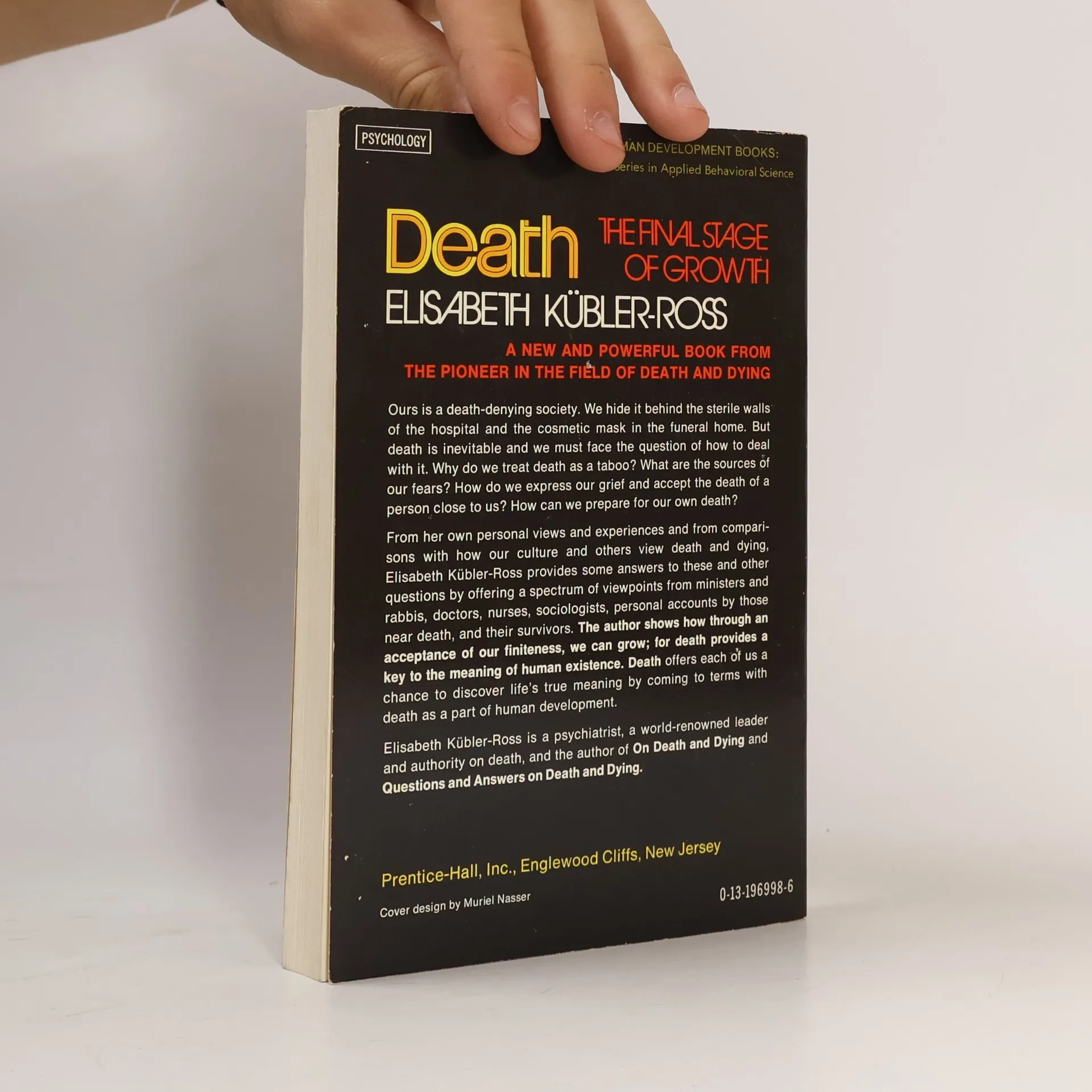
Ours is a death-denying society. But death is inevitable, and we must face the question of how to deal with it. Coming to terms with our own finiteness helps us discover life's true meaning. Why do we treat death as a taboo? What are the sources of our fears? How do we express our grief, and how do we accept the death of a person close to us? How can we prepare for our own death? Drawing on our own and other cultures' views of death and dying, Elisabeth Kübler-Ross provides some illuminating answers to these and other questions. She offers a spectrum of viewpoints, including those of ministers, rabbis, doctors, nurses, and sociologists, and the personal accounts of those near death and of their survivors. Once we come to terms with death as a part of human development, the author shows, death can provide us with a key to the meaning of human existence.




Compra de libros
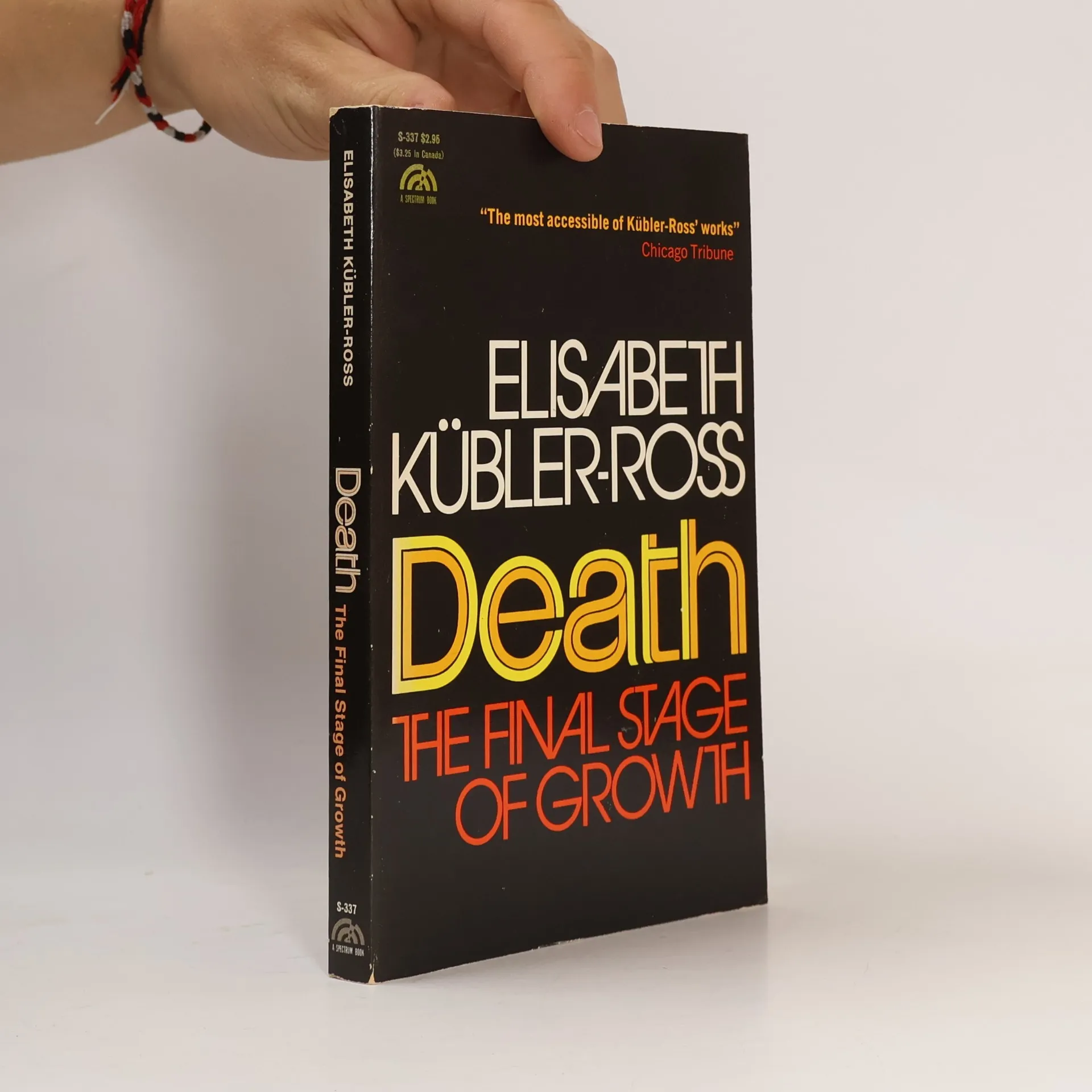
Death. The Final Stage of Growth, Elisabeth Kübler-Ross
- Idioma

- Publicado en
- 1975
- Encuadernación
- (Tapa blanda)
Métodos de pago
Nos falta tu reseña aquí
- Título
- Death. The Final Stage of Growth
- Idioma
- Inglés
- Autores
- Elisabeth Kübler-Ross
- Editorial
- Prentice Hall
- Publicado en
- 1975
- Formato
- Tapa blanda
- Páginas
- 175
- ISBN10
- 0131969986
- ISBN13
- 9780131969988
- Serie
- Etiquetas
- Salud & Medicina, Temas psicológicos, Temas religiosos, Temática filosófica, Espiritualidad y Religión, Medicina, Muerte, Enfermedades, Miedo, Esperanza, Dios, Hospitales
- Calificación
- 4,15 de 5
- Descripción
- Ours is a death-denying society. But death is inevitable, and we must face the question of how to deal with it. Coming to terms with our own finiteness helps us discover life's true meaning. Why do we treat death as a taboo? What are the sources of our fears? How do we express our grief, and how do we accept the death of a person close to us? How can we prepare for our own death? Drawing on our own and other cultures' views of death and dying, Elisabeth Kübler-Ross provides some illuminating answers to these and other questions. She offers a spectrum of viewpoints, including those of ministers, rabbis, doctors, nurses, and sociologists, and the personal accounts of those near death and of their survivors. Once we come to terms with death as a part of human development, the author shows, death can provide us with a key to the meaning of human existence.