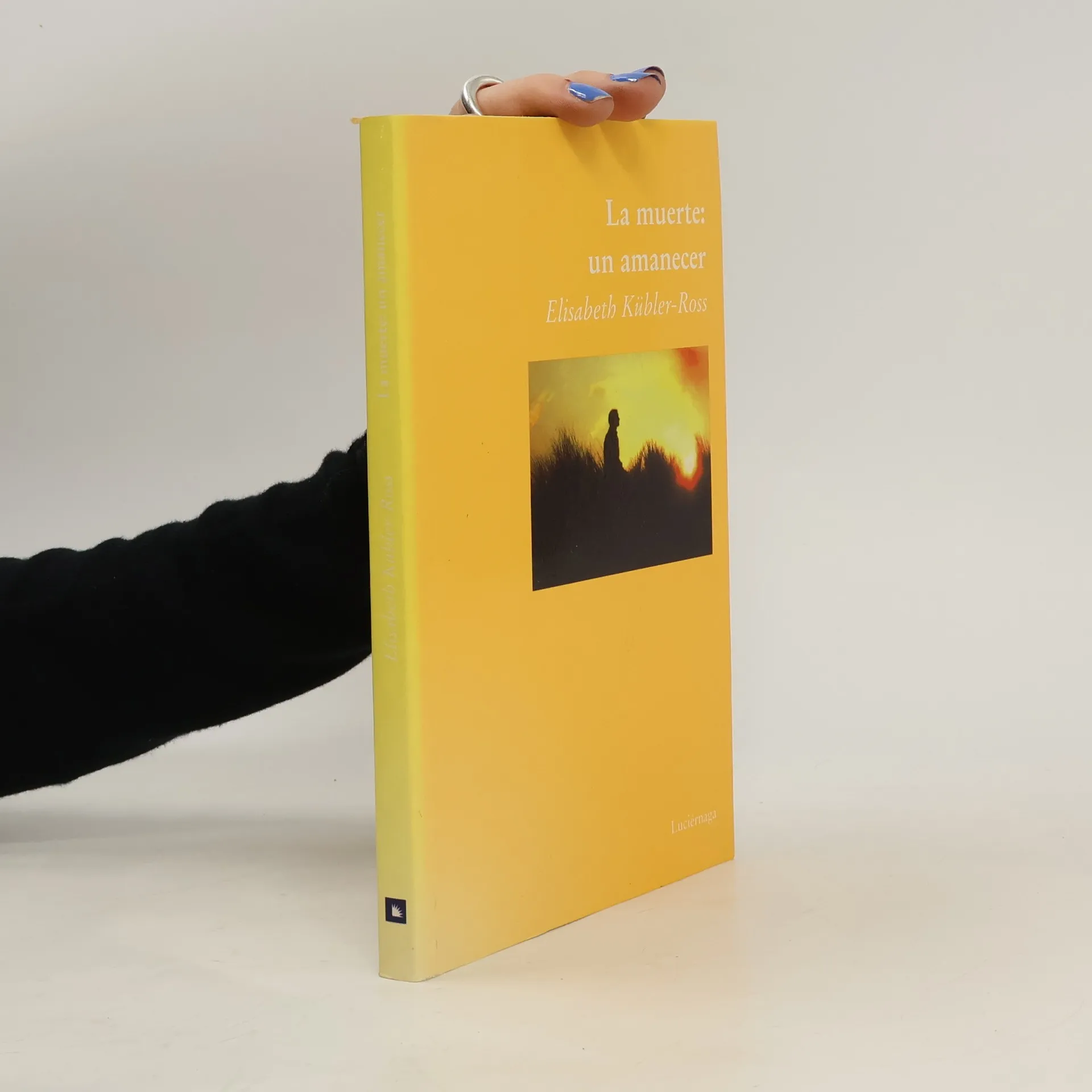
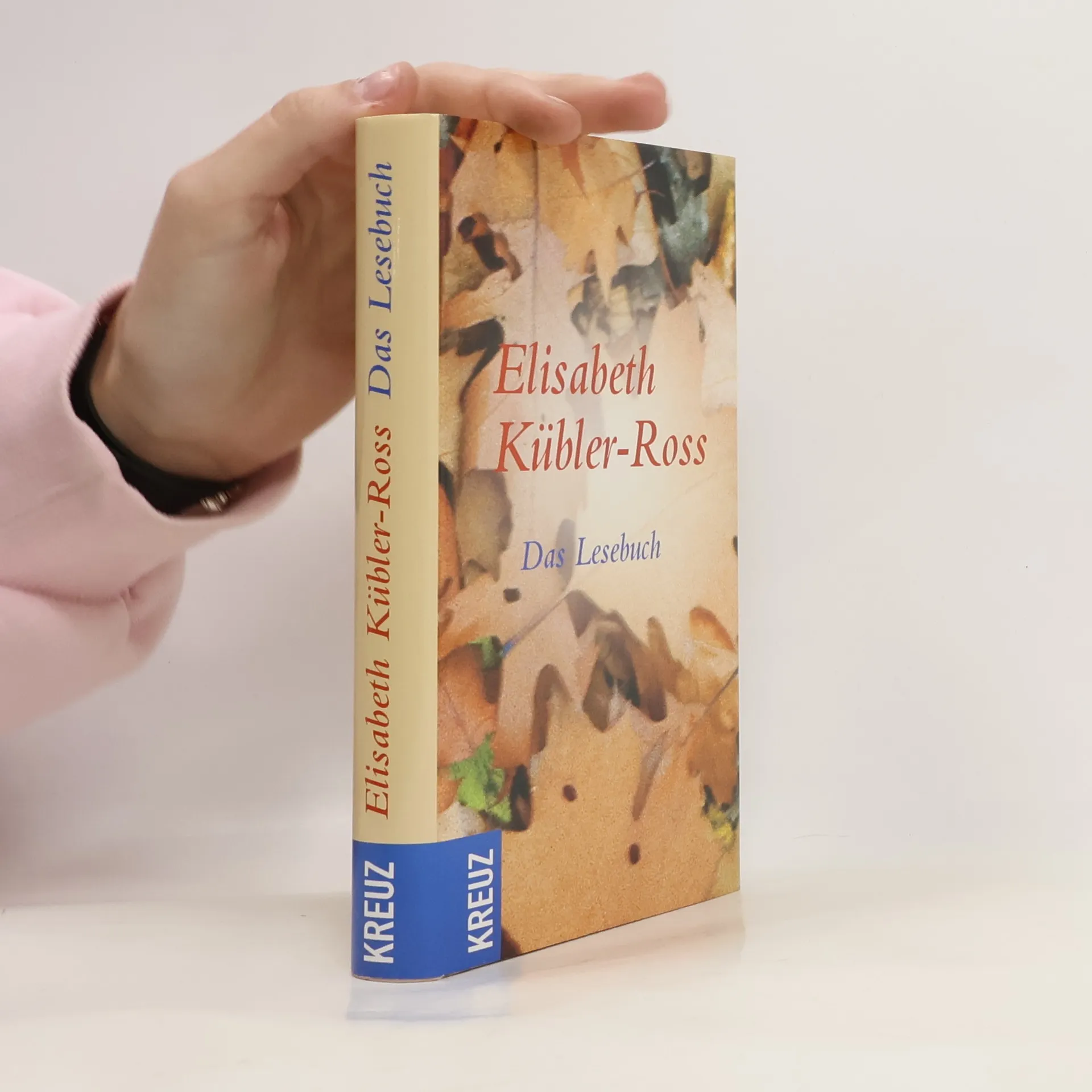
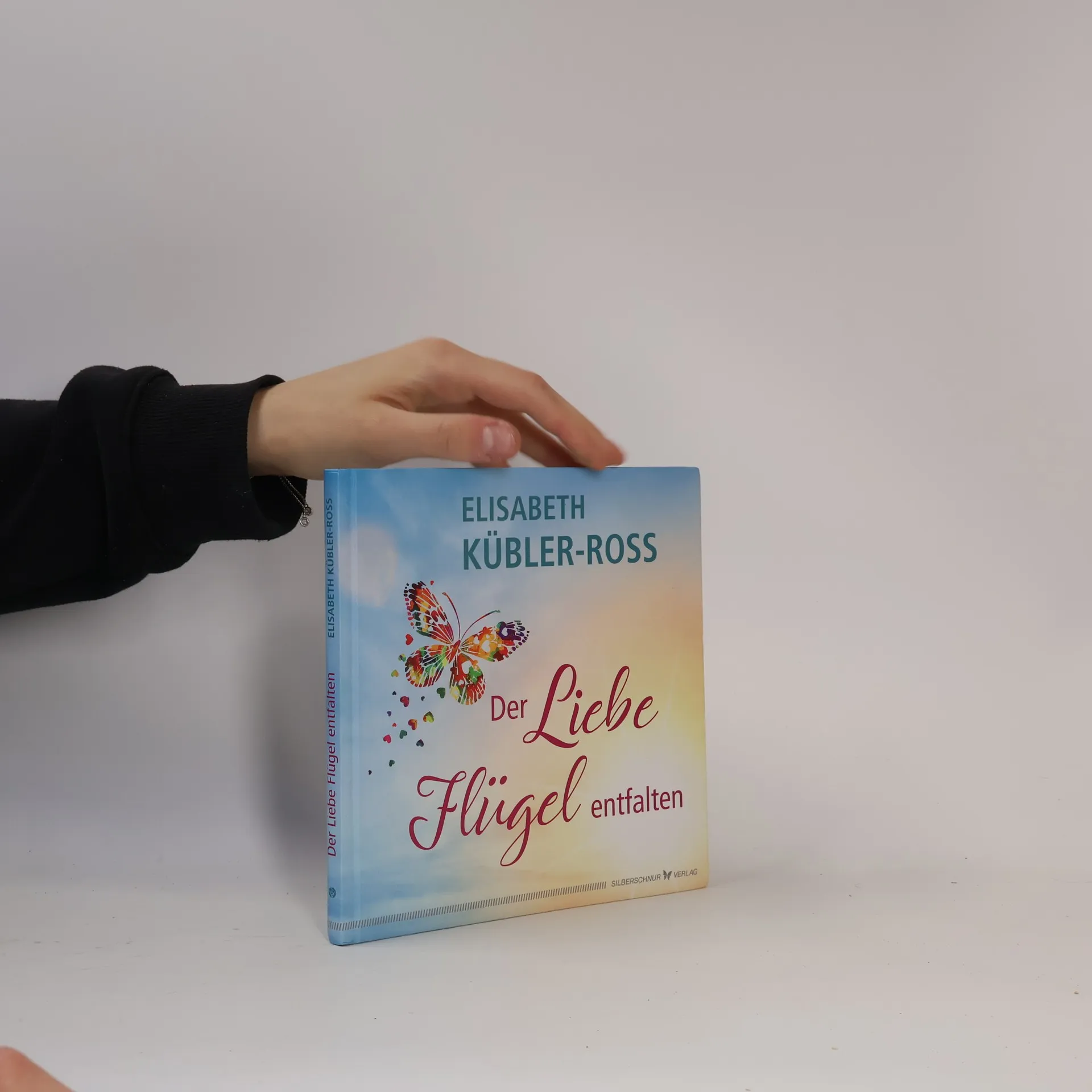
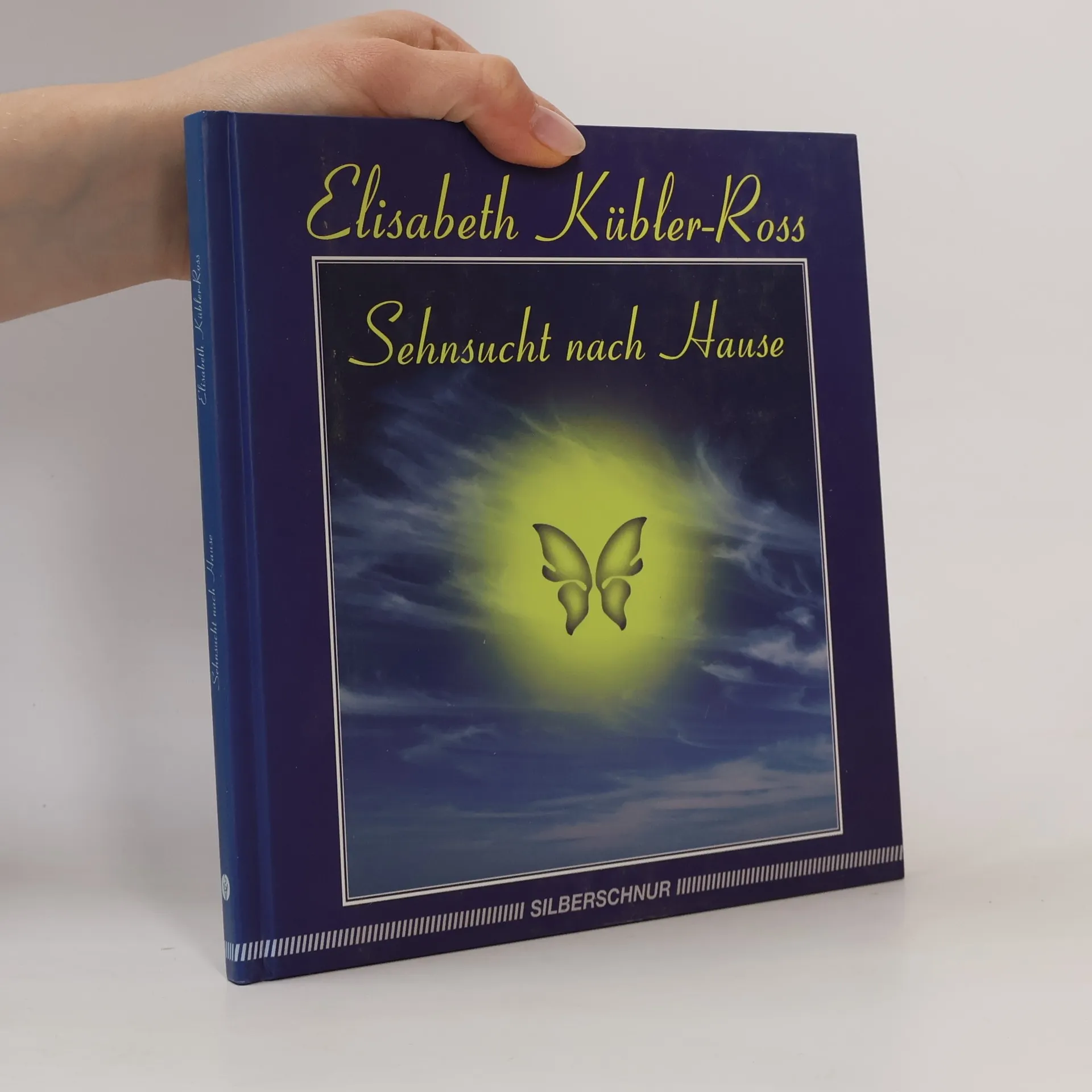
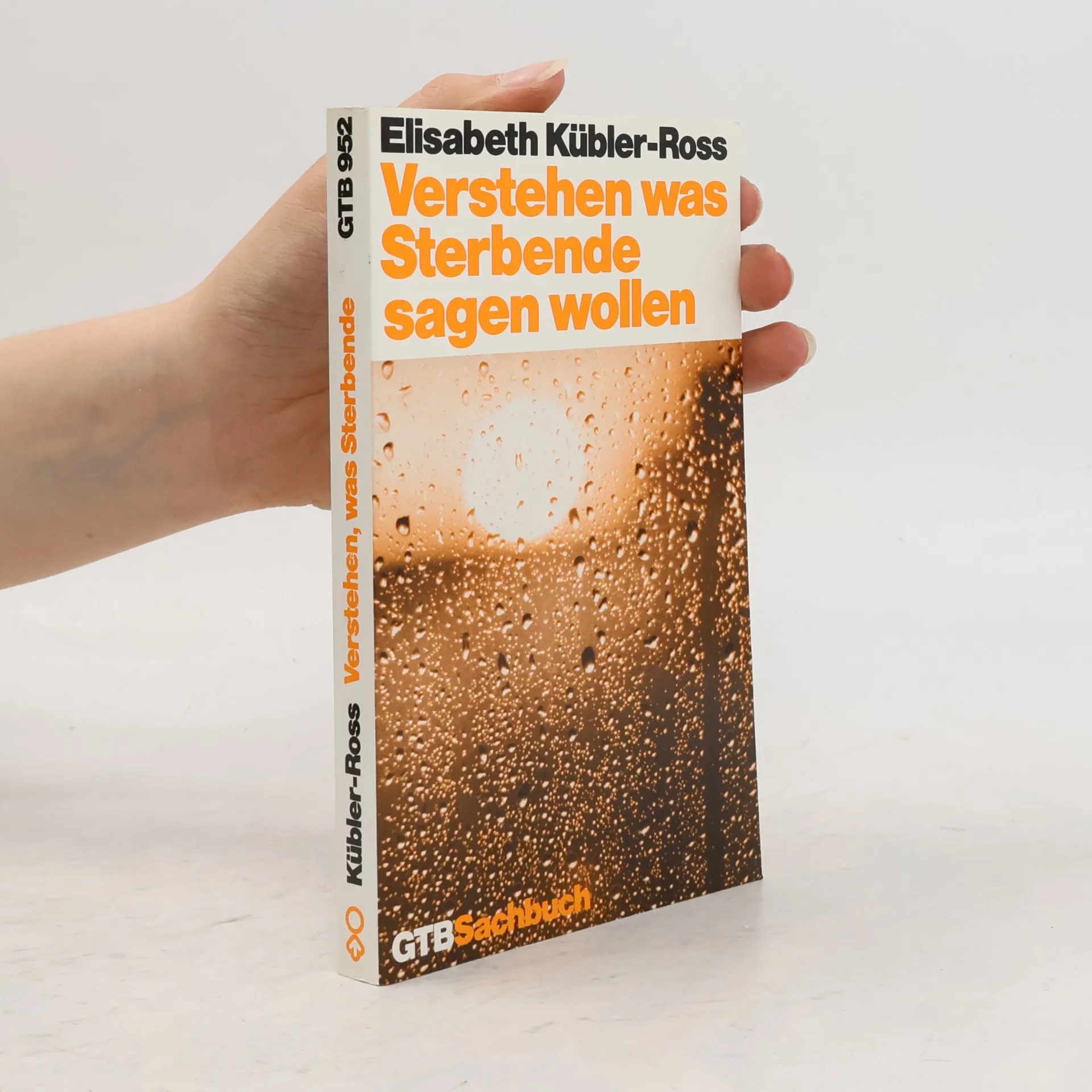
Una pionera en los estudios sobre experiencias cercanas a la muerte, esta autora se adentra en la experiencia humana de afrontar la mortalidad. Su obra innovadora introdujo un modelo fundamental que describe cinco etapas del duelo, un marco que ha dado forma a nuestra comprensión de la pérdida. A través de sus perspicaces análisis, ilumina los complejos viajes emocionales y psicológicos que emprenden los individuos al enfrentar su propia muerte o la de un ser querido. Su enfoque distintivo y profunda empatía han influido significativamente en el discurso sobre las experiencias al final de la vida y el duelo.
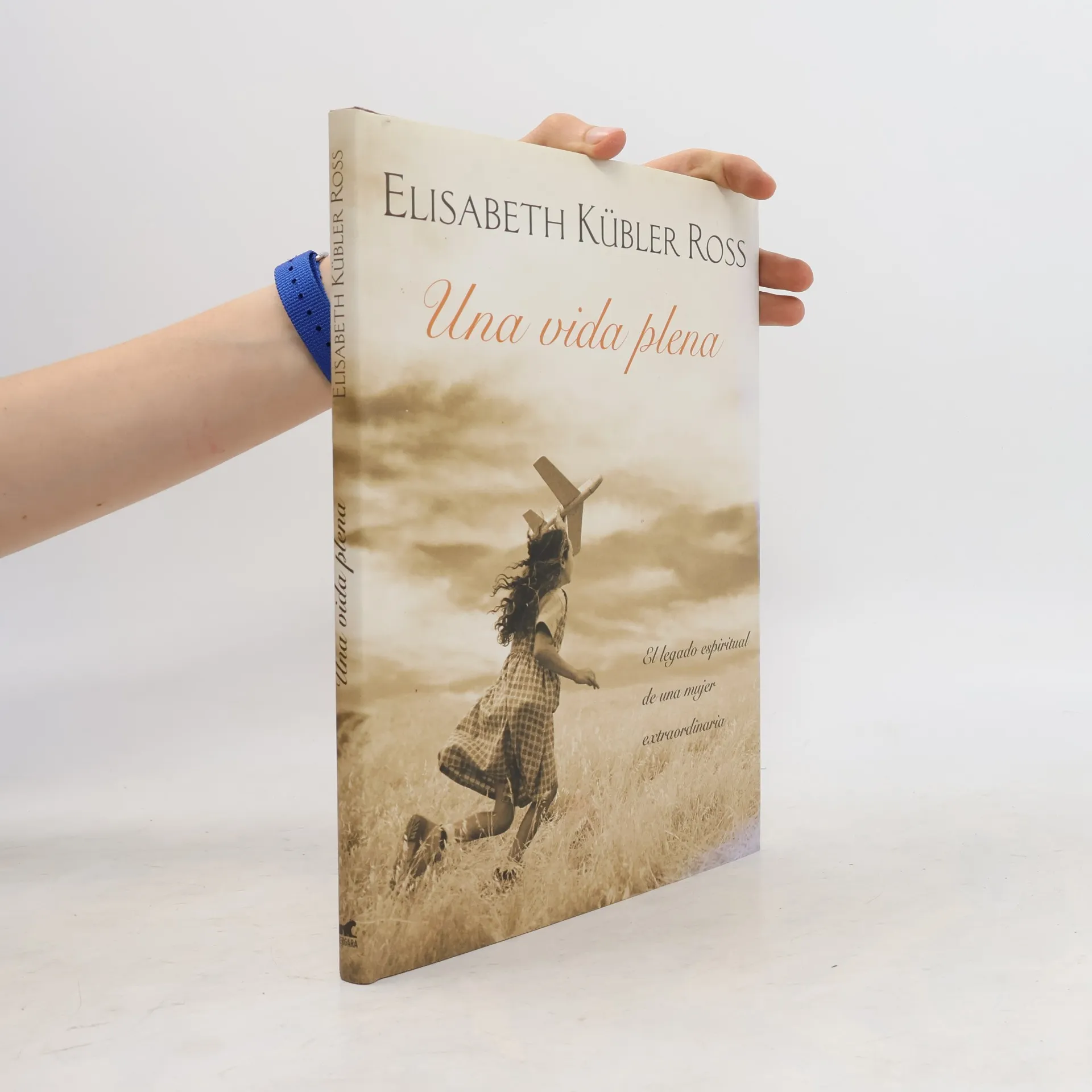
After transforming the way that the world thinks about death and dying, Elisabeth Ku bler-Ross, now 71 years old and facing her own death, tells the story of her extraordinary life in this reflective memoir. Having taught the world how to die well, she now offers lessons on how to live well. Her story is an adventure of the heart-- powerful, controversial, inspirational-- and a fitting legacy of a powerful life.
Las experiencias científicas de la doctora Kübler-Ross permiten confirmar que la muerte es un pasaje hacia otra forma de vida. Nos hace comprender que la experiencia de la muerte es casi idéntica a la del nacimiento, puesto que se trata del inicio de otra existencia, el paso a un nuevo estado de conciencia en el que se continúa experimentando, viendo y oyendo, comprendiendo y riendo, y en el que se tiene la posibilidad de continuar el crecimiento espiritual. Gracias a ella sabemos que una luz brilla al final y que, a medida que nos aproximamos a esa luz blanca, de una claridad absoluta, nos sentimos llenos del amor más grande, indescriptible e incondicional que podamos imaginar.
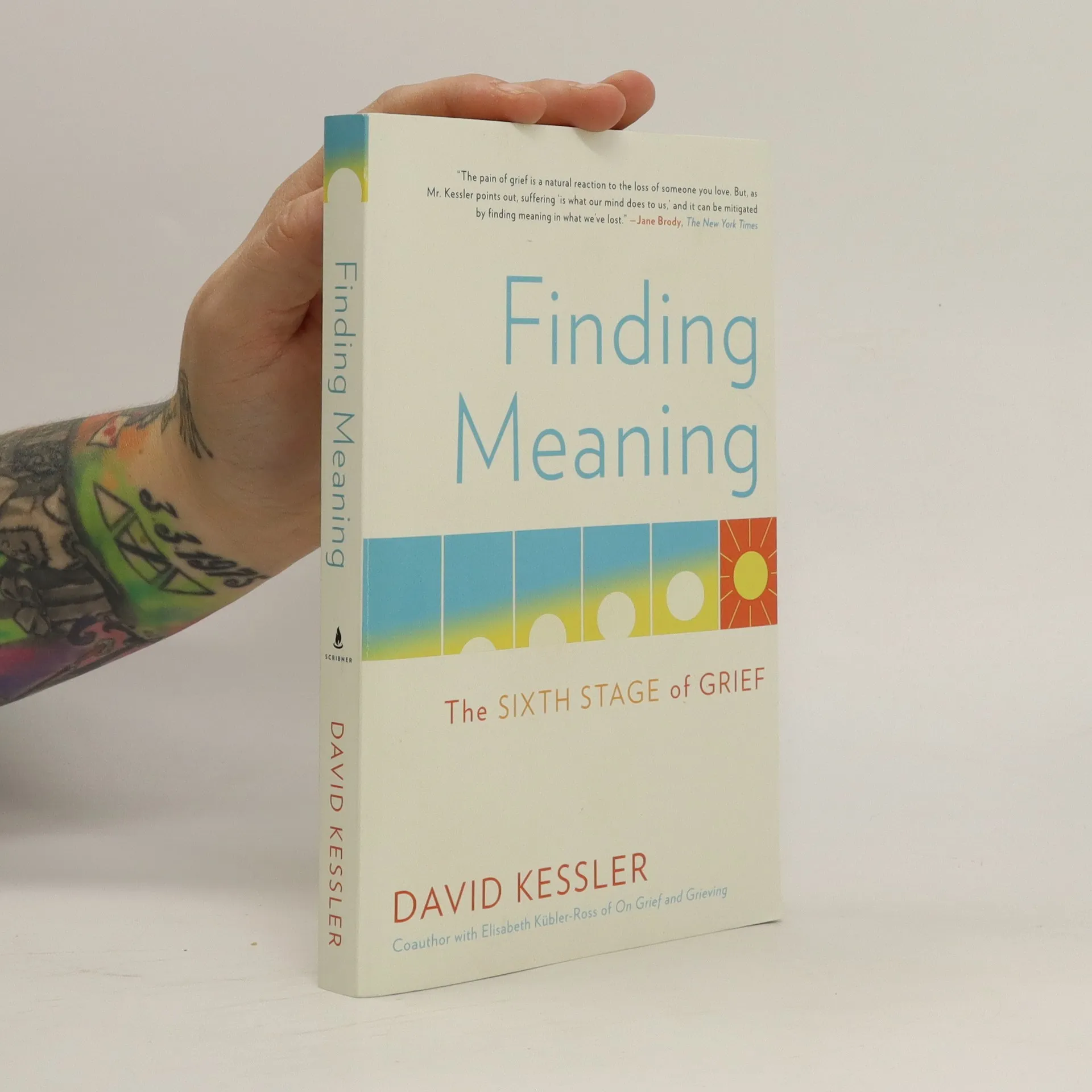
'A brilliant, caring, practical guide to help us understand grief' Daniel J Siegel, M.D.'Finding Meaning is Kessler’s poignant response to society’s insensitivity, [a] how-to in the very best sense' LA TimesDavid Kessler – the world's foremost expert on grief and the coauthor with Elisabeth Kübler-Ross of the iconic On Grief and Grieving – journeys beyond the classic five stages to discover a sixth meaning.David has spent decades teaching about end of life, trauma and grief. And yet his life was upended by the sudden death of his twenty-one-year-old son. How does the grief expert handle such a devastating loss?In Finding Meaning, Kessler shares his hard-earned wisdom and offers a roadmap to remembering those who have died with more love than pain, how to move forward in a way that honours our loved ones and ultimately transform grief into a more peaceful and hopeful experience.An inspiring must-read for anyone struggling to figure out how to live after loss.
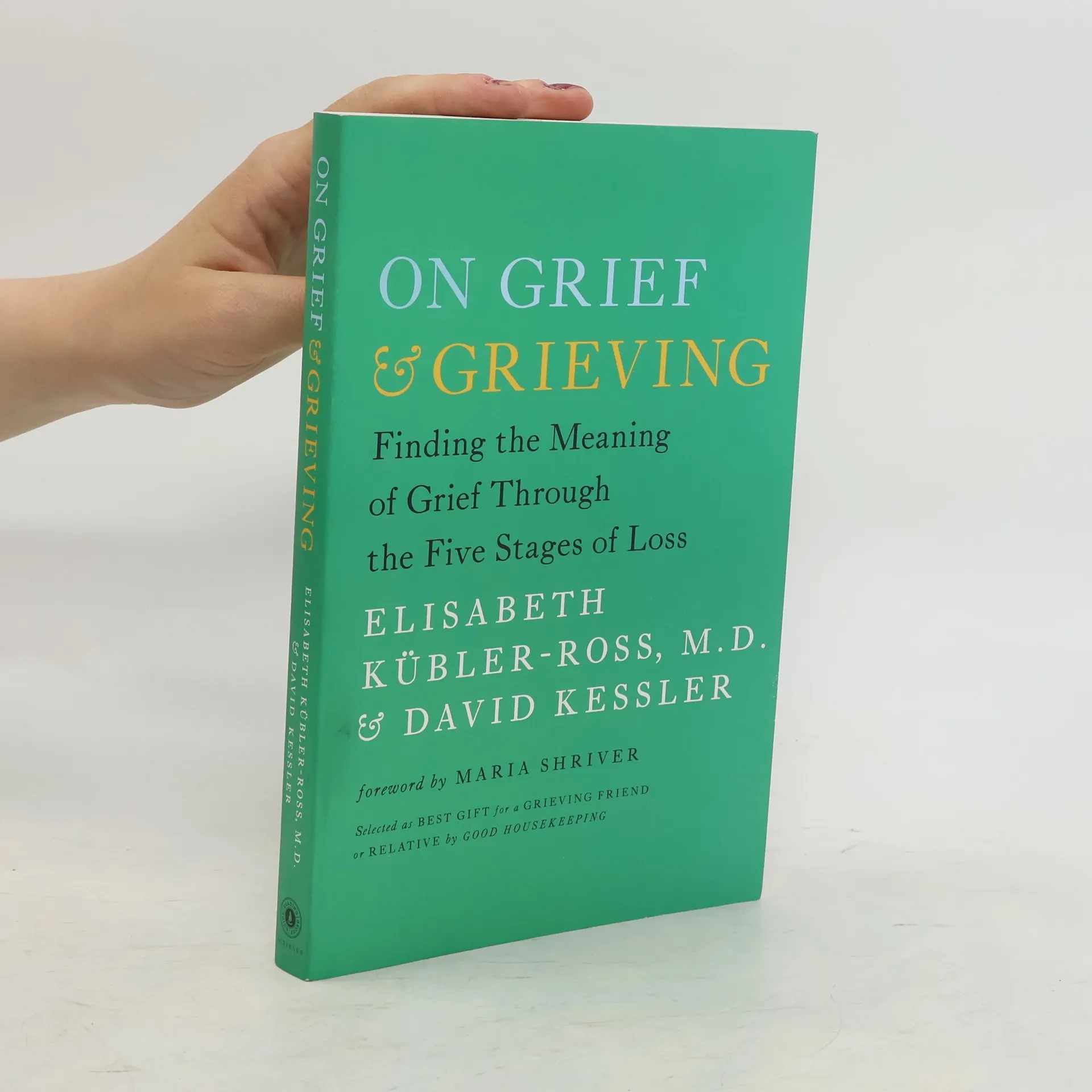
Finding the Meaning of Grief Through the Five Stages of Loss
272 páginas
10 horas de lectura
Ten years after the death of Elisabeth K bler-Ross, this commemorative edition of her final book combines practical wisdom, case studies, and the authors' own experiences and spiritual insight to explain how the process of grieving helps us live with loss. Includes a new introduction and resources section. Elisabeth K bler-Ross's On Death and Dying changed the way we talk about the end of life. Before her own death in 2004, she and David Kessler completed On Grief and Grieving, which looks at the way we experience the process of grief. Just as On Death and Dying taught us the five stages of death--denial, anger, bargaining, depression, and acceptance--On Grief and Grieving applies these stages to the grieving process and weaves together theory, inspiration, and practical advice, including sections on sadness, hauntings, dreams, isolation, and healing. This is "a fitting finale and tribute to the acknowledged expert on end-of-life matters" (Good Housekeeping).
The author offers firsthand accounts of her work with AIDS patients and councils the friends and family of AIDS victims on how they can become more compassionate and giving to their dying loved ones.
This is an engaging introduction to the beliefs, work, and life of psychiatrist Elisabeth Kubler-Ross, who "declared war on the denial of death in America" (New York Times). Based on her more than 30 years experience with the dying, this book offers both challenge and hope.
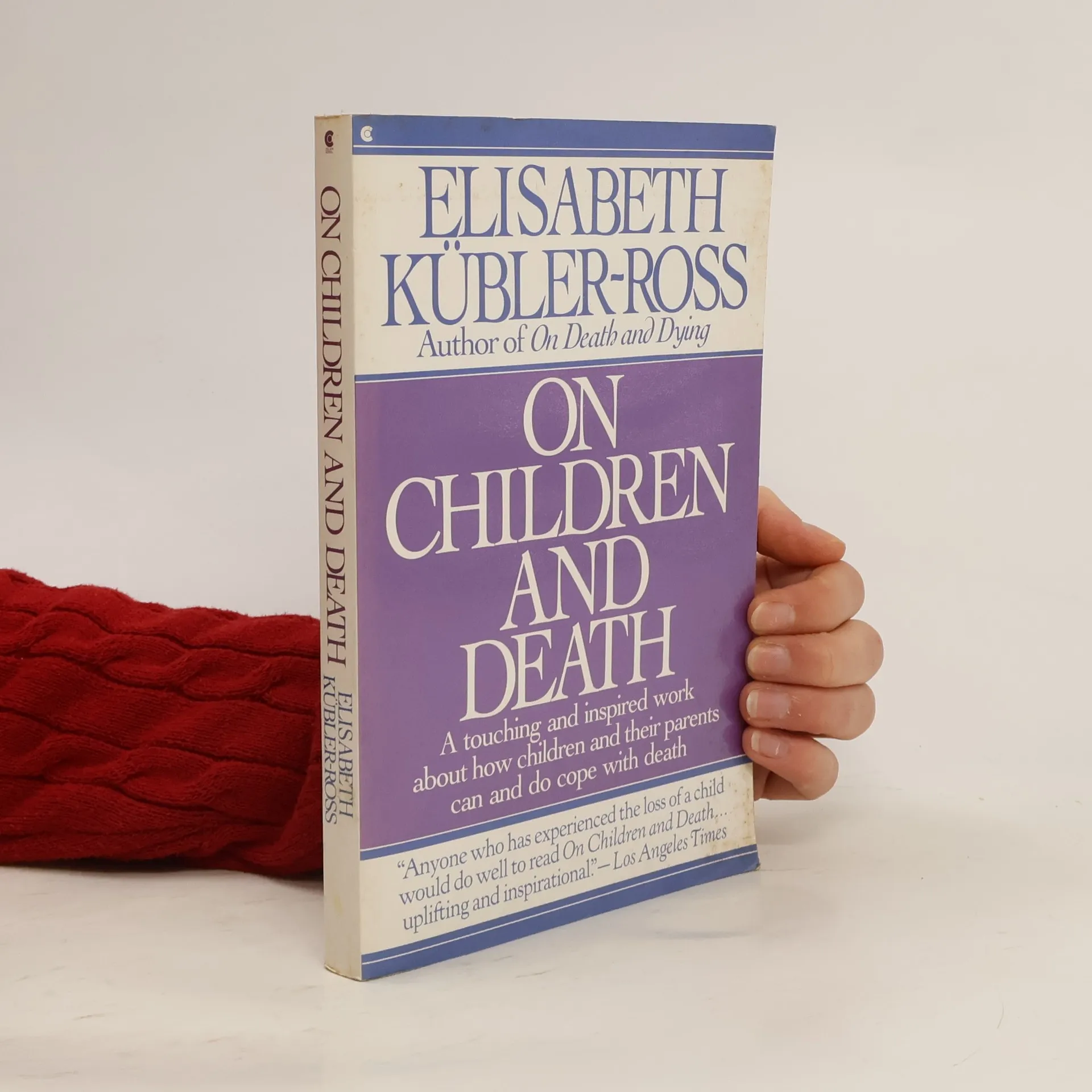
On Children and Death is a major addition to the classic works of Elisabeth Kübler-Ross, whose On Death and Dying and Living with Death and Dying have been continuing sources of strength and solace for tens of millions of devoted readers worldwide. Based on a decade of working with dying children, this compassionate book offers the families of dead and dying children the help -- and hope -- they need to survive. In warm, simple language, Dr. Kübler-Ross speaks directly to the fears, doubts, anger, confusion, and anguish of parents confronting the terminal illness or sudden death of a child.
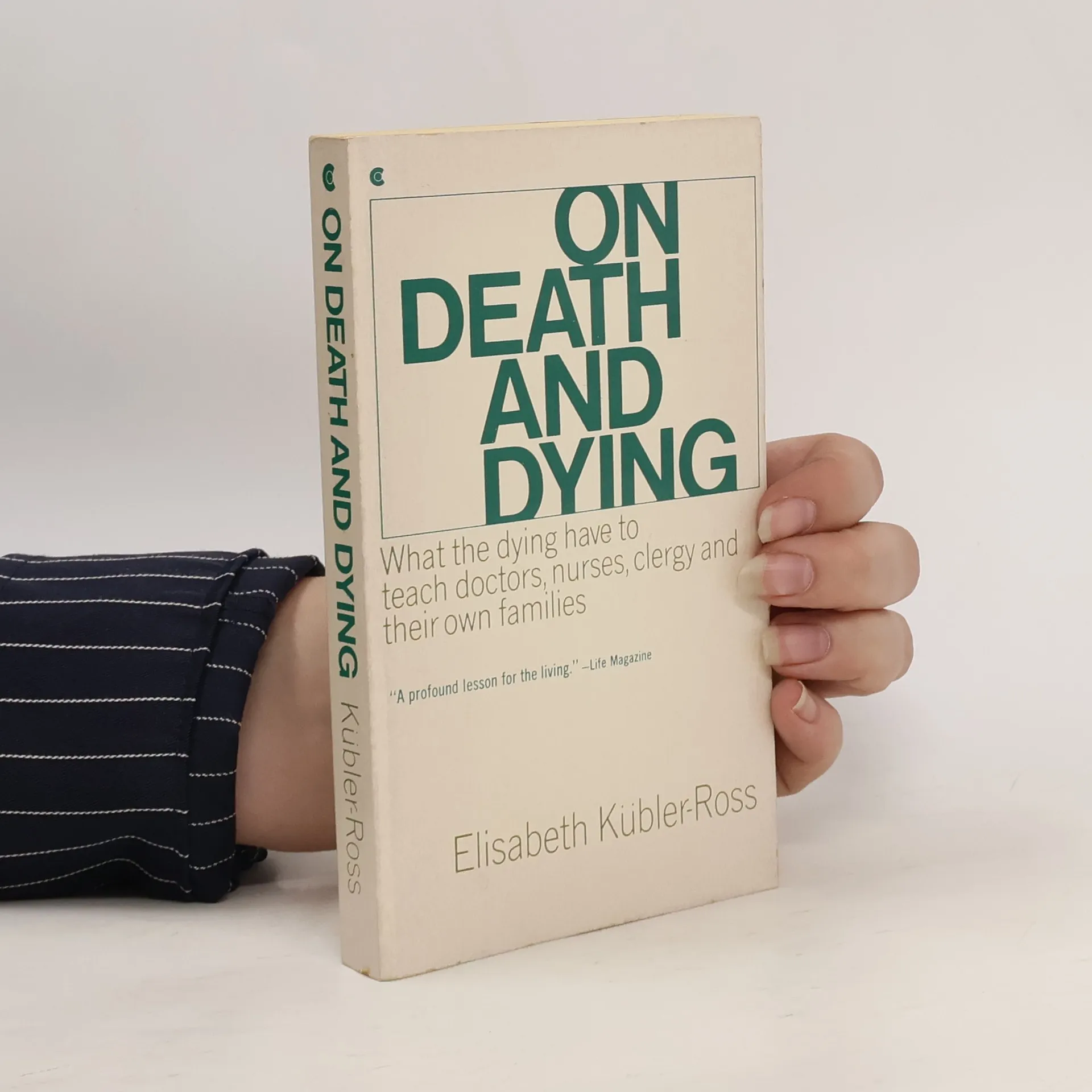
An investigation into the part that death and dying play in society and in the minds of individuals. Elizabeth Kuebler-Ross's other books include "Living with Death and Dying", "Questions and Answers on Death and Dying", and "On Children and Death".
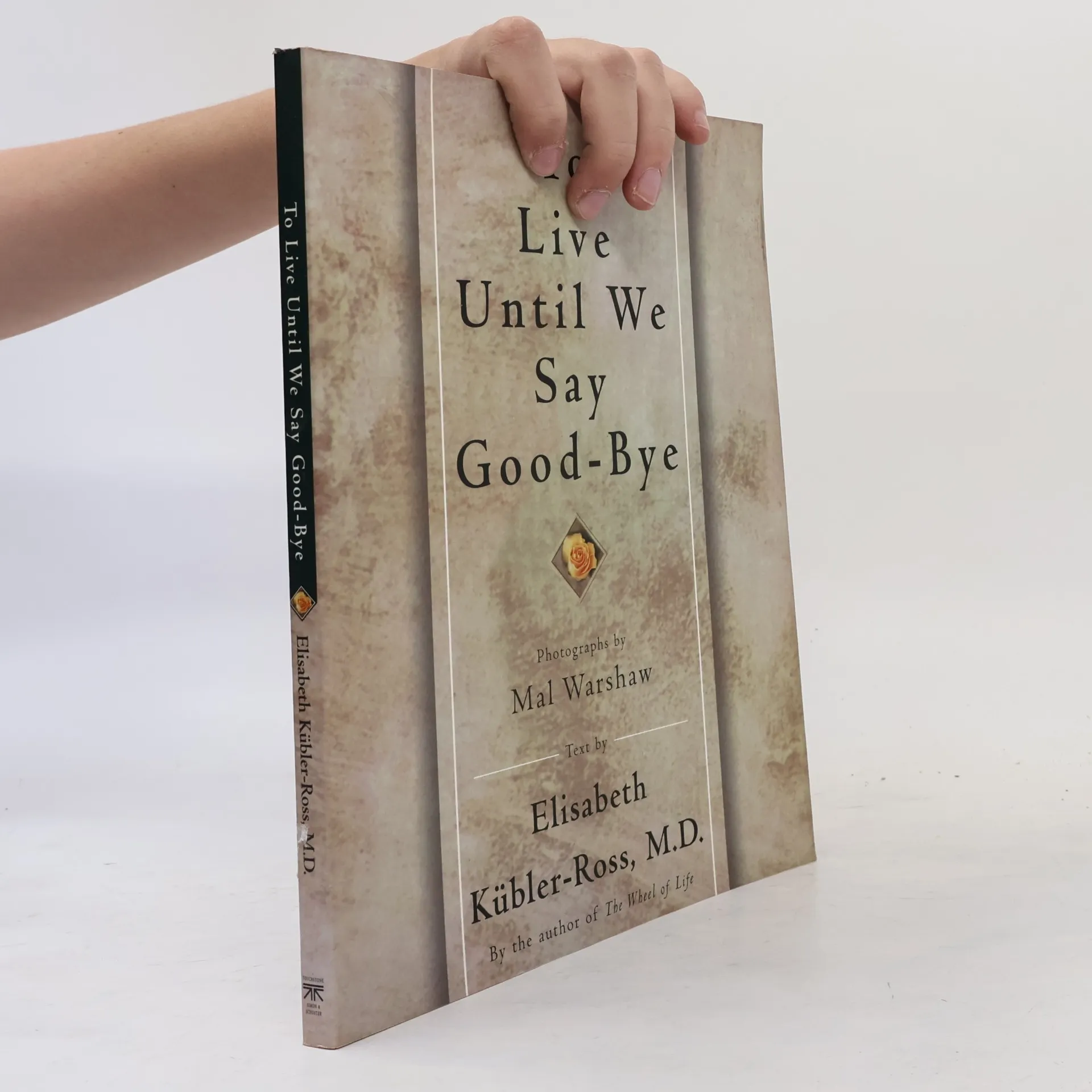
Dr. Elisabeth Kübler-Ross, whose books on death and dying have sold in the millions, now offers an extraordinary visual record of her work. Through the brilliant photographs of Mal Warshaw, To Live Until We Say Good-Bye gives a gripping, intimate view of Dr. Kübler-Ross's counseling work with terminally ill patients as she brings them to an acceptance of death.
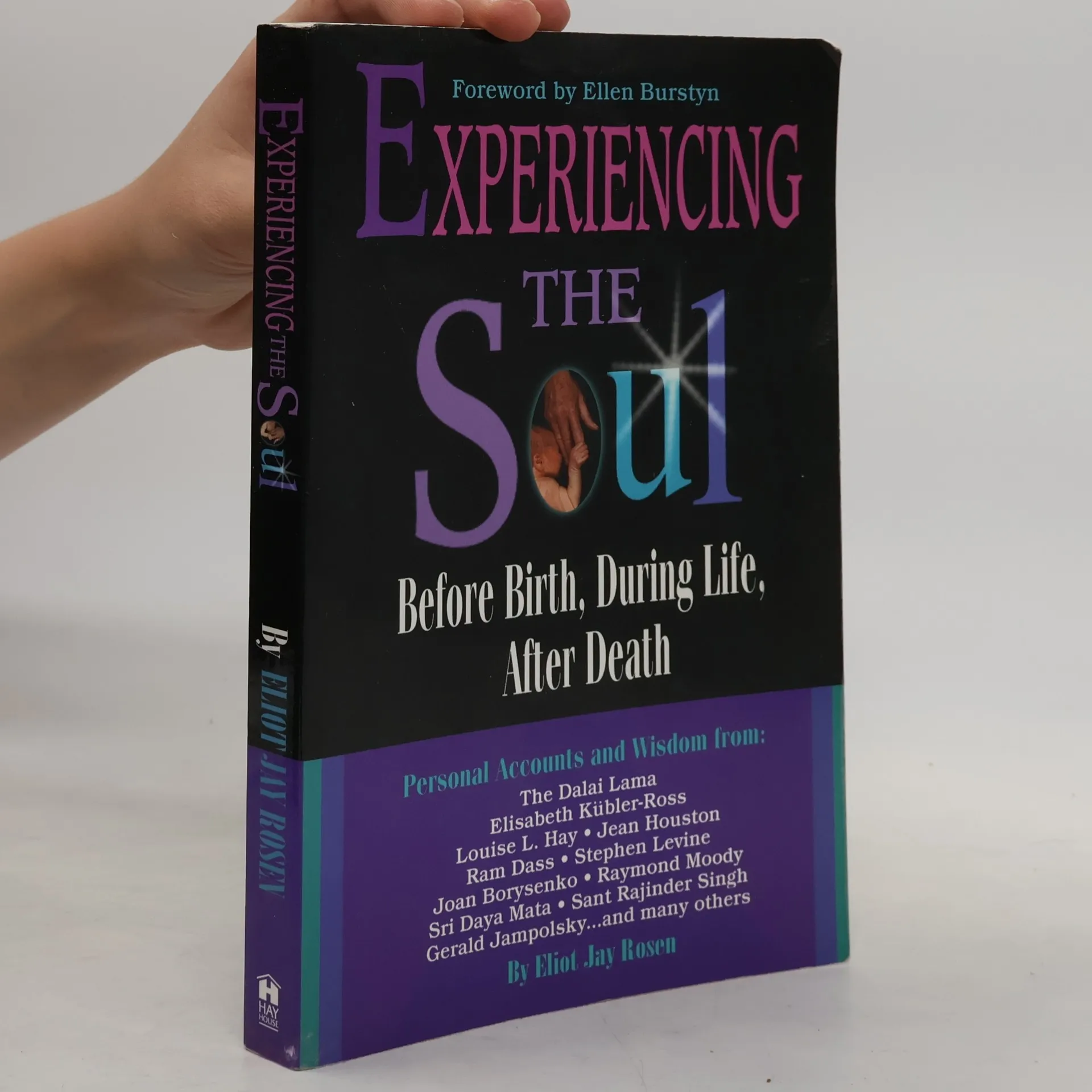
Explores the many ways one can experience the soul with writings by such spiritual leaders, teachers, and scientific researchers as The Dalai Lama, Ram Dass, Betty J. Eadie, Jean Houston, Raymond Moody, Bill Guggenheim, and Elisabeth Kubler-Ross
Dr. Elisabeth Kubler-Ross has become a powerful moral force throughout the world. Now she has authorized Derek Gill to tell, for the first time, the inspiring story of her life, from her birth in Switzerland- a two-and-a-half pound triplet not expected to live- to the achievement of international acclaim as the world's authority on the care of the dying.
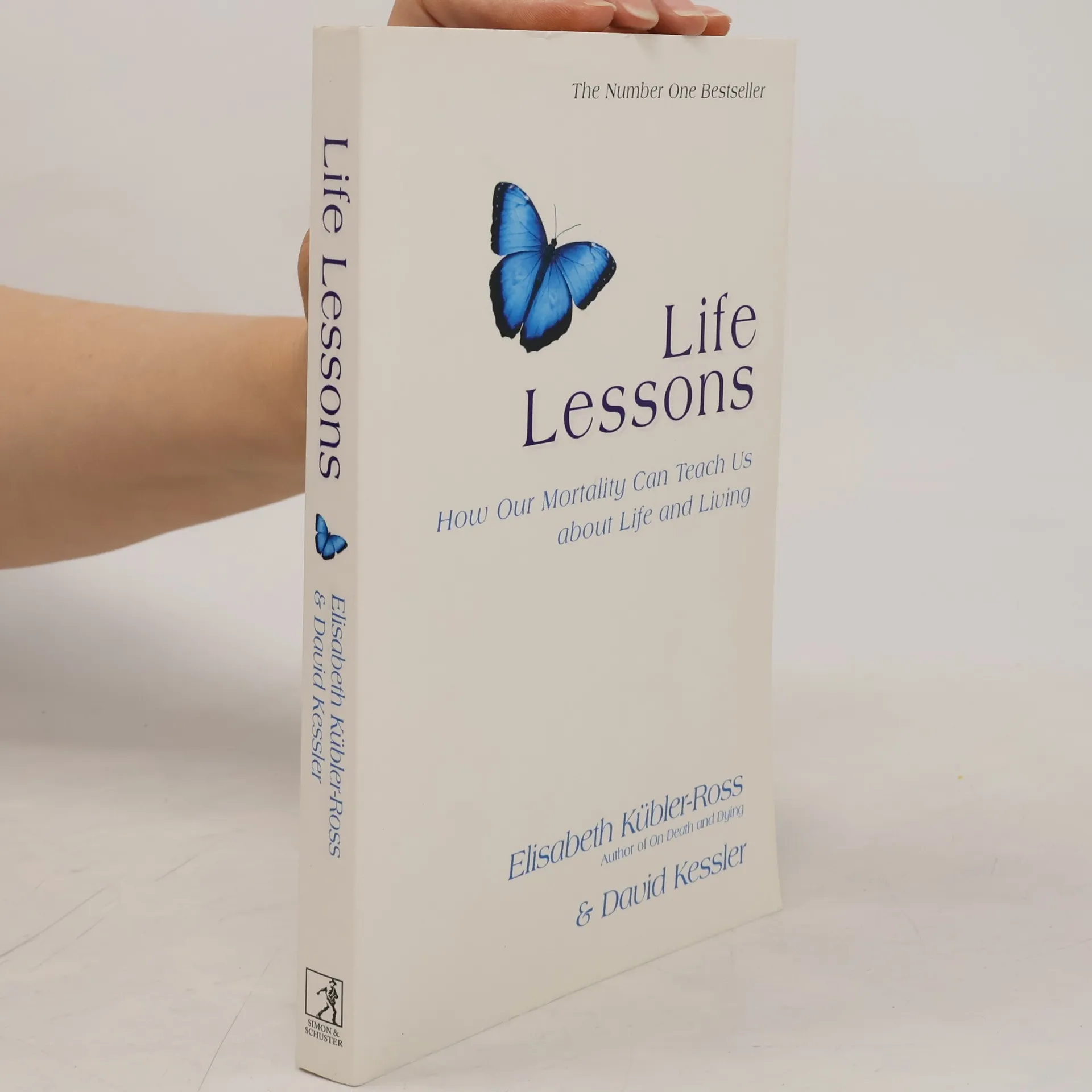
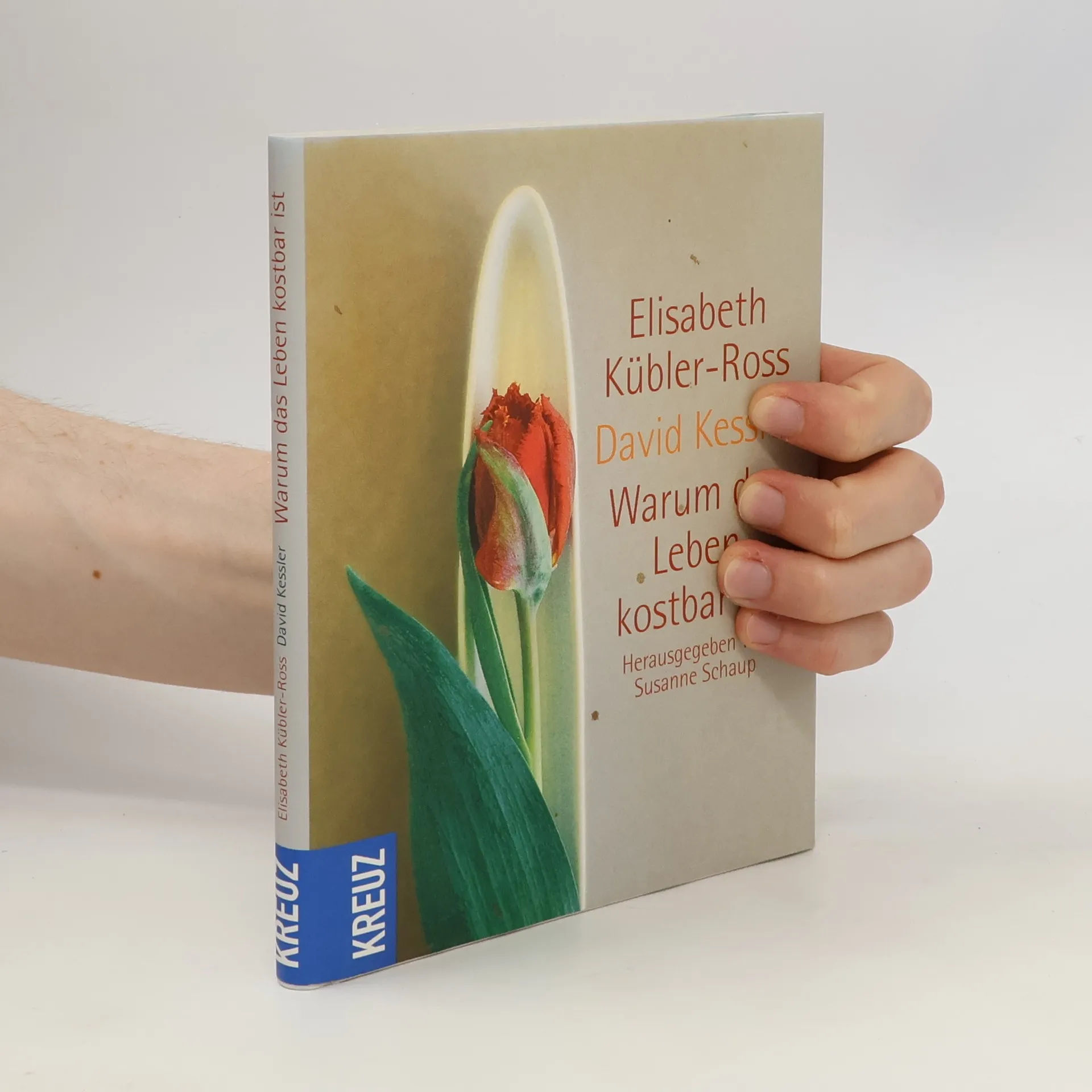
V této knize, která pojednává výhradně o životě a jeho prožívání, spojila Elisabeth Kübler Rossová síly s Davidem Kesslerem – společně nás provázejí řadou praktických i duchovních „životních lekcí“, které musíme zvládnout, abychom dokázali naplno a beze zbytku prožívat každý okamžik svého života. Za léta své práce s umírajícími autoři zjistili, že určité lekce a zkoušky se v lidských životech opakují stále znovu. Často bývá velmi obtížné úspěšně jimi projít – ale dokonce i jen snaha o to, abychom jim porozuměli, pro nás může být velkým přínosem a obohacením. Autoři této knihy ve čtrnácti srozumitelných kapitolách odhalují pravdu o našich obavách, nadějích, vztazích, ale především o velikosti a vznešenosti naší existence.
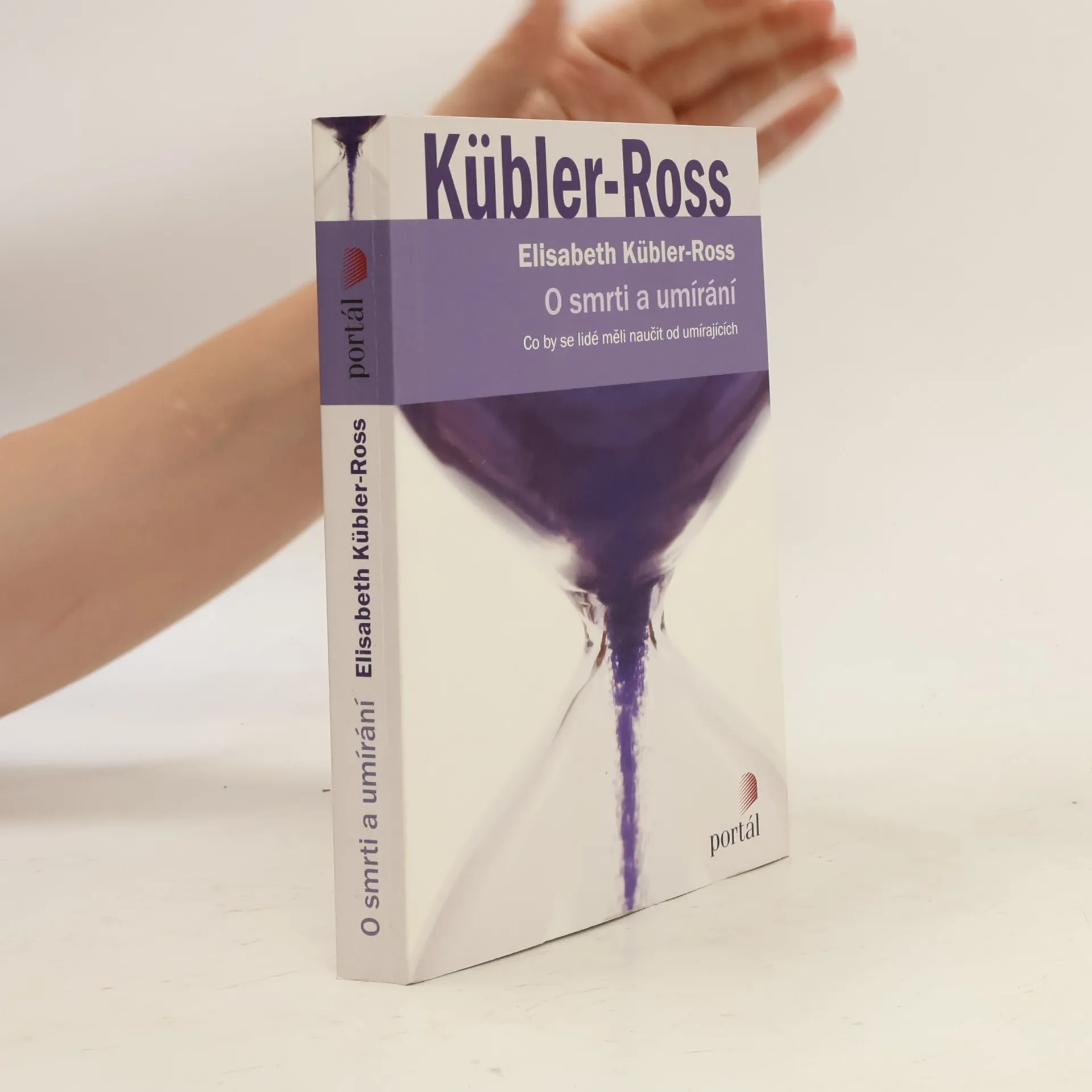
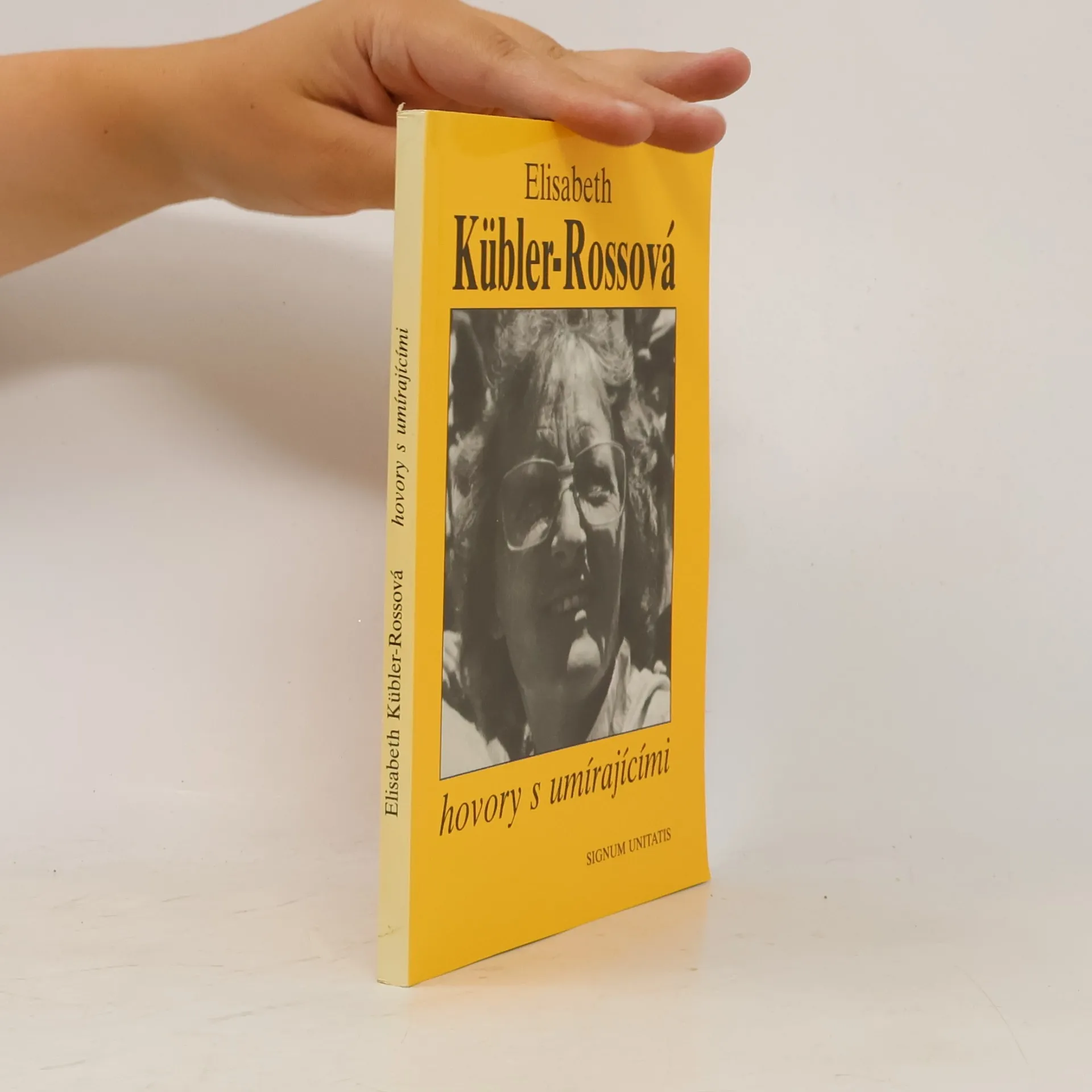
O smrti a umírání je jednou z nejslavnějších psychologických studií konce 20. století, jíž bylo odtabuizováno téma smrti. Jde o autorčinu „vlajkovou loď“, v níž se snaží přinést informace, na základě kterých lze zkvalitnit péči o terminálně nemocné. V knize autorka poprvé představila svůj slavný pětistupňový model vyrovnávání se smrtí (a později jakoukoli tragickou životní událostí), který zahrnuje popírání, zlost, smlouvání, depresi a akceptaci. Na příkladu rozhovorů autorka ukazuje, jak zážitek blížící se smrti ovlivňuje pacienta, profesionály, kteří s ním pracují, i jeho rodinu, přičemž všem se snaží přinést naději, smíření a klid mysli. Kniha, v níž autorka k umírajícím zaujímá partnerský přístup, může sloužit jako etický manuál pro zdravotnické pracovníky.
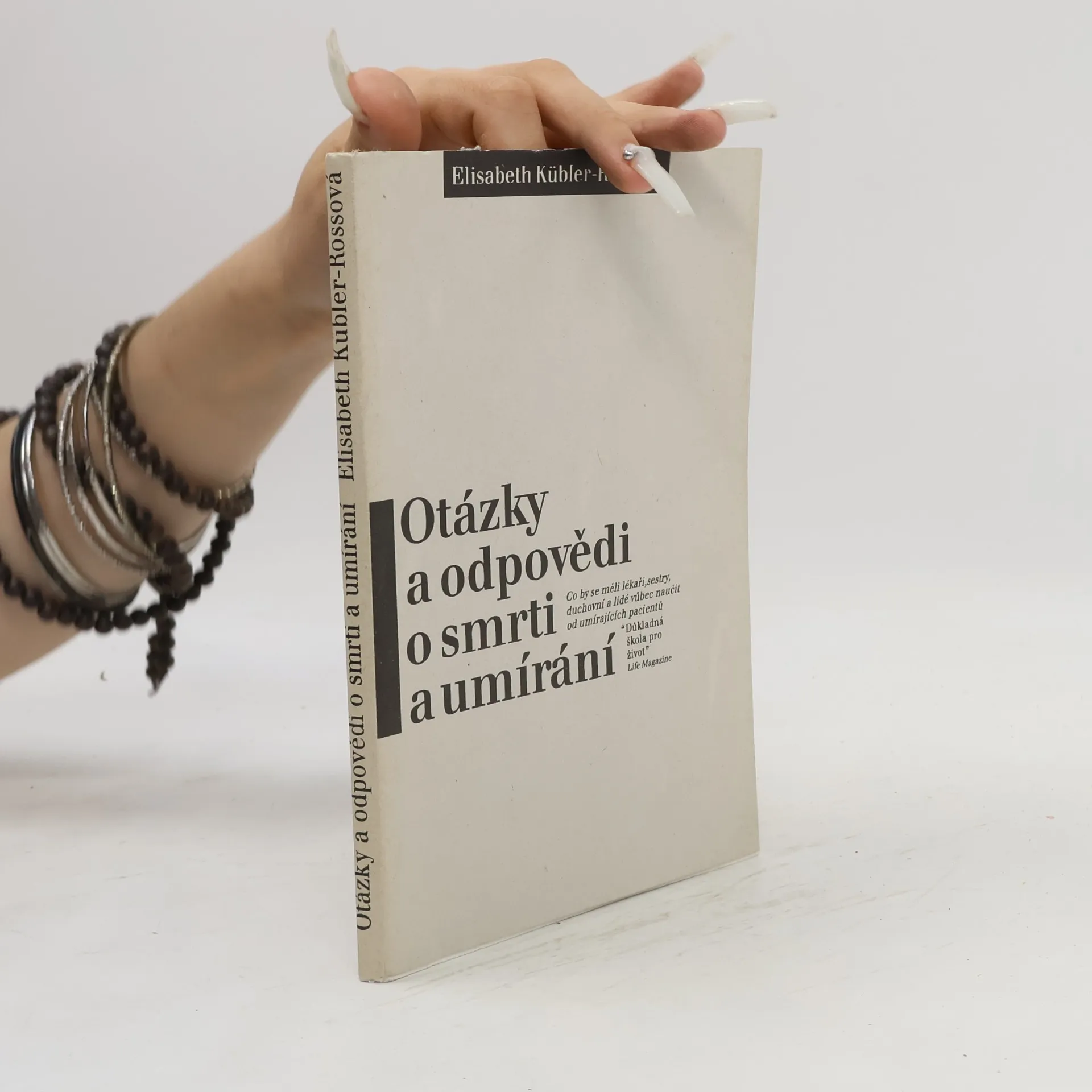
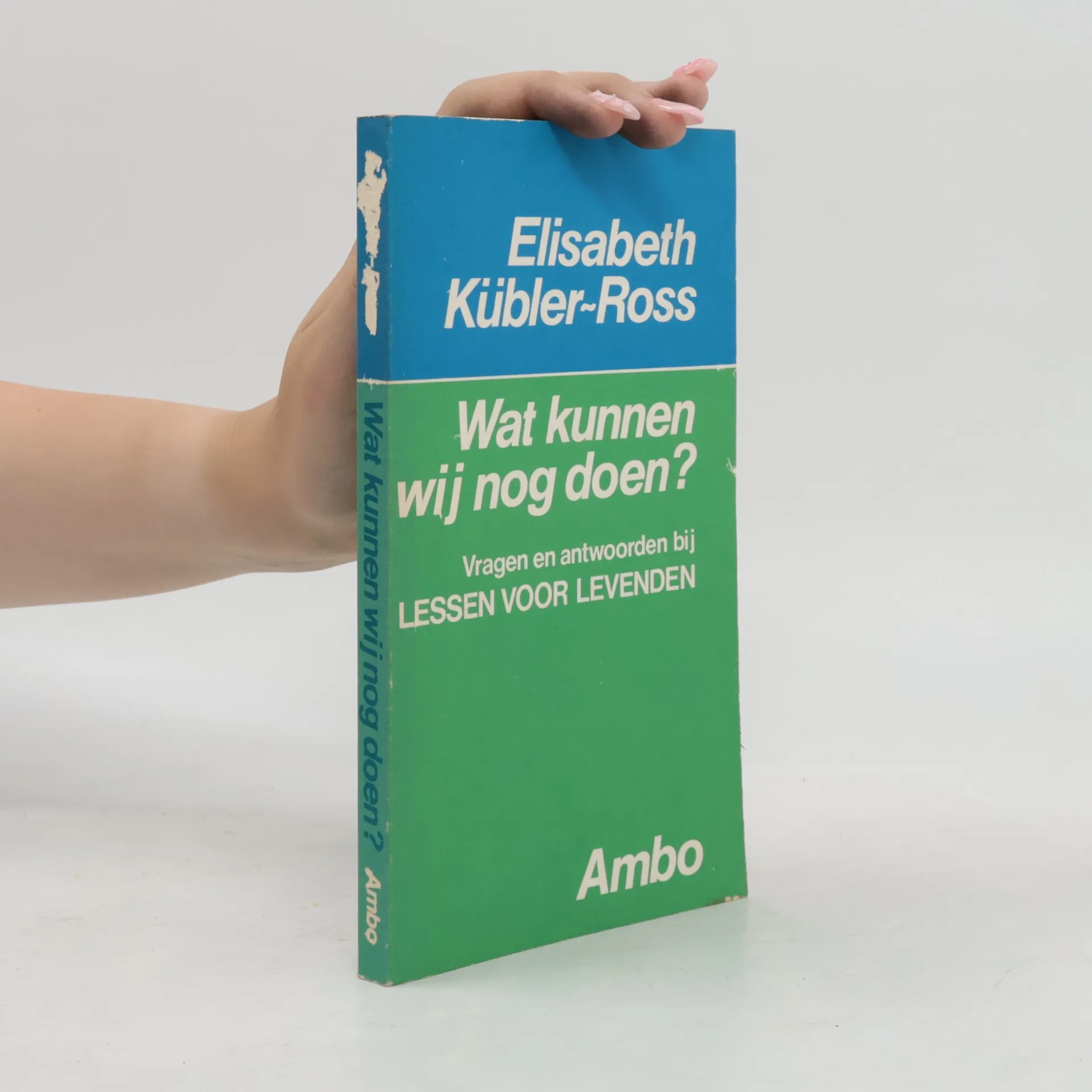
Po nesmírném úspěchu knihy „O smrti a umírání“ byla Elisabeth Kübler-Rossová zvána na stovky seminářů věnovaných péči o vážně nemocné pacienty. Na setkání s ní přicházeli lékaři, sestry, duchovní, sociální pracovníci, řidiči sanitek, pacienti i jejich příbuzní, ale také třeba pracovníci pohřebních ústavů... Knížka „Otázky a odpovědi o smrti a umírání“ je odpovědí na otázky, které autorka na těchto seminářích dostávala nejčastěji.
Knížka je rozdělena do třinácti tematických okruhů a strukturu otázek a odpovědí si důsledně drží; každý tematický okruh je uveden krátkým teoretickým zarámováním. Text je psán lehce a čtivě a díky svému praktickému uspořádání výborně poslouží i lidem, kteří na čtení předešlé knihy, „O smrti a umírání“, nemají dostatek odvahy či trpělivosti.
Otázky a odpovědi o smrti a umírání: co by se měli lékaři, sestry, duchovní a lidé vůbec naučit od umírajících pacientů
-o tom, jak se vyrovnávat s koncem života
-o sebevraždě, terminálním onemocnění a euthanasii
-o tom, jak říci pacientovi, že je vážně nemocen
-o tom, co všechno můžeme pro pacienty udělat
--------------------------------------------------------------------------------
Tragicky smutné bývá umírání člověka, kterého už jeho okolí odepsalo, nikdo se s ním nebaví, nikdo ho nebere vážně a nakonec je poslán do nemocnice - umřít. Nové světlo - vpravdě křesťanské - vnáší do této problematiky autorka tohoto spisu: těžce nemocného a zvláště umírajícího je třeba brát vážně a věnovat mu celou naši pozornost. Jenom tak dáme dozrát jeho osobnosti a jenom tak dozrajeme i sami do větší plnosti lásky.
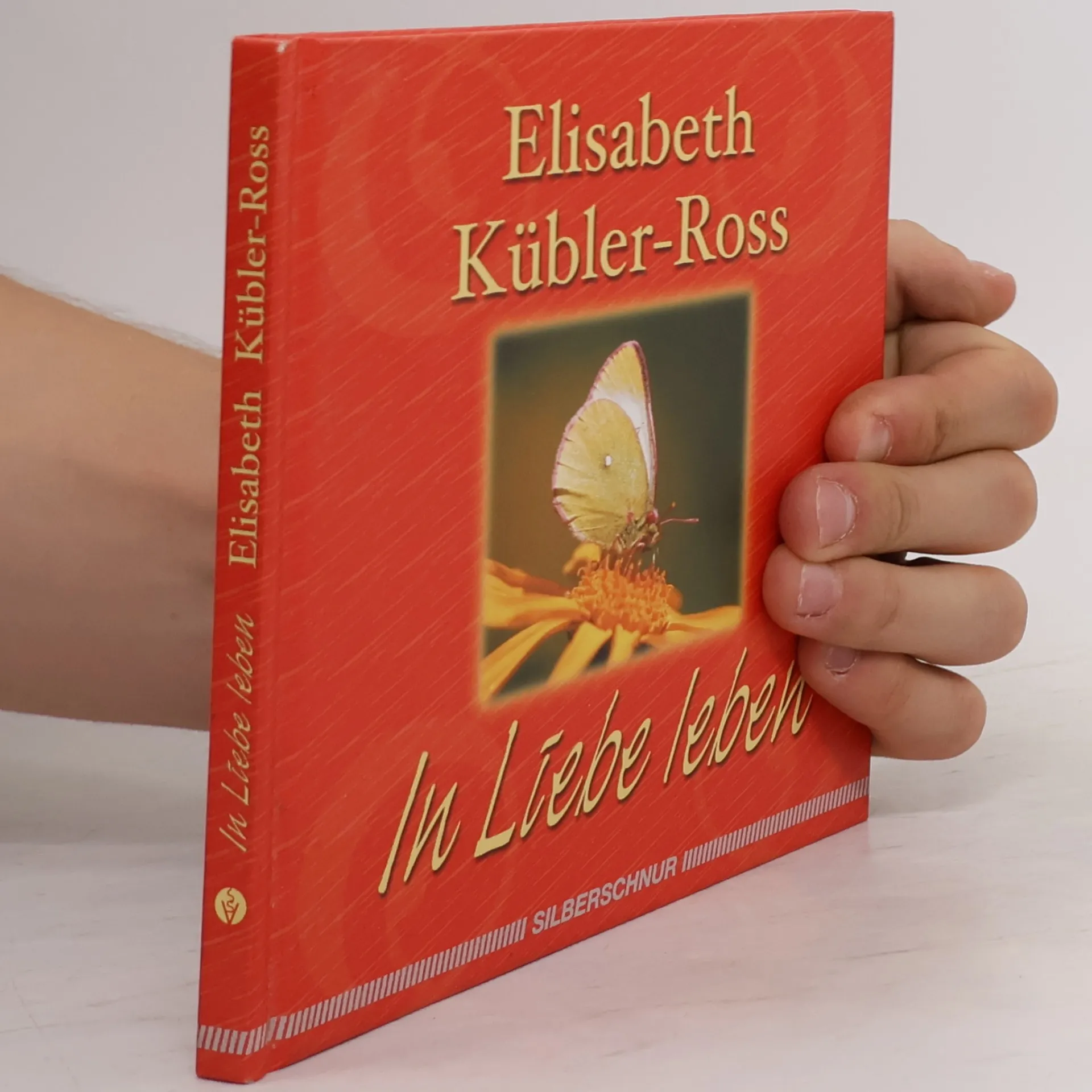
Liebevolle Begleitung für TrauerndeIn Liebe leben ist die Essenz der Erfahrungen und Erkenntnisse der bekannten Ärztin und Sterbeforscherin Elisabeth Kübler-Ross.Durch die Begleitung vieler Sterbender und ihr eigenes außerkörperliches Erlebnis konnte sie Millionen Menschen die Angst vor dem Tod nehmen und ihnen die Bedeutung ihres Erdenlebens vermitteln.Ein lichtvolles, liebevoll illustriertes Büchlein, das Hoffnung und Trost spendet."Ich glaube, es ist jetzt Zeit, dass die Leute wissen, dass der Tod gar nicht existiert, wenigstens nicht so, wie wir uns das vorstellen." Elisabeth Kübler-Ross
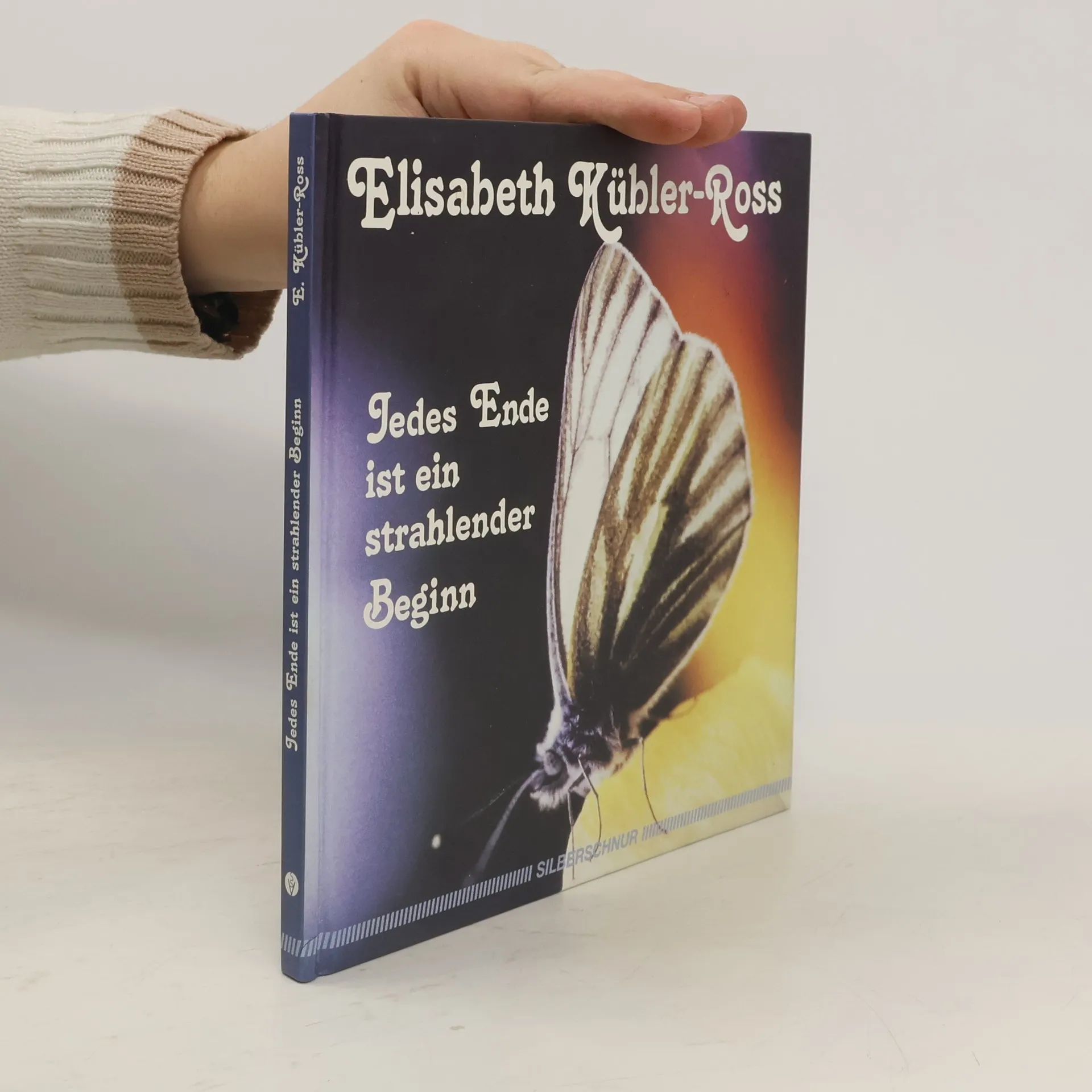
Es gibt kaum jemanden, der sich nicht schon einmal in irgendeiner Form mit dem Tod auseinandersetzen musste. Immer stehen wir dieser Situation mit Traurigkeit und Ohnmacht gegenüber.Die berühmte Ärztin und Sterbeforscherin Elisabeth Kübler-Ross offenbart uns, wie nach dem Tod ein strahlendes Leben beginnt."Der Tod ist nur ein Ablegen des irdischen Körpers, so wie ein Schmetterling aus seinem Kokon schlüpft."Einzigartig und einmalig zeigt Elisabeth Kübler-Ross, dass das Ende tatsächlich der Anfang von etwas Wunderbarem ist.
Das berührende Buch der weltberühmten Sterbeforscherin
Die berühmte Sterbeforscherin und Ärztin Elisabeth Kübler-Ross fasst hier die Erkenntnisse aus ihrer lebenslangen Forschung zusammen: Spannend und berührend vermittelt sie auf einfühlsame Weise, dass der Tod seinen Schrecken verliert, wenn er ganz selbstverständlich das Leben begleitet. Wer sein Ende im Blick behält, stellt sich auch eher den Fragen nach einem erfüllten und selbstverantworteten Leben.
Elisabeth Kübler-Ross ist die unumstrittene Expertin zum Thema Sterbebegleitung. Mit ihren klugen und warmherzigen Texten hat sie Millionen von Menschen geholfen, den starken und widersprüchlichen Gefühlen in den Wochen des Abschieds zu begegnen. Dieses Buch versammelt ihre stärksten und wichtigsten Texte.
Elisabeth Kübler-Ross, Mitbegründerin der Hospiz-Bewegung, vermittelt in ihrem Buch die Bedeutung der Liebe und wie sie uns durch die Auseinandersetzung mit unseren Schattenseiten zu einem ehrlichen Leben führen kann. Ihre Lehren zur Sterbebegleitung und bedingungslosen Liebe berühren tiefere Facetten unserer Seele.
Správy z druhého sveta sú výberom fascinujúcich príbehov o mimozmyslovom vnímaní. Poodkrývajú závoj medzi naším svetom a tajuplným svetom mŕtvych. Vydanie prvé
Der Bestseller der weltberühmten Ärztin und Sterbeforscherin lüftet den Schleier des Todes und beschreibt, was die Toten kurz vor ihrem Tod erblicken. „Ich habe viele Jahre lang den Tod erforscht, und ich habe nicht den Schatten eines Zweifels, dass er wundervoll sein wird.“
Meisterhaft versteht es die Autorin hier, dem Tod sein schreckliches Gesicht zu nehmen, womit sie vielen Trost spendet und Hoffnung weckt.
Sterbende haben eine eigene Sprache. Vieles wird von ihnen nur noch indirekt ausgedrückt, beispielsweise durch Gesten oder Blicke und vor allem bei Kindern auch durch Zeichnungen. Die berühmte Sterbeforscherin Elisabeth Kübler-Ross beschreibt die Muster dieser symbolischen Sprache und hilft damit, die Ängste und die letzten Wünsche von Sterbenden zu verstehen. Ein wichtiges Buch für alle, die Menschen beim Sterben begleiten ? ob in der Familie oder als Teil ihres Berufes.
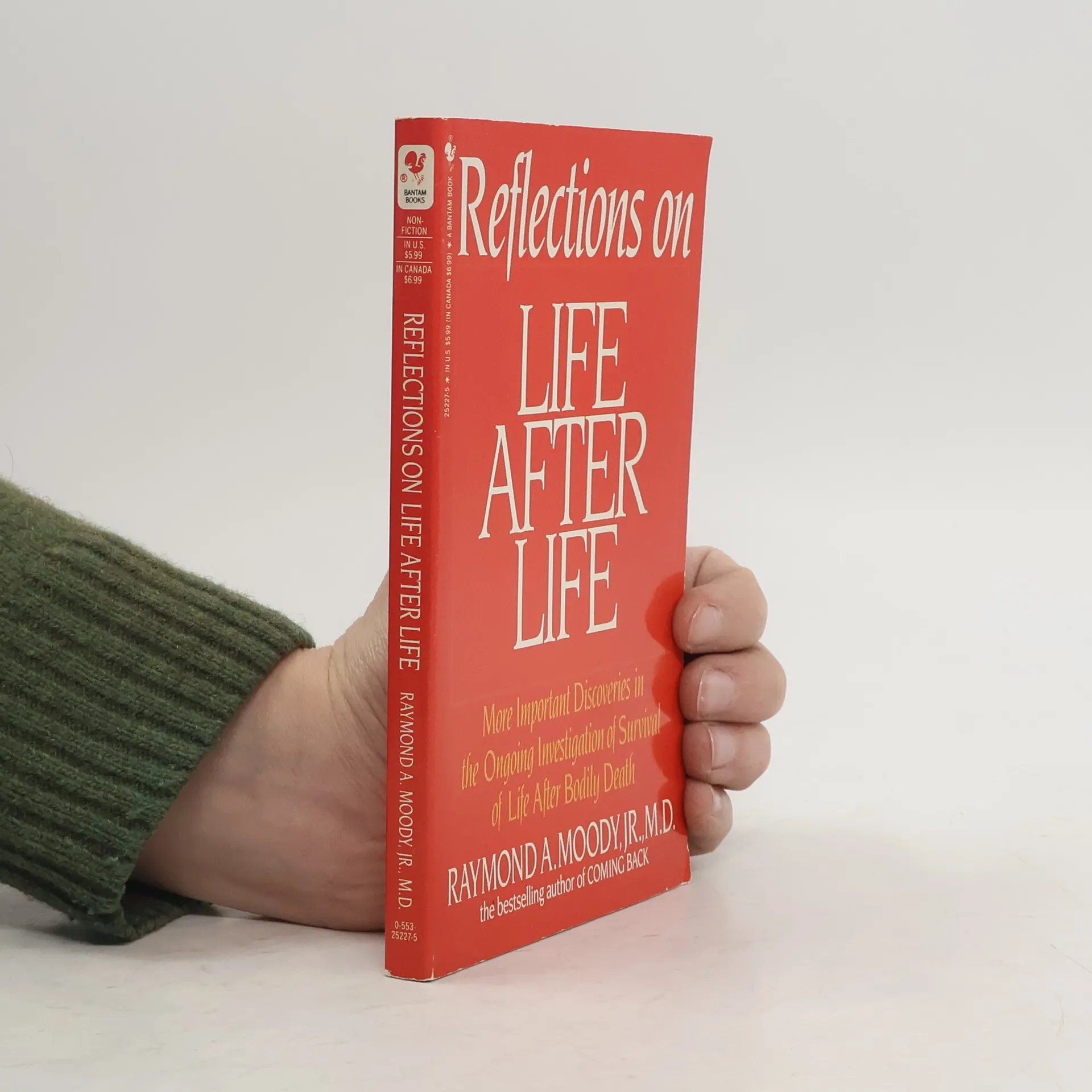
In the companion volume to Life After Life, Moody has uncovered more exciting evidence that suggests life after death actually exists. Reveals surprising new elements of near-death phenomena bringing readers one step closer to unraveling mankind's greatest mystery.
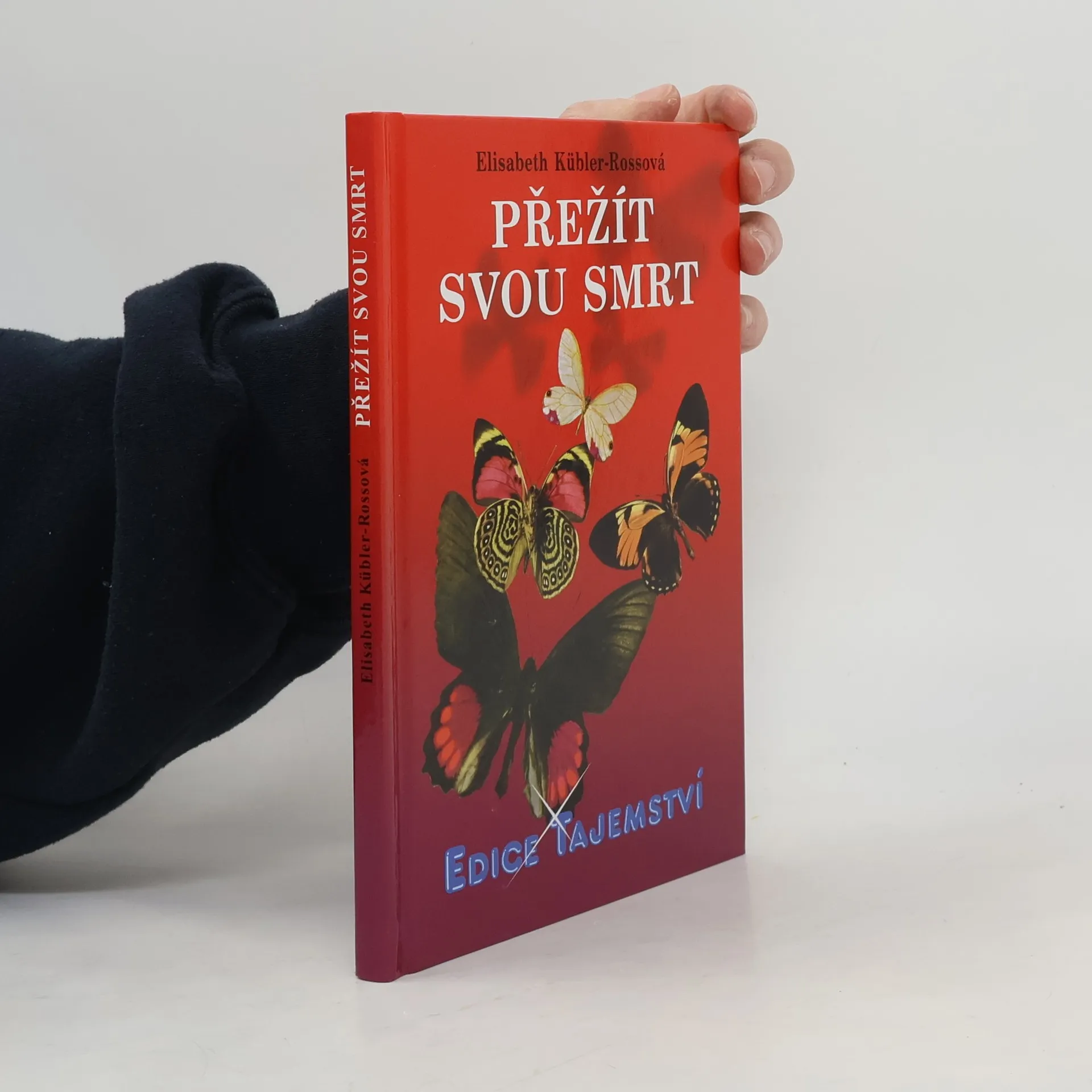
Švýcarská lékařka Elisabeth Kübler-Rossová byla neznámější lékařkou 20. století. Provedla moderní výzkum umírání, návratů z klinické smrti a tří fází transformace psychiky pro takzvanou posmrtnou existenci. Až tento přechod absolvujete, budete příjemně překvapeni, říkala při svých přednáškách. Zformulovala i pět postojů k umírání po oznámení beznadějné diagnózy uznávané současnou vědou i medicínou. Za výzkumnou a terapeutickou práci získala dvacet čestných doktorátů z prestižních univerzit a časopis TIME ji zařadil mezi 100 nejvýznamnějších vědců a myslitelů 20. století. V této knize zodpovídá palčivé otázky týkající se nevyléčitelných nemocí a umírání. Podává návody k zacházení s umírajícími dospělými i dětmi včetně splnění posledních přání a takzvaného smíření se se světem.
Začínala medicínskou práci ve Švýcarsku, později se přestěhovala do USA, kde se stala světoznámou. Ve svém domě poskytovala azyl umírajícím dětem a pacientům s AIDS bez ohledu na barvu jejich pleti, čímž svoje sousedy vyděsila natolik, až její dům lehl popelem…
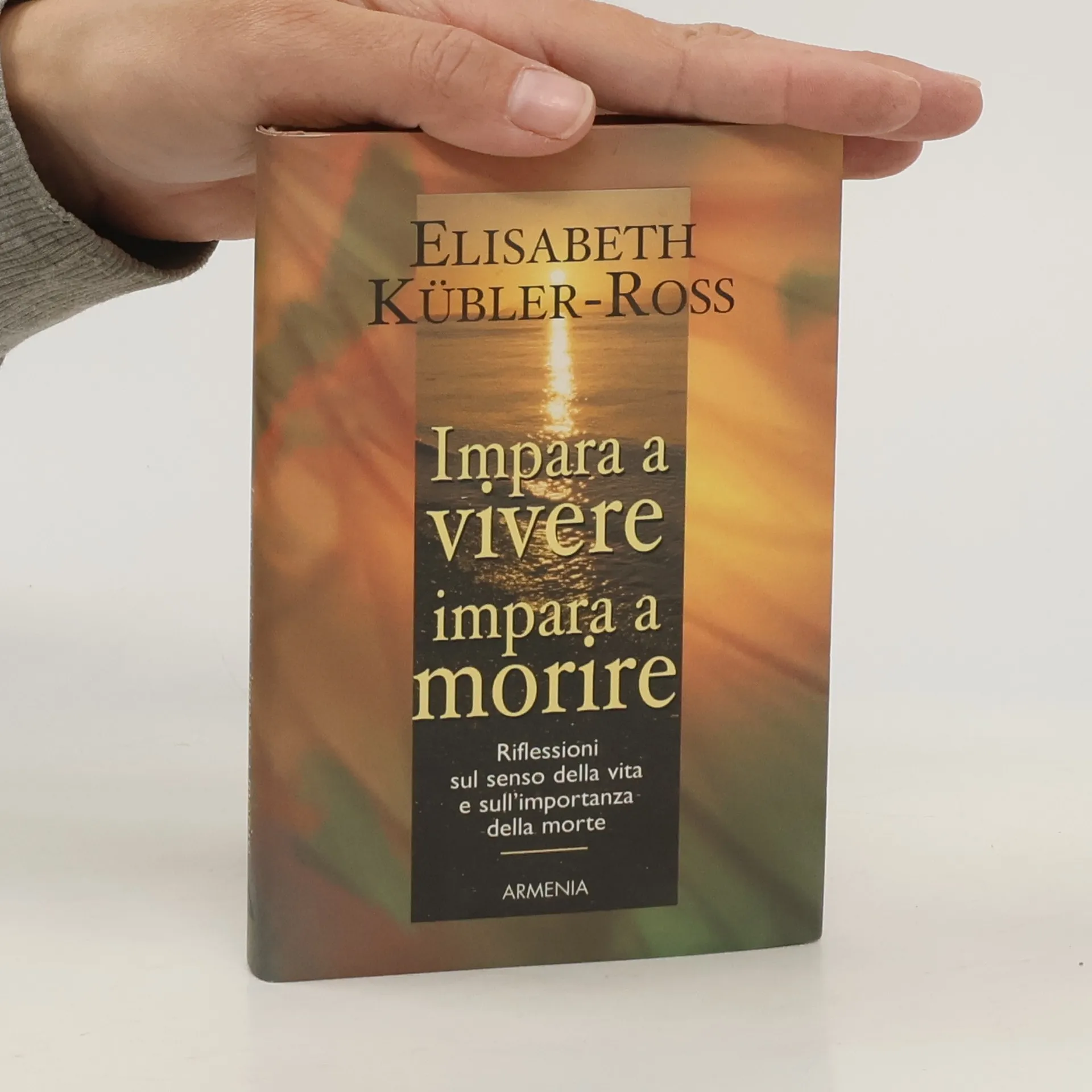
riflessioni sul senso della vita e sull'importanza della morte
125 páginas
5 horas de lectura
Risposte sul tema della vita e della morte. L'autrice e ricercatrice Elisabeth Kübler-Ross ci invita a superare la paura del morire e a trovare un modo per accettare la morte come parte della vita. Attraverso un'intervista toccante, affronta domande fondamentali: come vivere pienamente per affrontare la morte senza timore? Quali aspetti considerare nel supportare i morenti? Come offrire sostegno ai familiari di chi sta per morire o è recentemente deceduto? Quali strategie adottare per affrontare la perdita di una persona cara? La sua profonda riflessione sul morire ci aiuta a vedere la morte come un elemento naturale dell'esistenza. Una volta che la paura del morire svanisce, possiamo vivere liberamente e senza ansia nel presente.
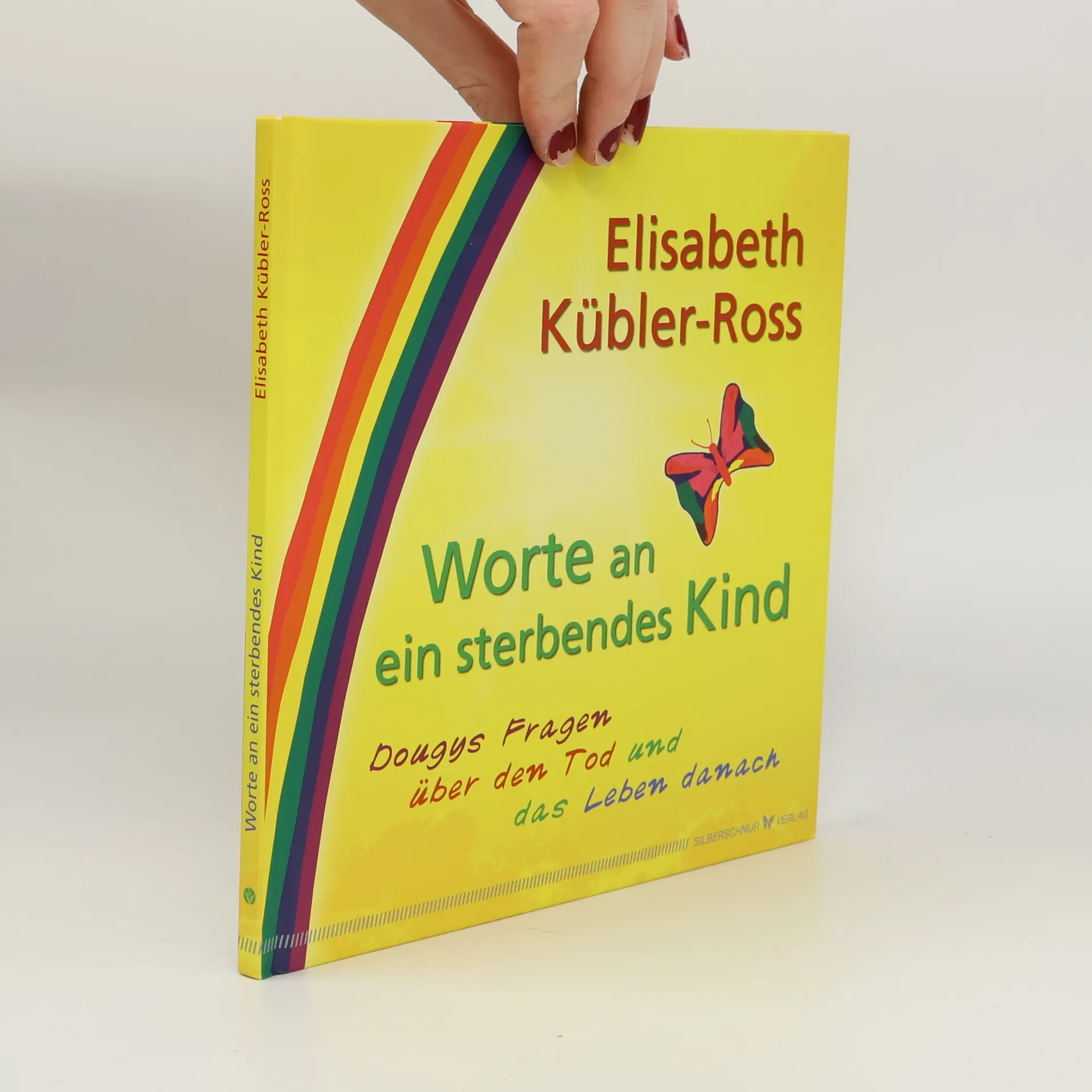
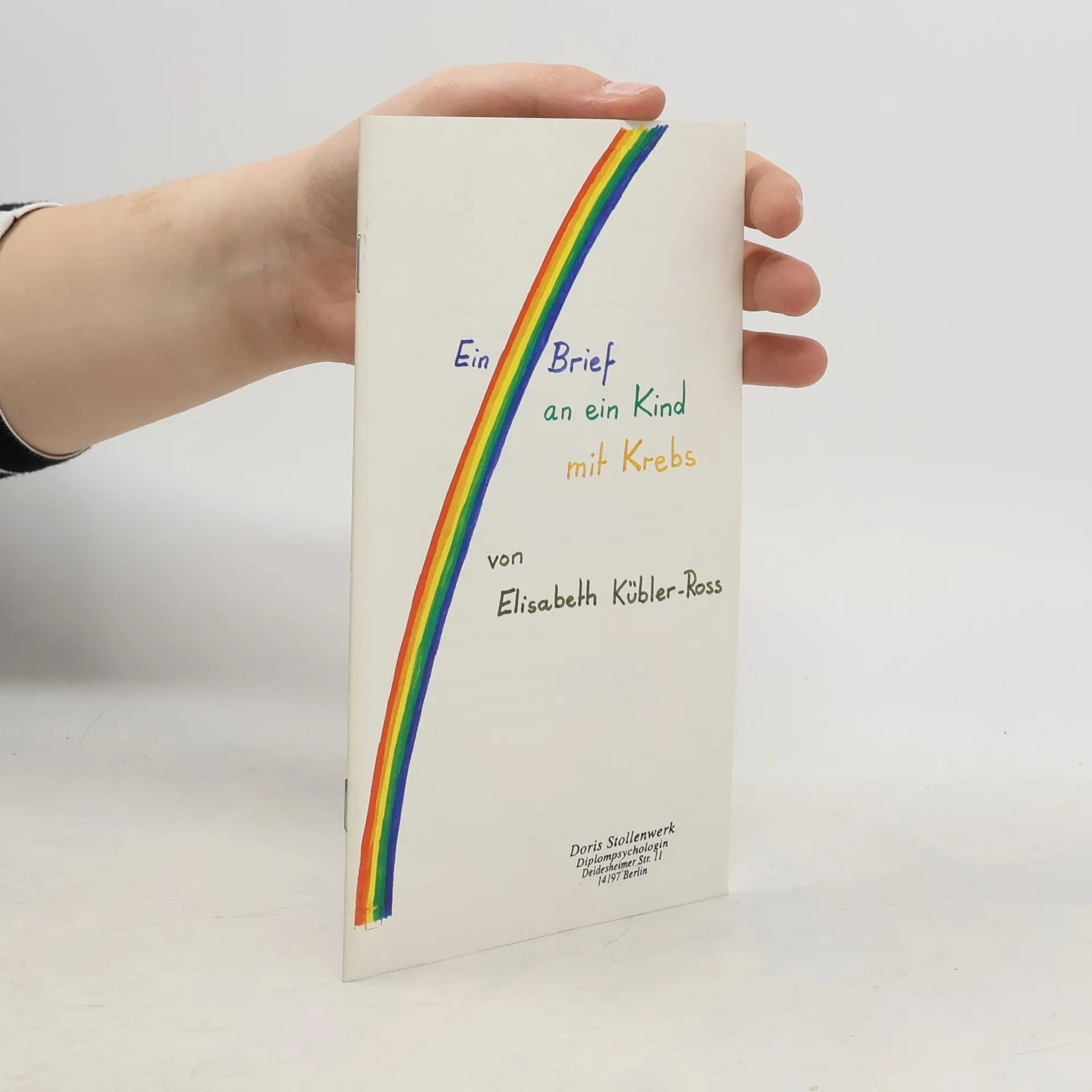
Sterben ist nur ein Umziehen in ein schöneres Haus! Was ist Leben? Was ist Tod? Und warum müssen Kinder sterben? Diese Fragen stellte der neunjährige, an Krebs erkrankte Dougy der berühmten Sterbeforscherin Elisabeth Kübler-Ross. In kindgerechter Sprache als Brief verfasst, mit farbigen Filzstiften geschrieben und liebevoll von Elisabeth Kübler-Ross illustriert, richtet sich ihre Antwort gerade an diejenigen, die noch nicht so lange gelebt haben, um den Sinn des Lebensende anderer – oder wie bei Dougy sogar das eigene frühe Sterben – zu verstehen. Ein ergreifender Brief, der es allen Verlassenen, insbesondere Kindern, ermöglicht, diese allerwichtigsten Lebensfragen besser zu verstehen und dadurch den Schmerz zu lindern.
Elisabeth Kübler-Ross hat durch ihre Arbeit in Amerika und ihre zahlreichen Veröffentlichungen zum Thema 'Tod und Sterben' Weltruhm erlangt. Ihre einfühlsame Auseinandersetzung mit dem Tod hat vielen Menschen geholfen: Wenn der Tod auf selbstverständliche Weise das Leben begleitet, dann verliert er seinen Schrecken und bietet die Chance, sich den Fragen nach einem würdigen, erfüllten und selbstverantworteten Leben zu stellen. Am 8. Juli wäre Elisabeth Kübler-Ross 80 Jahre alt geworden - ein guter Grund, die große Sterbeforscherin mit diesem berührenden Geschenkbuch zu ehren.
Dieses Brevier stellt die prägnantesten Äußerungen aus dem jüngsten Buch von Elisabeth Kübler-Ross, „Geborgen im Leben“ zusammen. Es sind Perlen der Lebensweisheit über Themen wie Authentizität, Liebe, Beziehungen, Trauer, Macht, Angst, Zorn, Vergebung und andere. Was die Autorin an tausenden von Sterbebetten, in ihren Seminaren über Leben, Tod und Übergang, in Gesprächen mit Hilfesuchenden und durch eigene Schicksalsschläge erfahren hat, hat sie hier in wahren Perlen der Lebensweisheit auf den Punkt gebracht. Damit ist die große Sterbeforscherin endgültig zu einer Lehrerin des erfüllten Lebens geworden. Ein handliches Vademecum für alle, die nach Selbstverwirklichung in einem authentischen Leben suchen.
Diesen Brief an den neunjährigen Dougy, für den es keine Hoffnung auf Überleben mehr gab, verfasste Elisabeth, nachdem er ihr geschrieben und ihr folgende Fragen gestellt hatte: „Was ist Leben?. Was ist Tod?. Und warum müssen Kinder sterben?“ „Daraufhin“, wie die Autorin sagte, „lieh ich mir die farbigen Filzstifte meiner Tochter und schrieb ihm einen kleinen Brief mit lesbaren Buchstaben und einfacher Ausdrucksweise. Ich illustrierte ihn und warf ihn in den Postkasten. Er gab ihn nicht nur seinen Eltern zu lesen, sondern auch anderen Eltern mit sterbenden Kindern. Er erteilte uns seine Zustimmung, ihn zu drucken und zu verbreiten, um es damit auch anderen Kindern zu ermöglichen, diese allerwichtigsten Lebensfragen zu verstehen.“ Bisher wurde dieser Dougy-Brief nur tausendfach privat vertrieben. Jetzt endlich kommt der sehr gefragte Brief auch in den Buchhandel.
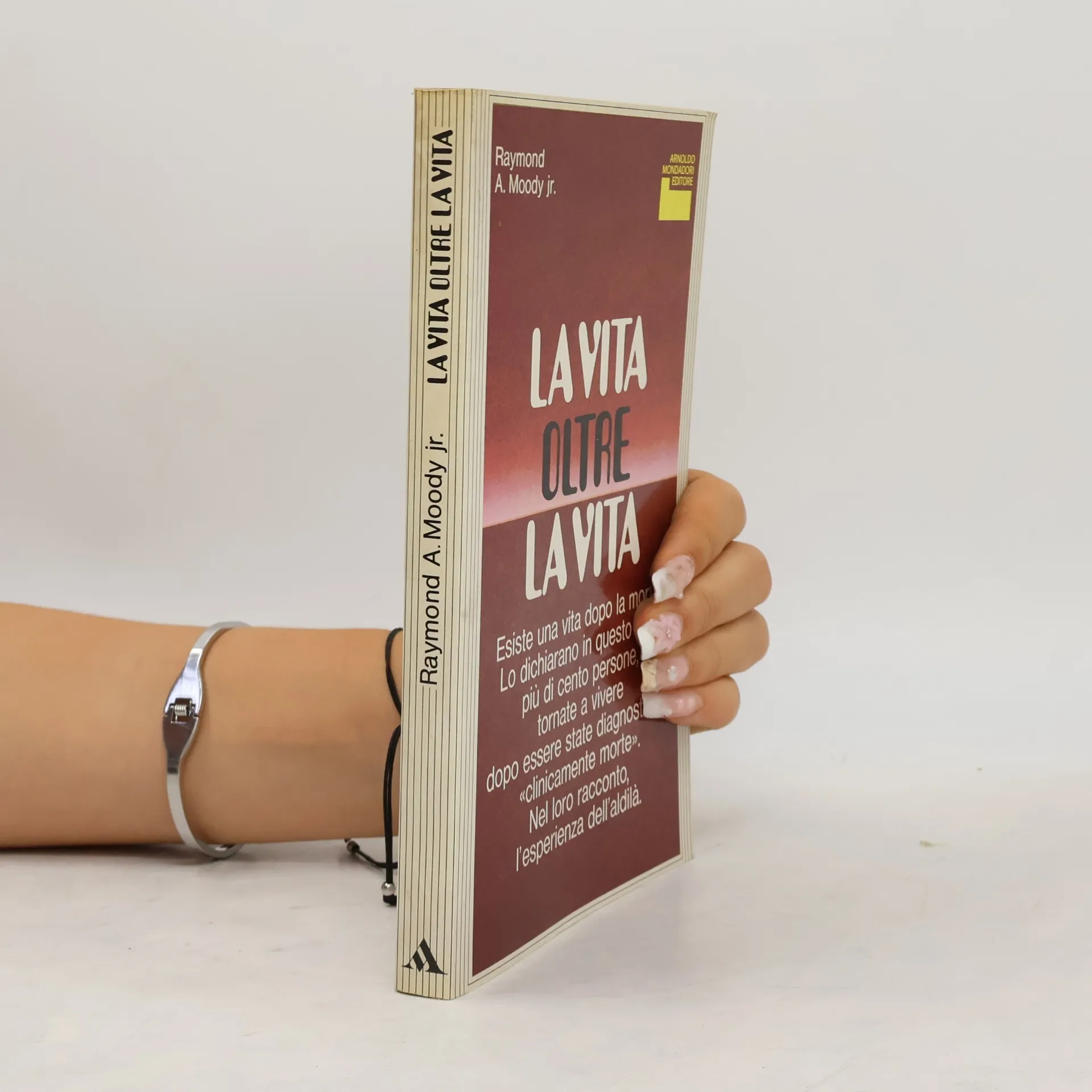
Esiste una vita dopo la vita? In quale forma? A queste domande eterne e inevitabili Raymond A. Moody risponde in modo nuovo, basandosi su racconti e testimonianze di persone che dopo aver "vissuto" la morte hanno potuto riferire le loro esperienze: per molti di loro la condizione di pre-morte ha cambiato profondamente il modo di concepire la propria esistenza, ampliando gli orizzonti di conoscenza e stimolando la riflessione sui fini ultimi dell'uomo. La loro esperienza si configura così come una grande avventura intellettuale e spirituale, all'incrocio fra scienza, religione e filosofia.
Now at age 71, facing her own death, Elisabeth Kübler Ross, world-renowned healer, tells the story of her extraordinary life. Having taught the world how to die peacefully and courageously, she now offers lessons on how to live well. Her story is an adventure of the heart—powerful, controversial, inspirational—a fitting legacy of an extraordinary life.