


Parámetros
- 284 páginas
- 10 horas de lectura
Más información sobre el libro
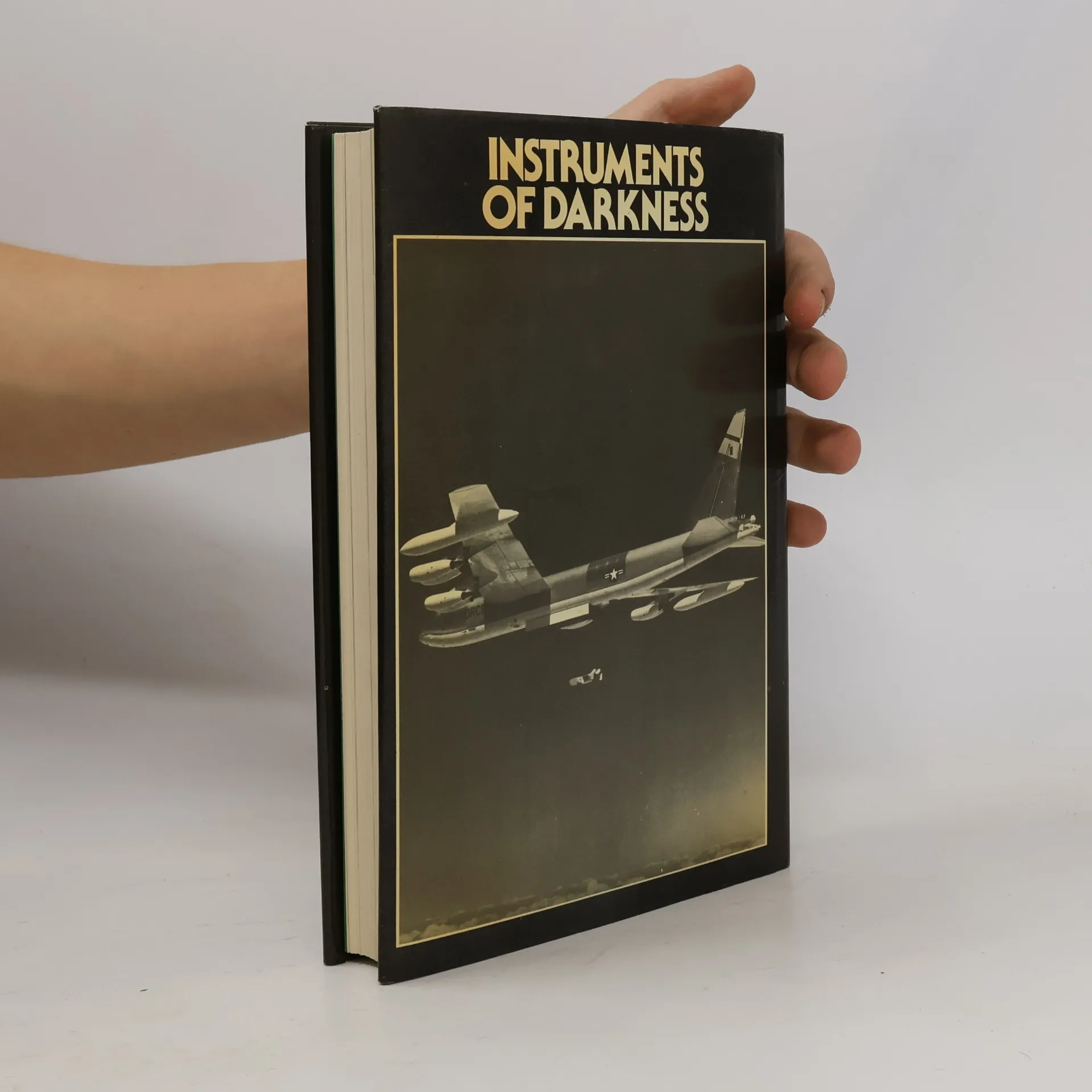
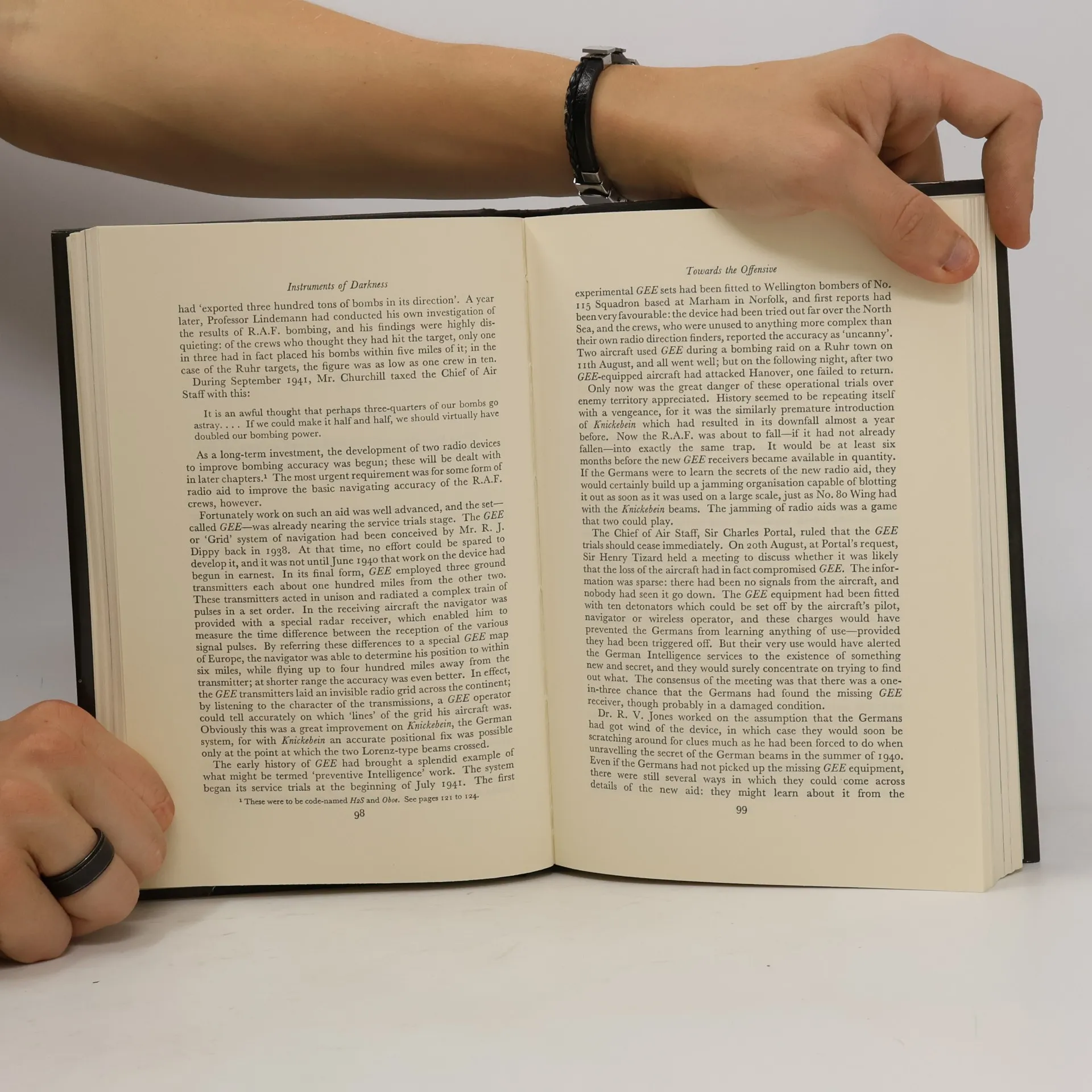
The rapid evolution of military radio and radar systems during World War II, along with countermeasures, sparked a technological battle crucial for both the Axis and Allied powers. This ongoing struggle involved a series of tactical maneuvers as each side sought to gain control. Unique weapons like 'Freya', 'Mandrel', 'Boozer', and 'Window' characterized this conflict, showcasing the bravery and skill of those involved. For many years, the details of electronic-warfare systems remained classified, making them a closely guarded military secret. When the secrecy lifted, the complex technicalities often kept the information out of reach for general readers. Alfred Price, an RAF aircrew officer with expertise in electronic warfare and air tactics, was inspired to explore this underrepresented aspect of the war. His work, first published in 1967, became a standard reference on the topic. This revised edition incorporates new material and concludes with the Japanese surrender in August 1945, providing an updated analysis based on our current understanding.
Idioma

Publicación

Compra de libros
Instruments of Darkness, Alfred Price
- Idioma

- Publicado en
- 1977
- Encuadernación
- (Tapa dura)
Métodos de pago
Nos falta tu reseña aquí
- Título
- Instruments of Darkness
- Subtítulo
- The History of Electronic Warfare
- Idioma
- Inglés
- Autores
- Alfred Price
- Editorial
- Peninsula Publishing
- Publicado en
- 1977
- Formato
- Tapa dura
- Páginas
- 284
- ISBN10
- 035401062X
- ISBN13
- 9780354010627
- Serie
- Categorías
- Etiquetas
- Tema histórico, Ciencia, Periodismo narrativo, Prosa bélica, Guerras, Segunda Guerra Mundial, Tecnología, Radiotécnica
- Título original
- Instruments of Darkness
- Calificación
- 5 de 5
- Descripción
- The rapid evolution of military radio and radar systems during World War II, along with countermeasures, sparked a technological battle crucial for both the Axis and Allied powers. This ongoing struggle involved a series of tactical maneuvers as each side sought to gain control. Unique weapons like 'Freya', 'Mandrel', 'Boozer', and 'Window' characterized this conflict, showcasing the bravery and skill of those involved. For many years, the details of electronic-warfare systems remained classified, making them a closely guarded military secret. When the secrecy lifted, the complex technicalities often kept the information out of reach for general readers. Alfred Price, an RAF aircrew officer with expertise in electronic warfare and air tactics, was inspired to explore this underrepresented aspect of the war. His work, first published in 1967, became a standard reference on the topic. This revised edition incorporates new material and concludes with the Japanese surrender in August 1945, providing an updated analysis based on our current understanding.