

Más información sobre el libro
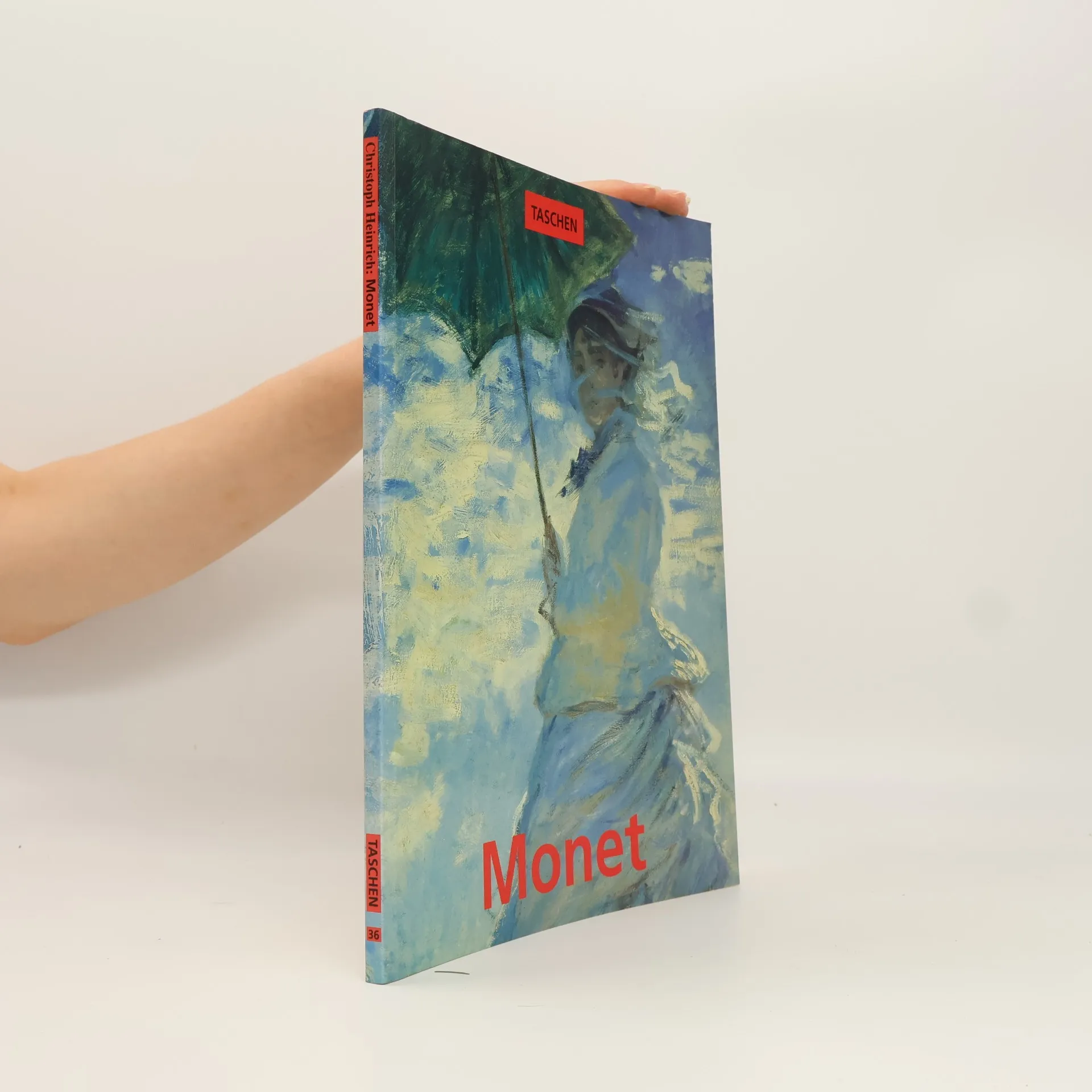
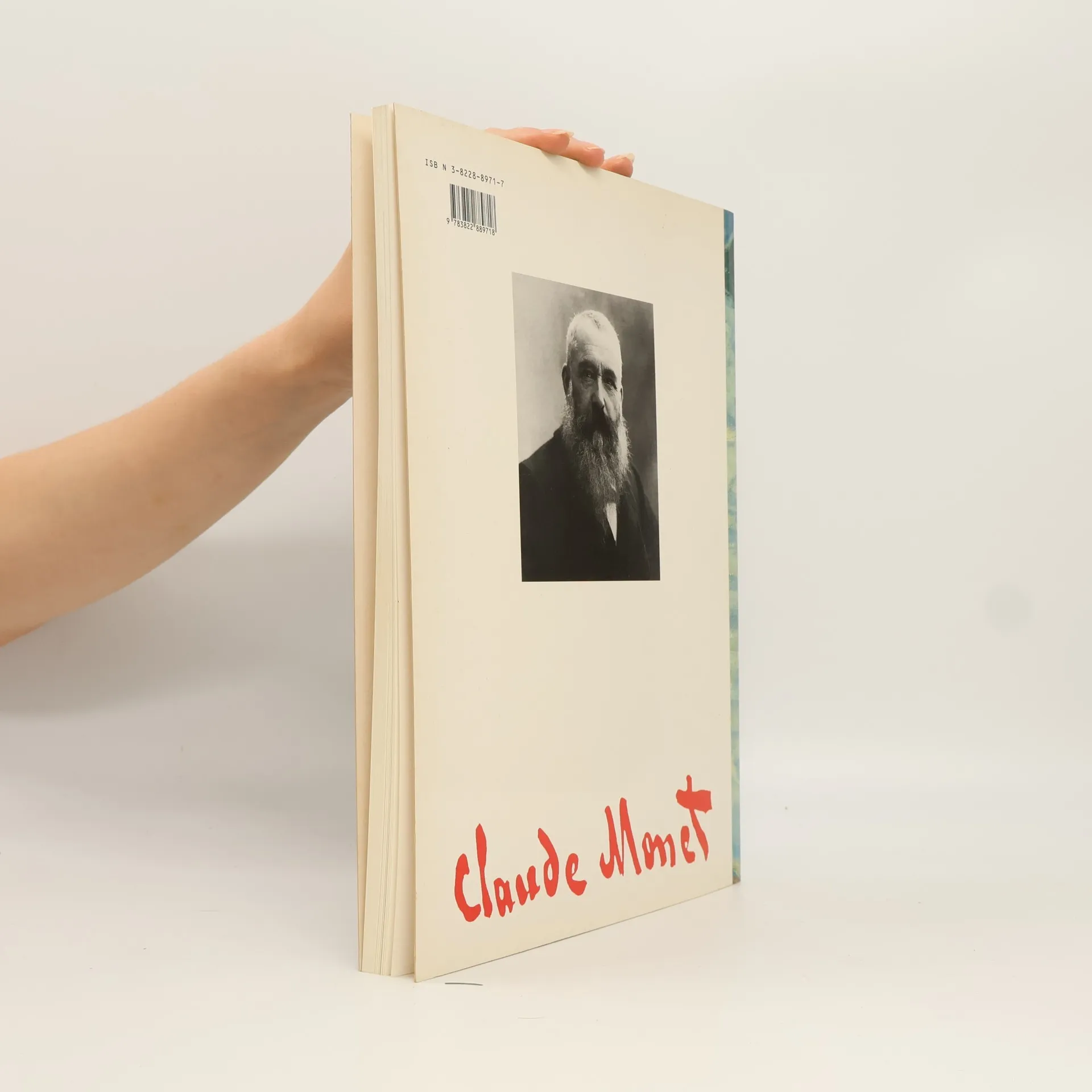
Hailed the "Prince of the Impressionists", Claude Monet (1840-1926) transformed expectations for the purpose of paint on canvas. Defying the precedent of centuries, Monet did not seek to render only reality, but the act of perception itself. Working "en plein air" with rapid, impetuous brush strokes, he interrogated the play of light on the hues, patterns, and contours and the way in which these visual impressions fall upon the eye. Monet's interest in this space "between the motif and the artist" encompassed too the ephemeral nature of each image we see. In his beloved water lily series, as well as in paintings of poplars, grain stacks, and the Rouen cathedral, he returned to the same motif in different seasons, different weather conditions, and at different times of the day, to explore the constant mutability of our visual environment. This book offers the essential introduction to an artist whose works simultaneously reflected upon the purpose of a picture and the passage of time, and in so doing transformed irrevocably the story of art.

Publicación

Compra de libros
Monet, Christoph Heinrich
- Idioma

- Publicado en
- 1994
- Encuadernación
- (Tapa blanda)
Métodos de pago
Nos falta tu reseña aquí
- Título
- Monet
- Idioma
- Inglés
- Autores
- Christoph Heinrich
- Editorial
- Taschen
- Publicado en
- 1994
- Formato
- Tapa blanda
- ISBN10
- 3822889717
- ISBN13
- 9783822889718
- Serie
- Categorías
- Etiquetas
- Tema histórico, Guías y Manuales, Arte, Francia, Historia del arte, Artistas, Impresionismo
- Título original
- Claude Monet
- Calificación
- 4,35 de 5
- Descripción
- Hailed the "Prince of the Impressionists", Claude Monet (1840-1926) transformed expectations for the purpose of paint on canvas. Defying the precedent of centuries, Monet did not seek to render only reality, but the act of perception itself. Working "en plein air" with rapid, impetuous brush strokes, he interrogated the play of light on the hues, patterns, and contours and the way in which these visual impressions fall upon the eye. Monet's interest in this space "between the motif and the artist" encompassed too the ephemeral nature of each image we see. In his beloved water lily series, as well as in paintings of poplars, grain stacks, and the Rouen cathedral, he returned to the same motif in different seasons, different weather conditions, and at different times of the day, to explore the constant mutability of our visual environment. This book offers the essential introduction to an artist whose works simultaneously reflected upon the purpose of a picture and the passage of time, and in so doing transformed irrevocably the story of art.