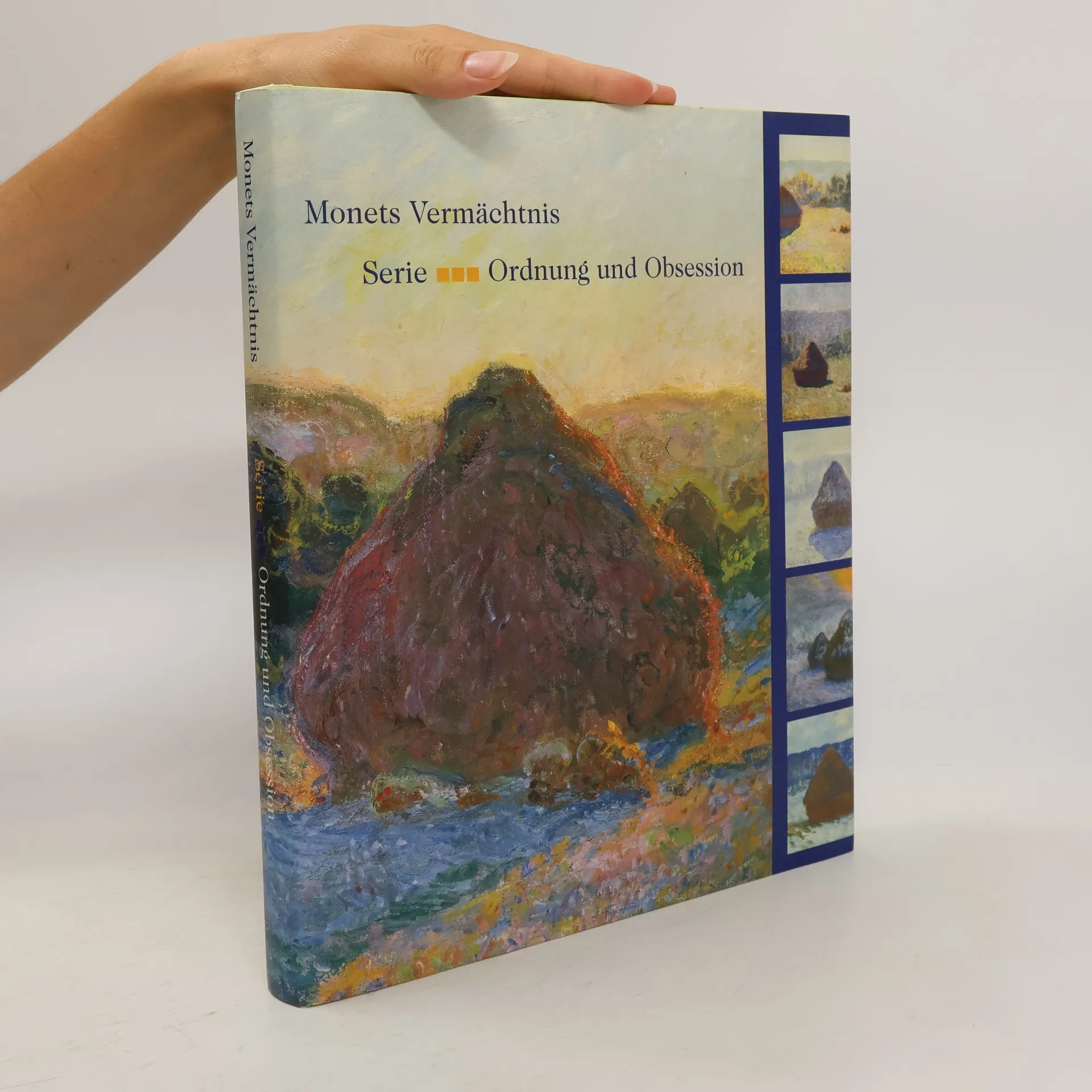
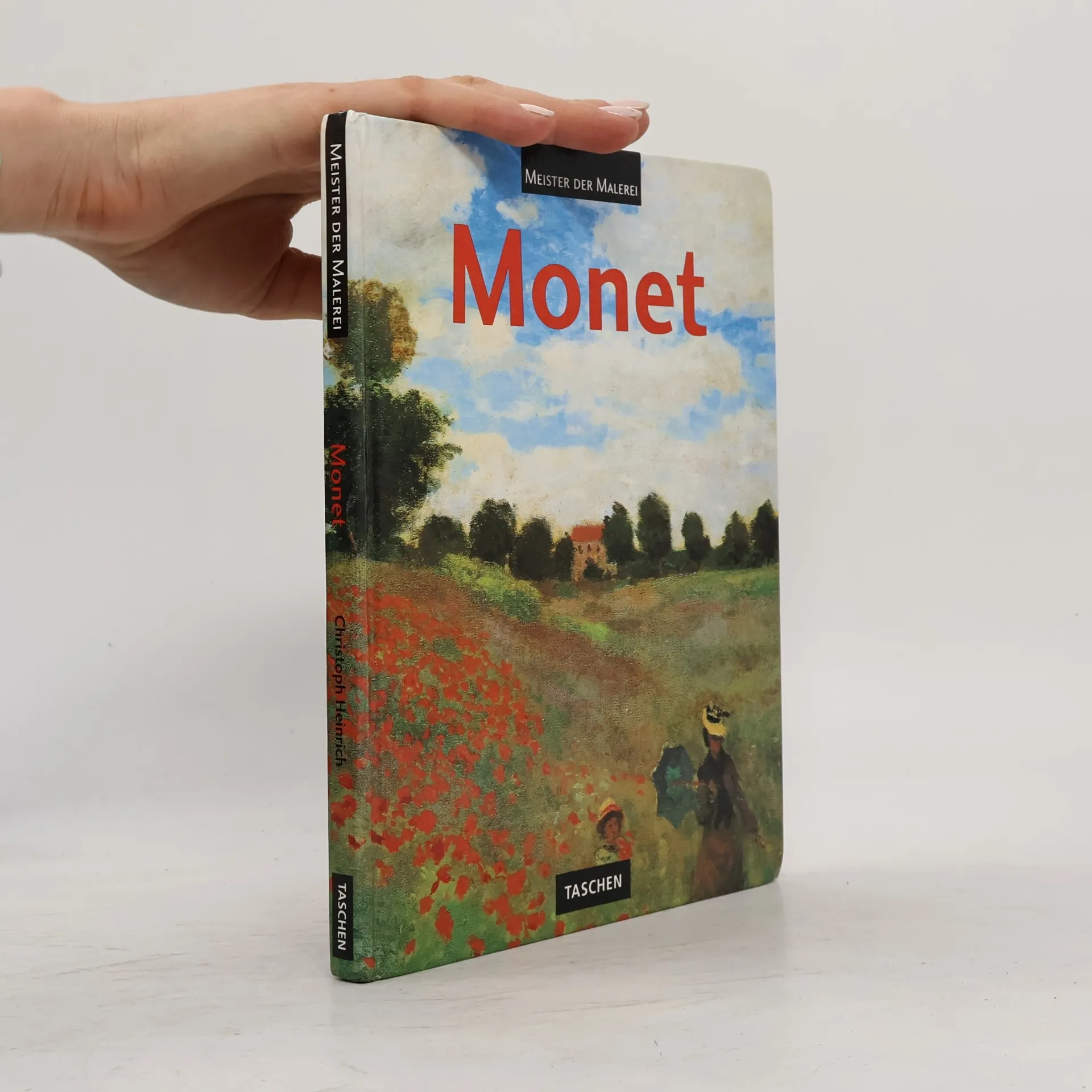
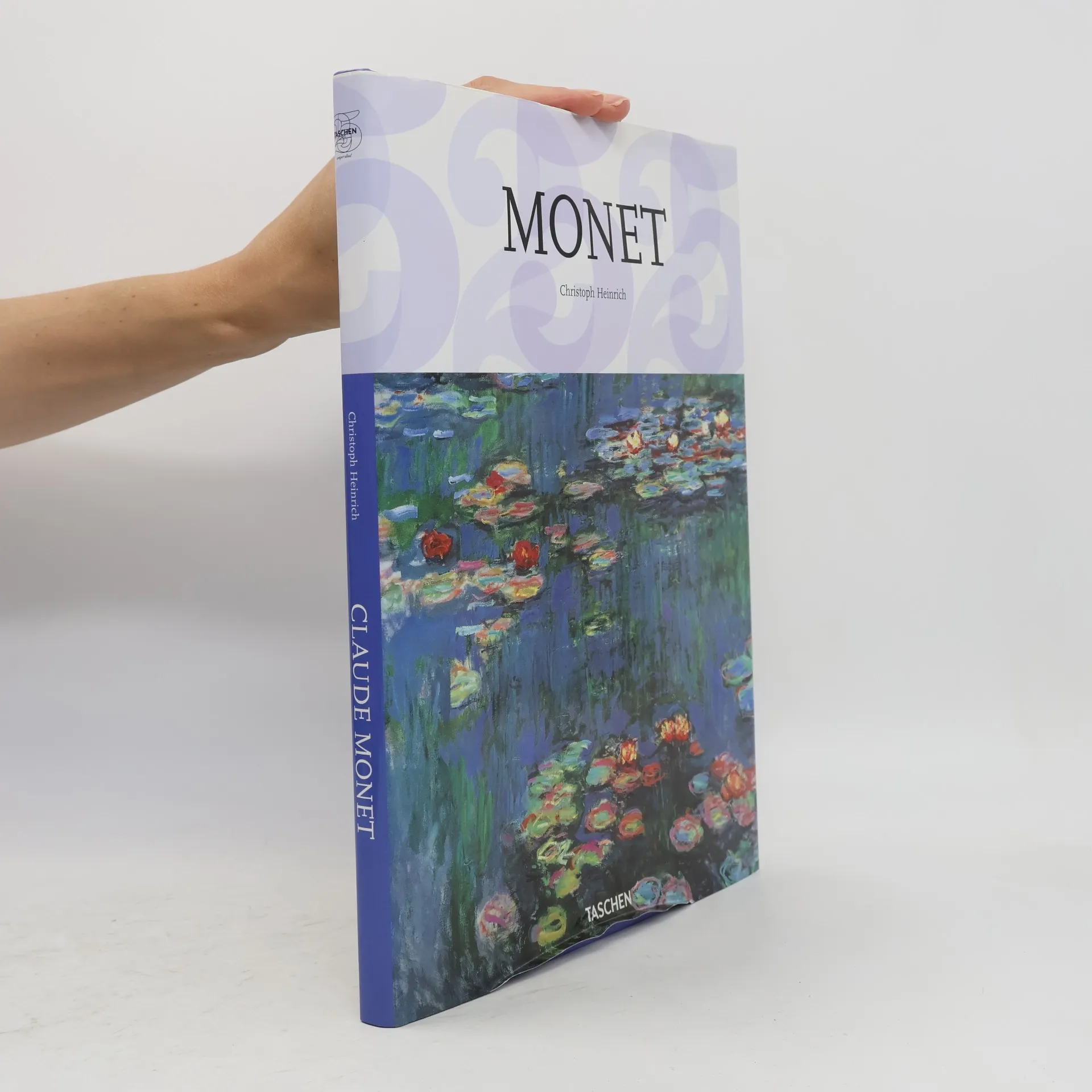
Claude Monet, conocido como el "Príncipe de los Impresionistas", rompió con las convenciones al capturar no solo la realidad, sino también el acto de la percepción. A través de pinceladas rápidas "en plein air", exploró cómo la luz transforma colores y formas. Este libro ofrece una introducción a su obra y reflexiones sobre el arte y el tiempo.
Claude Monet bol maliarom jasného denného svetla, maliarom neba, snehu, mrakov. Bol prvým maliarom, ktorý maľoval takmer jednofarebne biele obrazy. Je slávnym predstaviteľom impresionizmu. Obraz Dojem (Impresia) – Východ slnka – ranná nálada v prístave LeHavre dala dokonca novému hnutiu meno.
»Realität – das ist, wo unsere Träume herkommen. Ich würde sagen, dass die Malerei die Fortsetzung der Realität ist, nicht des Traums.« Daniel Richter Seit den 1990er Jahren prägt Daniel Richter die Malerei in Deutschland; er studierte bei Werner Büttner in Hamburg, war Assistent von Albert Oehlen und lehrt heute selbst an der Akademie der bildenden Künste in Wien. Zunächst entstanden abstrakte Gemälde, deren farbiger psychedelischer Kosmos sich zwischen Graffiti und Ornament bewegte. Zum Jahrtausendwechsel mischen sich figurative Elemente in seine Arbeiten, die bald zu vollends gegenständlichen Motiven werden. In seinen großformatigen Ölgemälden verschränkt Richter (*1962) massenmediale, popkulturelle und kunsthistorische Versatzstücke zu eigenwilligen, erzählerischen Bildwelten. Der international anerkannte, seit einigen Jahren auch auf dem Kunstmarkt höchst erfolgreiche Künstler wird in einem Atemzug mit Maler-Stars wie Neo Rauch und Peter Doig genannt. Anlässlich seiner ersten Einzelausstellung in der Schweiz 2006 jubelte der Schweizer Tages-Anzeiger, Richters Malerei finde »Verdichtungen für ein Lebensgefühl, einen Gesellschaftszustand«, und das mache sie neben aller technischen Bravour zu bedeutender, zu großer Malerei. – Daniel Richter ist einer der wichtigsten zeitgenössischen deutschen Maler – Erster groß angelegter Übersichtsband mit Abbildungen von Arbeiten aus allen Schaffensphasen
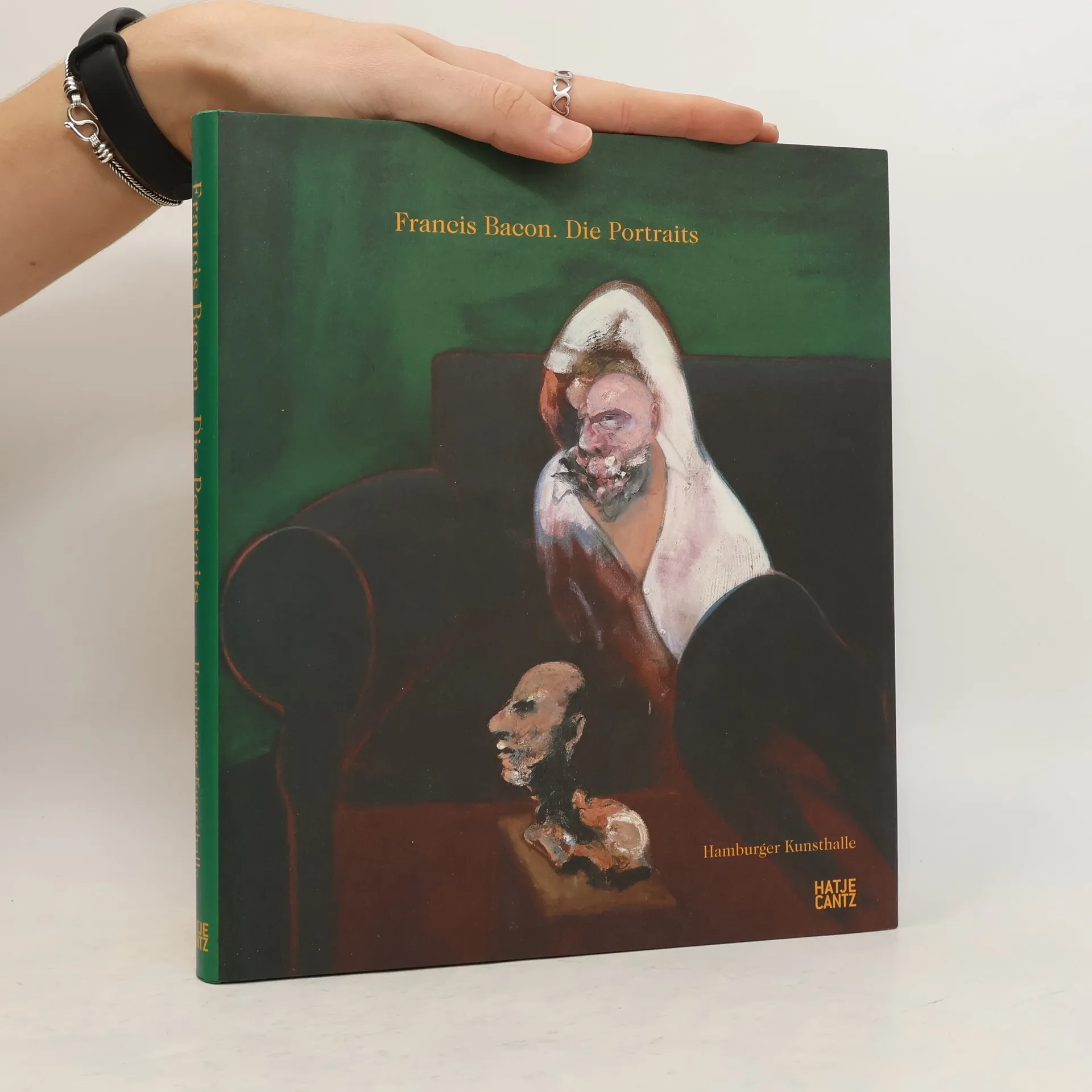
Der moderne Mensch - in seiner existenziellen Zerrissenheit, seiner sozialen Vereinsamung und seiner kreatürlichen Rohheit - steht im Mittelpunkt des malerischen Schaffens von Francis Bacon (1910-1992). Von besonderer Bedeutung sind hierbei die Porträts des Künstlers: die dynamisch aufgebrochenen Selbstbildnisse ebenso wie die von fast brutaler Leidenschaftlichkeit getriebenen Darstellungen seiner Freunde und Künstlerkollegen. Zwischen Abbildung der Natur und surrealistischer Verfremdung entstand so eine einzigartige Galerie des Menschen im Jahrhundert der Moderne. Die Publikation widmet sich erstmals in großer Ausführlichkeit diesem Aspekt im Werk des bedeutendsten englischen Malers des 20. Jahrhunderts und verfolgt die Geschichte seiner Modelle sowie deren ganz unterschiedlichen Beziehungen zum Künstler. Nicht zuletzt werden die von ihm angewandten Verfremdungsverfahren beleuchtet, die jene eindringlich beklemmende Aura schaffen, durch die sich seine Porträts auszeichnen. Ausstellung: Hamburger Kunsthalle 14.10.2005-15.1.2006