



Más información sobre el libro
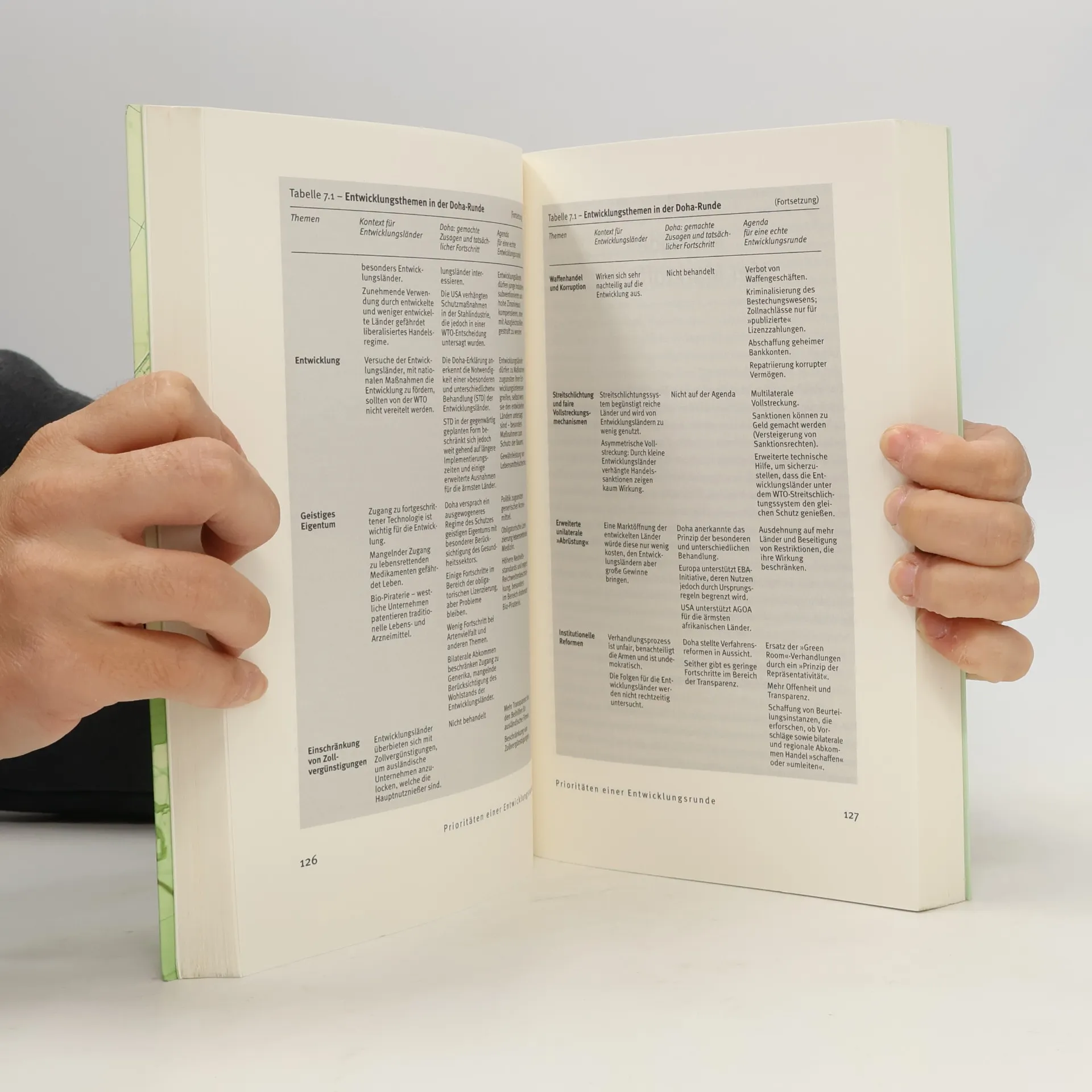
How can the poorer countries of the world be helped to help themselves through freer, fairer trade? In this challenging and controversial book Nobel prize-winning economist Joseph E. Stiglitz and his co-author Andrew Charlton address one of the key issues facing world leaders today. They put forward a radical and realistic new model for managing trading relationships between the richest and the poorest countries. Their approach is designed to open up markets in the interests of all and not just the most powerful economies, to ensure that trade promotes development, and to minimise the costs of adjustments. Beginning with a brief history of the World Trade Organisation and its agreements, the authors explore the issues and events which led to the failure of Cancun and the obstacles that face the successful completion of the Doha Round of negotiations. Finally they spell out the reforms and principles upon which a successful agreement must be based. Accessibly written and packed full of empirical evidence and analysis, this book is a must read for anyone interested in world trade and development.

Compra de libros
Fair Trade, Joseph E. Stiglitz, Andrew Charlton
- Idioma

- Publicado en
- 2006
- Encuadernación
- (Tapa dura),
- Estado del libro
- Bueno
- Precio
- 1,99 €
Métodos de pago
Nos falta tu reseña aquí
- Título
- Fair Trade
- Subtítulo
- Agenda für einen gerechten Welthandel
- Idioma
- Alemán
- Autores
- Joseph E. Stiglitz, Andrew Charlton
- Editorial
- Murmann
- Publicado en
- 2006
- Formato
- Tapa dura
- Páginas
- 384
- ISBN10
- 3938017635
- ISBN13
- 9783938017630
- Serie
- Categorías
- Etiquetas
- Tema histórico, Comercio, Política
- Título original
- Fair trade for all
- Calificación
- 3,65 de 5
- Descripción
- How can the poorer countries of the world be helped to help themselves through freer, fairer trade? In this challenging and controversial book Nobel prize-winning economist Joseph E. Stiglitz and his co-author Andrew Charlton address one of the key issues facing world leaders today. They put forward a radical and realistic new model for managing trading relationships between the richest and the poorest countries. Their approach is designed to open up markets in the interests of all and not just the most powerful economies, to ensure that trade promotes development, and to minimise the costs of adjustments. Beginning with a brief history of the World Trade Organisation and its agreements, the authors explore the issues and events which led to the failure of Cancun and the obstacles that face the successful completion of the Doha Round of negotiations. Finally they spell out the reforms and principles upon which a successful agreement must be based. Accessibly written and packed full of empirical evidence and analysis, this book is a must read for anyone interested in world trade and development.