

Parámetros
- 224 páginas
- 8 horas de lectura
Más información sobre el libro
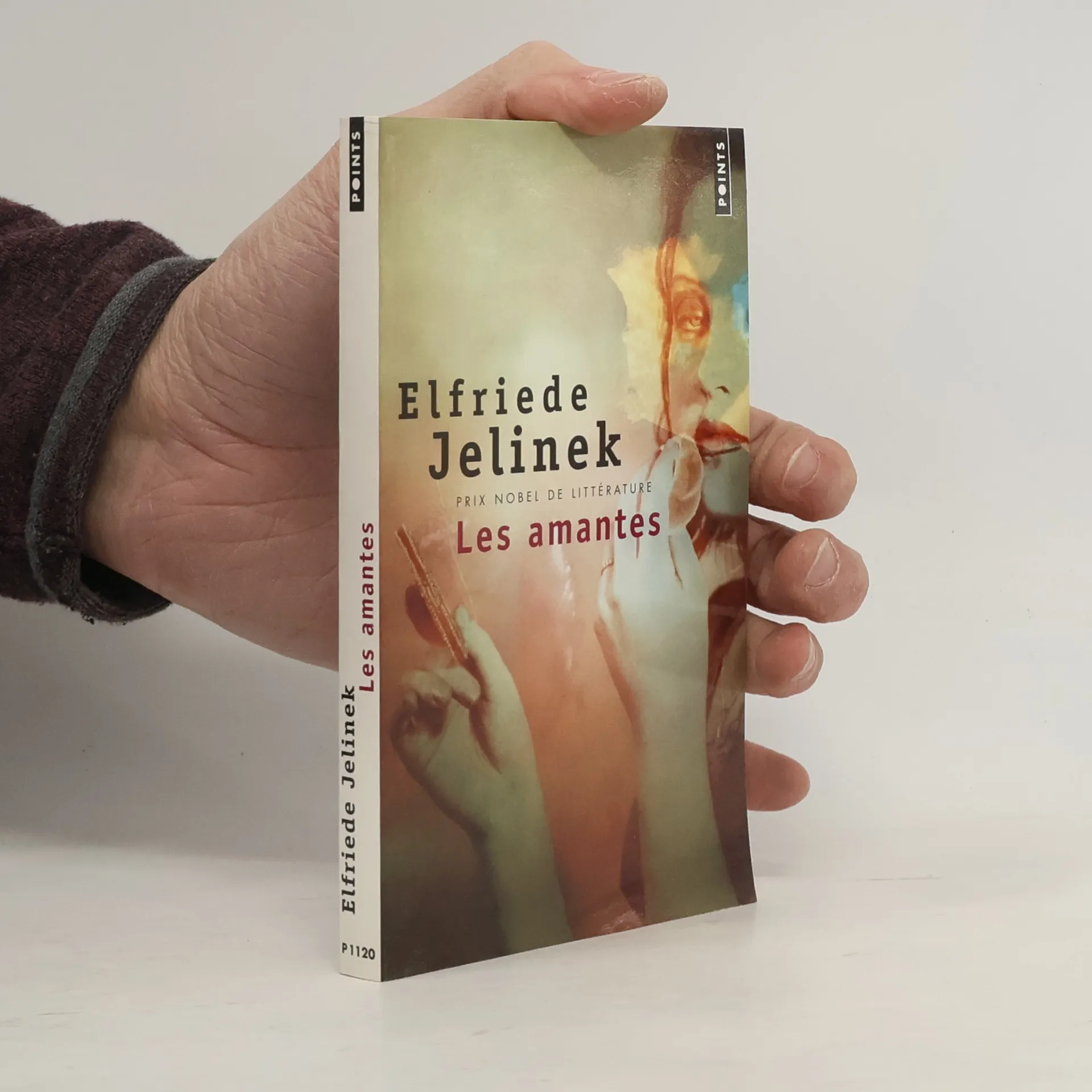
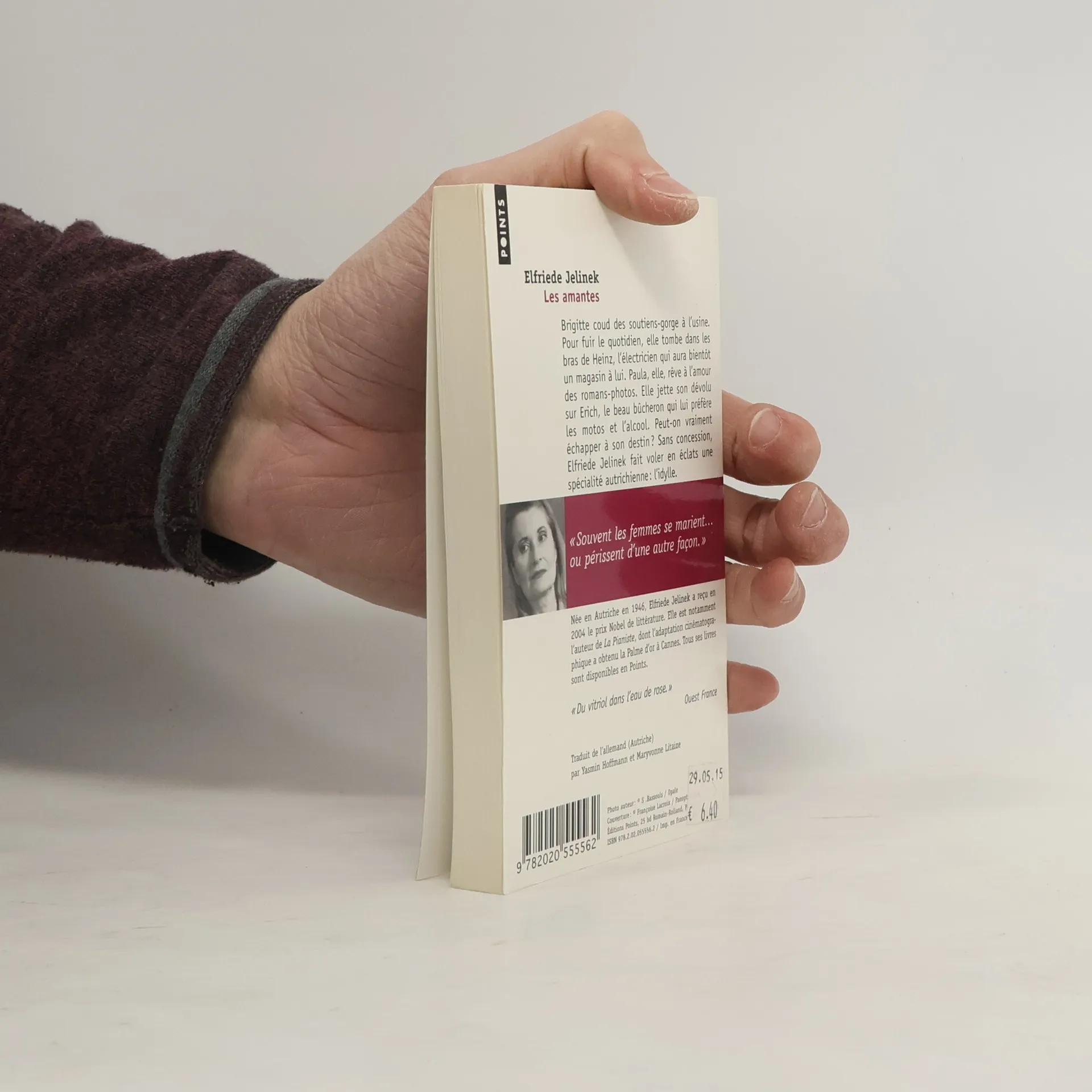
Women as Lovers is an early novel by 2004 Nobel Prize winner Elfriede Jelinek, originally published in 1975. It tells the story of two women, Paula and Brigitte, navigating life and family in a small Austrian town, revealing a stark reality far from idyllic. The narrative contrasts Paula, who pursues her dreams, with Brigitte, who endures a relationship with the ambitious Heinz, reflecting a duality reminiscent of Hermann Hesse's Narcissus and Goldmund. Jelinek's incisive examination of their lives and the grim societal backdrop showcases a mathematical beauty in her writing. She skillfully mirrors their experiences, often employing satire. The narrative voice oscillates between a formal government film tone and the rawness of local sayings, presenting truths too bleak for proverbs or documentaries. Jelinek infuses humor into mundane moments, transforming activities like nappy-changing and tea-serving into theatrical scenes. While the plot remains understated, the novel is notable for its powerful, beautiful prose and unflinching honesty. It is essential reading, especially for those who romanticize life, as it delivers a profound impact.


Compra de libros
Les amantes, Elfriede Jelinek, Yasmin Hoffmann
- Idioma

- Publicado en
- 2003
- Encuadernación
- (Tapa blanda)
Métodos de pago
Nos falta tu reseña aquí
- Título
- Les amantes
- Idioma
- Francés
- Autores
- Elfriede Jelinek, Yasmin Hoffmann
- Editorial
- POINTS
- Publicado en
- 2003
- Formato
- Tapa blanda
- Páginas
- 224
- ISBN10
- 2020555565
- ISBN13
- 9782020555562
- Serie
- Categorías
- Etiquetas
- Literatura alemana, Feminismo, Novelas psicológicas, Literatura austriaca, Premio Nobel, Celos, Combates, Amor Desdichado
- Primera publicación
- 1975
- Título original
- Die Liebhaberinnen
- Calificación
- 3,7 de 5
- Descripción
- Women as Lovers is an early novel by 2004 Nobel Prize winner Elfriede Jelinek, originally published in 1975. It tells the story of two women, Paula and Brigitte, navigating life and family in a small Austrian town, revealing a stark reality far from idyllic. The narrative contrasts Paula, who pursues her dreams, with Brigitte, who endures a relationship with the ambitious Heinz, reflecting a duality reminiscent of Hermann Hesse's Narcissus and Goldmund. Jelinek's incisive examination of their lives and the grim societal backdrop showcases a mathematical beauty in her writing. She skillfully mirrors their experiences, often employing satire. The narrative voice oscillates between a formal government film tone and the rawness of local sayings, presenting truths too bleak for proverbs or documentaries. Jelinek infuses humor into mundane moments, transforming activities like nappy-changing and tea-serving into theatrical scenes. While the plot remains understated, the novel is notable for its powerful, beautiful prose and unflinching honesty. It is essential reading, especially for those who romanticize life, as it delivers a profound impact.