


Más información sobre el libro
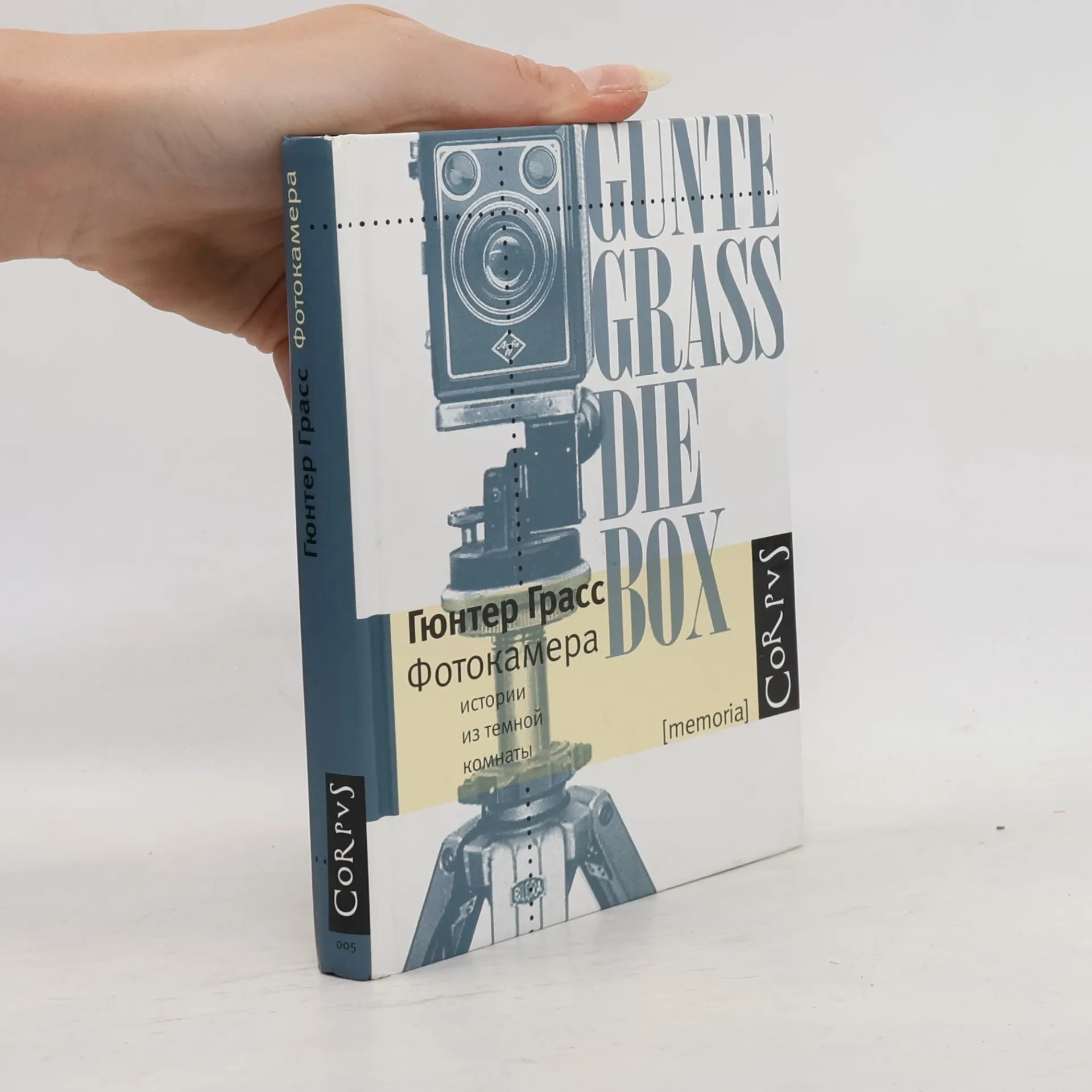
“Once upon a time there was a father who, because he had grown old, called together his sons and daughters—four, five, six, eight in number—and finally convinced them, after long hesitation, to do as he wished. Now they are sitting around a table and begin to talk . . .” In an audacious literary experiment, Günter Grass writes in the voices of his eight children as they record memories of their childhoods, of growing up, of their father, who was always at work on a new book, always at the margins of their lives. Memories contradictory, critical, loving, accusatory—they piece together an intimate picture of this most public of men. To say nothing of Marie, Grass’s assistant, a family friend of many years, perhaps even a lover, whose snapshots taken with an old-fashioned Agfa box camera provide the author with ideas for his work. But her images offer much more. They reveal a truth beyond the ordinary detail of life, depict the future, tell what might have been, grant the wishes in visual form of those photographed. The children speculate on the nature of this magic: was the enchanted camera a source of inspiration for their father? Did it represent the power of art itself? Was it the eye of God? Recalling J. M. Coetzee’s Summertime and Umberto Eco’s The Mysterious Flame of Queen Loana, The Box is an inspired and daring work of fiction. In its candor, wit, and earthiness, it is Grass at his best.


Compra de libros
Фотокамера. Истории из темной комнаты, Günter Grass
- Idioma

- Publicado en
- 2009
- Encuadernación
- (Tapa dura),
- Estado del libro
- Muy Bueno
- Precio
- 6,89 €
Métodos de pago
Nos falta tu reseña aquí
- Título
- Фотокамера. Истории из темной комнаты
- Idioma
- Ruso
- Autores
- Günter Grass
- Editorial
- AST
- Publicado en
- 2009
- Formato
- Tapa dura
- Páginas
- 288
- ISBN10
- 5170608586
- ISBN13
- 9785170608584
- Etiquetas
- Literatura alemana, Ficción contemporánea, Alemania, España, Literatura española, Premio Nobel
- Primera publicación
- 2008
- Título original
- Die Box. Dunkelkammergeschichten
- Calificación
- 3,5 de 5
- Descripción
- “Once upon a time there was a father who, because he had grown old, called together his sons and daughters—four, five, six, eight in number—and finally convinced them, after long hesitation, to do as he wished. Now they are sitting around a table and begin to talk . . .” In an audacious literary experiment, Günter Grass writes in the voices of his eight children as they record memories of their childhoods, of growing up, of their father, who was always at work on a new book, always at the margins of their lives. Memories contradictory, critical, loving, accusatory—they piece together an intimate picture of this most public of men. To say nothing of Marie, Grass’s assistant, a family friend of many years, perhaps even a lover, whose snapshots taken with an old-fashioned Agfa box camera provide the author with ideas for his work. But her images offer much more. They reveal a truth beyond the ordinary detail of life, depict the future, tell what might have been, grant the wishes in visual form of those photographed. The children speculate on the nature of this magic: was the enchanted camera a source of inspiration for their father? Did it represent the power of art itself? Was it the eye of God? Recalling J. M. Coetzee’s Summertime and Umberto Eco’s The Mysterious Flame of Queen Loana, The Box is an inspired and daring work of fiction. In its candor, wit, and earthiness, it is Grass at his best.