

Parámetros
- 324 páginas
- 12 horas de lectura
Más información sobre el libro
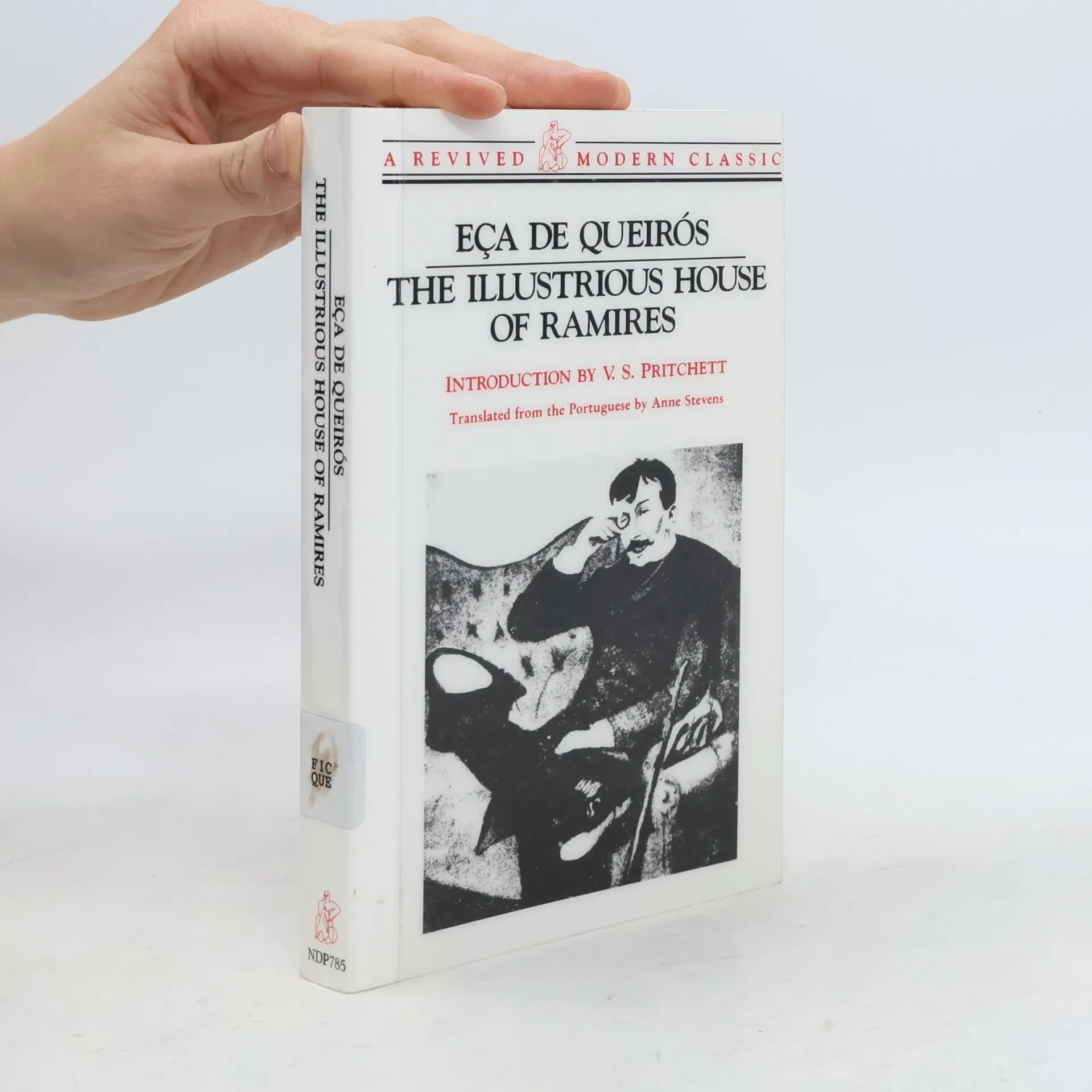
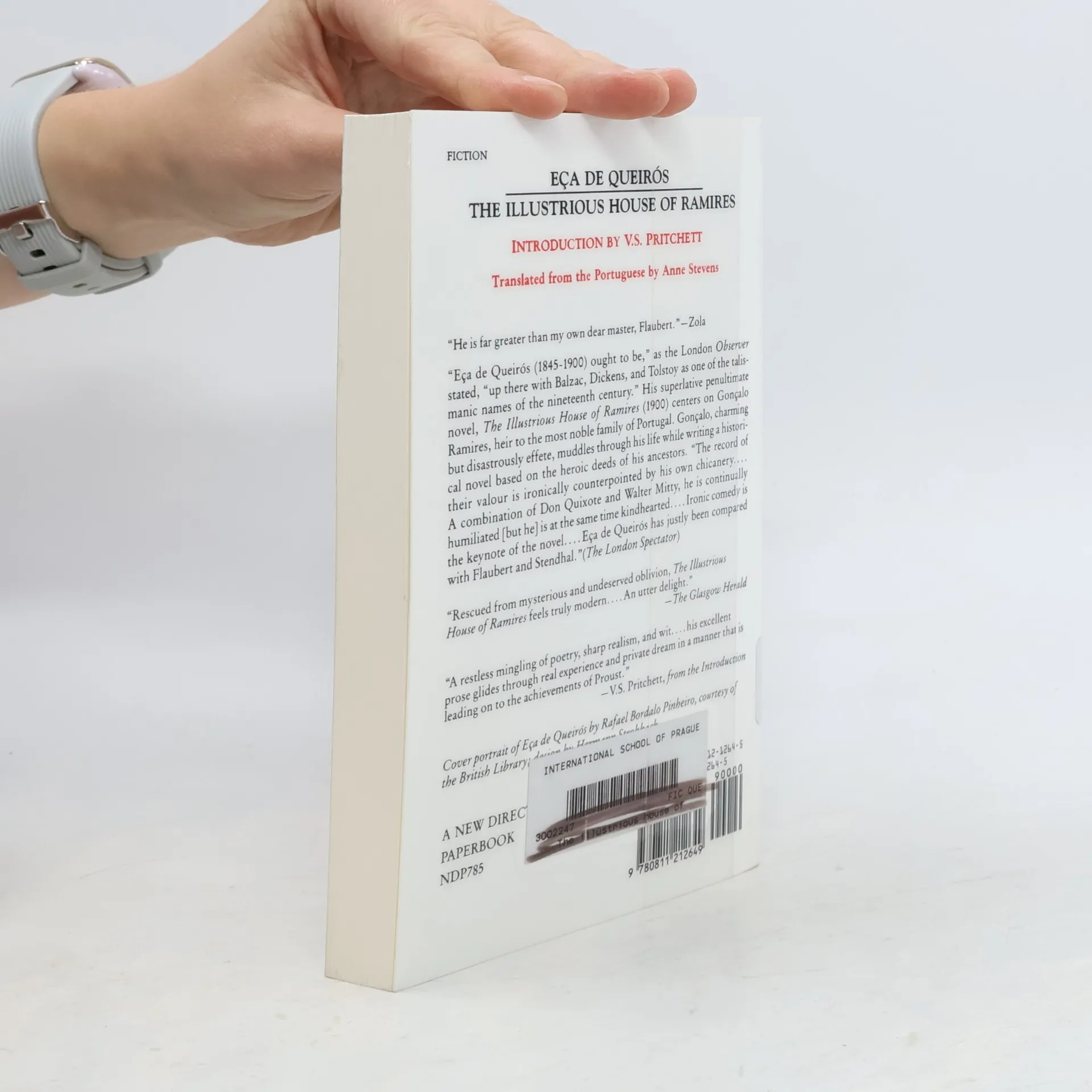
"Eça de Queiros (1845-1900) ought to be," as the London Observer stated, "up there with Balzac, Dickens, and Tolstoy as one of the talismanic names of the nineteenth century." His superlative penultimate novel, The Illustrious House of Ramires (1900) centers on Gonçalo Ramires, heir to the most noble family of Portugal. Gonçalo, charming but disastrously effete, muddles through his life while writing a historical novel based on the heroic deeds of his ancestors. "The record of their valour is ironically counterpointed by his own chicanery. A combination of Don Quixote and Walter Mitty, he is continually humiliated [but he] is at the same time kindhearted .... Ironic comedy is the keynote of the novel .... Eça de Queiros has justly been compared with Flaubert and Stendhal."( The London Spectator )
Compra de libros
A Revived Modern Classic: The Illustrious House of Ramires, José Maria Eca de Queiroz, Victor S. Pritchett, Anne Stevens
- Idioma

- Publicado en
- 1994
- Encuadernación
- (Tapa blanda),
- Estado del libro
- Dañado
- Precio
- 7,33 €
Métodos de pago
Nadie lo ha calificado todavía.
- Título
- A Revived Modern Classic: The Illustrious House of Ramires
- Idioma
- Inglés
- Editorial
- New Directions
- Publicado en
- 1994
- Formato
- Tapa blanda
- Páginas
- 324
- ISBN10
- 0811212645
- ISBN13
- 9780811212649
- Serie
- Etiquetas
- EE.UU., Aristocracia, nobleza, Portugal, Literatura Portuguesa
- Descripción
- "Eça de Queiros (1845-1900) ought to be," as the London Observer stated, "up there with Balzac, Dickens, and Tolstoy as one of the talismanic names of the nineteenth century." His superlative penultimate novel, The Illustrious House of Ramires (1900) centers on Gonçalo Ramires, heir to the most noble family of Portugal. Gonçalo, charming but disastrously effete, muddles through his life while writing a historical novel based on the heroic deeds of his ancestors. "The record of their valour is ironically counterpointed by his own chicanery. A combination of Don Quixote and Walter Mitty, he is continually humiliated [but he] is at the same time kindhearted .... Ironic comedy is the keynote of the novel .... Eça de Queiros has justly been compared with Flaubert and Stendhal."( The London Spectator )