State of Insecurity: Government of the Precarious
- 236 páginas
- 9 horas de lectura
Charting the emergence of a new and disobedient self-government of the precarious.


Esta serie se adentra en las profundidades del futuro, explorando las intrincadas conexiones entre el avance tecnológico, los cambios sociales y la condición humana. Cada narrativa desvela nuevos mundos y trayectorias potenciales para nuestra civilización. Es una reflexión sobre cómo la humanidad se adapta a transformaciones radicales y qué significa eso para nuestra identidad y libertad. Esta colección desafía a los lectores a reflexionar sobre nuestro camino actual y hacia dónde podría llevarnos.

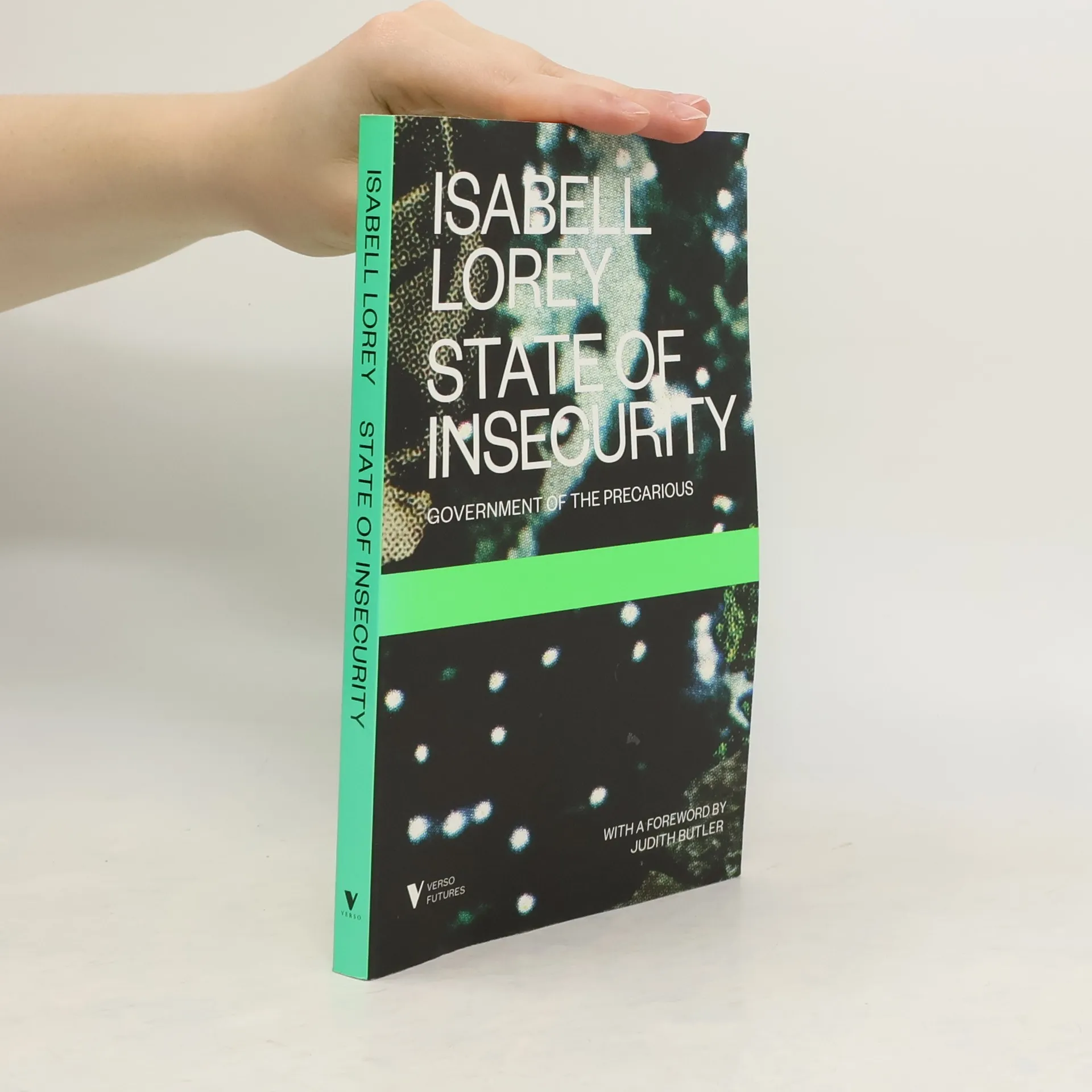
Charting the emergence of a new and disobedient self-government of the precarious.
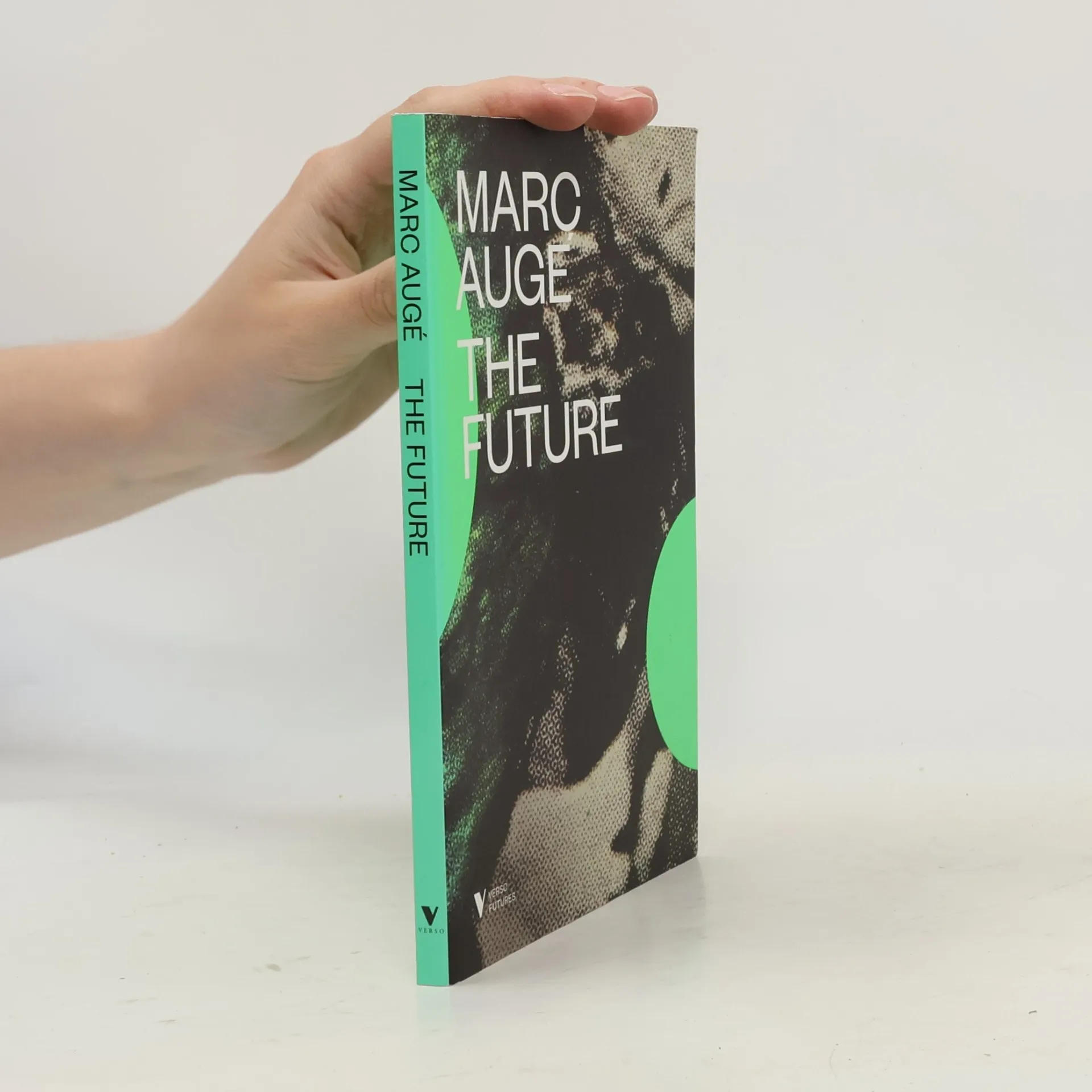
For Marc Augé, best-selling author of Non-Places, the prevailing idea of “the Future” rests on our present fears of the contemporary world. It is to the future that we look for redemption and progress; but it is also where we project our personal and apocalyptic anxieties. By questioning notions of certainty, truth, and totality, Augé finds ways to separate the future from our eternal, terrified present and liberates the mind to allow it to conceptualize our possible futures afresh.
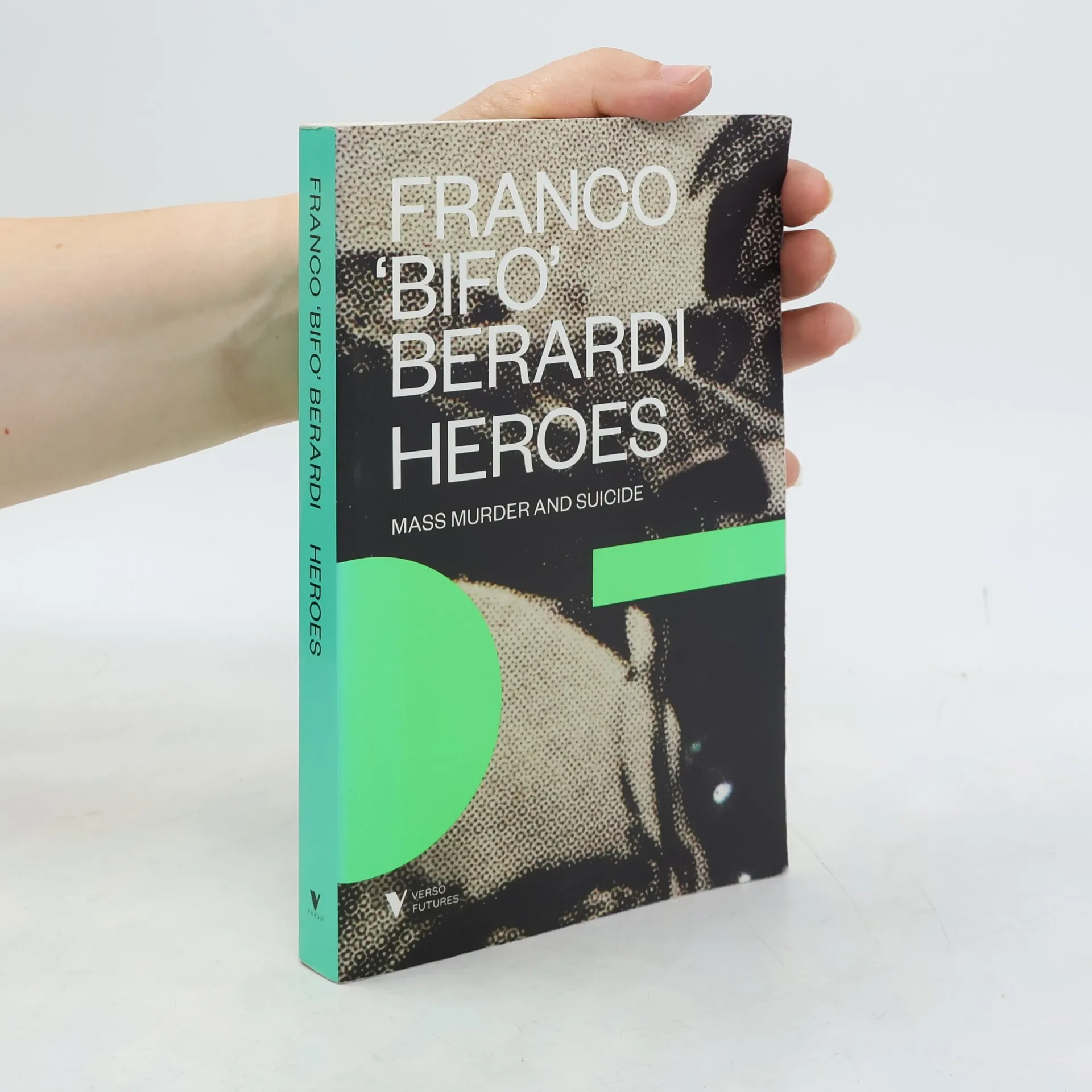
What is the relationship between capitalism and mental health? In his most unsettling book to date, Franco “Bifo” Berardi embarks on an exhilarating journey through philosophy, psychoanalysis and current events, searching for the social roots of the mental malaise of our age. Spanning an array of horrors – the Aurora “Joker” killer; Anders Breivik; American school massacres; the suicide epidemic in Korea and Japan; and the recent spate of “austerity” suicides in Europe – Heroes dares to explore the darkest shadow cast by the contemporary obsession with relentless competition and hyper-connectivity. In a volume that crowns four decades of radical intellectual work, Berardi develops the psychoanalytical insights of his friend Félix Guattari and proposes dystopian irony as a strategy to disentangle ourselves from the deadly embrace of absolute capitalism.From the Trade Paperback edition.
El filósofo Byung-Chul Han dirige su mirada crítica hacia las nuevas técnicas de poder del capitalismo neoliberal, que acceden a la psique y la convierten en su principal fuerza de producción. La psicopolítica, según Han, es un sistema de dominación que utiliza un poder seductor e inteligente, logrando que las personas se sometan por sí mismas al entramado de dominación sin ser conscientes de ello. La eficacia de este psicopoder radica en que el individuo se siente libre, mientras el sistema explota su libertad. Se apoya en el Big Data, que actúa como un Big Brother digital, apoderándose de los datos que los individuos ofrecen de manera voluntaria. Esto permite predecir comportamientos y condicionarlos a un nivel prerreflexivo. La expresión libre y la hipercomunicación en la red se transforman en control y vigilancia, llevando a una crisis de la libertad. Han sugiere que este poder inteligente podría identificar patrones del inconsciente colectivo, otorgando a la psicopolítica un control ilimitado. El futuro dependerá de nuestra capacidad para aprovechar lo inservible, la singularidad no cuantificable y la "idiotez" de quienes no participan ni comparten. (Fuente: Herder).