

¡Agotado, pero muy deseado!
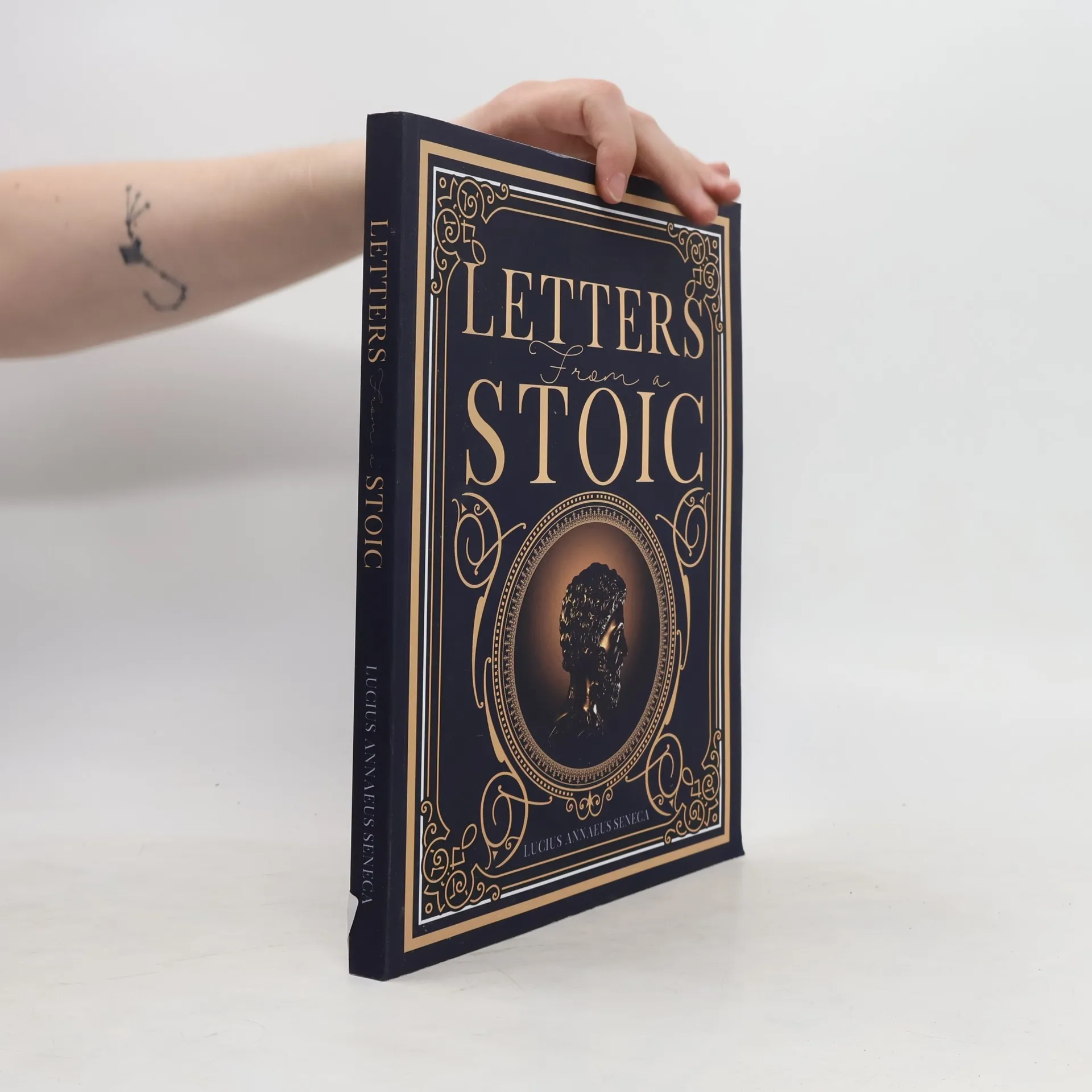
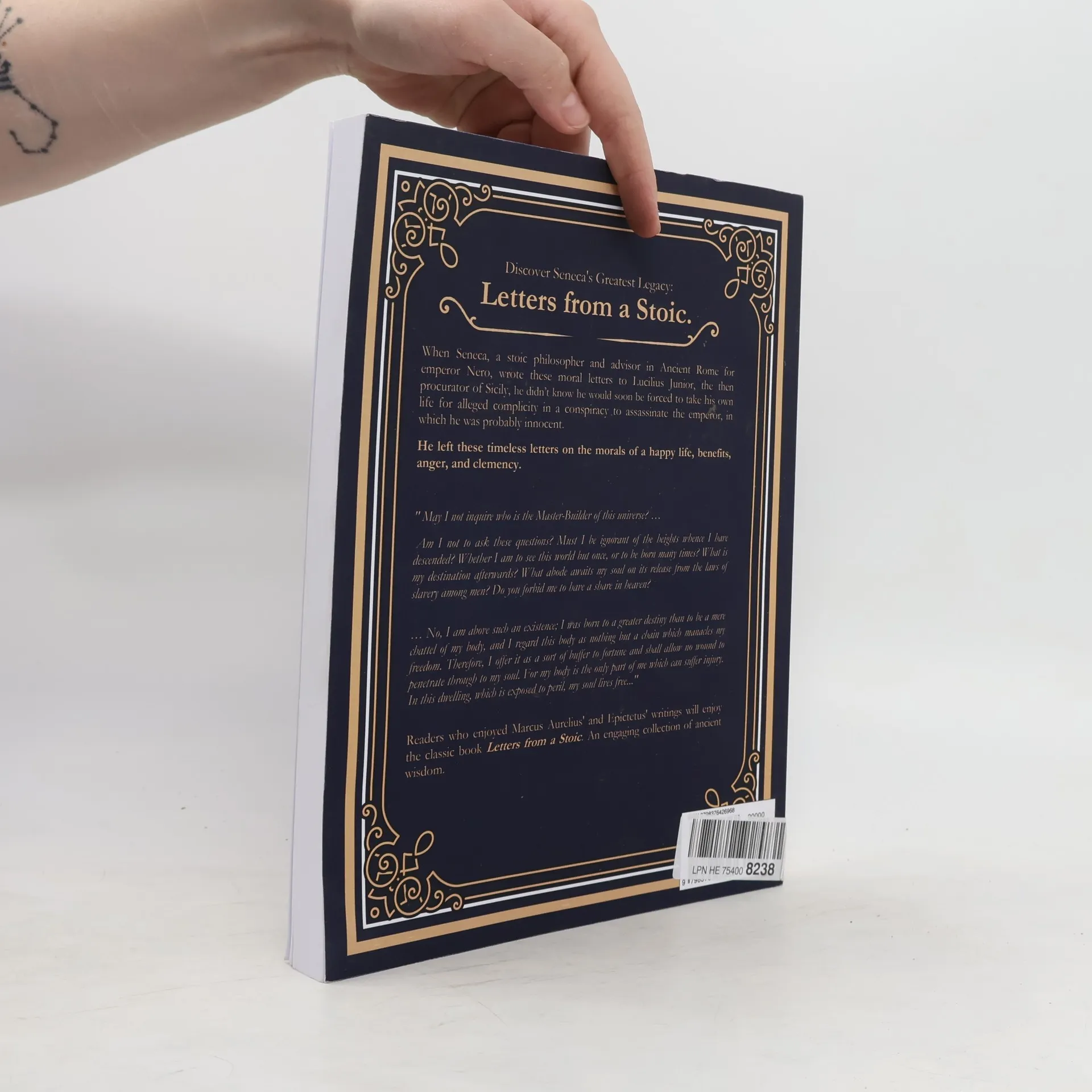
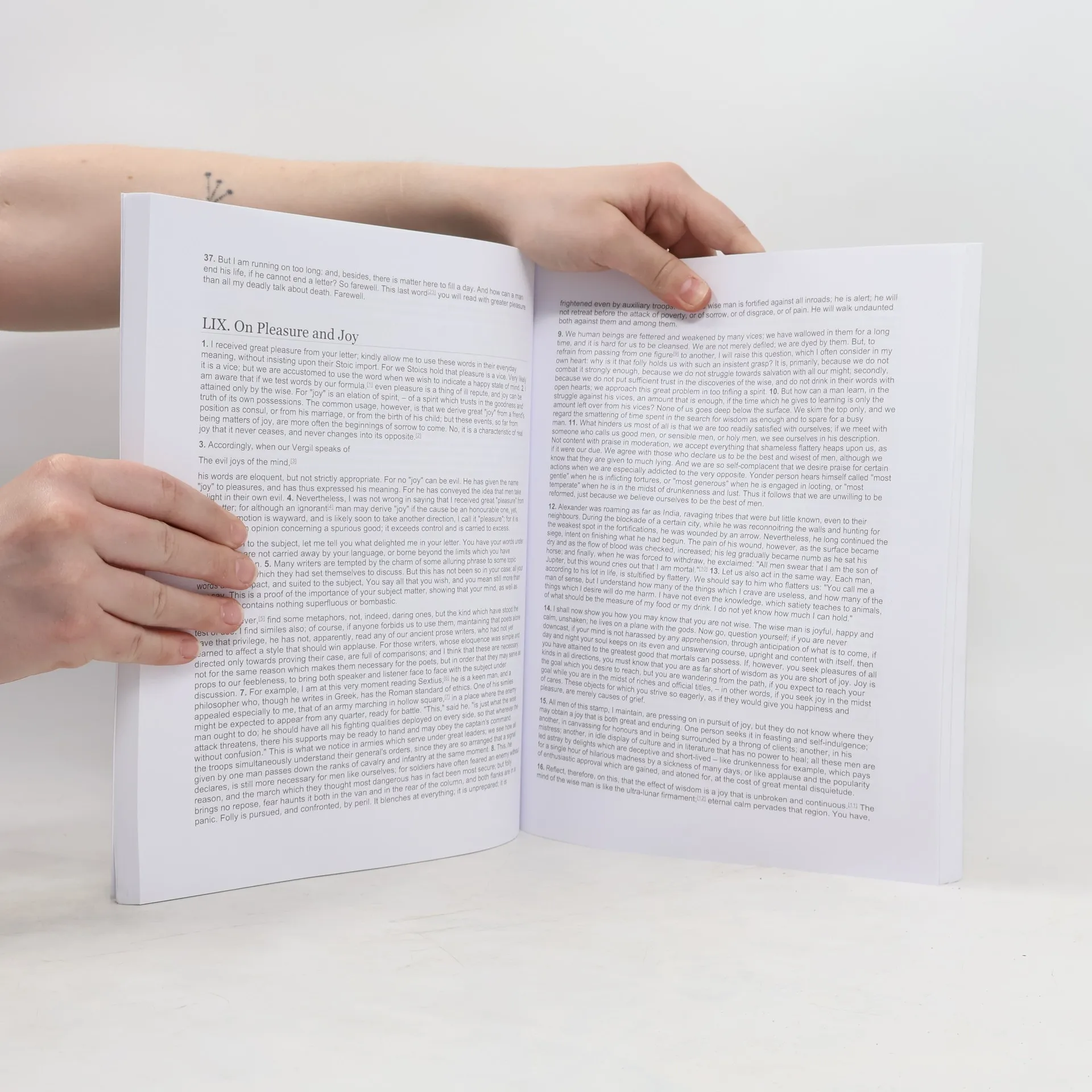
Más información sobre el libro
Selected from the Epistulae Morales ad Lucilium, Seneca's Letters from a Stoic are a set of 'essays in disguise' from one of the most insightful philosophers of the Silver Age of Roman literature. This Penguin Classics edition is translated from the Latin with an introduction by Robin Campbell




Compra de libros
Letters from a Stoic, Lucius Annaeus Seneca
- Idioma

- Publicado en
- Encuadernación
- (Tapa blanda)
Te avisaremos por correo electrónico en cuanto lo localicemos.
Métodos de pago
Nos falta tu reseña aquí
- Título
- Letters from a Stoic
- Idioma
- Inglés
- Autores
- Lucius Annaeus Seneca
- Formato
- Tapa blanda
- Serie
- Etiquetas
- Temas psicológicos, Temática filosófica, Regalos para mujeres, Felicidad, Cartas (, Estilo de Vida, Literatura Romana, Estoicismo, Paz mental
- Título original
- Epistulae mortales ad lucilium
- Calificación
- 4,35 de 5
- Descripción
- Selected from the Epistulae Morales ad Lucilium, Seneca's Letters from a Stoic are a set of 'essays in disguise' from one of the most insightful philosophers of the Silver Age of Roman literature. This Penguin Classics edition is translated from the Latin with an introduction by Robin Campbell