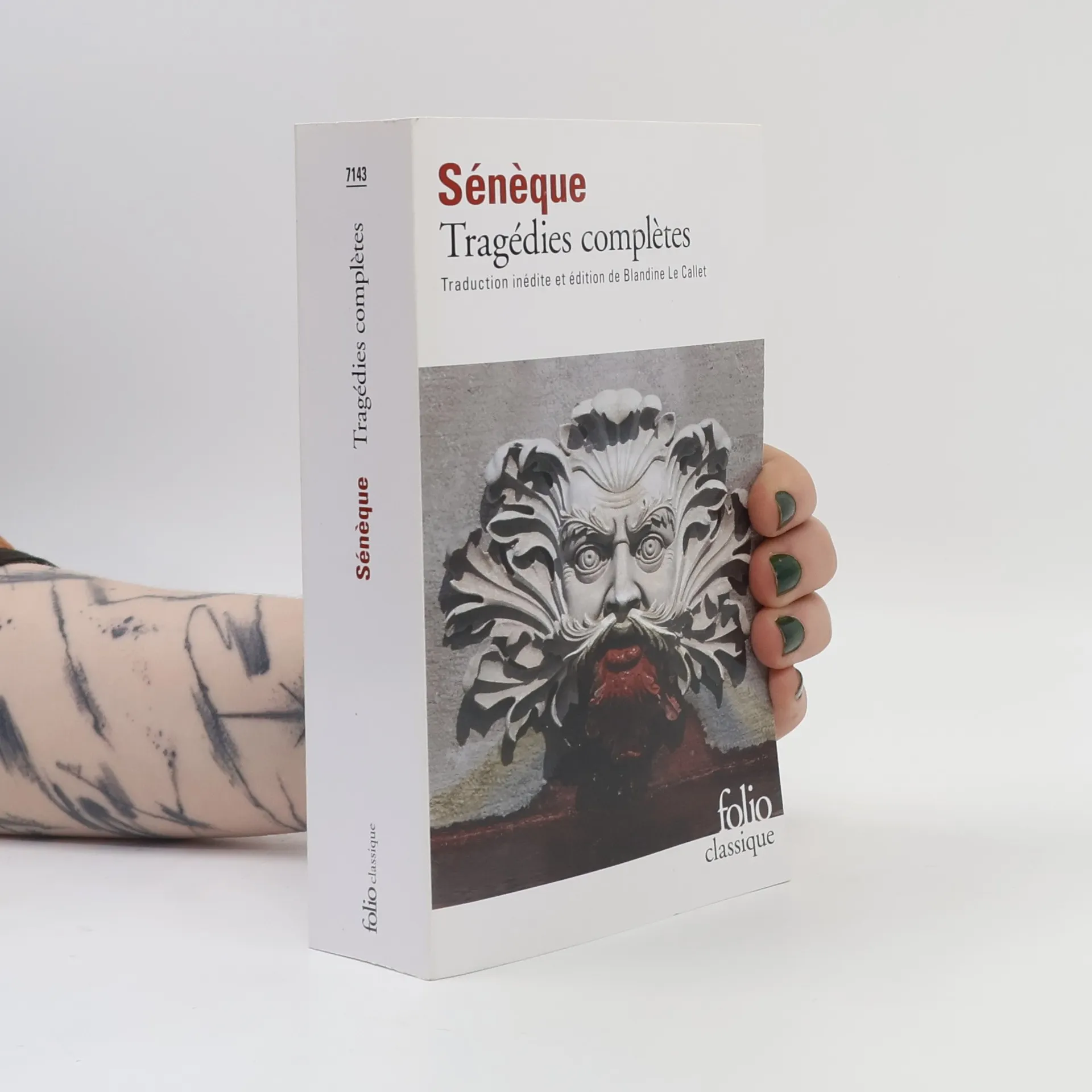
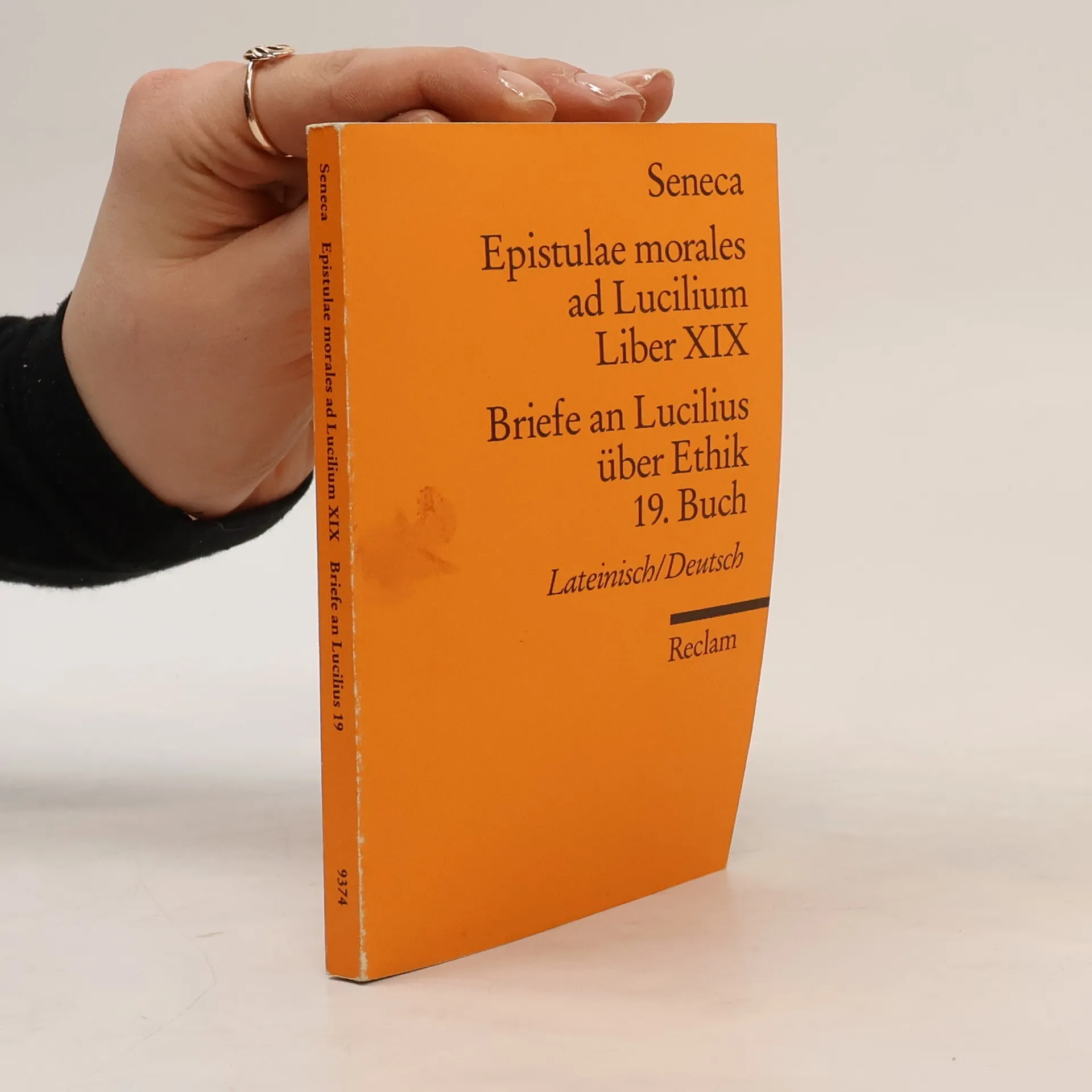
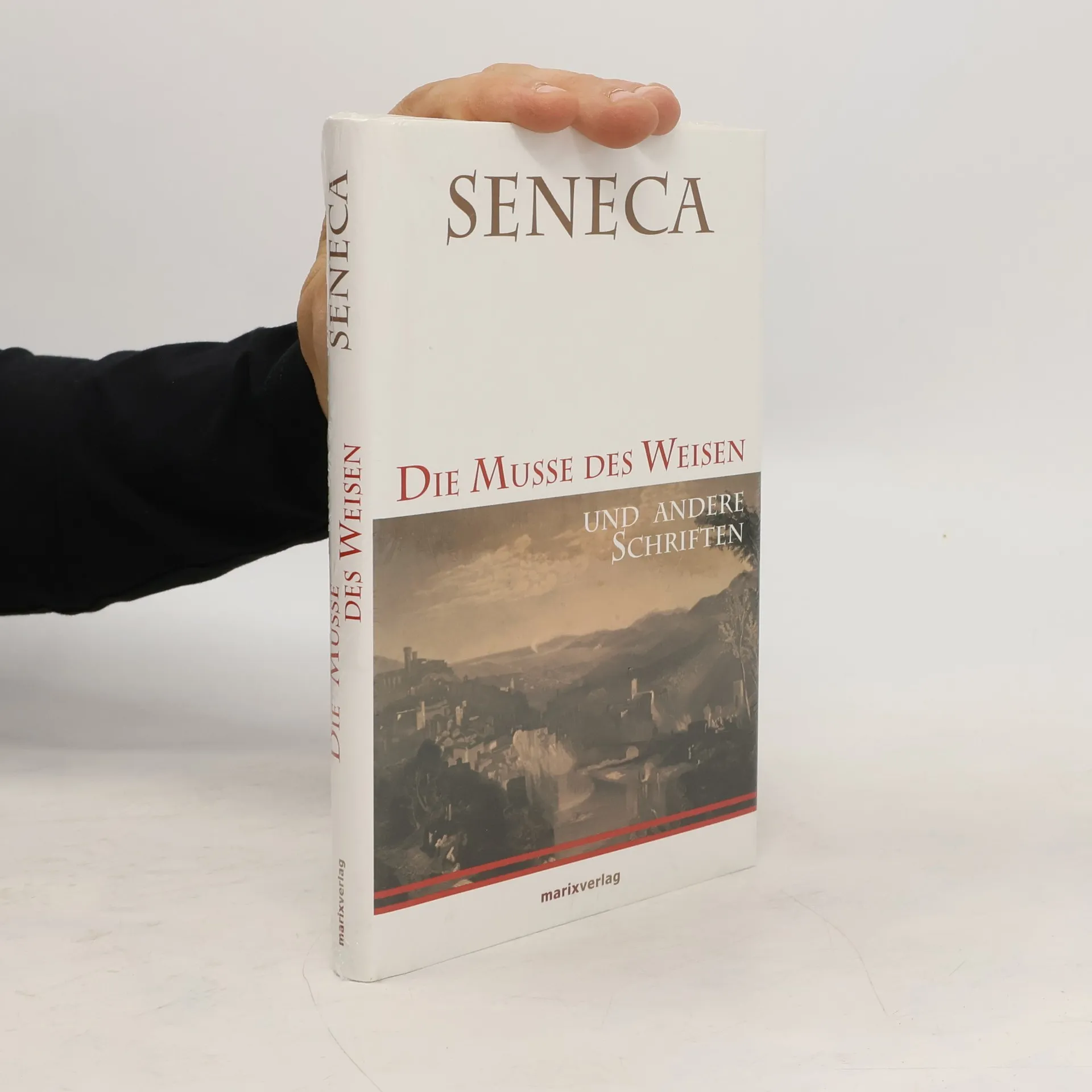
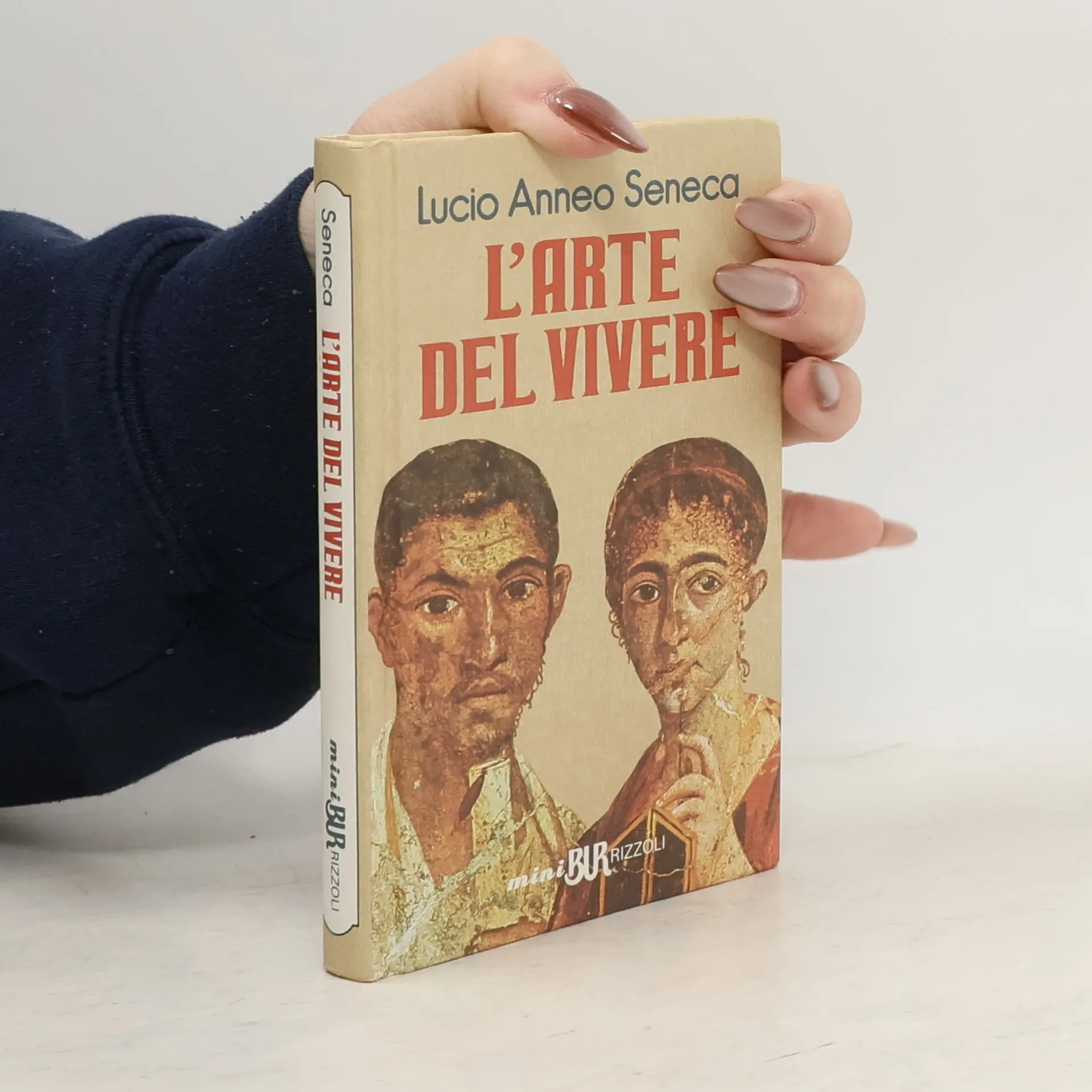
Lucius Annaeus Seneca fue un filósofo estoico y dramaturgo romano de la Edad de Plata de la literatura latina. Su obra profundiza en temas filosóficos trascendentales, enfatizando la ética y la moralidad, con un estilo caracterizado por su agudeza y habilidad retórica. Seneca exploró en sus escritos el autoconocimiento, la regulación emocional y la búsqueda de la serenidad interior en un mundo convulso. Sus reflexiones filosóficas y sus obras dramáticas continúan inspirando a los lectores con su sabiduría atemporal y su poder literario.
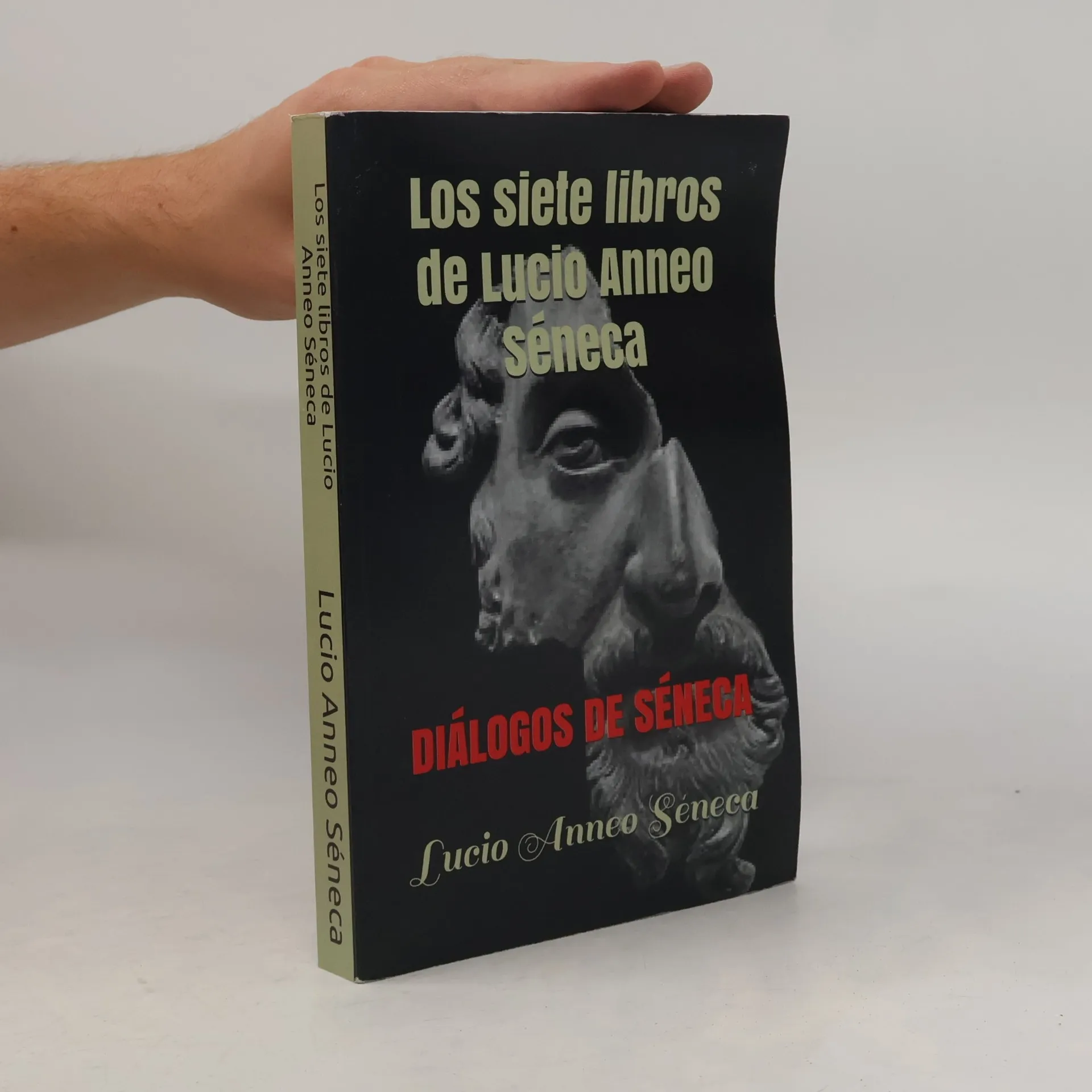
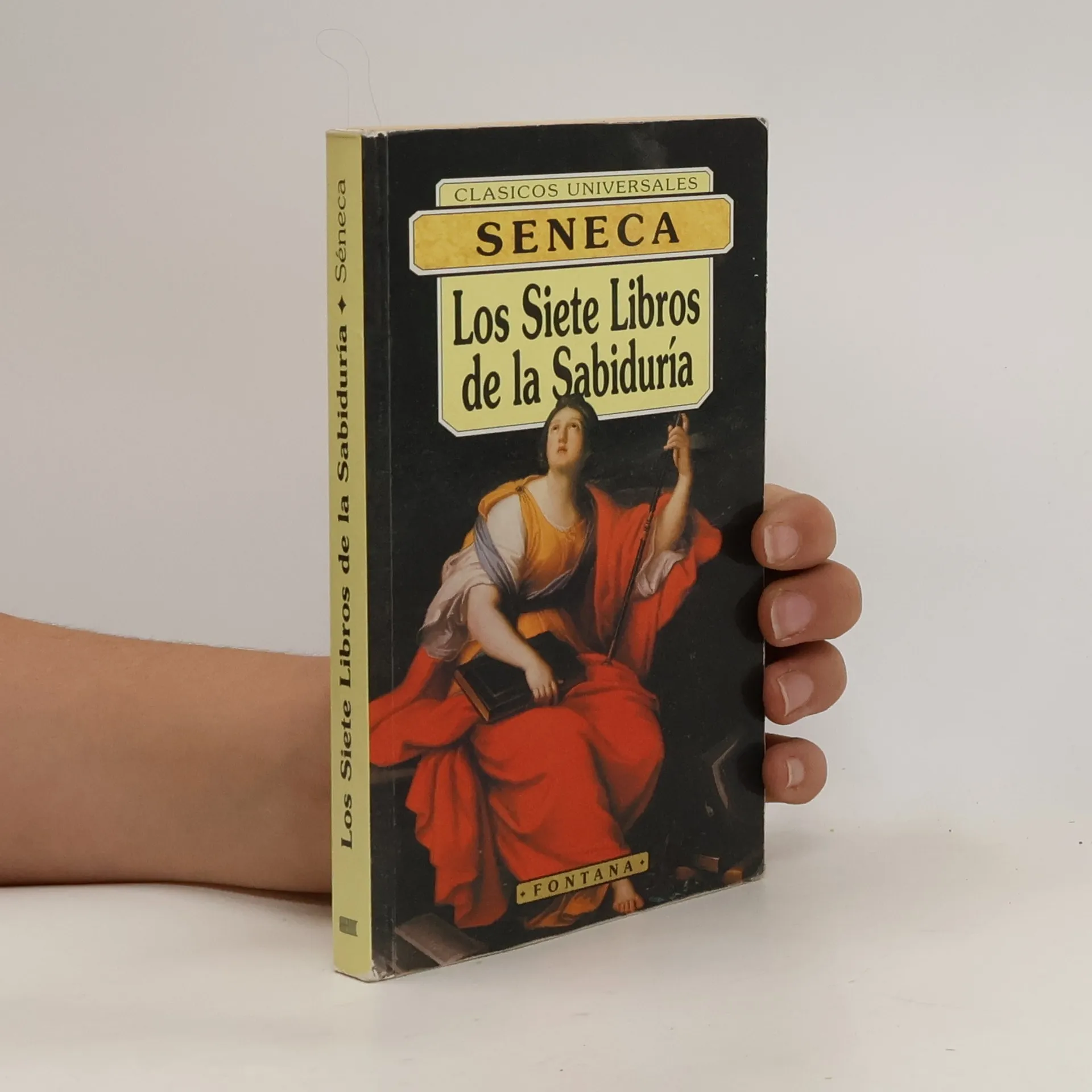
Lucio Anneo Séneca, nació en Córdoba, España, en el año 4 a.C. Literato, filósofo y moralista, no solamente es el más independiente y brillante de los estoicos, sino también el más original, destacándose especialmente lo que se ha dado en llamar “Los Siete Libros de la Sabiduría”, que comprenden: De la divina providencia, De la vida bienaventurada, De la tranquilidad del ánimo, De la constancia del sabio, De consolación, De la pobreza, y, sobre todo, una pequeña obra maestra: De la brevedad de la vida, que tanta influencia tuvo en los literatos españoles del Siglo de Oro.
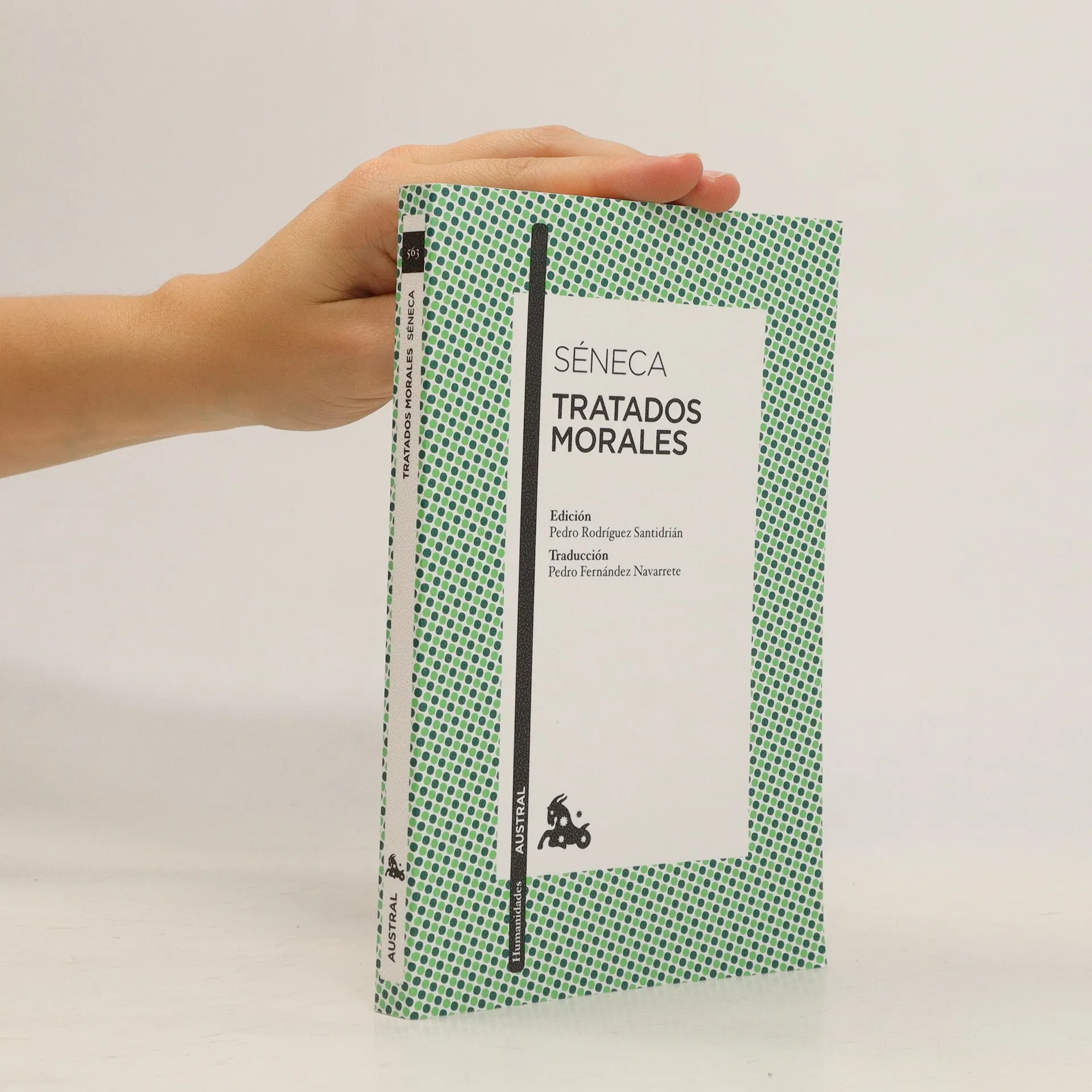
Los Tratados morales son pequeñas obras, que no son propiamente diálogos, sino ensayos sobre problemas de moral. Los temas tratados en ellos son muy variados, desde cómo debe ser la clemencia de los gobernantes, hasta cómo debe el sabio aprovechar su tiempo de ocio; los títulos de dichos diálogos son: De providentia; de constantia sapientis; de ira; de uita beata; de otio; de tranquillitate animi; de breuitate uitae; de beneficiis; de clementia. También se incluyen las Cartas a Lucilio (124 cartas distribuidas en diez libros, que si bien tienen un destinatario al que Séneca alude en todas ellas, van destinadas a un público más amplio. Constituyen un verdadero tratado de dirección espiritual). Edición de Pedro Rodríguez Santidrián.
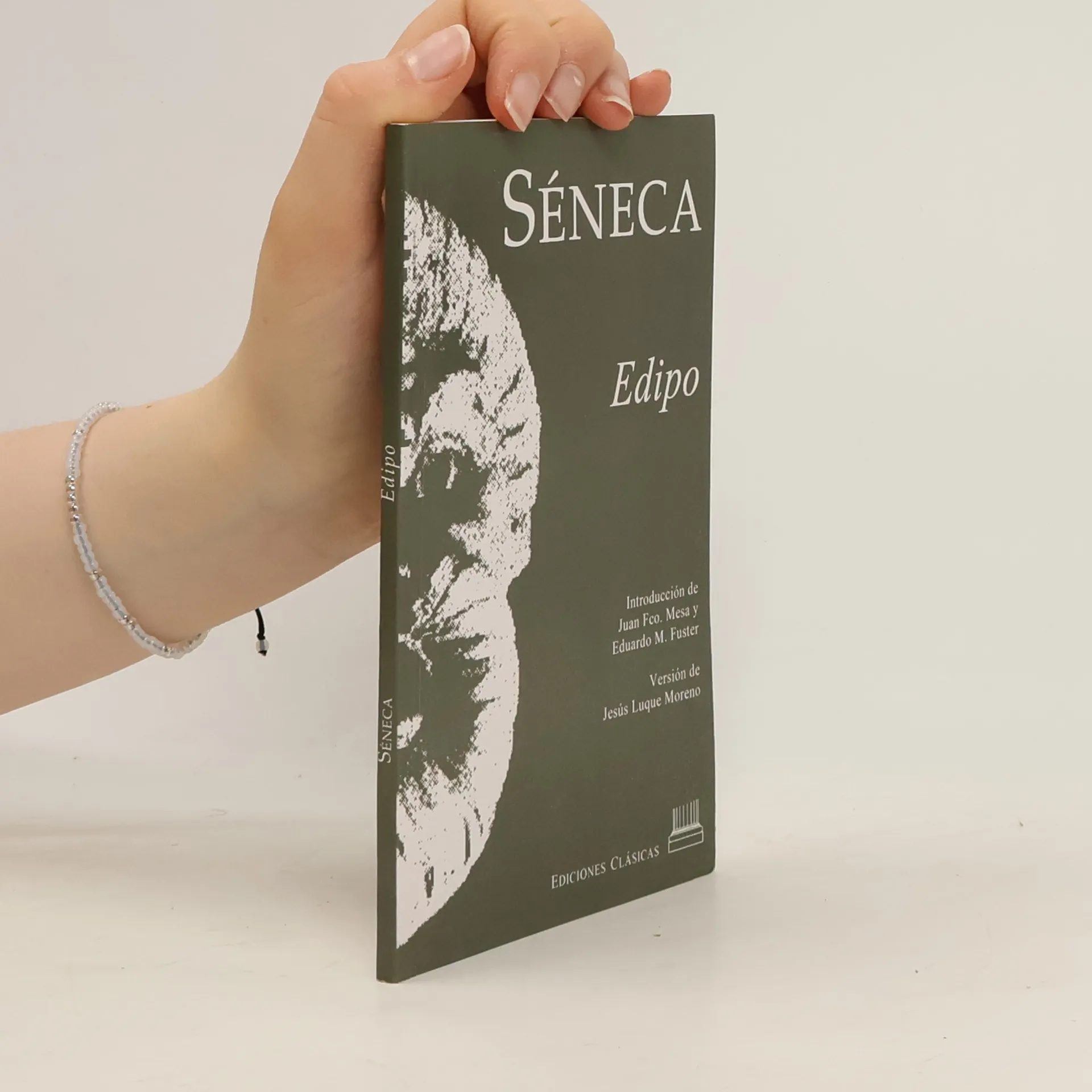
Edipo es una tragedia teatral escrita por Lucio Anneo Séneca en el siglo primero. La obra ofrece una revisión del mito de Edipo, que quizá sea más conocido por la obra de teatro griega Edipo rey, del ateniense Sófocles. Al contrario de ésta, el Edipo de Séneca, escrito en latín, no estaba destinada a ser representada en un teatro, sino a ser recitada en reuniones privadas. En la tragedia están presentes los personajes propios del mito de Edipo, a saber: Edipo, rey de Tebas, marido de Yocasta, y supuesto hijo del rey Pólibo de Corinto. Es el protagonista de la obra. Yocasta, viuda del rey Layo, esposa de Edipo, y hermana de Creonte. Creonte, hermano de Yocasta y consejero jefe de Edipo en Tebas. Tiresias, el famoso adivino ciego, que encarga a Edipo buscar al asesino del viejo rey Layo. Manto, hija de Tiresias. La trama la usa para describir el sacrificio de Tiresias a Edipo, y por tanto también al público. Un Anciano, mensajero de Corinto que informa a Edipo de la muerte de Pólibo, y le cuenta parte del auténtico pasado de Edipo al mismo. Forbas, un viejo pastor que entregó a Edipo al Anciano cuando aquél era un niño, y que revela a Edipo su auténtico parentesco con Layo y Yocasta. Un Mensajero que relata lo que le pasa a Edipo al comienzo del quinto acto. El Coro de ancianos tebanos.
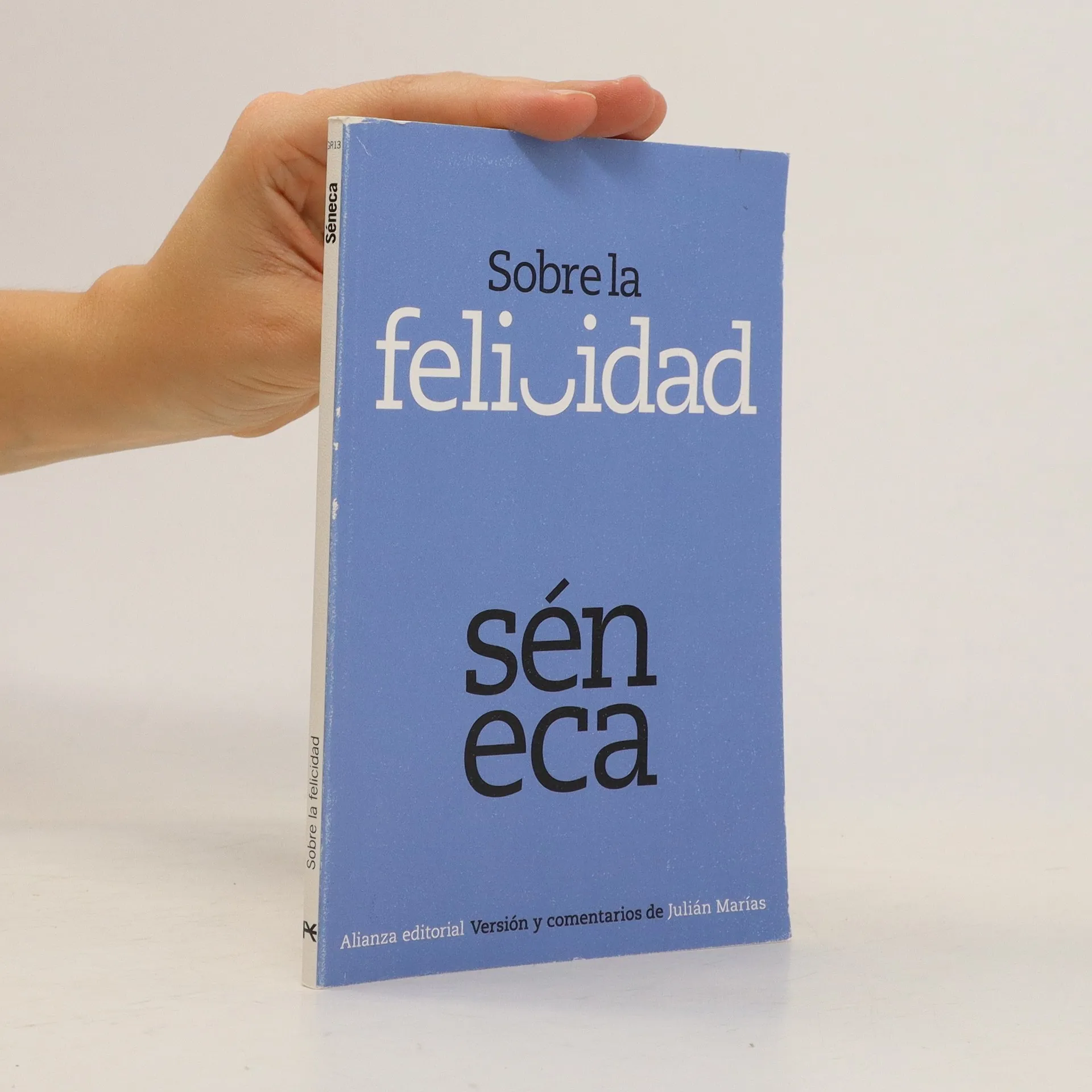
¿Qué es la felicidad? ¿Cómo conservarla? Éstas son preguntas que la humanidad se ha hecho durante milenios, y a las que los grandes pensadores (o cualquiera de nosotros) han contestado de formas diversas, a veces opuestas. Séneca creía que el camino de la felicidad estaba marcado por la razón, una facultad que nos permite vivir en armonía con la naturaleza, imponiéndonos al vaivén del azar y a los requerimientos del deseo. La Mettrie escribió su propia propuesta: sus estudios médicos en el siglo XVIII le llevaron a concluir que la felicidad dependía de los sentidos, identificando así la virtud con el placer, y renegando de toda autoridad divina o moral que pudiera dictar sobre el camino de la vida feliz de un ser humano. Este libro es un verdadero combate filosófico por la felicidad.
Las obras filosóficas de Lucio Anneo Séneca (ca. 4 a.C.-65 d.C.) han ejercido un duradero influjo sobre la cultura occidental y contienen una formulación significativa de las ideas del estoicismo maduro. “Sobre la felicidad” –“De vita beata”– plantea algunas cuestiones centrales de la ética antigua: la relación del placer con la virtud y con la felicidad, el ideal humano, la figura del sabio, la significación del concepto de naturaleza aplicado al hombre, la justificación de las riquezas, los supuestos religiosos de la ética, etc. El tratado está traducido y anotado por Julián Marías, quien en su largo prólogo -titulado “Introducción a la filosofía estoica”- expone la historia y contenido de esta doctrina desde Zenón a Marco Aurelio.
Los Diálogos de Séneca, es el nombre genérico que engloba varias de sus obras escritas entre los años 37 y 62. Se trata de unos textos filosóficos en los que predominan los temas morales y que, a pesar de su título, no presentan una forma dialogada. En ellos Séneca muestra con espíritu realista su doctrina sobre las pasiones, el amor a uno mismo y a los demás, y la autosuficiencia espiritual. Entre sus diálogos se De la ira; De la serenidad del alma; De la brevedad de la vida; De la constancia del sabio; De la clemencia; De la felicidad y otros. Séneca es el más importante representante de la filosofía estoica en su último período, siendo sus preocupaciones fundamentalmente éticas, hasta el punto de que se ha querido establecer un contacto entre él y el cristianismo naciente, atribuyéndole una correspondencia con el apóstol San Pablo.
The Roman statesman and philosopher Seneca (4 BCE–65 CE) recorded his moral philosophy and reflections on life as a highly original kind of correspondence. Letters on Ethics includes vivid descriptions of town and country life in Nero’s Italy, discussions of poetry and oratory, and philosophical training for Seneca’s friend Lucilius. This volume, the first complete English translation in nearly a century, makes the Letters more accessible than ever before. Written as much for a general audience as for Lucilius, these engaging letters offer advice on how to deal with everything from nosy neighbors to sickness, pain, and death. Seneca uses the informal format of the letter to present the central ideas of Stoicism, for centuries the most influential philosophical system in the Mediterranean world. His lively and at times humorous expositions have made the Letters his most popular work and an enduring classic. Including an introduction and explanatory notes by Margaret Graver and A. A. Long, this authoritative edition will captivate a new generation of readers.
The collection features Seneca's remaining essays, focusing on themes of consolation, happiness, and tranquility amid life's challenges. These writings, often used in undergraduate philosophy courses, aim to provide edification and insight into achieving a fulfilling life. Fantham's translation is highlighted as a standout element of the volume, enhancing the accessibility and impact of Seneca's thought.
Marcus Aurelius's Meditations, Epictetus's Enchiridion, Seneca's On a Happy Life, On the Shortness of Life, On Peace of Mind & On Providence
222 páginas
8 horas de lectura
This collection features six foundational texts of Stoic philosophy, offering insights into resilience, virtue, and the nature of happiness. Readers will explore the teachings of renowned Stoic philosophers, including Seneca, Epictetus, and Marcus Aurelius, each providing practical wisdom on how to navigate life's challenges with a calm and rational mindset. The works emphasize the importance of self-control, moral integrity, and understanding the world around us, making it a valuable resource for anyone seeking personal growth and philosophical guidance.
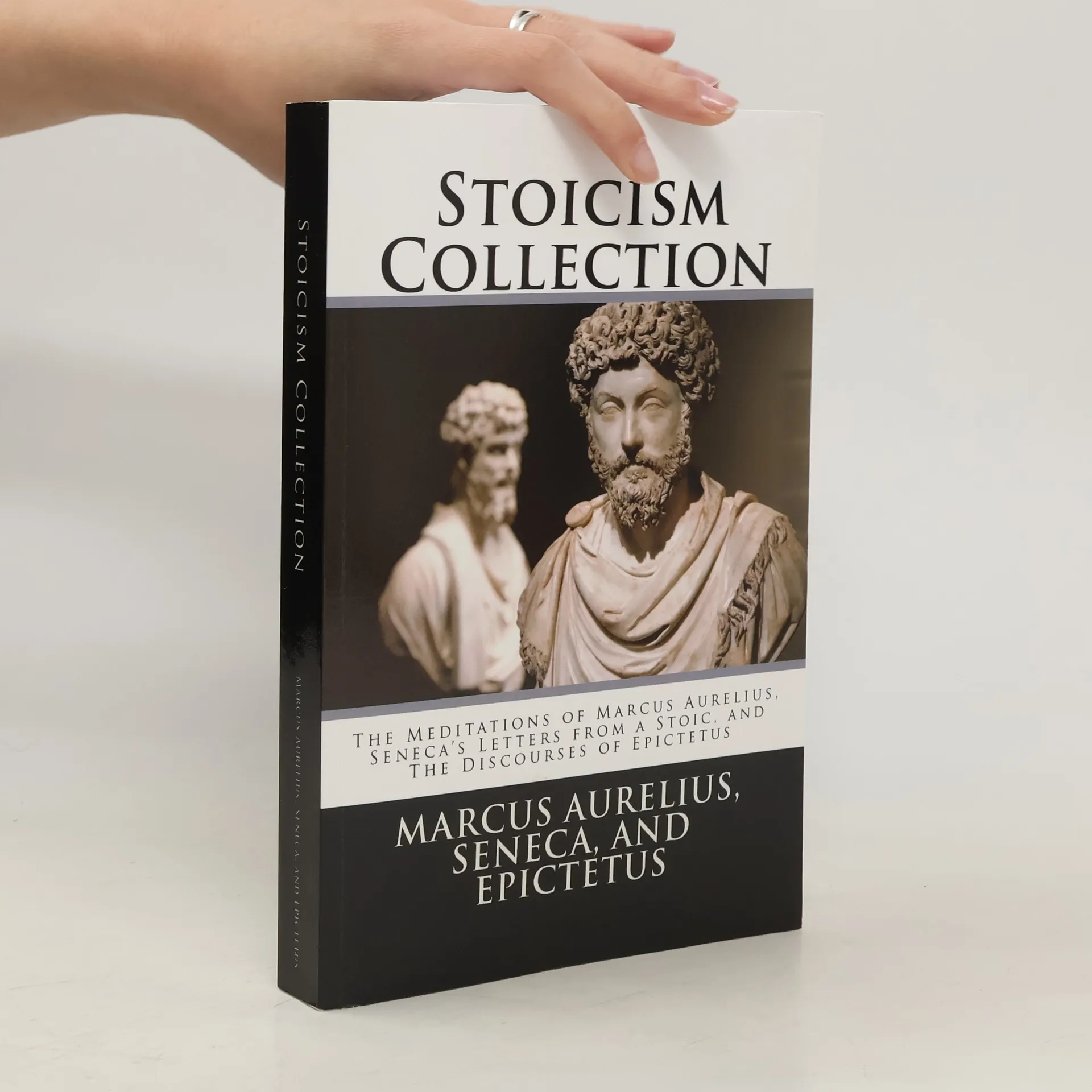
This Stoicism Collection contains three of the most notable Stoic pieces, The Meditations of Marcus Aurelius, Seneca's Letters from a Stoic, and The Discourses of Epictetus. These three pieces are the foundations of Stoicism.
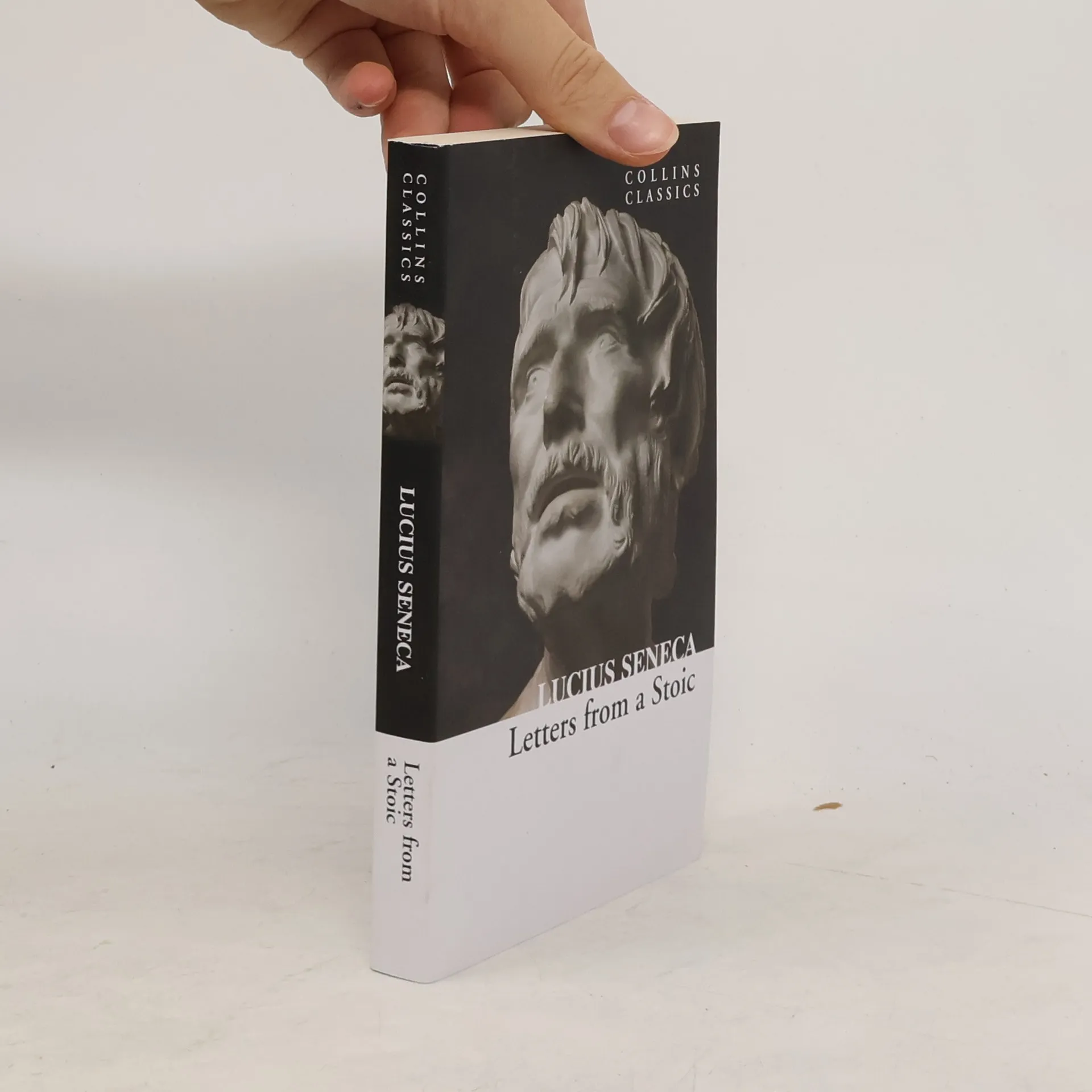
HarperCollins is proud to present its incredible range of best-loved, essential classics. No man can live a happy life, or even a supportable life, without the study of wisdom Lucius Annaeus Seneca (4 BC-AD 65) is one of the most famous Roman philosophers. Instrumental in guiding the Roman Empire under emperor Nero, Seneca influenced him from a young age with his Stoic principles. Later in life, he wrote Epistulae Morales ad Lucilium, or Letters from a Stoic, detailing these principles in full. Seneca's letters read like a diary, or a handbook of philosophical meditations. Often beginning with observations on daily life, the letters focus on many traditional themes of Stoic philosophy, such as the contempt of death, the value of friendship and virtue as the supreme good. Using Gummere's translation from the early twentieth century, this selection of Seneca's letters shows his belief in the austere, ethical ideals of Stoicism - teachings we can still learn from today.
The collection features 124 letters by Seneca, exploring core themes of Stoic philosophy, including the acceptance of death, the resilience of the wise, and the pursuit of virtue as the highest good. Through personal reflections and practical advice, Seneca emphasizes the importance of inner strength and moral integrity, offering timeless insights into leading a meaningful life.
The collection features 124 letters from Seneca the Younger, written during his retirement after a decade of service to Emperor Nero. Addressed to Lucilius Junior, a procurator in Sicily, these letters encompass philosophical insights and practical wisdom. Seneca's intent was to reach a wider audience, offering reflections on ethics, virtue, and the Stoic way of life, making the work relevant beyond its immediate correspondence.
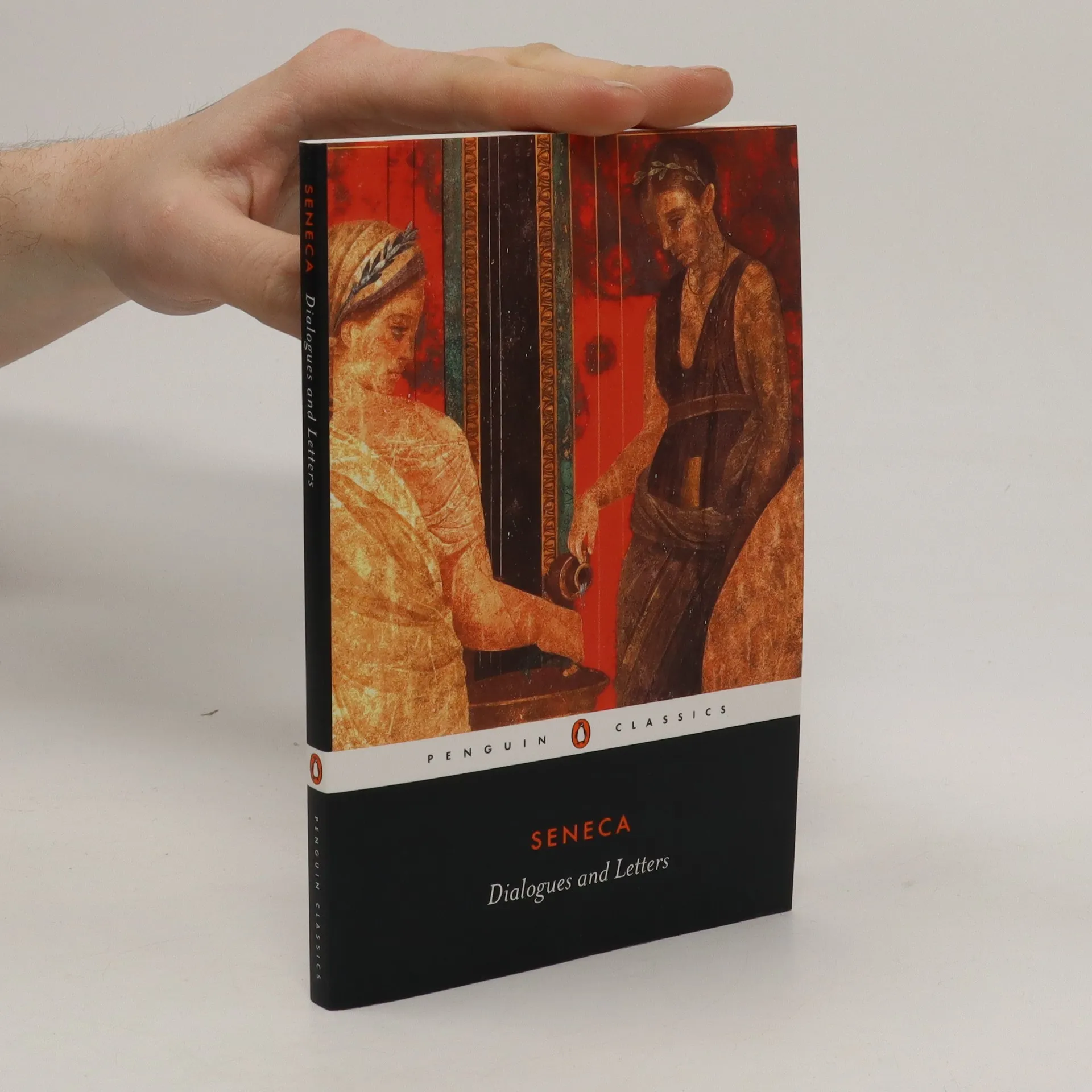
Included in this volume are the dialogues On the Shortness of Life and On Tranquility of Mind , which are eloquent classic statements of Stoic ideals of fortitude and self-reliance. This selection also features extracts from Natural Questions , Seneca's exploration of such phenomena as the cataracts of the Nile and earthquakes, and the Consolation of Helvia , in which he tenderly tries to soothe his mother's pain at their separation.For more than seventy years, Penguin has been the leading publisher of classic literature in the English-speaking world. With more than 1,700 titles, Penguin Classics represents a global bookshelf of the best works throughout history and across genres and disciplines. Readers trust the series to provide authoritative texts enhanced by introductions and notes by distinguished scholars and contemporary authors, as well as up-to-date translations by award-winning translators.
Lucius Annaeus Seneca (4 BCE - 65 CE) was a Roman Stoic philosopher,
dramatist, statesman, and adviser to the emperor Nero, all during the Silver
Age of Latin literature. This title is a fresh and compelling series of new
English-language translations of his works in eight accessible volumes.
Lucius Annaeus Seneca (4 BCE–65 CE) was a Roman Stoic philosopher, dramatist, statesman, and advisor to the emperor Nero, all during the Silver Age of Latin literature. The Complete Works of Lucius Annaeus Seneca is a fresh and compelling series of new English-language translations of his works in eight accessible volumes. Edited by world-renowned classicists Elizabeth Asmis, Shadi Bartsch, and Martha C. Nussbaum, this engaging collection restores Seneca—whose works have been highly praised by modern authors from Desiderius Erasmus to Ralph Waldo Emerson—to his rightful place among the classical writers most widely studied in the humanities. On Benefits, written between 56 and 64 CE, is a treatise addressed to Seneca’s close friend Aebutius Liberalis. The longest of Seneca’s works dealing with a single subject—how to give and receive benefits and how to express gratitude appropriately—On Benefits is the only complete work on what we now call “gift exchange” to survive from antiquity. Benefits were of great personal significance to Seneca, who remarked in one of his later letters that philosophy teaches, above all else, to owe and repay benefits well.
Meditations of Marcus Aurelius The Golden Sayings Fragments and Discourses of Epictetus Letters from a Stoic and The Enchiridion
518 páginas
19 horas de lectura
This collection features six foundational works of Stoic philosophy, including Marcus Aurelius' "Meditations" and Seneca's "Letters from a Stoic." It also includes key texts by Epictetus, such as "The Golden Sayings," "Fragments," and "The Enchiridion," along with selected discourses. Each text offers profound insights into resilience, virtue, and the art of living, providing readers with timeless wisdom for personal growth and self-discipline. Together, these works serve as a comprehensive introduction to Stoic thought.
Stoic philosopher and tutor to the young emperor Nero, Seneca wrote moral
essays - exercises in practical philosophy - on how to live in a troubled
world. Strikingly applicable today, his thoughts on happiness and other
subjects are here combined in a clear, modern translation with an introduction
on Seneca's life and philosophy.
Timeless advice on the art of living well, from the celebrated Penguin Great Ideas series The writings of the ancient Roman philosopher Seneca offer powerful insights into stoicism, morality and the importance of reason, and continue to provide profound guidance to many through their eloquence, lucidity and wisdom. Throughout history, some books have changed the world. They have transformed the way we see ourselves - and each other. They have inspired debate, dissent, war and revolution. They have enlightened, outraged, provoked and comforted. They have enriched lives - and destroyed them. The Penguin Great Ideas series brings you the works of the great thinkers, pioneers, radicals and visionaries whose ideas shook civilization, and helped make us who we are.
This book contains many powerful and effective practices for a modern person. If you want to have control over things that belong to your internal state, then The Stoic way of Life is for you.
Lucius Annaeus Seneca (4 BCE–65 CE) was a Roman Stoic philosopher, dramatist, statesman, and adviser to the emperor Nero, all during the Silver Age of Latin literature. The Complete Works of Lucius Annaeus Seneca is a fresh and compelling series of new English-language translations of his works in eight accessible volumes. Edited by world-renowned classicists Elizabeth Asmis, Shadi Bartsch, and Martha C. Nussbaum, this engaging collection restores Seneca—whose works have been highly praised by modern authors from Desiderius Erasmus to Ralph Waldo Emerson—to his rightful place among the classical writers most widely studied in the humanities. Written near the end of Seneca’s life, Natural Questions is a work in which Seneca expounds and comments on the natural sciences of his day—rivers and earthquakes, wind and snow, meteors and comets—offering us a valuable look at the ancient scientific mind at work. The modern reader will find fascinating insights into ancient philosophical and scientific approaches to the physical world and also vivid evocations of the grandeur, beauty, and terror of nature.
Seneca (ca. AD 4-65) authored verse tragedies that strongly influenced
Shakespeare and other Renaissance dramatists. Plots are based on myth, but
themes reflect imperial Roman politics. John G. Fitch has thoroughly revised
his two-volume edition to take account of scholarship that has appeared since
its initial publication.
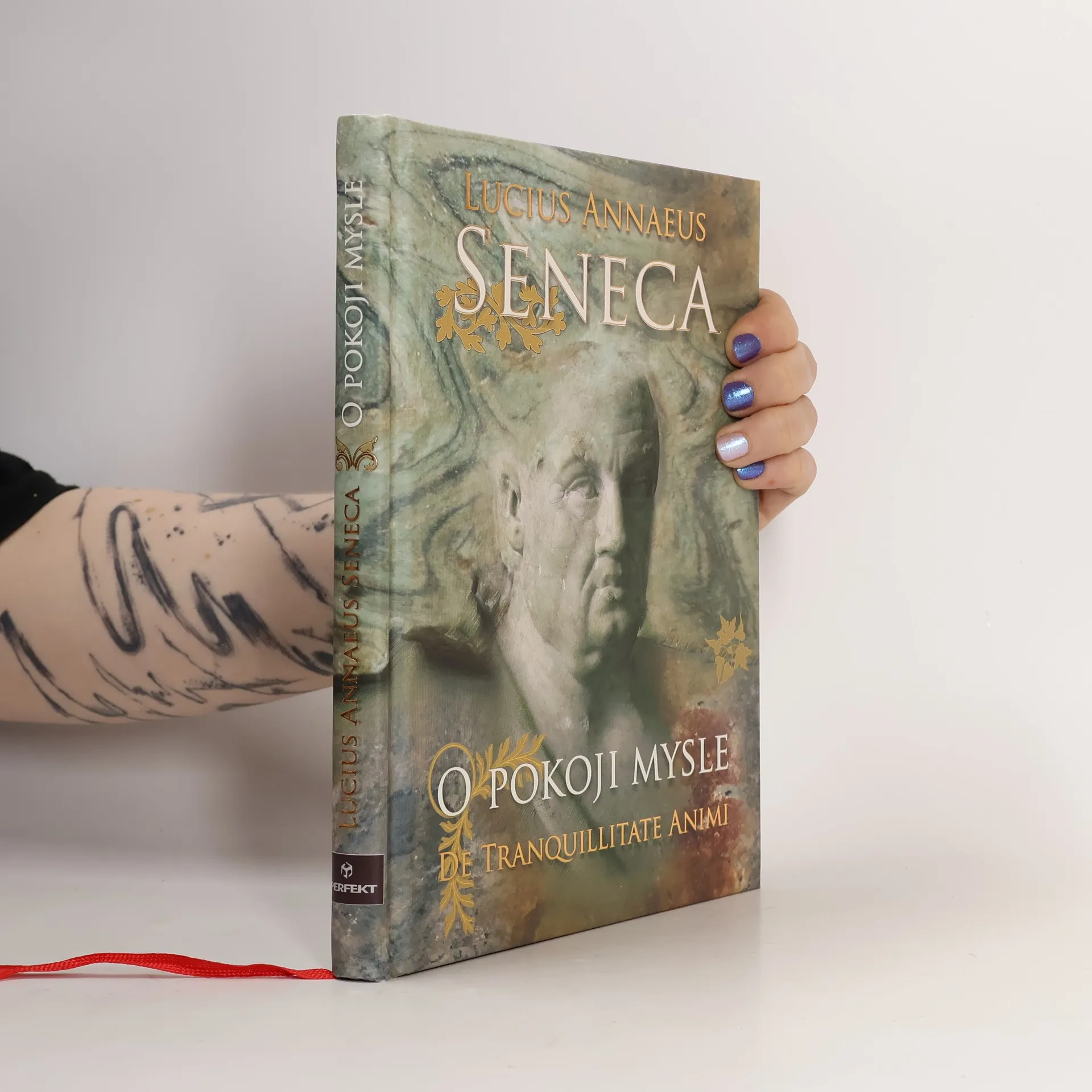
Focusing on the mental struggles of Annaeus Serenus, Seneca the Younger offers a Stoic perspective on overcoming anxiety and discontent in "Peace of Mind." Written between 49 and 62 A.D., this dialogue serves as a guide for achieving tranquility through self-reflection and rational thought. Seneca emphasizes the importance of maintaining a steady, joyful mindset, encouraging readers to cultivate a peaceful existence free from extremes of emotion. The work remains relevant for those seeking to navigate modern life's challenges with Stoic wisdom.
Seneca's contributions extend beyond philosophy to the realm of tragic theater, making him a pivotal figure in both fields. His Latin dramas are not only classics but also played a significant role in the Renaissance revival of tragic theater. These works influenced renowned playwrights such as Shakespeare, Kyd, Racine, Corneille, and Calderon, showcasing Seneca's lasting impact on literature and drama.
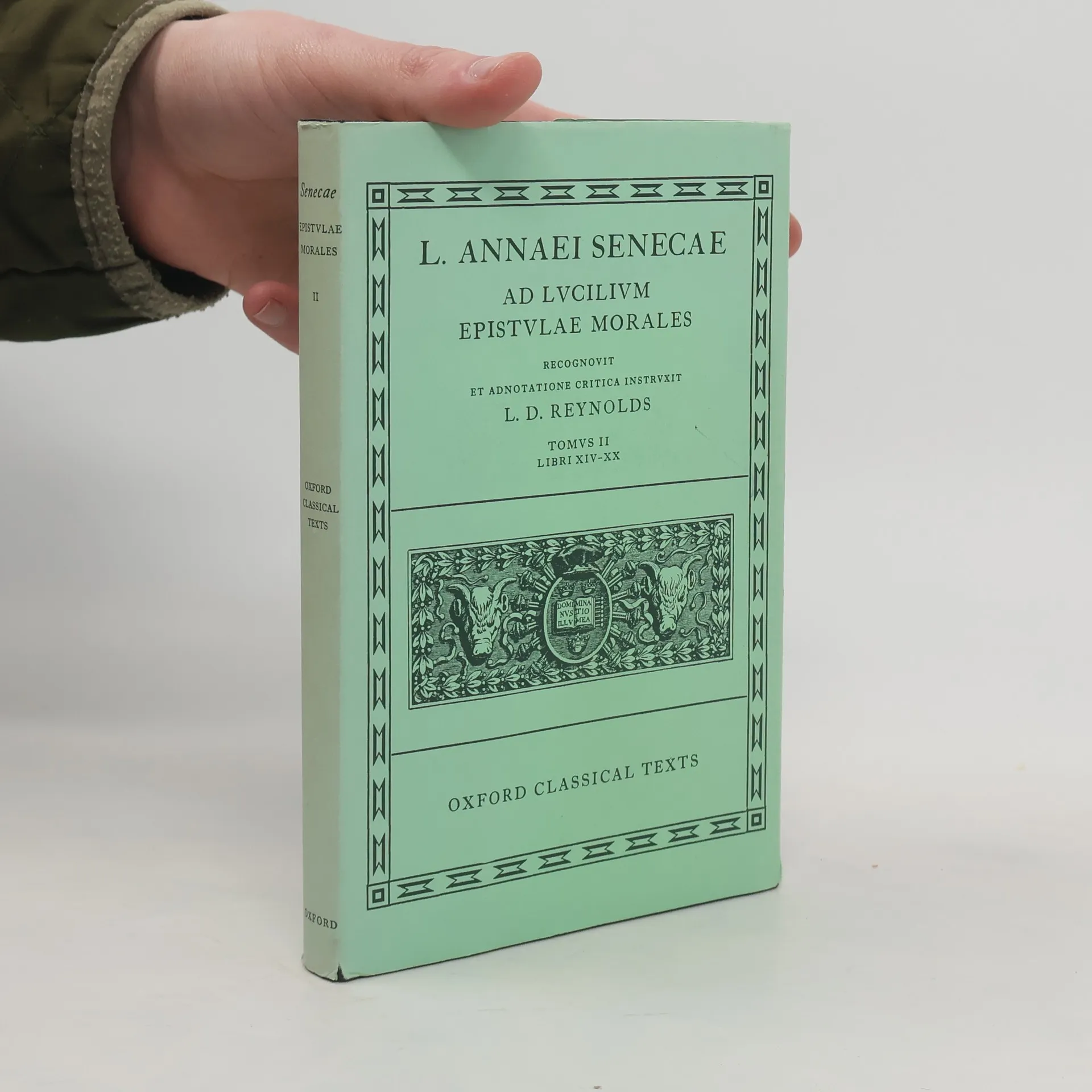
The Epistulae morales ad Lucilium (Moral letters to Lucilius) is a bundle of 124 letters which were written by Seneca the Younger at the end of his life. These letters all start with the phrase "Seneca Lucilio suo salutem" (Seneca greets his Lucilius) and end with the word "Vale" (Farewell). In these letters, Seneca gives Lucilius tips on how to become a more devoted Stoic. Lucilius was, at that time, the Governor of Sicily, although he is known only through Seneca's writings. Some of the letters include "On Noise" and "Asthma". Others include letters on "the influence of the masses" and "how to deal with one's slaves". Although they deal with Seneca's eclectic form of Stoic philosophy, they also give us valuable insights in the daily life in ancient Rome.
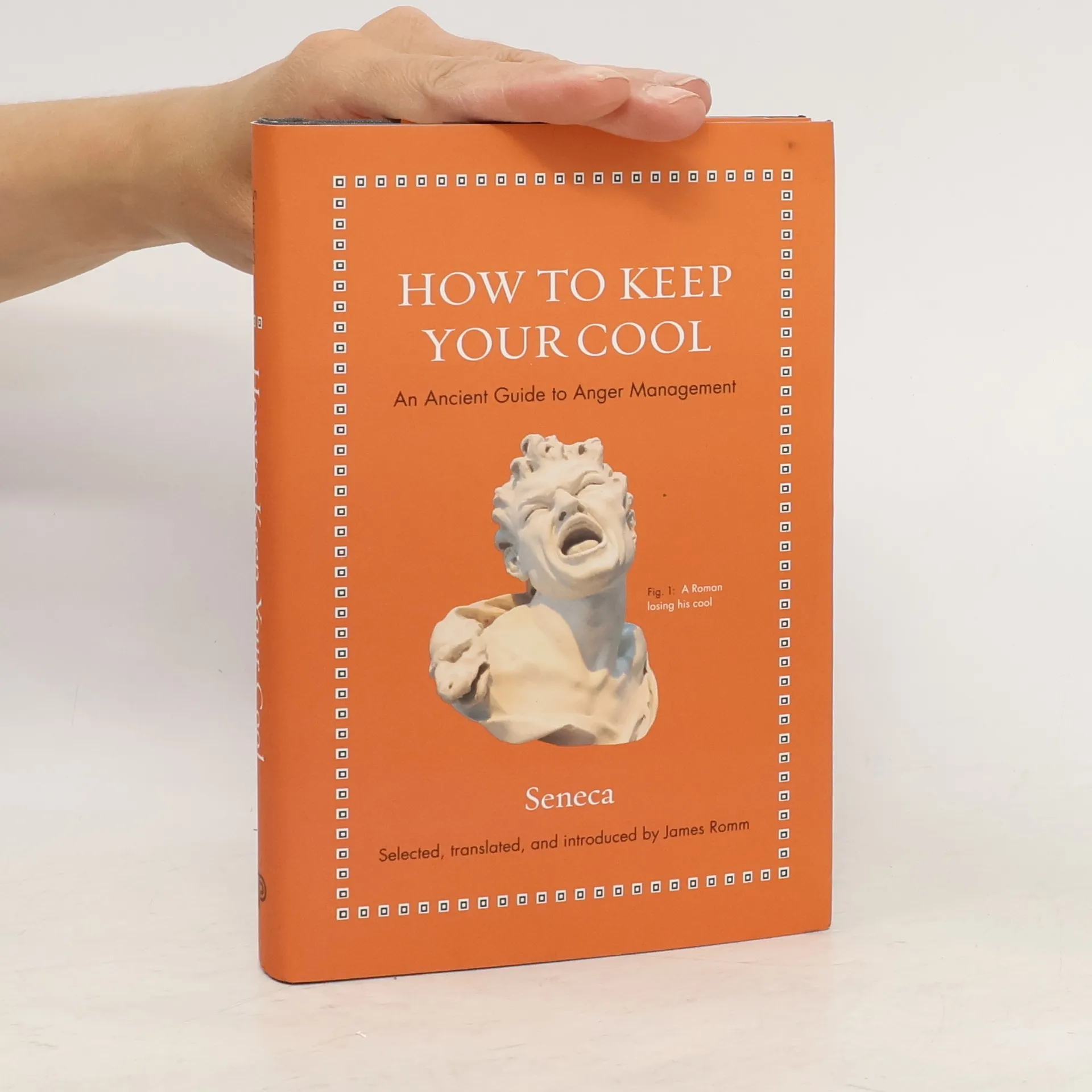
Timeless wisdom on controlling anger in personal life and politics from the Roman Stoic philosopher and statesman Seneca. In his essay "On Anger," Seneca argues that anger is the most destructive passion: "No plague has cost the human race more dear." His own life exemplifies this, as he barely survived under the wrathful emperor Caligula and ultimately lost his life under Nero. This new translation of essential selections from "On Anger," accompanied by an enlightening introduction and the original Latin, serves as a timeless guide to managing anger. Seneca vividly illustrates the dangers of this emotion and the vast benefits of controlling it for individuals and society. Utilizing his rhetorical prowess, he employs historical examples, anecdotes, and eloquent expressions to build a compelling case against anger. He paints a grim picture of the moral perils anger brings, linking many of the world's evils to this toxic source. Yet, he also offers a vision of an alternate path—one of forgiveness and compassion that resonates with various ethical traditions. Seneca's insights on anger are especially relevant today, as uncivil discourse increasingly taints public debate. Readers seeking personal growth or political renewal will find in his wisdom a valuable antidote to the ills of an angry age.
On Benefits, On Anger, On the Shortness of Life, On a Happy Life, On Leisure, On Peace of Mind, On Providence, On the Firmness of the Wise Person, On Clemency, and On Consolation
478 páginas
17 horas de lectura
The book explores the life and contributions of Lucius Annaeus Seneca, a prominent Roman Stoic philosopher, statesman, and dramatist during the Silver Age of Latin literature. It delves into his complex relationship with Emperor Nero, whom he initially served as a tutor and advisor. The narrative highlights the dramatic turn of events leading to Seneca's forced suicide, stemming from accusations of his involvement in a conspiracy against Nero. This account offers insights into both his philosophical ideas and the political intrigue of ancient Rome.
Moral Letters to Lucilius, On Benefits, On Anger, On the Shortness of Life, On a Happy Life, On Leisure, On Peace of Mind, On Providence, On Clemency, and On Consolation
770 páginas
27 horas de lectura
Seneca, a prominent Roman Stoic philosopher and dramatist, played a significant role during the Silver Age of Latin literature. Serving as both tutor and advisor to Emperor Nero, he faced a tragic end when he was compelled to take his own life due to accusations of involvement in a conspiracy against the emperor. His life and works reflect the complexities of power, morality, and the Stoic philosophy he espoused.
Exploring the theme of time management, the book emphasizes the importance of valuing and utilizing the time we have. It argues that life is inherently long enough to achieve meaningful goals if we avoid procrastination and distractions. By encouraging readers to reflect on their priorities and make conscious choices, it advocates for a more intentional and fulfilling approach to life.
This book is a reproduction of an original historical work, specifically designed in large print to enhance accessibility for individuals with impaired vision. Published by Megali, a house dedicated to making historical texts more readable, it aims to preserve the content while ensuring it is accessible to a wider audience.
Focusing on accessibility, this book is a reproduction of a historical work presented in large print, catering specifically to individuals with impaired vision. Published by Megali, a house known for its commitment to enhancing readability, it aims to make classic literature more inclusive for all readers.
Each work has been newly revised, edited and curated for the digital age. There is a complete Musonius Rufus and the rarely published Stoic Hierocles. Consolations From A Stoic contains all three of Seneca's consolations - To Marcia, To Helvia and To Polybius. On The Shortness of Life also by Seneca is presented in a brand new translation by author Damian Stevenson. The Stoics by Diogenes Laërtius is a fascinating 3rd century biography of the first Greek Stoics - Zeno of Citium, Dinoysius the Renegade, Chrysippus of Soli et al and there is also Meditations In Verse, an interesting Victorian poetic homage to Aurelius. Stoic Six Pack 2 is an amazing collection of masterworks and rarities, a must-read for fans of Meditations, Letters From A Stoic and Stoic philosophy in general.
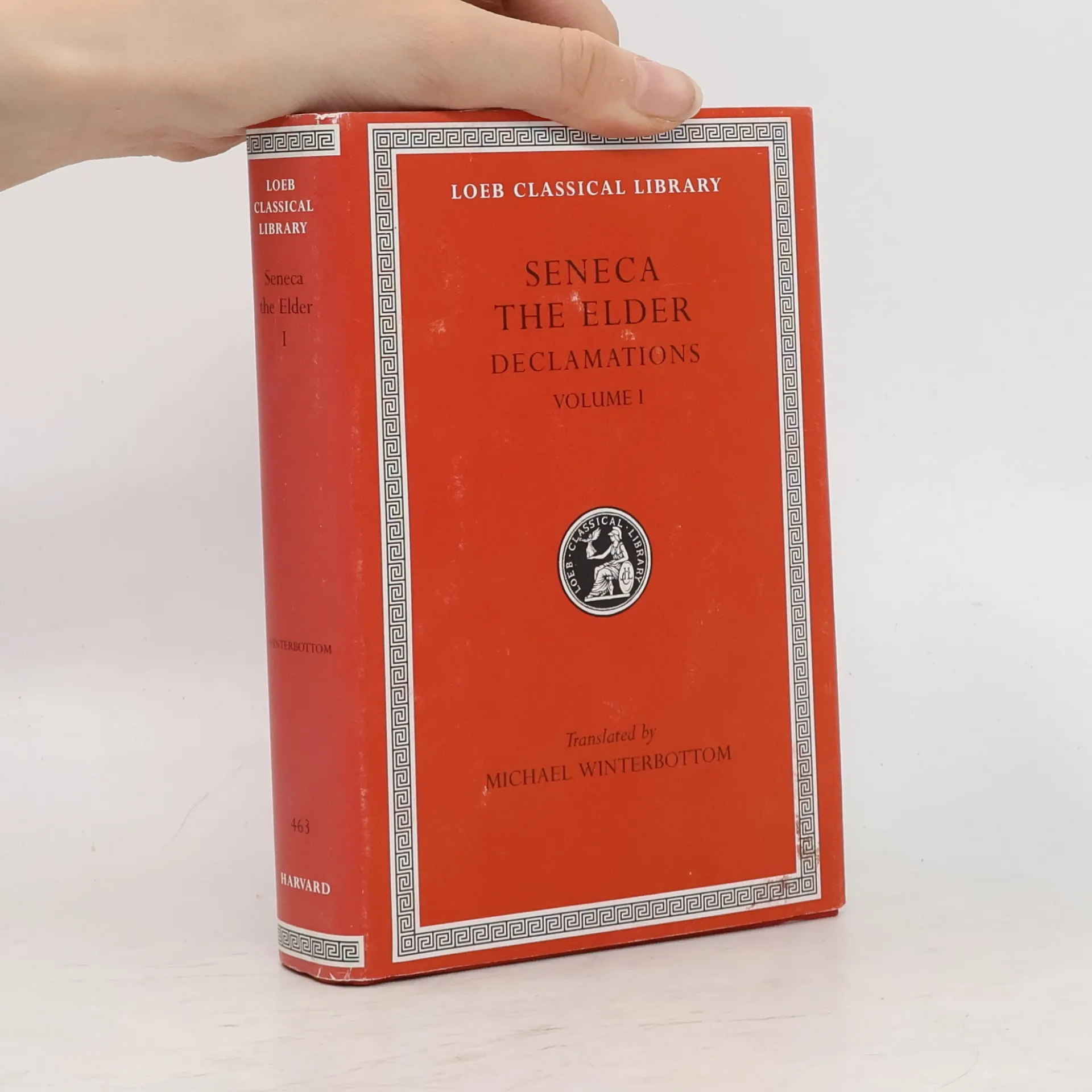
Seneca the Elder (?55 BCE 40 CE) collected ten books devoted to controversiae (some only preserved in excerpt) and at least one (surviving) of suasoriae. Extracts from famous declaimers of Seneca s illuminate influences on the styles of most pagan (and many Christian) writers of the Empire.
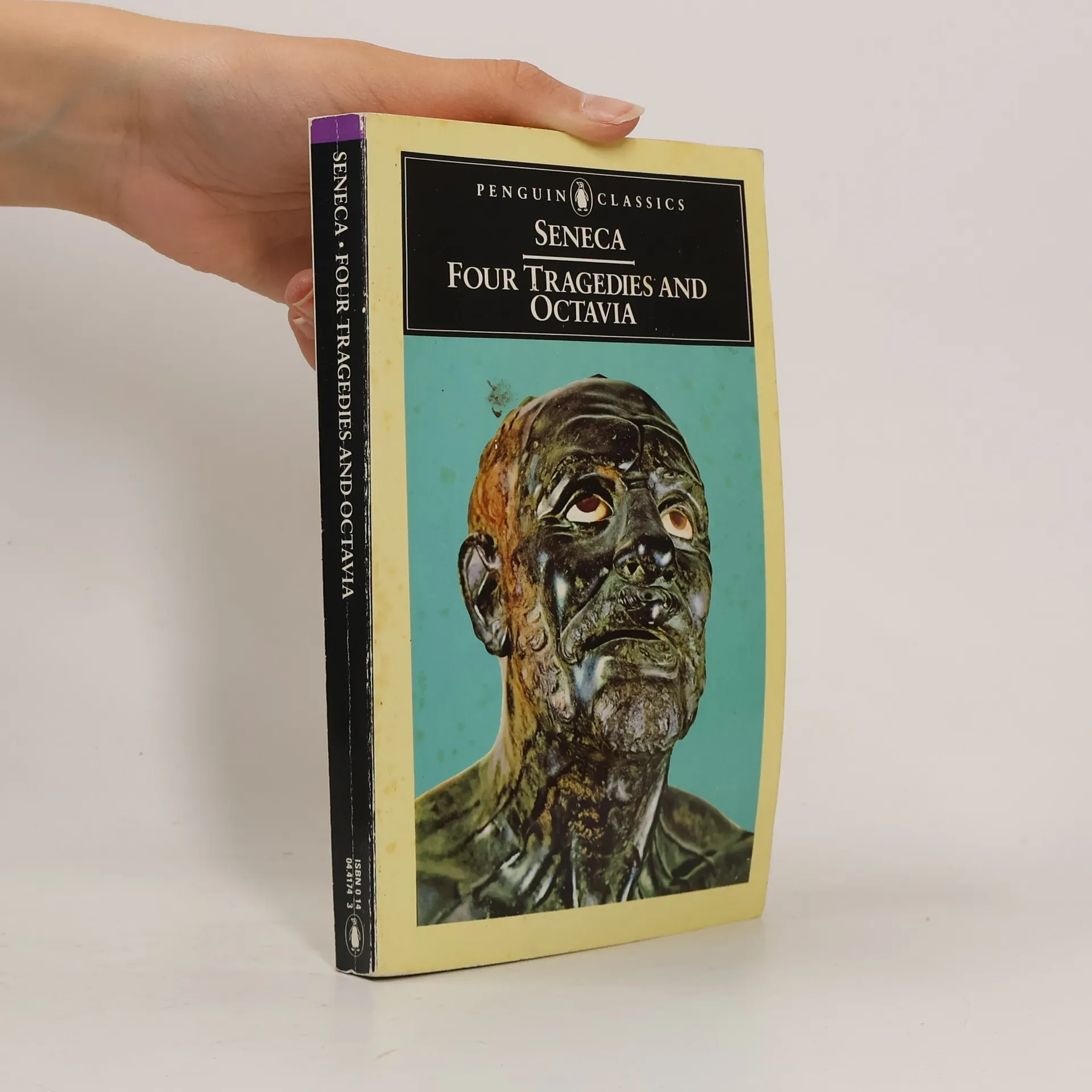
Dramas by the classical playwright and philosopher are accompanied by a modern work to demonstrate the Roman's impact on the development of the tragedy.
Plagued by ill-health, violently sick at sea, irritated by renovation costs: Seneca is never less than sympathetically human. In these letters written 2000 years ago, the ancient philosopher speaks to the reader today with lucidity and warmth. Whether advising on how to live a good life, spend time alone or free oneself from fears of death, Seneca is the wise and compassionate friend we all need now.
This is a reproduction of a book published before 1923. This book may have occasional imperfections such as missing or blurred pages, poor pictures, errant marks, etc. that were either part of the original artifact, or were introduced by the scanning process. We believe this work is culturally important, and despite the imperfections, have elected to bring it back into print as part of our continuing commitment to the preservation of printed works worldwide. We appreciate your understanding of the imperfections in the preservation process, and hope you enjoy this valuable book.
V polovici 1. storočia nášho letopočtu napísal stoický filozof Lucius Annaeus Seneca spis O pokoji mysle. V tejto jedinečnej svojpomocnej príručke sa štylizuje do pozície lekára poskytujúceho praktické liečebné rady, ako sa vyrovnať s duševným nepokojom. Obsahuje konkrétne odporúčania, ako môže človek zvládnuť negatívny stav mysle, ako osud ovplyvňuje náš psychický život a prečo je pri liečbe dôležitá racionálna zložka ľudskej duše. Táto publikácia z limitovanej edície kroník dozaista poteší každého milovníka antickej literatúry a vtiahne ho do myšlienkového sveta rímskej spoločnosti a filozofie.
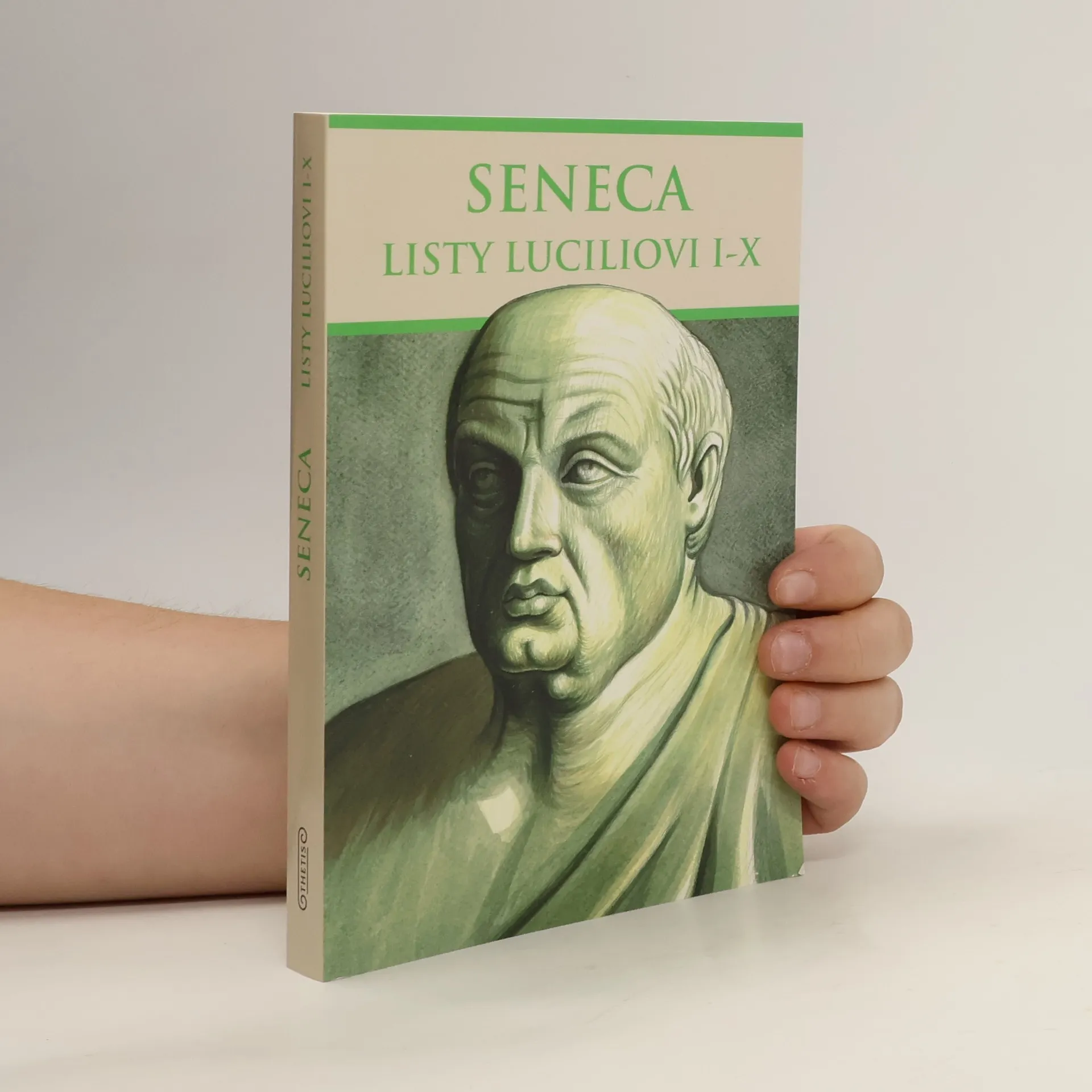
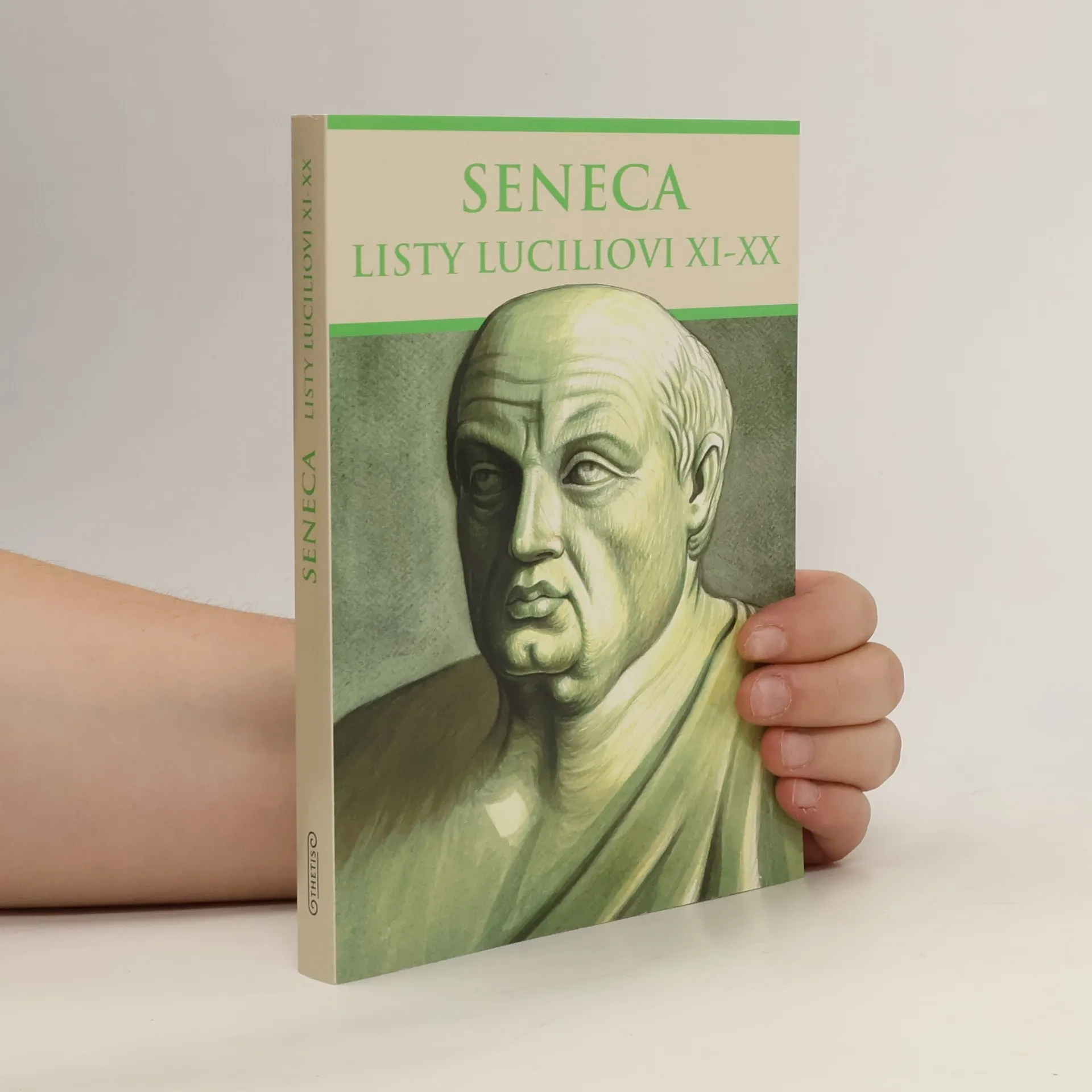
Sbírka sto dvaceti čtyř literárních dopisů adresovaných mladšímu Senekovu příteli Luciliovi Iuniorovi vznikla v posledních třech letech Senekova života a je považována za jeho nejzralejší dílo.
Spis O dobrodiních napsal Seneca již ke konci svého života a zabývá se v něm společenskou morálkou, otázkami poskytování a přijímání dobrodiní, vděkem a nevděkem. Filozofické úvahy jsou zpestřeny množstvím příkladů ze života, takže se dovídáme i leccos zajímavého o způsobu života a mravech tehdejší římské společnosti.
Z latinských originálů dle vydání uvedených v poznámkách přeložil, předmluvou a poznámkami opatřil Václav Bahník. Jedna z nejznámějších a ve své době nejčtenějších útěšných úvah (konsolace) se v duchu stoické filozofie zamýšlí nad duševní vyrovnaností moudrého člověka. Dílo hluboce etické je napsáno velice srozumitelněa řadí se tak k Senecově filozofii praktického života. Téma doplňuje v tomto vydání ještě sedm drobnějších úvah. Na závěr je připojen soubor sedmi epigramů (v češtině vycházejí poprvé) a dále satira, která zesměšňuje zbožštění císaře Claudia. Dílo je opatřeno bohatým poznámkovým aparátem a zasvěcenou předmluvou. Obsahuje: O hněvu -- O blaženém životě -- O krátkosti života -- O prozřetelnosti -- O stálosti mudrce -- O duševním klidu -- O volném čase -- O laskavosti -- Epigramy -- Apokolokyntóza
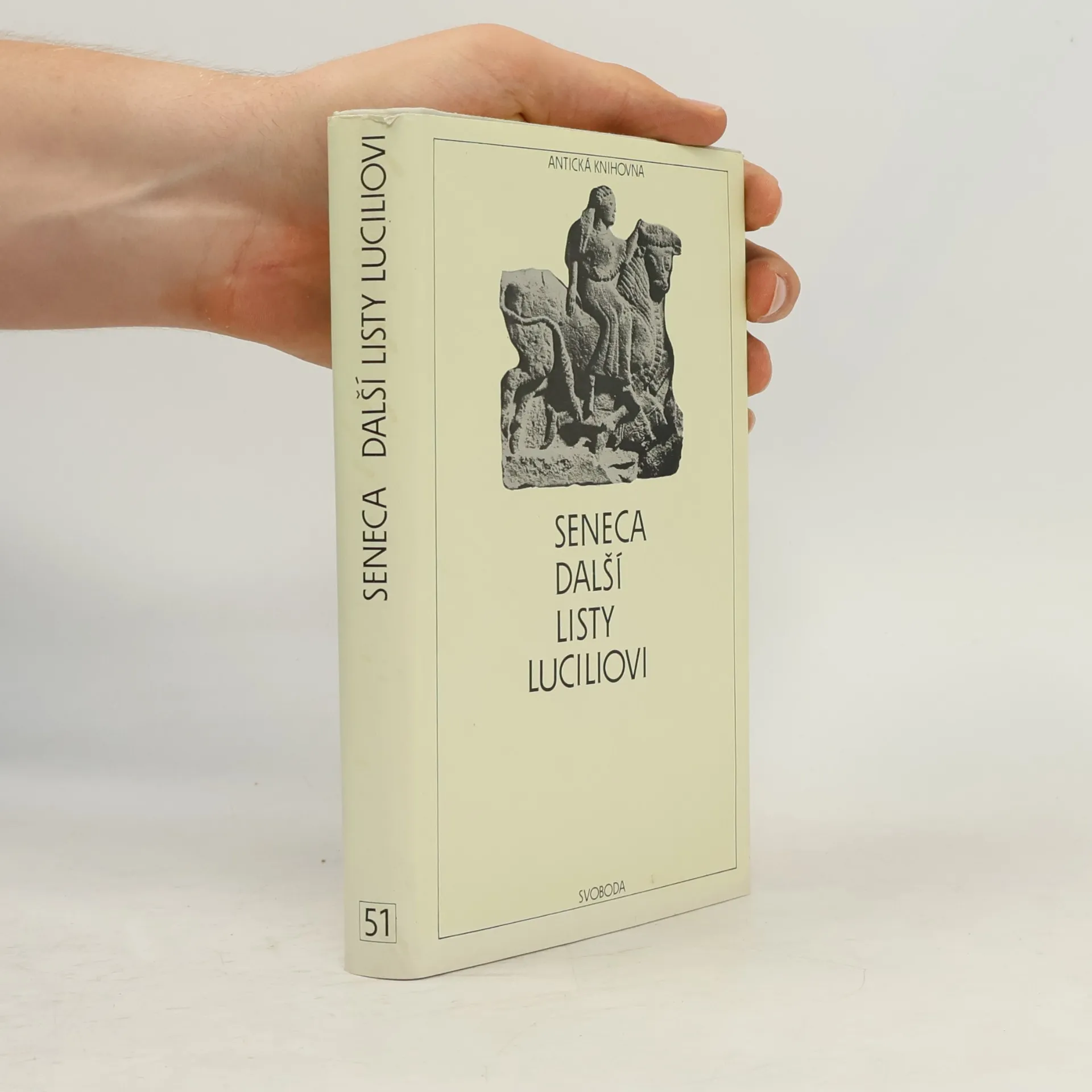
Listy Luciliovi, sbírka sto dvaceti čtyř literárních dopisů adresovaných o něco mladšímu Senekovu příteli Luciliovi Iuniorovi, vznikly v posledních třech letech Senekova života a jsou považovány za jeho nejzralejší dílo. Jejich obsahem jsou nesčetné otázky etiky a praktické filozofie vůbec. Ačkoli převážná část výkladů se nese v duchu stoické nauky, neuzavírá se Seneca ani názorům jiných a předkládá je. V listech, určených širší čtenářské obci, oslovuje v osobě Luciově každého čtenáře jako přítele, který zasluhuje, aby se jeho názorům, otázkám, postojům a celému způsobu života věnoval. Senekovým cílem bylo získat čtenáře a přivést je na správnou cestu, a proto vložil do listů obratnost řečníka, znalosti filozofa, nadšení pedagoga i draze zaplacenou životní zkušenost a moudrost. Tento svazek obsahuje všechny listy nezařazené do výboru, který vyšel v r. 1969 jako 4. svazek Antické knihovny. Český čtenář tak dostává do rukou toto závažné Senekovo dílo poprvé v úplnosti.
Listy Luciliovi sú Senekovým najvýznamnejším dielom, ktoré vytvoril už v zrelom veku, utiahnutý do ústrania od aktívneho politického života. Systematicky v nich preberá rôzne otázky života, bytia, existencie, kultúrne a spoločenské hodnoty, otázky umenia, ako aj bežné každodenné veci. Toto dielo je syntézou Senekových životných skúseností, ktoré nazbieral počas svojho nepokojného a rôznymi udalosťami poznačeného života.
V knihe je uvedená aj prvá časť porovnávacej štúdie Miloslava Okála Filozof Seneca a Pavol apoštol.
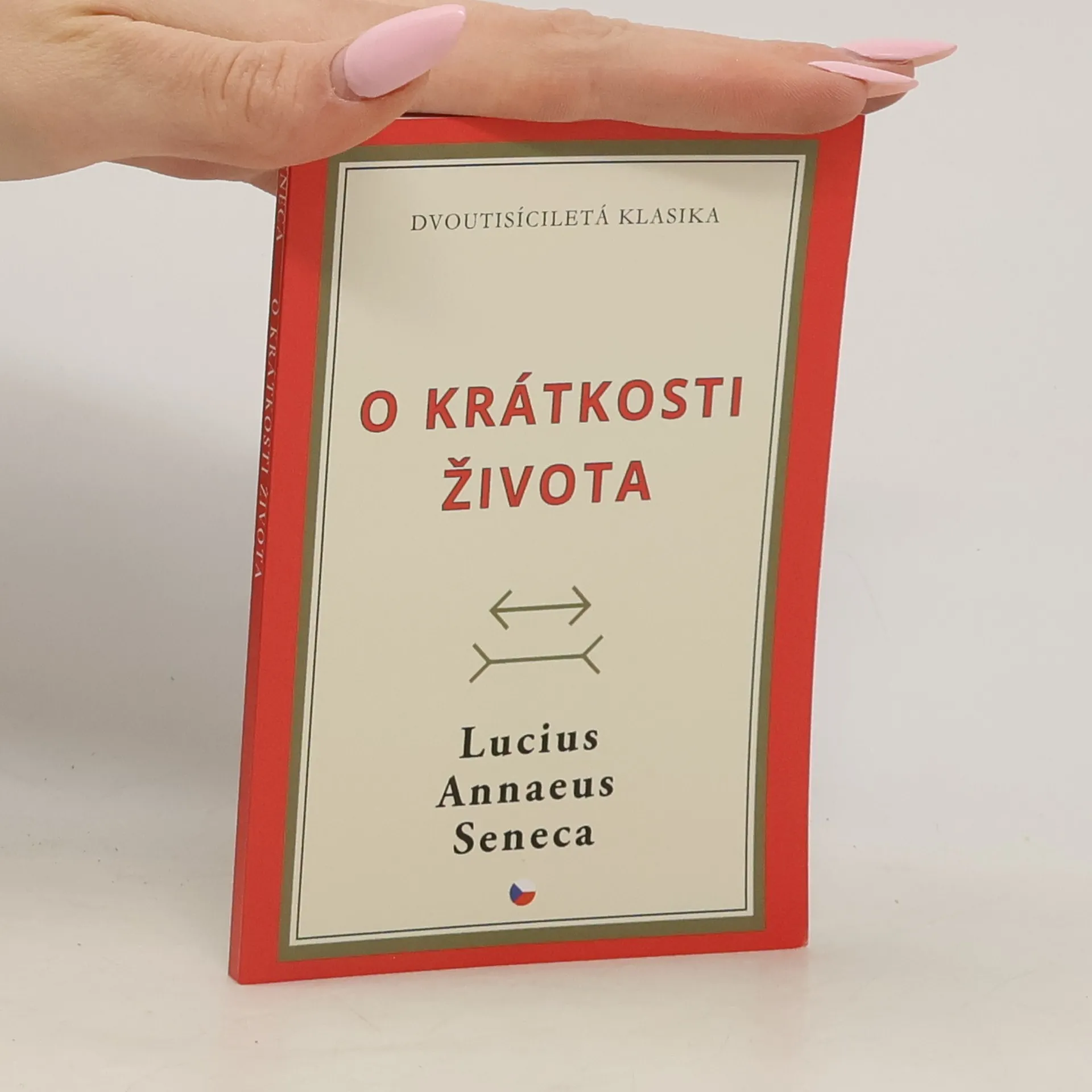
„O krátkosti života“ (orig. De brevitate vitae) je téměř dva tisíce let starý list Lucia Seneky, adresovaný příteli. Seneca, jako jeden z nejvýznamnějších představitelů stoicismu, v tomto nadčasovém díle nás nutí přehodnotit, jak nakládáme s časem. Ukazuje, že kvalita života nezávisí na jeho délce, ale na tom, jak jej využijeme.Seneca vždy patřil a stále patří k nejoblíbenějším a nejpřekládanějším římským autorům. Během svého života stihl být vlivným řečníkem, tutorem římského císaře, podnikatelem a v jednom okamžiku i nejbohatším Římanem. Pro Senecu jako stoika bylo klíčové, jak reagovat a přijímat životní okolnosti, které nemůžeme ovlivnit, a naopak se soustředit na to, co ovlivnit můžeme. V krátkém, ale hlubokém dopisu rodinnému příteli Seneca uvádí osm klíčových důvodů, proč často nežijeme tak, jak bychom chtěli. Rozebírá, proč si mnozí neuvědomují, že čas je ve skutečnosti jejich nejvzácnější zdroj. V listu nenabízí pouze teoretické rady, ale poskytuje i praktická doporučení, jak se vyhnout promarnění života na zbytečnosti a dosáhnout opravdového štěstí a smysluplného života.
Dialoghi - Lettere a Lucilio - Apocolocintosi - La clemenza - I benefici - Questioni naturali - Sul matrimonio A cura di Mario Scafidi Abbate Tragedie: Ercole furioso - Troiane - Le fenicie - Medea - Fedra - Edipo - Agamennone - Tieste - Ercole sull'Eta - Ottavia A cura di Ettore Paratore Edizioni integrali con testo latino a fronte.
Epistulae sexaginta sexta usque ad nonagesimam secundam Senecae series philosophicae Stoicae, argumenta tam ampla quam virtus, felicitas, sapientia, mors et senectus tractantia.
V Senecových Listoch Luciliovi nájdeme mnoho statí, ktoré Seneca píše so silným oduševnením, v ktorých sa prejavuje jeho pozoruhodná vnútorná sila, a to najmä vtedy, keď strasti a útrapy úmorne zvierali jeho dušu. Senekove Listy Luciliovi nám môžu byť príkladom vysokej morálnej sily útrapami skúšaného človeka a môžeme sa z nich tiež dozvedieť mnoho zaujímavých informácií z obdobia veľkého Ríma.
Senekove názory a filozofiu, ako aj Senekov vzťah k Pavlovi apoštolovi, jeho učeniu a kresťanstvu podrobne skúma porovnávacia štúdia Miloslava Okála Filozof Seneca a Pavol apoštol, ktorej dokončenie uvádzame v tejto knihe.
OIDIPUS — překlad a úvod: Eva Stehlíková THYESTES — překlad a úvod: Eva Stehlíková OCTAVIA (Pseudo-Seneca) — překlad a úvod: Daniela Čadková Editor: Pavel Drábek Kateřina Wewiorová
I sei principali dialoghi morali del maggiore rappresentante e divulgatore dello stoicismo, con testo latino a fronte, preceduti da note critiche e informative. La provvidenza La fermezza del saggio La vita felice La vita ritirata La tranquillità dell'animo La brevità della vita «Ah, se avessi letto prima le opere di Seneca... Il tuo soffio dissipa i vani fantasmi della vita. Tu avresti fatto per me più di quanto abbiano fatto mio padre, mia madre e i miei insegnanti: tutte persone che volevano rendermi buono ma non ne conoscevano i mezzi». (Denis Diderot)
Comment ne pas perdre son temps, à défaut de ne pouvoir l'économiser ? Peut-on vivre l'instant présent sans se projeter sans cesse dans le passe ou l'avenir ? Est-il possible de vivre heureux dans le temps qui nous est imparti ? D'accepter les effets du vieillissement ? Sénèque, Lucrèce, Descartes, Marc Aurèle, Kierkegaard, Schopenhauer, Nietzsche... aucun n'a pu échapper à ces interrogations métaphysiques. Hommes avant d'être philosophes, soumis eux aussi aux exigences du temps qui passe, ces penseurs ont toujours considéré ce sujet comme un défi lancé à leur intelligence. Leurs réflexions denses et passionnantes réunies dans ce guide proposent une alternative rafraîchissante aux éternels clichés énoncés sur ce thème.
Senecas Briefe an Lucilius bieten eine Einführung in die stoische Philosophie und zeigen Wege zur Bewältigung menschlicher Probleme wie Einsamkeit, Krankheit und Tod auf. Der Autor strebt keine systematische Darstellung an, sondern spricht zeitlose Themen an, die auch heute noch relevant sind.
Alle wollen immer das Beste, das Neueste. Luxus bedeutet heute vor Konsum. Doch die problematische Jagd nach Statussymbolen und das zügellose Ausleben kurzfristiger Trends sind nicht neu. Schon Seneca beklagte sich im ersten Jahrhundert über die Eskapaden und die Gier seiner Zeitgenossen.Wie viel Luxus brauchen wir tatsächlich für ein gutes Leben? Und vor Was brauchen wir eigentlich? Wer sich heute für Nachhaltigkeit einsetzt, findet in seinen Schriften eine Fülle an Argumenten.
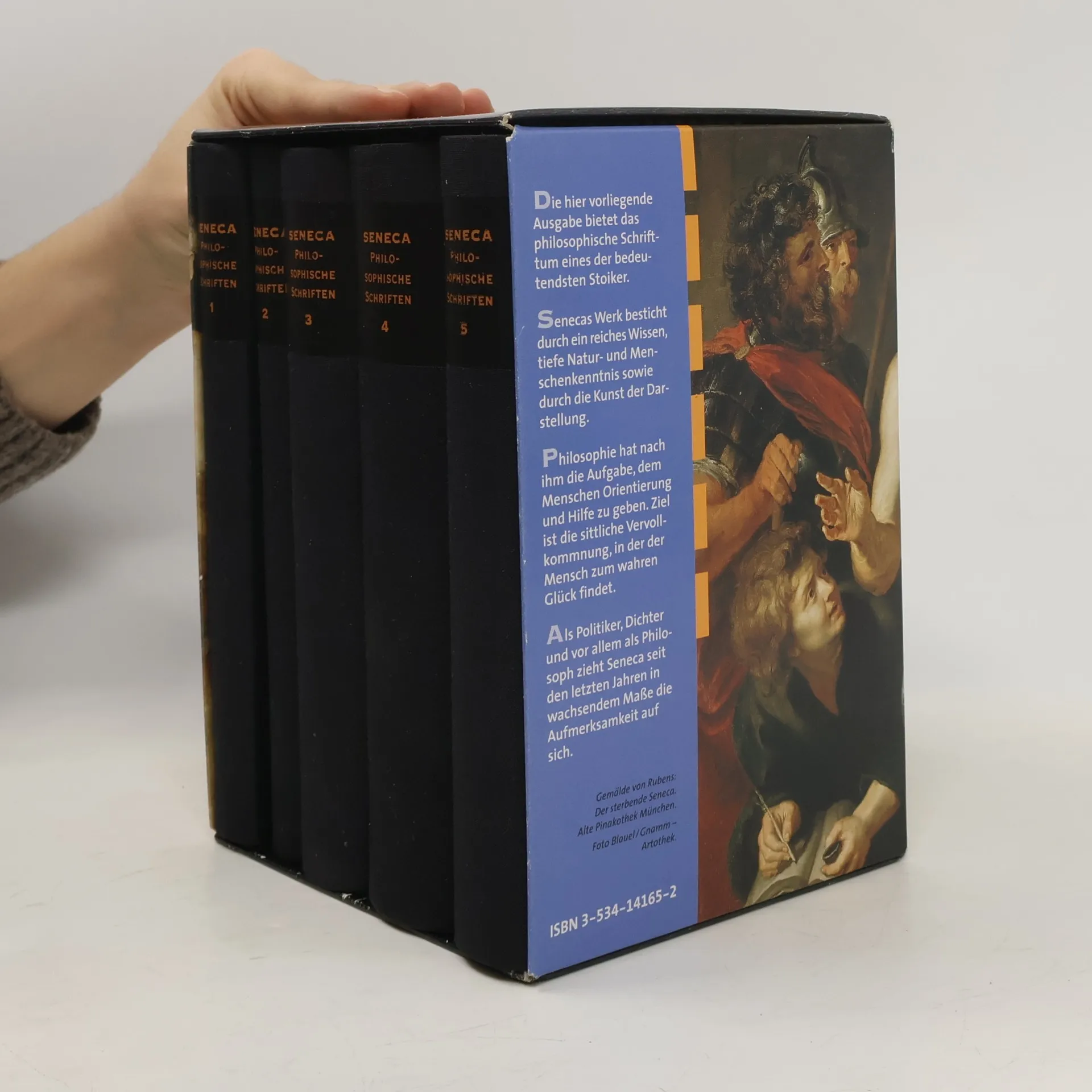
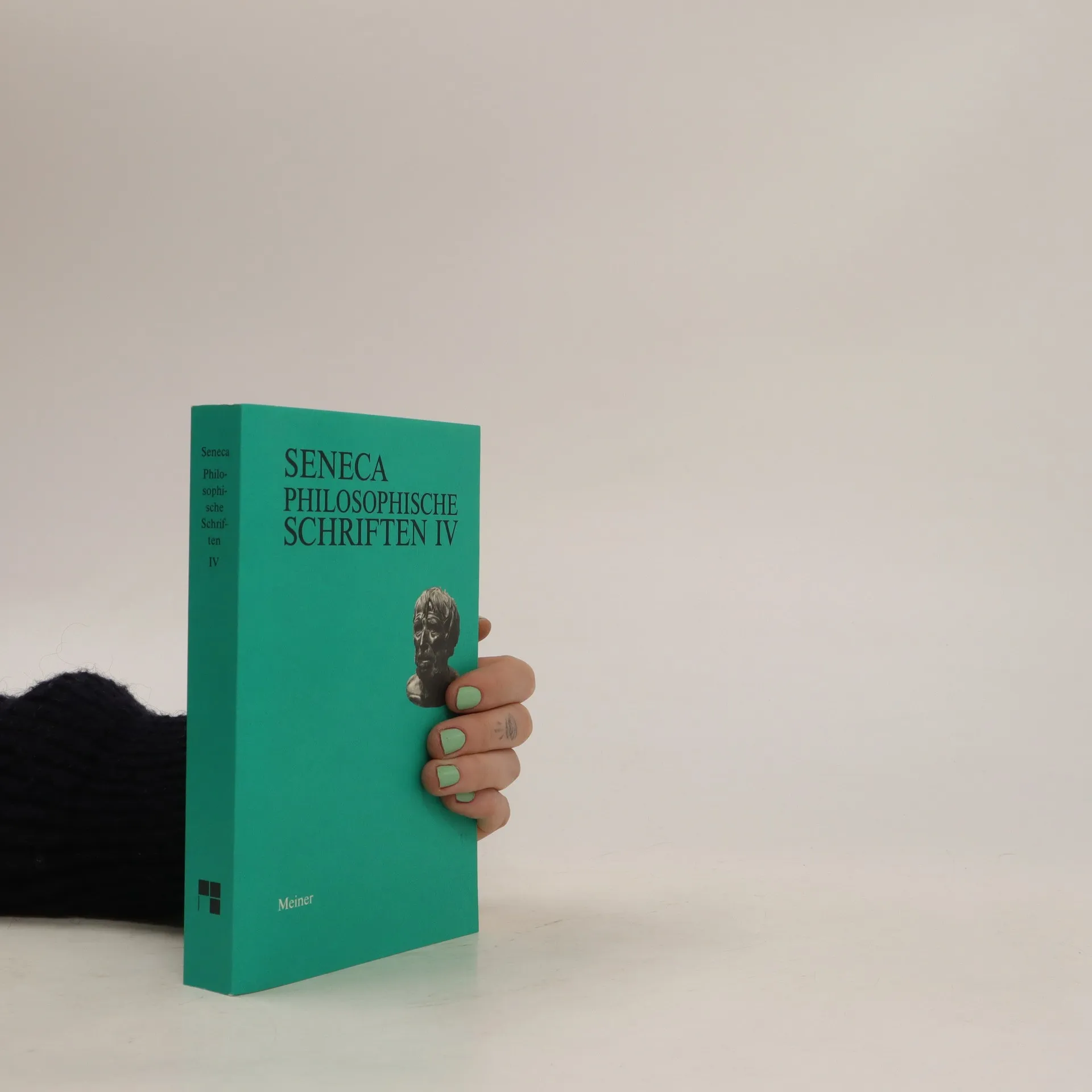
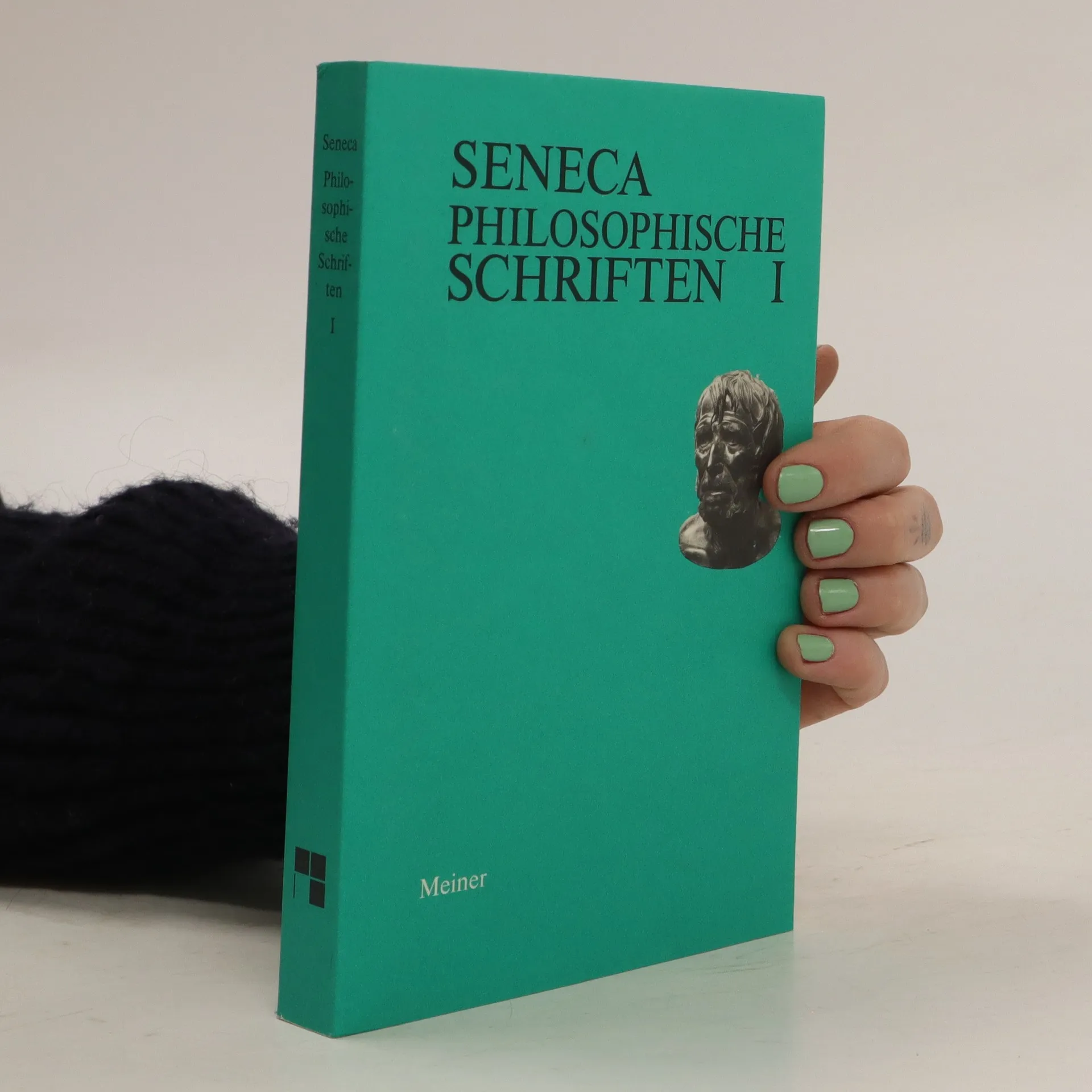
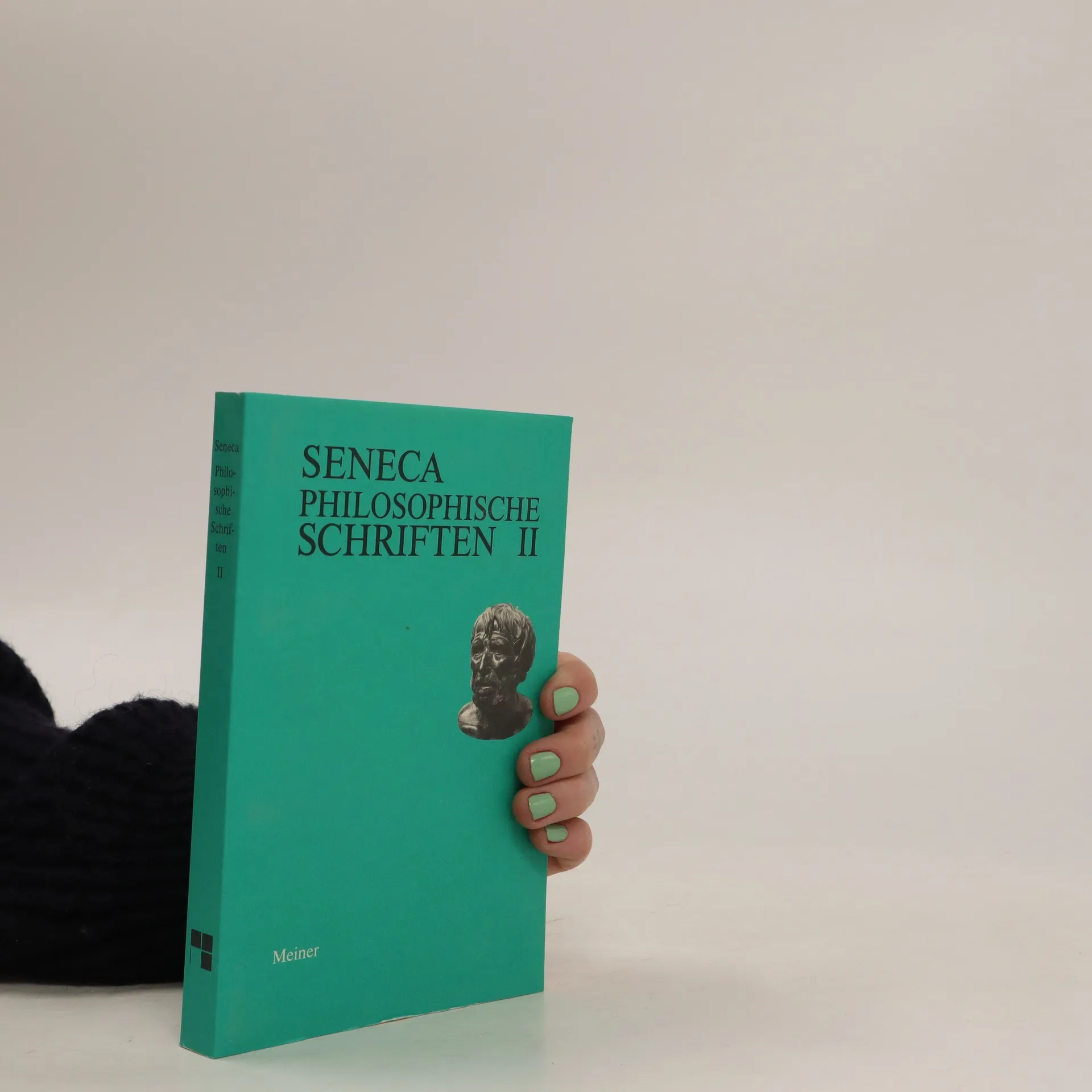
Otto Apelts erstmals 1923/24 vorgelegte, vollständige Übersetzung aller philosophischen Schriften Senecas gilt bis heute als unübertroffen. Einleitungen und zusammenfassende Inhaltsübersichten erleichtern den Zugang zu den Dialogen und 124 Briefen. Band 1: Der Dialoge erster Teil (Buch I-VI): Von der göttlichen Vorsehung - Von der Unerschütterlichkeit des Weisen - Drei Bücher vom Zorn - Trostschrift an Marcia. Band 2: Der Dialoge zweiter Teil (Buch VII-XII): Vom glücklichen Leben - Von der Muße - Von der Gemütsruhe - Von der Kürze des Lebens - Trostschriften. Band 3: Briefe an Lucilius. Erster Teil. Briefe 1-81. Band 4: Briefe an Lucilius. Zweiter Teil. Briefe 82-124.
Otto Apelts erstmals 1923/24 vorgelegte, vollständige Übersetzung aller philosophischen Schriften Senecas gilt bis heute als unübertroffen. Einleitungen und zusammenfassende Inhaltsübersichten erleichtern den Zugang zu den Dialogen und 124 Briefen. Band 1: Der Dialoge erster Teil (Buch I-VI): Von der göttlichen Vorsehung - Von der Unerschütterlichkeit des Weisen - Drei Bücher vom Zorn - Trostschrift an Marcia. Band 2: Der Dialoge zweiter Teil (Buch VII-XII): Vom glücklichen Leben - Von der Muße - Von der Gemütsruhe - Von der Kürze des Lebens - Trostschriften. Band 3: Briefe an Lucilius. Erster Teil. Briefe 1-81. Band 4: Briefe an Lucilius. Zweiter Teil. Briefe 82-124.
Otto Apelts vollständige Übersetzung der philosophischen Schriften Senecas aus den Jahren 1923/24 gilt als unübertroffen. Die Edition umfasst Dialoge und Briefe, die durch Einleitungen und Inhaltsübersichten den Zugang erleichtern. Sie ist in vier Bände unterteilt, die verschiedene Themen und Briefe abdecken.
Otto Apelts erstmals 1923/24 vorgelegte, vollständige Übersetzung aller philosophischen Schriften Senecas gilt bis heute als unübertroffen. Einleitungen und zusammenfassende Inhaltsübersichten erleichtern den Zugang zu den Dialogen und 124 Briefen. Band 1: Der Dialoge erster Teil (Buch I-VI): Von der göttlichen Vorsehung - Von der Unerschütterlichkeit des Weisen - Drei Bücher vom Zorn - Trostschrift an Marcia. Band 2: Der Dialoge zweiter Teil (Buch VII-XII): Vom glücklichen Leben - Von der Muße - Von der Gemütsruhe - Von der Kürze des Lebens - Trostschriften. Band 3: Briefe an Lucilius. Erster Teil. Briefe 1-81. Band 4: Briefe an Lucilius. Zweiter Teil. Briefe 82-124.
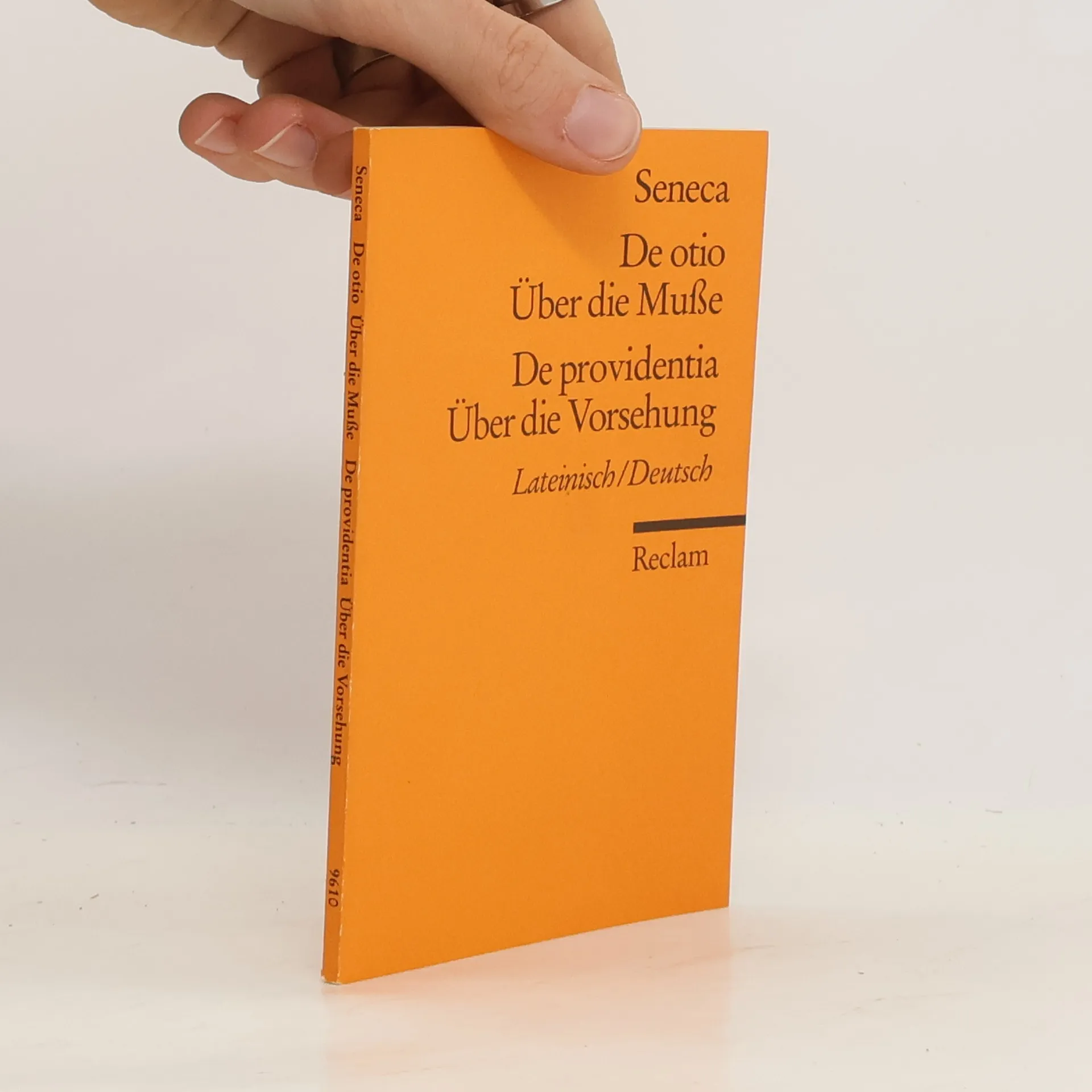
Zwei kurze (teilweise fragmentarische) Dialoge aus Senecas letzten Jahren. Obwohl die Stoiker sonst das Tätigsein zur Lebensmaxime erheben, hat auch die Muße ihren guten Sinn, weil sie den Menschen frei macht für die Erkenntnis des Wahren und Guten und ihn so der Vollkommenheit näherbringt (»De otio«). Gottes Güte zeigt sich in der Vorsehung, die dem Menschen auch harte Prüfungen und Leiden auferlegen kann, um ihn zum »bonus vir« zu machen (»De providentia«). Sprachen: Deutsch, Latein
Fragen über Leben und Tod, über Schicksal und Selbstbestimmung - Fragen, die von jeher die Menschheit beschäftigen, der Stoiker Seneca geht sie in seinen Schriften an, in einem schnörkellosen, direkten Stil, der ihn heute noch modern erscheinen lässt. Dieser Band enthält Auszüge aus seinen berühmtesten Werken, u. a. aus: ›Von der Kürze des Lebens‹, ›Von der Vorsehung‹, ›Moralische Briefe an Lucilius‹, ›Die Trostschrift an Marcia‹, ›Vom Zorn‹.
Mit dieser zweisprachigen Studienausgabe hat Manfred Rosenbach als erster eine moderne Übersetzung der philosophischen Schriften Senecas als Gesamtwerk vorgelegt. Diese schließt sich eng an den lateinischen Text an. Bewusst werden freie Übersetzung und geglättete Sprache vermieden, um die Eigenart von Senecas Stil auch im Deutschen durchscheinen zu lassen, denn bei ihm sind in besonderem Maße Form und Inhalt miteinander verwoben. Im Anhang zu Band 5 gibt der Herausgeber einen knappen Überblick über Senecas Leben und Werk und ein Verzeichnis wichtiger und informativer Literatur zu Seneca. Er sieht »Seneca als eine ›Gestalt von welthistorischem Rang‹ an, zwar nicht frei von Schwächen und Widersprüchen, aber doch auch als einen Mann, der sich ›nicht mit einer Interpretation der Welt begnügte‹, sondern sie zu verändern versuchte, als einen Mann, der als Dichter und Denker tiefe Spuren in der europäischen Geistesgeschichte hinterlassen hat.« Eine »gediegene und für jede ernsthafte Beschäftigung mit Senecas Philosophie vielfältig nützliche Ausgabe«.
Druhý ze tří svazků tragédií nesmrtelného Římana: FOINIČANKY ANEB THEBAIS, překlad a úvod Eva Stehlíková; FAIDRA, překlad a úvod Eva Stehlíková; ŠÍLENÝ HERKULES, překlad a úvod Daniela Čadková.
Ein gelingendes Leben zu führen, ist wohl Kunst und Wissenschaft zugleich. Wie finden wir Ruhe und Gelassenheit in einer Welt, die immer schneller und komplexer wird? Wie leben und sterben wir in Würde? Welches sind die Tugenden, welches sind die Laster, um die man wissen muss? Die Weisheiten der Stoiker, allen voran die des Seneca, sind auch den kommenden Generationen ein Wegweiser, um ein selbstbestimmtes Lebensgefühl zu erreichen.
Was macht ein gutes Leben aus? Ist alles vorherbestimmt, oder haben wir unser Leben selbst in der Hand? Was macht uns glücklich? Und: Wie wollen wir sterben? Lebensfragen wie diese sind zeitlos. Und die Antworten des römischen Philosophen Seneca sind auch nach 2000 Jahren noch aktuell. Der bisher nur in der Reclam Bibliothek greifbare Band bietet zentrale Texte des Stoikers in Übersetzung: Von der Kürze des Lebens, Von der Ruhe des Gemüts, Vom glücklichen Leben, Von der Vorsehung und Von der Muße .
Sont sélectionnés dans cet ouvrage cinq des traités les plus représentatifs de Sénèque, présentés sous forme de dialogues. Dans le premier, De la colère, Sénèque envisage les conséquences d'un comportement coléreux, mais surtout d'un caractère vindicatif, irascible, rancunier. Tous défauts qui abaissent l'homme et que le sage doit s'efforcer de chasser loin de lui ou, en tout cas, de dominer. Le but du second, De la brièveté de la vie, est de montrer non pas que la vie est courte en soi, mais bien plutôt que les hommes perdent leur temps en occupations vaines alors que l'acquisition de la sagesse réclame une longue patience. Convaincre son ami Sérénus de vivre en sage stoïcien, telle est la raison qui conduisit Sénèque à rédiger ce troisième dialogue, De la tranquillité de l'âme. Par le traité intitulé De la clémence, où il s'adresse directement à Néron, Sénèque veut non seulement peindre un portrait du prince parfait dont l'une des qualités doit être la clémence, mais il espère encore par ces exhortations maintenir le jeune empereur dans le chemin d'un règne vertueux dont il avait fixé les bornes. Dans le dialogue De la vie heureuse, Sénèque a voulu répondre aux attaques que les philosophes, et lui-même, subissaient de la part de leurs adversaires.
Consigliere autorevole di Nerone, poi emarginato e costretto al silenzio (e di lì a poco alla morte ). Seneca scrisse le Lettere a Lucilio – di cui si propone qui una scelta. Seneca non scrive col tono cattedratico del filosofo di professione. “Voglio” – dice – “che le mie parole siano semplici e poco studiate, come sarebbero se noi conversassimo tranquillamente, seduti o passeggiando”.