Techniques for studying biofilms—cellular colonies found in drinking water systems, wastewater operations, and natural water sources—have historically been limited. However, in the past decade, biofilms have emerged as crucial for water quality preservation, wastewater treatment, and microbiological research. Understanding biofilm development, structure, and dynamics is essential for improving water supplies and addressing issues like biofouling, corrosion, and bioweathering. This text offers a comprehensive assessment of both current and experimental methods for studying biofilms, in sample form and in situ. It demonstrates how tools such as sensors, microscopy, lasers, and calorimetry can be utilized to gather data on biofilm morphology and metabolism. The book organizes and examines the best investigative methods, covering culture-based approaches and emerging nondestructive techniques. It illustrates their application in various manmade environments, including sewers, wastewater plants, and drinking water systems, as well as in karsts and groundwater sources. By clarifying biofilm study methods, the text provides insights into challenges faced by environmental specialists, such as corrosion control and biofouling, while explaining technologies for controlled biofilm growth and effective monitoring. The technical content is aimed at engineers and researchers, facilitating the generation of electronic data.
Hans Curt Flemming Libros

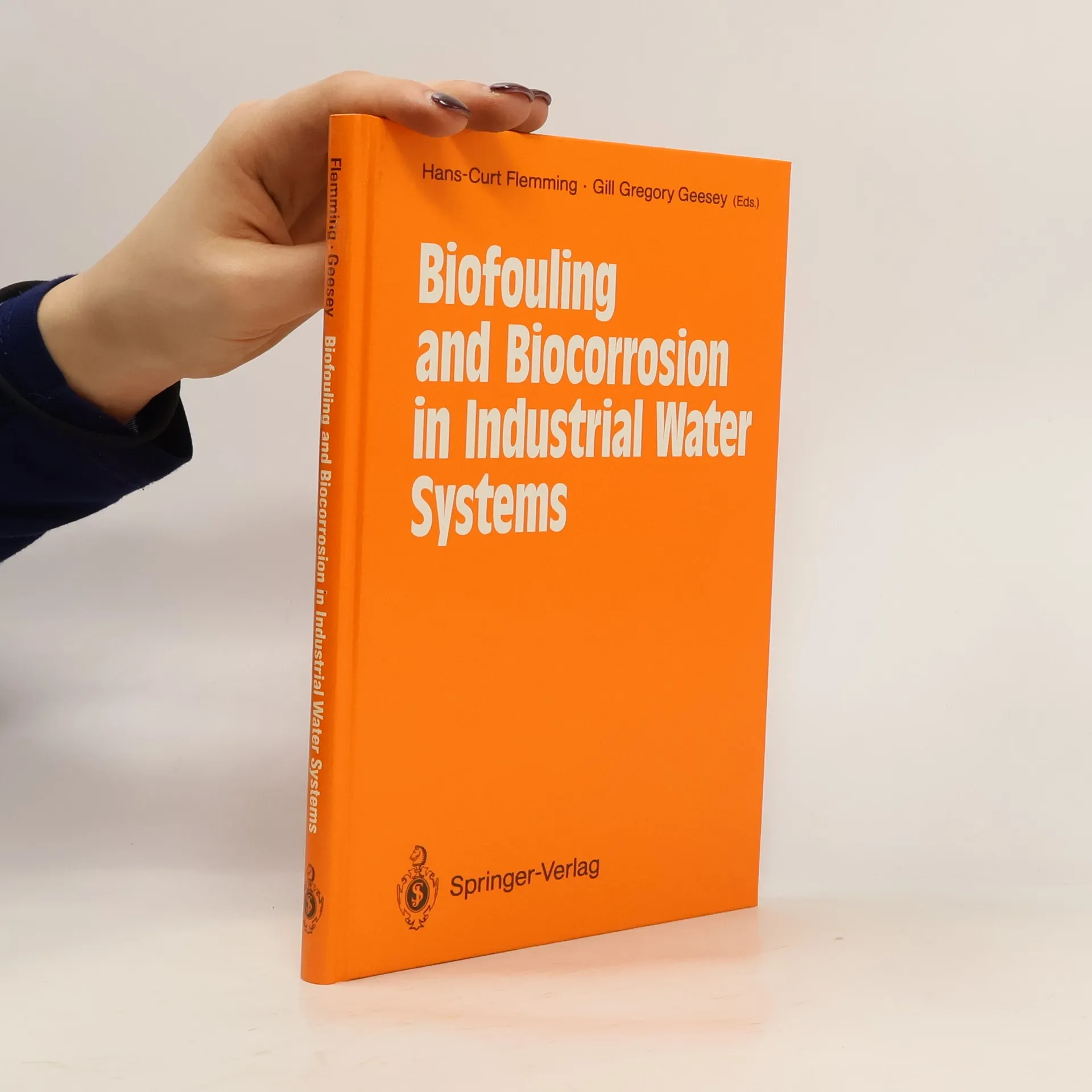
Biofouling and Biocorrosion in Industrial Water Systems
Proceedings of the International Workshop on Industrial Biofouling and Biocorrosion, Stuttgart, September 13–14, 1990
- 220 páginas
- 8 horas de lectura
Microbial growth and contamination ("Biofouling") in water systems represents a significant threat to the quality of waters produced for the microelectronic, pharmaceutical, petroleum, paper, food and other manufacturing industries. Biofouling can lead to biologically induced corrosion ("Biocorrosion"), which can cause severe damage to the equipment. Both biofouling and biocorrosion are frequently not recognized in time, underestimated, or linked with the wrong causes. The book represents a new approach by introducing biofilm properties and dynamics as basic principles of biofouling and biocorrosion, thus providing a better understanding and the means of fighting the undesired effects of biofilms. The most important features are: Case histories of biofouling in water treatment.- Detection and monitoring of biofouling.- Reverse osmosis membrane biofouling.- Biocide efficacy and biofouling control.- Plant design considerations for preventing biofouling.- Case histories of biocorrosion.- Detection, monitoring, control and prevention of biocorrosion.- Fundamentals of biofouling and biocorrosion mechanisms.
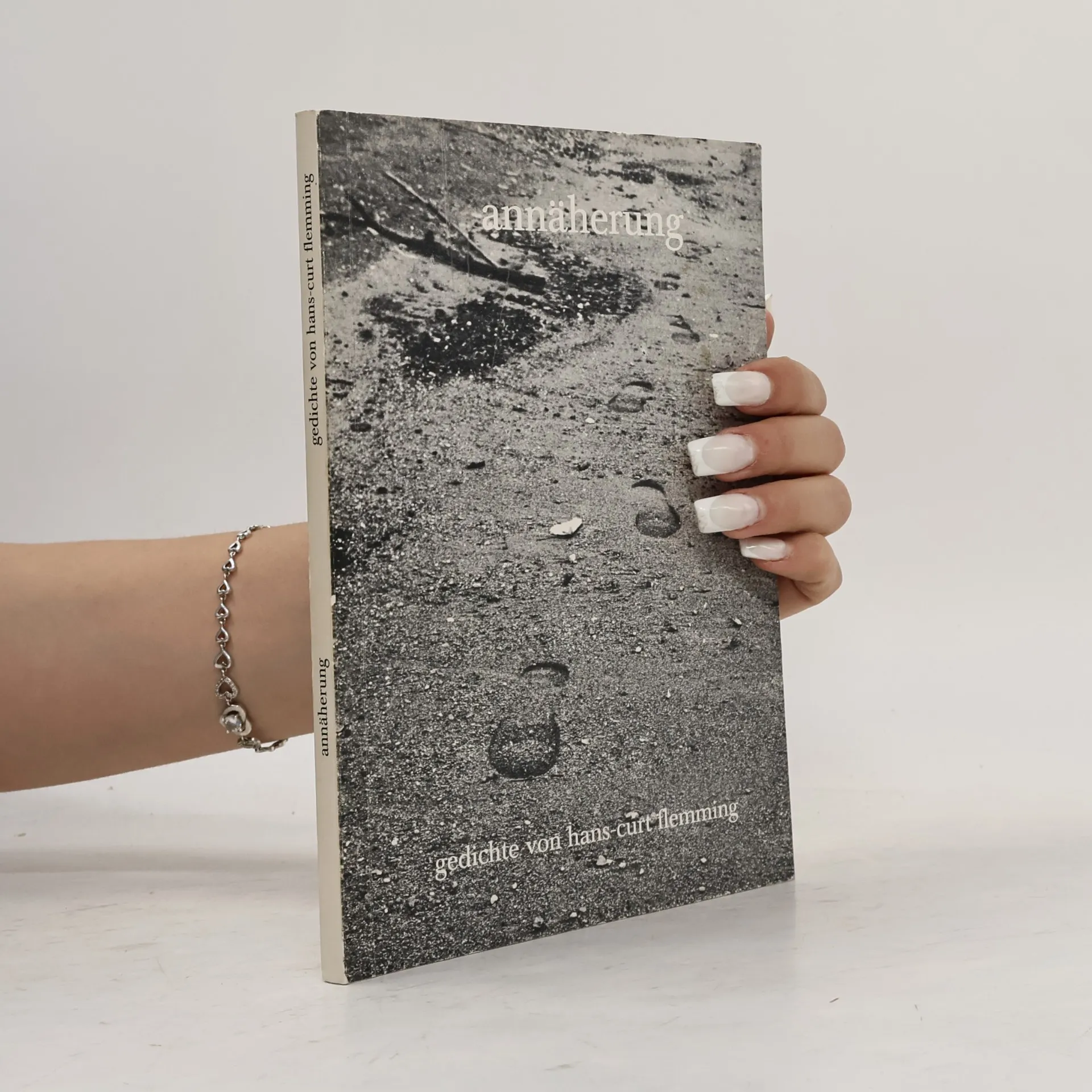
Annäherung 2.0. Gedichte
- 161 páginas
- 6 horas de lectura
Die Gedichte von Hans-Curt Flemming entstanden während seiner Tagebuchschreiberei ab 1975. Sie reflektieren seine persönliche Geschichte, wichtige Themen und Katastrophen. Schreiben ist für ihn ein innerer Dialog zur Selbstreflexion. Der Band enthält seine besten Gedichte, ergänzt durch 15 Bilder seines Bruders Jürgen.
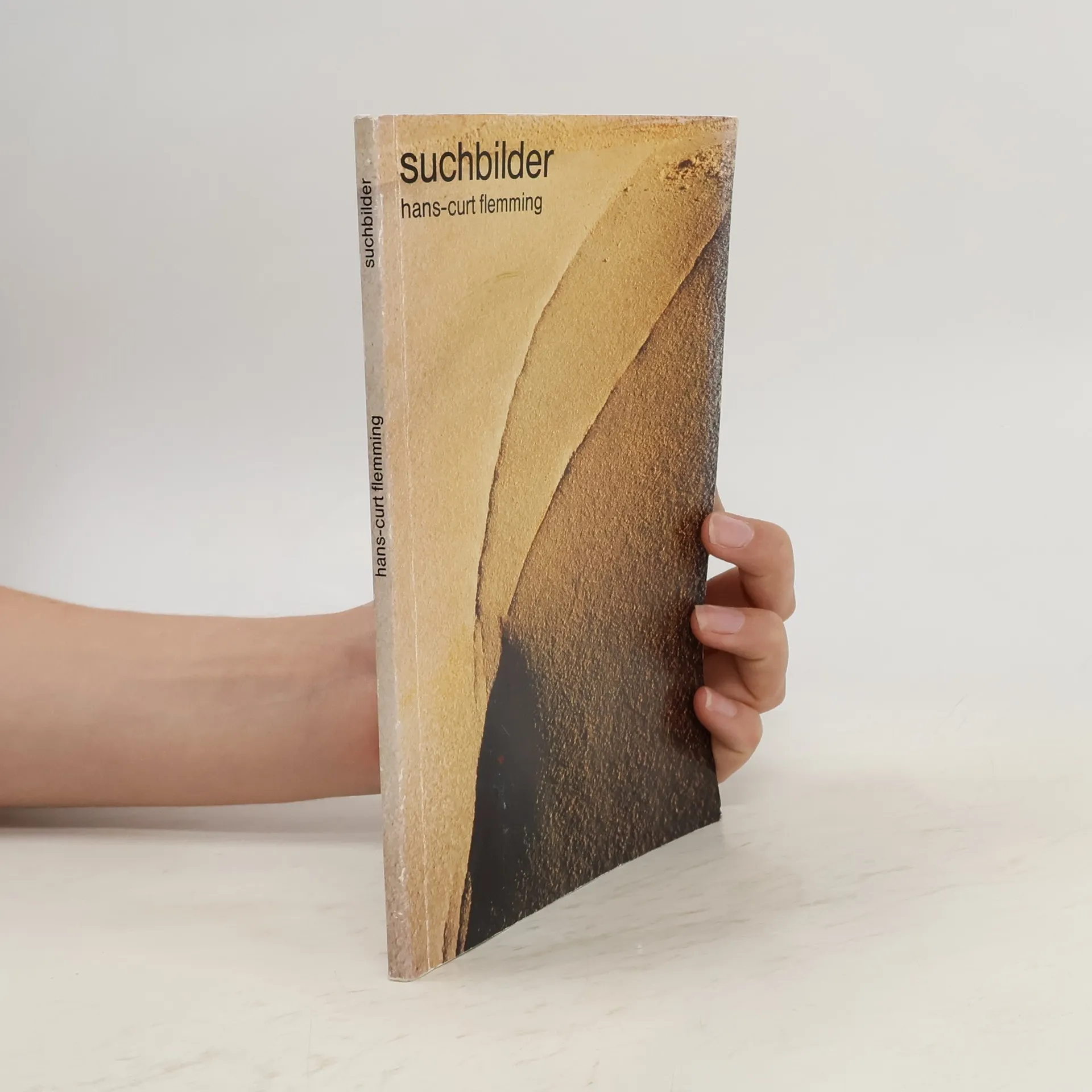
Suchbilder
- 140 páginas
- 5 horas de lectura
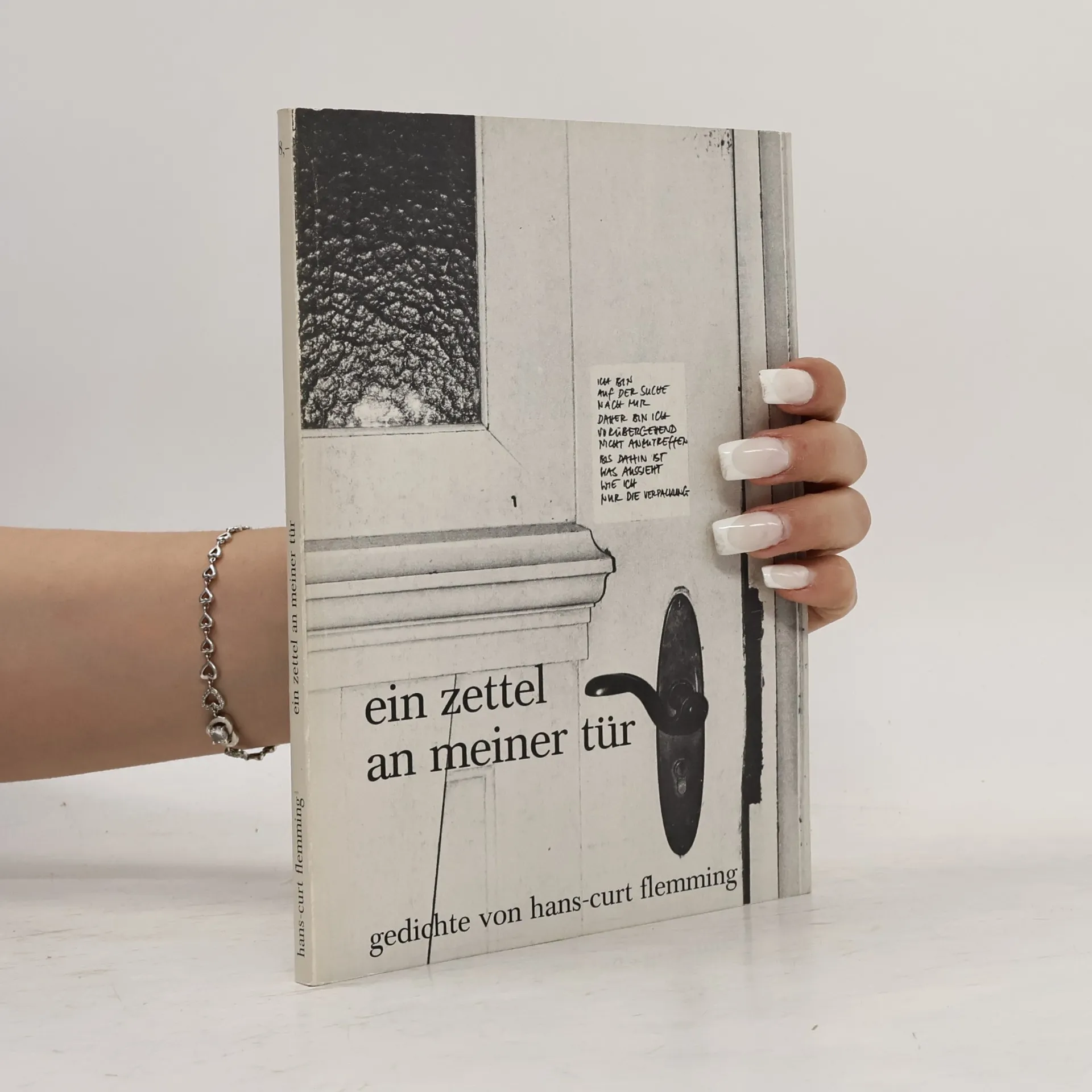
Ein Zettel an meiner Tür
- 140 páginas
- 5 horas de lectura
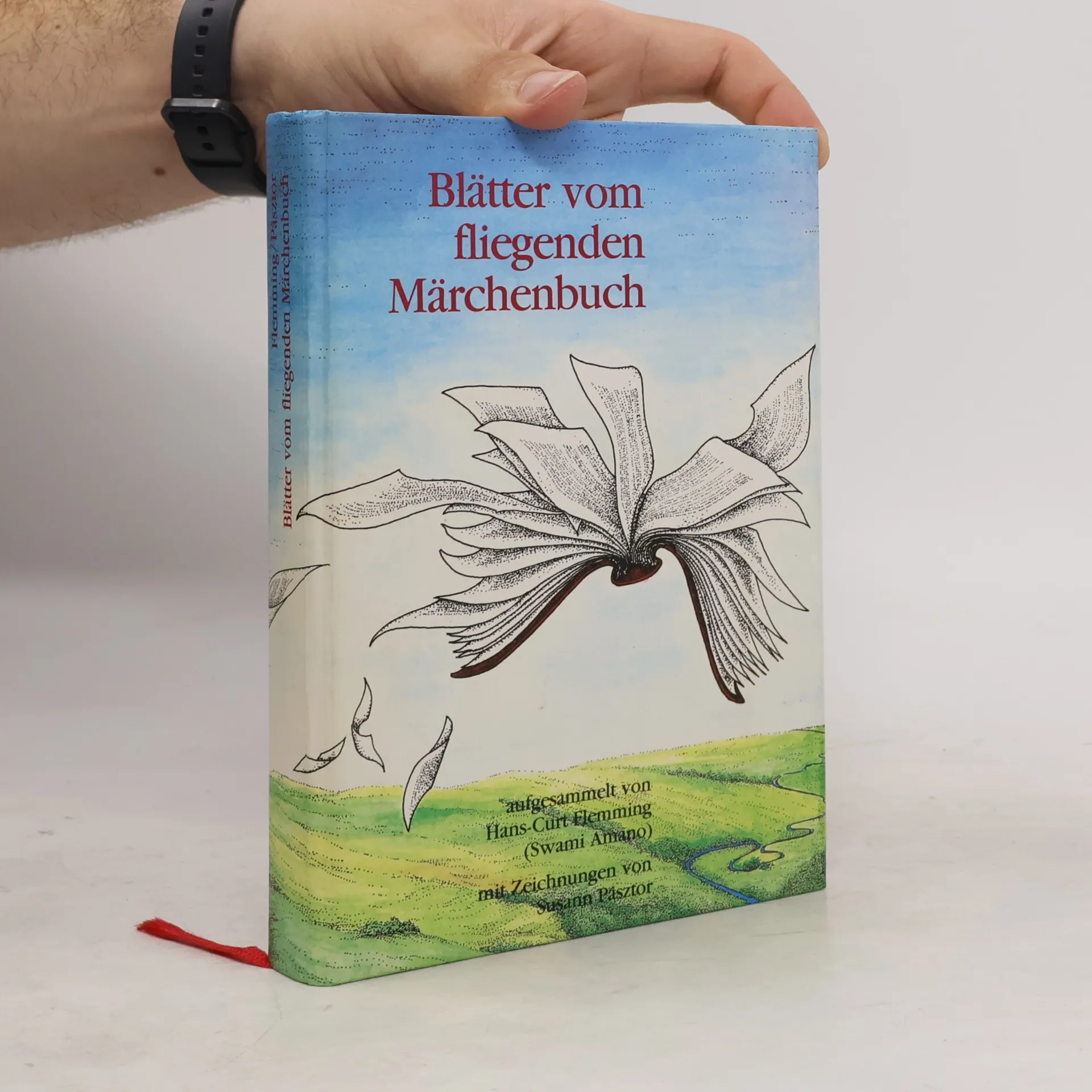
Blätter vom fliegenden Märchenbuch
- 162 páginas
- 6 horas de lectura
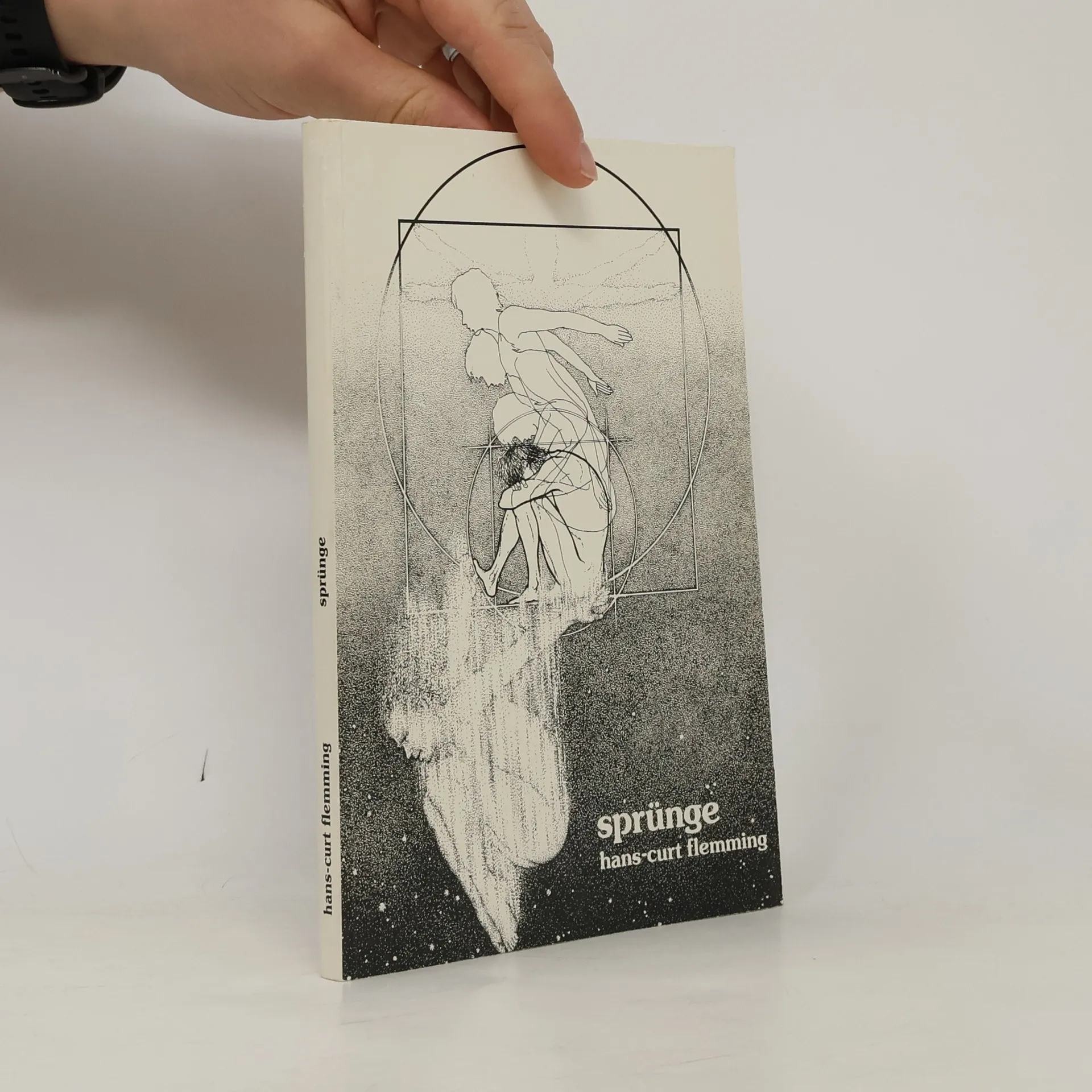
Sprünge
- 146 páginas
- 6 horas de lectura