

Más información sobre el libro
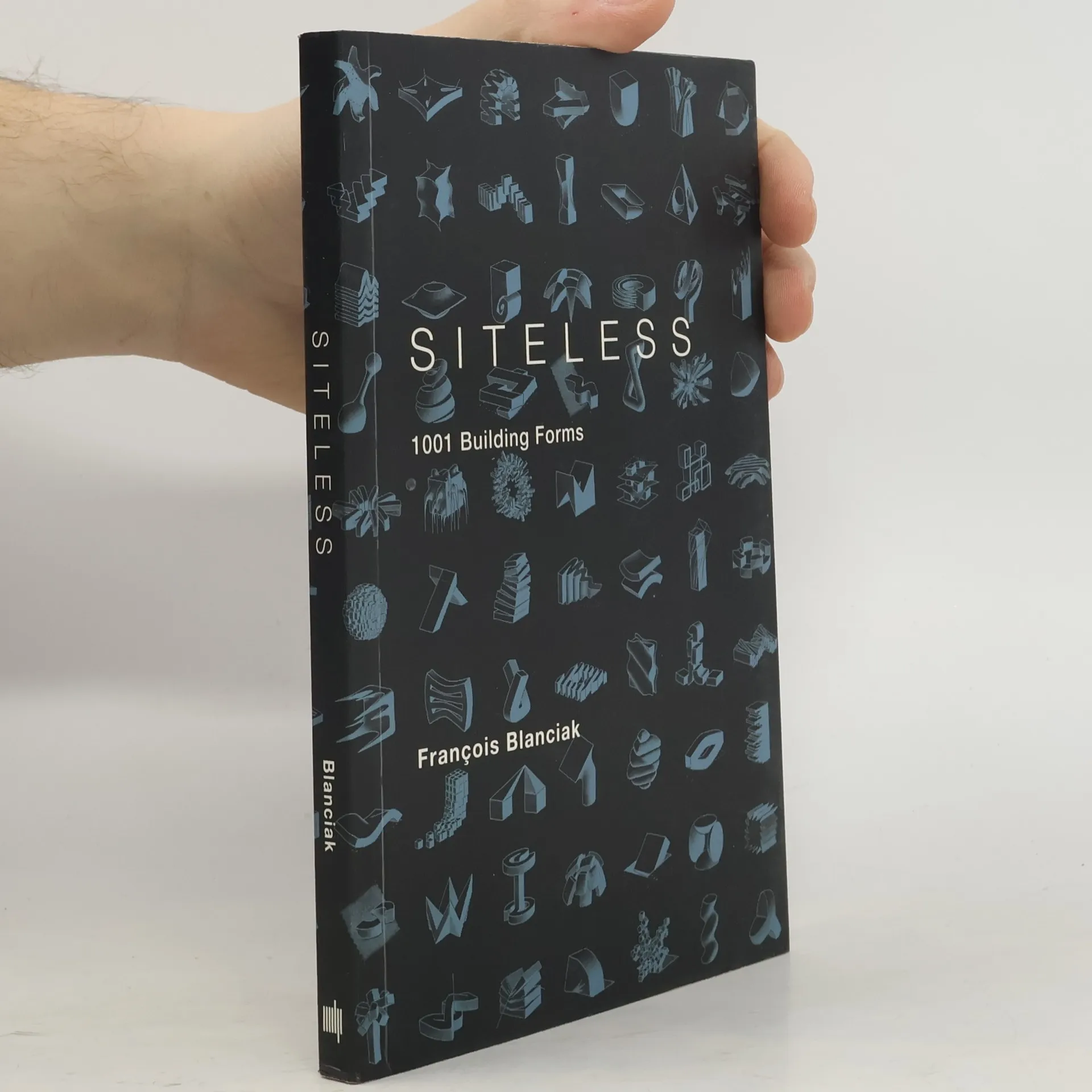
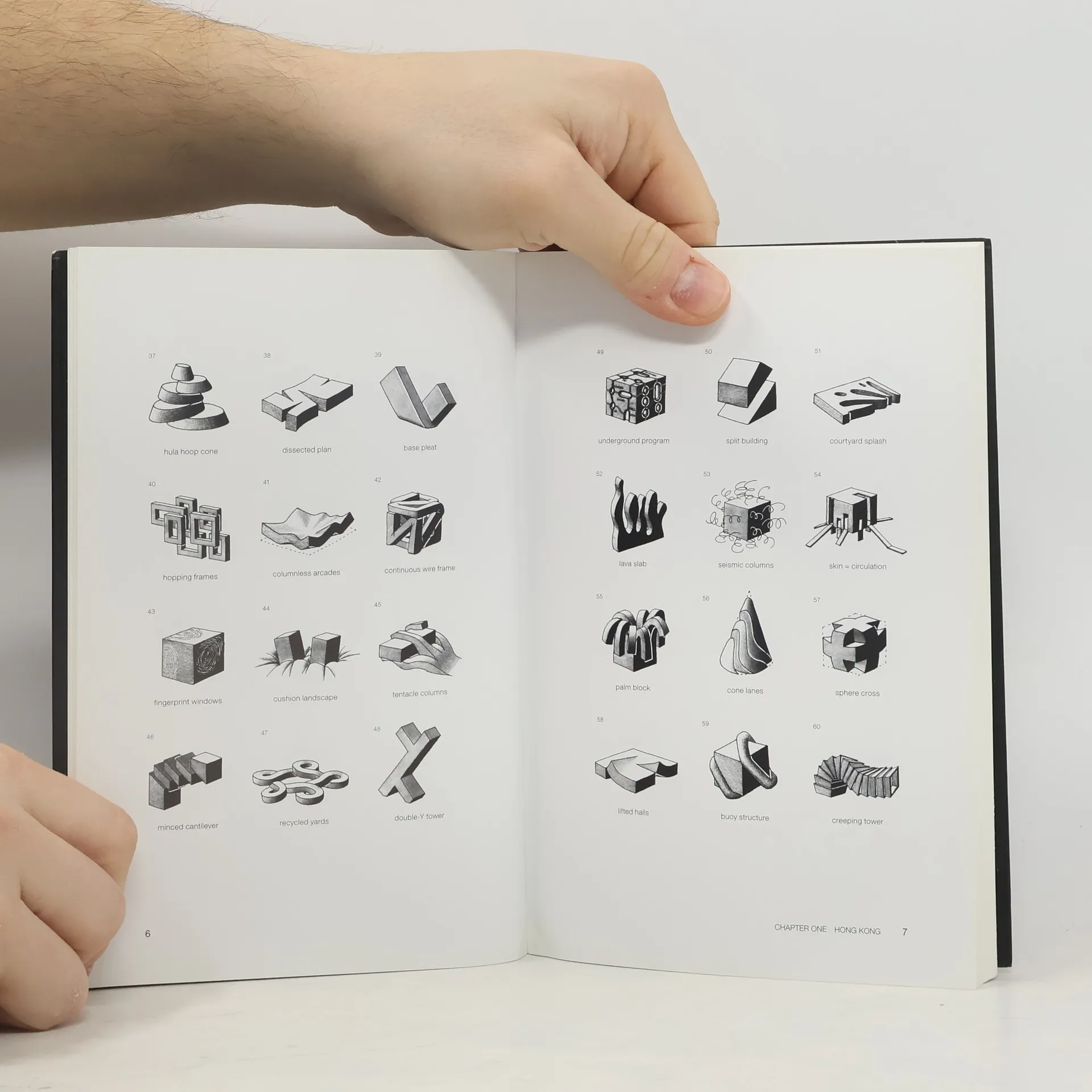
Some may call it the first manifesto of the twenty-first century, for it lays down a new way to think about architecture. Others may think of it as the last architectural treatise, for it provides a discursive container for ideas that would otherwise be lost. Whatever genre it belongs to, SITELESS is a new kind of architecture book that seems to have come out of nowhere. Its author, a young French architect practicing in Tokyo, admits he "didn't do this out of reverence toward architecture, but rather out of a profound boredom with the discipline, as a sort of compulsive reaction." What would happen, he asks, if architects liberated their minds from the constraints of site, program, and budget? The result is a book that is saturated with forms, and as free of words as any architecture book the MIT Press has ever published
Compra de libros
Siteless: 1001 Building Forms, François Blanciak
- Idioma

- Publicado en
- 2008
- Encuadernación
- (Tapa blanda)
Métodos de pago
Nos falta tu reseña aquí
- Título
- Siteless: 1001 Building Forms
- Idioma
- Inglés
- Autores
- François Blanciak
- Editorial
- MIT Press
- Publicado en
- 2008
- Formato
- Tapa blanda
- Páginas
- 128
- ISBN10
- 0262026309
- ISBN13
- 9780262026307
- Serie
- Etiquetas
- Arte, Arquitectura
- Calificación
- 4 de 5
- Descripción
- Some may call it the first manifesto of the twenty-first century, for it lays down a new way to think about architecture. Others may think of it as the last architectural treatise, for it provides a discursive container for ideas that would otherwise be lost. Whatever genre it belongs to, SITELESS is a new kind of architecture book that seems to have come out of nowhere. Its author, a young French architect practicing in Tokyo, admits he "didn't do this out of reverence toward architecture, but rather out of a profound boredom with the discipline, as a sort of compulsive reaction." What would happen, he asks, if architects liberated their minds from the constraints of site, program, and budget? The result is a book that is saturated with forms, and as free of words as any architecture book the MIT Press has ever published