



Parámetros
Más información sobre el libro
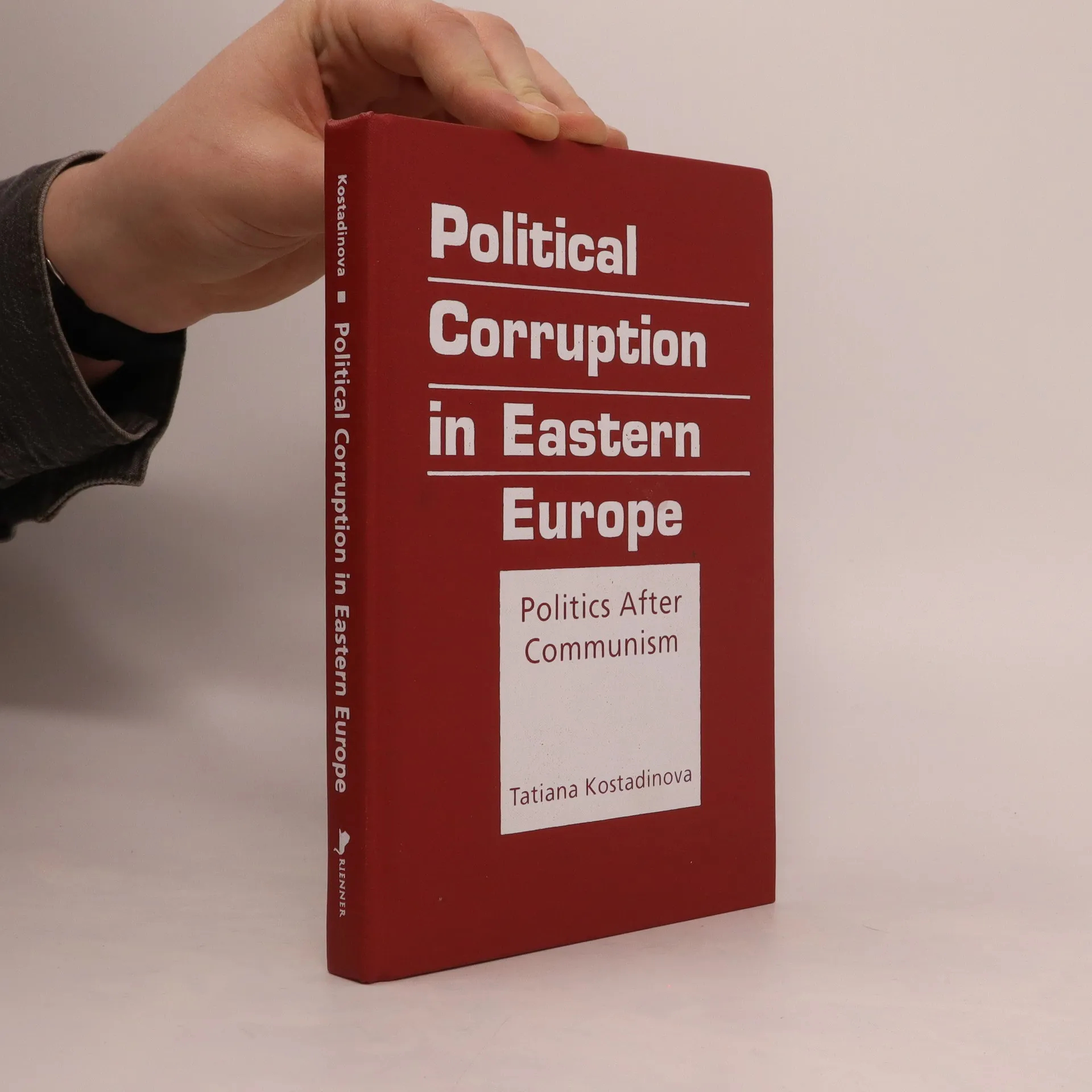
Why has political corruption emerged as a major obstacle to successful democratic consolidation in Eastern Europe? Exploring the origins, scope, and impact of political corruption in the region's post communist states, Tatiana Kostadinova identifies the factors that favor illicit behavior and considers how the various forms of malfeasance are threatening democracy. Rich cross-national data and an in-depth study of Bulgaria reveal how parties and their leaders have exploited the transitional environment for private benefit, as well as how domestic and external forces-including the EU integration process-are constraining corruption. Kostadinova's conclusions point to the policy-relevant implications of her study for Eastern Europe, and for transitional democracies around the world
Compra de libros
Political corruption in Eastern Europe : politics after communism, ProQuest, Tatiana Kostadinova
- Idioma

- Publicado en
- 2012
- Encuadernación
- (Tapa dura)
Métodos de pago
Nadie lo ha calificado todavía.
- Título
- Political corruption in Eastern Europe : politics after communism
- Idioma
- Inglés
- Autores
- ProQuest, Tatiana Kostadinova
- Editorial
- Lynne Rienner Publishers Inc
- Publicado en
- 2012
- Formato
- Tapa dura
- ISBN10
- 1626374155
- ISBN13
- 9781626374157
- Serie
- Etiquetas
- Descripción
- Why has political corruption emerged as a major obstacle to successful democratic consolidation in Eastern Europe? Exploring the origins, scope, and impact of political corruption in the region's post communist states, Tatiana Kostadinova identifies the factors that favor illicit behavior and considers how the various forms of malfeasance are threatening democracy. Rich cross-national data and an in-depth study of Bulgaria reveal how parties and their leaders have exploited the transitional environment for private benefit, as well as how domestic and external forces-including the EU integration process-are constraining corruption. Kostadinova's conclusions point to the policy-relevant implications of her study for Eastern Europe, and for transitional democracies around the world